
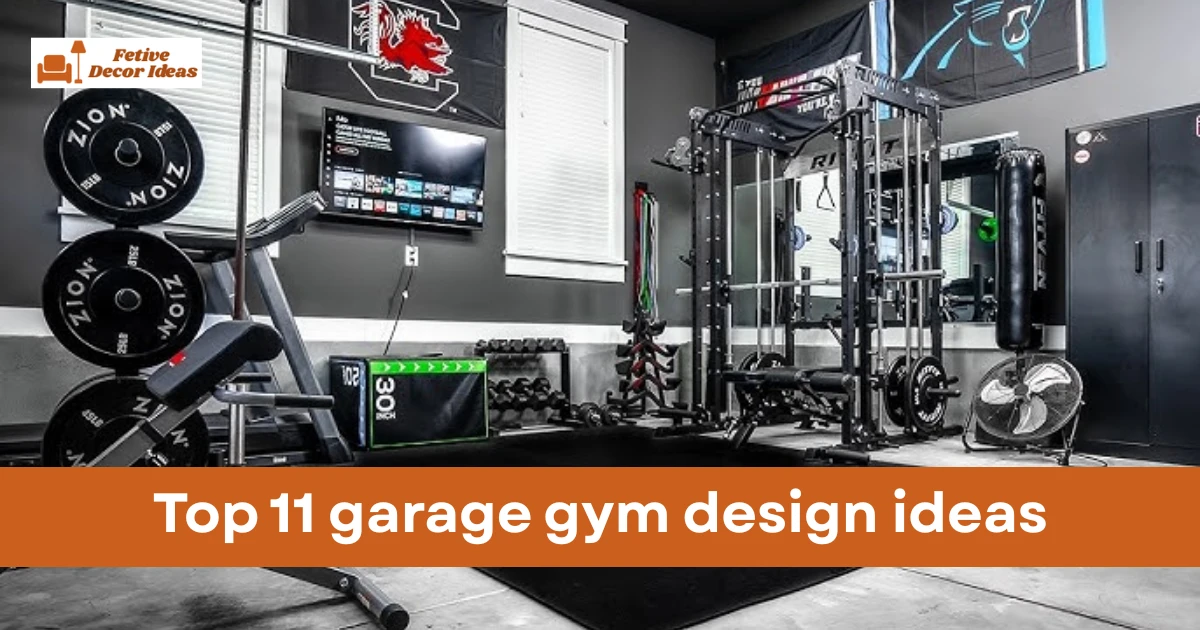
You can build a professional workout space in your garage without spending a fortune or losing your sanity. Most people assume they need a massive commercial budget to get results, but that is simply not true.
I have spent years tweaking my own setup and realized that the best designs focus on smart utility. You really just need a solid plan to turn that dusty storage area into a high-end training zone.
I will show you how to navigate the clutter and choose the best gear for your specific needs. We are going to look at layouts that actually work for real people with normal houses.
My goal is to help you avoid the common mistakes that turn many home gyms into expensive laundry racks. Let’s get your garage ready for some serious lifting and better health today.
Professional planning for your residential fitness space
I think you should realize that a great garage gym starts with a clear vision of how you plan to use the area every day.
I have seen many people clutter their space with bulky machines that they rarely use, which just leads to frustration and wasted money.

I suggest you take exact measurements of your garage walls and ceiling height before you click the buy button on any large racks.
Setting a realistic budget for your flooring and lighting will also ensure that your gym feels like a destination rather than a dark cave.
1. Professional rubber flooring for safety and sound
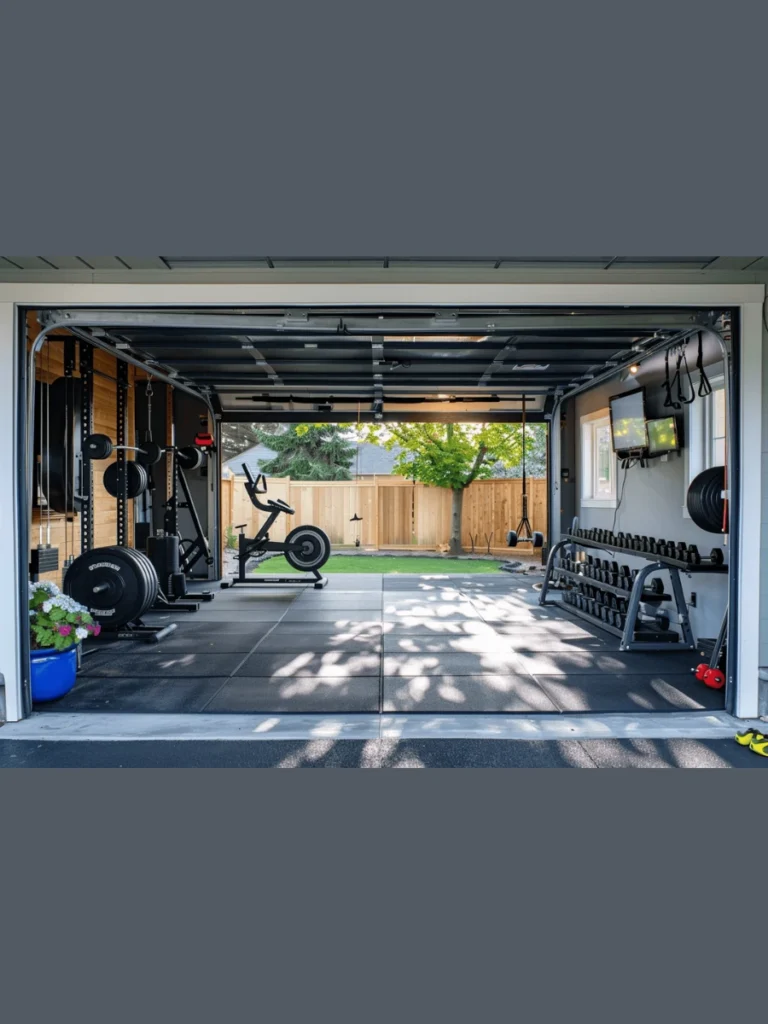
I suggest you start with thick rubber mats because dropping a heavy barbell on bare concrete is a recipe for disaster. Your foundation is the most important part of the build if you want to keep your floor intact.

You can find 4×6 foot stall mats at most local farm supply stores for a very affordable price. These heavy mats stay in place without glue and handle the heaviest dumbbells you can throw at them.
Cleaning these surfaces is also much easier than trying to scrub grease or dirt out of porous garage concrete. A quick sweep or a damp mop will keep your workout area looking fresh and professional every week.
I found that the extra cushion also saves my knees during high-impact movements like jumping rope or burpees. It muffles the noise so you do not annoy your family or the neighbors during early morning sessions.
2. Wall mounted folding racks to save floor space
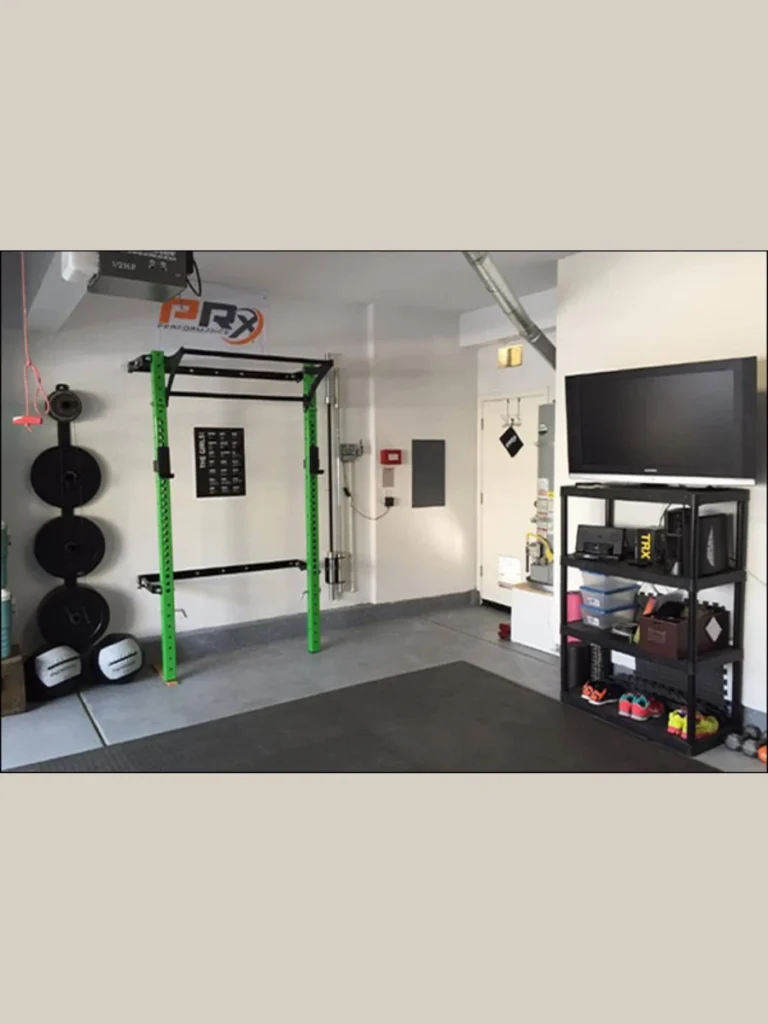
You should look into a folding power rack if you still need to park your car inside the garage. These clever frames bolt directly into your wall studs and collapse flat when you finish your heavy lifting.
I love how these racks provide a professional feel without taking up a permanent footprint in your limited square footage. You get the safety of a squat cage while keeping your floor clear for other home projects.
Setting them up usually takes less than a minute which means you have zero excuses to skip your leg day. Most models also include a pull up bar so you can work on your upper body strength easily.
Just make sure you have a flat wall and enough vertical clearance for the height of the steel uprights. It is a game changer for anyone living in a house with a cramped single car garage or workshop.
3. Vertical storage systems for organized equipment
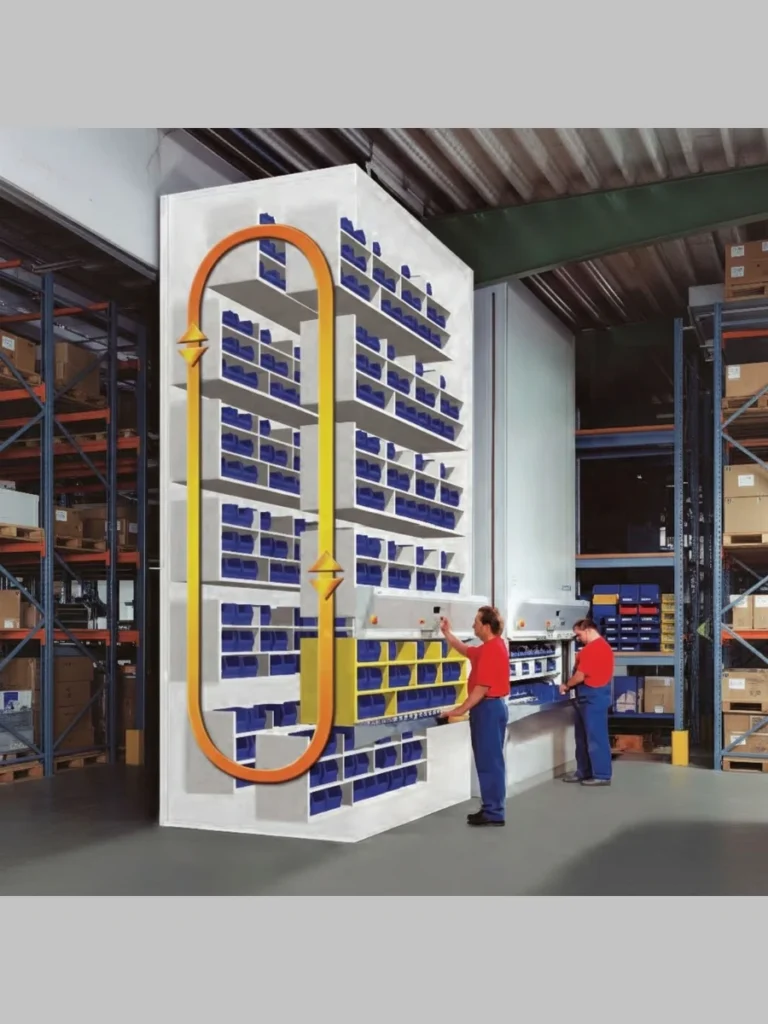
I highly recommend using vertical wall tracks to hang your weight belts, jump ropes, and resistance bands neatly. Keeping your gear off the floor makes your gym feel twice as large and much safer to walk through.

You can use heavy duty pegs or specialized hooks to hold your barbells upright against the wall when not in use. This prevents your expensive bars from getting scratched or bent by leaning them in a dark corner.
I noticed that an organized wall actually motivates me to start my workout because I can find everything instantly. No one wants to spend twenty minutes digging through a plastic bin to find a specific pair of collars.
A clean layout also keeps your garage looking like a home instead of a chaotic junk yard for iron. It shows you take your fitness seriously and helps maintain the overall value of your residential property.
4. Overhead ceiling racks for seasonal gear storage
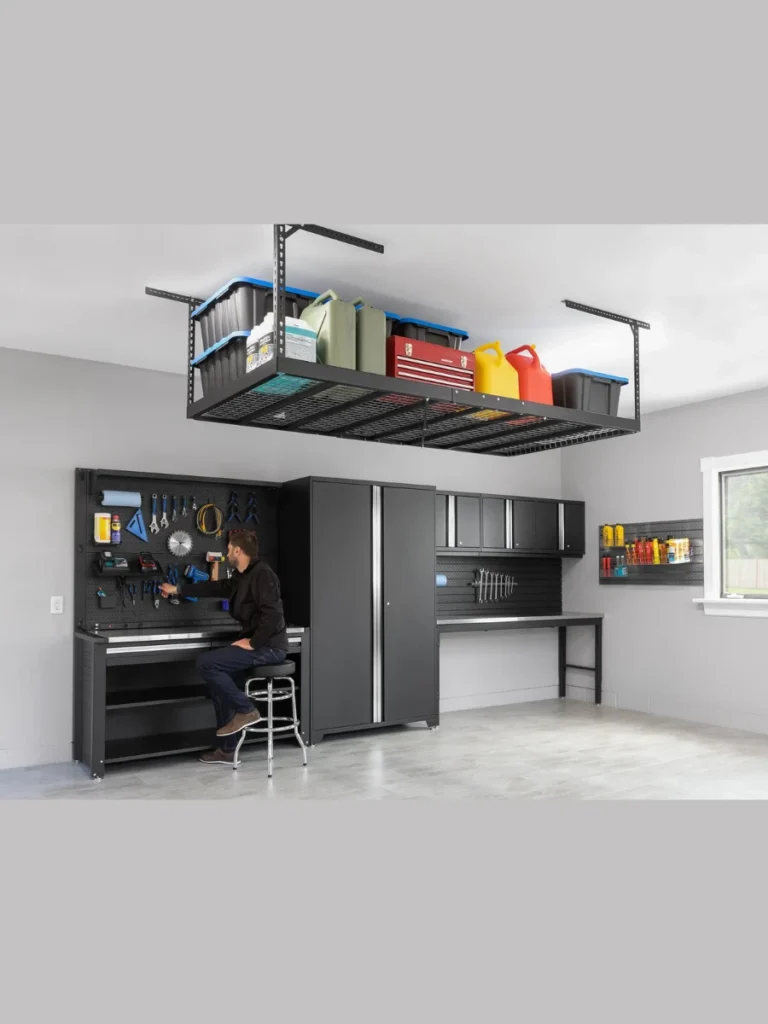
I think you should use your ceiling space for items that you do not need during every single workout. Tucking away holiday decorations or camping gear up high leaves more room for your functional fitness movements down below.
High-quality steel racks can hold hundreds of pounds safely above your head while you perform your daily training. This is the best way to reclaim your floor space if your garage is currently full of boxes.
I personally use these for my bulky items that used to sit right where my deadlift platform is now. It is a simple weekend project that adds massive value to your gym layout and general home organization.
Just be sure to find the ceiling joists and use proper lag bolts for a secure and safe installation. Once the clutter is gone, you will have the mental clarity to focus on your personal records and gains.
5. Strategic mirror placement for form and light
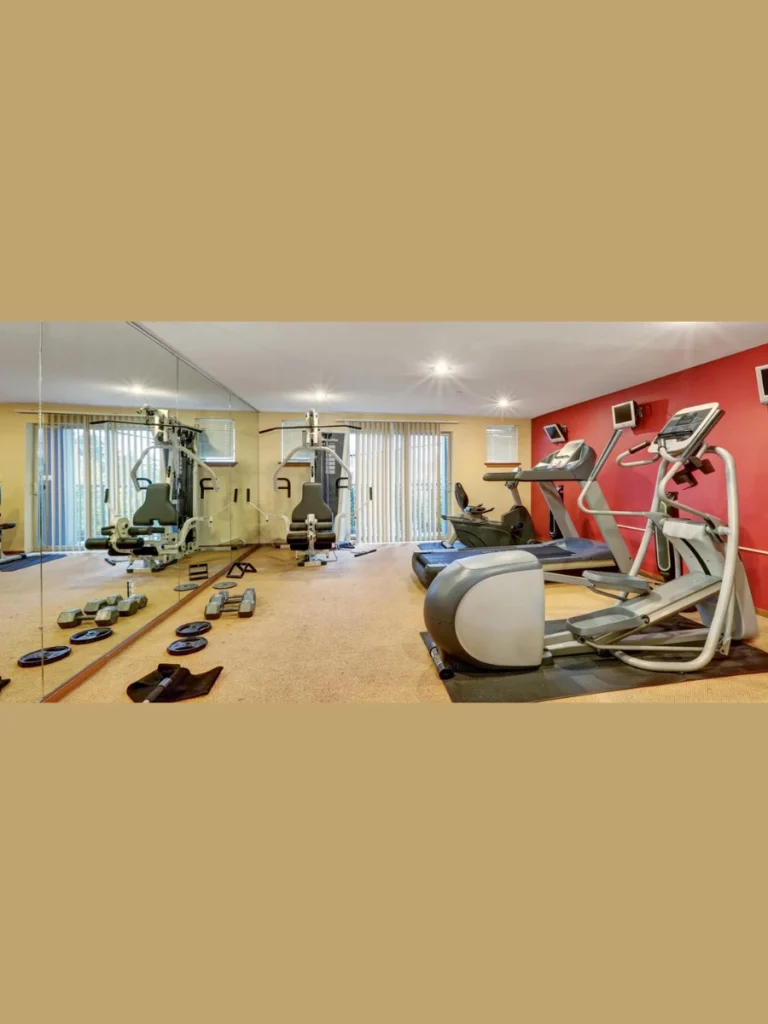
I believe you should install large mirrors on at least one wall to check your lifting technique. Being able to see your posture during a heavy squat helps you avoid injuries and stay on track.

I noticed that mirrors also make a cramped garage feel much brighter and more open than it really is. They reflect the limited light coming from your overhead fixtures and bounce it into those dark, dusty corners.
You do not need to buy expensive fitness mirrors when simple glass panels from a hardware store work fine. Just make sure you secure them tightly to the wall studs so they do not vibrate when you drop weights.
Having a clear view of your progress is a huge boost for your daily motivation and training consistency. It turns a basic utility room into a professional studio where you can focus entirely on your physical goals.
6. High output LED lighting for better visibility
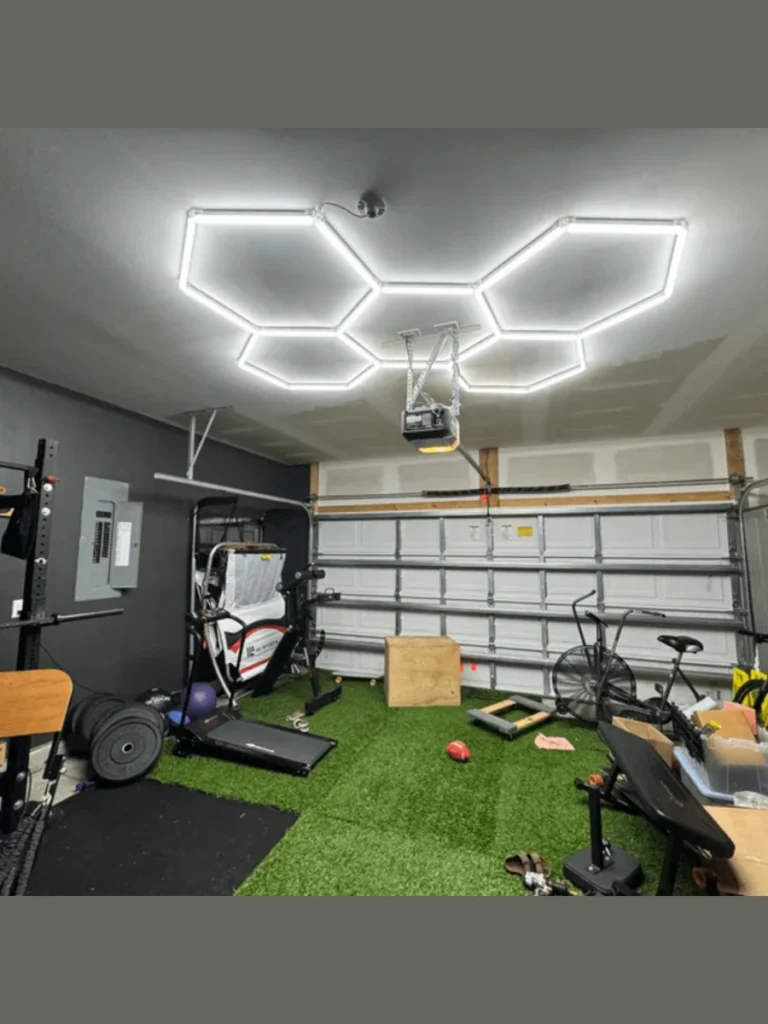
I suggest replacing those dim, yellow garage bulbs with bright white LED shop lights as soon as possible. Better lighting instantly changes the mood of the room and makes your morning workouts feel much more energetic.

You can find linkable LED strips that plug into your existing outlets without needing a professional electrician at all. I mounted mine directly above my lifting platform to eliminate any annoying shadows while I am moving iron.
I found that a well lit space actually makes me feel safer when I am handling heavy dumbbells or barbells. You can see exactly where your feet are and ensure your equipment is clear of any hidden tripping hazards.
Modern LED lights also consume very little power so you can keep your gym bright without a high bill. It is a small investment that provides a massive upgrade to the professional look of your home training center.
7. Climate control solutions for year round training
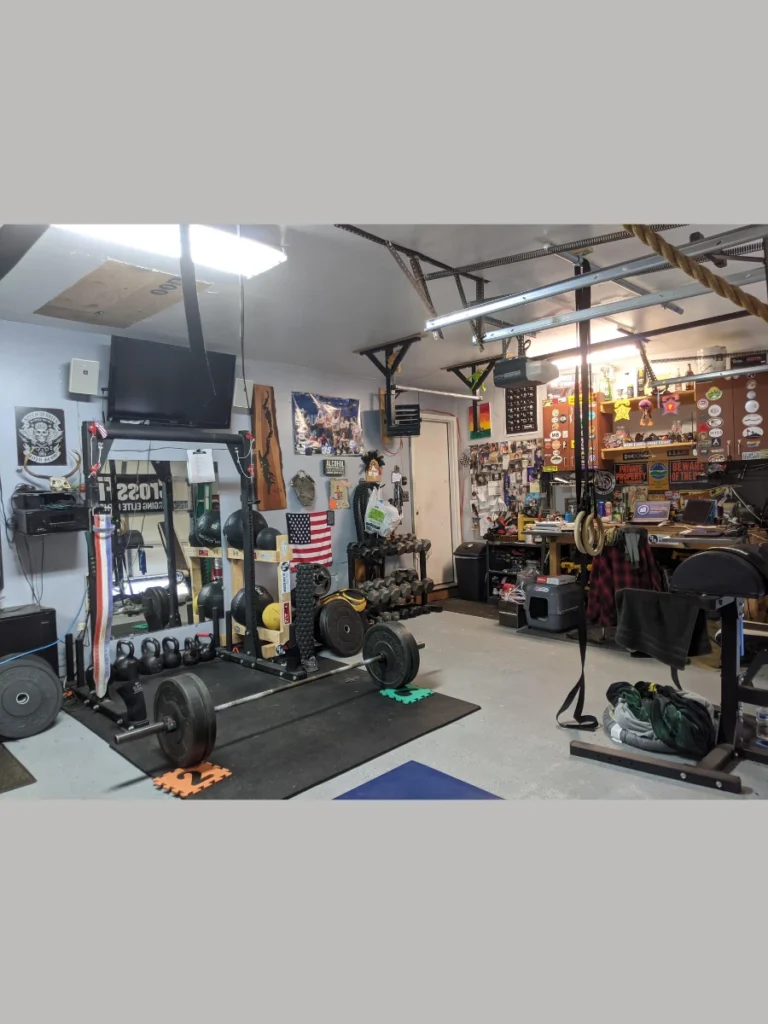
I recommend getting a high velocity floor fan to keep the air moving during those humid summer afternoon sessions. A garage can turn into an oven quickly, so staying cool is vital if you want to finish your program.

You might also consider a portable space heater or an insulated garage door to keep the warmth in during winter. I have spent many mornings shivering in the cold, and it definitely saps your desire to lift heavy.
I noticed that adding basic weather stripping to the bottom of my garage door made a huge difference. It keeps the drafts out and prevents dust or leaves from blowing all over your expensive rubber flooring.
Making the environment comfortable means you will actually use the gym regardless of what the weather is doing. You want a space that invites you in rather than a cold box that makes you want to stay inside.
8. Mobile storage carts for flexible gym layouts
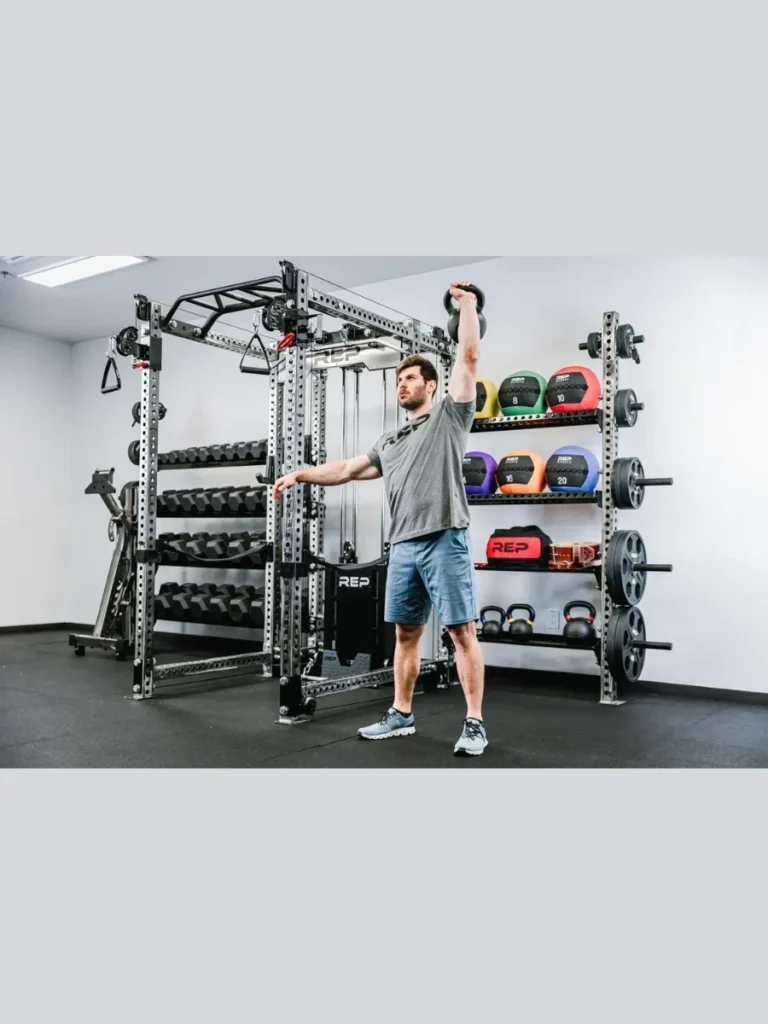
I use a rolling utility cart to hold my smaller items like chalk, timers, and cleaning supplies for the gear. Being able to wheel your accessories exactly where you need them saves a lot of time between your sets.
You can move the cart out of the way when you need to pull your vehicle into the garage. This flexibility is perfect for people who share their workout space with other household hobbies or car maintenance.
I found that keeping my phone and water bottle on a dedicated cart prevents them from getting stepped on. It keeps your workspace tidy and ensures that your most important tools are always within arm’s reach today.
Look for a cart with heavy duty casters that can roll smoothly over your rubber mats or uneven concrete floors. It is a simple organizational hack that keeps your gym flowing smoothly even during your busiest training weeks.

9. Dedicated cardio corners with compact machines
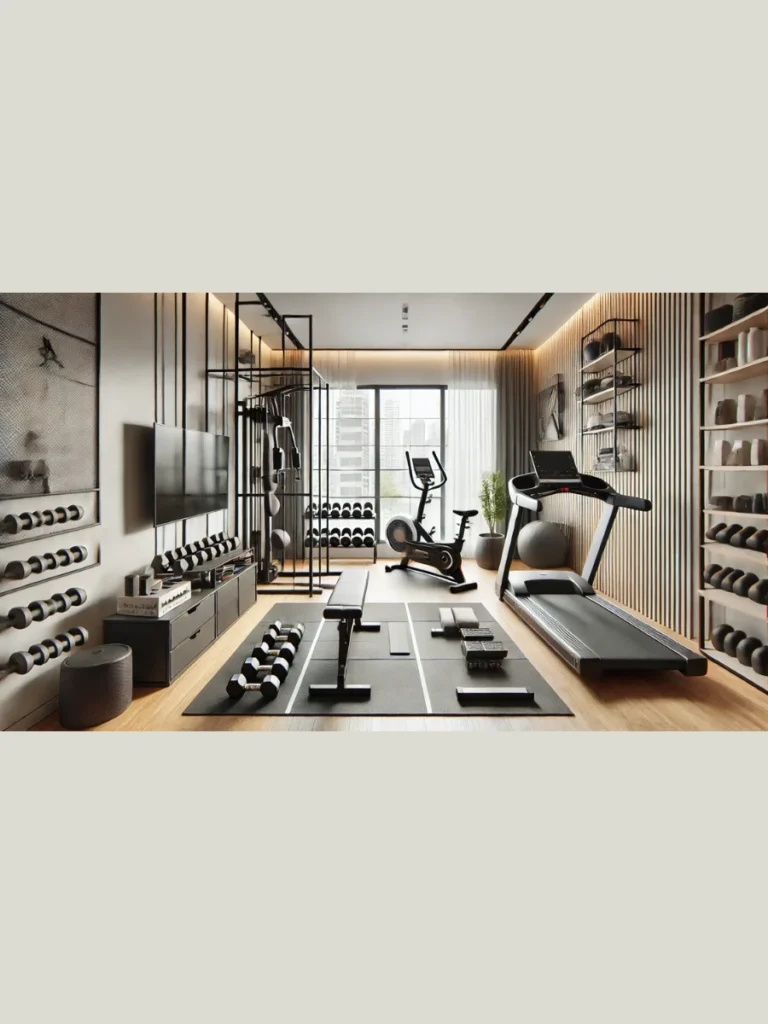
I think you should designate one specific corner for your cardio equipment to keep it from cluttering the center. Machines like rowing ergs or vertical bikes have small footprints and offer a great way to warm up.
I prefer machines that can be stood up on their end when I am not using them for my sessions. This allows me to reclaim that floor space for yoga, stretching, or heavy lunges whenever the need arises.
Keeping your cardio gear in its own zone helps you stay focused on the specific task at hand. You can knock out your intervals and then transition quickly to your strength training without moving a bunch of equipment.
I noticed that having a dedicated spot for my bike makes it much easier to jump on for a quick ride. It removes the friction of setup and ensures you get your heart rate up every single day of the week.
10. Custom lifting platforms for floor protection
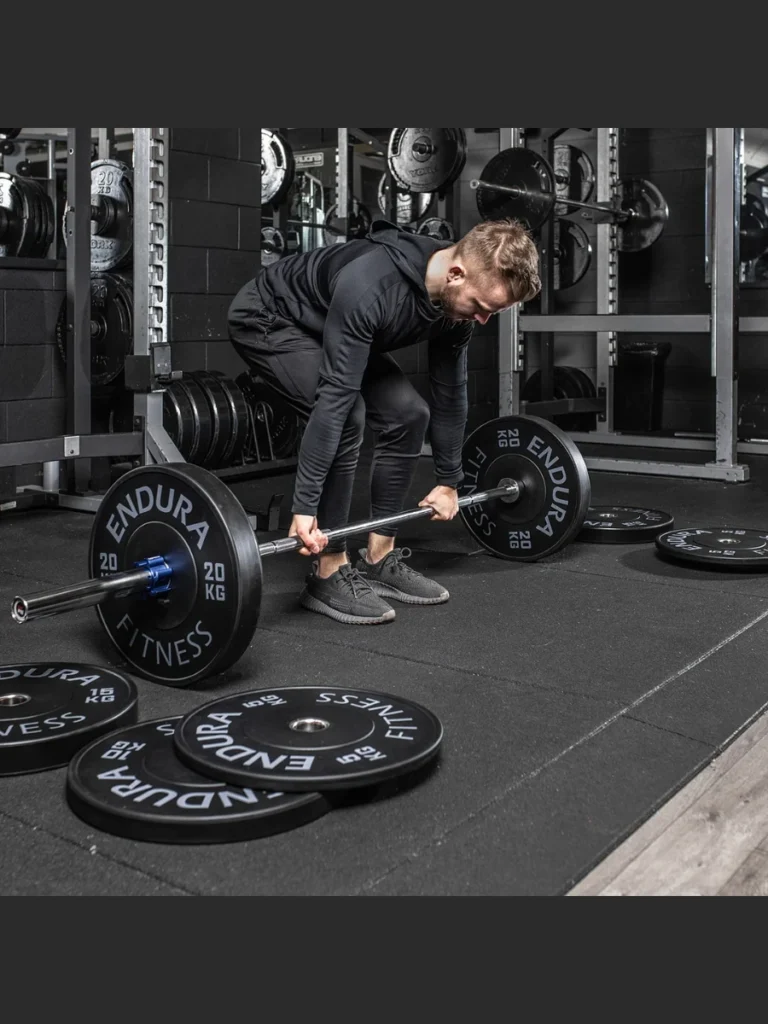
I suggest building a simple plywood and rubber platform if you plan on doing any heavy deadlifts or cleans. This structure distributes the weight across a larger surface area and protects your home foundation from cracking.
I love the professional sound and feel of iron hitting a solid platform rather than just thin mats. It gives you a stable, level surface that is much better for your balance during those max-effort attempts.

You can customize the center strip with your own wood stain or a decal to give it a personal touch. It serves as the centerpiece of your gym and shows that you are serious about your strength training.
Building one yourself is a great weekend project that costs much less than buying a pre-made commercial version. It adds a layer of professionalism to your garage that makes every workout feel like an elite event.
start 3rd session
11. Smart wall tech and entertainment setups
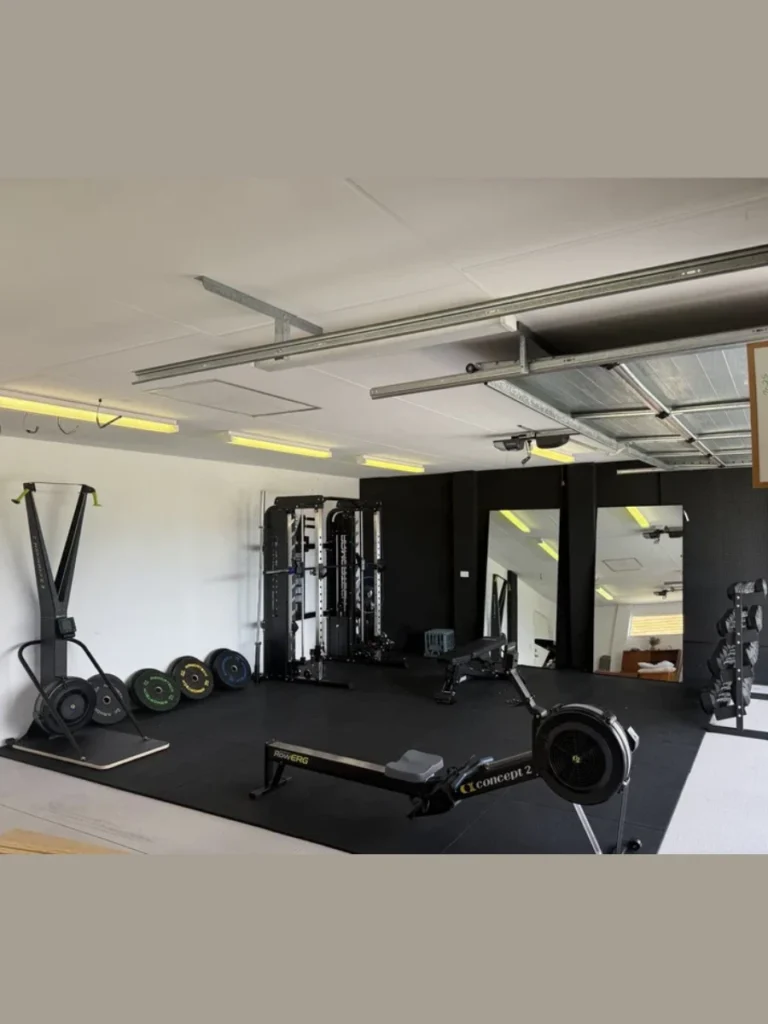
I suggest mounting a television or a tablet bracket at eye level to follow your favorite workout programs easily. Having a dedicated screen keeps you from fumbling with your phone when your hands are sweaty or covered in chalk.
I found that a basic soundbar mounted high on the wall provides a much better atmosphere than small portable speakers. Music is a huge driver for intensity, and a solid sound system turns a boring garage into a high energy zone.
You should ensure your Wi-Fi signal reaches the garage so your streaming sessions do not buffer in the middle of a set. I used a simple range extender to fix my connection issues, and it made a massive difference in my routine.

Keeping your tech off the floor and secured to the wall protects your electronics from heavy weights or accidental spills. It is the final touch that makes your home gym feel like a modern, professional fitness destination every day.
Expert tips for your garage gym success
I recommend starting with the basics and slowly adding more equipment as you figure out your specific training style. You do not need every machine on day one to build a body that you can be proud of for years.
Focus on the quality of your barbell and your flooring before you worry about fancy accessories or high end paint. A solid foundation will last a lifetime, while cheap gear often breaks and ends up costing you more in the long run.
I noticed that keeping a whiteboard on the wall helps me track my progress and stay accountable to my goals. Writing down your numbers where you can see them creates a mental bridge between your effort and your results.
You should also keep a basic cleaning kit nearby to wipe down your equipment after every single training session. This simple habit prevents rust on your bars and keeps your rubber mats from smelling like a locker room.
- Prioritize Safety: Always bolt your squat rack to the floor or wall for maximum stability.
- Air Flow: Keep your garage door cracked a few inches if you need fresh air during heavy sets.
- Organization: Use magnetic strips to hold small tools like wrenches for your equipment maintenance.
- Longevity: Store your plates on a dedicated tree to prevent them from scuffing your floor mats.
Summary of the best gym design ideas
I have shown you how to turn a cluttered garage into a professional training space using smart layouts and storage. We covered everything from thick rubber flooring to folding racks that save your valuable floor space for your car.

I believe that the best home gyms are the ones that reflect your personal goals while remaining practical for your lifestyle. By focusing on lighting, climate, and organization, you create an environment where you actually want to work hard.
You now have a clear roadmap to build a gym that rivals any commercial facility without the annoying monthly membership fees. It is time to clear out the junk and start building the strongest version of yourself in your own home.
Conclusion
I have shared my favorite ways to turn a standard garage into a high-end fitness center that fits your life. You now have the blueprint to handle everything from floor protection to smart storage for all your equipment.
I believe that starting small and focusing on quality is the best way to ensure you actually enjoy your training. A clean and organized space will keep you coming back to put in the hard work every single morning.
I want you to take these ideas and create a space that makes you feel proud of your home. You deserve a professional environment that supports your health and helps you reach your physical goals this year.
FAQs
You can definitely start with just a set of dumbbells and some affordable stall mats from a local farm store
Most of the designs I mentioned, like folding racks and modular flooring, are completely reversible and do not damage the structure.
I recommend using a dehumidifier if you live in a damp climate and applying a light coat of oil to your bars.
Standard concrete is strong, but repeated heavy impacts can cause cracks over time if you do not use protection.
You can fit a very effective setup in a single car bay which is typically about 10 by 20 feet in size
