
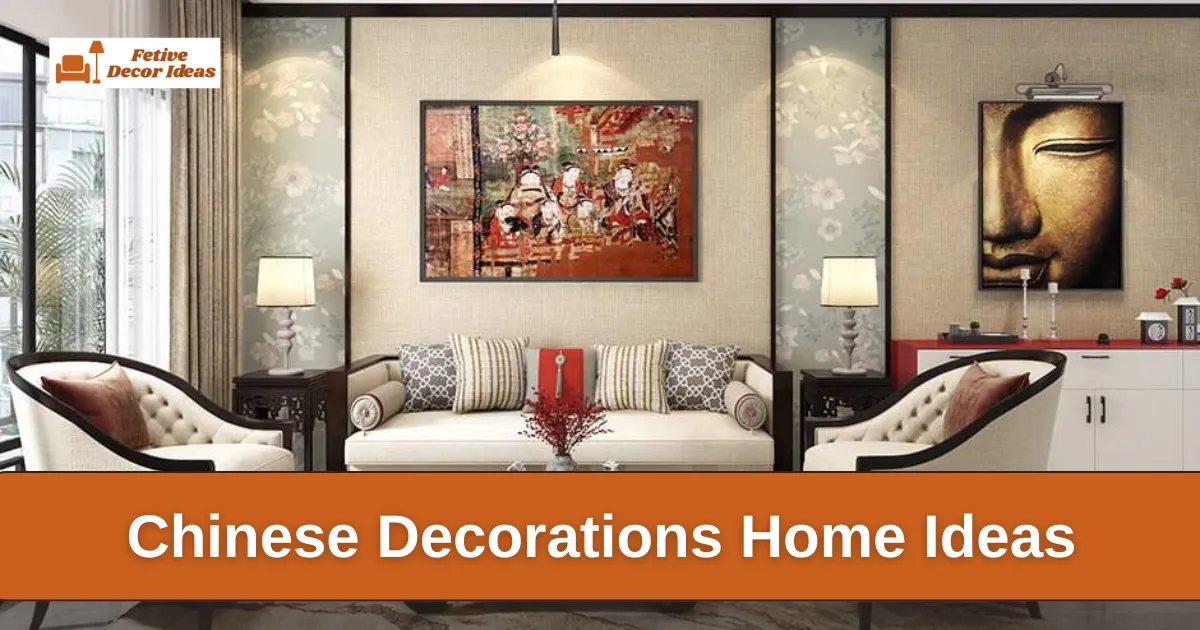
Chinese decorations home style helps create a calm, balanced, and welcoming living space. When people search for this topic, they usually want ideas they can apply in real homes, not cultural lectures.
I have seen many homes try Chinese decor and fail because they add random items without understanding placement or balance. In this article, I focus only on what actually works in everyday homes. Everything here is practical, visually pleasing, and easy to follow.
Chinese home decoration blends traditional elements with comfort and modern living needs. It focuses on harmony, symmetry, and meaningful decor pieces rather than overcrowding.
You do not need to turn your house into a museum to achieve this style. A few well-chosen items placed correctly can change the entire mood of a room. That is exactly what I guide you through step by step.
What Defines Chinese Decorations for Home Interiors
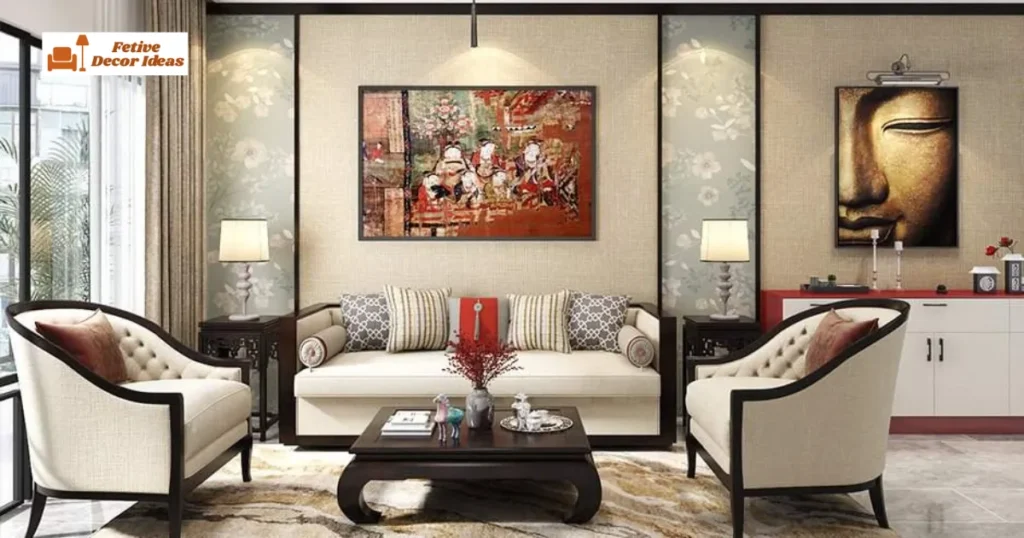
Chinese decorations for home interiors are built around balance and purpose. Every item in the room has a reason to exist and a place to sit.
I always notice that Chinese-style homes feel peaceful because nothing looks rushed or cluttered. This style values empty space as much as decorative objects. That breathing room makes homes feel calm and organized.
Natural materials form the backbone of Chinese home decor. Wood furniture, bamboo accents, silk fabrics, and ceramic pieces appear frequently.
These materials soften the space and connect the home with nature. They also age beautifully, which adds character instead of wear. This is why Chinese interiors often feel warm even without heavy decoration.
Color selection plays a major role in Chinese decorations home style. Red is commonly used because it represents happiness and positive energy.
Gold adds warmth and richness without looking loud when used carefully. Black and deep brown tones ground the space and create contrast. Neutral shades help balance bold colors so the room never feels overwhelming.
Traditional vs Modern Chinese Home Decoration Style
Traditional Chinese home decoration uses symbolic elements and classic furniture shapes. You will often see carved wooden furniture, red lacquer finishes, and detailed patterns. This style works best in larger spaces where furniture can breathe. In small homes, it can feel heavy if not planned carefully.
Modern Chinese home decor keeps the essence but simplifies the look. Clean lines, minimal patterns, and neutral backgrounds dominate modern spaces.
A single Chinese wall art piece or a pair of lanterns often replace multiple decorative items. I personally prefer modern Chinese decor because it fits better with today’s lifestyle and smaller homes. It gives the same cultural feel without visual overload.
Many homeowners mix traditional and modern Chinese elements. This approach works well when you keep one style dominant. For example, modern furniture with one traditional screen or artwork looks balanced. Mixing too many elements from both sides can confuse the space. Clear choices always create better results.
Chinese Living Room Decoration Ideas for Real Homes
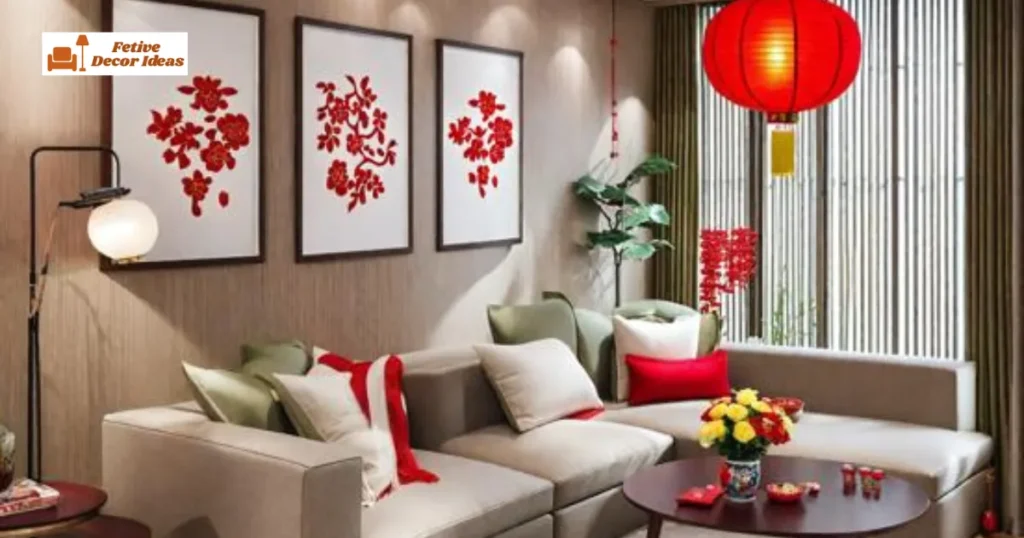
Chinese living room decoration focuses on comfort, symmetry, and visual flow. I always recommend starting with furniture placement before buying decor items.
Sofas and chairs should face each other to encourage conversation. Clear walkways help the room feel open and relaxed. This simple step already sets a Chinese-style foundation.
Wooden furniture works best in Chinese living rooms. Dark or medium wood tones create warmth and stability. Cushions with subtle Chinese patterns add character without overpowering the room. I avoid loud prints because they break the calm feeling. Simple textures always look more elegant.
Chinese wall decoration transforms the living room instantly. Calligraphy art, landscape paintings, or symbolic prints work well. I prefer placing one large artwork instead of several small ones. This keeps the wall clean and focused. Balanced wall decor helps the room feel intentional rather than decorated.
Key Decorative Items Used in Chinese Home Decoration
Chinese decorations home style uses specific items that carry meaning and beauty. Lanterns are one of the most popular choices for lighting and decor. They add warmth and create a soft glow in the evening. Paper or fabric lanterns work well in living rooms and entryways.
Porcelain vases are another classic Chinese decor element. Blue and white designs remain timeless and easy to style. These vases look best when placed on side tables or shelves. I usually suggest using them as standalone pieces without surrounding clutter. This keeps them visually strong.
Folding screens also play a role in Chinese home decoration. They help divide spaces without blocking light completely. Screens with nature or landscape designs add artistic value. They work especially well in large living rooms or studio apartments. Placement matters more than quantity here.
Chinese Bedroom Decoration Ideas for Peaceful Living
Chinese bedroom decoration focuses on calm energy and restful comfort. I always suggest keeping this space simple because bedrooms should help you relax. Heavy decoration or loud colors disturb the balance and affect sleep quality. Chinese decor in bedrooms works best when it feels soft and uncluttered.
Wooden beds with clean designs suit Chinese-style bedrooms well. Dark wood adds warmth, while lighter wood keeps the room airy. Bedding should stay neutral with small red or gold accents. I prefer subtle embroidery over bold prints because it feels more refined. Too many patterns can make the room feel busy.
Wall decor in Chinese bedrooms should stay minimal. A single piece of calligraphy or a nature-inspired artwork works best. I avoid placing art directly above the bed because it feels visually heavy. Soft lighting completes the look and adds warmth during evenings. Table lamps with fabric shades fit this style perfectly.
Chinese Wall Decoration Ideas for Home Interiors
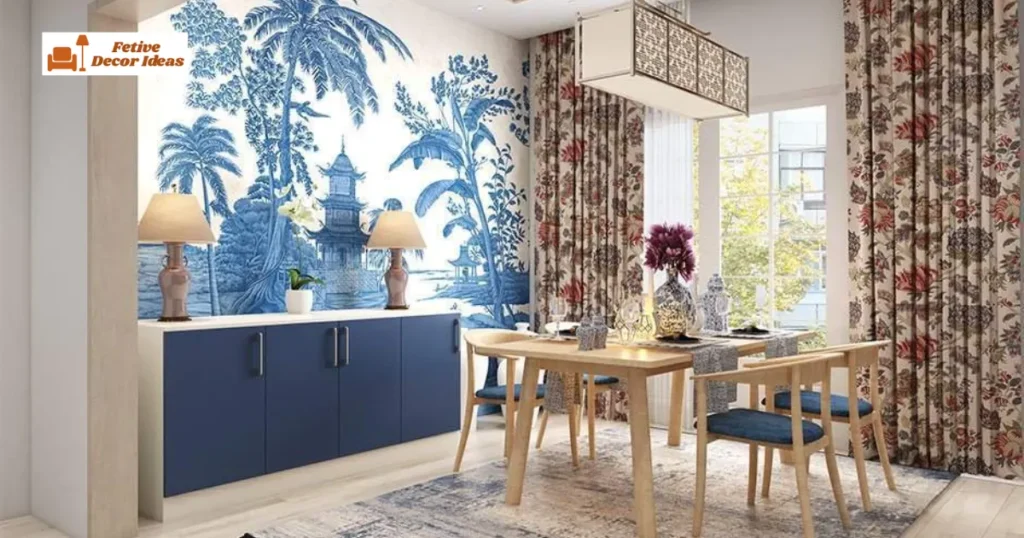
Chinese wall decoration plays a major role in setting the overall theme. Walls should feel intentional and calm rather than filled with random items. I always recommend choosing one strong focal wall instead of decorating every surface. This keeps the space balanced and visually clean.
Calligraphy wall art remains one of the most popular Chinese decor choices. It adds cultural value while staying visually simple. Black ink on white or beige walls creates strong contrast without noise. Landscape paintings also work well, especially those featuring mountains or bamboo. These themes connect the home with nature.
Wooden wall panels and lattice designs add texture to Chinese interiors. These elements look beautiful in living rooms and hallways. I suggest using them sparingly so the space does not feel heavy. Balance always matters more than quantity. One strong wall feature works better than many small ones.
Chinese Dining Room Decoration for Warm Gatherings
Chinese dining room decoration focuses on togetherness and warmth. I always see dining spaces as social centers in Chinese homes. The table becomes the heart of the room, so everything should support that idea. A solid wooden dining table works best for this style.
Seating should feel comfortable and balanced. Chairs with wooden frames and simple cushions suit Chinese decor well. I avoid mixing too many chair styles because it breaks harmony. Symmetry helps the dining area feel grounded and welcoming. Matching chairs often look better than mixed sets.
Decorative centerpieces should stay simple. Porcelain bowls, tea sets, or a small floral arrangement work perfectly. I avoid tall centerpieces that block conversation. Wall art near the dining area should remain subtle. A calm space always encourages longer, more enjoyable meals.
Chinese Entryway and Hallway Decoration Ideas
Chinese entryway decoration sets the tone for the entire home. I always believe first impressions matter, especially in interior design. Entryways should feel welcoming, clean, and balanced. Chinese decor achieves this through simplicity and thoughtful placement.
Wooden console tables work well in Chinese entryways. A small vase, lantern, or decorative tray adds character without clutter. I prefer round mirrors because they soften the space visually. Harsh shapes can feel uninviting in entry areas.
Hallways benefit from wall art or soft lighting. Lantern-style lights add warmth and cultural charm. I avoid filling hallways with furniture because it limits movement. Open pathways create a sense of flow throughout the home. This aligns perfectly with Chinese decor principles.
Chinese Home Color Palette and Material Guide
Chinese decorations home style relies heavily on the right colors and materials. Choosing the wrong palette can ruin the entire look. I always start with neutral tones as the base. Then I layer accent colors carefully to avoid visual overload.
Here is a simple table to guide color and material choices:
| Element | Best Choices | Why It Works |
|---|---|---|
| Base Colors | Beige, cream, soft gray | Keeps rooms calm and balanced |
| Accent Colors | Red, gold | Adds warmth and cultural meaning |
| Furniture Material | Wood, bamboo | Creates natural harmony |
| Decorative Items | Ceramic, silk | Adds texture without clutter |
This combination works well in both small and large homes. I have used it many times with consistent results. It keeps spaces warm without feeling heavy or outdated. Proper balance always beats excessive decoration.
Lighting Ideas for Chinese Home Decoration
Lighting shapes the mood of Chinese home decoration. Soft lighting always works better than harsh brightness. I prefer layered lighting because it gives flexibility throughout the day. Ceiling lights handle general lighting, while lamps add warmth.
Lantern-style lights are a popular choice for Chinese interiors. Paper or fabric lanterns create soft light and cultural charm. I suggest using warm bulbs to keep the space cozy. Floor lamps with wooden bases also fit well with this style. Lighting should support calm living, not dominate the room.
Affordable Chinese Decorations Home Ideas That Actually Work
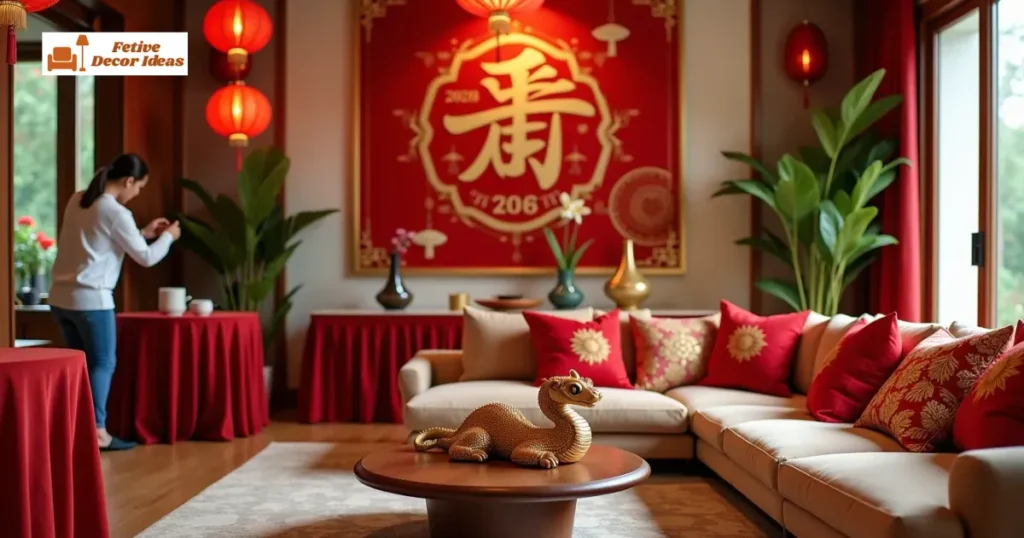
Affordable Chinese decorations home ideas help you style your space without overspending. I always tell people that Chinese decor is more about placement than price. You do not need rare antiques or imported pieces. Smart choices create the same visual impact.
Start by focusing on one room instead of the whole house. This keeps costs under control and avoids half done spaces. Small items like cushions, table runners, or wall art can change the mood quickly. I have used budget lanterns many times, and they still look great when placed correctly.
Local stores and online marketplaces offer many Chinese inspired decor items. Look for neutral designs with subtle patterns rather than flashy prints. DIY ideas also work well, especially for wall art and centerpieces. Simple frames with printed calligraphy can look surprisingly elegant. Affordable decor works best when you keep things simple.
Common Mistakes to Avoid in Chinese Home Decoration
Common mistakes often ruin the look of Chinese decorations home style. The biggest mistake I see is overcrowding rooms with decor items. Too many elements remove balance and create visual noise. Chinese decor values space just as much as decoration.
Another mistake is using too much red in one area. Red works best as an accent, not a base color. When used excessively, it feels overwhelming rather than warm. I usually suggest limiting red to cushions, art, or small decor pieces.
Mixing unrelated decor styles also creates problems. Combining Chinese decor with random themes confuses the space. Choose one dominant style and support it consistently. Clear direction always produces better visual results. Planning before decorating saves time and money.
How to Mix Chinese Decorations with Modern Home Design
Mixing Chinese decorations home style with modern interiors works very well when done carefully. I personally like this approach because it fits today’s lifestyle. Modern furniture creates a clean base for Chinese decorative accents. The contrast feels fresh rather than outdated.
Use modern furniture with simple shapes and neutral colors. Then add Chinese decor through artwork, lighting, or accessories. A single calligraphy piece can define the entire room. Lantern lighting also blends beautifully with modern spaces. Keep decorative items limited to avoid visual conflict.
Balance matters most when mixing styles. If furniture looks modern, decor should stay minimal. Avoid mixing traditional heavy furniture with sleek modern pieces. That combination rarely works. Thoughtful mixing creates a home that feels personal and culturally inspired.
Chinese Home Decoration Planning
| Area | Key Focus | Practical Tip |
|---|---|---|
| Living Room | Balance and seating flow | Keep walkways open |
| Bedroom | Calm and comfort | Limit wall decor |
| Dining Room | Warm gatherings | Simple centerpieces |
| Entryway | First impression | Use minimal decor |
| Lighting | Soft atmosphere | Warm bulbs only |
This table helps plan decoration room by room. I often refer to it when helping friends redesign their spaces. Simple planning avoids costly mistakes. Clear structure always leads to better results.
Conclusion
Chinese decorations home style brings balance, warmth, and meaning into everyday living spaces. I believe this style works best when applied with intention rather than excess. Thoughtful furniture placement, natural materials, and subtle color accents create a calm home environment.
You do not need expensive items to achieve this look. Simple choices, smart planning, and restraint always deliver better results. If you apply these ideas step by step, your home will feel welcoming, balanced, and visually pleasing. This approach makes Chinese decor practical, beautiful, and easy to maintain.
FAQs
Small homes benefit from minimal Chinese decor with strong focal points. Wall art, lantern lighting, and small vases work well without crowding the space. Avoid heavy furniture and oversized decor items. Balance and spacing matter more than quantity.
Yes, Chinese home decor fits modern apartments very well when applied thoughtfully. Modern furniture paired with Chinese wall art or lighting looks clean and stylish. Keep color accents subtle and avoid heavy traditional furniture. This approach feels natural and practical.
Neutral base colors work best for Chinese decorations home style. Beige, cream, and soft gray create balance. Red and gold should appear only as accents. This keeps the space warm without overwhelming the room.
Chinese decorations suit everyday living when kept simple and functional. Choose decor items that do not block movement or require constant maintenance. Practical placement ensures comfort and usability. This makes the style easy to live with.