
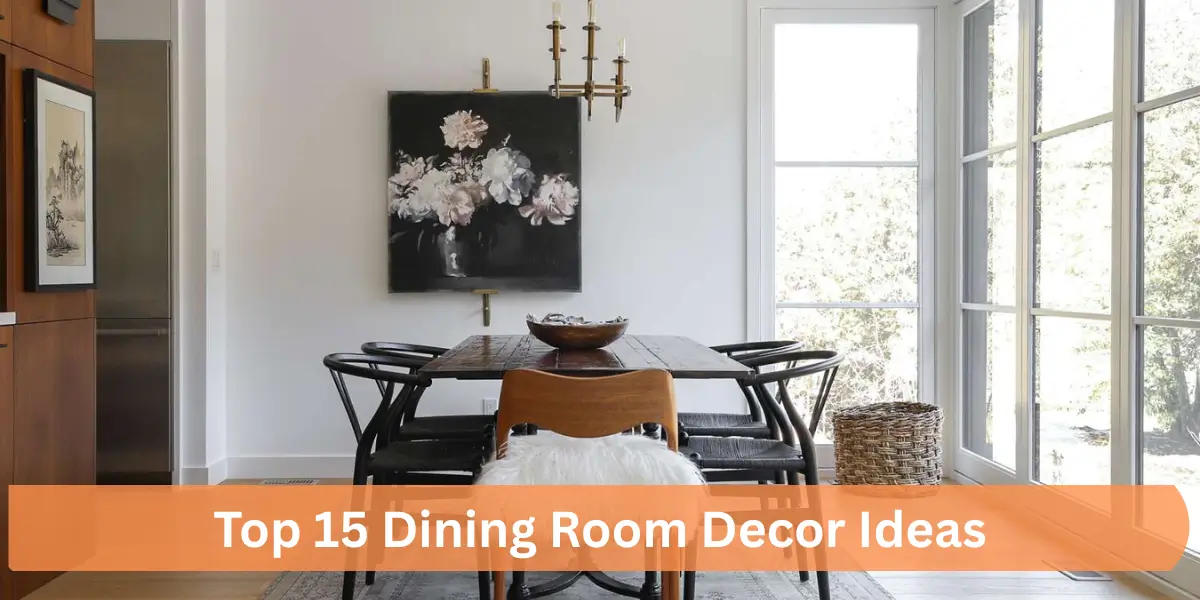
Dining room decor ideas can completely change how a home feels, and I’ve seen this firsthand while working with different layouts and styles. A dining room is no longer just a place to eat, it’s where conversations happen, guests gather, and everyday moments turn special.
That’s why thoughtful décor matters. From furniture placement to lighting and wall details, every choice shapes the overall experience.
In this article, I’ll share practical yet stylish dining room decor ideas that work for modern homes, small spaces, and elegant setups alike. These ideas focus on comfort, balance, and timeless appeal, without overdoing anything.
1. Statement Dining Table as the Visual Anchor
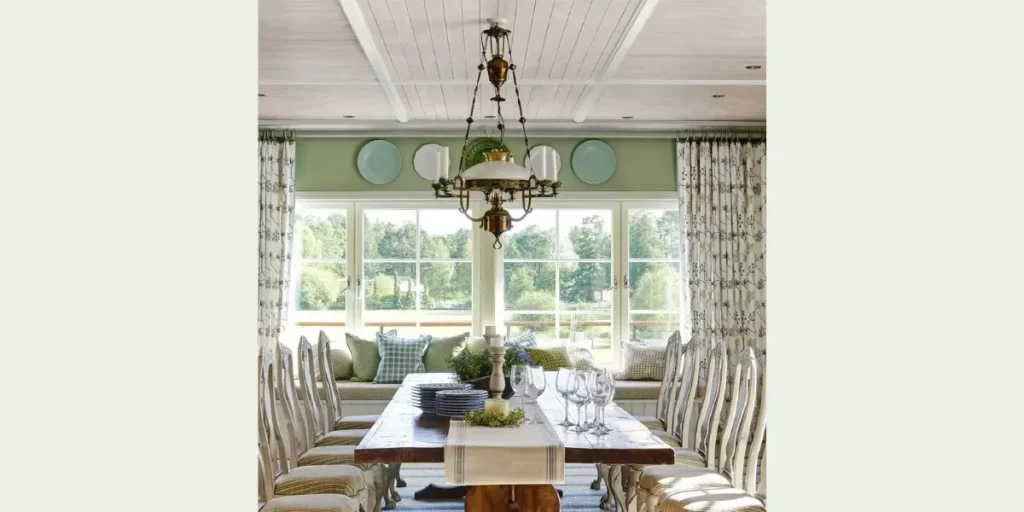
I always start dining room styling with the table because it naturally becomes the room’s anchor. A well-chosen dining table instantly sets the tone, whether the space feels modern, warm, or sophisticated. Solid wood, marble tops, or sculptural bases create presence without relying on extra décor.
When I select a statement table, I keep surrounding elements intentionally simple. Clean chairs, subtle lighting, and a minimal centerpiece allow the table to stand out without overwhelming the room. This balance keeps the space elegant rather than crowded.
A statement dining table also improves long-term flexibility. I can refresh the look seasonally by changing accessories while the table remains timeless. That’s why this approach works beautifully for both everyday use and special gatherings.
2. Layered Lighting to Create Dining Atmosphere
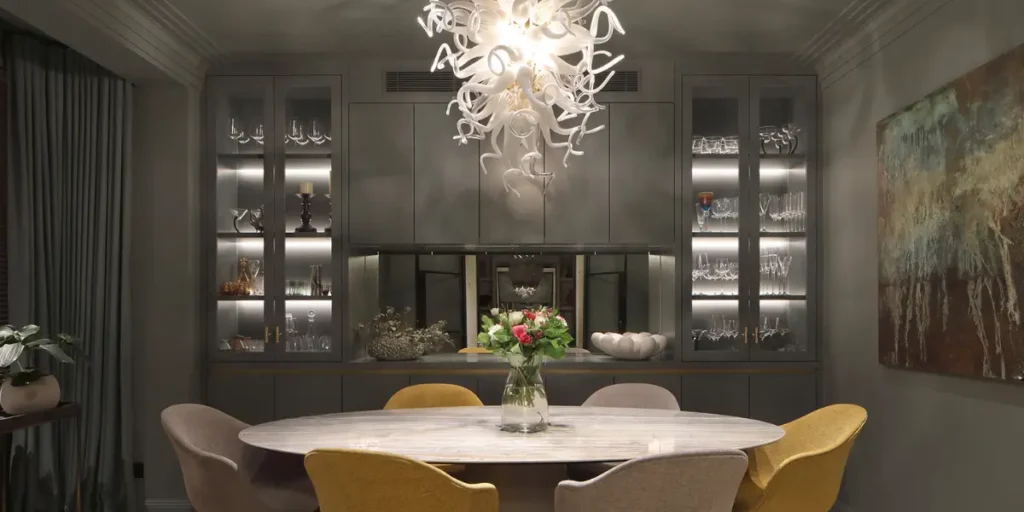
Lighting plays a bigger role in dining rooms than most people realize. I never rely on a single ceiling light because flat lighting kills the mood. Instead, I layer pendant lights, soft ambient lighting, and subtle wall fixtures to shape the atmosphere.
Pendant lights above the dining table provide focus and structure, while warm background lighting adds comfort. I always choose warm tones because they make food look better and help people relax during meals.
Layered lighting also gives flexibility. I can keep things bright for family dinners or dim the lights for intimate gatherings. This approach transforms the dining room into a space that feels intentional, inviting, and well-designed.
3. Accent Wall to Define the Dining Area
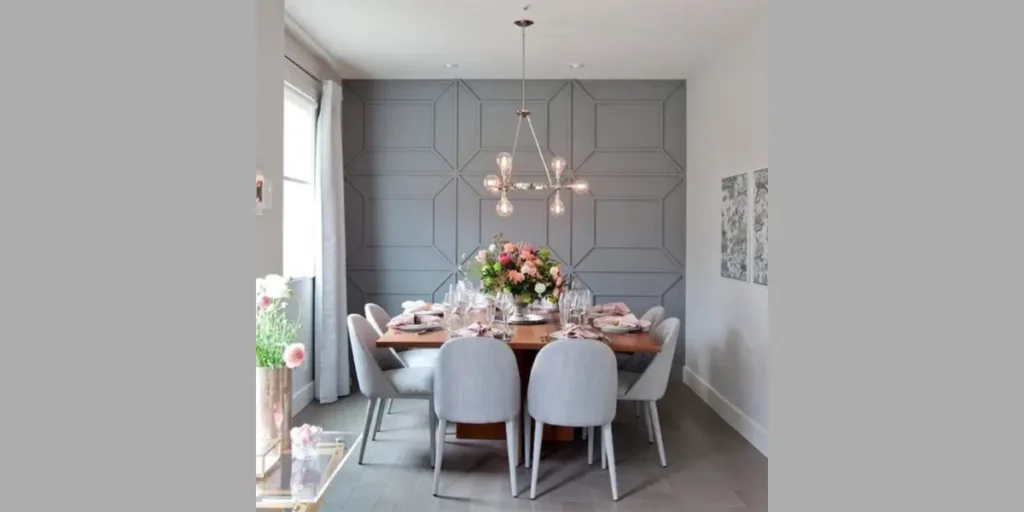
When a dining room blends into an open layout, I use an accent wall to define the space. A single textured wall, wallpaper design, or deep color instantly separates the dining area without physical barriers.
I prefer accent walls that complement furniture rather than compete with it. Wood panels add warmth, while subtle patterns introduce personality without distraction. The key is choosing one strong element and letting it speak.
An accent wall also creates a natural focal point for artwork or lighting. Instead of filling the entire room with décor, I concentrate visual interest in one direction. This keeps the dining room polished and visually organized.
4. Minimalist Dining Decor with Neutral Tones
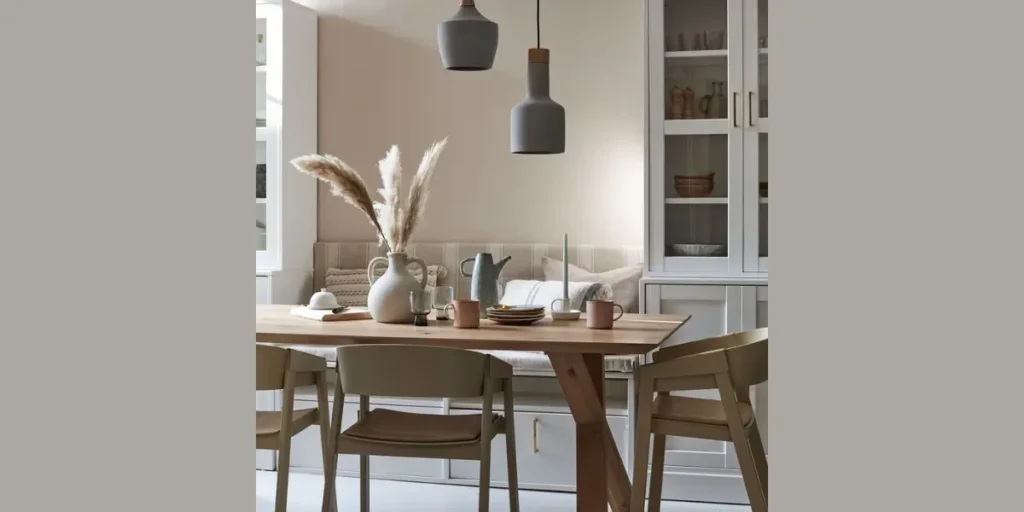
Minimalist dining rooms feel calm, balanced, and timeless when done right. I focus on neutral tones like soft whites, beige, and warm greys to create an open and breathable environment.
Rather than adding multiple decorative pieces, I invest in quality furniture and clean lines. A simple table, streamlined chairs, and subtle lighting work together to keep the space uncluttered. Every item earns its place.
This approach works especially well for small homes. Neutral colors reflect light and make the dining area feel larger. With minimal décor, I allow the room to feel intentional instead of overdesigned.
5. Bold Dining Chairs for Contrast and Character
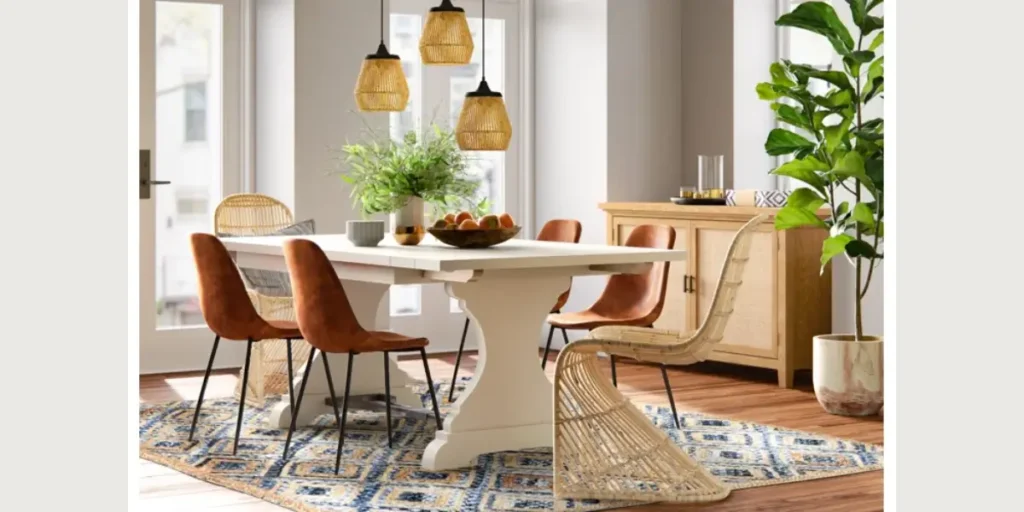
I often use dining chairs to inject personality into a neutral dining room. Bold chairs add contrast without requiring a full makeover. Color, texture, or unique shapes instantly change the room’s energy.
I like pairing simple tables with eye-catching chairs. Velvet upholstery, curved backs, or mixed materials bring depth and interest while keeping the layout balanced. Chairs become a design feature rather than just seating.
This strategy also offers flexibility. I can switch chair styles later without replacing major furniture. That makes bold dining chairs a smart choice for anyone who wants impact without committing to permanent changes.
6. Wall Art That Feels Intentional, Not Random
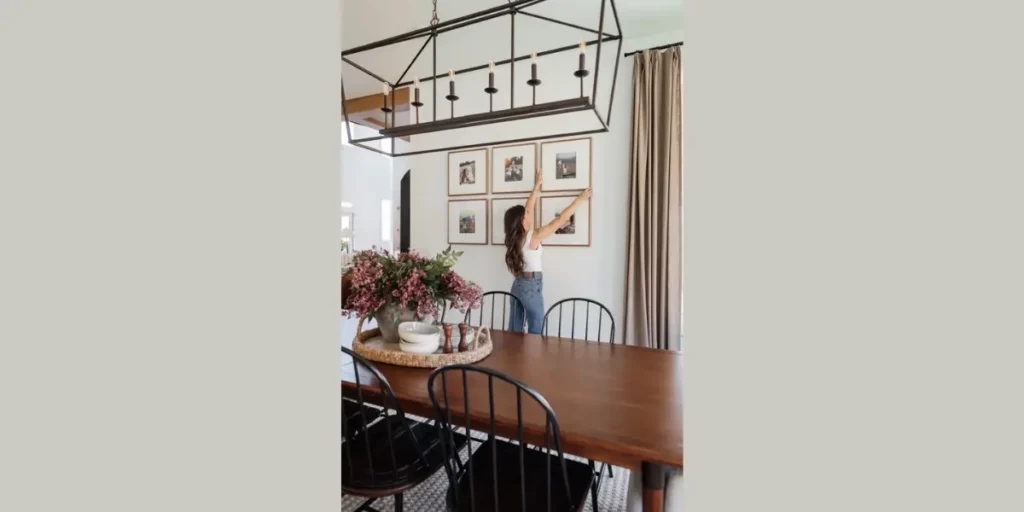
Empty dining room walls often feel unfinished, but random décor doesn’t solve the problem. I always choose wall art with a clear theme, abstract pieces, modern prints, or subtle food-inspired artwork work best.

Instead of overcrowding the wall, I focus on scale and placement. One large piece or a structured gallery wall creates impact while maintaining balance. I avoid clutter because it distracts from the dining experience.
Well-chosen wall art adds personality and encourages conversation. It turns the dining room into a space that feels lived-in yet refined. When done right, art enhances the room without stealing attention from the table.
7. Natural Elements for a Warm Dining Experience
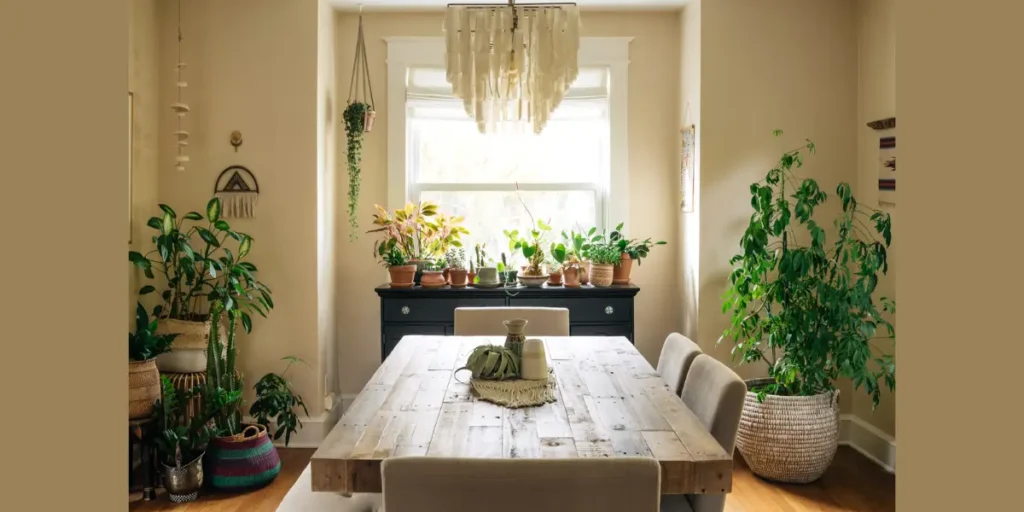
I often introduce natural elements to soften the dining room’s look. Wood textures, indoor plants, and organic materials bring warmth and authenticity to the space.
Plants work especially well because they add life without overwhelming the room. I choose low-maintenance greenery that complements the furniture rather than competing with it. Even a single plant can change the room’s energy.
Natural elements also age well. Unlike trendy décor, wood and greenery remain timeless. This approach creates a dining room that feels grounded, welcoming, and comfortable for everyday use and special occasions alike.
8. Mirror Decor to Enhance Light and Space
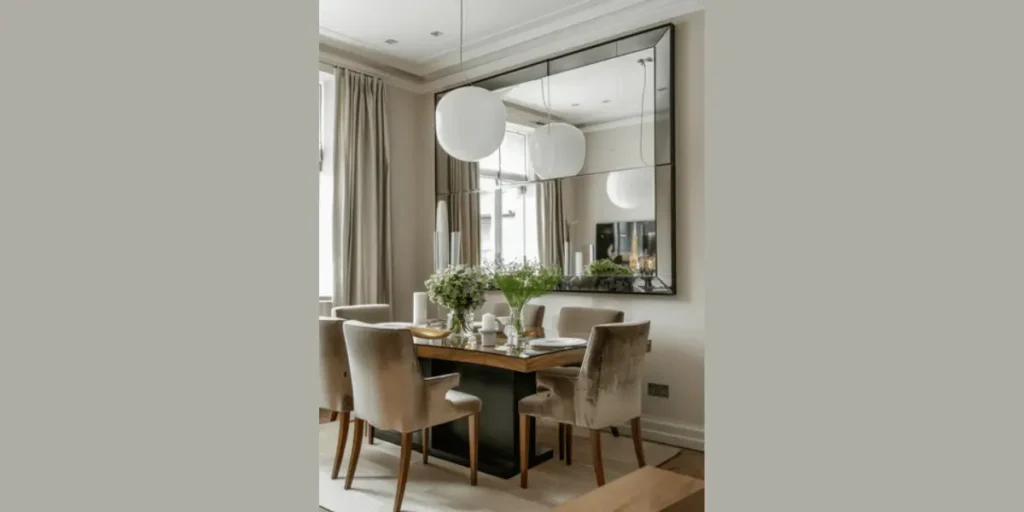
Mirrors are one of my favorite tools for improving dining rooms, especially smaller ones. A well-placed mirror reflects light and instantly makes the space feel more open.
I position mirrors where they can catch natural or artificial light without reflecting clutter. Framed mirrors add elegance, while frameless designs keep things modern and clean.
Beyond function, mirrors add visual depth. They create balance without adding physical objects, which helps the dining room stay uncluttered. This makes mirror décor both practical and visually appealing.
9. Open Shelving for Functional Style
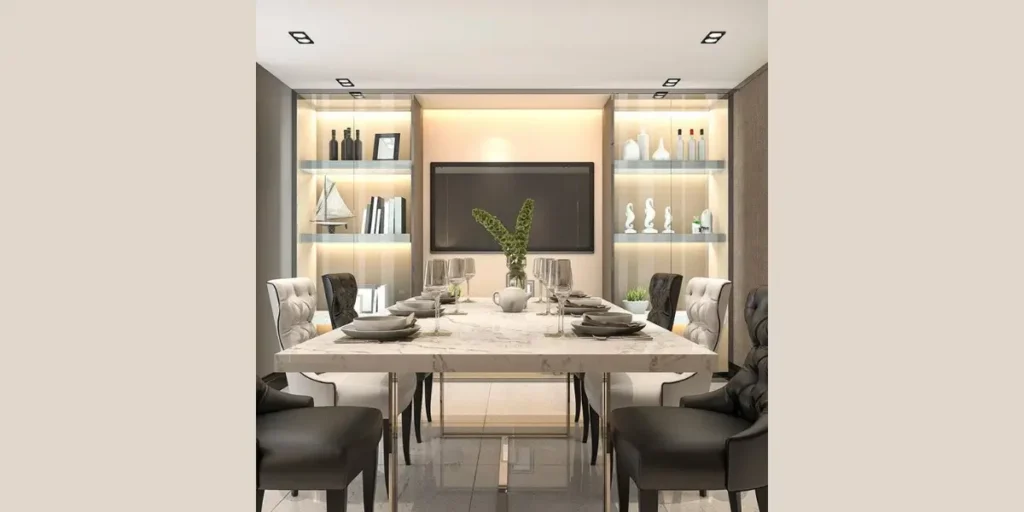
Open shelves work beautifully in dining rooms when styled with intention. I use them to display crockery, glassware, or decorative bowls that add character without looking messy.
The key is consistency. I stick to a color palette or material theme so shelves look curated rather than crowded. Space between items matters just as much as the items themselves.
Open shelving blends function with aesthetics. It provides storage while keeping the dining room visually interesting. When styled properly, shelves enhance the space instead of overwhelming it.
10. Metallic Accents for a Subtle Luxury Touch
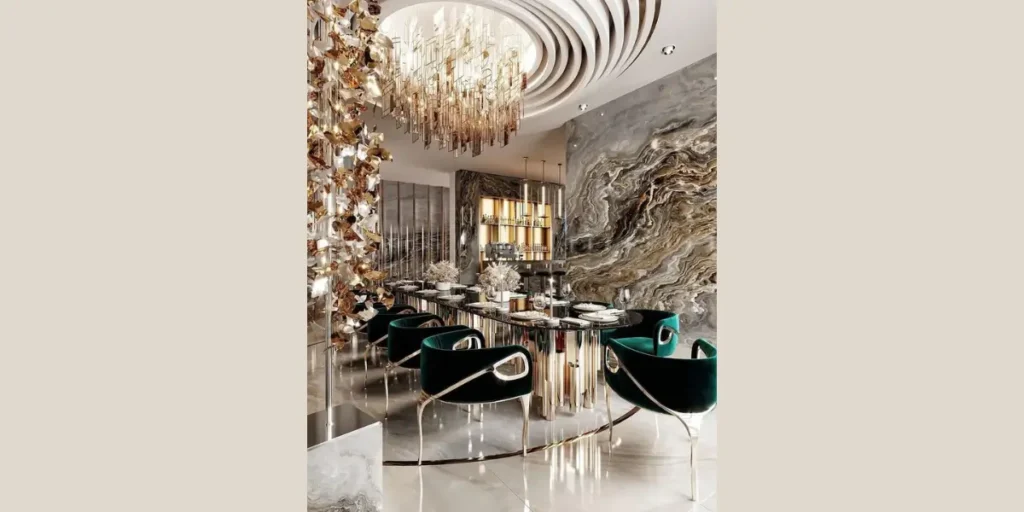
I add metallic accents when I want the dining room to feel refined without looking flashy. Small touches of gold, brass, or chrome elevate the space instantly.
Lighting fixtures, chair legs, or decorative accessories work best for this approach. I avoid overusing metallics because balance keeps the look sophisticated rather than heavy.
Metallic accents reflect light and add depth, especially in neutral dining rooms. When used thoughtfully, they introduce elegance while maintaining warmth and comfort.
11. Round Dining Table for a More Social Layout
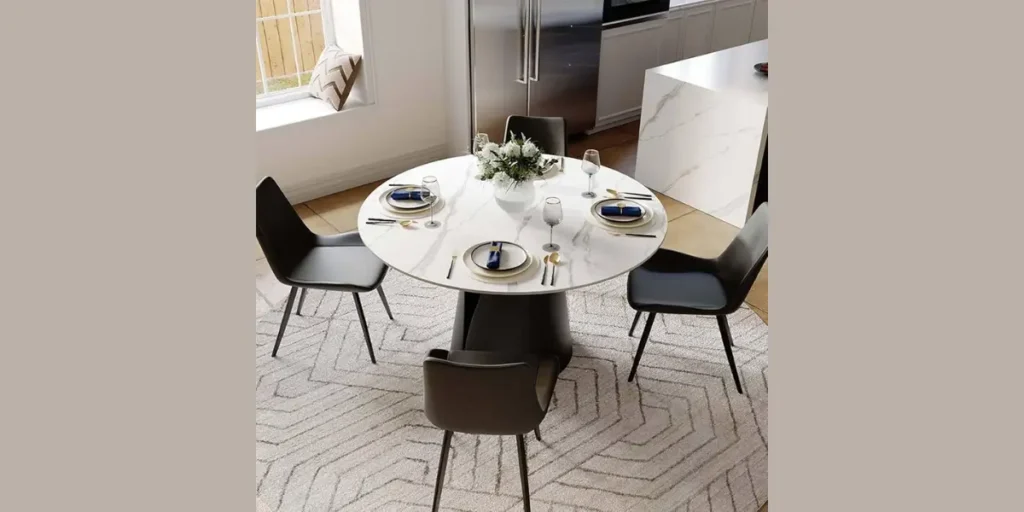
I often recommend round dining tables when the goal is connection and comfort. A round table naturally removes sharp boundaries and encourages conversation because everyone faces each other equally. This layout feels more inclusive, especially for family meals or small gatherings.
From a design perspective, round tables soften the overall look of the dining room. They balance straight walls and angular furniture, making the space feel more fluid. I usually pair them with slim chairs to keep the room visually light.
Round dining tables also work well in compact spaces. They allow smoother movement around the table and prevent the room from feeling tight or boxed in.
12. Defining the Dining Area with a Statement Rug
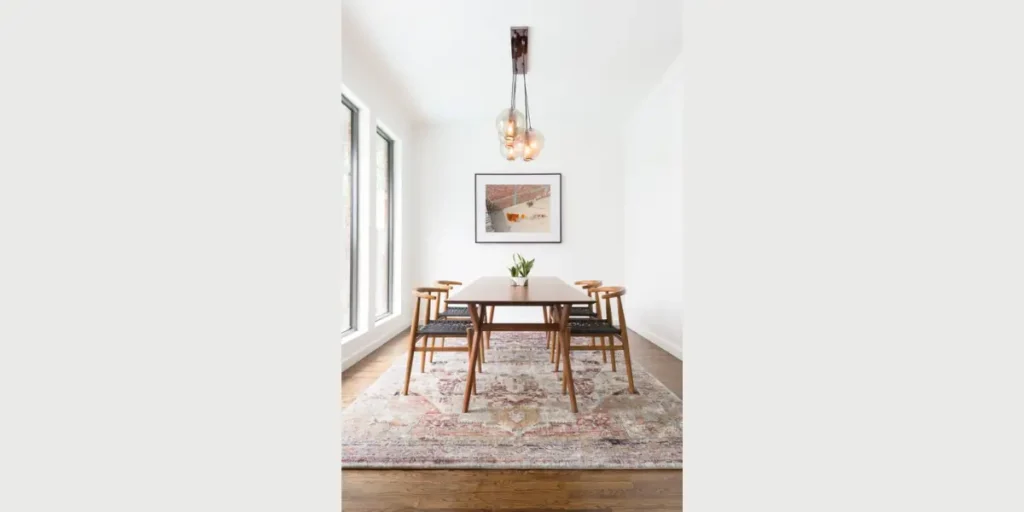
A rug under the dining table instantly defines the dining zone, especially in open-plan homes. I use this technique to visually separate the dining area without adding walls or partitions.
When choosing a rug, I always focus on size and texture. The rug should extend beyond the chairs so the space feels grounded and practical. Flat-weave or low-pile rugs work best because they’re easier to maintain.
A well-chosen rug adds warmth and depth to the dining room. It also absorbs sound, making the space feel calmer and more comfortable during meals and gatherings.
13. Black and White Dining Room for Timeless Style
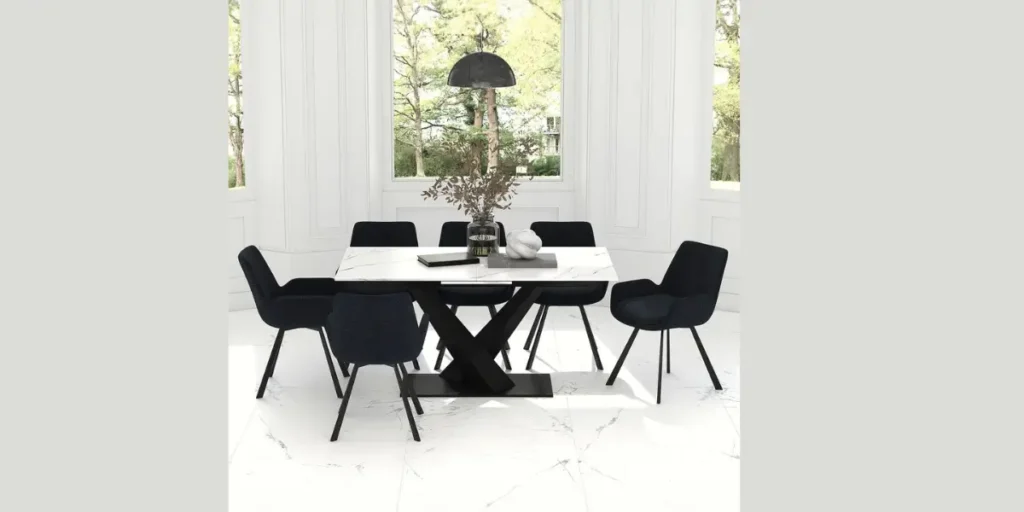
Black and white dining rooms never feel outdated when balanced correctly. I use this combination to create a clean, modern look that still feels sophisticated.
I usually anchor the space with one dominant color and let the other act as contrast. For example, a white table with black chairs or black accents keeps the room visually sharp without feeling harsh.
This color scheme also allows flexibility. I can easily refresh the space with natural textures, metallic accents, or seasonal décor. That adaptability makes black and white dining rooms both stylish and practical.
14. Smart Design Choices for Small Dining Rooms
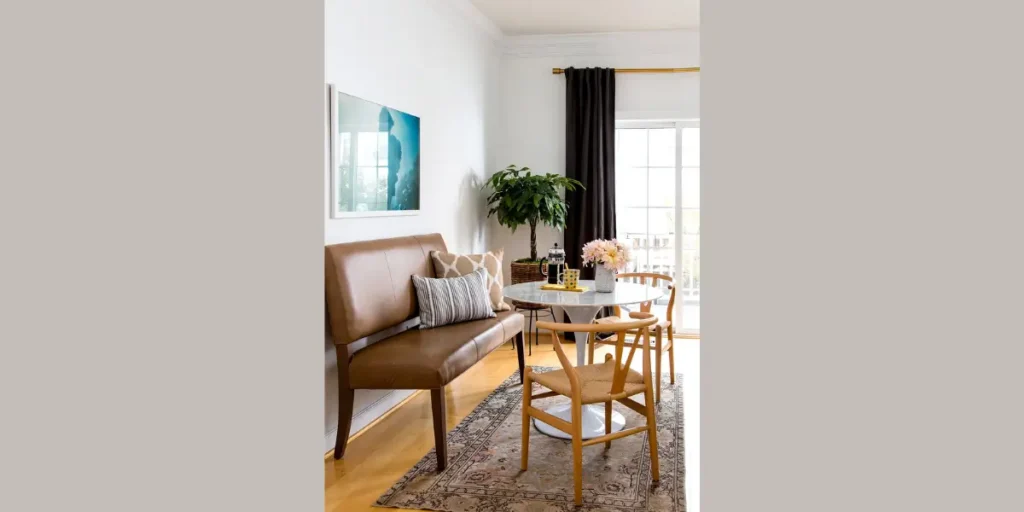
Small dining rooms need thoughtful planning, not excessive décor. I focus on furniture that fits the scale of the room and serves more than one purpose.
Slim-profile tables, armless chairs, and wall-mounted elements help keep the space open. I also rely on light colors and reflective surfaces to prevent the room from feeling cramped.
Instead of filling every corner, I prioritize movement and comfort. When a small dining room feels easy to navigate, it automatically feels more inviting. Smart design always beats overcrowding.
15. Seasonal Table Styling for a Fresh Look
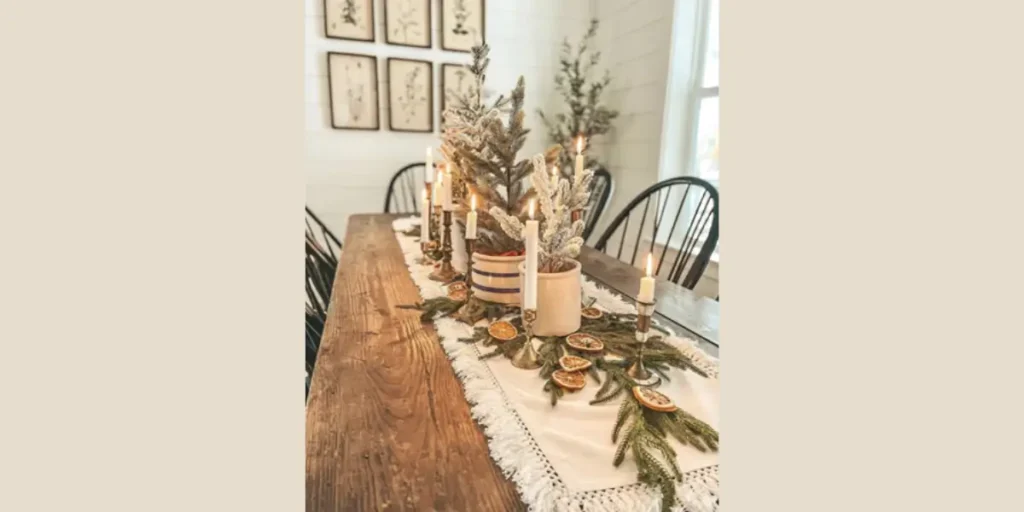
I love updating dining table décor with the seasons because it keeps the space feeling new without major changes. Simple swaps like table runners, centerpieces, or candles can completely refresh the look.
Seasonal styling also makes the dining room feel more personal. Warm tones in winter, fresh florals in spring, and lighter textures in summer create subtle shifts that match the mood.
This approach allows creativity without commitment. I don’t redesign the room, I simply adjust details. Seasonal table styling keeps the dining area dynamic while maintaining its core design.
How to Choose the Right Dining Room Decor Style for Your Home
When I choose a dining room decor style, I always start by looking at how the space is actually used. A formal dining room needs a different approach than one used daily by family members. Lifestyle, room size, and natural light should guide every decision.
I also pay close attention to how the dining area connects with the rest of the home. The decor should feel consistent, not disconnected. Matching finishes, colors, and materials helps the dining room blend naturally into the overall interior design.
Budget matters too. Instead of replacing everything, I focus on key elements like lighting, seating, or wall treatments. Thoughtful updates always deliver better results than rushed upgrades.
FAQs
For small dining rooms, I recommend minimalist or modern styles that use light colors and clean lines. Compact furniture and smart layouts help the space feel open and comfortable. Avoid heavy décor and focus on function first.
I always suggest starting with what you already have. Updating lighting, adding wall art, or changing chair covers can refresh the space affordably. Small changes often create a big visual impact without major spending.
Warm, layered lighting works best in dining rooms. Pendant lights over the table combined with soft ambient lighting create a welcoming atmosphere. This setup enhances both comfort and visual appeal during meals.

Luxury comes from balance, not excess. I focus on quality materials, subtle metallic accents, and well-placed lighting. Keeping the space uncluttered helps highlight these details naturally.
Yes, rugs work well when chosen correctly. I recommend low-pile or flat-weave rugs that extend beyond the chairs. They define the dining area and add warmth without causing maintenance issues.
Related Post
- Top 7 Kitchen Decor Apartments
- Top 21 Kitchen Decorating Apartment Ideas
- 10 Best Home Decor Bedroom Ideas
- Top 19 Home Decor Living Room Ideas
- Top 25 Home Decor Living Room Ideas
- 21 Best Kitchen Decor Items
Conclusion
Dining room decor is not about following trends blindly, it’s about creating a space that feels right every time you sit down at the table. From layout and lighting to textures and small design details, each choice shapes how the room functions and feels.
I always believe the best dining rooms balance style with comfort, allowing the space to adapt to daily meals and special gatherings alike.
Thoughtful decor decisions don’t just improve how a dining room looks, they enhance how people connect, relax, and enjoy time together. When design supports real-life use, the dining room naturally becomes one of the most welcoming areas in the home.