
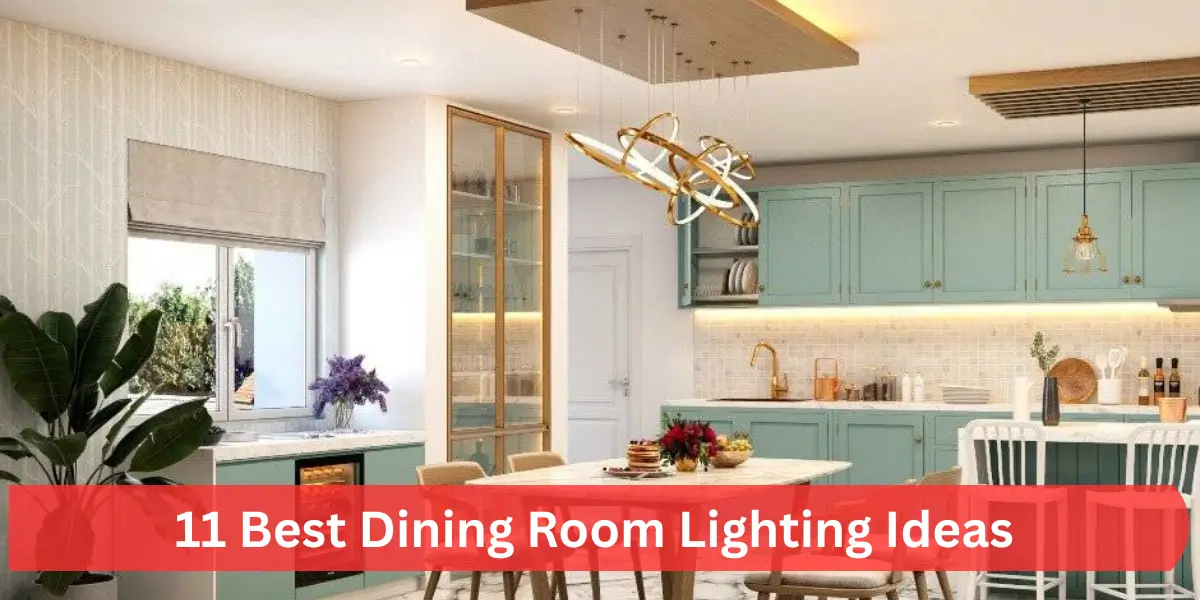
Dining room lighting ideas shape how a space feels long before the food reaches the table. From my experience, the right lighting changes not only visibility but also mood, comfort, and how people interact during meals.
A poorly lit dining room feels flat, while well-planned lighting makes the space inviting and balanced. Lighting placement, tone, and control matter just as much as the fixture itself.
In this article, I’ll share practical dining room lighting ideas that work for everyday use and special gatherings alike. Each idea focuses on real function, comfort, and long-term usability rather than decorative trends alone.
1. Pendant Lights Positioned Over the Dining Table
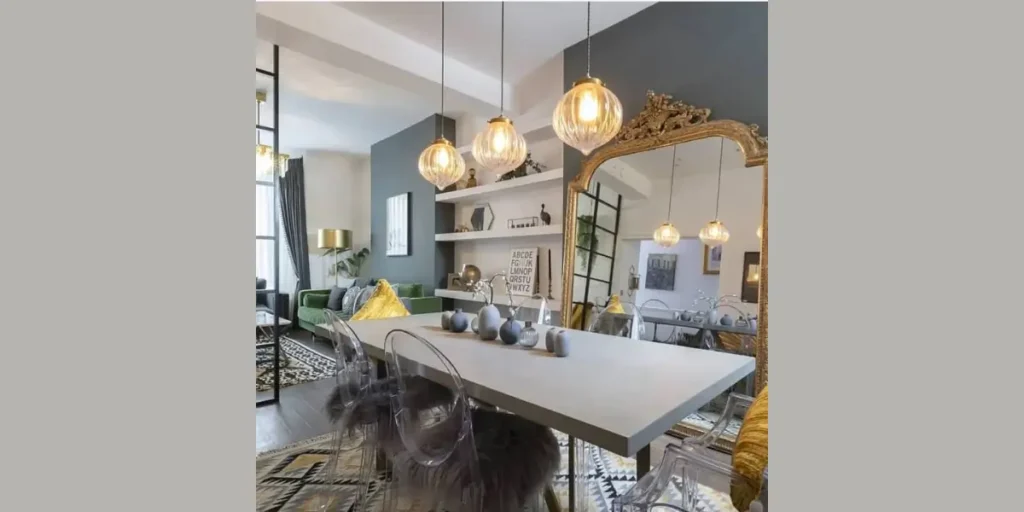
I always start dining room lighting with pendants because they define the table area clearly. When placed correctly, pendant lights create focus without overpowering the room. They guide the eye downward and make the dining table feel intentional.
Height matters more than style here. I usually hang pendants low enough to create intimacy but high enough to avoid glare. This balance improves visibility and keeps conversations comfortable.
Pendant lighting also supports daily use. It provides direct light for meals while still allowing the rest of the room to stay softly lit, which improves overall dining comfort.
2. Statement Chandelier as the Central Light Source
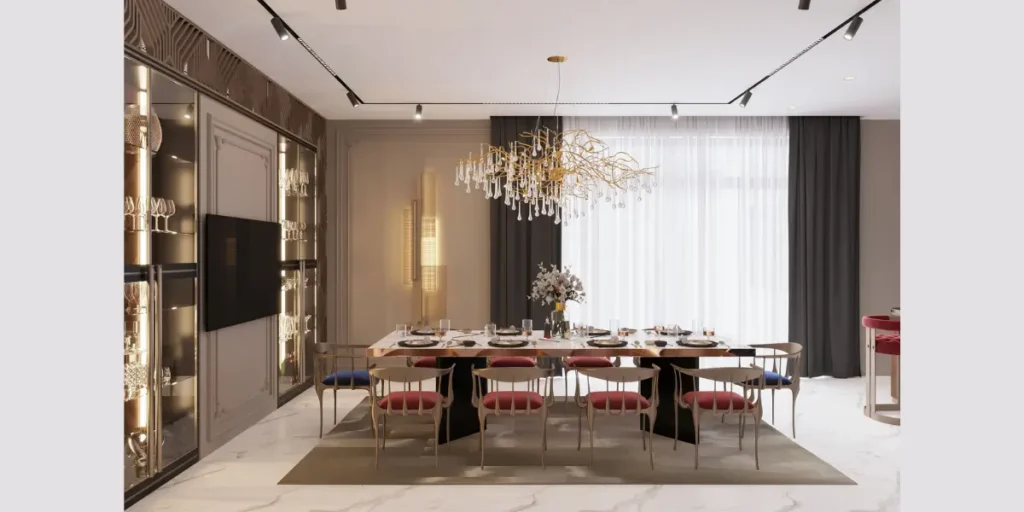
Chandeliers work best when the dining room needs a strong visual anchor. I use them in spaces where lighting should feel intentional and well-defined. A chandelier instantly establishes hierarchy in the room.
I always match chandelier scale to table size. Oversized fixtures overwhelm the space, while undersized ones feel weak. Correct proportion keeps the room balanced and visually calm.
Beyond appearance, chandeliers deliver consistent overhead lighting. When planned properly, they support both everyday meals and special occasions without needing extra fixtures.
3. Linear Suspension Lighting for Long Tables
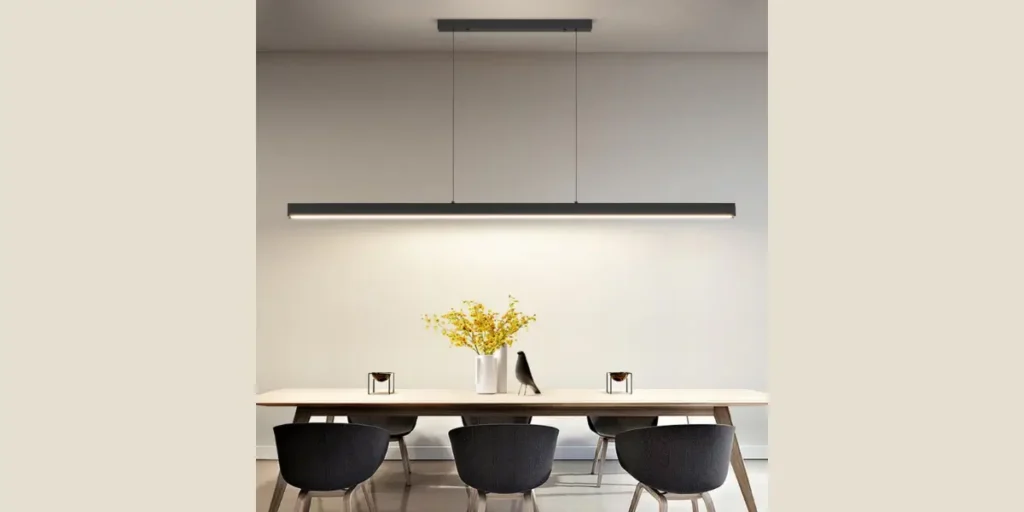
Linear suspension lights perform exceptionally well above rectangular dining tables. I recommend them when even light distribution matters more than decoration. They stretch across the table and eliminate shadow gaps.
This lighting style supports structured layouts. I align the fixture with the table’s length to maintain symmetry and visual order. The room instantly feels organized.
Linear lighting also improves function. Everyone seated gets equal illumination, which enhances comfort and keeps the dining experience consistent across the table.
4. Recessed Ceiling Lights for Overall Illumination
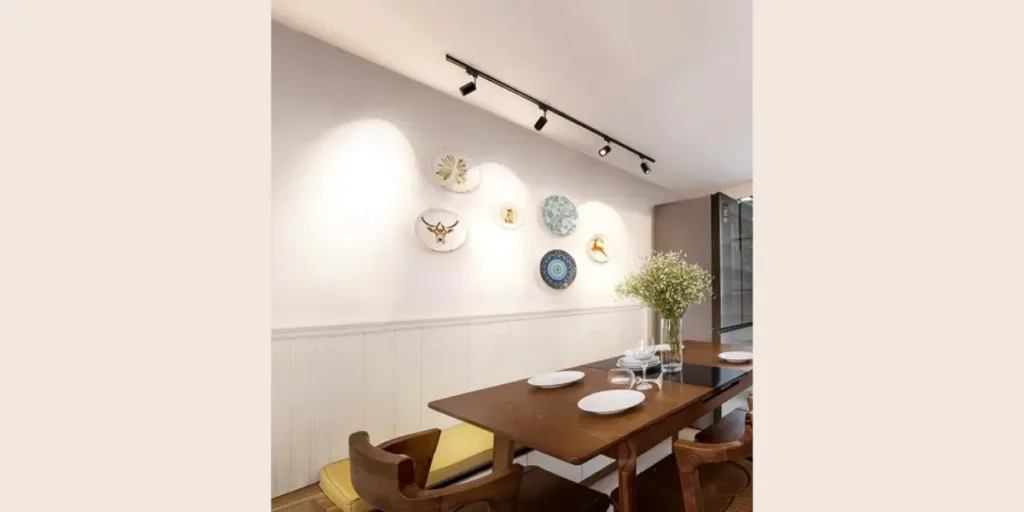
Recessed lights provide clean and distraction-free lighting. I rely on them to deliver consistent brightness across the dining room without drawing attention to the ceiling.
Placement is critical. I space recessed lights evenly to avoid dark corners or harsh spots. This creates a smooth lighting layer that supports other fixtures.
On their own, recessed lights feel practical rather than emotional. That’s why I often pair them with softer lighting to maintain warmth while keeping the room well-lit.
5. Wall Sconces for Ambient Dining Light
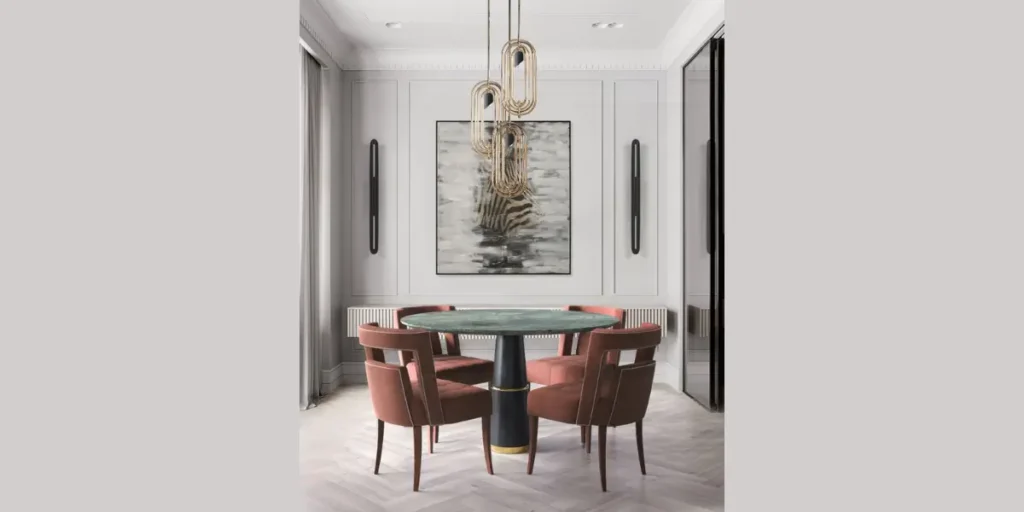
Wall sconces add depth to dining room lighting. I use them to soften the room and reduce reliance on overhead lights alone. They create a relaxed dining atmosphere.
I place sconces at eye level to prevent glare and shadows. Their indirect light spreads gently across the walls, making the room feel wider and calmer.
Sconces work especially well for evening meals. They reduce visual strain and help the dining room feel comfortable without sacrificing visibility.
6. Layered Lighting for Balanced Illumination
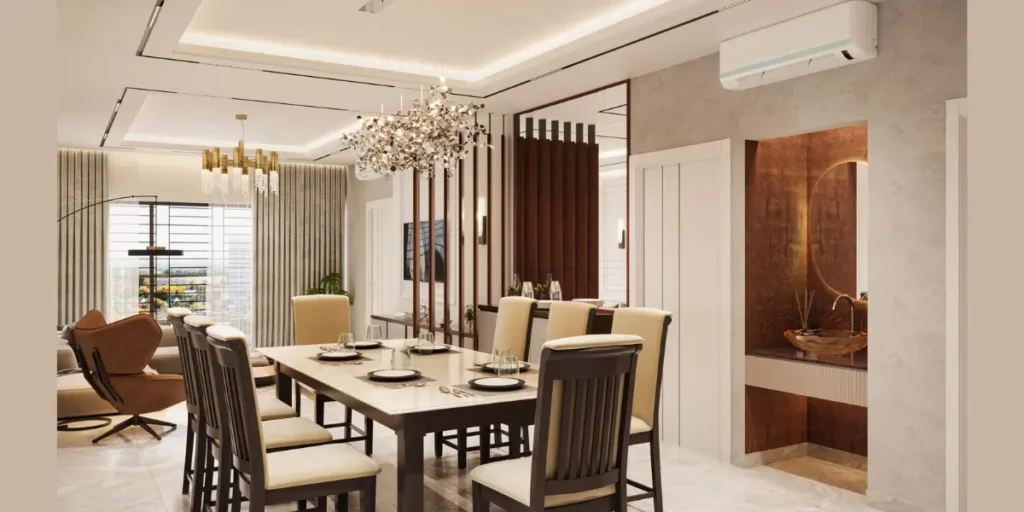
Layered lighting combines multiple light sources to create balance. I always use this approach because a single fixture rarely meets all dining needs.
I build layers using a main table light, ambient lighting, and subtle accent sources. Each layer serves a purpose and supports different moments.
This setup offers flexibility. I can brighten the room for daily use or soften it for gatherings. Layered lighting adapts easily without changing fixtures.
7. Dimmer-Controlled Dining Room Lights
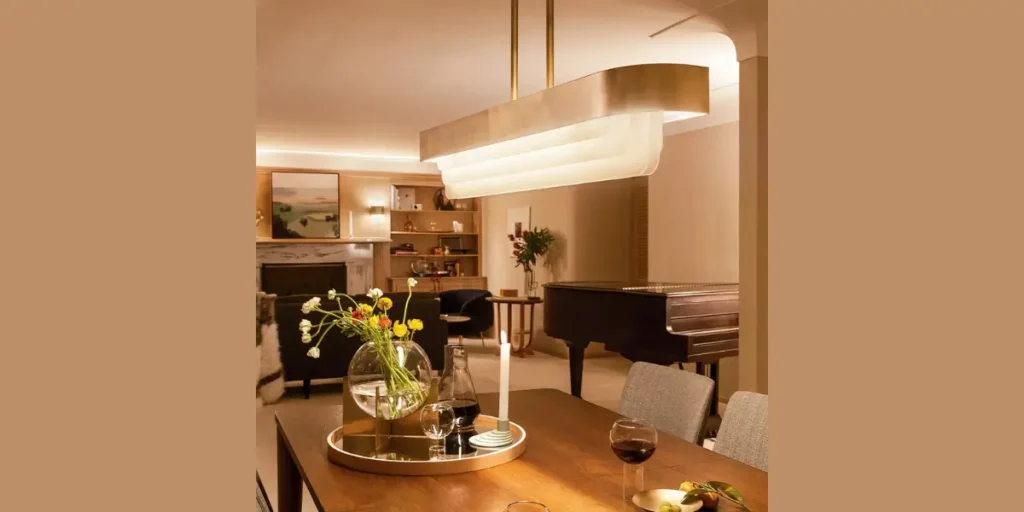
Dimmers give complete control over dining room lighting. I recommend them whenever lighting needs change throughout the day.
With dimmers, the same fixture supports both casual meals and formal dinners. I adjust brightness instead of adding more lights, which keeps the room clean.
Dimmers also improve comfort. Reduced glare and softer transitions make dining feel relaxed and intentional, especially in the evenings.
8. Cove Lighting for Indirect Glow
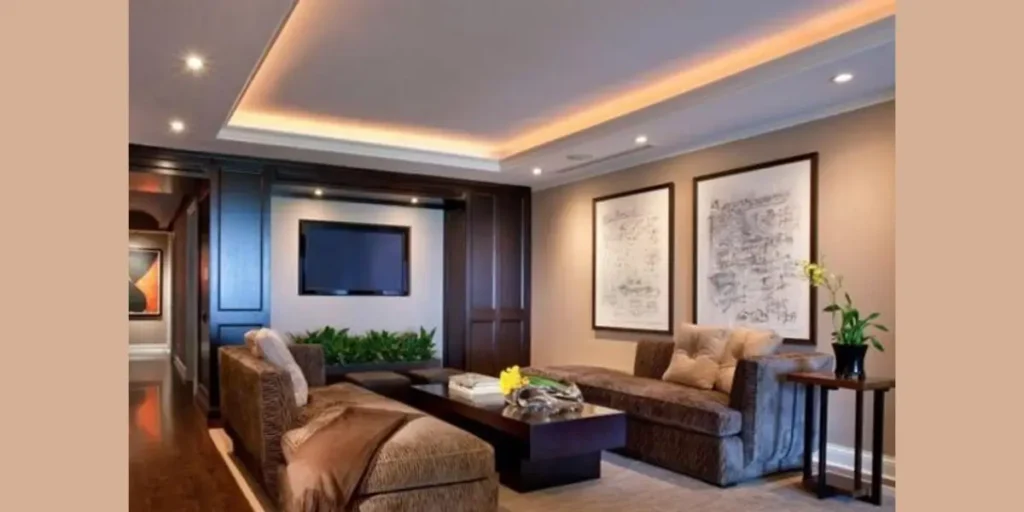
Cove lighting adds elegance without direct exposure. I use it to create a soft glow that wraps around the dining room.
Because the light reflects off surfaces, it feels gentle and even. This reduces harsh shadows and improves visual comfort during meals.
Cove lighting works best as a supporting layer. It doesn’t replace main lighting but enhances the room’s atmosphere significantly.
9. Cluster Pendant Lights for Visual Interest
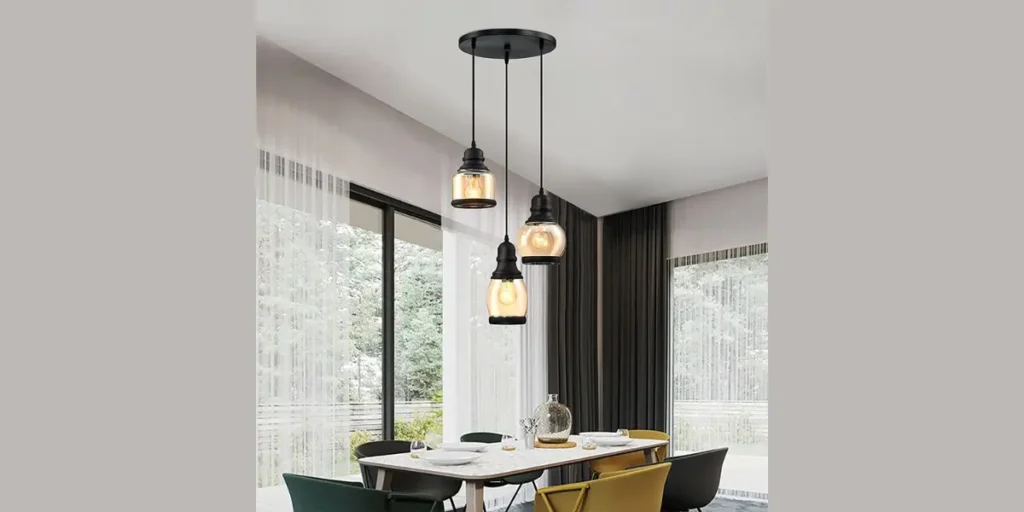
Cluster pendants bring movement and rhythm to dining room lighting. I use them when the space feels too static or symmetrical.
I group pendants carefully to avoid clutter. Balanced spacing ensures the arrangement feels intentional rather than random.
Cluster lighting also creates layered brightness. It highlights the table while adding depth above, which strengthens the room’s overall composition.
10. Minimalist Single-Light Fixture
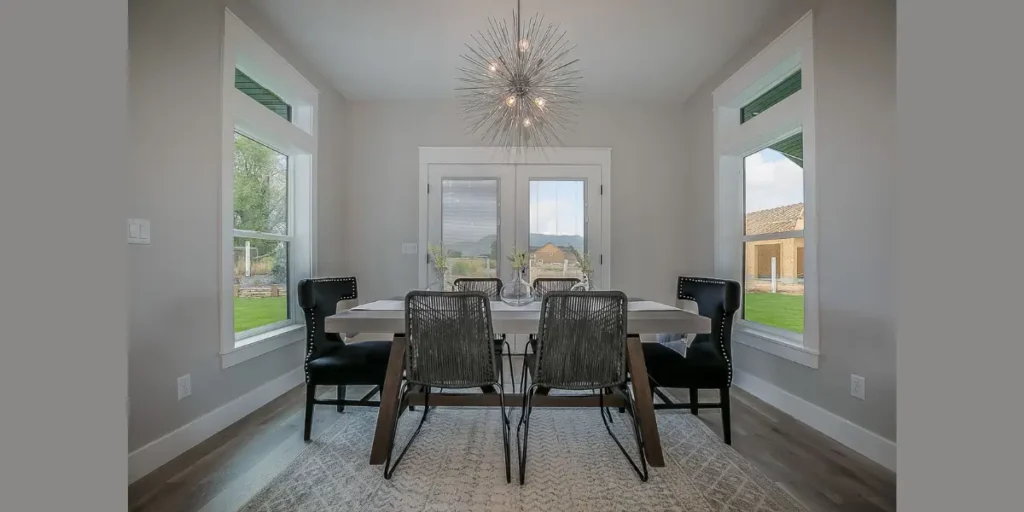
Single-light fixtures work well in compact dining rooms. I choose them when simplicity and clarity matter more than complexity.
A clean fixture reduces visual noise and keeps focus on the dining area. I rely on proper placement to make a single light effective.
When supported by ambient light, this approach feels efficient and modern. It proves that dining rooms don’t need multiple fixtures to function well.
11. Warm LED Lighting for Comfortable Dining
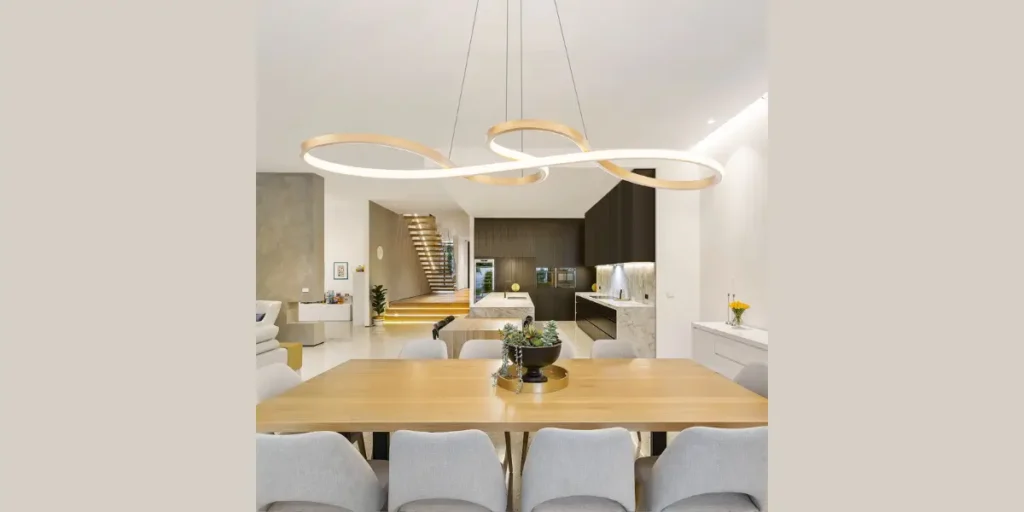
Warm LED lighting improves how a dining room feels instantly. I always prefer warm tones because they create comfort and enhance food appearance.
LEDs offer consistency and efficiency. I can maintain stable lighting levels without heat buildup or frequent replacements.
Warm LEDs also support long-term use. They reduce eye strain and keep the dining room inviting, making meals more enjoyable every day.
FAQs
The best dining room lighting combines focused table lighting with soft ambient light. I always recommend using a main fixture over the table supported by secondary lights. This approach keeps the space functional and comfortable.
I usually place dining lights about 30 to 36 inches above the table surface. This height provides enough illumination without causing glare. Proper placement ensures comfort for everyone seated.
Warm lights work better in dining rooms because they create a relaxed and inviting atmosphere. They also make food look more appealing. Cool lighting can feel harsh and reduce comfort during meals.
In some cases, yes, but only if the room is small and well-planned. I usually prefer layered lighting because it offers flexibility and better comfort. A single light often lacks balance.
Related Post
- 10 Best Dining Room Wall Decor Ideas
- 12 Famous Dining Room Table Ideas
- Top 10 Trending Dining Room Ideas
- Top 15 Dining Room Decor Ideas
- Top 7 Kitchen Decor Apartments
- Top 21 Kitchen Decorating Apartment Ideas
Conclusion
Dining room lighting is never just about brightness it’s about how the space feels when people actually sit down and spend time together.
From my experience, the most successful dining rooms use lighting to balance visibility, comfort, and mood without overwhelming the room. When light placement, tone, and control work together, meals feel more relaxed and conversations last longer.
Instead of relying on a single fixture or trend-driven choices, a thoughtful lighting plan adapts easily to daily use and special occasions alike. The right lighting doesn’t just support the dining room, it quietly improves the entire dining experience.