
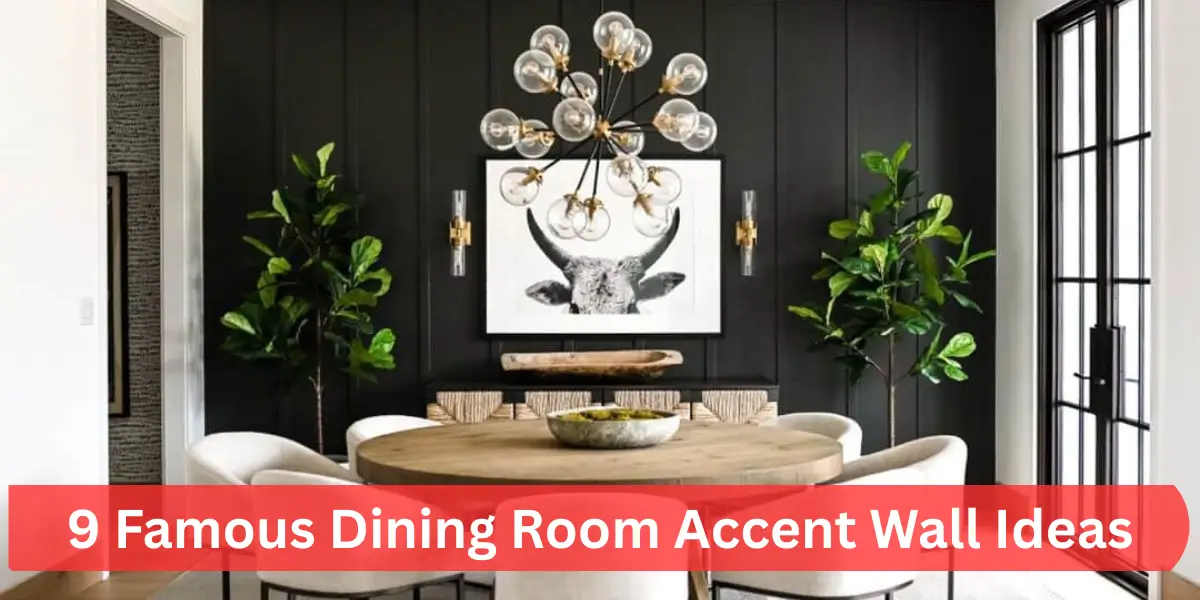
Dining room accent wall design is one of the most effective ways I’ve found to transform a dining space without a full renovation. The right accent wall instantly draws the eye, defines the dining area, and sets the tone for how the room feels during meals and gatherings.
Whether the goal is warmth, drama, or subtle elegance, an accent wall creates a clear focal point that anchors the entire room.
In this article, I’ll share practical and design-driven accent wall ideas that I’ve seen work beautifully in real homes, helping you add character and depth while keeping the space balanced and inviting.
1. Painted Accent Wall with a Bold Color
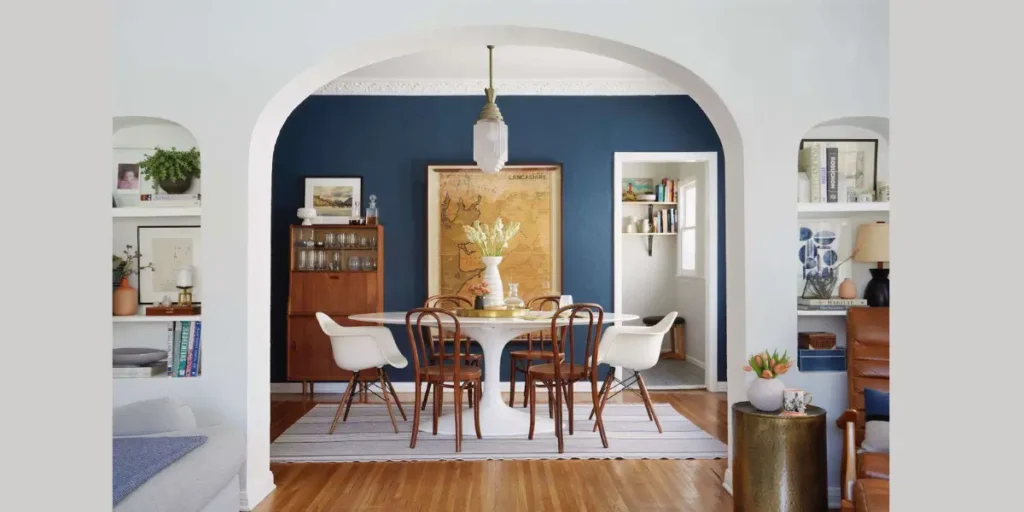
I often start with a painted accent wall when I want instant impact without adding visual clutter. A bold color immediately defines the dining area and creates a strong focal point. Shades like deep navy, forest green, or warm terracotta work especially well in dining spaces.
I always consider lighting before choosing the color. Natural and artificial light affect how bold shades appear throughout the day. The goal is depth and warmth, not heaviness.
When paired with neutral furniture, a painted accent wall feels intentional and balanced. It adds personality while keeping the overall dining room design clean and cohesive.

2. Wallpaper Accent Wall for Visual Interest
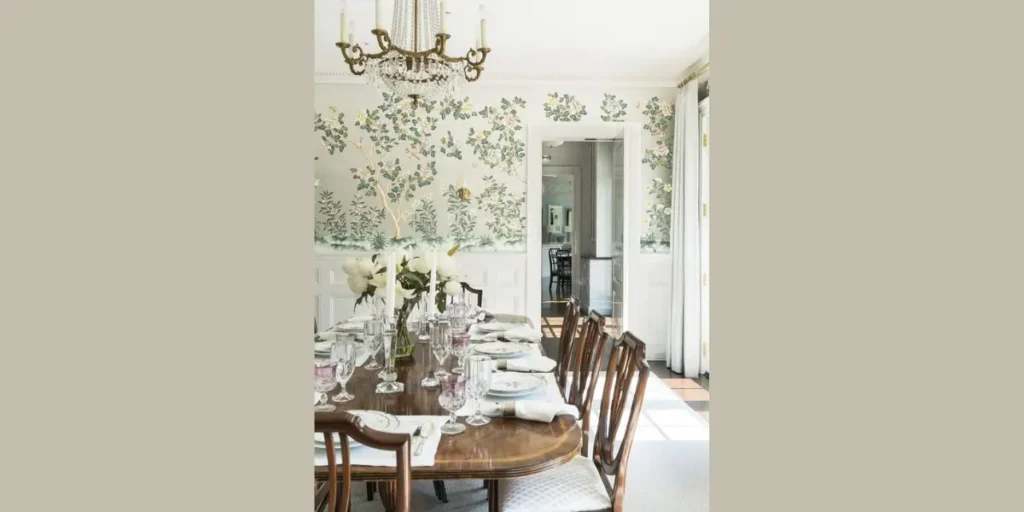
Wallpaper gives me more creative freedom than paint alone. I use it when a dining room needs texture, pattern, or a layered look without relying on décor pieces. Subtle geometric or organic patterns work best for long-term appeal.


I avoid overly busy prints and focus on designs that add movement without overwhelming the space. Texture-based wallpapers often feel more refined and timeless.
When used on a single wall, wallpaper creates depth and character. It elevates the dining room instantly while allowing the rest of the space to remain calm and uncluttered.
3. Wooden Panel Accent Wall
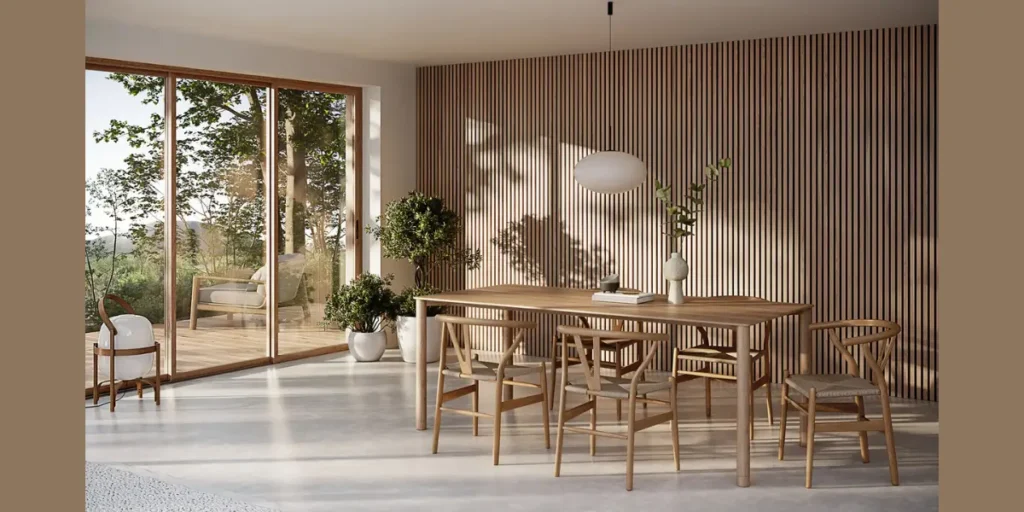
A wooden accent wall brings warmth and richness that paint can’t replicate. I often choose wood panels when I want the dining room to feel grounded and inviting. Vertical slats also add height and visual rhythm.
I prefer natural or lightly finished wood to keep the space from feeling heavy. The texture alone adds enough interest without additional decoration.
When paired with simple furniture and soft lighting, a wooden accent wall feels sophisticated and timeless. It works especially well in both modern and rustic dining interiors.
4. Stone or Brick Accent Wall
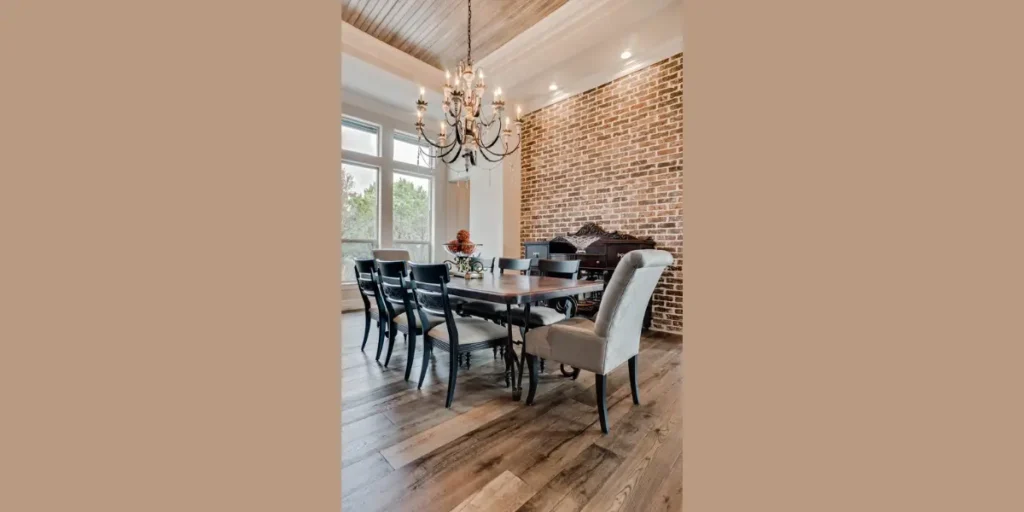
Stone or brick accent walls add strong character to a dining room. I use this option when the goal is texture and authenticity rather than polish. Exposed brick or stone instantly gives the room depth.
I balance rough surfaces with softer elements like upholstered chairs or warm lighting. This contrast keeps the space comfortable and welcoming.
A stone or brick wall works best when it remains the main feature. Overdecorating can compete with its natural beauty, so I let the texture speak for itself.

5. Mirror Accent Wall to Expand Space
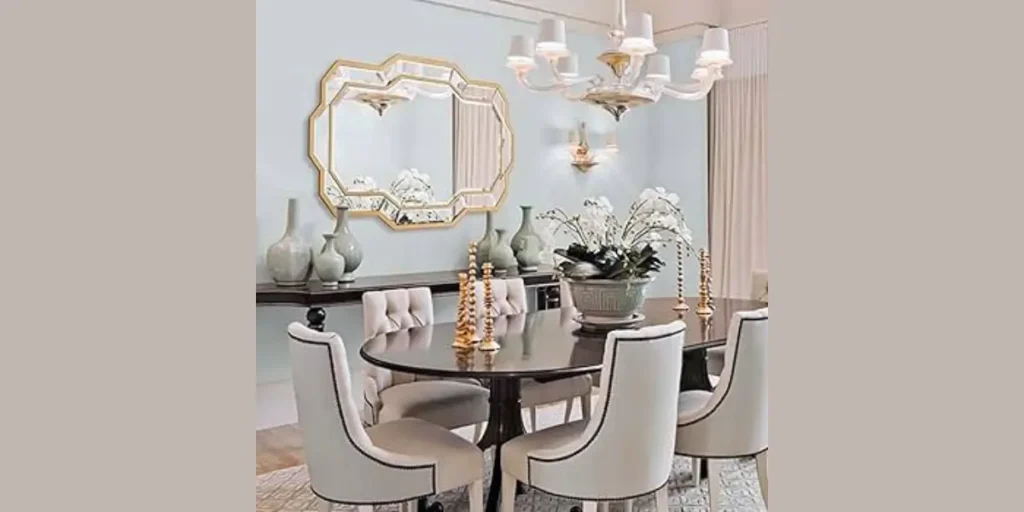
I often use mirror accent walls in smaller dining rooms. Mirrors reflect light and visually expand the space, making the room feel brighter and more open.

I choose large panels or symmetrical mirror layouts to avoid a fragmented look. Clean lines keep the design elegant rather than flashy.
When placed correctly, a mirror accent wall enhances both light and depth. It adds a subtle luxury to the dining room without overwhelming the design or distracting from the table.

6. Gallery Wall as an Accent Feature
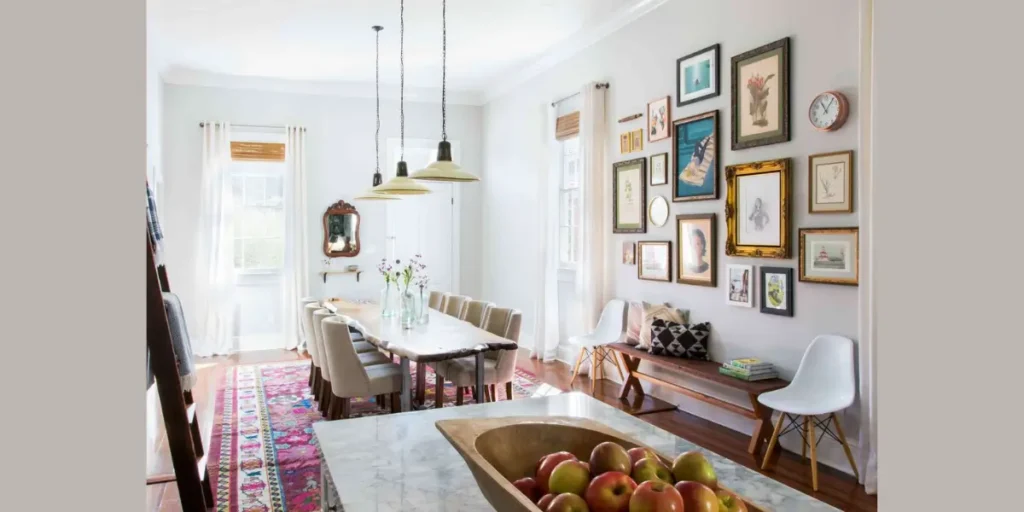
A gallery wall allows me to turn personal taste into a dining room feature. I treat it as an accent wall by carefully curating artwork, photographs, or prints that share a common theme.
I focus on spacing, alignment, and frame consistency to maintain visual order. A planned layout feels intentional and refined.
Gallery walls work best when they tell a story. They add warmth and personality, making the dining room feel lived-in rather than styled purely for aesthetics.
7. Textured Plaster or 3D Wall Panels
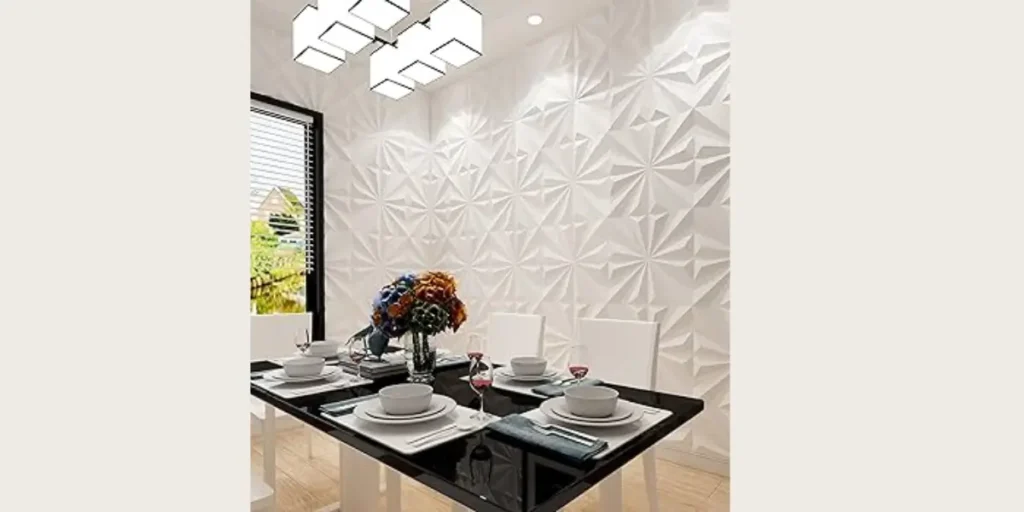
Textured walls add subtle sophistication without bold color or pattern. I use plaster finishes or 3D panels when I want depth that feels modern and understated.
Lighting plays a major role here. Soft shadows created by texture enhance the wall’s dimension and bring it to life.
This type of accent wall works beautifully in contemporary dining rooms. It feels luxurious yet restrained, offering visual interest without distracting from furniture or table settings.

8. Dark and Moody Accent Wall
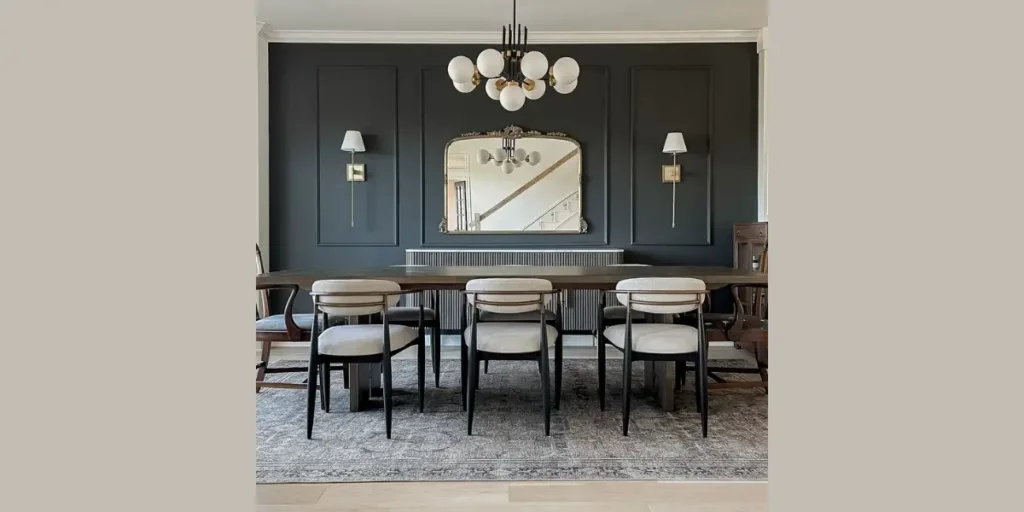
Dark accent walls create intimacy and drama when used thoughtfully. I recommend this approach for dining rooms where evening meals and gatherings are common.

I balance dark colors with lighter furniture and warm lighting to prevent the space from feeling closed in. Matte finishes often feel more refined than glossy ones.
A dark accent wall adds depth and elegance. It sets a cozy tone that encourages conversation and makes the dining experience feel more intentional and memorable.
9. Nature-Inspired Accent Wall
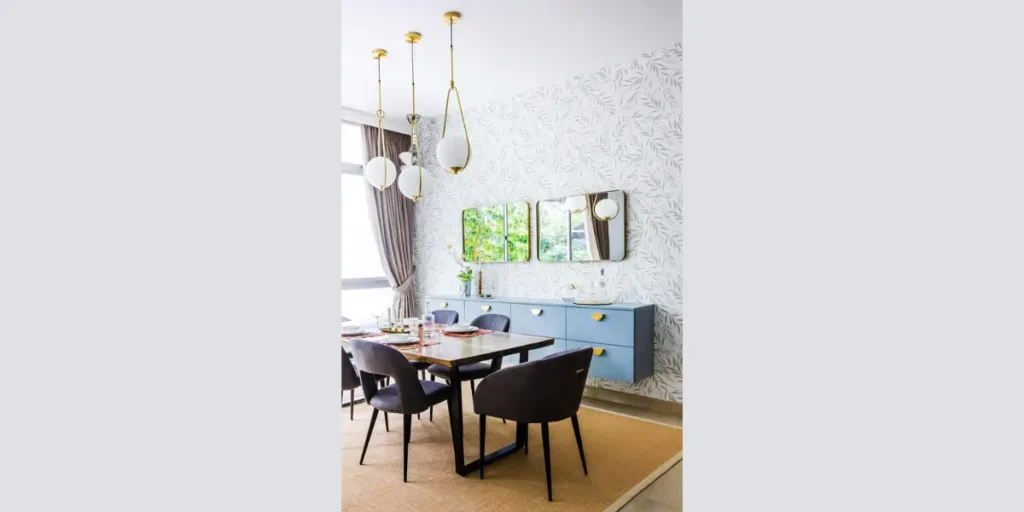
Nature-inspired accent walls bring calm and freshness into the dining space. I often use botanical wallpaper, earthy tones, or plant-focused designs to soften the room.
Natural textures and colors help create a relaxed dining atmosphere. This works especially well in homes where comfort matters as much as style.
A nature-inspired wall connects the dining room to the outdoors. It encourages slower meals and creates a welcoming environment that feels balanced and refreshing.
How to Choose the Right Accent Wall for Your Dining Room
When I choose an accent wall for a dining room, I always start by identifying the wall that naturally draws attention. This is often the wall behind the dining table, as it anchors the space and creates a strong focal point without competing with furniture placement.

I also consider lighting and room size before selecting materials or colors. Darker walls work well in rooms with good lighting, while lighter or reflective surfaces help smaller spaces feel more open. Balance is key here.
Finally, I make sure the accent wall complements the dining furniture and overall interior style. When everything aligns, the accent wall enhances the space rather than overpowering it.

FAQs
In most cases, I recommend using the wall directly behind the dining table. It naturally becomes the focal point and helps define the dining area without disrupting movement or layout.
Yes, accent walls can work very well in small dining rooms when designed carefully. I often use mirrors, lighter colors, or subtle textures to add depth without making the space feel cramped.
Dark colors work beautifully when balanced with proper lighting and lighter furniture. I usually suggest matte finishes and warm lighting to keep the room feeling inviting rather than heavy.
The accent wall doesn’t need to match exactly, but it should complement the furniture. I focus on coordinating tones and materials so the space feels cohesive and thoughtfully designed.

Related Post
- 10 Best Dining Room Interior Ideas
- Top 12 Dining Room Chair Ideas
- Dining Room Lighting Over Table Ideas
- Dining Room Wall Art Ideas
Conclusion
A dining room accent wall is one of the simplest ways to give the space identity and depth without overdesigning it. From my experience, the most effective accent walls feel intentional, balanced, and connected to how the room is actually used.
Whether you choose color, texture, or natural elements, the right accent wall anchors the dining area and enhances the overall atmosphere.
When thoughtfully designed, it doesn’t just decorate the space, it elevates everyday dining and makes gatherings feel more engaging and memorable.