
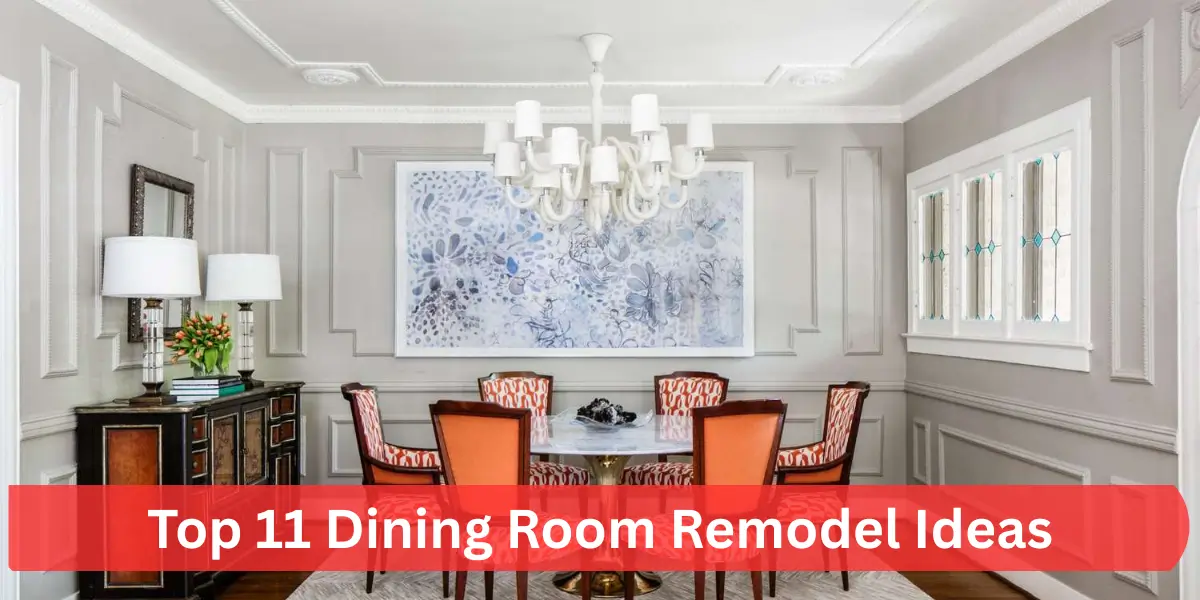
Dining room remodel ideas can completely change how the space looks, feels, and functions. From my experience, even small remodeling updates can make a dining room more comfortable and visually appealing.
A successful remodel focuses on improving layout, lighting, and flow rather than simply replacing furniture. In this article, I’ll share practical remodeling ideas that I’ve seen deliver real results in everyday homes.
Each idea is designed to enhance usability while adding long-term value, helping you create a dining room that feels updated, welcoming, and suited to your lifestyle.
1. Open Up the Dining Room Layout
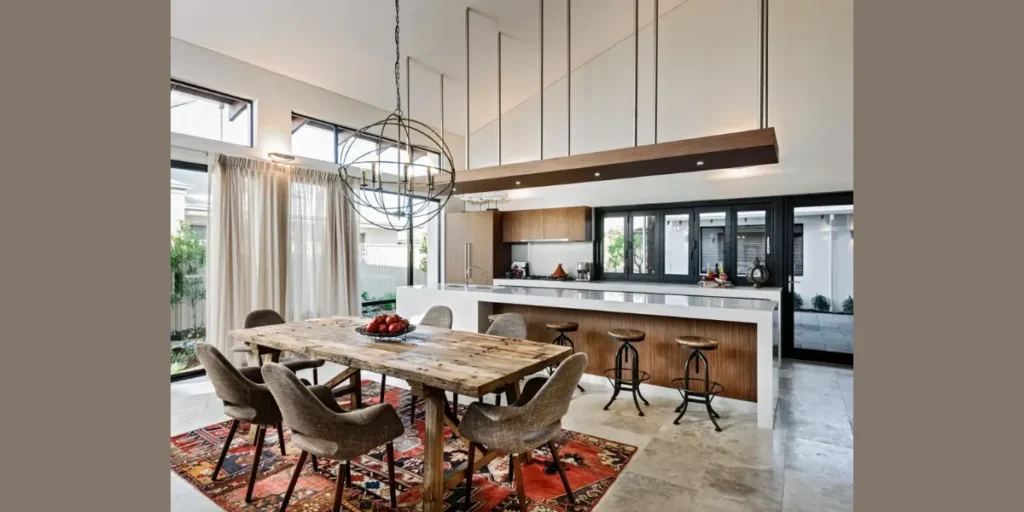
When I remodel a dining room, opening up the layout is often the first change I consider. Removing a wall or creating a wider opening instantly improves flow and makes the space feel larger. This works especially well in homes where the dining room feels boxed in or underused.
I always evaluate how the dining room connects to the kitchen or living area. Even partial openings or archways can make a big difference without a full structural change.
An open layout encourages interaction and allows natural light to travel freely. When planned carefully, the dining room becomes a seamless and inviting part of the home rather than a separate zone.

2. Upgrade Lighting Over the Dining Table
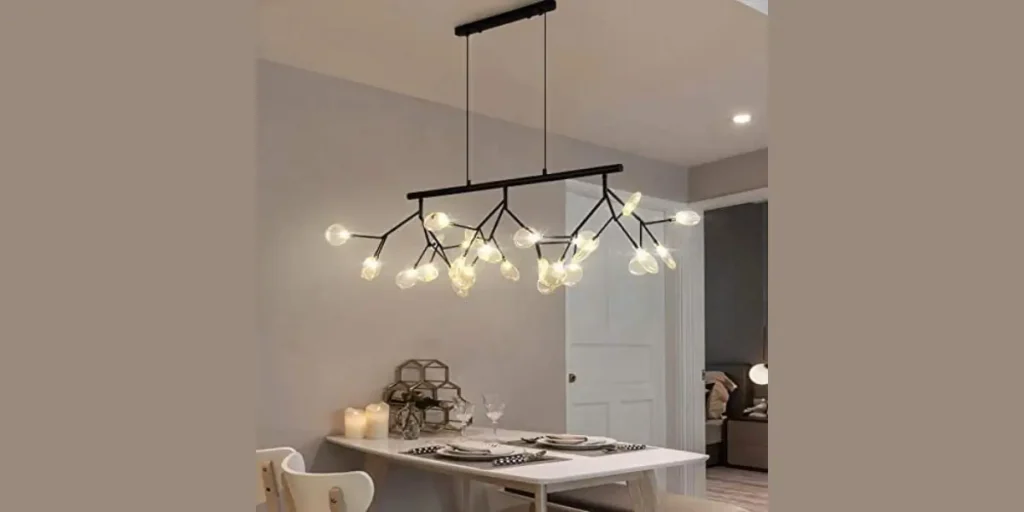
Lighting is one of the most impactful upgrades in any dining room remodel. I’ve seen outdated fixtures completely hold a space back, no matter how nice the furniture is. Replacing them instantly modernizes the room.
I focus on selecting a fixture that matches the table’s scale and the room’s ceiling height. Pendant lights or chandeliers help define the dining area and improve functionality.

Good lighting sets the mood. With the right fixture and bulb choice, the dining room feels warmer, more intentional, and comfortable for both everyday meals and gatherings.
3. Add a Statement Accent Wall
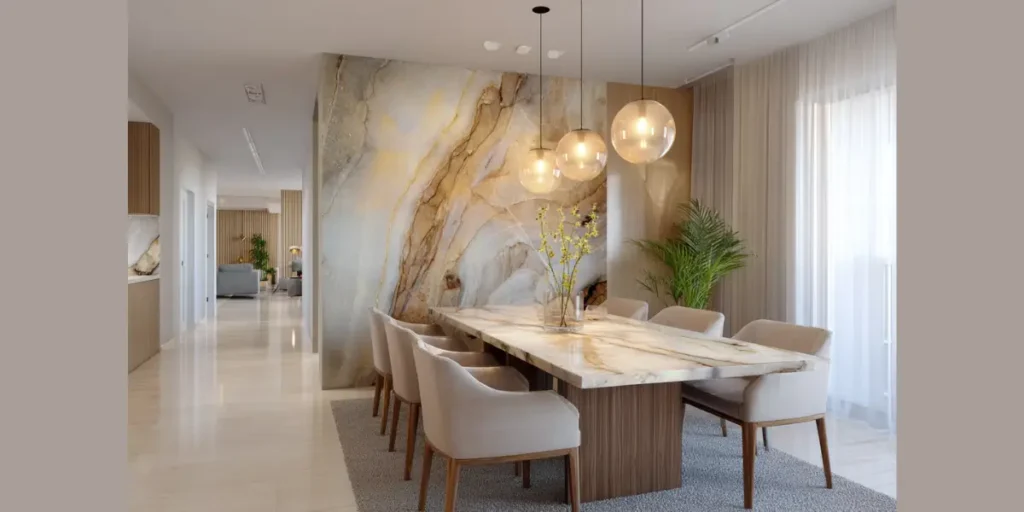
An accent wall is a smart way to refresh a dining room without overhauling everything. I use it to add depth, color, or texture where the space feels flat.
Wallpaper, wood panels, or bold paint colors work well when used thoughtfully. I always choose one wall to highlight so the room doesn’t feel visually crowded.

A statement wall creates a focal point and gives the dining room personality. When balanced with neutral furniture, it elevates the space while keeping the remodel cost-effective.
4. Replace Old Dining Furniture
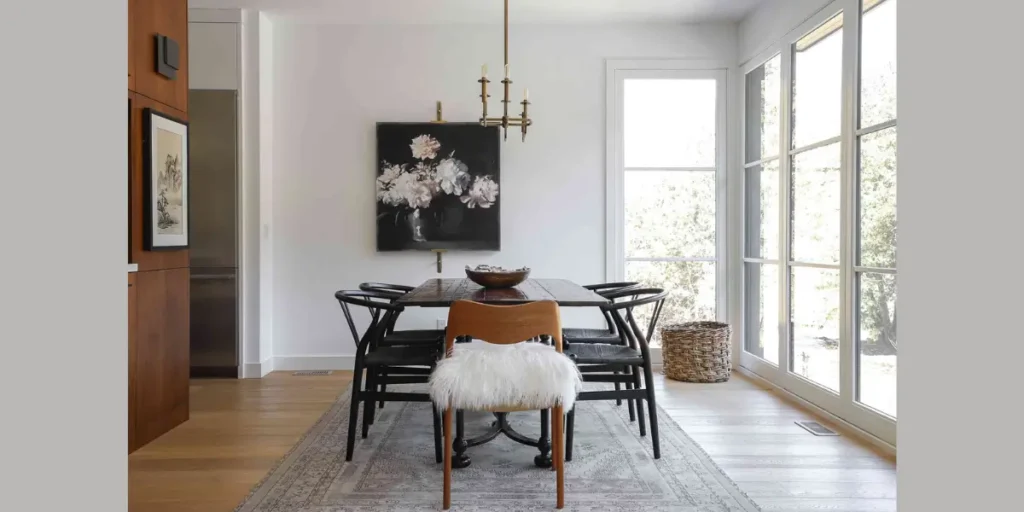
Furniture replacement often defines the success of a dining room remodel. I look for pieces that suit the room’s scale and support how the space is actually used.

Updating the table and chairs can dramatically improve comfort and circulation. Extendable tables or slimmer chair profiles often solve layout issues instantly.
I always prioritize proportion and function over trends. When furniture fits the space correctly, the dining room feels balanced, practical, and visually refreshed without unnecessary additions.
5. Install Built-In Storage or a Sideboard
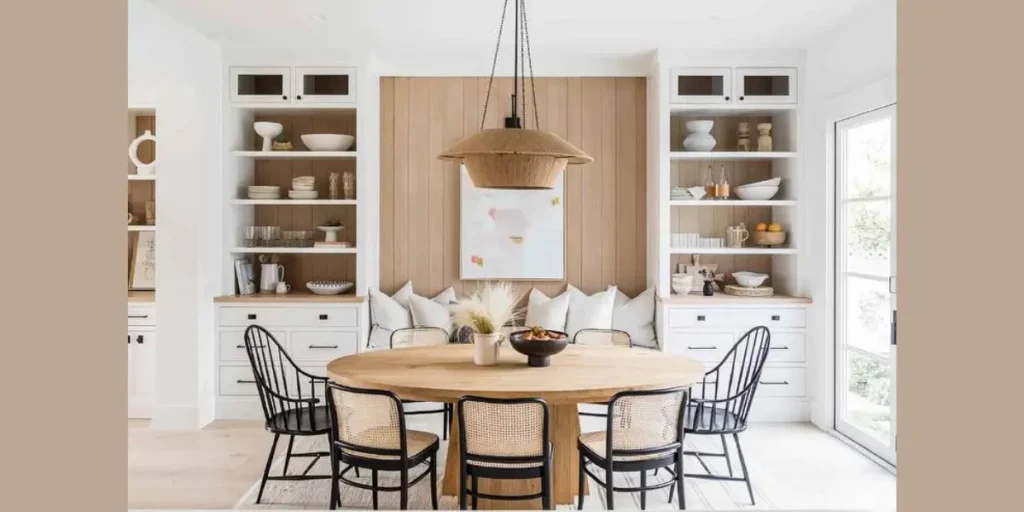
Adding built-in storage transforms a dining room from purely decorative to highly functional. I often recommend sideboards or custom cabinets to store dinnerware and linens.
This approach reduces clutter and keeps essentials close to the table. Built-ins also provide an opportunity to add character through materials or finishes.

When designed well, storage blends seamlessly into the room. It enhances organization while giving the dining room a polished and intentional appearance.
6. Update Flooring for a Fresh Foundation
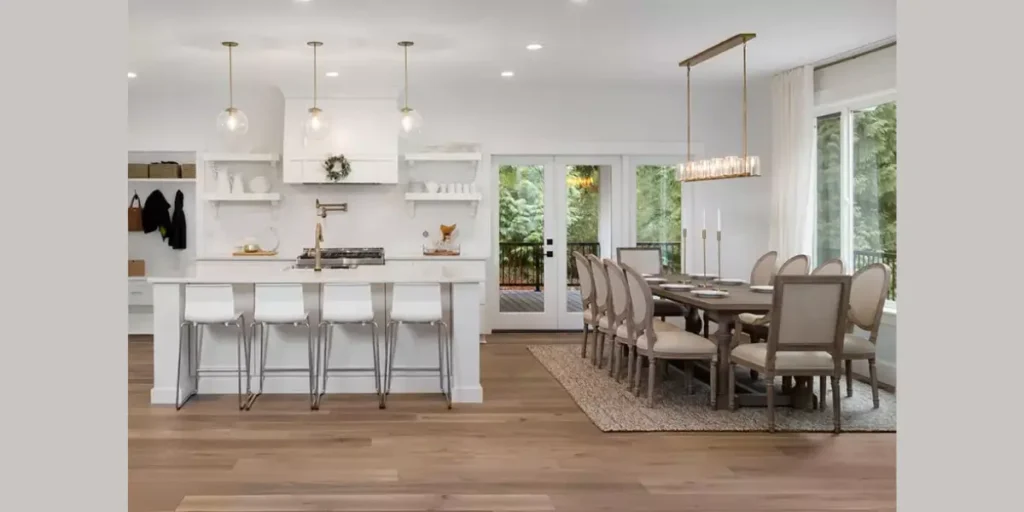
Flooring sets the tone for the entire dining room. During a remodel, I consider flooring upgrades carefully because they affect both aesthetics and durability.
Hardwood, luxury vinyl, or tile are popular choices depending on lifestyle needs. I always recommend materials that handle foot traffic and chair movement well.
New flooring instantly refreshes the space. It anchors the dining room visually and creates a clean foundation that supports all other design elements.
7. Add a Dining Room Rug
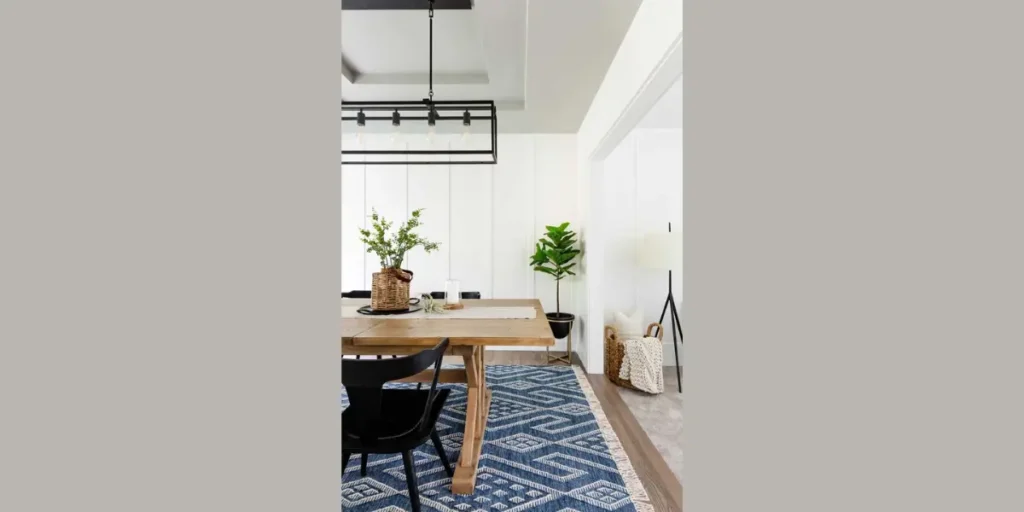
A rug is a simple yet effective remodel addition. I use rugs to define the dining area, especially in open-concept layouts.
Choosing the correct size is critical. The rug should extend beyond the chairs to allow easy movement and prevent awkward edges.
A well-chosen rug adds warmth and comfort while visually grounding the table. It completes the dining room and makes the remodel feel finished and cohesive.


8. Refresh Walls with New Paint Colors
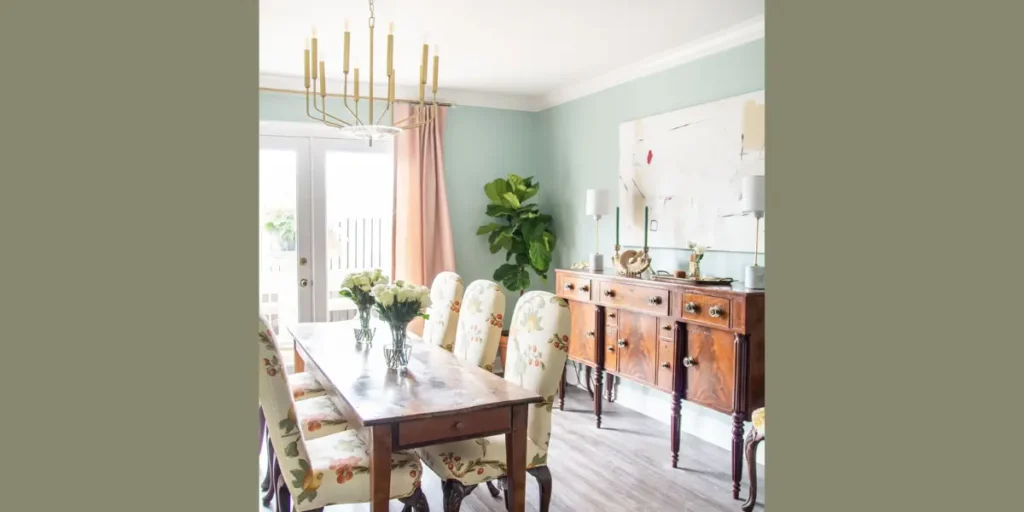
Paint is one of the fastest ways to remodel a dining room. I often recommend updating wall colors when the space feels dated or dull.
Soft neutrals, muted greens, or warm tones create a welcoming dining atmosphere. The right color can influence how intimate or open the room feels.
Fresh paint cleans up visual noise and unifies the design. It’s a high-impact change that delivers noticeable results without major construction.
9. Upgrade Windows and Window Treatments
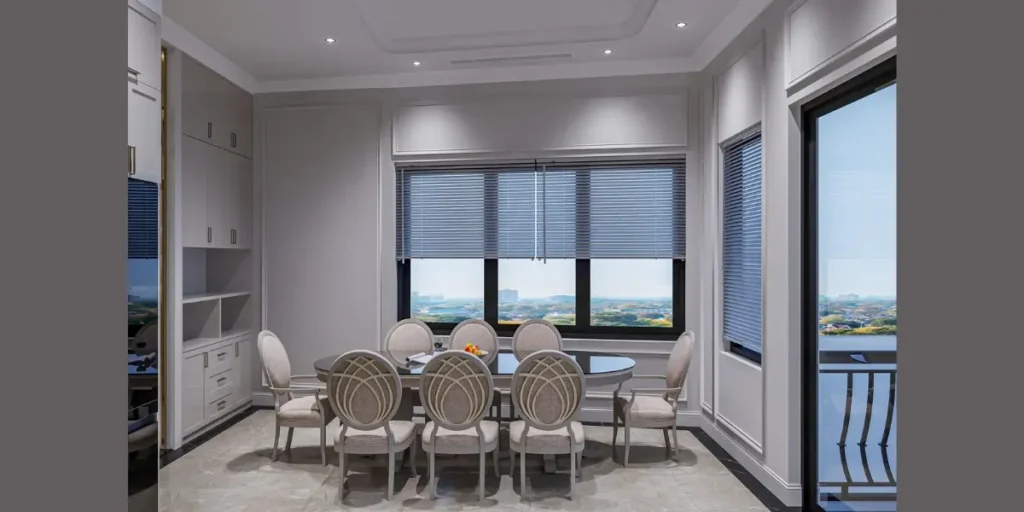
Windows play a major role in how a dining room feels. During a remodel, I look for ways to improve natural light and privacy at the same time.
New window treatments like streamlined curtains or modern blinds instantly update the space. In some cases, larger windows make a dramatic difference.
Better light improves mood and enhances finishes. When windows are treated thoughtfully, the dining room feels brighter, calmer, and more inviting.
10. Add Decorative Wall Art and Mirrors
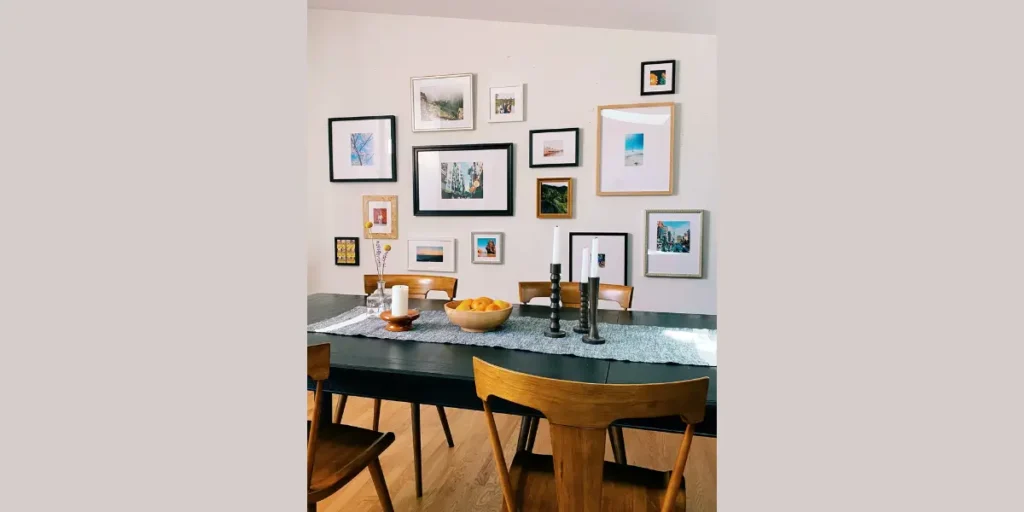
Wall décor adds personality to a remodeled dining room. I use art and mirrors to balance empty walls without overwhelming the space.


Mirrors are especially useful in smaller dining rooms. They reflect light and make the room feel larger and more open.
I keep décor intentional and scaled properly. When art complements furniture and lighting, the dining room feels curated rather than cluttered.
11. Create a Multi-Functional Dining Space
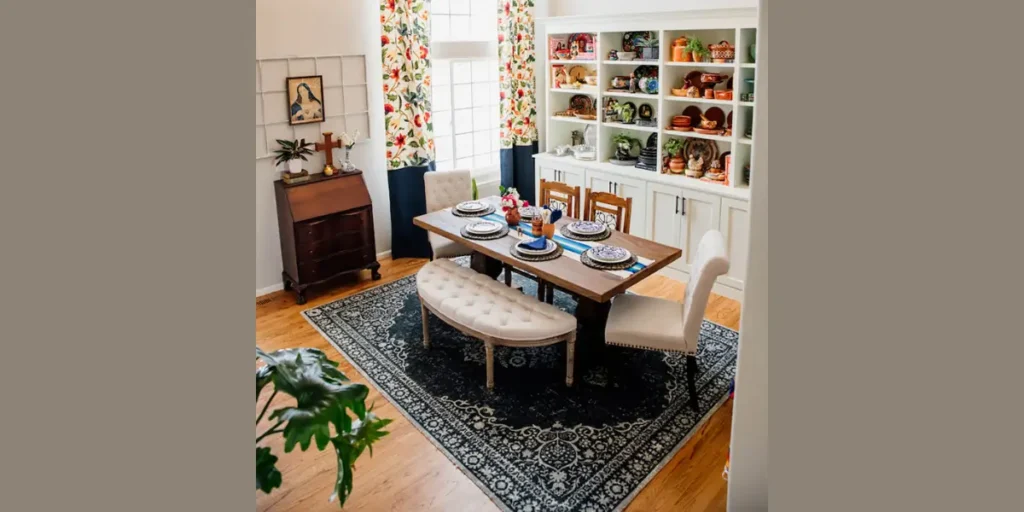
Modern dining rooms often need to serve more than one purpose. I design multi-functional spaces that adapt to daily life.
Flexible furniture allows the dining room to double as a workspace or casual seating area. Storage and lighting play a big role here.
When planned correctly, a multi-functional dining room feels natural rather than forced. It supports modern lifestyles while maintaining a clear dining identity.
How to Plan a Dining Room Remodel That Fits Your Lifestyle
When I plan a dining room remodel, I always start by understanding how the space is used daily. Whether it’s for family meals, entertaining guests, or multi-purpose use, the layout should support those needs without feeling restrictive.

I also prioritize budget and long-term value. Choosing durable materials and flexible furniture ensures the remodel stays practical over time. This approach prevents unnecessary updates later.
Finally, I focus on flow and comfort. When movement, lighting, and storage align naturally, the dining room feels effortless and functional rather than overdesigned.
FAQs
From my experience, costs vary widely depending on the scope of work. Simple updates like paint and lighting stay affordable, while layout changes and custom storage increase the budget significantly.
I usually recommend starting with lighting and layout. These two elements have the biggest impact on how the dining room looks and functions, even before furniture or décor updates.
Yes, absolutely. Updating finishes, lighting, furniture, and wall treatments can completely refresh the space without structural changes. I often use this approach for faster, lower-cost remodels.
Most dining room remodels take anywhere from a few days to a few weeks. The timeline depends on whether the work involves structural changes, custom pieces, or simple cosmetic updates.
Related Post
- Top 12 Best Dining Room Lamps Ideas
- 10 Best Dining Room Rug Ideas
- 10 Best Farmhouse Dining Room Ideas
- 9 Famous Dining Room Accent Wall Ideas
- 10 Best Dining Room Interior Ideas
- Top 12 Dining Room Chair Ideas
Conclusion
A dining room remodel is an opportunity to reshape how the space works for your daily life, not just how it looks. From my experience, the most successful remodels focus on flow, comfort, and long-term usability rather than chasing short-term trends.


Whether you open up the layout, upgrade lighting, or add functional storage, every change should support how you actually use the room. When design decisions are intentional, the dining room becomes more inviting, flexible, and enjoyable.
A well-planned remodel doesn’t just refresh the space it adds value, improves everyday living, and creates a setting where people naturally want to gather.