
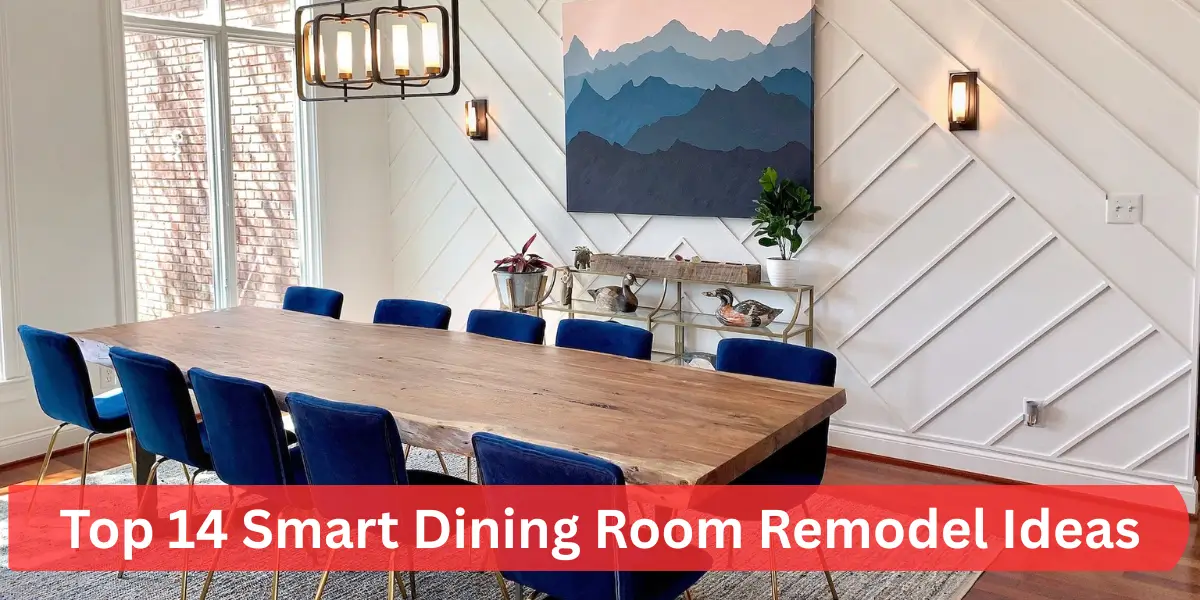
A well-planned dining room remodel can completely change how the space feels and functions in everyday life. From my experience, the most successful remodels focus on improving flow, comfort, and visual balance rather than chasing short-lived trends.
Small changes often deliver the biggest impact when they’re done intentionally. In this guide, I’ll share practical insights drawn from real projects, showing how thoughtful updates can refresh the space without overcomplicating the design.
By applying the right dining room remodel ideas, you can create a dining area that feels inviting, functional, and built to last.
1. Open Up the Dining Room Layout
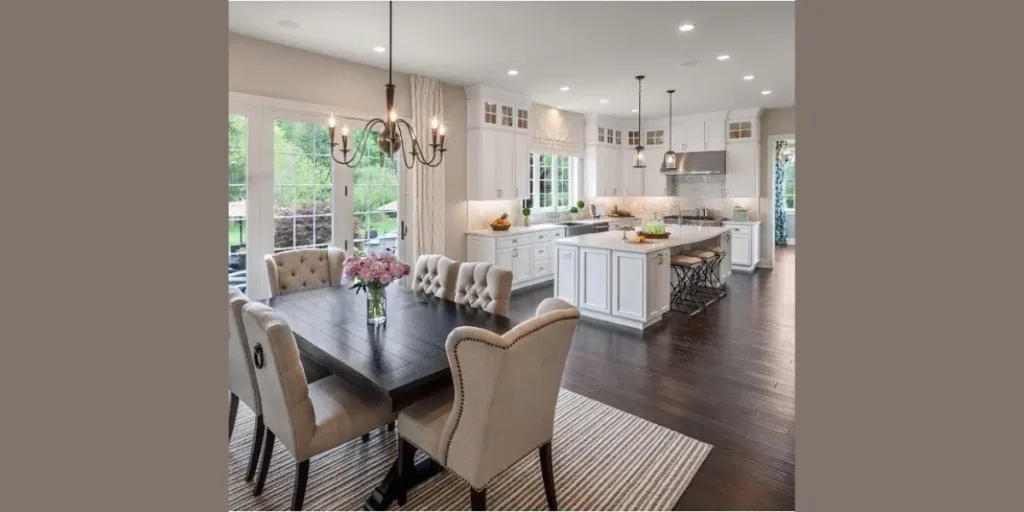
When I remodel a dining room, opening up the layout is often the most transformative step. Removing a wall or widening an entry instantly improves movement and makes the space feel more connected to the rest of the home. This change works especially well when the dining room feels isolated or underused.
I always assess sightlines and natural light before making structural changes. Even partial openings can create a more open feel without major construction. The goal is better flow, not chaos.
An open layout encourages interaction and flexibility. When done right, the dining room feels larger, brighter, and more inviting for everyday meals and gatherings.

2. Upgrade Lighting Over the Dining Table
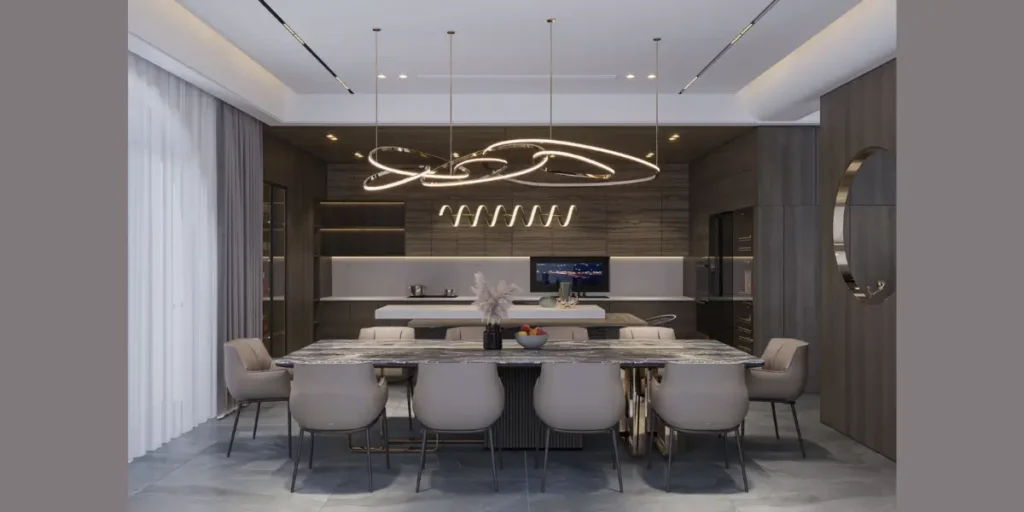
Lighting is one of the first elements I update during a dining room remodel. A dated fixture can hold the entire space back, no matter how nice the furniture looks. Replacing it immediately modernizes the room.

I focus on scale and placement. The fixture should align with the table size and hang at a height that creates intimacy without blocking views. Pendant lights and chandeliers work best here.
Proper lighting sets the mood. With the right fixture and warm bulbs, the dining room feels welcoming, functional, and visually balanced for both casual and formal dining.
3. Add a Statement Accent Wall
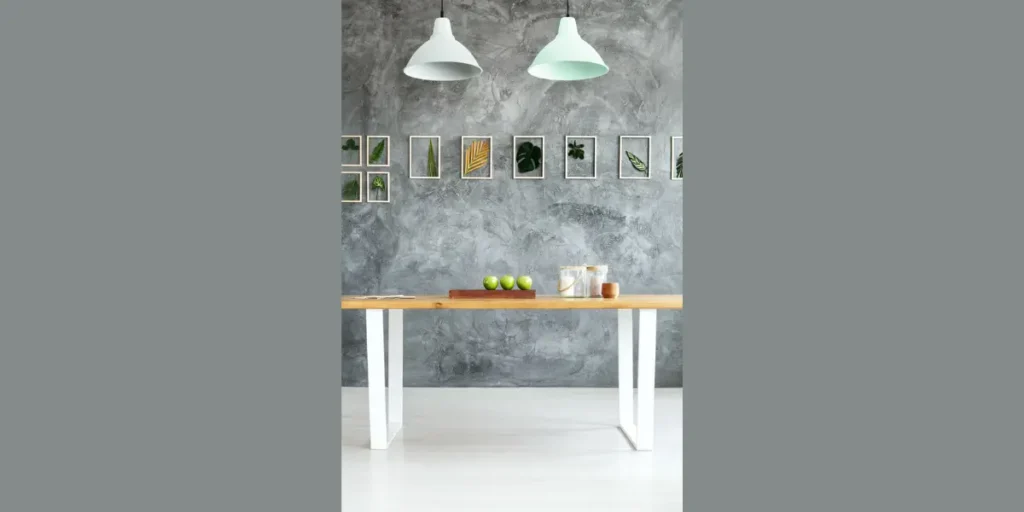
An accent wall is a smart way to refresh a dining room without redesigning everything. I often use it to introduce texture, color, or depth where the space feels flat.
Paint, wallpaper, or wood paneling can all work, as long as only one wall takes focus. This keeps the design controlled and avoids visual overload.

A well-executed accent wall gives the dining room personality. It creates a focal point that elevates the space while keeping the remodel efficient and cost-effective.

4. Replace Outdated Dining Furniture
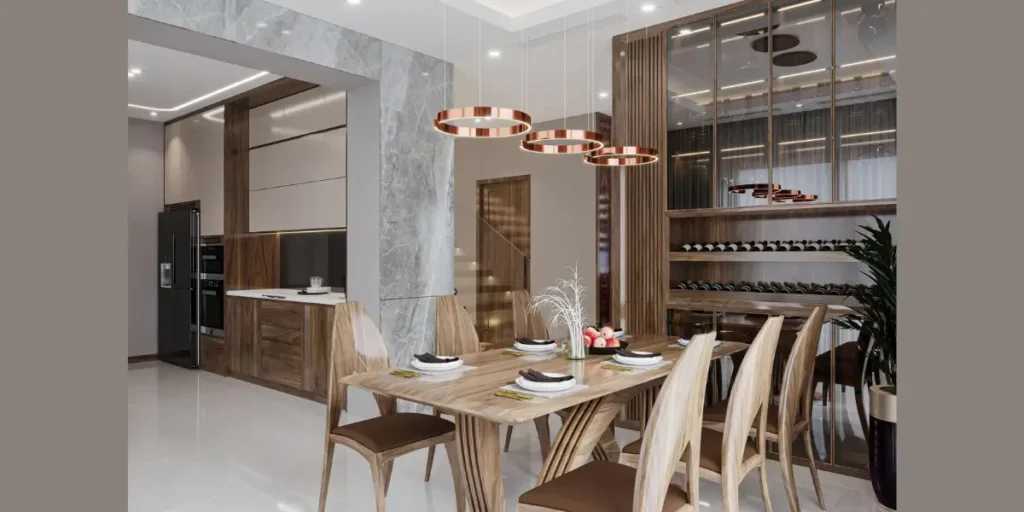
Furniture replacement plays a major role in any remodel. I look for tables and chairs that match the room’s scale and support how the space is actually used.
Slimmer chairs or extendable tables often solve circulation problems instantly. Comfort always comes first, especially if the dining room is used daily.
When furniture fits properly, the dining room feels balanced and intentional. The right pieces refresh the space without needing excessive décor or structural changes.
5. Install Built-In Storage or a Sideboard
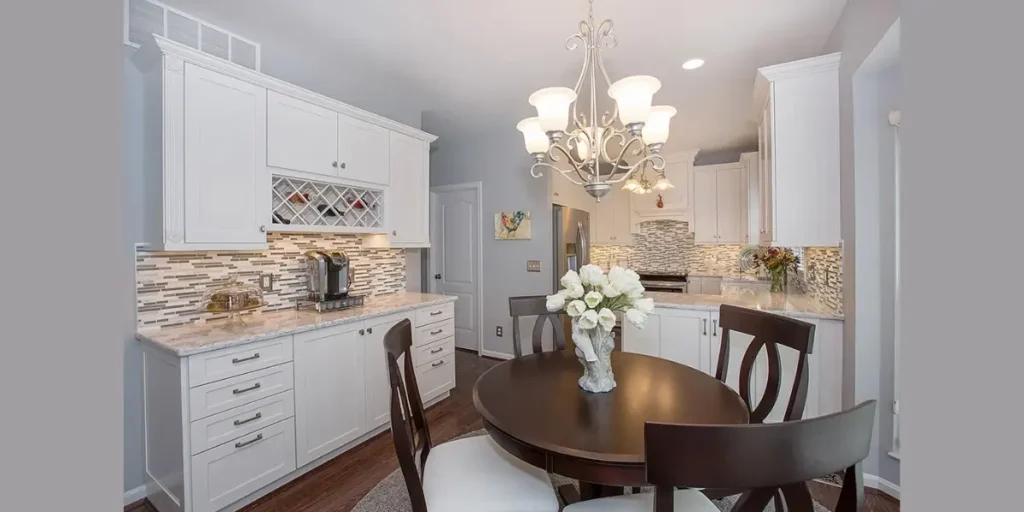
Adding built-in storage instantly improves functionality. I often recommend sideboards or custom cabinets to store dishes, linens, and serving items close to the table.
This reduces clutter and keeps the dining room organized. Storage also offers an opportunity to introduce new materials or finishes into the space.
When designed thoughtfully, built-ins feel like part of the architecture. They elevate the dining room while making everyday use more convenient and efficient.
6. Update Flooring for a Clean Foundation
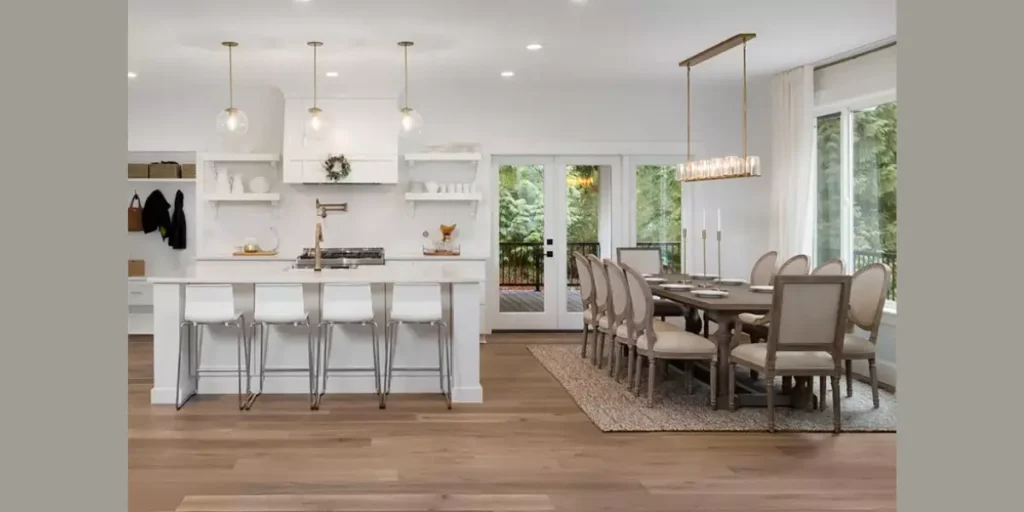
Flooring changes have a powerful impact on how a dining room feels. During a remodel, I carefully consider durability, maintenance, and visual flow.

Hardwood, luxury vinyl, or tile are popular options depending on lifestyle needs. Chairs move frequently, so the surface must handle wear without damage.
New flooring refreshes the entire room. It creates a clean base that supports furniture, rugs, and lighting while making the dining room feel updated and cohesive.

7. Add a Dining Room Rug
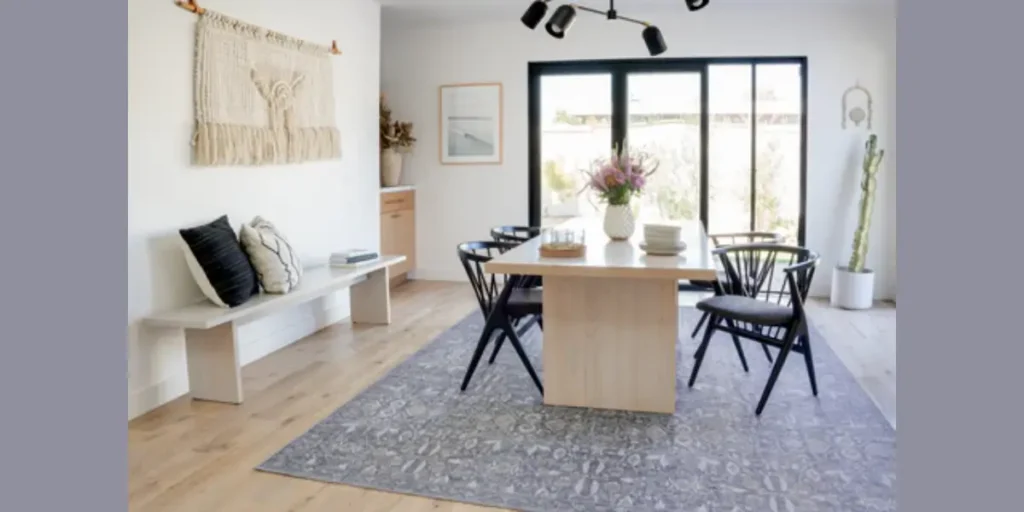
A rug is one of the simplest ways to define the dining area. I use rugs especially in open layouts to visually anchor the table.
Correct sizing is essential. The rug should extend beyond the chairs so movement stays smooth and comfortable.
A well-chosen rug adds warmth and texture. It completes the remodel by making the dining room feel finished, grounded, and more comfortable underfoot.
8. Refresh the Walls with New Paint
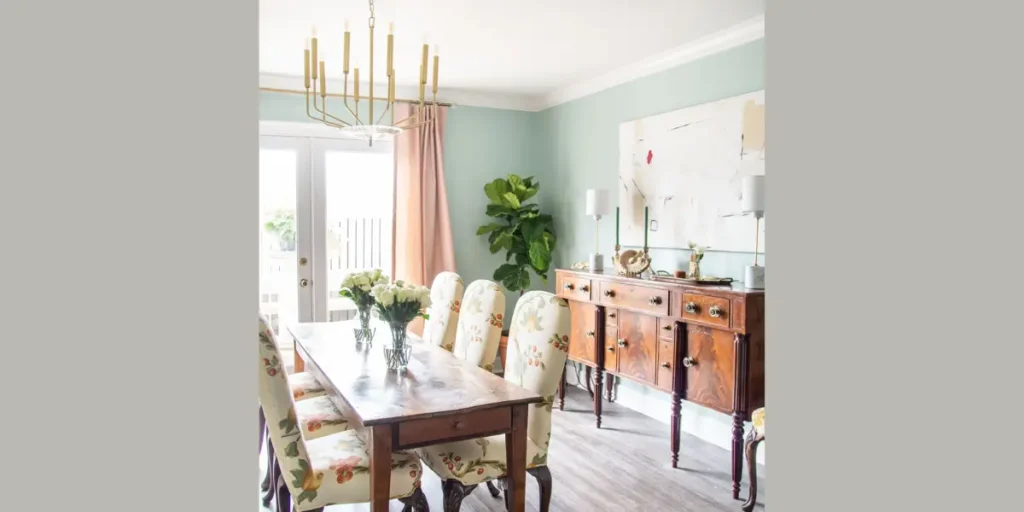
Paint is one of the fastest and most effective remodel updates. I use it to reset the mood of the dining room and unify the design.
Warm neutrals, muted greens, or soft grays work well for dining spaces. The right color can make the room feel cozy, elegant, or open.

Fresh paint removes visual noise and brings clarity to the space. It’s a small change that delivers a noticeable upgrade without major disruption.
9. Improve Windows and Window Treatments
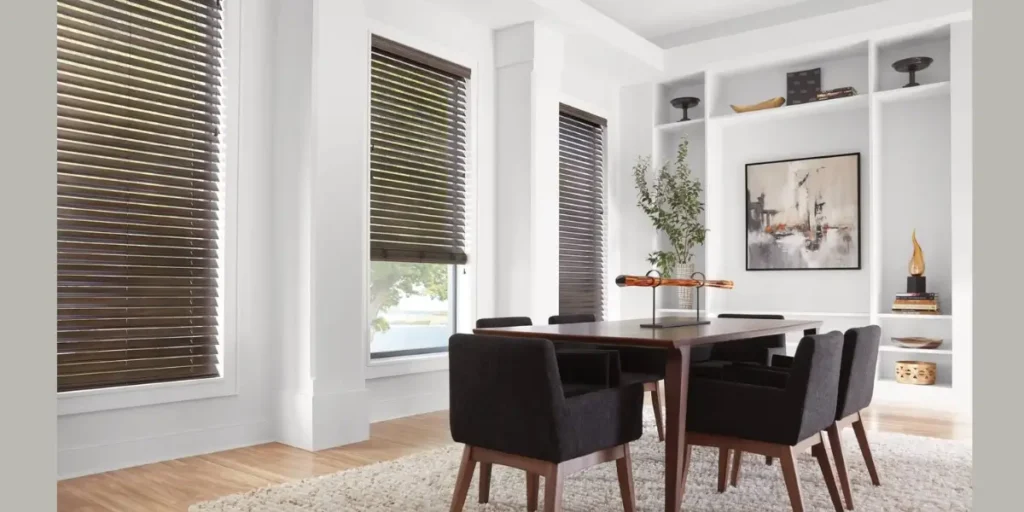
Windows influence how light and comfortable a dining room feels. During a remodel, I look for ways to enhance natural light while maintaining privacy.
Modern curtains or streamlined blinds instantly update the space. In some cases, enlarging windows creates dramatic improvement.
Better window design makes the dining room brighter and more welcoming. Natural light enhances finishes and improves the overall dining experience.
10. Add Wall Art and Mirrors Strategically
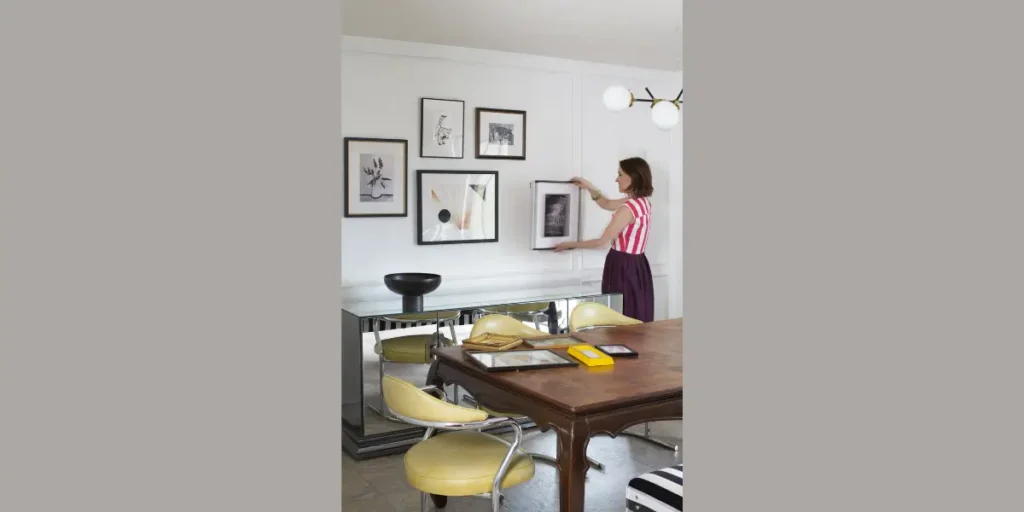
Wall décor completes a dining room remodel when used intentionally. I use artwork and mirrors to balance empty walls without overwhelming the space.

Mirrors are especially useful in smaller dining rooms because they reflect light and create a sense of openness.

I keep décor scaled and purposeful. When wall elements complement furniture and lighting, the dining room feels curated, polished, and visually engaging.
11. Create a Multi-Functional Dining Space
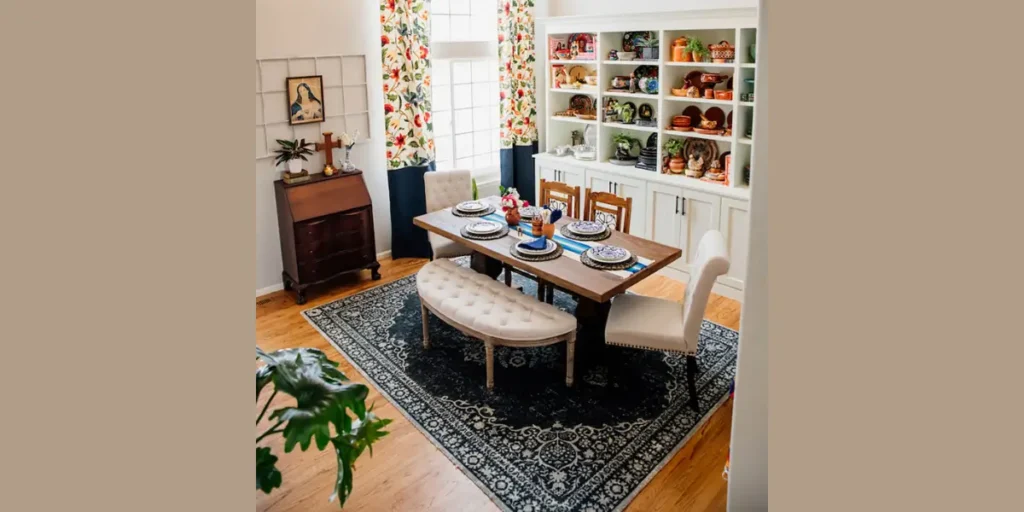
In many homes, I redesign dining rooms to serve more than one purpose. A multi-functional dining space supports modern lifestyles where the room may be used for work, homework, or casual gatherings in addition to meals.

I focus on flexible furniture, such as extendable tables or chairs that can be moved easily. Proper lighting also matters, as the space needs to shift between focused tasks and relaxed dining.
When planned intentionally, a multi-functional dining room never feels cluttered or confused. It adapts seamlessly to daily needs while still maintaining a clear and welcoming dining identity.
12. Enhance the Ceiling with Architectural Details
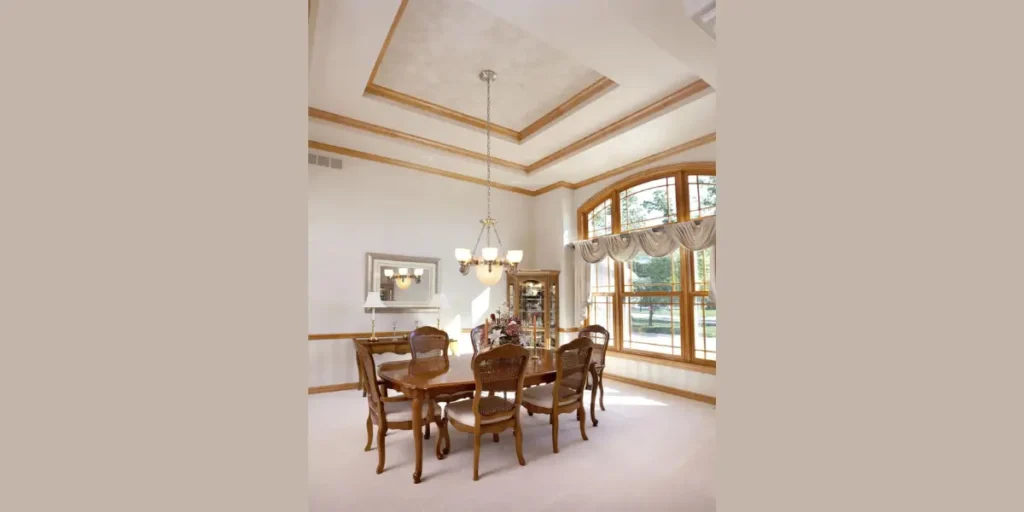
Ceilings are often overlooked during dining room remodels, but I’ve found they offer great design potential. Adding ceiling details instantly elevates the space without changing the footprint.
Tray ceilings, subtle beams, or even a refined false ceiling can add depth and character. I often integrate lighting into the ceiling design to enhance both ambiance and function.
A detailed ceiling draws the eye upward and makes the dining room feel more complete. When done tastefully, it adds architectural interest without overwhelming the overall design.
13. Embrace a Modern Minimalist Remodel
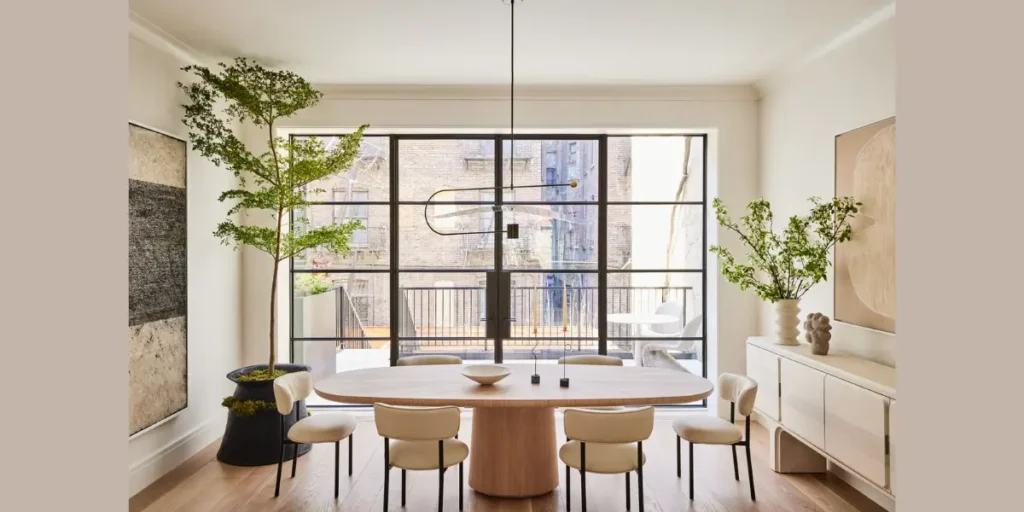
When a dining room feels visually heavy, I often guide the remodel toward a modern minimalist approach. This style prioritizes clean layouts, intentional furniture, and a calm color palette.
I remove unnecessary décor and focus on quality materials and proportion. Each element serves a purpose, which keeps the space feeling open and balanced.
Minimalist remodels age well because they avoid trends. The dining room becomes timeless, easy to maintain, and comfortable for daily use without feeling cold or unfinished.
14. Introduce a Nature-Inspired Design
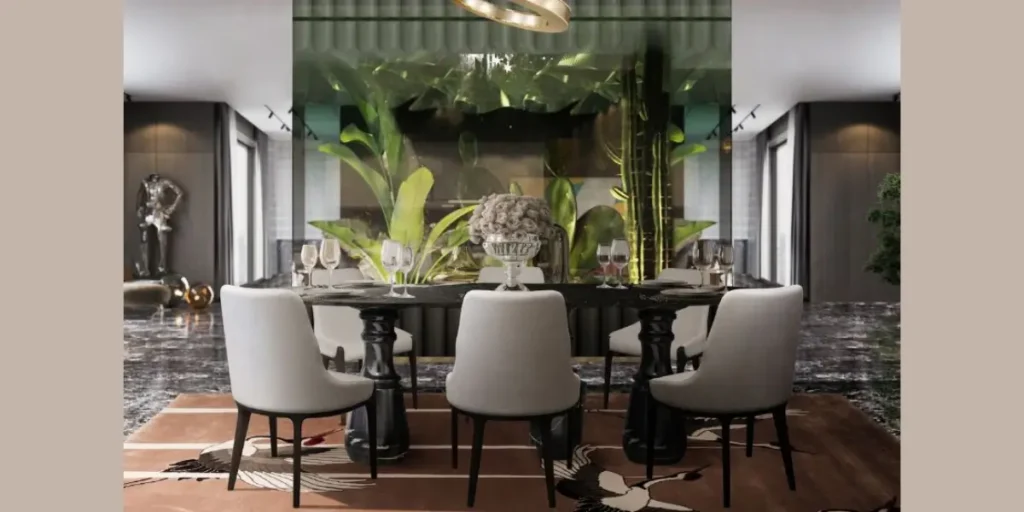
Nature-inspired dining room remodels create a calm and refreshing atmosphere. I often incorporate natural materials to soften the space and make it more inviting.
Wood finishes, indoor plants, and earthy colors help establish a strong connection to nature. I also prioritize natural light whenever possible to enhance the overall effect.

This approach makes the dining room feel relaxed and grounded. It encourages longer meals and meaningful conversations, turning the space into a place people naturally enjoy spending time in.
How to Remodel a Dining Room Without Overdesigning the Space
When I remodel a dining room, I focus on restraint as much as creativity. Overdesign often happens when too many elements compete for attention, so I prioritize clarity in layout and purpose. Every change should solve a problem, not just add visual interest.
I recommend starting with one or two strong upgrades, such as lighting or layout, before layering in finishes. This keeps the space cohesive and prevents it from feeling busy or forced.
By editing choices carefully and allowing negative space to exist, the dining room feels refined, intentional, and comfortable rather than overwhelming.
FAQs
If the room feels visually busy or uncomfortable to use, that’s usually a sign of overdesign. I always step back and assess whether each element adds function or simply adds noise to the space.
Yes, absolutely. I’ve seen small dining rooms improve dramatically with better lighting, furniture scale, and layout adjustments. Smart remodels focus on efficiency rather than size.
I recommend maintaining a visual connection without copying everything exactly. Using similar colors or materials helps the dining room feel cohesive while still having its own identity.
Both approaches work, but I often suggest phased remodels for better control. Updating key elements step by step allows you to adjust decisions without committing to everything at once.
Related Post
- Top 12 Dining Room Table and Chair Ideas
- Top 11 Dining Room Remodel Ideas
- Top 12 Best Dining Room Lamps Ideas
- 10 Best Dining Room Rug Ideas
- 10 Best Farmhouse Dining Room Ideas
- 9 Famous Dining Room Accent Wall Ideas
Conclusion
A successful dining room remodel is not about doing more, it’s about making the right choices. From my experience, the best remodels focus on improving how the space works day to day while enhancing its visual balance.

When layout, lighting, furniture, and finishes align with real-life needs, the dining room becomes more inviting and easier to use.
Thoughtful updates create a space that feels refreshed without losing comfort or character. By remodeling with intention rather than excess, you can transform your dining room into a functional, stylish area that continues to feel right long after the project is complete.