
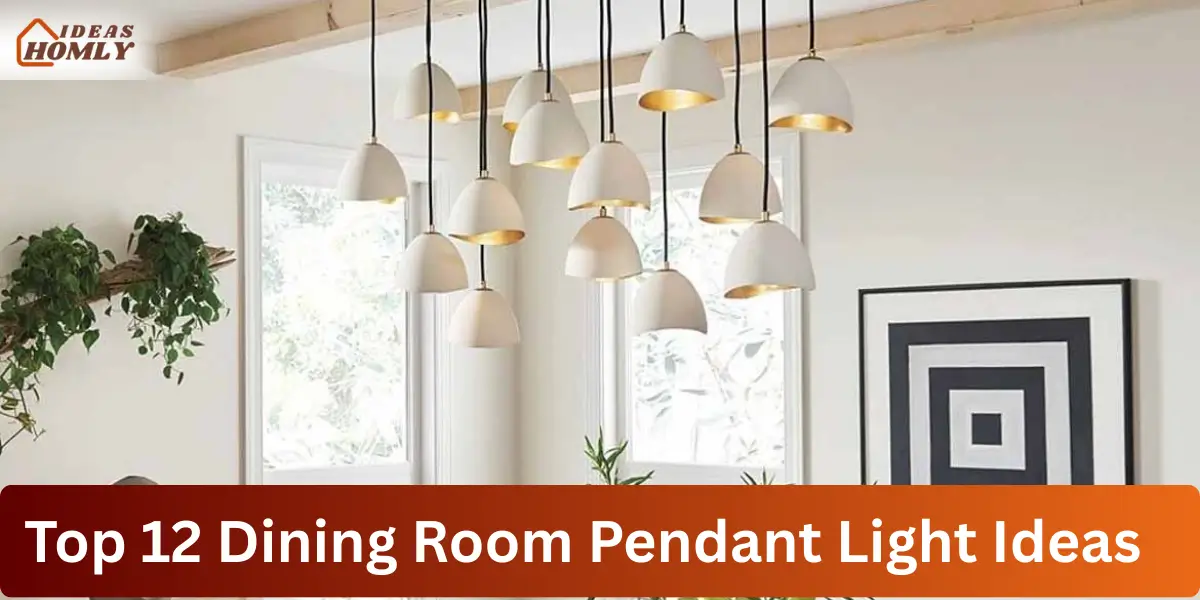
Dining room pendant light ideas can instantly change how the space looks and feels. From my experience, the right pendant lighting does more than brighten the table, it defines the dining area and sets the mood for every meal.
Whether the goal is elegance, warmth, or a modern edge, pendant lights play a key role in achieving balance and focus.
In this article, I’ll share practical and design-driven pendant light ideas that work in real dining rooms. Each idea focuses on proportion, placement, and style to help you create a dining space that feels intentional and inviting.
Why Pendant Lights Are Ideal for Dining Rooms
I often recommend pendant lights for dining rooms because they naturally draw attention to the table. Hanging lights create a visual anchor that defines the dining area, especially in open or shared layouts.
Pendant lights balance function and style effortlessly. They provide focused lighting where it’s needed most while also acting as a decorative element that enhances the room’s overall design.
Another reason pendants work so well is versatility. Whether the dining room is modern, classic, or transitional, there’s a pendant style that fits seamlessly without overwhelming the space.
1. Single Statement Pendant Over the Dining Table
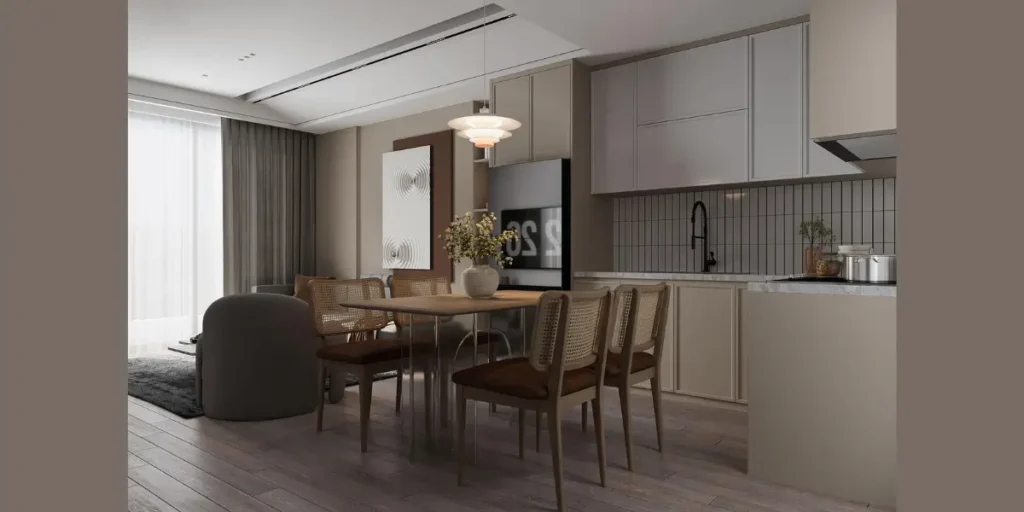
I often recommend a single statement pendant when the dining room needs a strong focal point. One bold light centered over the table instantly defines the dining zone and brings visual clarity to the space.
I focus on choosing a pendant that matches the table’s scale. A light that’s too small gets lost, while an oversized piece adds drama without clutter. Material and finish should complement nearby furniture.
This setup works especially well in minimalist or modern dining rooms. It keeps the space clean, stylish, and intentional while delivering focused lighting exactly where it’s needed.
2. Linear Pendant Light for Rectangular Tables
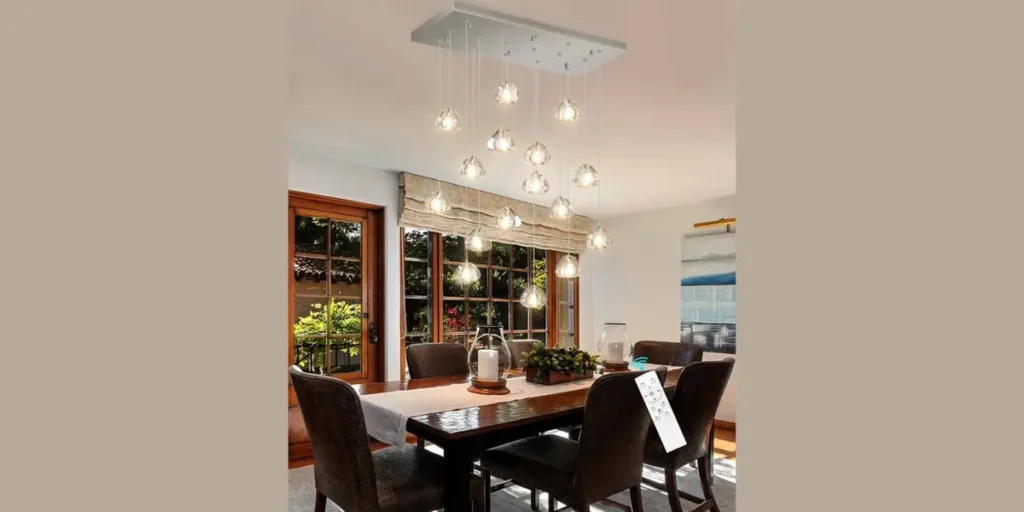
For rectangular dining tables, I almost always prefer linear pendant lights. Their elongated shape mirrors the table and distributes light evenly across the entire surface.
I usually install them slightly lower than standard pendants to enhance focus without blocking sightlines. Clean lines and simple designs work best for a balanced look.
Linear pendants suit modern and contemporary dining rooms. They feel architectural, organized, and visually calm while providing excellent functional lighting for everyday dining.
3. Cluster Pendant Lights for Artistic Impact
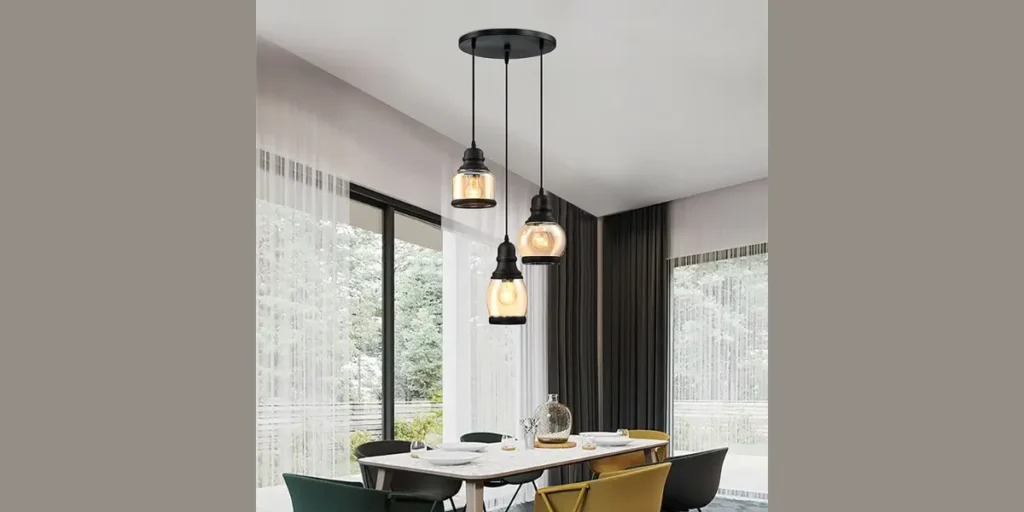
Cluster pendant lights allow me to introduce creativity into the dining room. Grouping multiple pendants at varying heights creates movement and visual interest.
I carefully plan spacing and balance so the cluster feels intentional, not chaotic. Using similar shapes or finishes keeps the design cohesive.
This idea works beautifully in modern or eclectic dining spaces. It turns lighting into a statement feature while maintaining warmth and functionality over the table.
4. Glass Globe Pendant Lights for an Airy Look
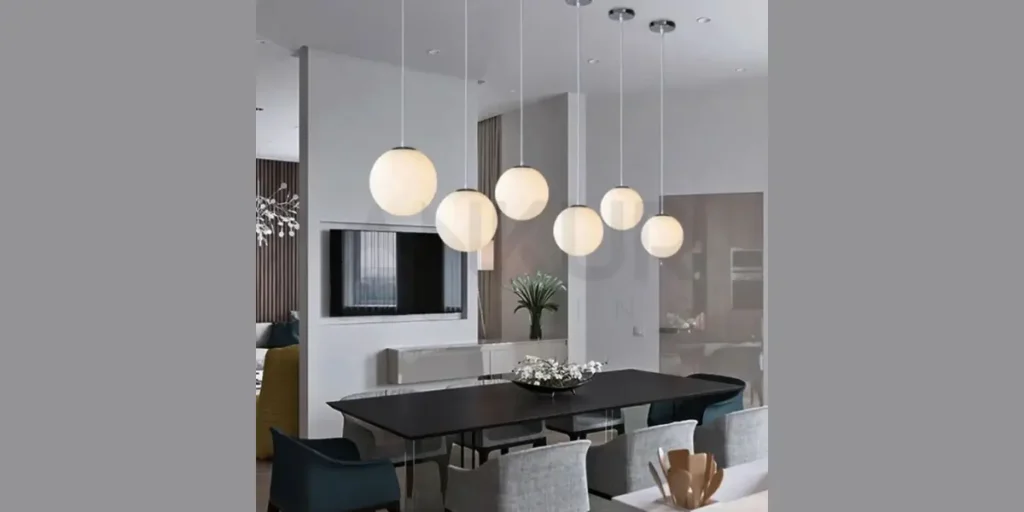
Glass globe pendants are my go-to choice when a dining room needs lightness. Their transparent or frosted finish keeps the space feeling open and uncluttered.
I often recommend them for smaller dining rooms or low ceilings. They provide ample light without visually weighing down the room.
These pendants blend easily with different styles. Whether modern or transitional, glass globes add elegance while maintaining a fresh, breathable atmosphere.
5. Black Pendant Lights for Modern Contrast
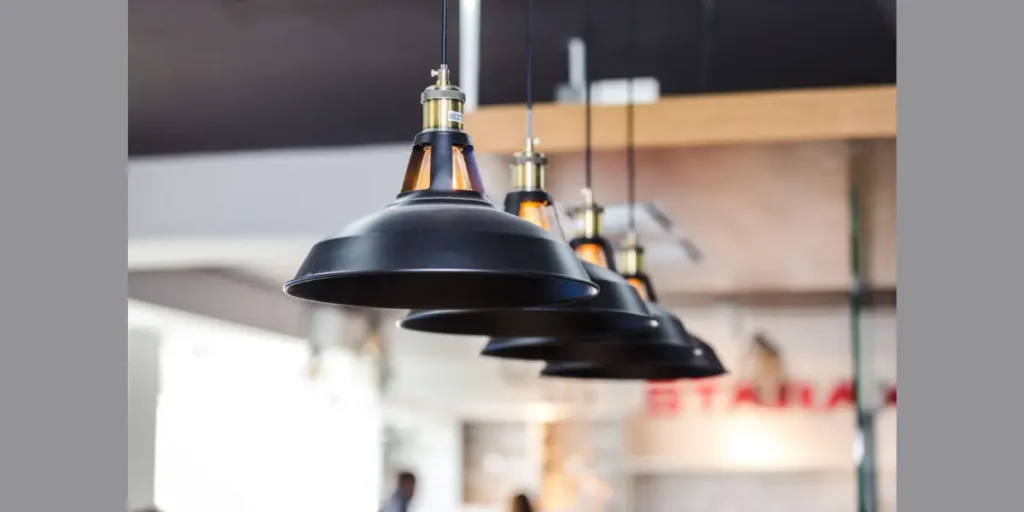
When a dining room feels too neutral, I introduce black pendant lights for contrast. Dark fixtures ground the space and add depth instantly.
I balance black pendants with lighter walls or wooden tables to avoid heaviness. Matte finishes usually feel more refined and modern.
This idea works especially well in contemporary interiors. Black pendants create a bold yet controlled statement that enhances the dining room’s character.
6. Gold or Brass Pendant Lights for Warmth
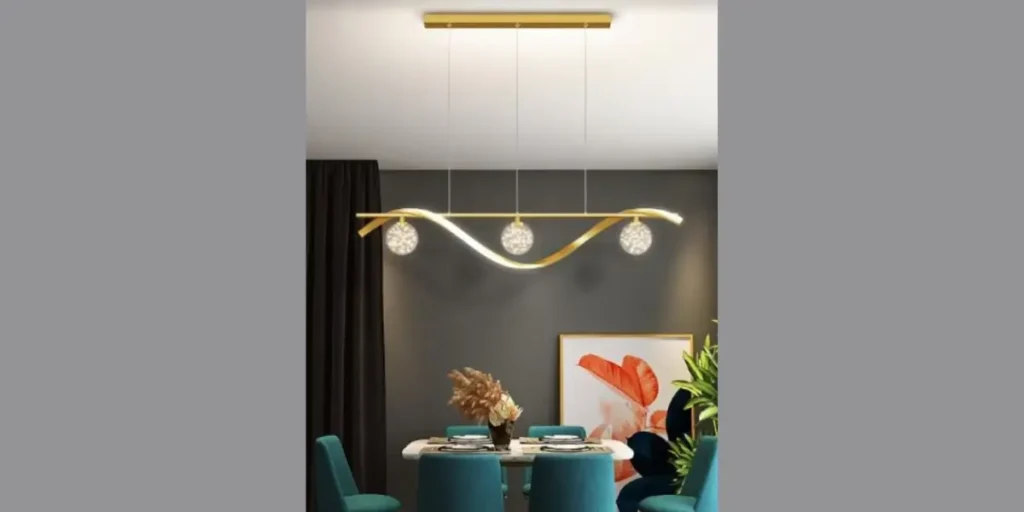
Gold or brass pendants bring instant warmth and sophistication. I often use them when the dining room needs a touch of elegance without going overly formal.
I match metallic finishes with hardware or décor for consistency. Soft lighting enhances the warm tones and prevents glare.
These pendants suit both modern and classic spaces. They elevate the dining room while keeping the atmosphere welcoming and comfortable.
7. Industrial Style Pendant Lights
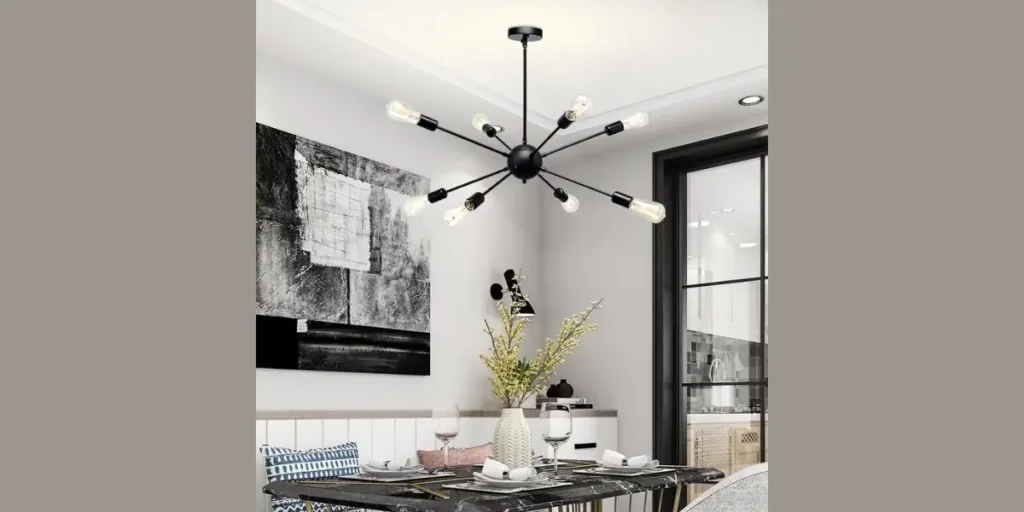
Industrial pendants add character through raw materials and simple construction. I like using metal shades or exposed bulbs to create an edgy yet functional look.
I pair them with wooden dining tables to balance the hardness of metal. Warm bulbs prevent the space from feeling cold.
This style works best in loft-style or modern homes. Industrial lighting gives the dining room personality while remaining practical and durable.
8. Drum Shade Pendant Lights for Soft Lighting
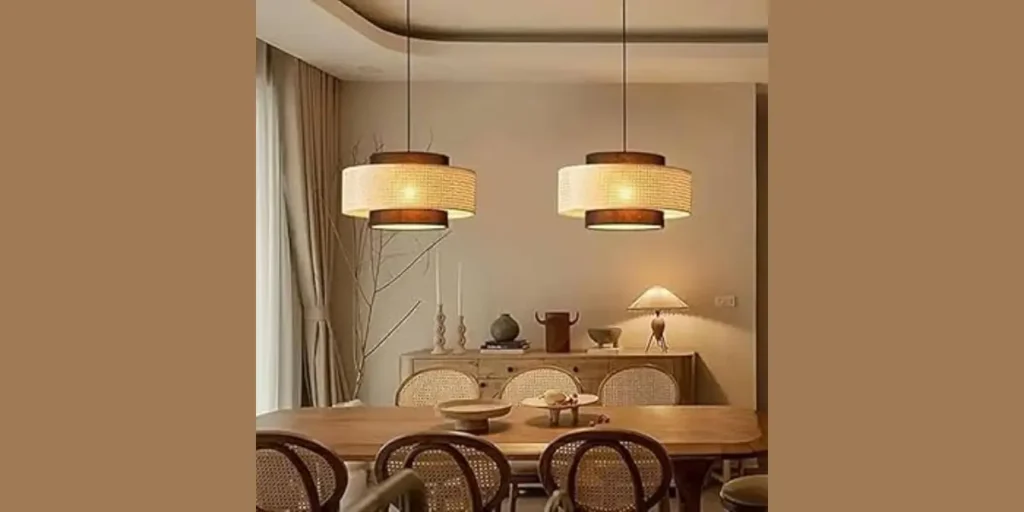
Drum shade pendants provide diffused, gentle lighting that feels comfortable. I often choose them for family dining rooms where warmth matters.
Fabric or frosted shades soften the light and reduce harsh shadows. This makes meals more relaxed and inviting.
These pendants work well in transitional interiors. They balance function and comfort while adding subtle decorative value to the dining space.
9. Minimalist Pendant Lights for Clean Interiors
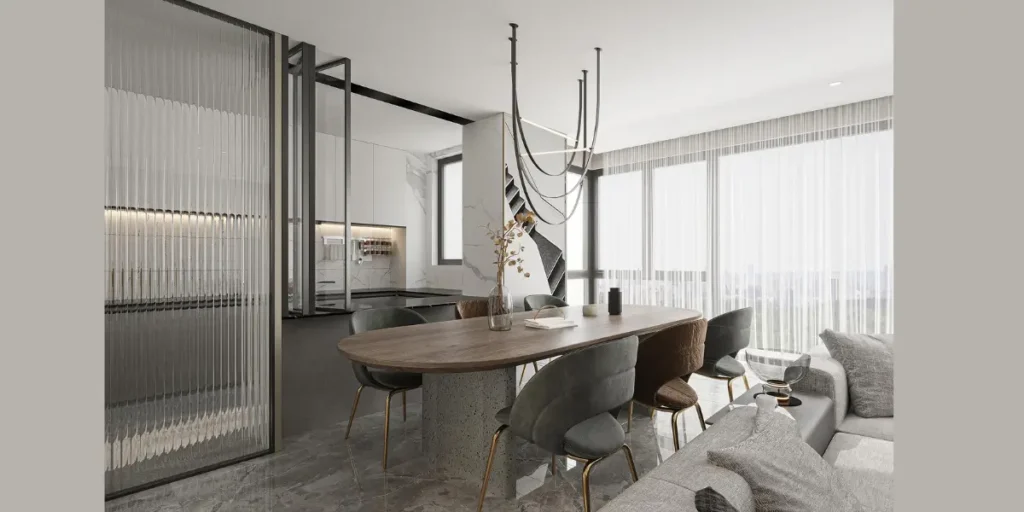
Minimalist pendants suit dining rooms with simple furniture and uncluttered layouts. I focus on clean shapes and neutral finishes.
These lights support the overall design rather than competing with it. They enhance structure without drawing unnecessary attention.
Minimalist pendants are ideal for modern homes. They keep the dining room refined, calm, and visually balanced.
10. Lantern Style Pendant Lights
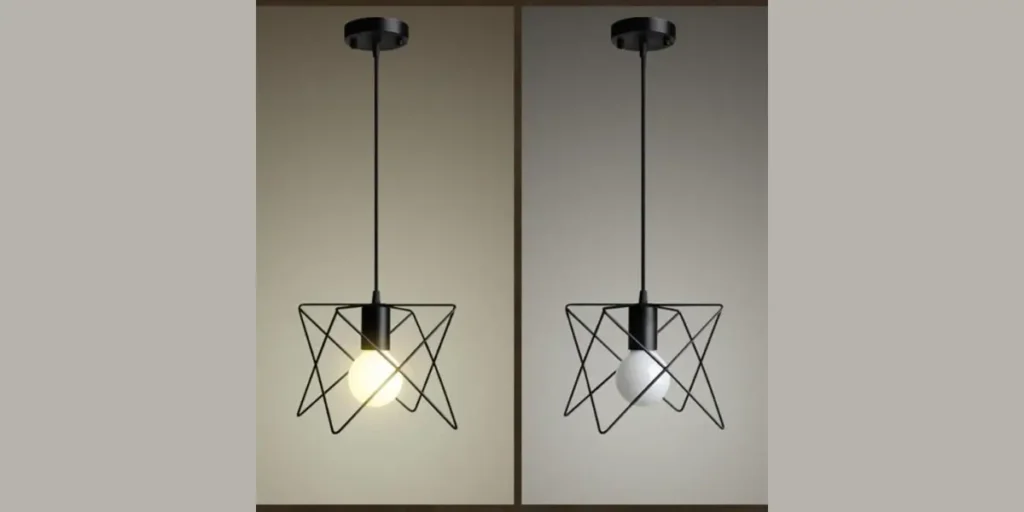
Lantern pendants offer timeless appeal and structure. I often use them in traditional or transitional dining rooms.
Their framed design creates presence without feeling heavy. I choose proportions carefully to maintain balance.
Lantern lights blend classic charm with modern functionality. They provide consistent lighting while adding architectural interest.
11. Adjustable Height Pendant Lights
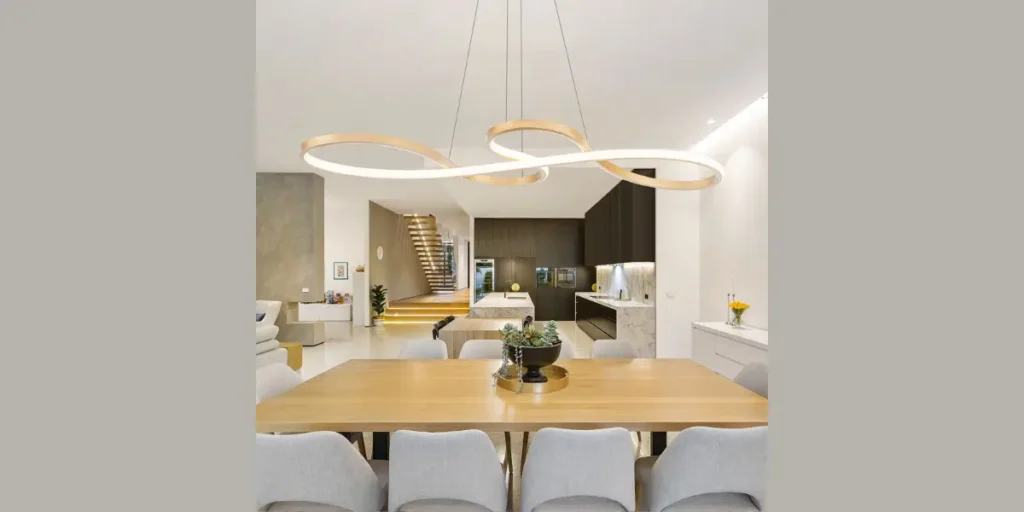
Adjustable pendants offer flexibility, which I find extremely practical. They allow height changes based on table size or occasion.
I recommend them for dining rooms used for both casual meals and gatherings. Adjustability improves comfort and visual control.
This option supports changing needs without redesigning the space. It’s functional, modern, and future-proof.
12. Oversized Pendant Light for Dramatic Effect
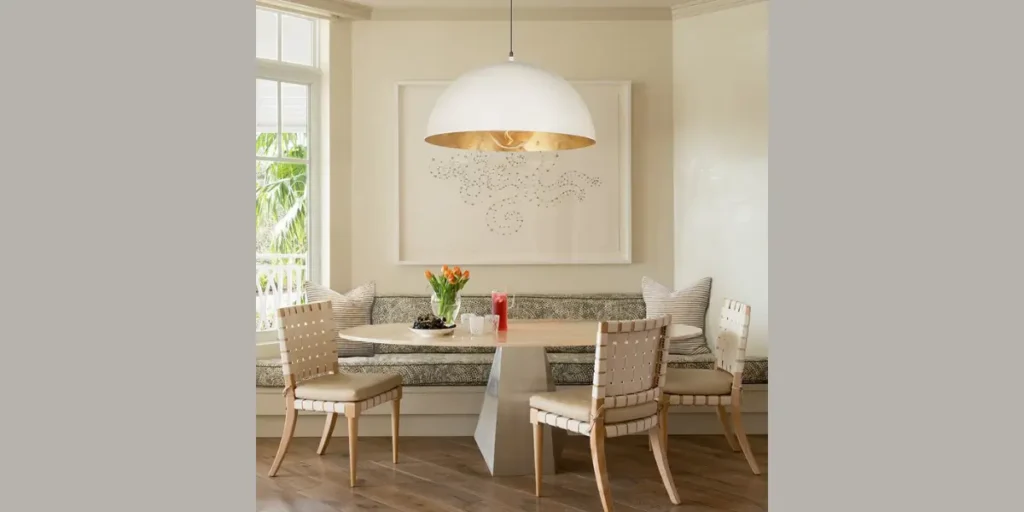
Oversized pendants create drama and luxury. I use them in dining rooms with high ceilings or large tables.
I ensure the surrounding décor stays minimal to avoid visual overload. Balance is critical with large fixtures.
When done right, oversized pendants transform the dining room into a bold, high-end space that feels intentional and impressive.
How to Choose the Right Pendant Light for Your Dining Room
Choosing the right pendant light isn’t just about style. From my experience, it’s about finding the right balance between proportion, light quality, and how the dining room is actually used. A thoughtful choice makes the space feel intentional rather than decorative only.
I always approach pendant lighting as a functional design decision. When the size, height, and brightness align correctly, the dining room becomes more comfortable and visually cohesive.
Key Factors to Consider
I start by evaluating the dining table size and shape. A pendant should visually relate to the table so it feels centered and balanced. Oversized tables need stronger visual weight, while smaller tables benefit from lighter designs.
Ceiling height also plays a major role. Higher ceilings allow for longer drops or larger pendants, while lower ceilings require compact designs to avoid crowding the space.
Pendant Light Placement Guidelines
I usually hang pendants about 30–34 inches above the dining table. This height provides enough light without blocking views or creating glare during meals.
For multiple pendants, spacing matters. I keep equal distance between fixtures to maintain symmetry and ensure even light distribution across the table.
FAQs
In my experience, the best pendant light depends on table shape and room size. Linear pendants work well for rectangular tables, while single or round pendants suit square or round tables.
I recommend hanging pendant lights about 30 to 34 inches above the tabletop. This height provides focused lighting while keeping the dining area comfortable and unobstructed.
Yes, multiple pendants work beautifully when spaced evenly. I often use them for longer tables or when creating a modern, layered lighting effect.
Absolutely. I choose smaller or glass pendants for compact dining rooms. These styles provide light without visually weighing down the space.
Conclusion
Dining room pendant lighting is more than a finishing touch, it’s a design decision that shapes how the entire space feels.
The right pendant light brings focus to the table, improves functionality, and sets the mood for every meal.
When size, height, and style work together, the dining room feels balanced and intentional rather than overdesigned.
Whether you choose a bold statement piece or a minimalist design, thoughtful pendant lighting enhances both comfort and visual appeal. A well-chosen pendant light doesn’t just illuminate the dining room, it elevates how the space is used and enjoyed every day.