

Dining room renovation ideas help homeowners upgrade layout, lighting, storage, flooring, and structure in a practical way. When I plan a dining room remodel, I focus first on function, then comfort, and finally design details that improve daily life. In this guide, I am sharing the 15 best dining room renovation ideas that genuinely improve real homes.
A well-planned dining room makeover increases home value and improves how your family gathers every day. I always tell readers that renovation is not about decoration alone; it is about improving space planning, natural light, and usability. If you are preparing for a dining room renovation, this article will guide you step by step.
Why Proper Dining Room Renovation Planning Matters
A smart dining room renovation plan prevents costly mistakes and design regrets later. When I renovated my own dining space, I realized layout and lighting decisions had more impact than expensive furniture. Planning early helps you align budget, design, and function properly.
A structured dining room remodel also improves traffic flow and seating arrangement. You avoid awkward table placement and blocked pathways that frustrate daily use. Good planning ensures every square foot serves a clear purpose.
Now let’s move into the first set of practical dining room renovation ideas that improve structure and usability.
1. Open Concept Dining Room Layout Renovation
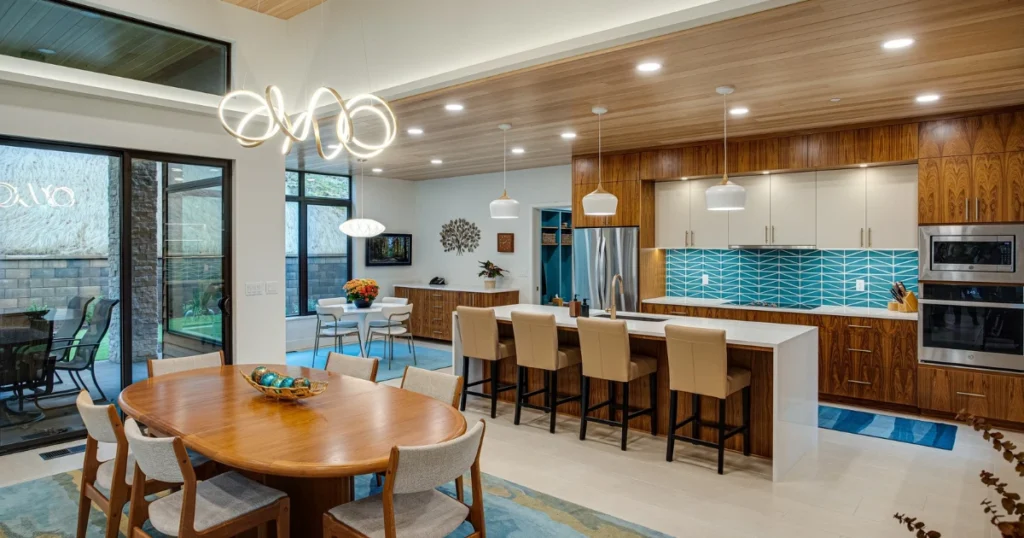
An open concept dining room renovation creates a spacious and connected environment that feels welcoming. When I removed a partial wall in a previous project, the space instantly felt brighter and more usable. This layout works especially well in homes where the dining room feels isolated or cramped.
You can define zones within an open dining room remodel by using area rugs, ceiling beams, or lighting placement. These subtle structural adjustments keep the room visually organized without rebuilding walls. I personally prefer using lighting placement to separate dining and living areas cleanly.
This type of renovation improves airflow, natural light, and family interaction. Guests move freely without bumping into furniture, and the room feels larger than it actually is. If you want a modern dining room renovation that improves daily comfort, this layout change makes a noticeable difference.
2. Built-In Storage and Custom Cabinet Renovation
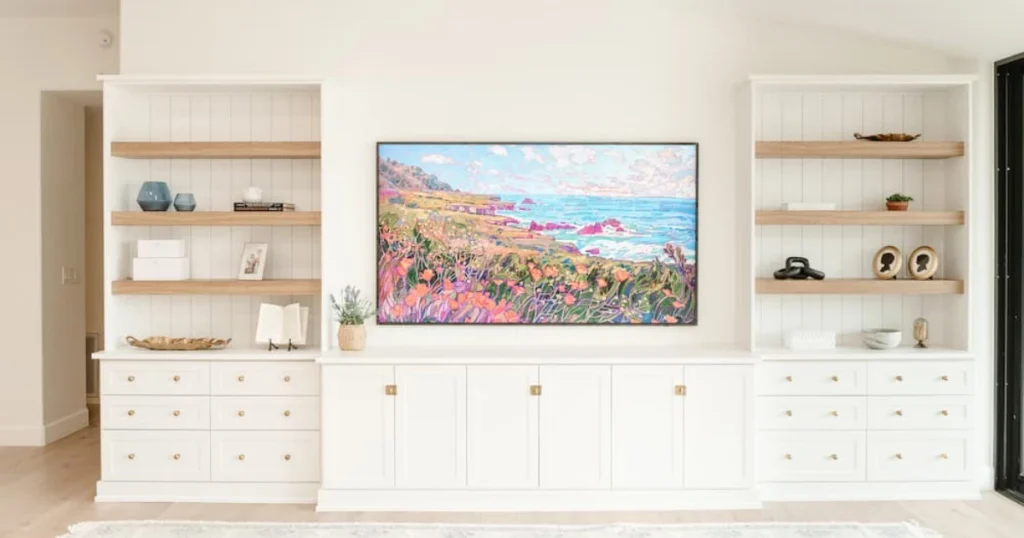
Built-in storage during a dining room renovation eliminates clutter and improves organization instantly. I always recommend custom cabinets for families who struggle with limited storage space. A well-designed built-in unit keeps the room clean without sacrificing style.
You can install floor-to-ceiling cabinets, a built-in buffet, or a window bench with hidden drawers. Closed cabinets hide serving dishes, while glass-front doors display decorative pieces beautifully. This combination keeps the dining room practical yet elegant.
Custom storage also increases home resale value because buyers appreciate functional improvements. Instead of adding random furniture, built-in solutions feel intentional and permanent. In my experience, this renovation idea adds both order and sophistication to the space.
3. Statement Ceiling Renovation for Architectural Interest
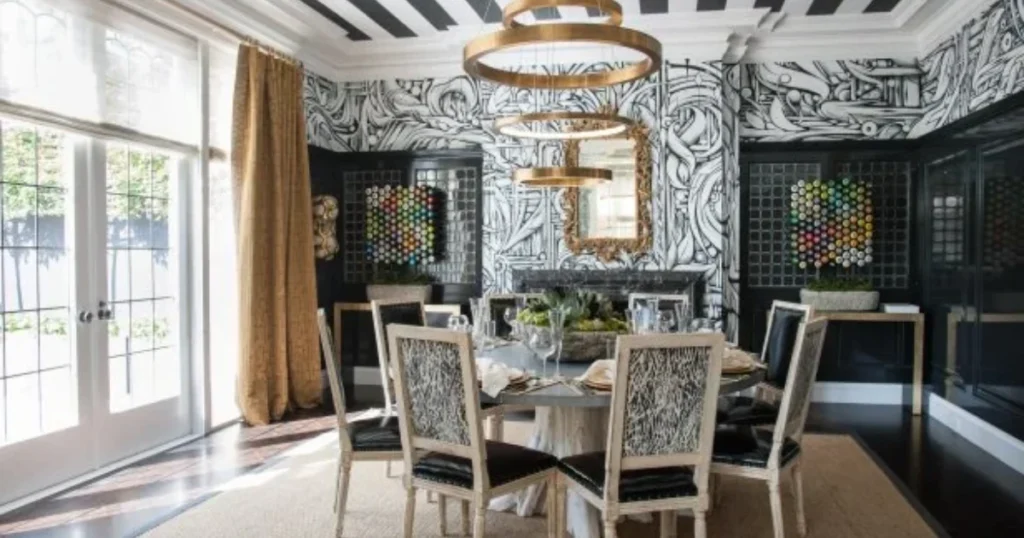
A statement ceiling renovation changes the entire personality of the dining room. Most ceilings remain plain and overlooked, yet they hold strong visual power. I often suggest upgrading the ceiling when clients want structural character without expanding the room.
You can add coffered ceilings, wooden beams, or tray ceiling designs to create depth. These elements frame the dining table and naturally draw attention upward. Even simple recessed detailing adds dimension without overwhelming the space.
This renovation works especially well in open concept homes where you need visual separation. A detailed ceiling anchors the dining zone without walls. It also makes the room feel thoughtfully designed rather than randomly furnished.
4. Modern Dining Room Lighting Renovation
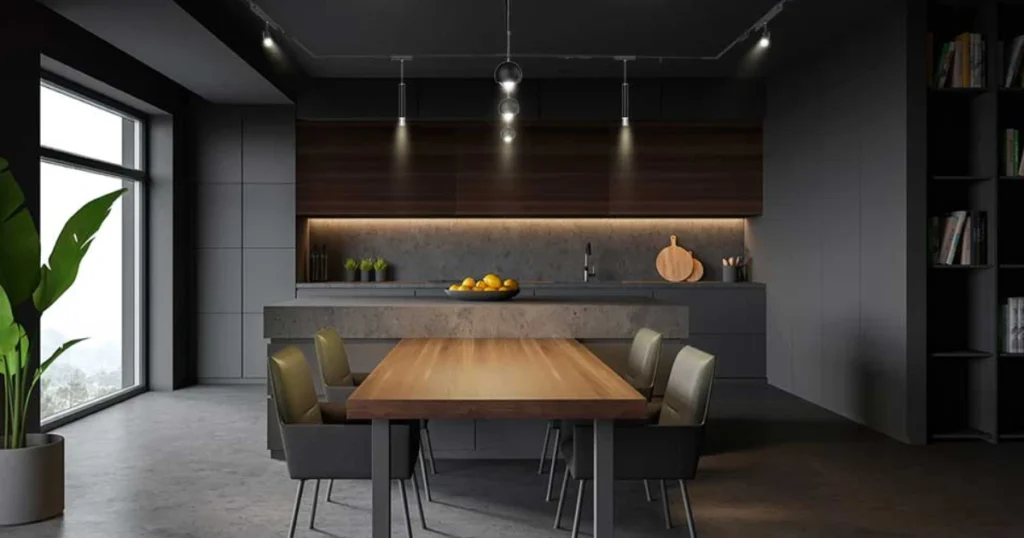
Modern dining room lighting renovation improves mood, comfort, and functionality at once. I believe poor lighting ruins even the most beautiful dining table setup. That is why I always plan lighting early in a dining room remodel.
Layered lighting works best for a balanced dining environment. Combine a central chandelier, recessed ceiling lights, and wall sconces for depth. This layered approach prevents harsh shadows and creates warm ambiance.
Good lighting also enhances wall colors, flooring texture, and decorative elements. When I upgraded lighting in one renovation project, the entire room felt refined without changing furniture. Proper lighting design remains one of the most practical upgrades you can make.
5. Dining Room Flooring Replacement Upgrade
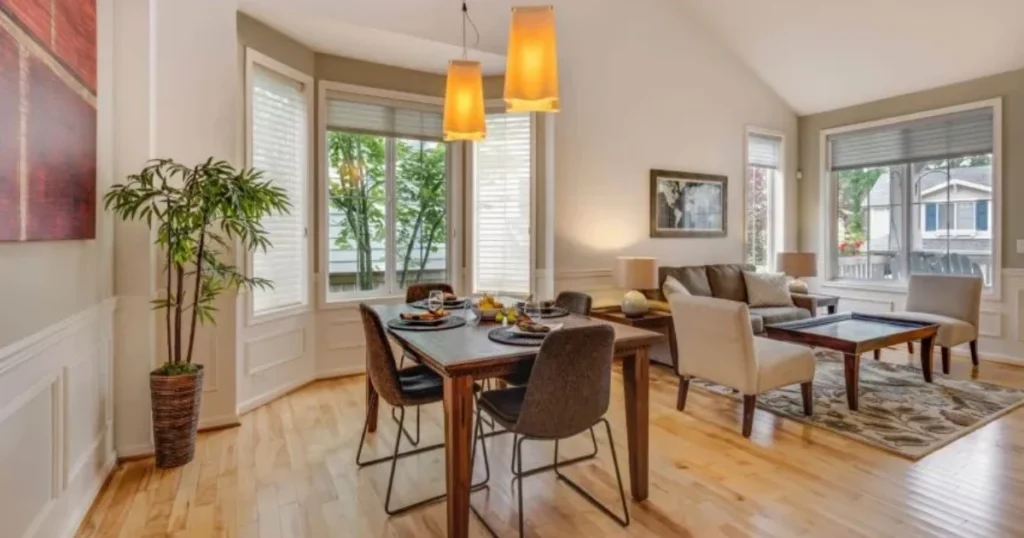
Replacing old flooring during a dining room renovation refreshes the space immediately. Outdated flooring often makes the entire room look older than it is. I always assess flooring condition before investing in other cosmetic updates.
Hardwood flooring remains a popular choice for dining room remodel projects. It offers durability, warmth, and timeless appeal. For budget-friendly renovation, luxury vinyl plank provides similar aesthetics with easier maintenance.
New flooring also improves comfort underfoot and enhances the overall design theme. Whether you choose wood, tile, or engineered flooring, the right selection supports both daily use and long-term value. In my experience, flooring sets the foundation for every other design decision.
6. Wall Paneling and Wainscoting Renovation
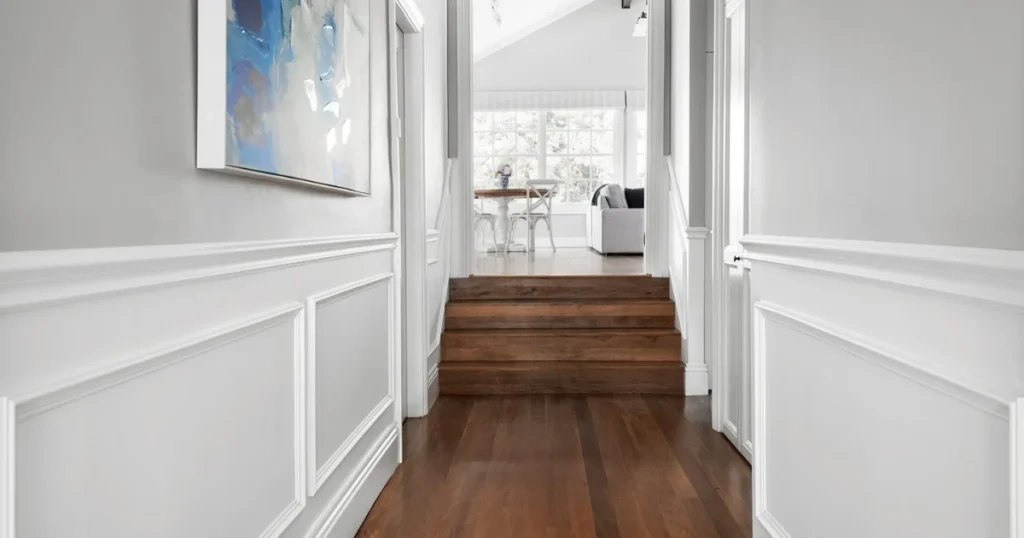
Wall paneling adds structure and depth to a dining room renovation without cluttering the space. Instead of relying only on artwork, I prefer architectural wall treatment for long-term impact. Paneling creates a finished look that paint alone cannot achieve.
You can install wainscoting, board and batten, or full-height panels depending on style preference. Neutral shades maintain elegance, while darker tones add drama and contrast. This renovation works well in both traditional and modern dining rooms.
Paneling also hides minor wall imperfections and adds insulation value. It feels deliberate and cohesive rather than temporary decoration. For homeowners seeking a structured dining room remodel, wall treatment remains a strong choice.
7. Enlarged Windows for Natural Light Enhancement
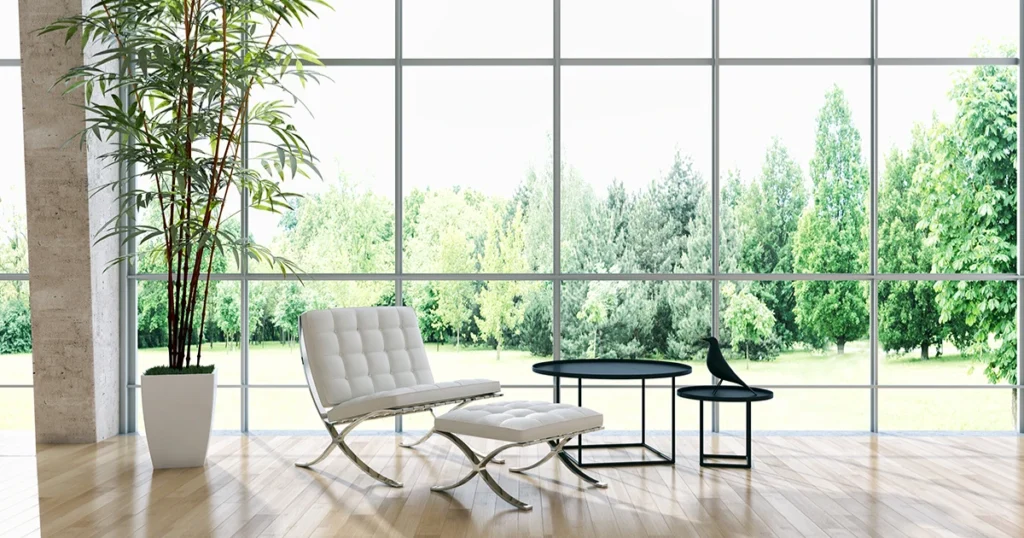
Upgrading windows during a dining room renovation increases natural light significantly. I always prioritize natural light because it changes mood and energy instantly. A brighter dining room feels welcoming and spacious.
You can replace small windows with larger panes or install sliding glass doors facing the backyard. This adjustment improves airflow and connects indoor and outdoor areas naturally. More daylight also reduces reliance on artificial lighting during daytime.
Increased natural light enhances flooring texture, wall colors, and furniture finishes. It makes the space feel larger without expanding square footage. From my experience, better windows create one of the most noticeable improvements in a dining room remodel.
8. Formal Dining Room Redesign with Defined Zones
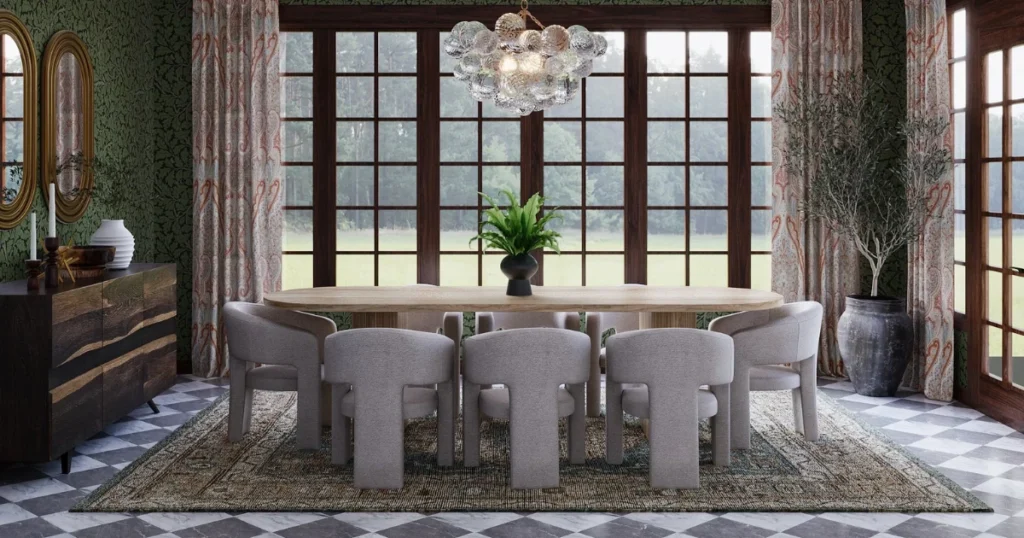
A formal dining room renovation adds structure and purpose to homes that already have open layouts. I often notice that dining areas lose identity when they blend too much with living spaces. Creating a defined dining zone restores elegance and focus.
You can define the space using architectural columns, sliding partitions, or decorative screens. These elements create separation without blocking light or movement. I personally like subtle half walls because they give privacy without making the room feel boxed in.
This type of dining room remodel works well for families who host gatherings often. It creates a dedicated entertaining area that feels intentional and organized. A clearly defined dining zone improves functionality and adds character to the home.
9. Smart Dining Room Layout Reconfiguration
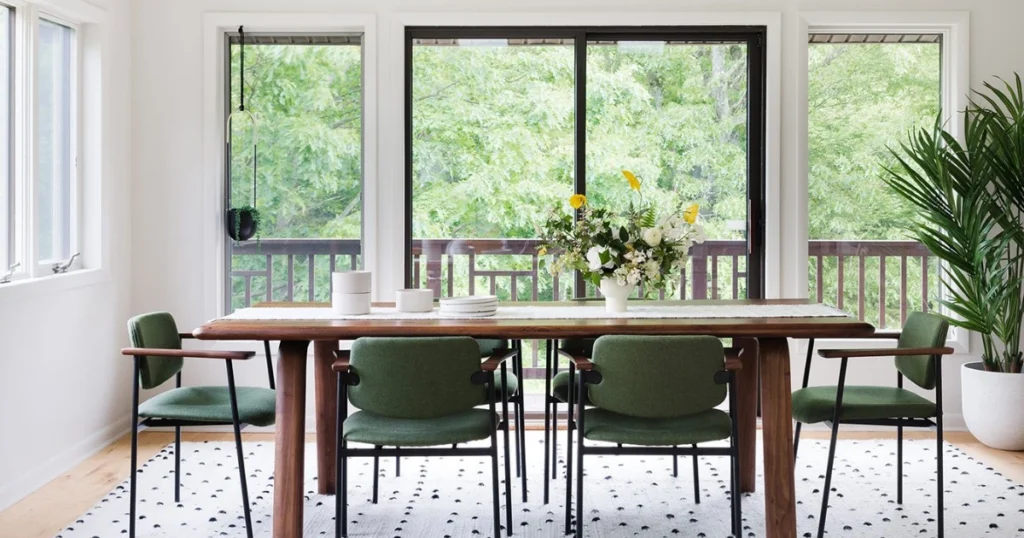
Reconfiguring the dining room layout improves comfort more than most people expect. I always measure traffic flow before moving walls or buying furniture. A better layout can solve many issues without heavy construction.
You can reposition the dining table, adjust doorway placement, or expand entry width. These changes improve movement during meals and social gatherings. Even shifting a doorway slightly can create more usable wall space for storage.
A smart layout renovation reduces congestion and improves seating capacity. Guests feel relaxed when they can move freely without squeezing past chairs. From my experience, layout planning should always come before decorative upgrades.
10. Dining Room Feature Wall with Textured Finishes
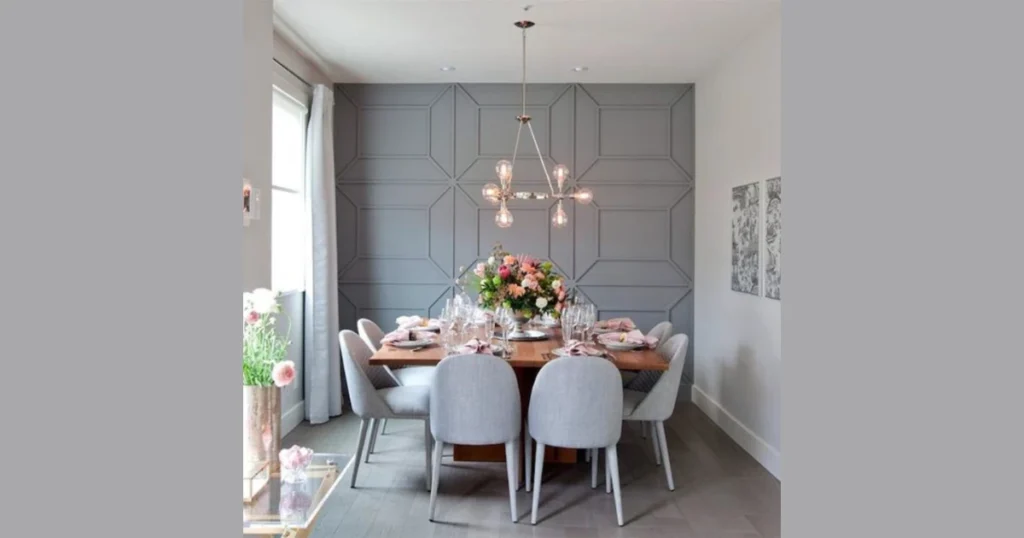
A textured feature wall renovation adds depth without overwhelming the dining room. Instead of filling walls with artwork, I prefer structured finishes that add natural texture. This approach feels cohesive and long lasting.
You can use stone veneer, brick panels, wood slats, or textured plaster. These materials create visual interest and anchor the dining table area. I have seen wood slat walls completely modernize traditional dining rooms.
Textured wall finishes also pair well with simple furniture. They add contrast without creating visual clutter. If you want a dining room makeover that looks refined but not busy, this renovation idea works beautifully.
11. Modern Dining Room Furniture Upgrade During Renovation
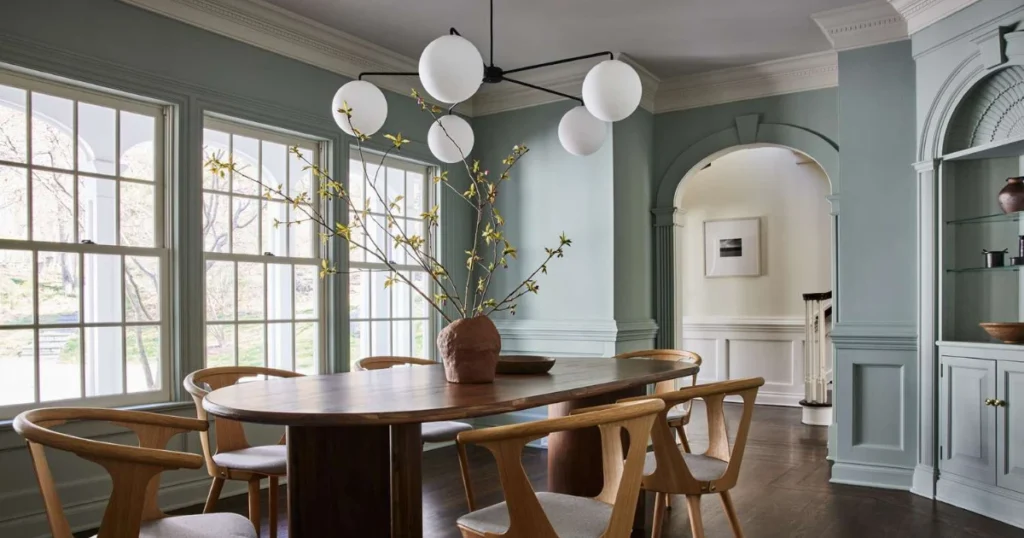
Upgrading dining furniture during renovation ensures the space feels balanced and functional. I always recommend aligning furniture scale with room dimensions. Oversized tables in small rooms create discomfort quickly.
Choose a dining table that allows at least three feet of clearance around it. Comfortable chairs with proper back support improve long dinners significantly. I learned this lesson after hosting guests on stylish but uncomfortable chairs.
Coordinated furniture improves the success of the entire dining room remodel. When furniture fits the layout properly, the room feels harmonious. This upgrade works best when planned alongside flooring and lighting decisions.
12. Integrated Dining Room Bar or Beverage Station
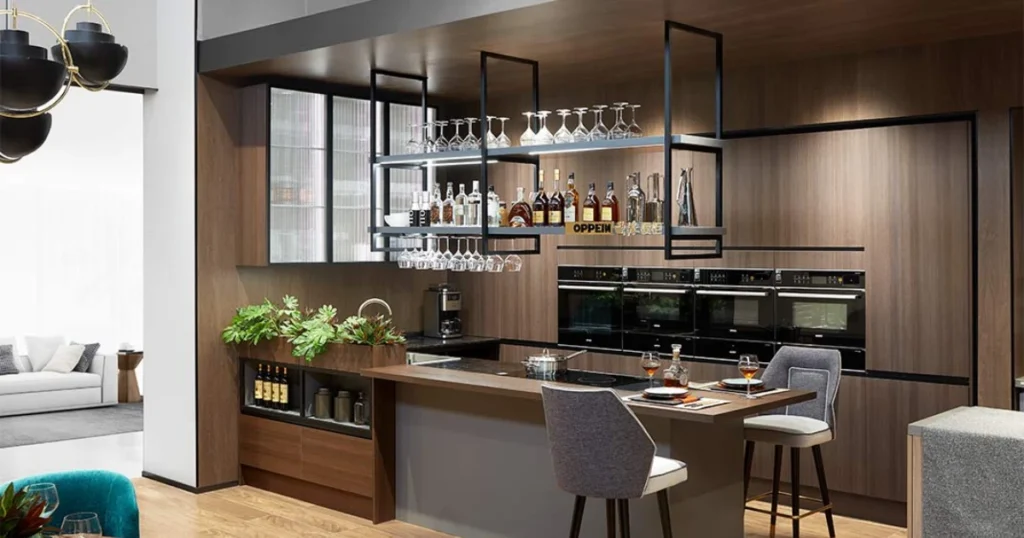
Adding a beverage station during dining room renovation increases convenience for entertaining. I find this addition especially useful for homes that host frequently. It keeps drinks accessible without crowding the kitchen.
You can install a small built-in bar cabinet, open shelving, or a concealed beverage fridge. A compact bar area fits well in unused corners. This setup reduces kitchen traffic during gatherings.
A beverage station also enhances the social atmosphere of the dining room. Guests can serve themselves while you focus on hosting. In my opinion, this renovation adds practical luxury without excessive cost.
13. Ceiling to Floor Curtain and Window Treatment Upgrade
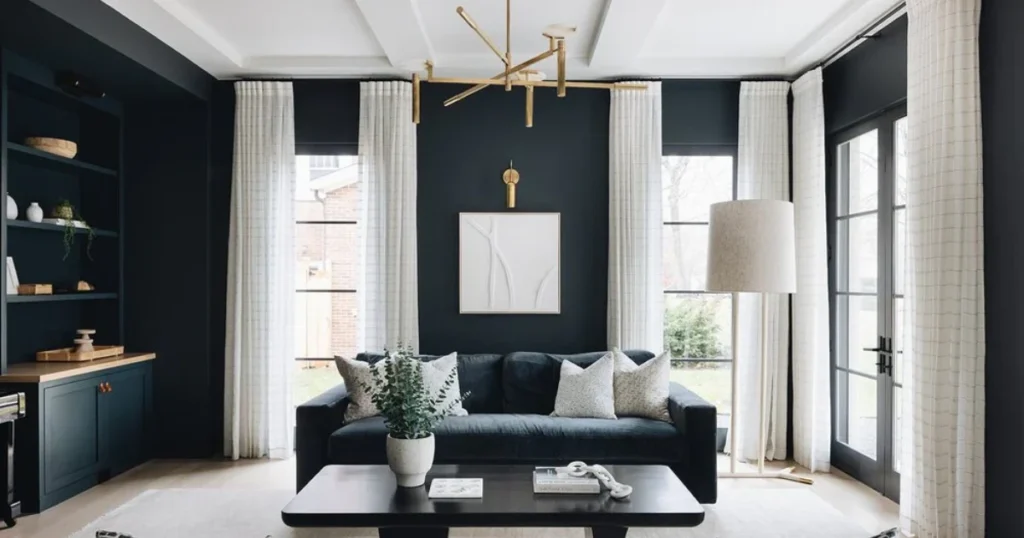
Upgrading window treatments during renovation improves both privacy and elegance. I always recommend installing ceiling to floor curtains for visual height. This simple structural detail makes the room appear taller.
Choose layered window treatments such as sheer panels with heavier drapes. This setup allows light control throughout the day. Proper curtains also soften hard surfaces like wood and tile flooring.
Well-fitted window treatments complete the dining room makeover. They frame windows beautifully and enhance the overall theme. From my experience, poorly sized curtains can undo an otherwise strong renovation.
14. Dining Room Color Scheme Renovation
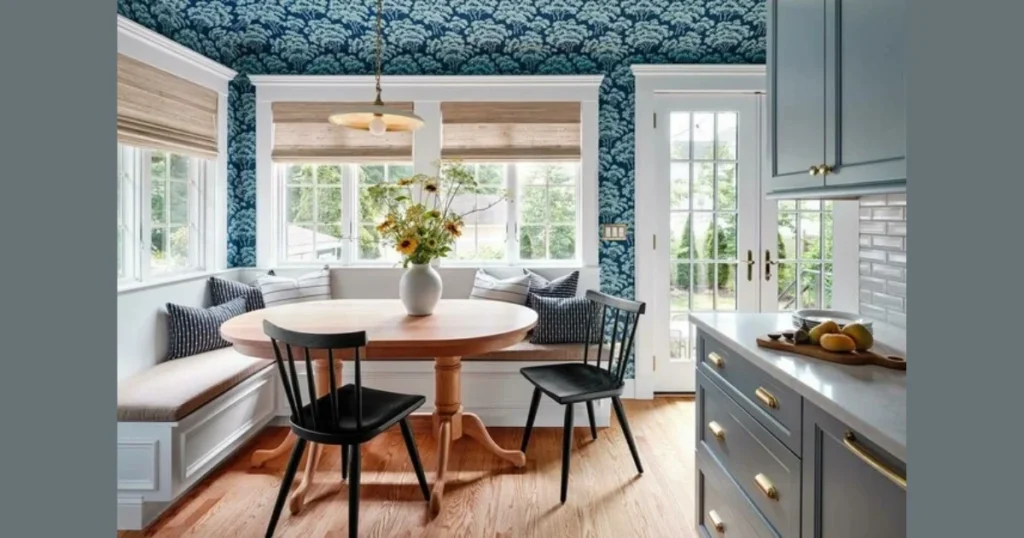
Refreshing the dining room color palette changes mood instantly. I usually start by choosing neutral base tones for walls. Soft beige, warm gray, or off white provide flexibility.
Accent colors can appear through feature walls or cabinetry. Deep navy, forest green, or charcoal create contrast without overpowering the room. Balanced color selection supports lighting and furniture finishes.
A thoughtful color scheme ties every renovation element together. When colors align with flooring and lighting, the room feels unified. In my experience, color harmony prevents the space from feeling mismatched.
15. Multi-Functional Dining Room Renovation for Modern Living
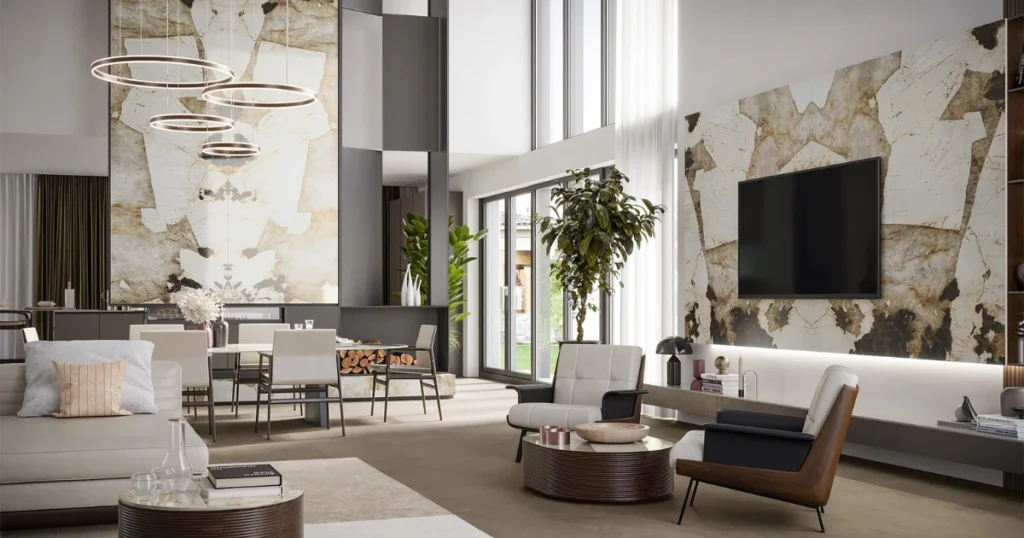
A multi-functional dining room renovation supports modern lifestyle needs. Many homeowners now use dining areas as workspace or study corners. I design renovations that adapt to these changing habits.
You can incorporate extendable tables, hidden storage desks, or modular seating. Flexible furniture allows the space to shift between dining and productivity. This design approach maximizes square footage efficiently.
A multi-purpose dining room increases long-term usability of your home. It prevents underused formal spaces and encourages daily interaction. From my perspective, flexibility remains one of the smartest renovation decisions today.
Practical Dining Room Renovation Planning Guide
A successful dining room renovation depends on budget clarity and structured planning. I always divide renovation into phases to avoid financial stress. Breaking work into steps keeps the project manageable.
Step 1: Set a Realistic Budget
Determine your renovation budget before choosing materials. Flooring, lighting, and structural changes often cost more than expected. Allocate funds wisely and keep a small reserve for unexpected expenses.
Step 2: Prioritize Structural Improvements
Focus on layout, windows, and lighting first. Decorative upgrades should come after functional improvements. Strong structure supports long-term satisfaction.
Step 3: Compare Renovation Elements
| Renovation Element | Cost Level | Impact Level | Priority |
|---|---|---|---|
| Layout Changes | High | Very High | First |
| Lighting Upgrade | Medium | High | Early |
| Flooring Replacement | Medium | High | Early |
| Wall Paneling | Medium | Moderate | Mid |
| Furniture Upgrade | Variable | High | After Structure |
Step 4: Choose Durable Materials
Select materials that handle daily wear easily. Dining rooms experience frequent movement and furniture shifting. Durable finishes reduce long-term maintenance costs.
Common Dining Room Renovation Mistakes to Avoid
Avoiding common renovation mistakes saves money and frustration later. I have seen homeowners rush into paint and decor without fixing layout issues first. Structure always comes before styling.
One major mistake is ignoring lighting placement during remodeling. A beautiful dining table under poor lighting feels dull and uncomfortable. Always plan electrical points before finalizing ceiling design.
Another frequent error is choosing furniture that is too large for the space. Oversized tables block movement and make gatherings stressful. Always measure clearance before purchasing new pieces.
How to Choose the Best Dining Room Renovation Style
Choosing the right renovation style keeps the dining room cohesive and practical. I usually start by observing the home’s existing architecture before suggesting changes. The dining room should feel connected to the rest of the house.
Modern dining room renovation suits open layouts and clean lines. Traditional renovation works better in homes with crown molding and classic flooring. Mixing styles can work, but balance is necessary.
I recommend selecting three core elements to define style. These include flooring, wall treatment, and lighting fixtures. Once those align, everything else becomes easier to decide.
Budget Planning Table for Dining Room Renovation
A realistic budget keeps renovation stress under control. I always divide expenses into structural, decorative, and furniture categories. This helps prioritize what truly matters.
| Renovation Category | Estimated Cost Range | Priority Level |
|---|---|---|
| Structural Changes | High | First |
| Lighting & Electrical | Medium | Early |
| Flooring | Medium | Early |
| Wall Treatments | Medium | Mid |
| Furniture | Variable | Final |
Conclusion
These dining room renovation ideas work because they focus on real-life needs, not trends alone. I shared practical upgrades that improve layout, lighting, storage, and overall usability. Every idea aims to enhance both comfort and property value.
If you read this conclusion first, here is the summary. Start with layout and lighting, upgrade flooring and storage next, and then refine style elements. This order prevents regret and ensures smart spending.
When you approach your dining room renovation with clarity and planning, the result feels balanced and intentional. Take your time, measure carefully, and make choices that serve your lifestyle. That is how you create a dining space you truly enjoy.
FAQs
The most important part of a dining room renovation is layout and lighting. These two elements directly affect comfort and usability. Always address structural flow before focusing on decoration.
Dining room renovation costs vary based on structural changes and materials. Minor upgrades like paint and lighting cost less than layout modifications. Budget planning prevents overspending during remodeling.
Yes, flooring should come before furniture selection. Flooring sets the foundation and affects furniture style choices. Completing flooring first avoids damage during installation.
Open concept renovation works well in smaller homes and modern layouts. It improves light flow and movement. However, it may not suit homes that prefer formal separation.
You can enlarge windows, use lighter wall colors, and improve lighting placement. Removing unnecessary furniture also increases space visually. Smart layout changes make a strong impact.
Hardwood flooring remains popular due to durability and warmth. Luxury vinyl plank offers a budget-friendly alternative. Choose materials that handle chair movement well.
Project timeline depends on structural complexity. Minor upgrades may take one to two weeks. Full layout and flooring renovations can take several weeks.