

Top 14 dining room window treatment ideas can completely change how your dining area looks and feels. The right curtains, blinds, or shades improve privacy, control natural light, and enhance your overall dining room decor.
I always say that windows are not just openings in a wall. They frame your dining space and influence mood, comfort, and style. If your dining room feels unfinished, the window treatment is often the missing piece.
In this guide, I am sharing practical and realistic dining room window treatment ideas that work in real homes. I will focus on style, functionality, budget, and ease of maintenance so you can choose with confidence.
Why Dining Room Window Treatments Matter More Than You Think
Dining room window treatments affect lighting, privacy, and temperature control in a very noticeable way. When I upgraded my own dining room curtains, the space instantly felt warmer and more intentional.
Proper window coverings also protect furniture from sun damage. Direct sunlight can fade dining chairs, wood tables, and even wall art over time.
Most importantly, window treatments set the tone of your dining area. Whether you prefer modern dining room decor or a traditional look, the right choice supports your overall theme.
1. Layered Curtains and Sheers for a Soft and Elegant Look
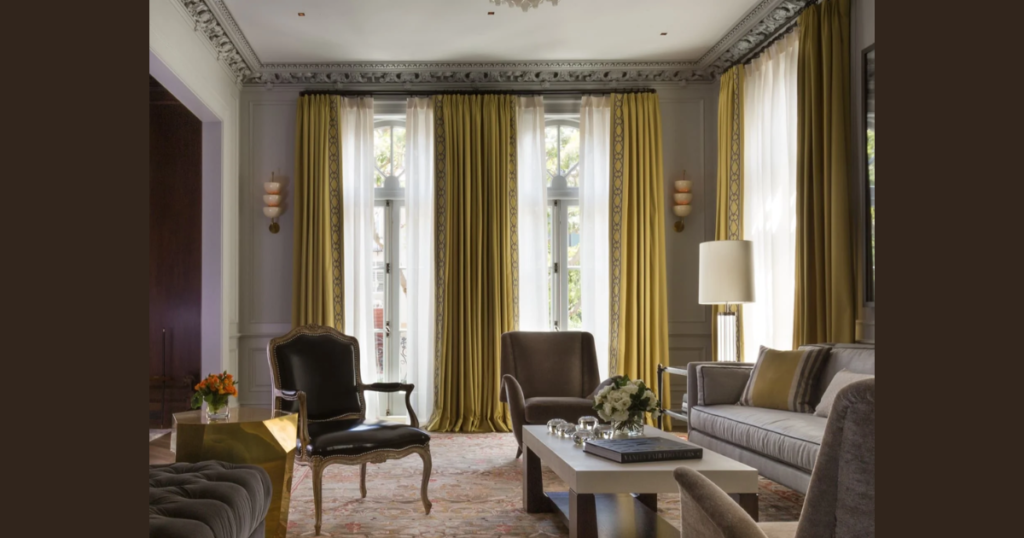
Layered window treatments create depth and flexibility in your dining room. I often recommend combining sheer curtains with heavier drapes for both beauty and function.
Sheer panels allow natural light to filter through during the day. Thicker outer curtains provide privacy and light blocking at night, which works perfectly for evening dinners.
Choose neutral tones for a formal dining room, or soft colors for a cozy space. Layering works especially well for large dining room windows and sliding glass doors.
2. Roman Shades for a Clean and Polished Dining Room Style
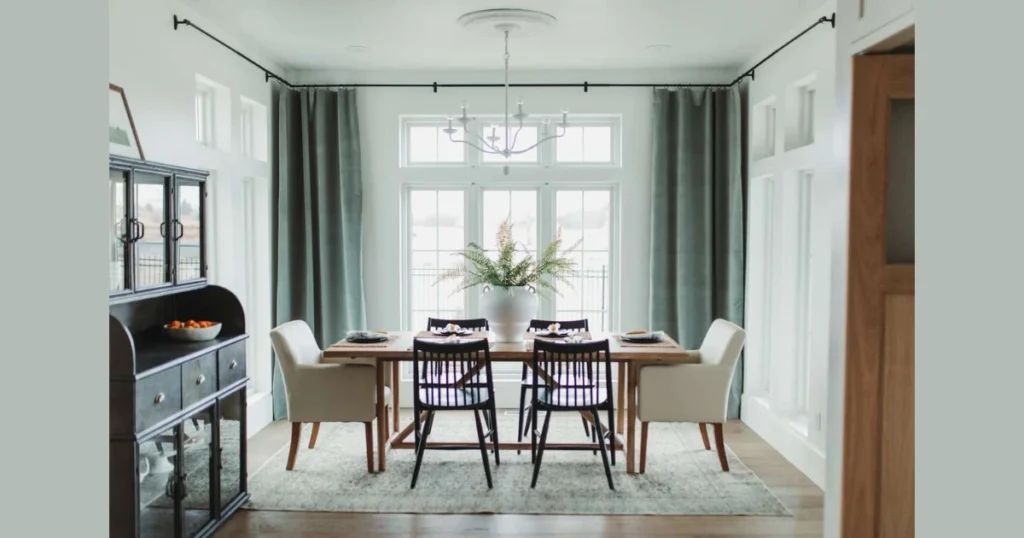
Roman shades offer a structured and refined look. They fold neatly when raised and sit flat when lowered, making them ideal for both small and large dining rooms.
I personally like Roman shades in linen or cotton blends because they add texture without overwhelming the space. They suit modern, farmhouse, and even transitional dining room styles.
They also control light effectively. You can choose light-filtering fabric for brightness or blackout lining for more privacy and insulation.
3. Floor-to-Ceiling Curtains to Add Height and Drama
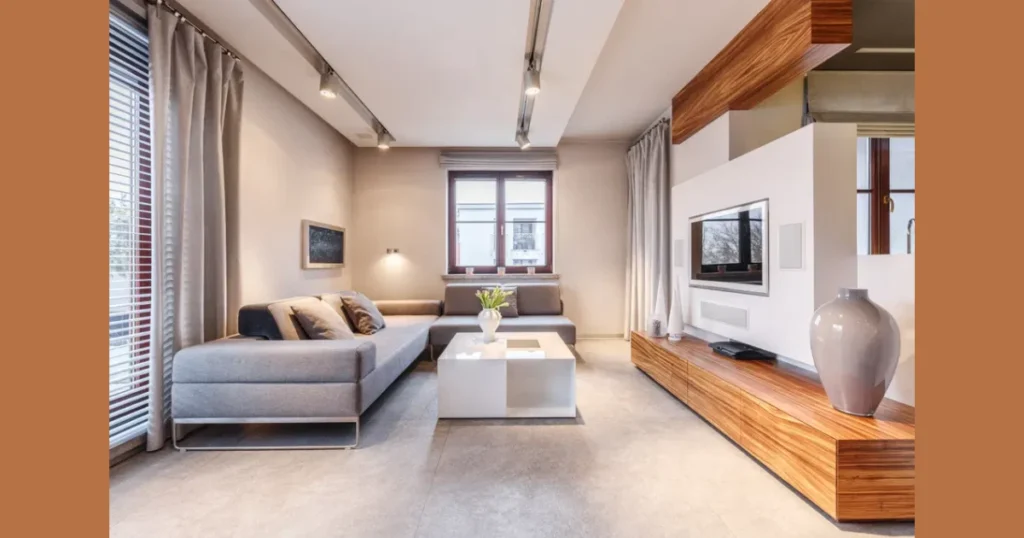
Floor-to-ceiling curtains instantly make a dining room look taller and more spacious. I always install curtain rods closer to the ceiling to create this visual effect.
This style works beautifully in formal dining rooms. Rich fabrics like velvet or heavy linen add a luxurious feel without looking overdone.
If your dining room has high ceilings, this treatment balances proportions. It draws the eye upward and makes the room feel grand yet welcoming.
4. Wooden Blinds for a Warm and Natural Feel
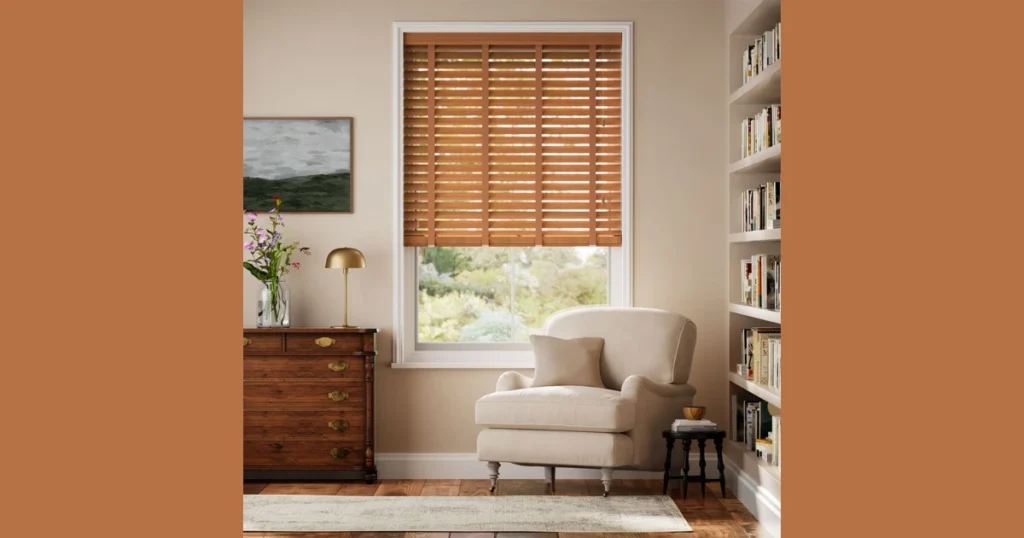
Wooden blinds bring warmth and texture to your dining room windows. They complement wooden dining tables and hardwood floors very well.
I find that wooden blinds work best in contemporary and rustic dining spaces. They allow precise light control by adjusting the slats.
They also offer privacy without completely blocking daylight. Faux wood options are more affordable and easier to maintain in humid climates.
5. Sheer Curtains for Bright and Airy Dining Rooms
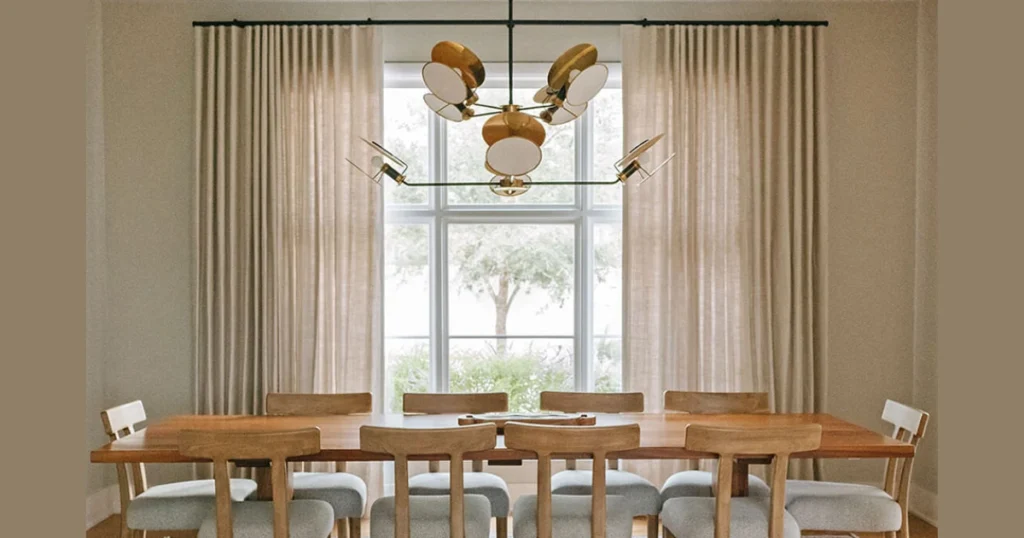
Sheer curtains create a light and open atmosphere. If your dining room receives beautiful daylight, sheers allow you to enjoy it fully.
I like to use white or off-white sheer panels in smaller dining rooms. They make the space feel larger and less crowded.
However, sheers alone do not provide full privacy at night. You may combine them with blinds or heavier curtains for a practical solution.
6. Patterned Curtains to Add Personality and Visual Interest
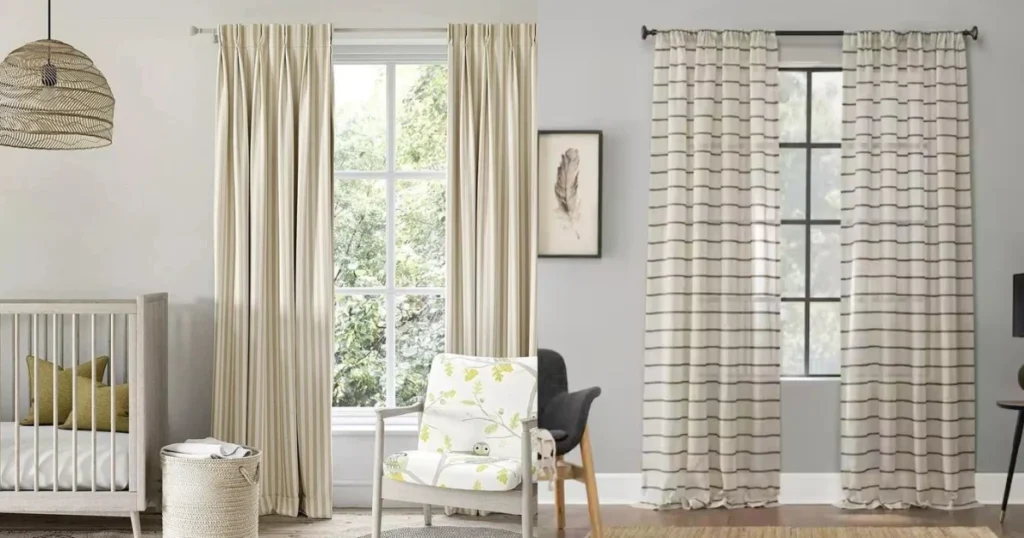
Patterned dining room curtains add character to neutral spaces. If your walls and furniture are simple, a bold pattern can become a focal point.
Floral prints suit traditional dining rooms. Geometric designs work better in modern settings. I usually suggest keeping other decor elements balanced to avoid visual clutter.
Patterns also help hide minor stains and wear, which makes them practical for family dining spaces. Just make sure the colors match your dining chairs or table accessories.
7. Dining Room Valances for a Classic and Budget-Friendly Upgrade
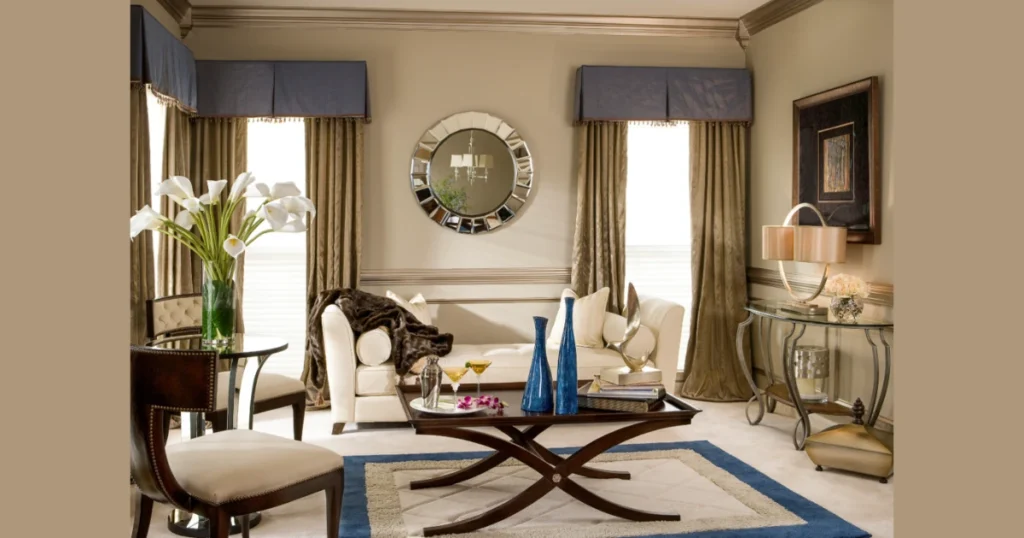
Dining room valances add charm without covering the entire window. I often suggest them when someone wants a soft decorative touch without heavy curtains.
A fabric valance works beautifully in traditional or country-style dining rooms. It frames the top of the window and hides curtain rods or hardware.
If you already have blinds installed, a valance enhances the look without extra bulk. This option suits small dining room windows very well.
8. Plantation Shutters for a Timeless and Structured Appearance
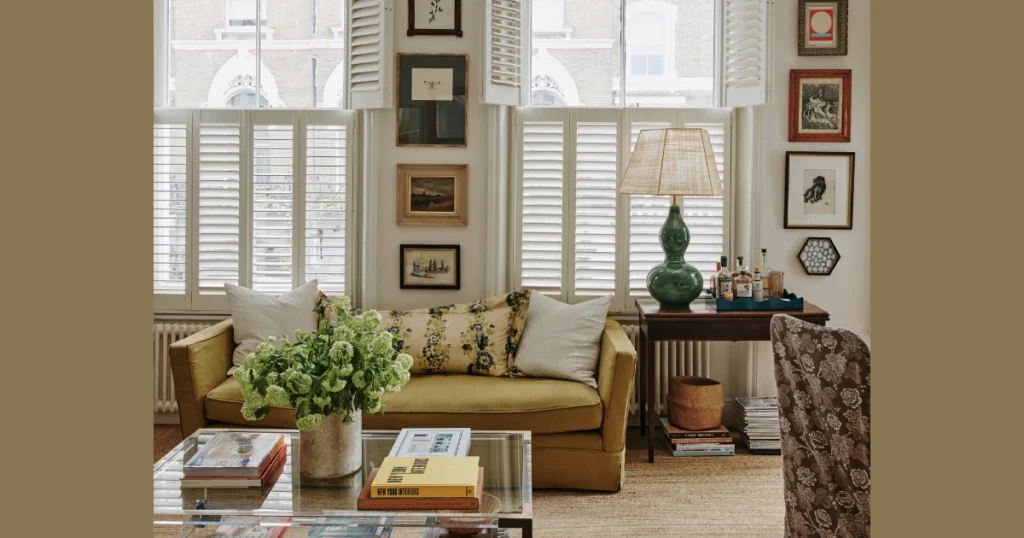
Plantation shutters create a clean and structured look in any dining room. Their wide slats offer excellent light control and privacy.
I personally like shutters in white or soft neutral tones. They complement modern dining room decor and classic interiors equally well.
Although they cost more than basic blinds, they last for years. Many homeowners see them as a long-term investment for their dining space.
9. Bamboo Shades for a Natural and Relaxed Dining Room Vibe
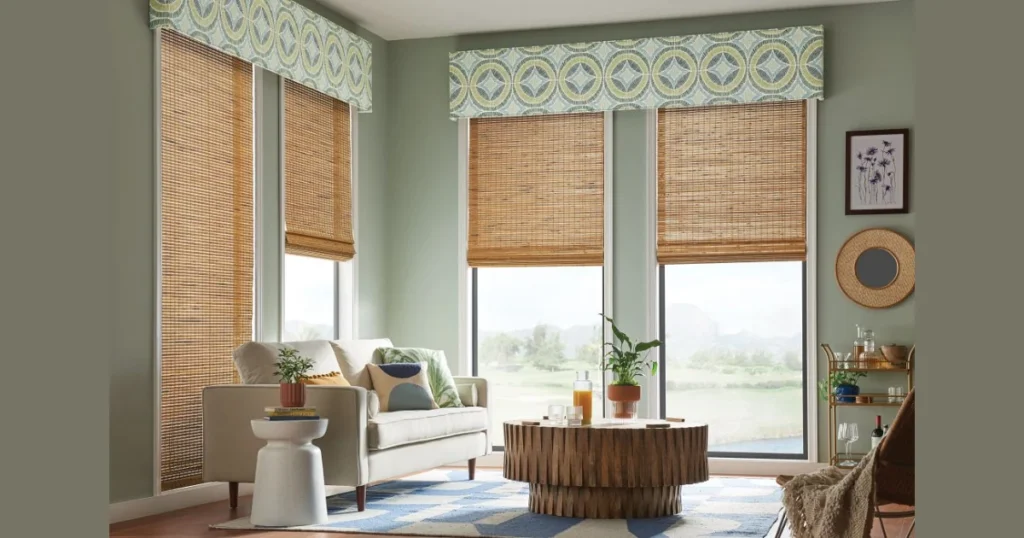
Bamboo shades introduce texture and warmth instantly. I often recommend them for farmhouse, coastal, or boho dining room styles.
These woven shades filter light gently while maintaining privacy. They pair beautifully with wooden tables and neutral dining chairs.
If you want extra light control, you can add a privacy liner. Bamboo shades also work well for large dining room windows.
10. Blackout Curtains for Privacy and Light Control
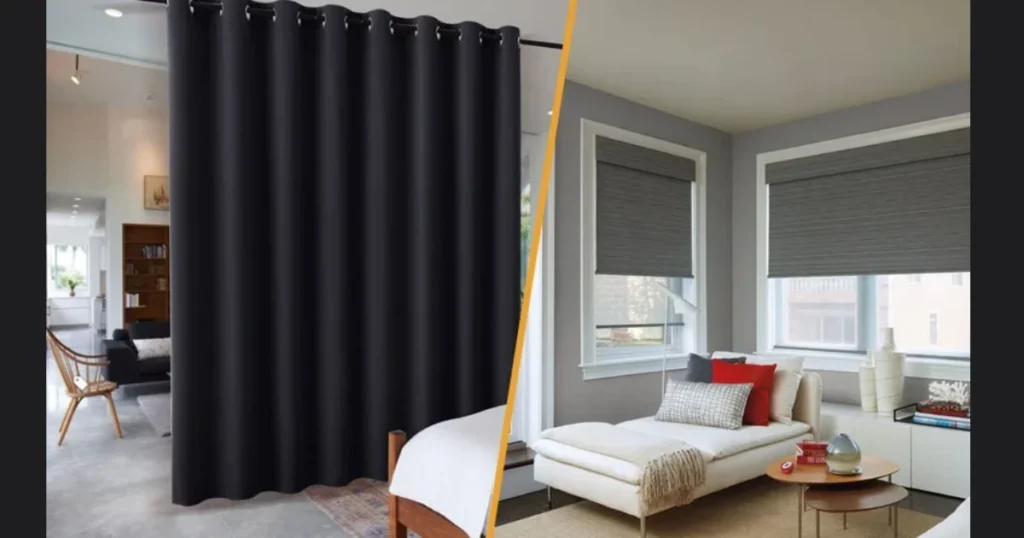
Blackout curtains provide full privacy during evening dinners. They also help block harsh sunlight that may heat the room.
I suggest blackout lining if your dining room faces a busy street. It creates a comfortable and intimate dining atmosphere.
Choose dark colors for a dramatic look or neutral tones for flexibility. Many modern blackout fabrics now look soft and stylish rather than heavy.
11. Cafe Curtains for Small and Cozy Dining Areas
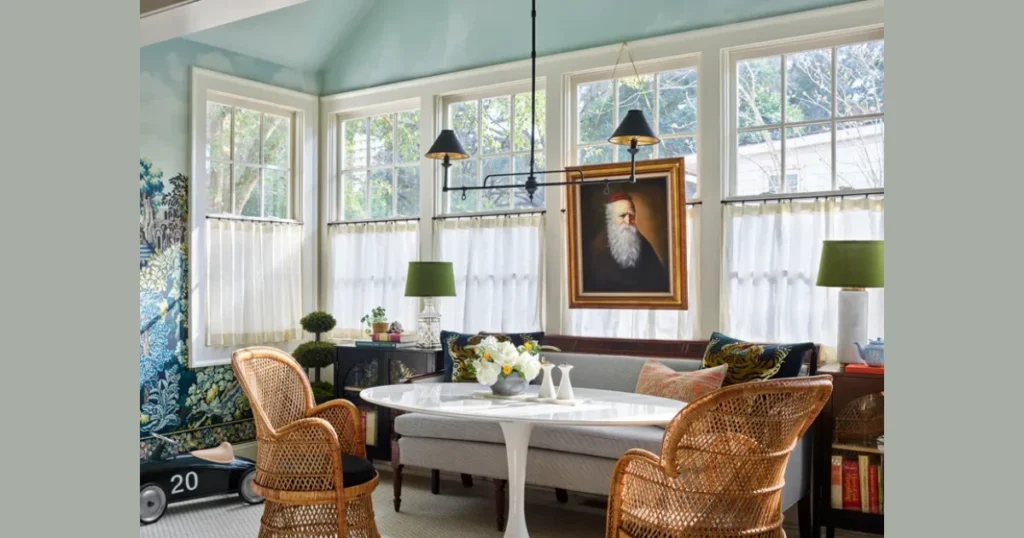
Cafe curtains cover only the lower half of the window. This design allows natural light to enter from the top.
I love using cafe curtains in breakfast nooks or compact dining rooms. They create privacy while keeping the space bright.
Light cotton or linen fabrics work best. This style suits farmhouse dining room decor and casual interiors perfectly.
12. Motorized Blinds for Convenience and Modern Living
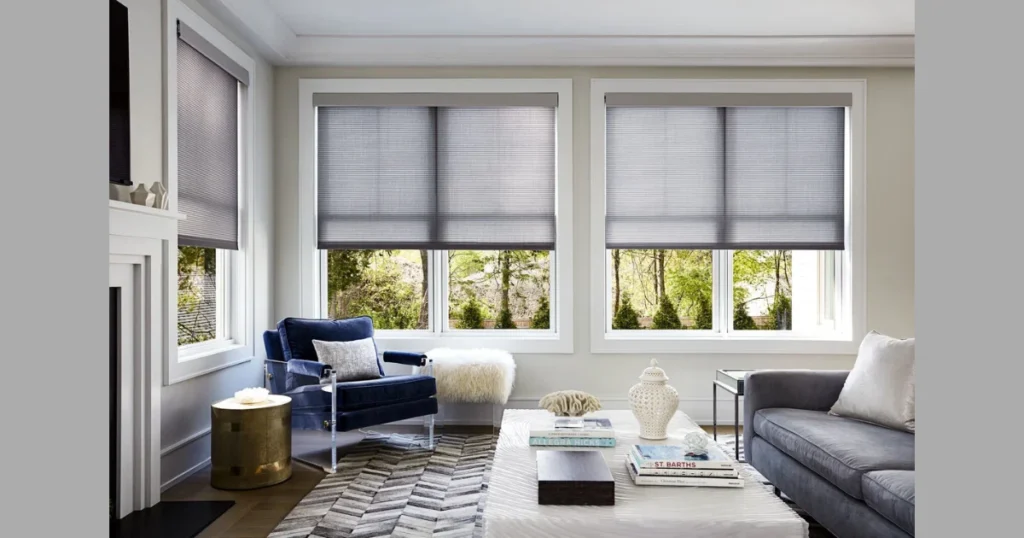
Motorized blinds add comfort and ease to daily life. With a remote or smart system, you can adjust light without leaving your seat.
I find this option especially helpful for large windows or hard-to-reach areas. It also fits well in contemporary dining room designs.
While this option costs more upfront, it saves effort and enhances convenience. Many homeowners now include smart window treatments in renovation plans.
How to Choose the Best Dining Room Window Treatment
Choosing the best dining room window treatment depends on light, privacy, and decor style. I always recommend evaluating your daily needs first.
1. Consider Natural Light
- South-facing rooms need light-filtering fabrics.
- Dark rooms benefit from sheer curtains.
- Direct sunlight requires UV protection.
2. Match Your Dining Room Style
| Dining Room Style | Best Window Treatment Option |
|---|---|
| Modern | Roman shades, motorized blinds |
| Traditional | Layered curtains, valances |
| Farmhouse | Cafe curtains, bamboo shades |
| Formal | Floor-to-ceiling drapes |
| Rustic | Wooden blinds, woven shades |
3. Think About Maintenance
Easy-to-clean fabrics save time. Faux wood blinds resist moisture and dust better than natural wood.
Heavy curtains may require professional cleaning. Sheers and cotton panels are usually machine washable.
13. Sliding Panel Curtains for Large Dining Room Windows and Patio Doors
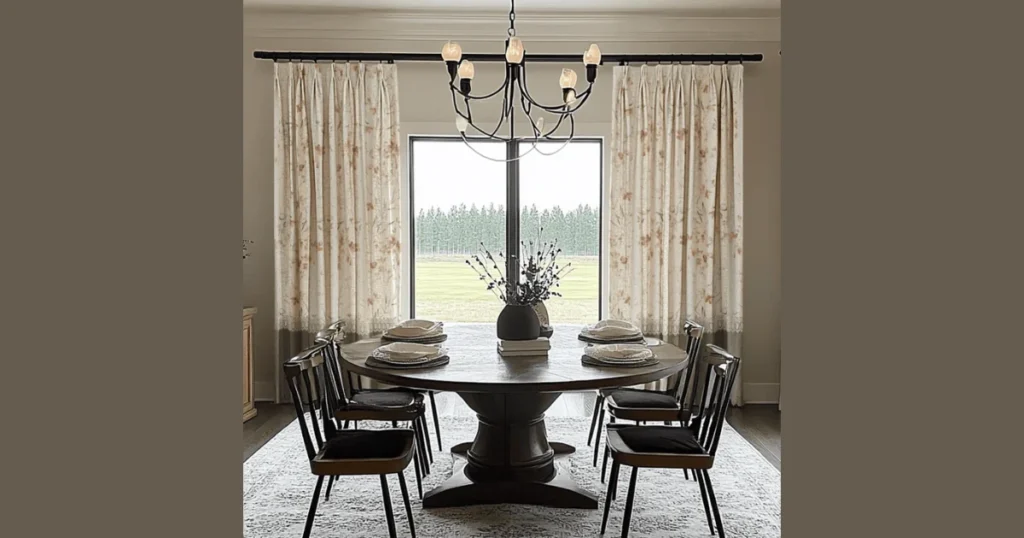
Sliding panel curtains work best for wide dining room windows and glass doors. I often recommend them when traditional curtains feel bulky or impractical.
These panels move smoothly along a track. They give clean lines and suit modern dining room interiors perfectly.
You can choose fabric panels for softness or woven textures for a natural look. This style keeps the dining area neat and functional.
14. Cornices and Window Toppers for a Formal Dining Room Finish
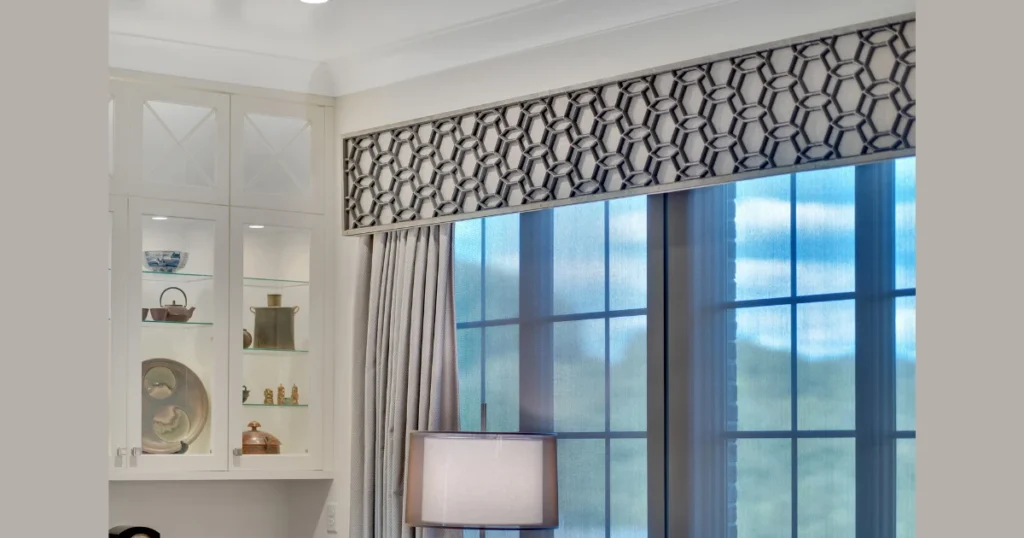
Cornices add structure and definition to dining room window treatments. I like using them when the space needs a more formal and complete appearance.
A fabric-covered cornice hides hardware and creates a polished finish. It works beautifully with layered curtains or Roman shades.
This option suits classic dining rooms and homes with detailed molding. It makes the windows look intentional rather than plain.
Practical Tips to Style Dining Room Window Treatments Professionally
Dining room window treatments look better when you install and style them correctly. I always measure carefully before buying anything because poor sizing ruins the effect.
1. Hang Curtains Higher Than the Window Frame
Mount curtain rods closer to the ceiling. This trick makes your dining room look taller and more spacious.
2. Choose the Right Curtain Width
Curtains should be at least two times the window width. Fullness creates elegance and prevents a flat appearance.
3. Balance Color With Furniture
Match curtain tones with dining chairs, table runners, or wall paint. This approach keeps your decor cohesive.
4. Consider Seasonal Changes
Light fabrics feel better in summer. Heavier drapes add warmth during winter. Switching panels occasionally refreshes the space.
Conclusion
Top 14 dining room window treatment ideas give you many ways to improve light, privacy, and style. The best choice depends on your room size, design theme, and daily needs.
I believe window treatments should support both comfort and appearance. A beautiful dining room feels incomplete without properly dressed windows.
If you want my honest advice, start simple and focus on functionality first. Once light and privacy feel right, style becomes much easier to finalize.
FAQs
Layered curtains or plantation shutters work best. They create structure and elegance.
Yes, they allow natural light and make the room feel larger. Combine them with heavier panels for privacy.
Faux wood blinds and machine-washable curtains require less effort. They resist dust and moisture well.
Use light colors and hang them high. This method makes the room appear taller and wider.
They offer convenience and modern comfort. They work especially well for large windows.
Yes, combining blinds with curtains improves light control and enhances style.