
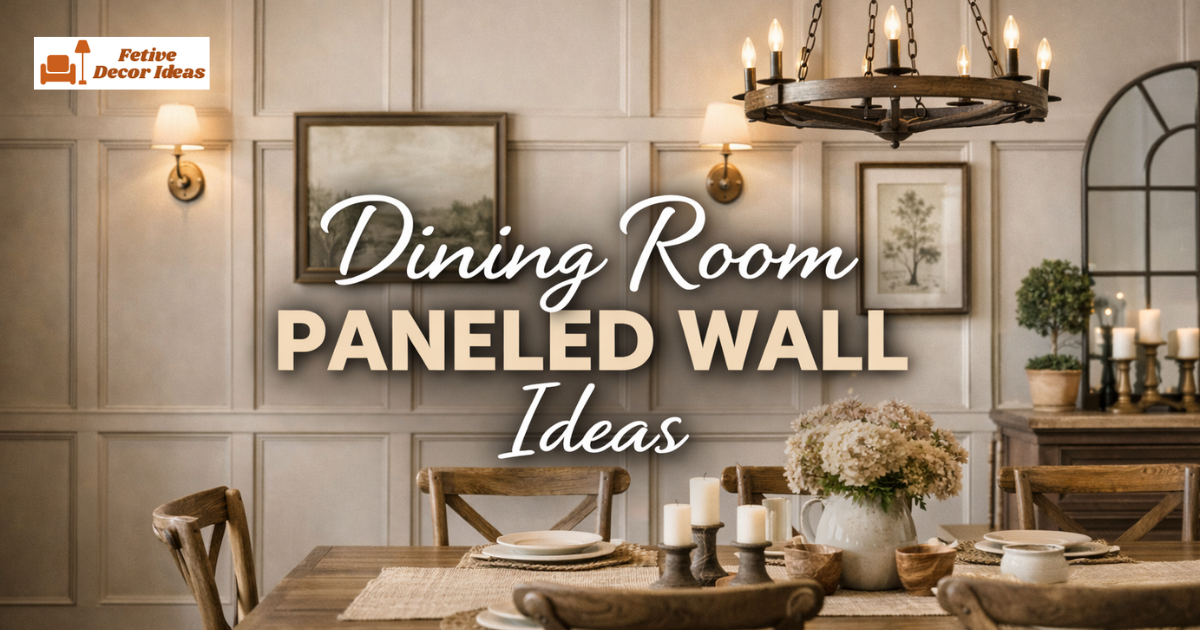
Dining room paneled wall ideas help transform plain walls into stylish focal points that add texture, depth, and character. I always recommend wall paneling because it instantly improves the overall look without major renovation. These ideas will help you choose practical and beautiful panel designs that work in real homes.
Why Paneled Walls Work Well in Dining Rooms
Paneled walls improve visual interest because they add dimension compared to flat painted surfaces. I like using paneling in dining areas since it creates a more finished and sophisticated appearance. Even simple molding designs can make a big difference.
Wall panels also allow flexibility because you can paint them in any color to match your decor style. I often suggest starting with neutral tones if you want a timeless look. Color choices can always change later without replacing panels.
1. Classic Wainscoting Paneling for Timeless Style
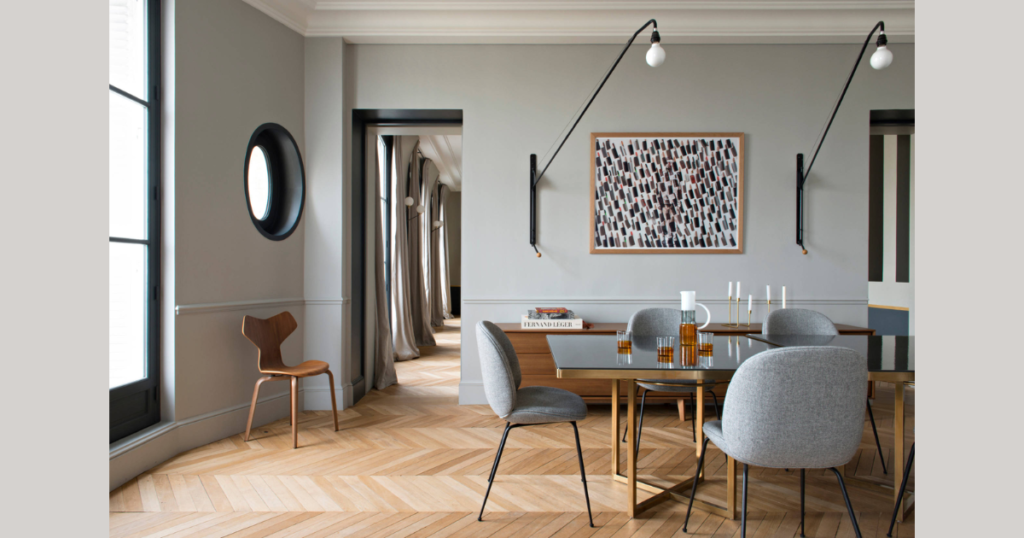
Classic wainscoting creates an elegant dining room because it adds architectural detail without overwhelming the space. I prefer half wall paneling since it balances decoration and simplicity perfectly. This style works well in both modern and traditional homes.
Painting wainscoting in white or soft neutral shades keeps the room bright and clean. I often pair it with contrasting wall colors above to add depth. This combination feels polished without looking complicated.
Chair rails and molding trims complete the look by adding definition between wall sections. Proper spacing and alignment improve the overall appearance significantly. Small details create the biggest visual impact.
2. Board and Batten Paneling for a Modern Touch
Board and batten paneling creates a structured and clean dining room wall design that feels modern yet classic. I like this style because vertical lines add height perception to the room. It works especially well in smaller dining spaces.
Using evenly spaced battens keeps the design organized and visually pleasing. I often recommend painting everything in one color for a cohesive finish. Monochrome paneling feels sophisticated and simple.
This panel style remains budget friendly because materials like MDF strips are affordable. Many homeowners even install board and batten themselves with basic tools. It offers strong visual impact with moderate effort.
3. Full Wall Paneling for a Luxury Look
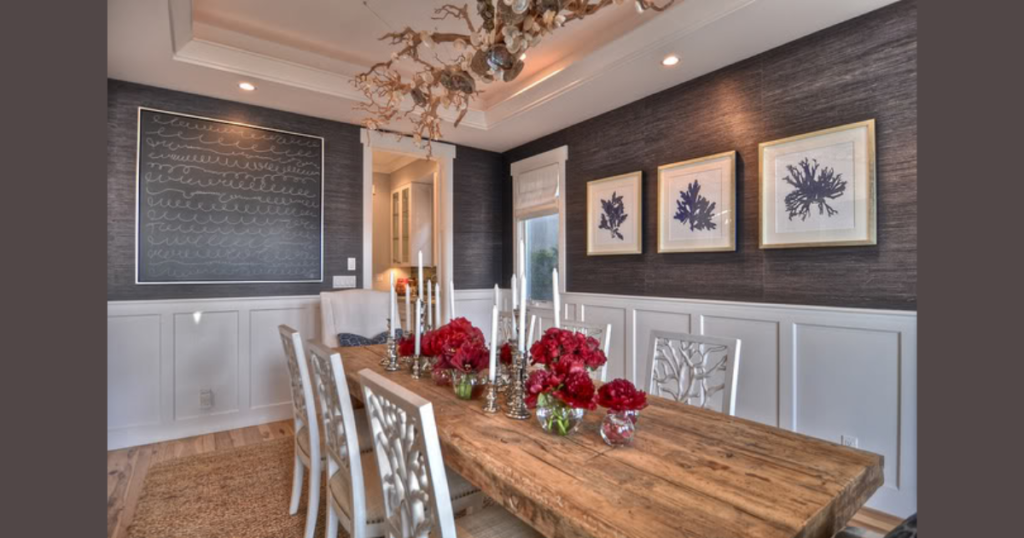
Full wall paneling creates a bold statement because it covers the entire dining room wall with texture. I often suggest this option for feature walls behind the dining table. It immediately becomes the room’s focal point.
Darker colors like navy, charcoal, or deep green enhance the dramatic effect of full panels. I personally find that matte finishes look more elegant compared to glossy paint. Lighting also highlights panel depth beautifully.
This approach works best when furniture remains simple to avoid visual overload. Balanced decor prevents the space from feeling heavy. Full paneling can make a dining room feel more refined.
4. Vertical Slat Panels for Contemporary Style
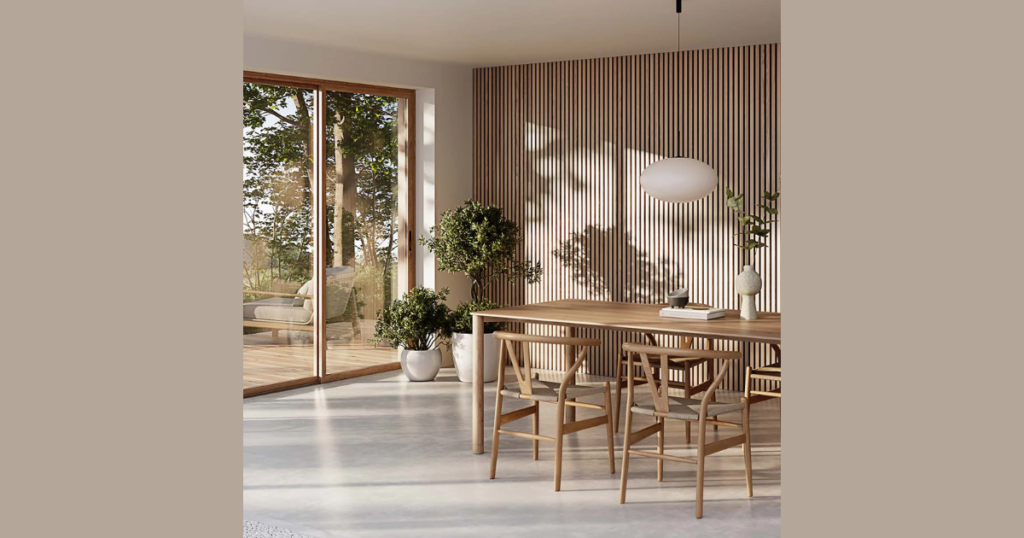
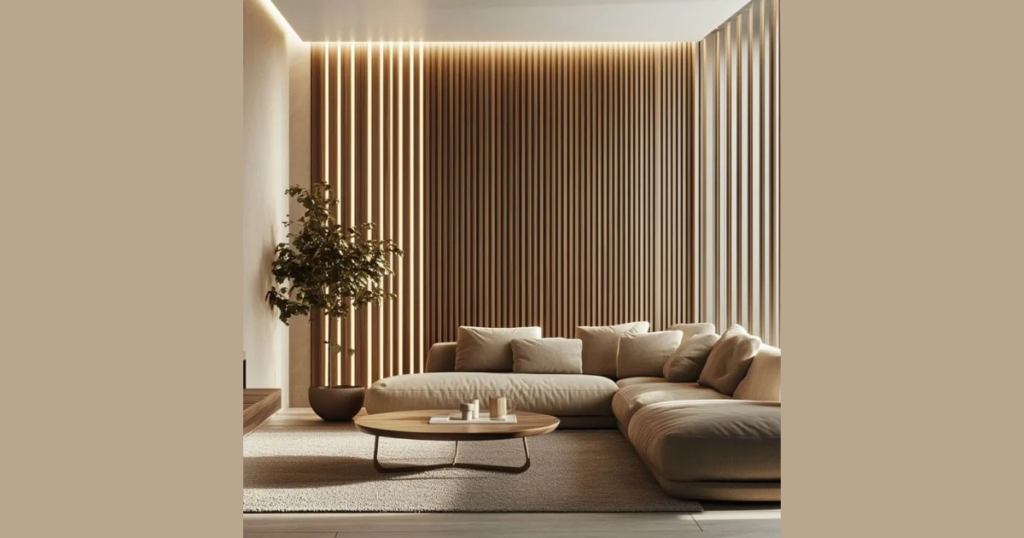
Vertical slat panels create a sleek and modern dining room wall design that adds subtle texture. I recommend this style for contemporary homes because it feels clean and stylish. Wood slats also add warmth naturally.
Spacing between slats allows shadows to create depth without complex molding work. I often choose natural wood tones or painted finishes depending on the room theme. Both options look attractive when done correctly.
This panel type works well behind dining tables or as accent walls near lighting fixtures. Proper lighting enhances the vertical effect even more. The result feels modern yet inviting.
5. Geometric Panel Molding for Artistic Walls
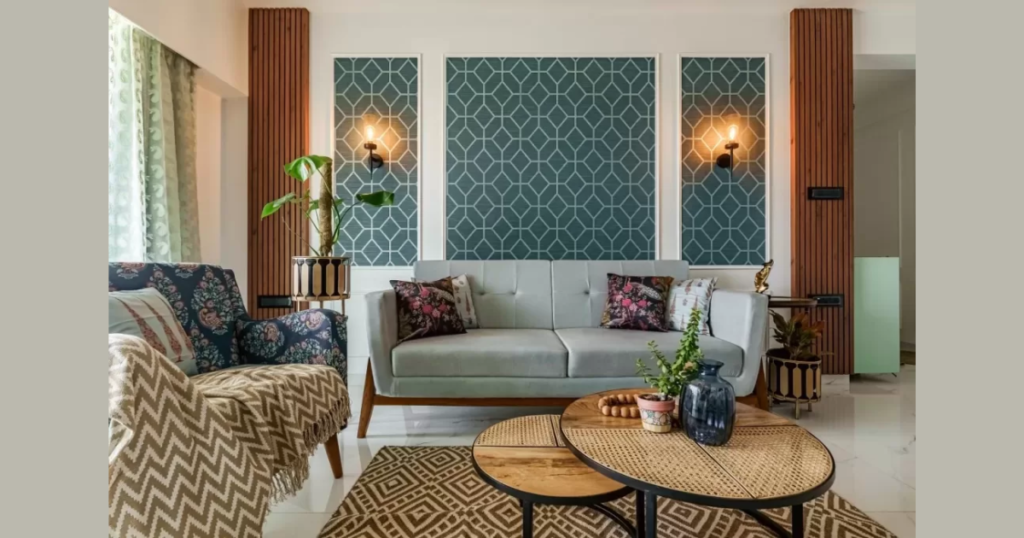
Geometric panel molding creates a creative dining room wall because shapes add personality and interest. I enjoy this style since it allows customization with squares, rectangles, or unique patterns. It feels more artistic than traditional panels.
Painting geometric panels in the same color as the wall maintains sophistication while highlighting texture. I usually avoid too many colors to keep the design balanced. Simplicity helps patterns stand out.
Careful measurement during installation ensures clean lines and professional results. Even spacing improves the final appearance significantly. Precision matters with geometric designs.
6. Painted Panel Walls for a Bold Dining Room
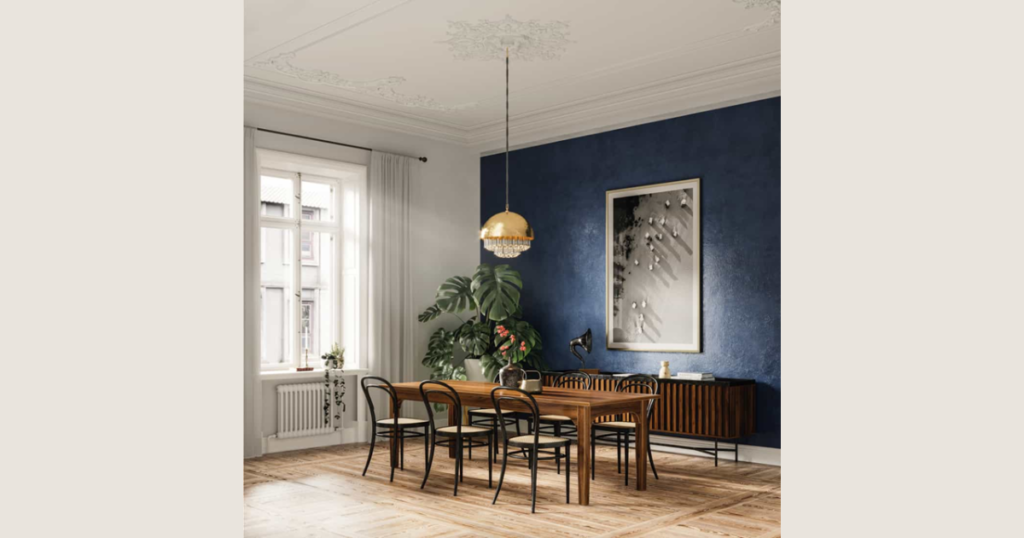
Painted panel walls create strong visual impact because color enhances the architectural detail. I often recommend rich tones like emerald, navy, or terracotta for dining spaces. Bold colors make panels more noticeable.
Neutral furniture pairs well with bold panel colors to maintain balance. I personally prefer matte or satin finishes because they highlight texture without glare. Lighting also affects how colors appear.
This idea works well for both full walls and half wall paneling depending on preference. Color alone can transform a simple panel design. Paint offers flexibility and affordability.
7. Shiplap Paneling for a Relaxed Style
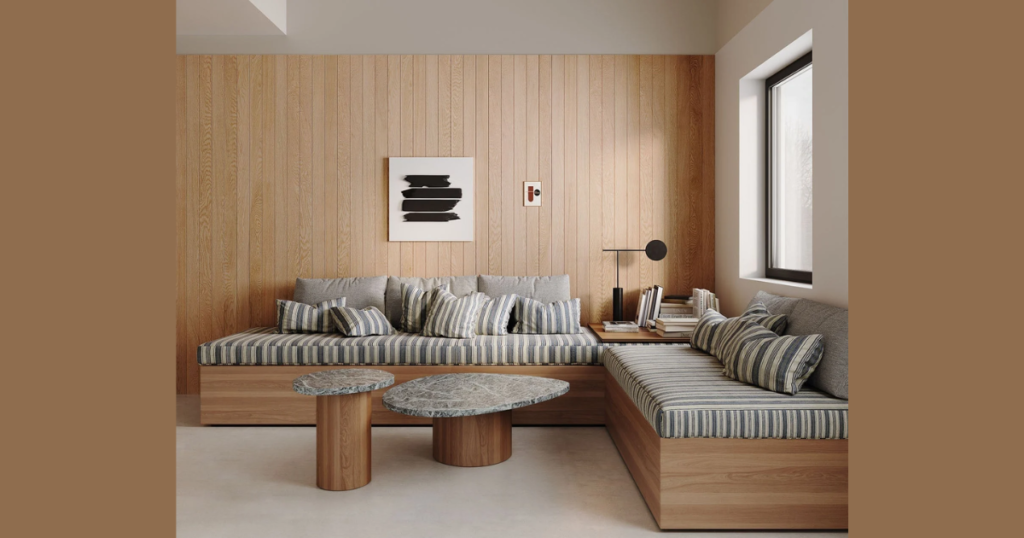
Shiplap paneling creates a cozy dining room atmosphere because horizontal lines add softness and charm. I recommend this option for farmhouse or casual interiors. It feels comfortable and welcoming.
Painting shiplap in white or light neutral tones keeps the room airy and bright. I often combine it with wood furniture for warmth. Texture becomes subtle but noticeable.
Proper installation ensures even spacing between boards for a clean finish. Small alignment details improve the final appearance greatly. Shiplap remains a popular panel choice.
8. Half Wall Paneling with Wallpaper Above
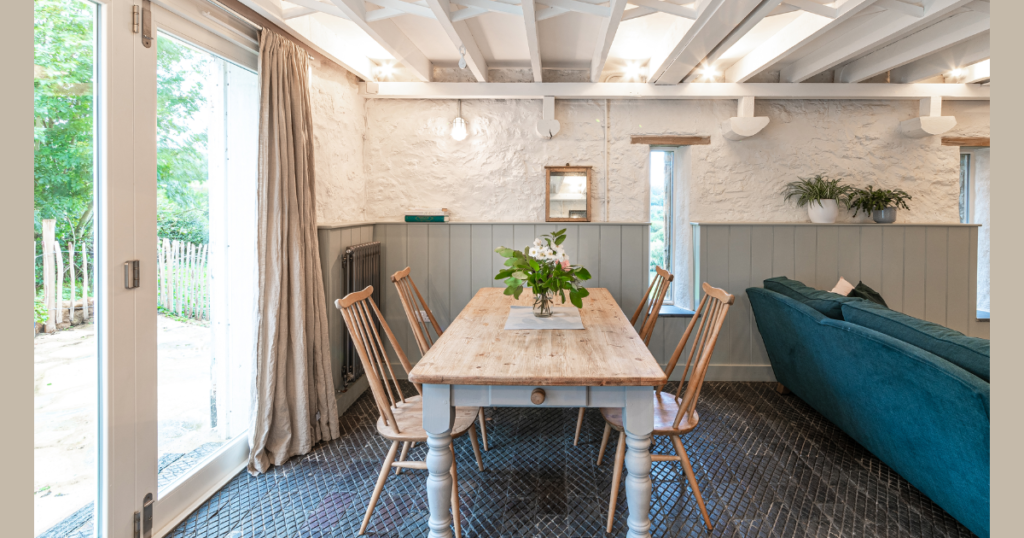
Half wall paneling combined with wallpaper creates contrast because textures and patterns work together. I like this idea since paneling adds structure while wallpaper adds personality. The combination feels layered.
Choosing subtle wallpaper patterns prevents the room from looking busy. I often recommend neutral or botanical prints for balance. Coordination between colors maintains harmony.
Panel height usually sits around chair level to protect walls from damage. Practical placement improves durability and design. This approach offers both function and style.
9. Dark Paneled Accent Wall for Dramatic Style
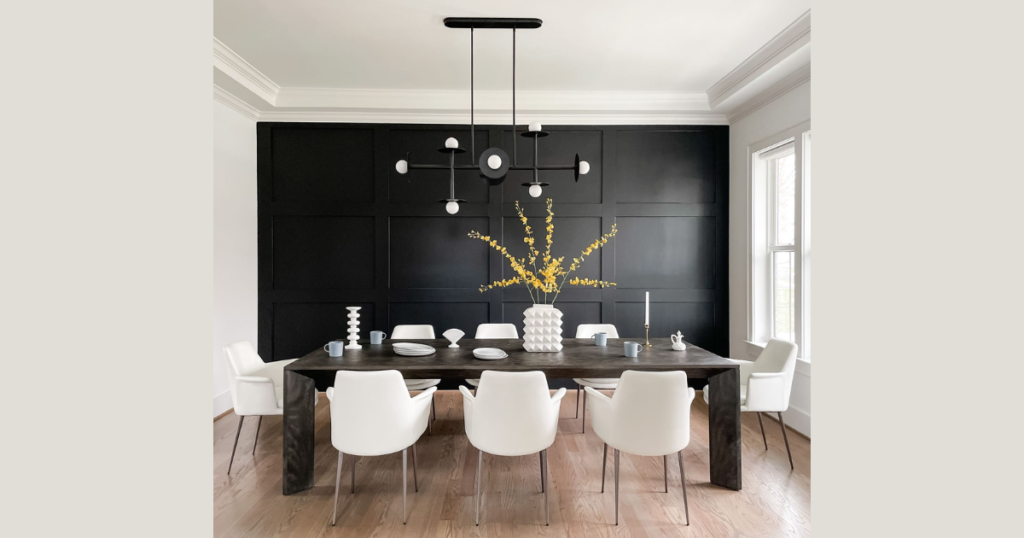
A dark paneled accent wall creates a strong focal point because deep colors highlight panel texture beautifully. I often recommend shades like charcoal, navy, or forest green for dining rooms. Dark tones add depth and elegance instantly.
Balancing dark walls with lighter furniture prevents the space from feeling heavy. I usually pair dark panels with wood tables or neutral chairs for contrast. Proper lighting also improves the visual effect.
This idea works best on one main wall behind the dining table to maintain balance. Accent placement keeps the design bold without overwhelming the room. Controlled contrast creates sophistication.
10. Modern Minimal Panel Molding Design
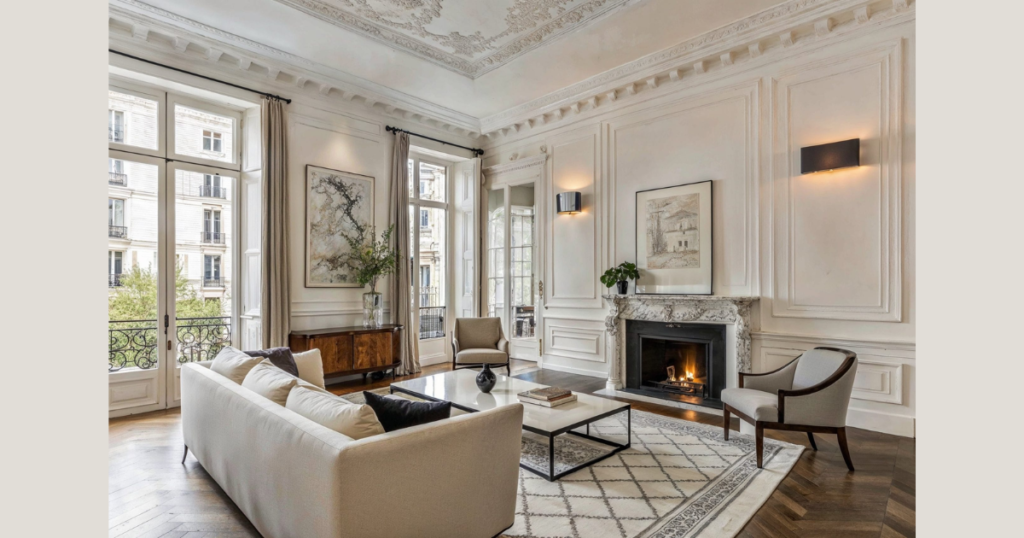
Minimal panel molding creates a clean dining room look because simple lines add texture without clutter. I like this approach for modern interiors where subtle detail matters more than decoration. Simplicity often looks more refined.
Thin molding strips arranged in rectangles or squares maintain elegance without complexity. I often recommend painting molding the same color as the wall for a seamless finish. Monochrome designs feel calm and stylish.
This panel style works well in small dining rooms because it adds interest without making the space busy. Balanced spacing keeps the layout neat. Minimal designs offer long-term flexibility.
11. Two-Tone Paneled Walls for Contrast
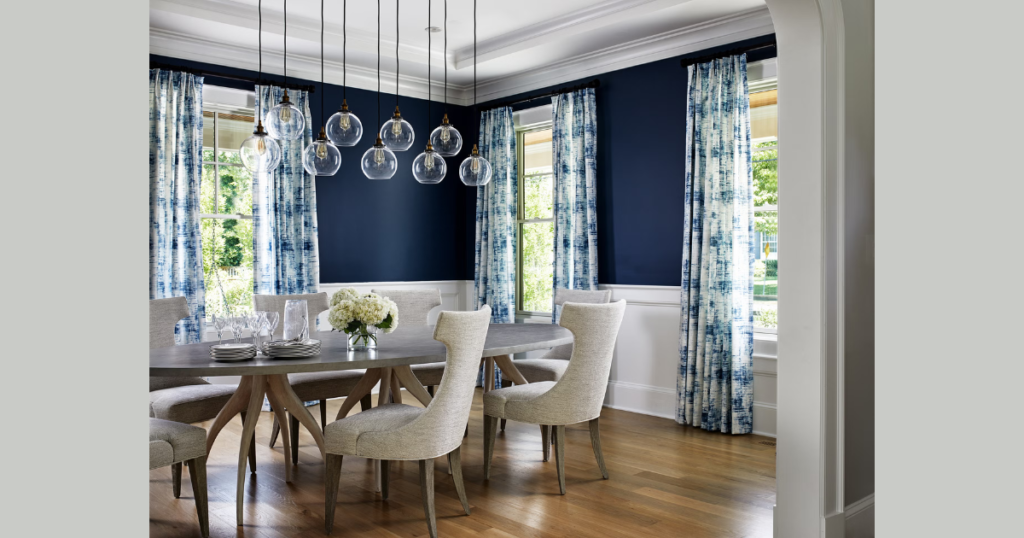
Two-tone paneled walls create visual separation because different colors highlight architectural sections clearly. I recommend darker shades on the lower panels and lighter tones above for balance. This combination feels structured and elegant.
Color contrast also helps define the dining area in open-plan homes. I often use neutral tones like gray and white or beige and olive for harmony. Coordinated palettes prevent visual chaos.
Chair rails or trim moldings help divide colors cleanly between sections. Proper finishing improves the overall look significantly. This idea combines style and practicality.
12. Wood Panel Accent Wall for Natural Warmth
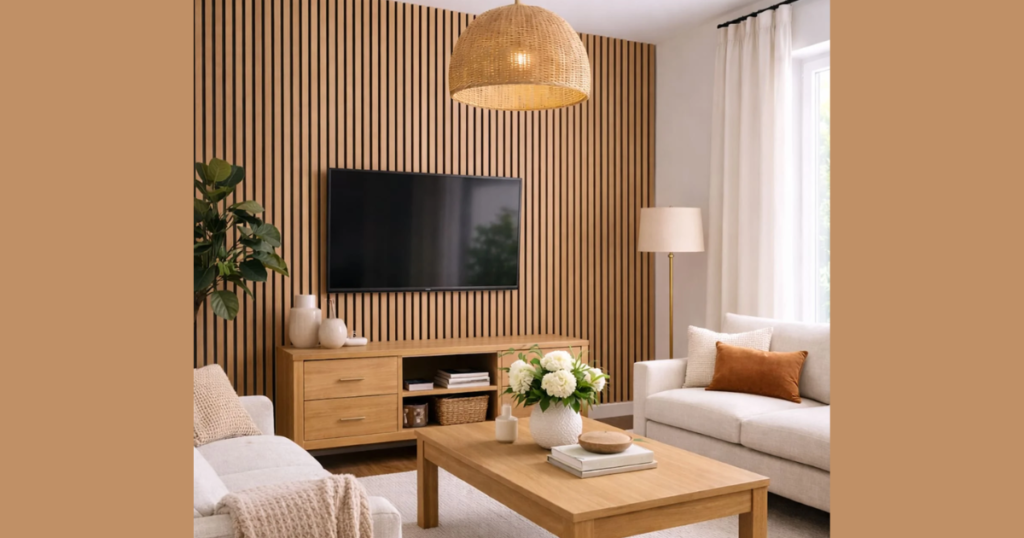
Wood panel accent walls create warmth because natural materials add texture and organic character. I personally enjoy using light oak or walnut finishes in dining rooms. Wood surfaces make spaces feel inviting.
Vertical or horizontal wood panels both work depending on the room style. I often prefer vertical placement because it makes ceilings appear taller. Orientation affects perception more than people realize.
Sealing wood panels protects durability while maintaining appearance over time. Proper maintenance ensures longevity. Natural materials often age beautifully with use.
Simple Paneling Tips
- Choose panel height based on ceiling size
- Use neutral colors for timeless appeal
- Install lighting to highlight texture
- Maintain spacing consistency for clean lines
- Balance panel detail with furniture style
Common Mistakes to Avoid with Paneled Walls
Avoiding mistakes helps maintain a polished look because incorrect spacing or proportions reduce visual impact. I often see uneven panel layouts that create imbalance. Careful measurement improves results.
Ignoring lighting placement can reduce the texture effect that panels create. I recommend adding wall lights or overhead lighting to highlight depth. Lighting enhances design quality.
Overcrowding decor on paneled walls can hide architectural detail. I suggest keeping wall accessories minimal to showcase the panels. Simplicity often works best.
Conclusion
Dining room paneled wall ideas help transform plain spaces into stylish and refined interiors through texture and structure. I focused on practical options like wainscoting, board and batten, vertical slats, and accent walls because they work in real homes. Even simple panel designs create noticeable improvement.
The key takeaway is to choose panel styles that match your room size, lighting, and furniture while maintaining balance. When installed carefully and painted thoughtfully, paneled walls add both beauty and functionality. These ideas can help you create a dining space that feels complete and welcoming.
FAQs
Board and batten, wainscoting, and vertical slat panels are popular because they add texture without overwhelming the space.
Both options work well depending on style preference, but half wall paneling is more common for balanced design.
Neutral tones like white, gray, and beige work well, while dark colors create dramatic focal points
Costs vary based on material, but MDF panels offer a budget friendly option compared to solid wood.
Yes, many panel styles like board and batten are DIY friendly with basic tools and measurements.
No, properly spaced panels can actually make walls appear taller and more structured