
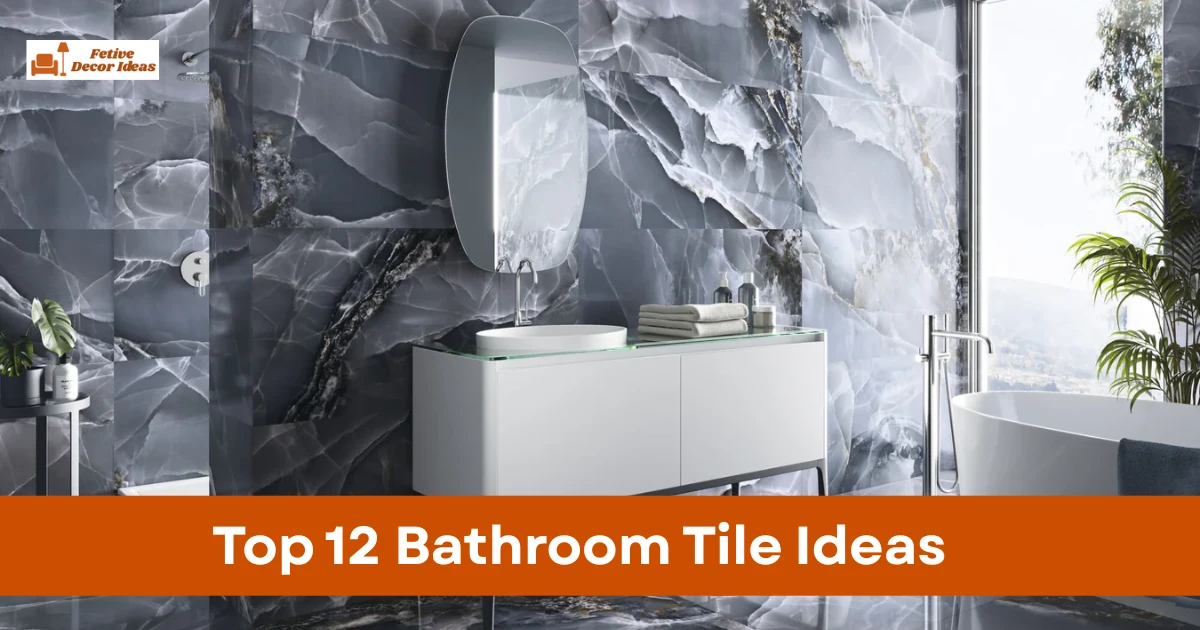
Bathroom tile ideas help improve both the appearance and function of your bathroom without changing the entire layout. The right tiles can make the space look bigger, cleaner, and more stylish.
I always notice that tiles play the biggest role in bathroom design because they cover the largest surfaces. Even small tile changes can completely refresh the atmosphere without major renovation work. Good tile selection also increases the value of your home.
Below are practical and realistic bathroom tile ideas that work well in modern homes. These ideas focus on style, function, and long-term usability. You can easily adapt them to different bathroom sizes and budgets.
Why Choosing the Right Bathroom Tiles Matters
Bathroom tiles affect durability, maintenance, and overall design more than most decor elements. Good tile choices make cleaning easier and prevent moisture-related damage over time. Proper materials also improve safety and comfort.
I prefer tiles that combine style with function because bathrooms deal with humidity daily. Slip-resistant surfaces and moisture-resistant materials provide better long term performance. Smart choices reduce future repair costs.
When tiles match the bathroom size and lighting, the entire space feels more balanced and comfortable. Color and layout influence how large or bright the room appears. Thoughtful planning always creates better results.
1. Large Format Tiles for a Spacious Look
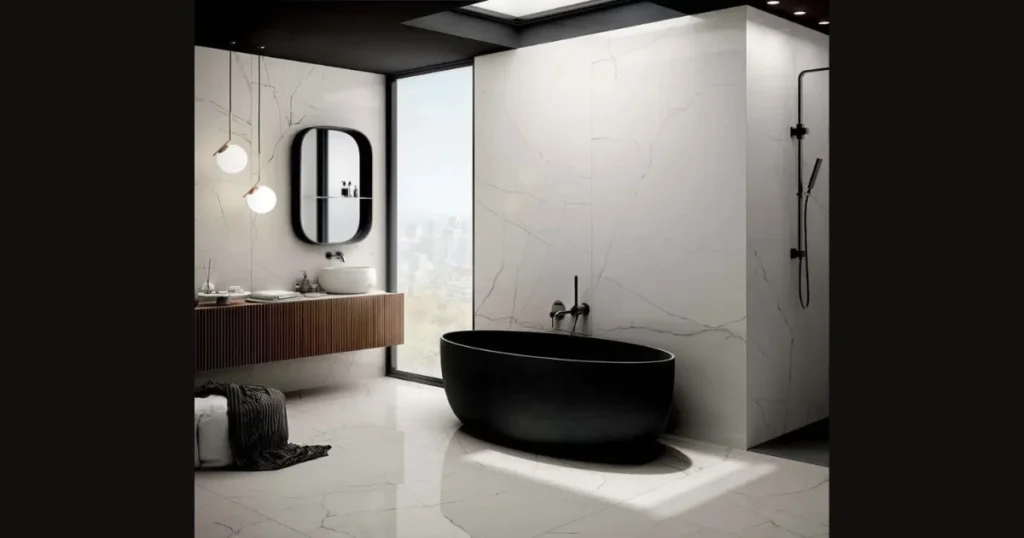
Large-format tiles make the bathroom appear bigger because fewer grout lines create a smooth and continuous surface. This visual effect reduces clutter and makes walls look more open. It works especially well in small bathrooms.
I often recommend neutral colored large tiles because they reflect light and enhance brightness naturally. Light tones also create a clean and modern atmosphere that suits most designs. The result feels calm and organized.
This idea also reduces maintenance because fewer grout joints mean less dirt buildup. Cleaning becomes faster and easier over time. Large tiles combine convenience with visual appeal effectively.
2. Subway Tiles for a Timeless Design
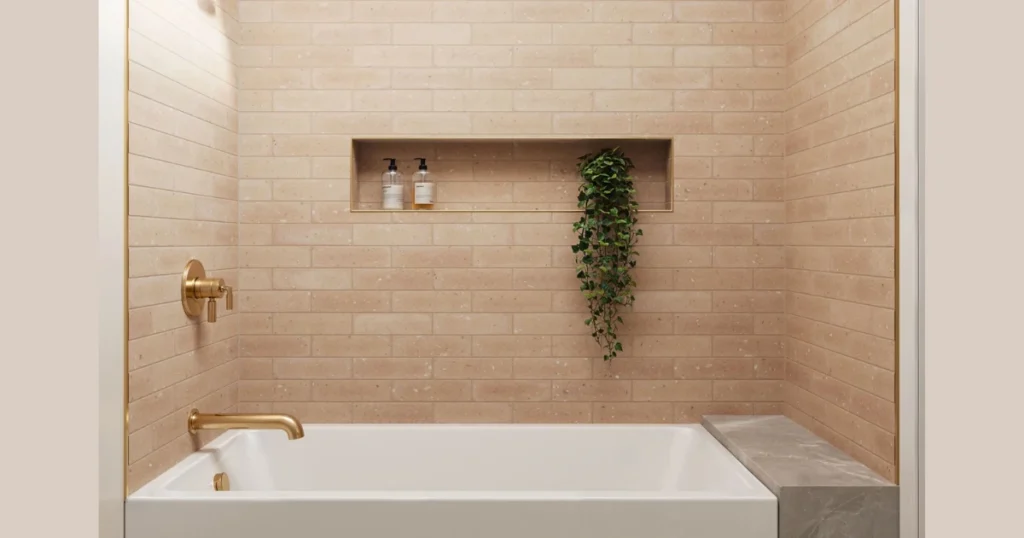
Subway tiles create a classic and clean appearance that stays stylish for years. Their simple rectangular shape fits many bathroom themes easily. This design works well for both modern and traditional interiors.

I like using white or light colored subway tiles because they brighten the room and reflect light well. Different layouts, like vertical or herringbone patterns, add variety without changing materials. Small adjustments create fresh looks.
This option works well for walls, showers, and backsplashes while remaining affordable. It provides flexibility for future decor changes. Subway tiles remain one of the most versatile choices available.
3. Marble Look Tiles for an Elegant Finish
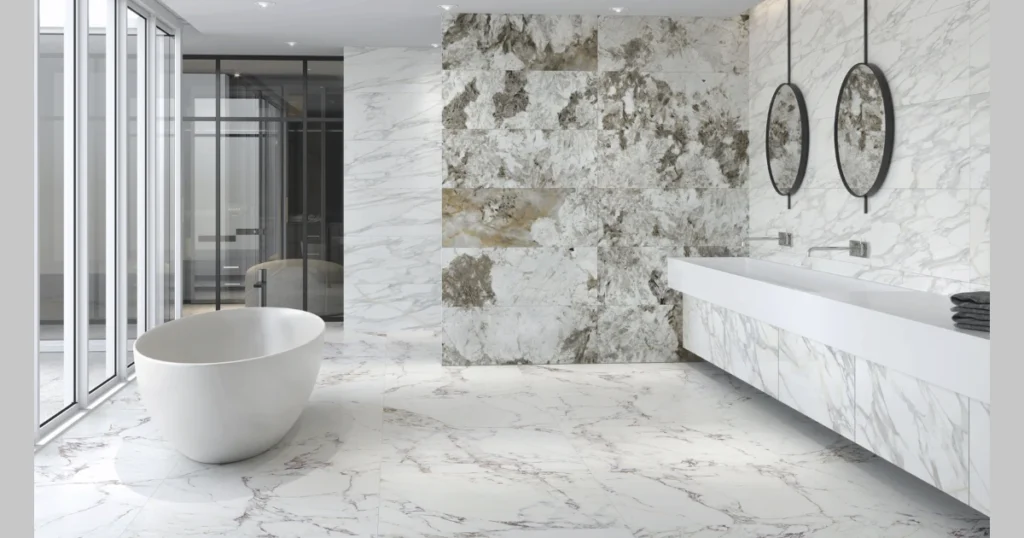
Marble-look tiles provide a refined appearance without the high cost of natural marble. They combine beauty with durability and moisture resistance. This makes them practical for everyday bathroom use.
I often suggest porcelain marble tiles because they resist stains and water better than real stone. The surface still delivers a polished and sophisticated look. Maintenance becomes much easier for homeowners.
This choice works well for both floors and walls, creating a cohesive design throughout the bathroom. The elegant pattern enhances visual depth. It adds a premium feel without complicated care.
4. Mosaic Tiles for Accent Areas
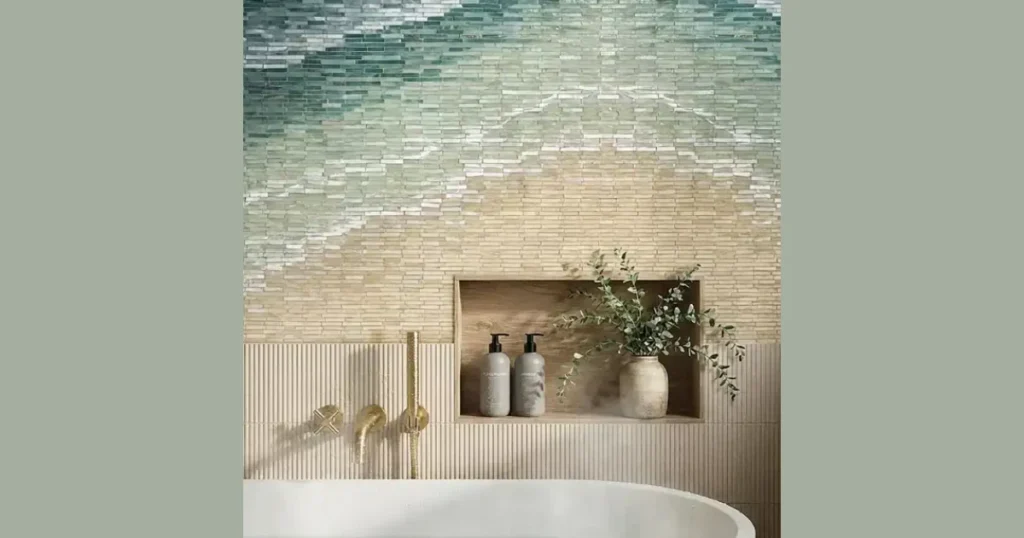
Mosaic tiles add detail and texture to bathroom surfaces, making them ideal for accent features. Small tiles create visual interest without overwhelming the space. They work best in focused areas instead of full coverage.
I like using mosaic tiles inside shower niches or decorative borders because they highlight specific zones. The patterns draw attention naturally and enhance the design. This creates a balanced decorative effect.
This idea also improves grip on floors if textured mosaics are used. Safety increases while maintaining style. Mosaic accents combine function with artistic detail effectively.
5. Wood Look Tiles for Warmth
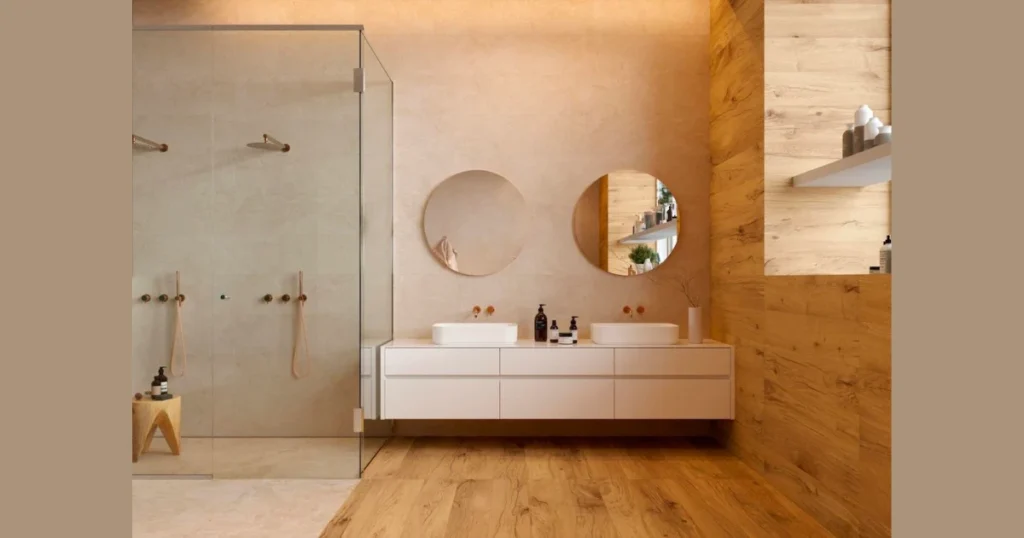
Wood look tiles provide the appearance of natural wood while maintaining water resistance. They bring warmth and comfort into bathroom interiors easily. This combination suits many modern design styles.
I personally enjoy this option because it creates a cozy atmosphere without worrying about moisture damage. Porcelain wood tiles last longer and require minimal maintenance. The texture also feels more inviting.
This idea works well for floors and feature walls, adding contrast to neutral bathrooms. Natural tones create visual balance. It blends modern design with organic elements successfully.
6. Hexagon Tiles for Geometric Style
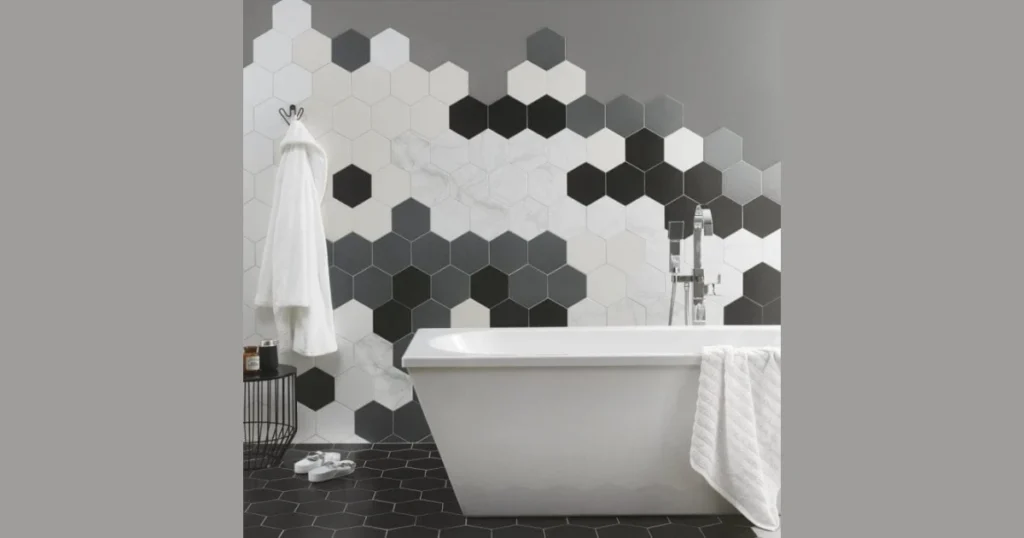
Hexagon tiles create a geometric pattern that adds personality and movement to the bathroom. The shape feels modern while remaining visually balanced. Patterns introduce interest without needing bold colors.
I often recommend hexagon tiles for floors because they create a subtle texture across the surface. Neutral shades prevent the design from feeling overwhelming. The result looks stylish yet comfortable.
This style also works well in small bathrooms because patterns draw attention away from size limitations. Visual detail improves perception of space. It creates character without clutter.
7. Vertical Stack Tiles for Height Illusion
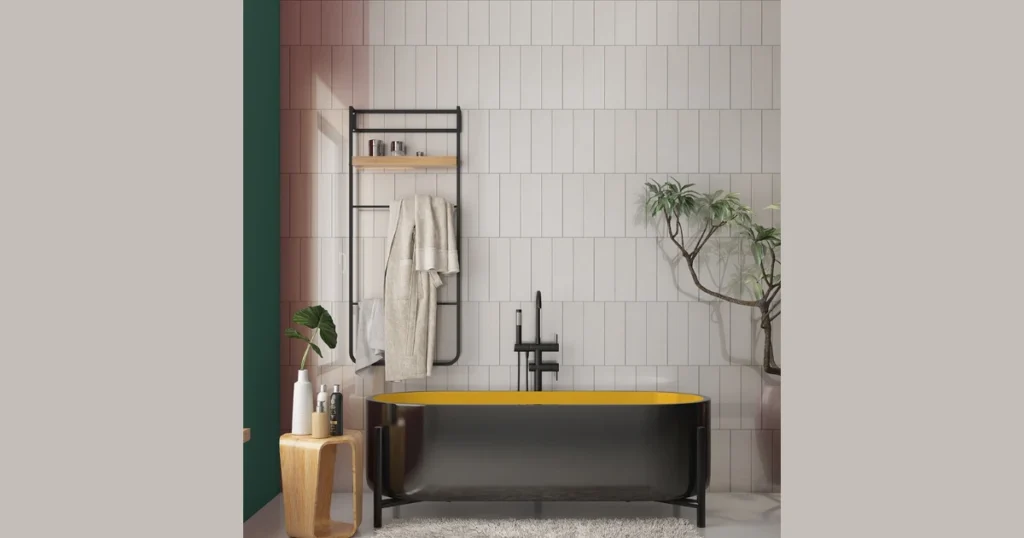
Vertical tile layouts make the bathroom walls appear taller by drawing the eye upward. This visual trick improves the perception of space instantly. It works especially well in bathrooms with low ceilings.
I like installing rectangular tiles vertically in showers or behind vanities because it changes the room proportions. The upward direction creates a more open feeling. Small design choices produce big visual impact.
This approach also adds a modern touch compared to traditional horizontal layouts. It keeps the design fresh and contemporary. Vertical stacking improves both style and spatial perception.
8. Patterned Tiles for Statement Floors
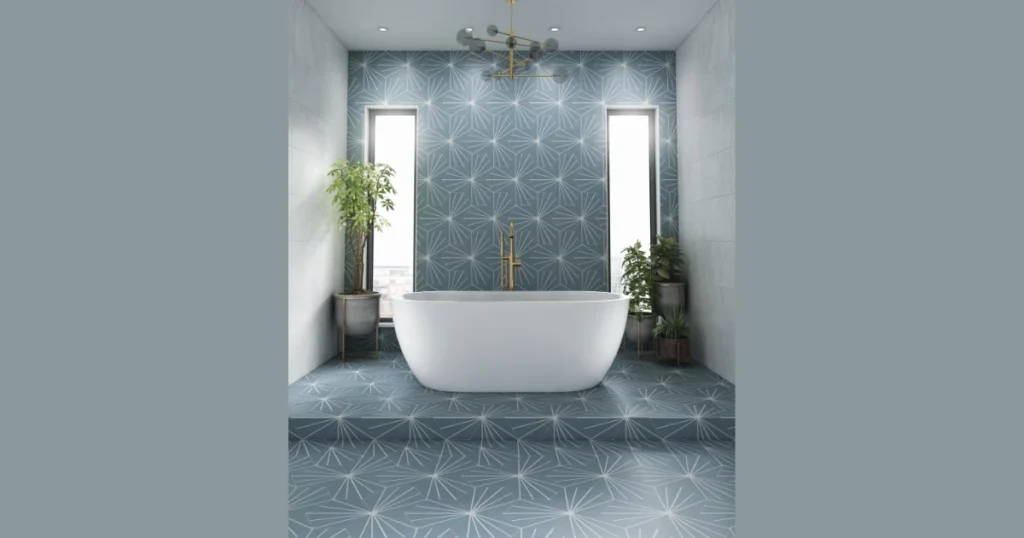
Patterned tiles create a strong visual focal point on bathroom floors. They add personality without needing additional decor elements. Designs can range from subtle to bold depending on preference.
I prefer using patterned tiles in neutral tones because strong colors may feel overwhelming over time. Soft patterns remain stylish for years. They allow flexibility with changing accessories later.
This idea works well in small bathrooms where floors become the main design feature. Visual interest improves the entire space. Statement flooring adds charm quickly.
9. Textured Tiles for Added Depth
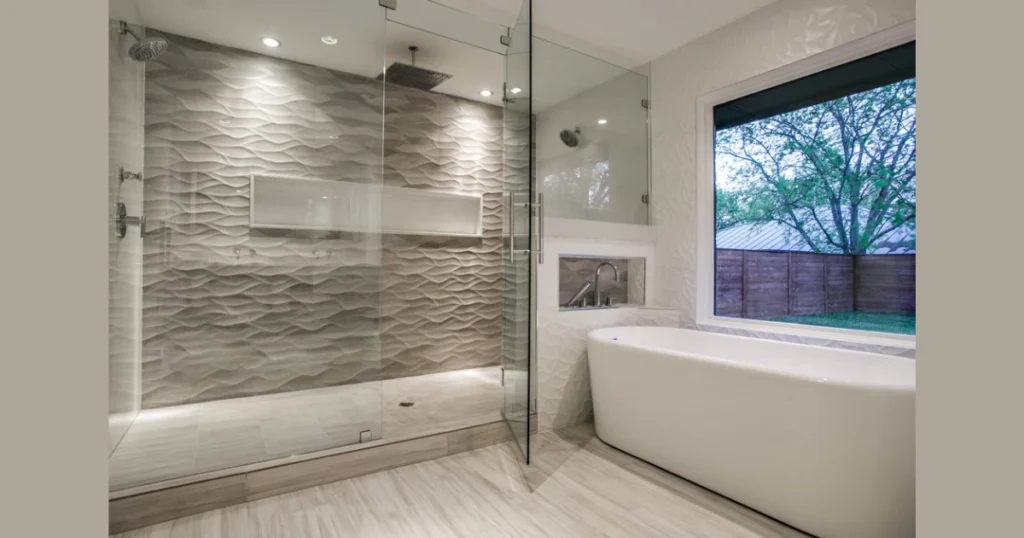
Textured tiles create depth and dimension on walls, making the bathroom feel more dynamic. Light interacts with textured surfaces throughout the day. This produces a visually engaging effect.
I often suggest textured tiles for feature walls because they highlight specific areas beautifully. The surface changes appearance depending on lighting angles. This adds subtle variation without extra decor.
This option also hides water spots or minor marks better than smooth tiles. Maintenance becomes easier over time. Texture improves both function and design.
10. Neutral Color Tiles for a Calm Atmosphere
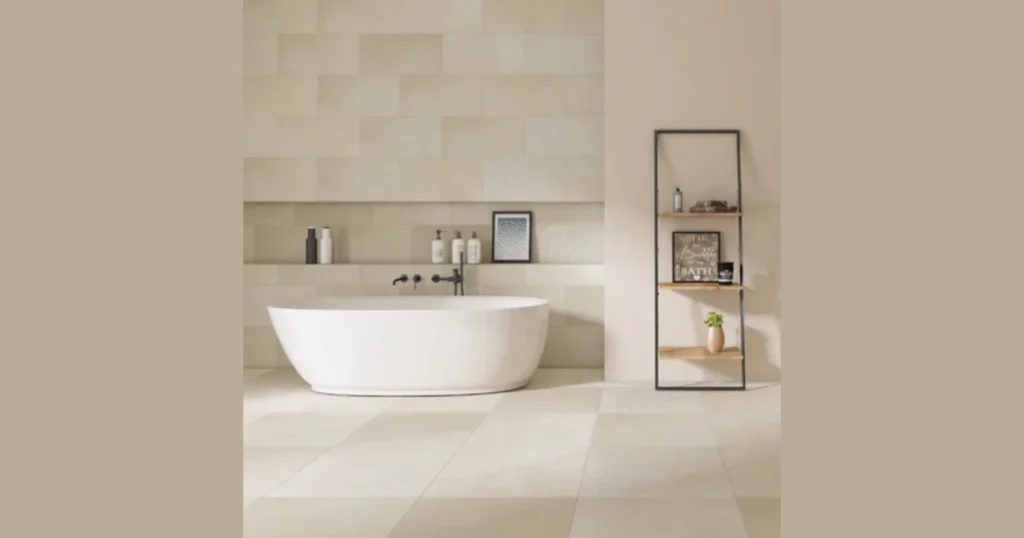
Neutral tiles create a relaxing and clean bathroom environment that remains appealing long-term. Colors like beige, gray, or soft white suit most styles. They also reflect light effectively.
I prefer neutral shades because they match different accessories easily without needing renovation. Changing decor becomes simple and affordable. Flexibility makes neutral tiles practical.
This approach helps the bathroom feel brighter and more spacious. Light tones improve comfort visually. Neutral colors create timeless appeal.
11. Dark Tiles for a Modern Contrast
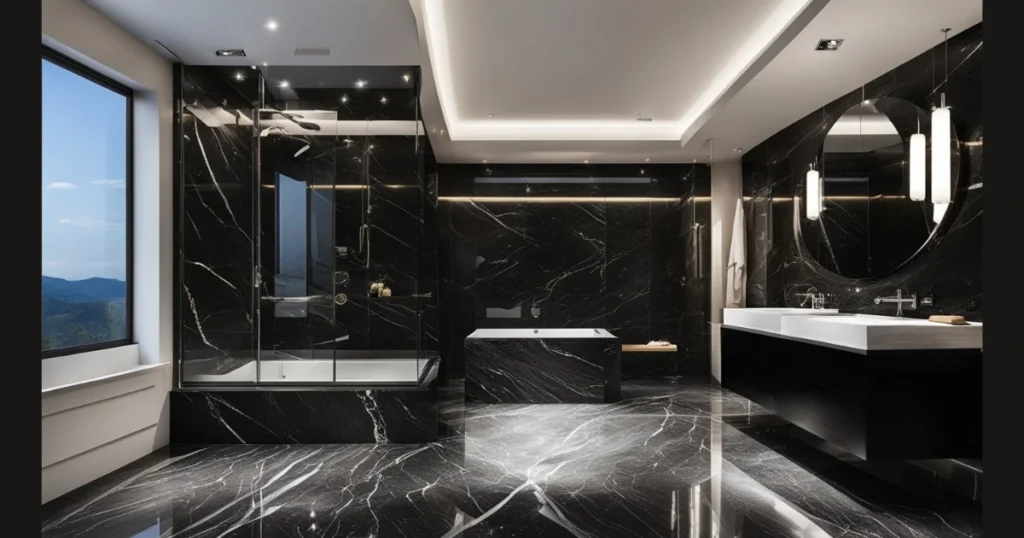
Dark tiles create contrast and depth in bathroom interiors, producing a bold and contemporary look. Deep tones add visual drama when balanced correctly. Lighting plays an important role here.
I like combining dark floor tiles with lighter walls because it maintains balance and prevents heaviness. Contrast enhances the overall design. The space feels modern yet comfortable.
This idea works best in bathrooms with good lighting conditions. Proper illumination keeps the room welcoming. Dark tiles create a strong visual impact when used carefully.
12. Floor to Ceiling Tiles for a Seamless Look
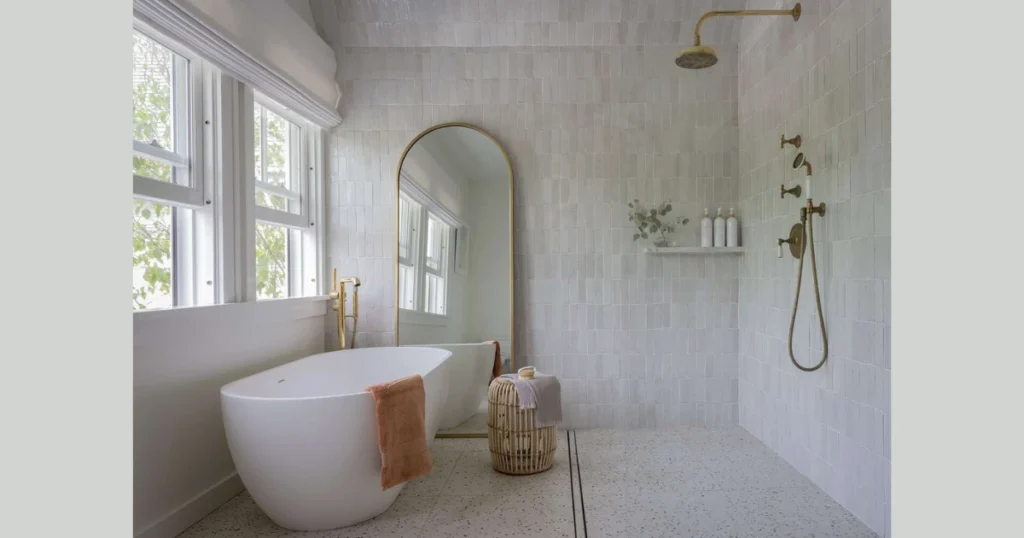
Floor-to-ceiling tiles create a continuous surface that looks clean and organized throughout the bathroom. This approach improves moisture protection as well. It produces a structured design.
I often recommend this layout for shower areas because it prevents water damage on exposed walls. Maintenance becomes easier with fewer painted surfaces. Durability improves significantly.
This design also makes the room appear larger and more cohesive visually. Continuous lines reduce visual breaks. Floor-to-ceiling tiles create a polished finish.
Common Bathroom Tile Mistakes to Avoid
Avoiding mistakes improves both appearance and long term durability of bathroom tiles. Small planning errors can cause big problems later. Careful decisions prevent unnecessary costs.
- Choosing slippery tiles for floors
- Using too many colors or patterns
- Ignoring lighting conditions
- Selecting poor-quality grout
- Not planning the layout before installation
Conclusion
Bathroom tile ideas help improve both style and function when chosen carefully. The right materials, colors, and layouts can completely change how the space feels. Smart planning always produces better results.
I believe the best bathroom tiles combine durability with visual comfort because bathrooms are used daily. Practical decisions reduce maintenance and increase satisfaction over time. Balanced design creates lasting value.
If you apply these tile ideas and tips, your bathroom can feel brighter, more spacious, and more comfortable. Even small tile changes can create a noticeable improvement. Thoughtful choices make the biggest difference.
FAQs
Porcelain tiles work best for bathroom floors because they are durable, water-resistant, and less porous than ceramic tiles.
Light colors like white, beige, or soft gray reflect more light and make the bathroom appear larger and brighter.
Yes, large tiles reduce grout lines and create a continuous surface, which improves the perception of space in small bathrooms.
Ceramic, porcelain, or marble look tiles work well for shower walls because they resist moisture and are easy to clean.
Matte tiles work better for floors because they provide grip, while glossy tiles work well for walls to reflect light.
You should match tile patterns with room size and lighting. Simple patterns work best for small bathrooms to avoid cluttered visuals.