
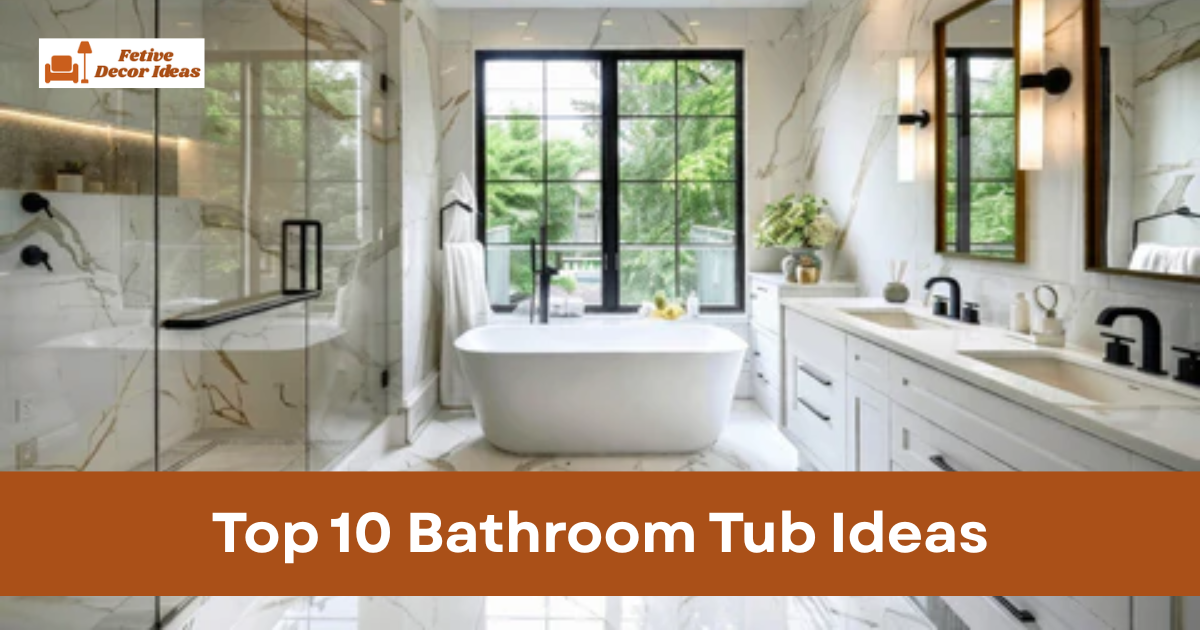
Bathroom tub ideas help you choose the right bathtub for your layout, budget, and lifestyle. Most homeowners want a tub that looks stylish but also feels comfortable. I always suggest balancing design with daily practicality.
The best bathroom tub design depends on space, bathing habits, and overall decor. A well-chosen tub can become the focal point of the entire bathroom. Let me share realistic bathroom tub ideas that work in real homes.
How to Choose the Best Bathroom Tub for Your Space
The right bathtub starts with understanding your bathroom size. I always measure floor area and wall clearance before choosing a tub style. Proper planning prevents regret later.
Think about how you use your bathtub daily. Some people prefer soaking tubs, while others want a shower tub combo. Usage determines design.
Choose materials that match your maintenance level. Acrylic, cast iron, and stone resin all behave differently. Durability matters long term.
1. Freestanding Tub for a Modern Focal Point
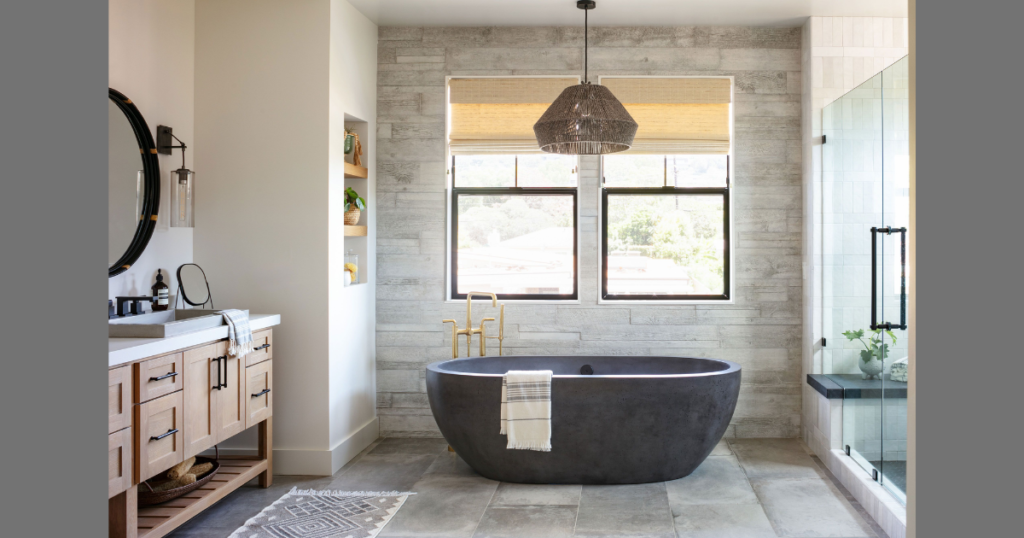
A freestanding tub creates a strong visual statement in any bathroom. It works best in medium to large spaces. I love how it instantly upgrades the room.
Place the tub away from the walls for balanced spacing. Proper clearance makes cleaning easier. Open placement enhances elegance.
Pair it with a floor-mounted faucet for cohesive style. Coordinated fixtures complete the look. This setup feels luxurious without being excessive.
2. Clawfoot Tub for Vintage Charm
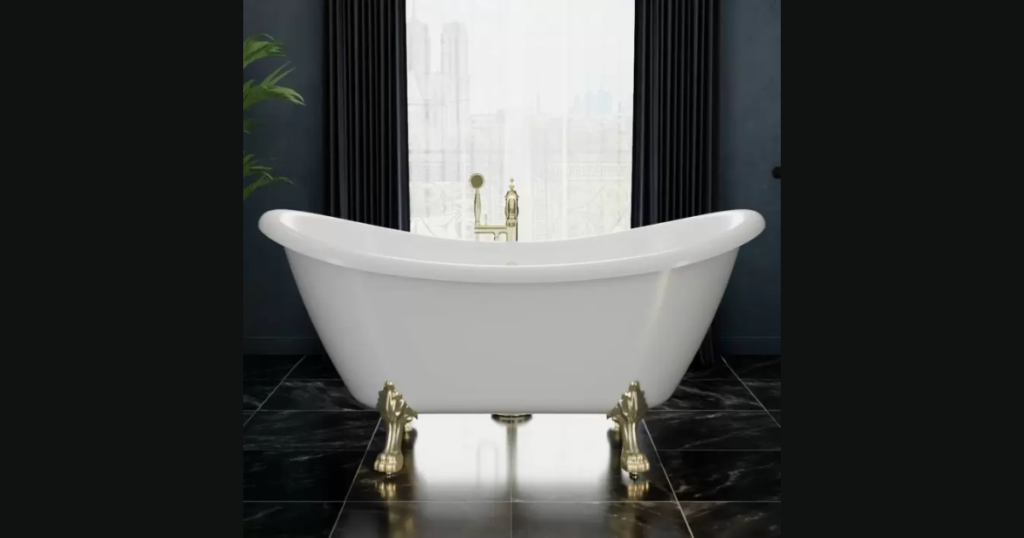
A clawfoot tub adds timeless character to traditional bathrooms. Its curved shape brings softness to sharp layouts. I often recommend it for farmhouse or classic interiors.
Choose white porcelain for a clean appearance. Neutral tones adapt to many color schemes. Durability supports daily use.
Install near a window if possible. Natural light enhances relaxation. Vintage tubs create warm atmosphere.
3. Alcove Tub for Space Efficiency
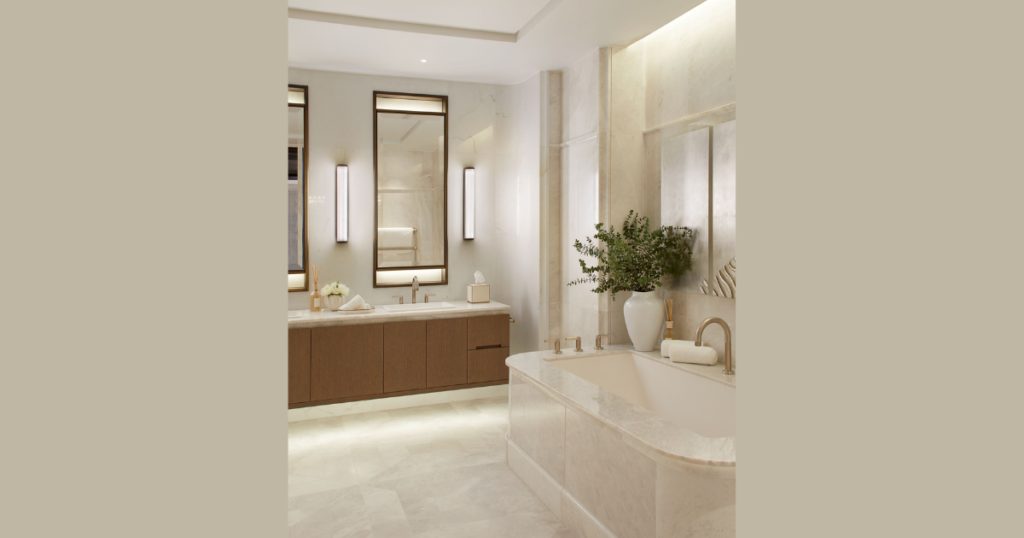
An alcove tub fits neatly between three walls. It works well in small and narrow bathrooms. I suggest this for practical layouts.
Add a tiled surround for visual interest. Wall tiles protect against moisture. Function and design work together here.
Use a shower curtain or a glass panel to combine the shower and the tub. Dual function saves space. Compact solutions often win.
4. Drop-In Tub for Built-In Elegance
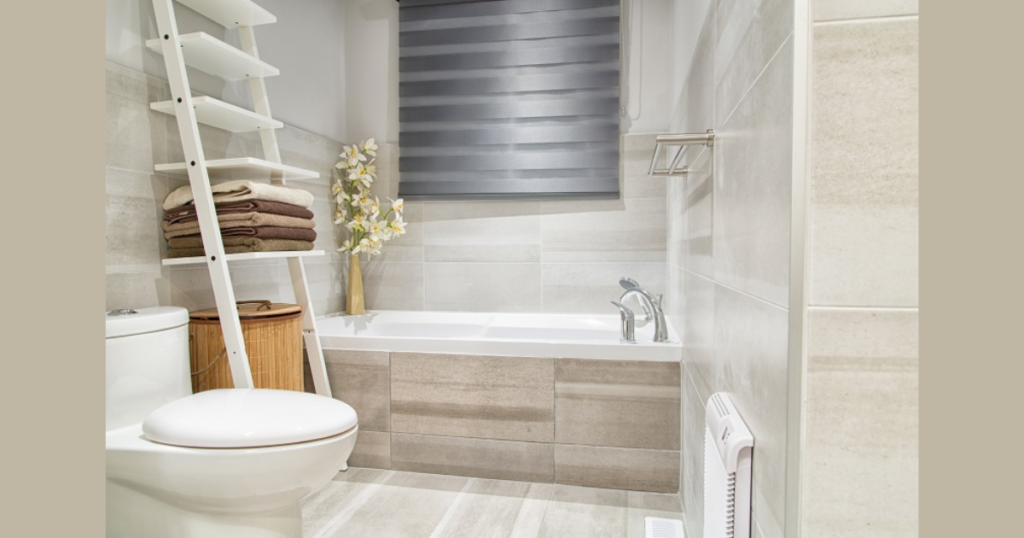
A drop-in tub sits inside a framed deck. It provides a customized look. I recommend this for planned renovations.
Tile the surrounding deck to match the bathroom style. Consistency improves visual flow. Built-in framing feels structured.
Ensure proper waterproofing during installation. Moisture control protects the structure. Professional installation may be required.
5. Corner Tub for Unused Space
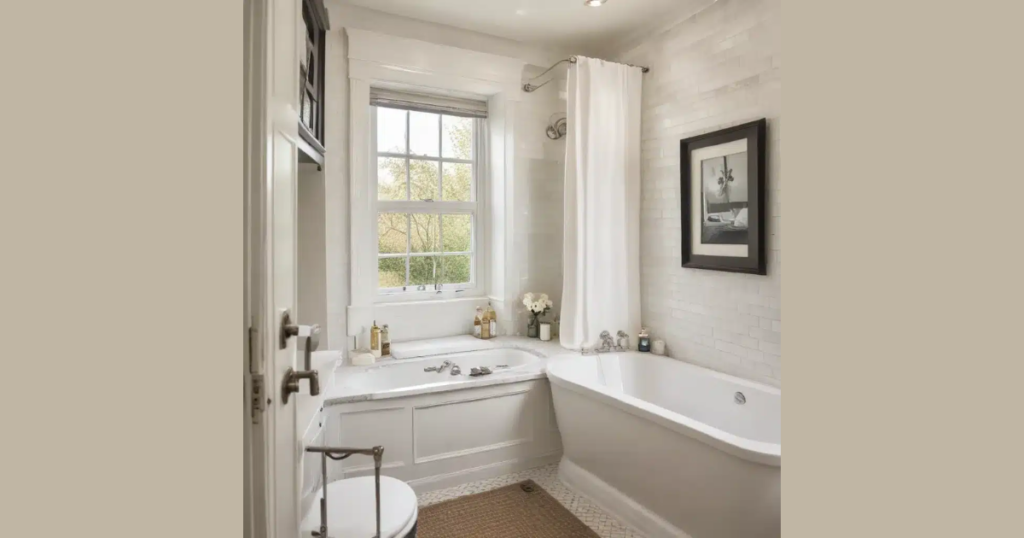
A corner bathtub utilizes awkward layout areas effectively. It fits diagonally to maximize space. I find it useful in larger bathrooms.
Choose rounded shapes to soften corners. Gentle curves improve visual balance. Angular designs may feel bulky.
Add small shelves beside the tub for candles or toiletries. Functional styling enhances comfort. Smart placement makes a difference.
6. Japanese Soaking Tub for Deep Relaxation
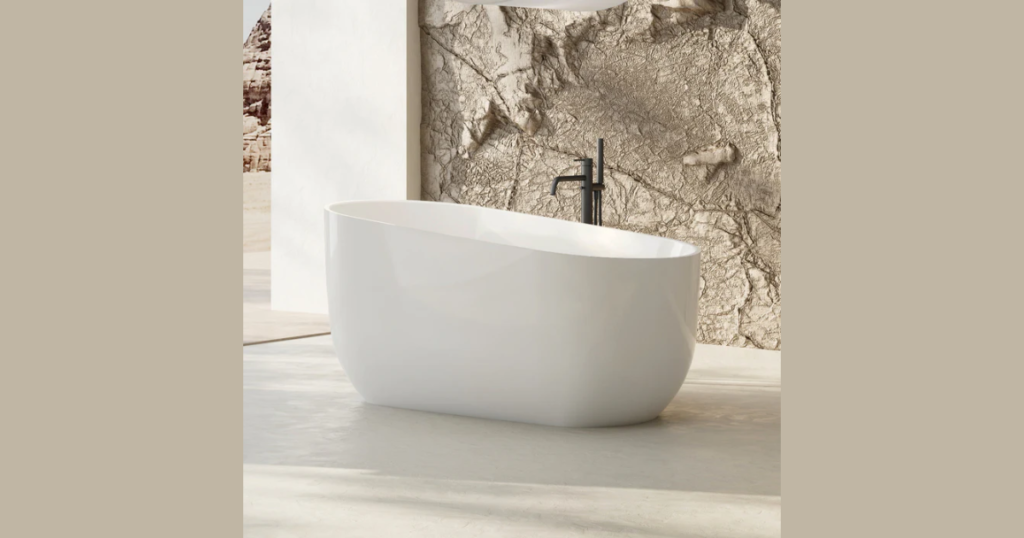
A Japanese soaking tub offers deeper water immersion. Its compact footprint suits small bathrooms. I appreciate its efficient design.
The vertical depth allows full-body soaking. Relaxation improves despite a smaller size. Depth matters more than length here.
Choose simple finishes for minimalist appeal. Clean lines support a calm atmosphere. This idea works well in modern homes.
7. Shower and Tub Combo for Practical Use
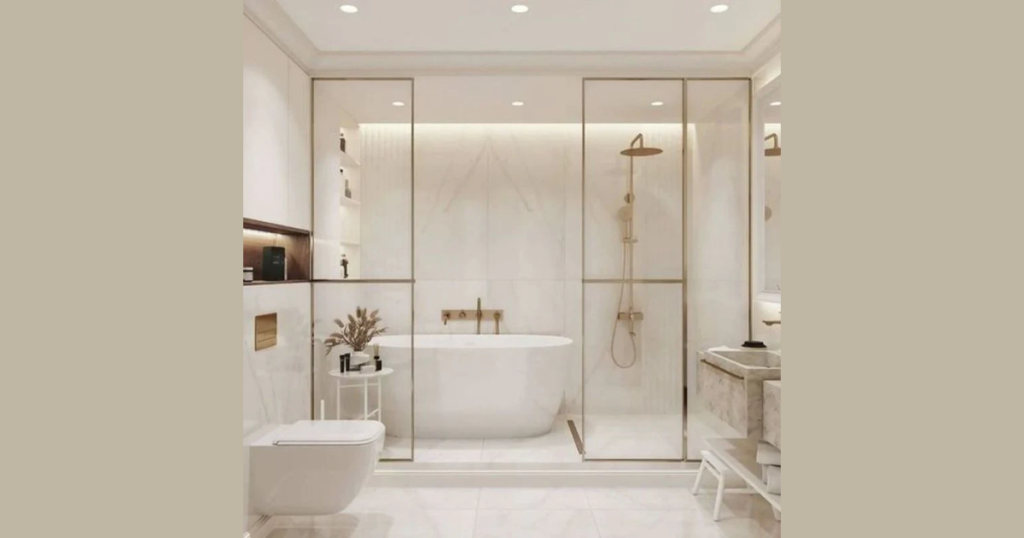
A shower and tub combo provides maximum flexibility. It suits families and shared bathrooms. I often suggest this for functional homes.
Install a glass panel instead of heavy curtains. Glass keeps the bathroom brighter. Light improves visual space.
Use waterproof wall panels or tiles around the tub. Proper protection prevents leaks. Practical planning saves money.
8. Walk-In Tub for Safety and Comfort
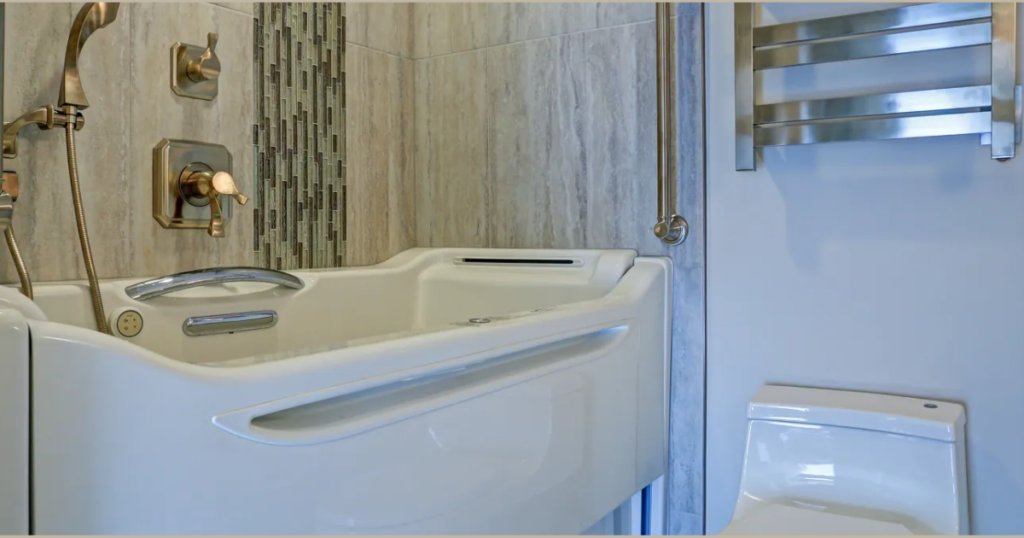
A walk-in tub improves accessibility and safety. It includes a door for easy entry. I recommend this for elderly homeowners.
Built-in seating enhances comfort. Support features increase stability. Safety should not compromise style.
Choose models with simple control panels. Ease of use matters daily. Function remains a priority.
9. Stone Resin Tub for Contemporary Style
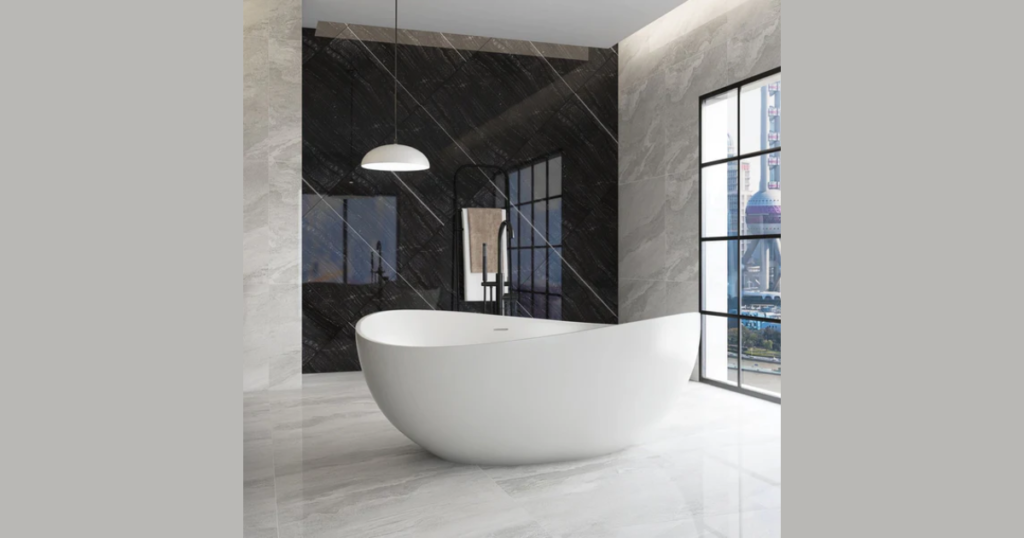
A stone resin tub offers a solid and modern look. It feels heavier and more refined. I like its matte finish.
The material retains heat longer than acrylic. Warm water stays comfortable. Efficiency improves the bathing experience.
Choose neutral tones like white or gray. Subtle colors enhance sophistication. Clean surfaces simplify maintenance.
10. Built-In Tub with Tile Surround for Seamless Design
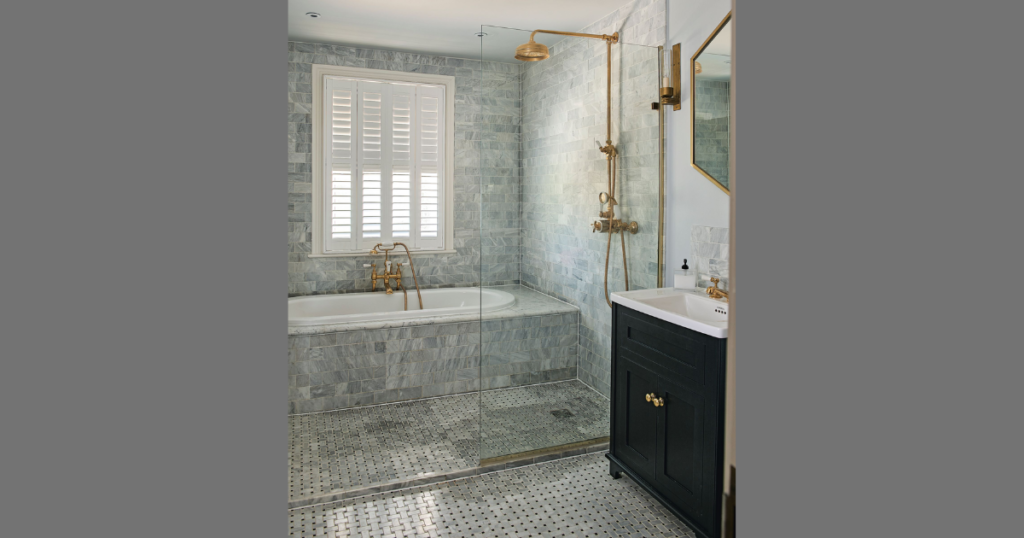
A built-in tub with tile surround blends into the layout smoothly. It creates a cohesive appearance. I prefer this for minimalist bathrooms.
Match tile color with flooring for continuity. Consistency enhances flow. Uniform surfaces look organized.
Add a recessed niche above the tub for storage. Integrated storage reduces clutter. Practical design improves usability.
Conclusion
Bathroom tub ideas should combine style, comfort, and practicality. Options like freestanding tubs, alcove tubs, soaking tubs, and shower combos offer flexibility for different spaces. I always suggest choosing a tub that matches your bathroom size and daily routine.
Smart planning makes your bathtub a functional centerpiece rather than a design mistake. Material choice, layout, and installation details influence long-term satisfaction. A well-chosen tub enhances both relaxation and home value.
If you focus on realistic needs instead of trends, your bathroom tub upgrade will feel comfortable and purposeful. Balanced decisions create lasting results.
FAQs
An alcove tub or Japanese soaking tub works best. These designs save floor space.
Freestanding tubs look elegant but require more space. They work best in larger bathrooms.
Acrylic suits budget-friendly projects, while cast iron retains heat longer. Material depends on preference.
Yes, a shower and tub combo maximizes functionality. It suits families and small bathrooms.
Corner tubs work well in spacious bathrooms. They utilize the unused layout
Related Posts
- Top 14 Bathroom Storage Solutions
- 15 Best Farmhouse Bathroom Ideas
- Top 10 Bathroom Upgrading Ideas
- 11 Best Bathroom Appliances Ideas
- Top 12 Bathroom Sign Ideas
- 13 Best Bathroom Stuff Ideas
Recommended for You


