
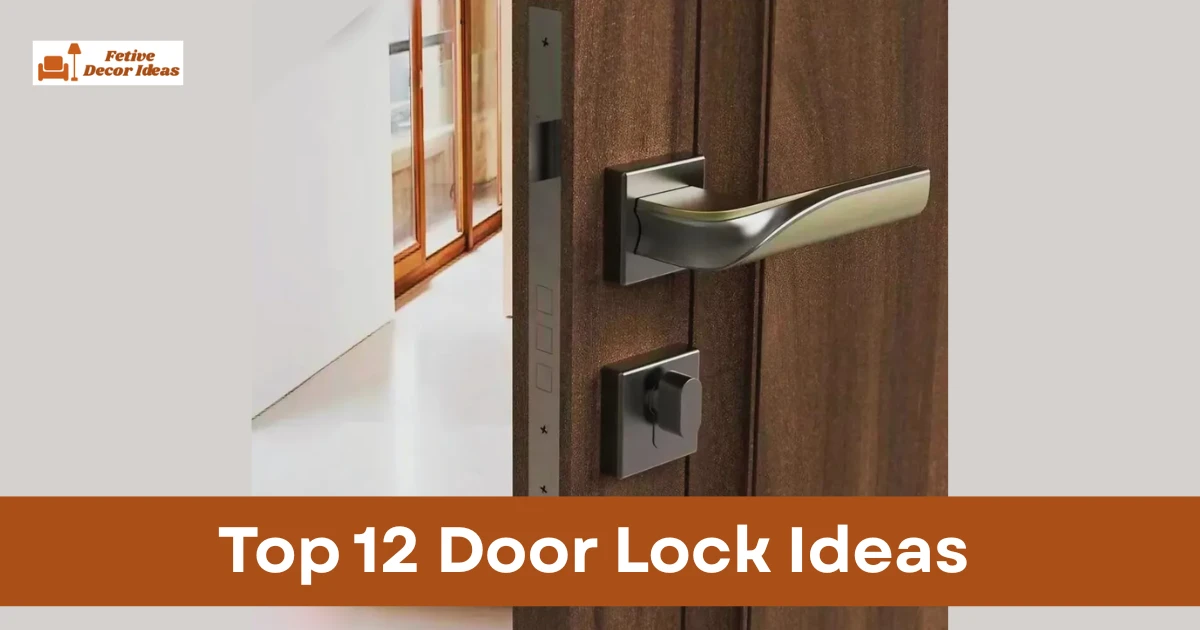
Door lock ideas help homeowners choose better locking systems for safety and convenience. A strong door lock protects the house and improves daily usability.
Many modern homes now upgrade their locks to match both security and door design. The right lock can improve protection and also look stylish.
In this guide, I share practical door lock ideas that people commonly use for front doors and interior doors.
Why Door Locks Matter for Home Safety
Door locks protect the house from unwanted entry. A reliable lock makes homeowners feel secure.
Many people upgrade locks when renovating doors or improving home security. Modern locks now offer convenience along with protection.
I usually recommend selecting a lock that matches the door type and the security level needed.
1. Deadbolt Door Lock
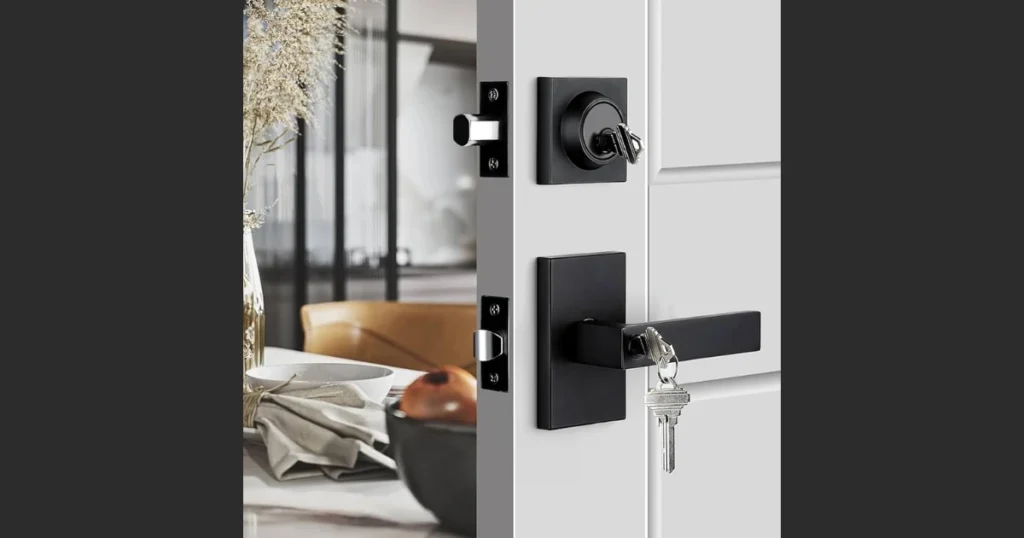
A deadbolt door lock provides strong security for entry doors. The bolt moves deep into the door frame when locked.

Many homeowners install deadbolts on front doors and back doors. The lock creates strong resistance against forced entry.
I personally recommend deadbolts because they remain one of the most reliable door lock options.
2. Smart Digital Door Lock
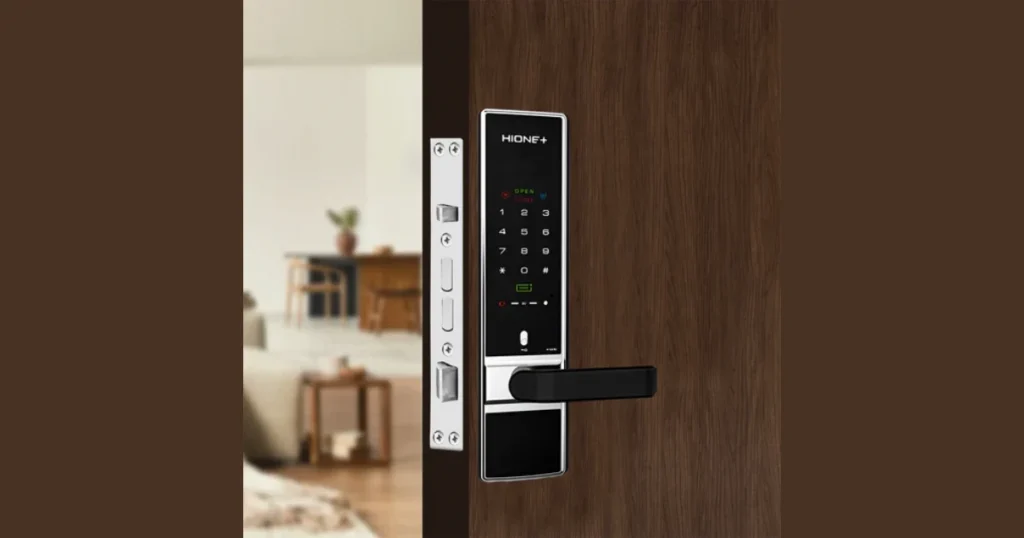
A smart digital door lock allows access using codes or mobile devices. The system removes the need for traditional keys.
Many modern homes install digital locks for convenience and security. Some models connect with smartphones.
I like digital locks because they make access easier for family members.
3. Mortise Door Lock
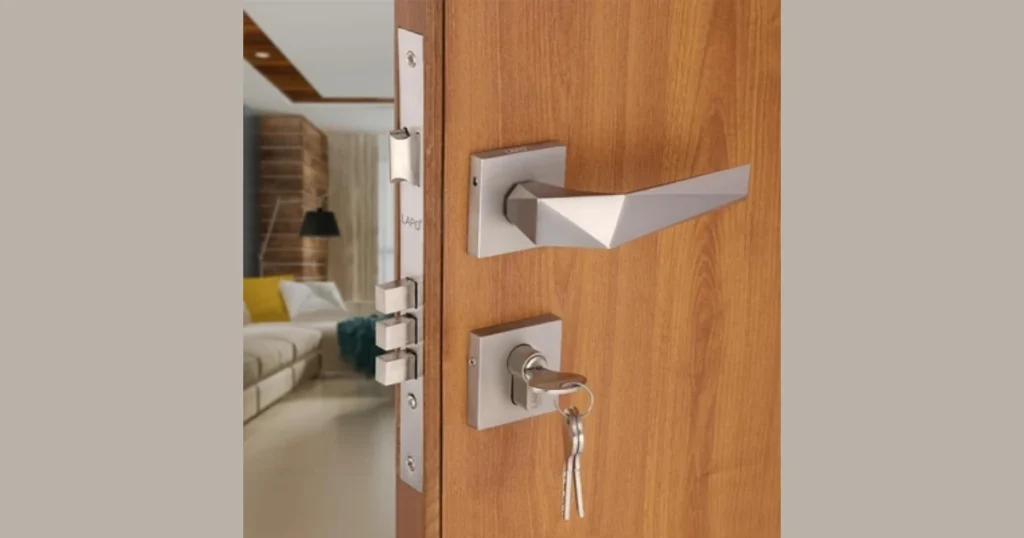
A mortise door lock fits inside a pocket cut into the door. The internal structure makes the lock strong and durable.
Many traditional homes use mortise locks on heavy wooden doors. The design combines strength with classic style.
I recommend mortise locks for doors that require long-term durability.
4. Keypad Door Lock
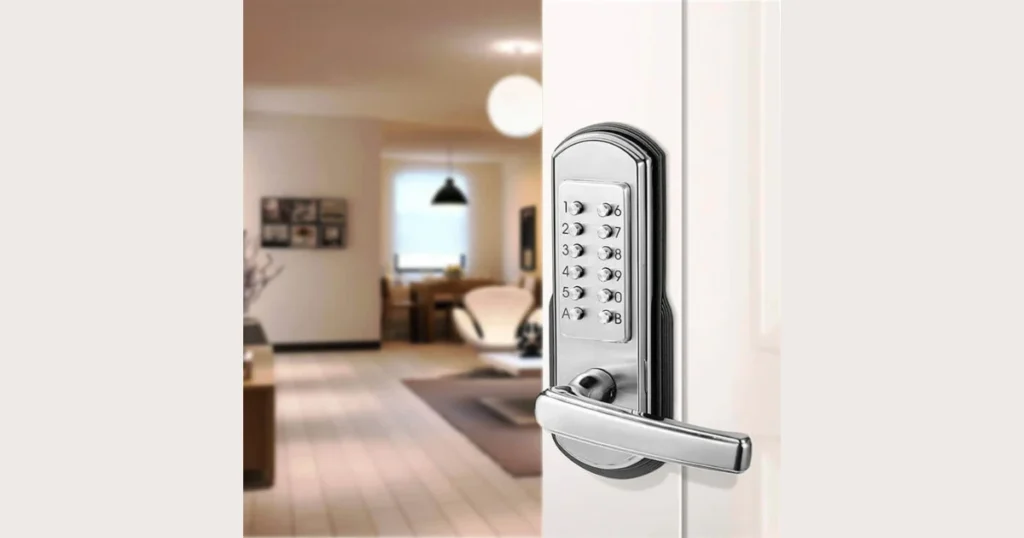
A keypad door lock uses a numeric code to unlock the door. Users simply enter the correct code on the keypad.
Many homeowners install keypad locks on front doors or rental properties. The system allows quick access without keys.
I often suggest keypad locks because they allow easy code changes.
5. Smart Fingerprint Door Lock
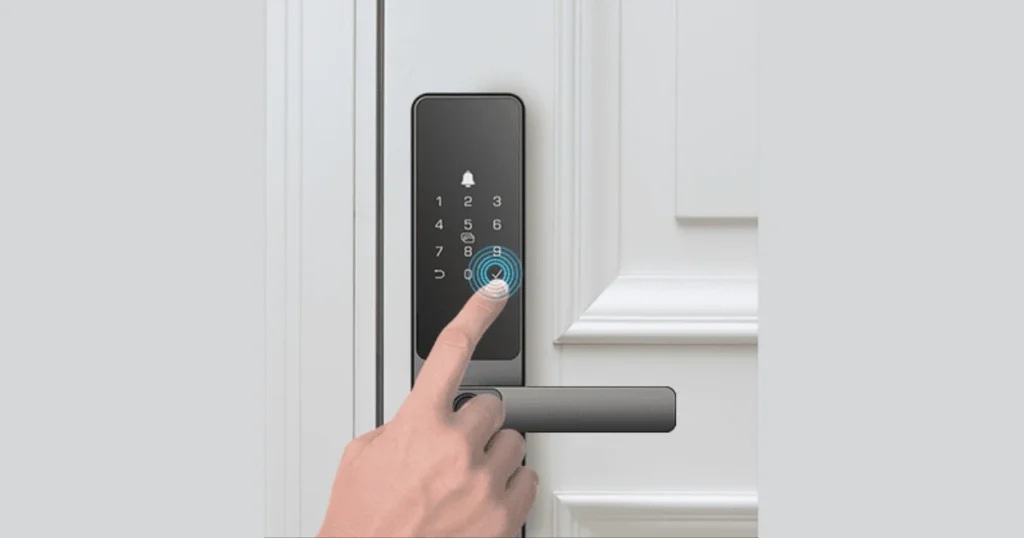
A fingerprint door lock opens when the system scans an authorized fingerprint. The technology removes the need for keys or codes.
Many modern homes install fingerprint locks for convenience. The system allows quick access for registered users.
I personally like fingerprint locks because they combine security with ease of use.
6. Chain Door Lock
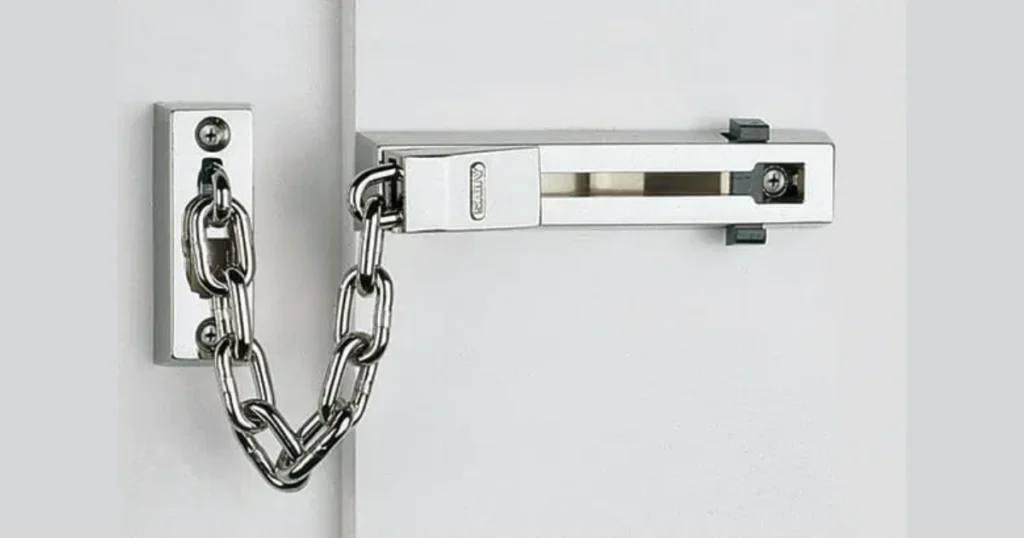
A chain door lock allows partial opening of the door while keeping it secured. The chain connects the door to the frame.
Many apartments install chain locks for extra safety. The device allows residents to check visitors before opening the door fully.
7. Sliding Bolt Door Lock
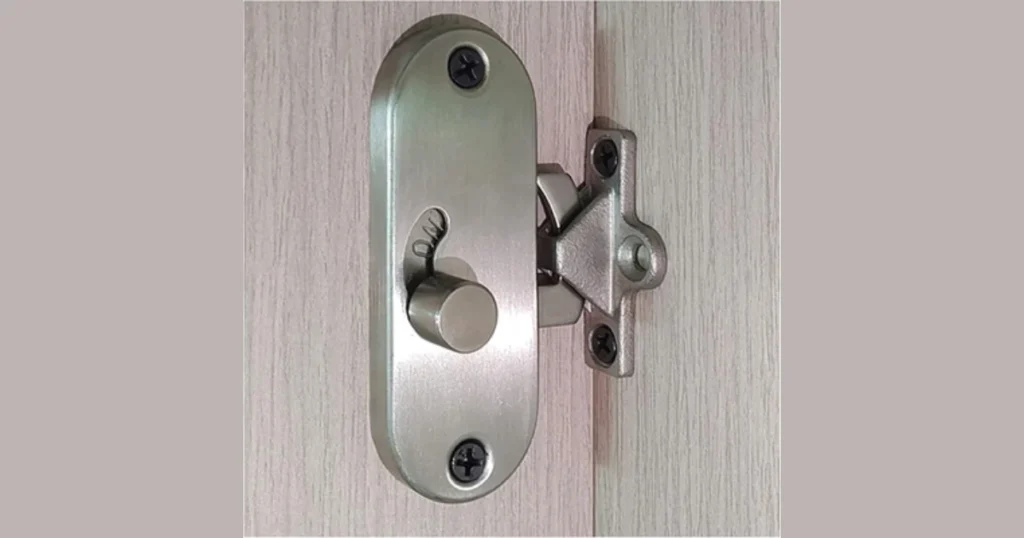
A sliding bolt door lock provides a simple locking solution for interior doors. The metal bolt slides into a small latch on the frame.
Many homeowners install sliding bolts on bathroom doors or storage rooms. The design stays easy to operate and install.
I often recommend sliding bolt locks for spaces where simple privacy matters.
8. Lever Handle Door Lock
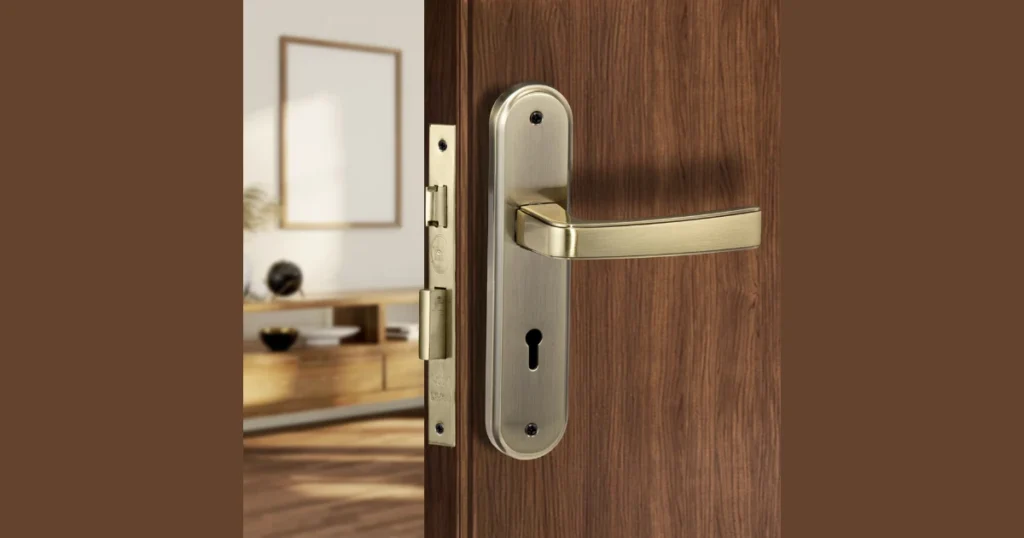
A lever handle door lock combines a handle and a lock in one unit. The lever shape makes opening the door easier.
Many modern homes install lever handle locks on bedroom and hallway doors. The design works well for daily use.
I personally like lever locks because they remain comfortable to use for all ages.
9. Rim Door Lock
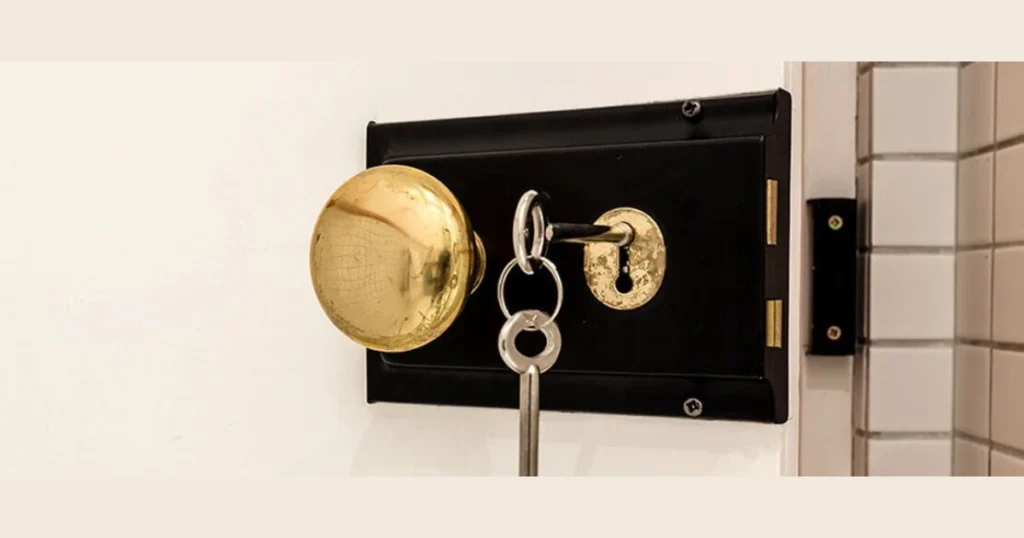
A rim door lock sits on the surface of the door instead of inside it. The external design allows easy installation.
Many older homes still use rim locks on wooden doors. The lock provides reliable security for entry doors.
I suggest rim locks for doors where internal lock installation becomes difficult.
10. Magnetic Door Lock
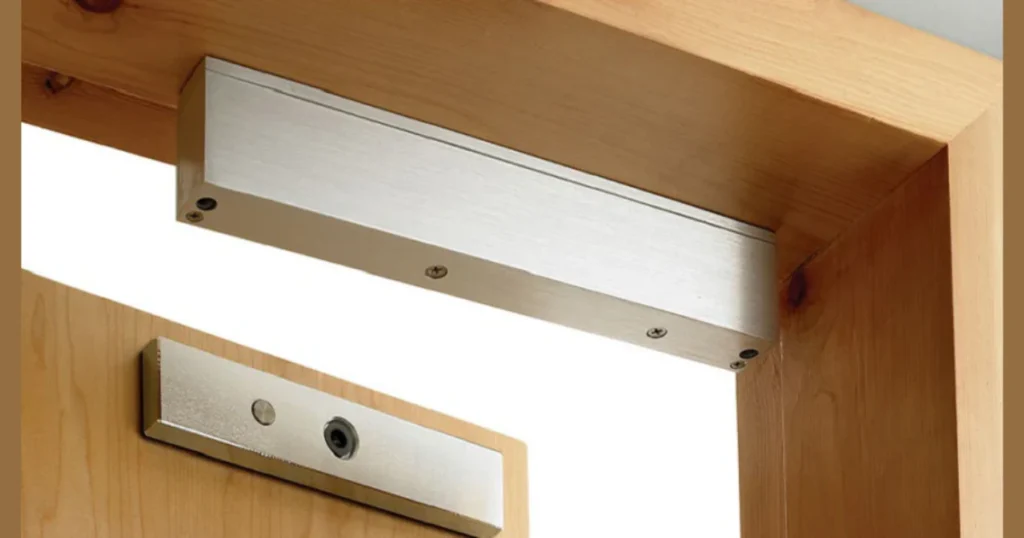
A magnetic door lock uses magnetic force to secure the door. The system keeps the door locked when the magnet stays active.
Many office buildings use magnetic locks for controlled entry systems. The lock connects with electronic access control.
I recommend magnetic locks for locations that require controlled access.
11. Double Cylinder Door Lock
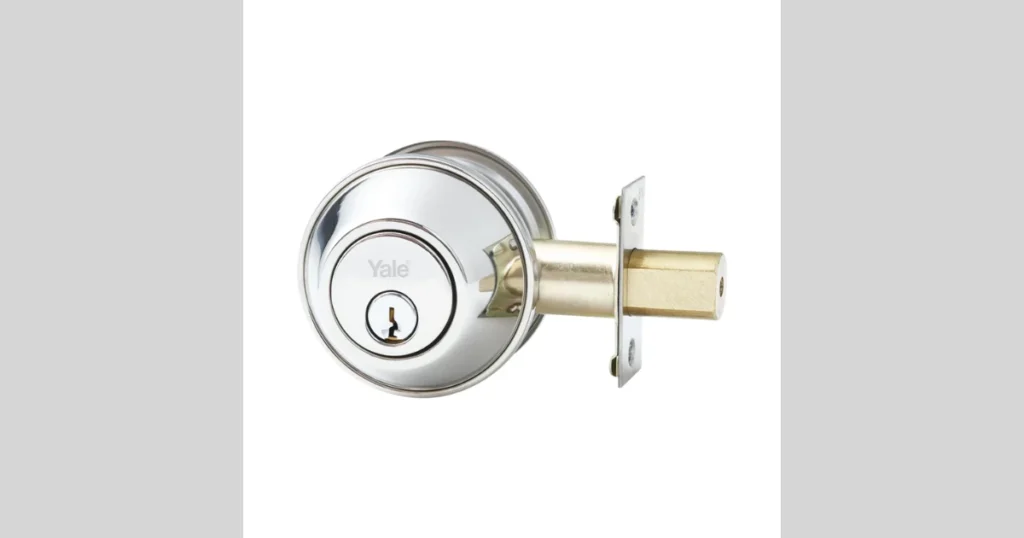
A double cylinder door lock requires a key on both sides of the door. The design improves security for doors with glass panels.
Many homes install this lock on doors where someone could reach the lock from outside.
I personally recommend double cylinder locks when extra protection is necessary.
12. Knob Lock Door System
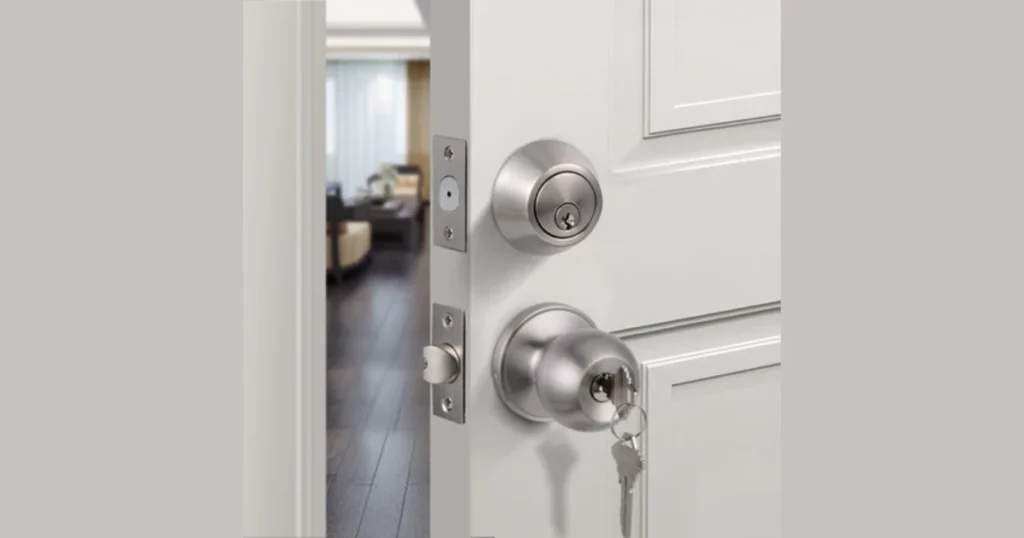
A knob lock door system places the locking mechanism inside the door knob. The lock activates when the knob turns.
Many interior doors, such as bedrooms and bathrooms, use knob locks. The system provides privacy and simple security.
I often suggest knob locks for interior spaces where strong security is not required.
Tips for Choosing the Right Door Lock
Choosing the right door lock improves both security and convenience. A well-selected lock protects the home effectively.

Many homeowners consider the door type before installing a lock. Front doors usually require stronger locking systems.
I usually recommend combining multiple locks for better safety.
Important Factors to Consider
- Type of door, such as an entry door or interior door
- Required security level
- Lock durability and material
- Ease of installation
- Compatibility with door hardware
Conclusion
Choosing the right door lock ideas helps improve home security and daily convenience. A strong lock protects the house and provides peace of mind.
In this guide, I shared twelve practical door lock options that homeowners commonly use. Each type offers different security levels and features.
When I select a door lock, I focus on security strength, reliability, and ease of use. A good lock should protect the door without making daily use complicated.
FAQs
Deadbolt locks remain one of the strongest door lock options for home security.

Yes. Modern smart locks provide strong security and convenient keyless access.
Many locks allow simple installation using basic tools.
Knob locks and sliding bolt locks often work well for interior doors.
Many security experts recommend using a deadbolt along with another lock.
Yes. Fingerprint locks allow access only to registered users.