
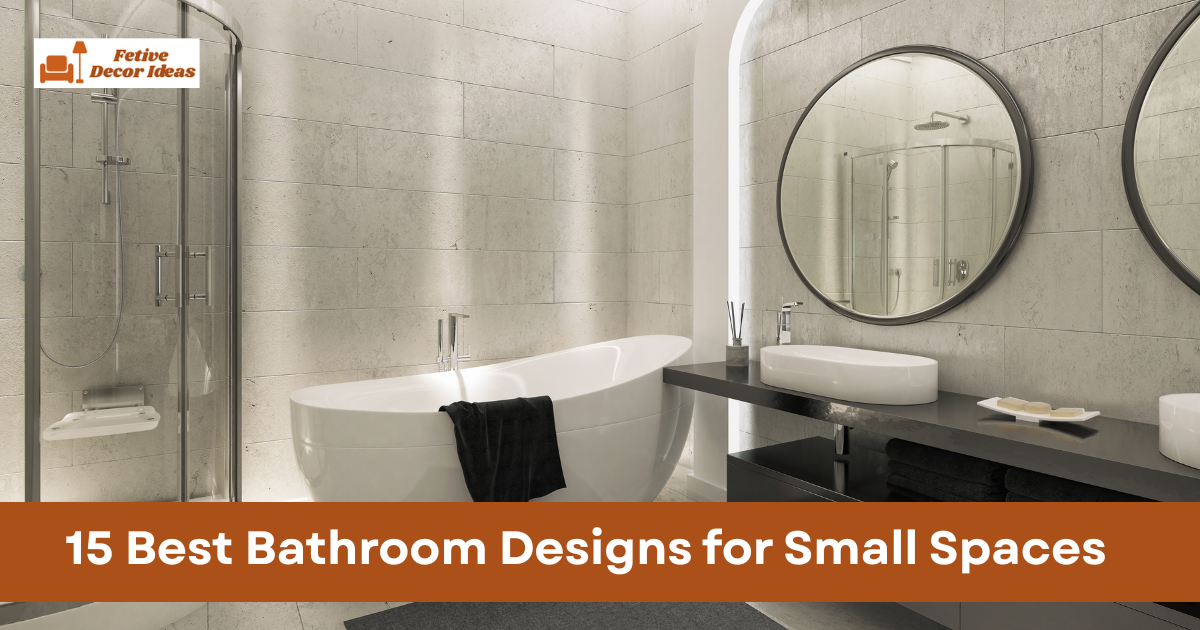
Bathroom designs for small spaces focus on smart layout planning, compact fixtures, and efficient use of every inch to improve comfort. I always tell homeowners that design matters more than size when space feels limited.
Many people struggle with movement space, storage placement, and poor fixture arrangement in compact bathrooms. These problems usually happen because of poor layout decisions instead of actual size limitations. Smart design choices can fix most issues.
In this guide, I share realistic bathroom designs for small spaces that work in apartments, small homes, and guest bathrooms. Every idea focuses on function, comfort, and visual openness together. You can apply these solutions without unrealistic renovation costs.
What Makes a Small Bathroom Design Work Efficiently
A successful small bathroom design uses space wisely by reducing wasted areas and improving fixture placement. I usually recommend planning movement flow before selecting furniture or decor. A good layout creates comfort instantly.
Compact fixtures, wall-mounted elements, and vertical storage improve usability without overcrowding the room. These features allow better movement and accessibility during daily routines. Function always comes first.
Lighting and color choices also affect how spacious a bathroom feels. Bright surfaces and reflective materials create openness even in tight areas. Visual perception matters as much as physical size.
1. Linear Layout Bathroom Design for Narrow Spaces
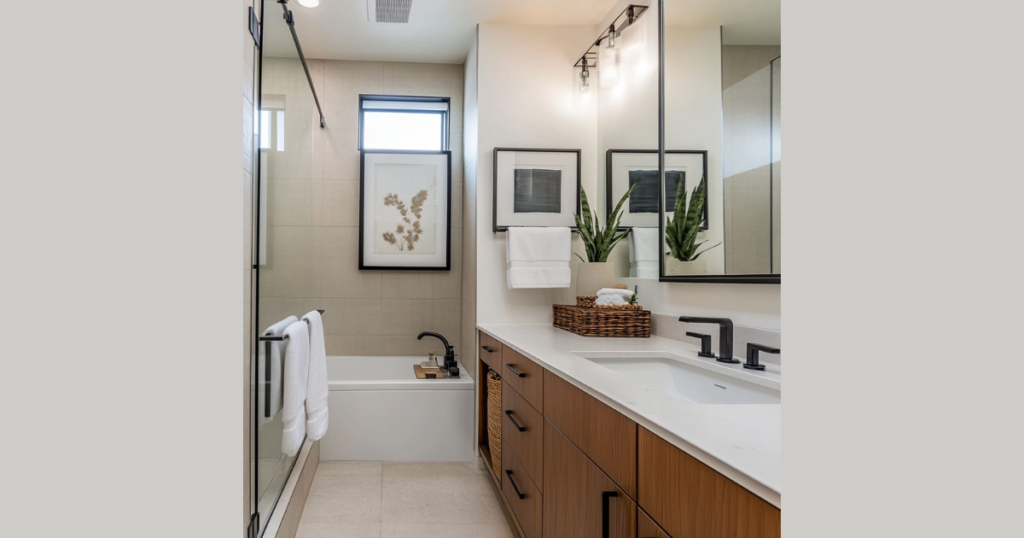
A linear layout works well in narrow bathrooms because fixtures align along one wall to maintain movement space. I often recommend this design for hallway-style bathrooms where width feels limited. Straight placement improves accessibility.
Placing the sink, toilet, and shower in sequence creates a clean and organized arrangement. This setup reduces wasted corners and allows easier plumbing connections. Efficient planning simplifies installation.
Glass partitions or minimal barriers help maintain openness within the layout. Clear sightlines make the bathroom feel longer than it actually is. Visual continuity improves comfort.
2. Corner Shower Layout for Maximum Floor Space
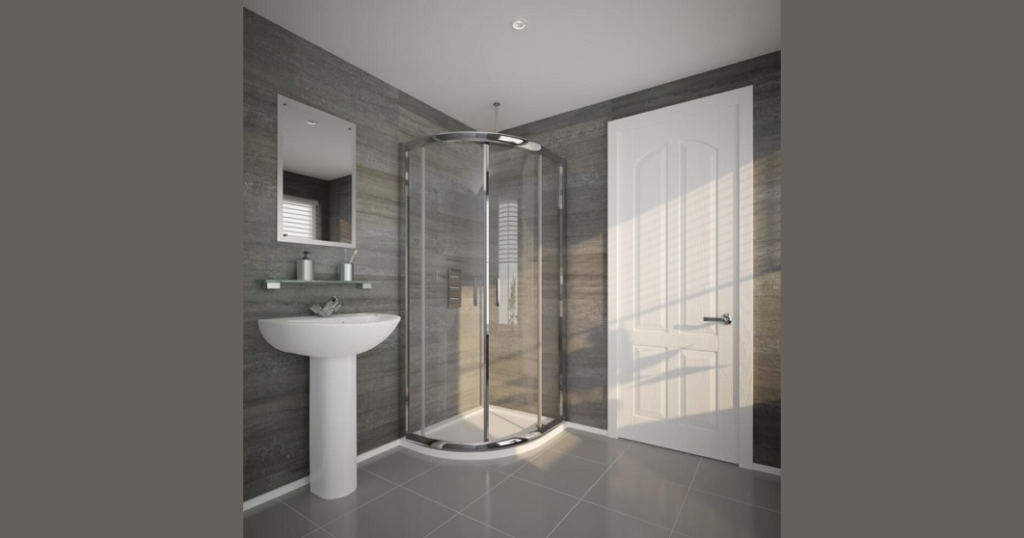
A corner shower design saves space because it uses areas that often remain unused in small bathrooms. I usually suggest this approach when homeowners want better walking clearance. Corner placement improves flexibility.
Curved or angled shower enclosures reduce sharp edges and improve movement flow around fixtures. Smooth transitions create safer navigation in tight spaces. Comfort increases significantly.
Compact shower units also allow room for additional storage or vanity placement nearby. Efficient design supports multiple functions within a limited space. Smart positioning changes usability.
3. Wall-Mounted Fixture Layout for Open Floor Design
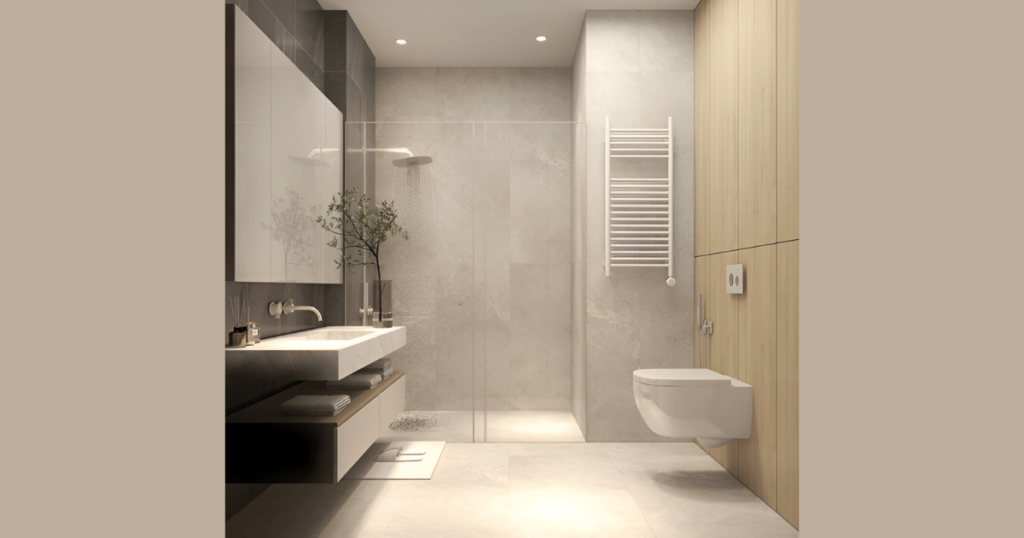
Wall-mounted fixtures improve small bathroom design because they free up floor space and reduce visual weight. I often recommend floating sinks and toilets for this reason. The exposed floor creates openness.
Hidden plumbing inside walls also creates a cleaner appearance compared to traditional fixtures. Minimal visual clutter supports modern design preferences. Simplicity improves comfort.
Wall-mounted layouts also make cleaning easier because fewer obstacles exist on the floor. Maintenance convenience matters in daily life. Practical benefits support the design.
4. Wet Room Design for Compact Bathrooms
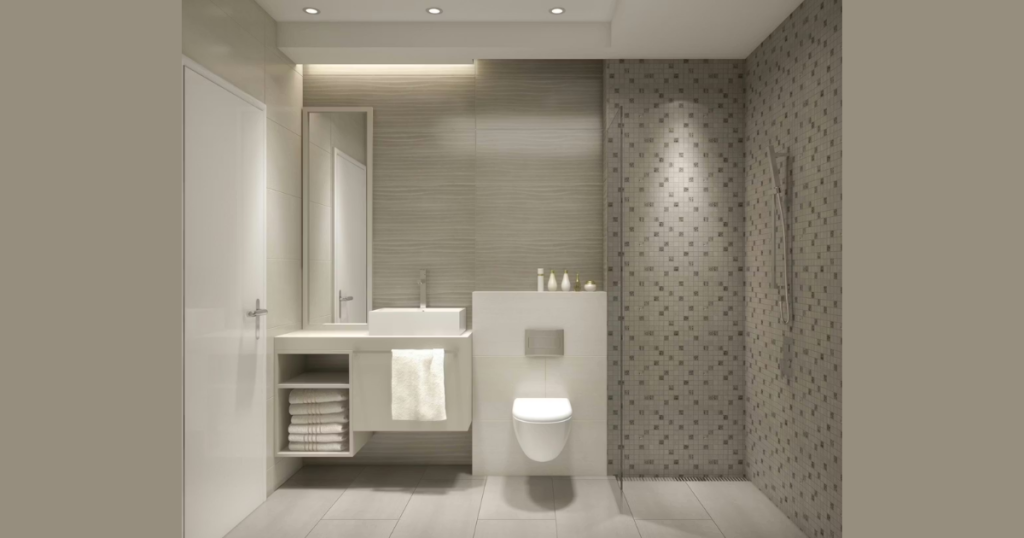
A wet room design removes separate shower enclosures and combines the entire bathroom into one waterproof space. I recommend this option when space feels extremely limited. Open design improves movement.
Floor drainage systems and waterproof walls prevent water damage while maintaining functionality. Proper installation ensures durability and safety. Planning is important.
The absence of bulky shower structures creates a larger visual area within the bathroom. Continuous flooring expands perception of space. Minimal barriers improve usability.
5. L-Shaped Layout for Balanced Fixture Placement
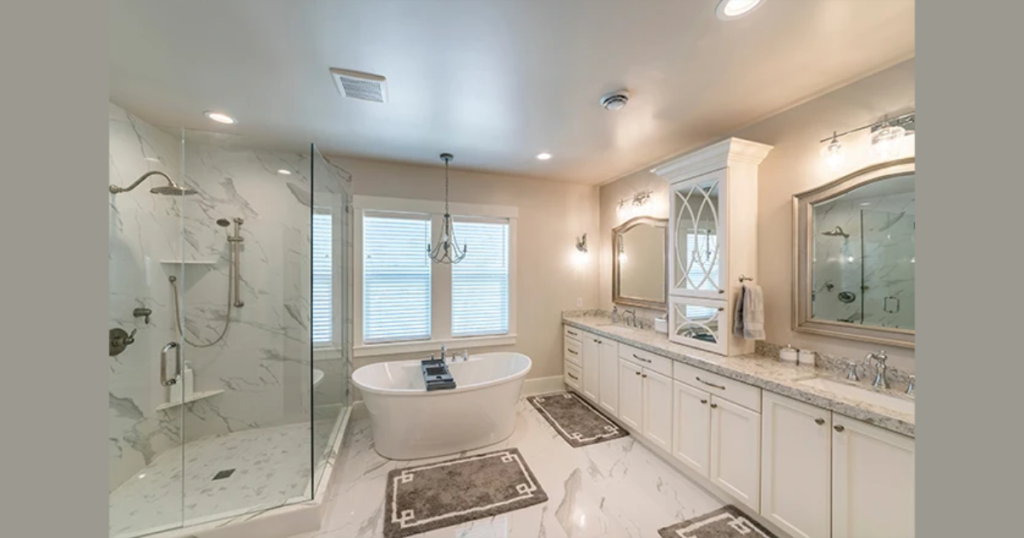
An L-shaped layout works well when you want to divide functions without overcrowding the room. I often suggest placing the vanity on one wall and the shower on another. Separation improves organization.
This arrangement creates a natural movement path through the bathroom while maintaining accessibility. Balanced placement prevents congestion near entrances. Flow improves comfort.
L-shaped designs also allow better lighting distribution across the space. Multiple walls provide options for mirrors and fixtures. Flexibility enhances usability.
6. Compact Vanity and Storage Combination Design
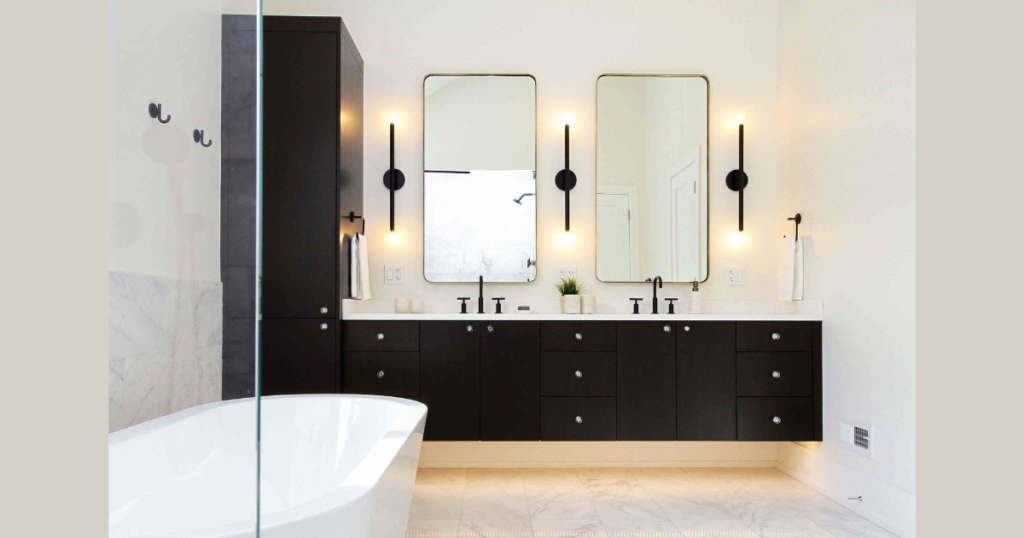
A compact vanity combined with built-in storage supports functionality in small bathroom layouts. I usually recommend narrow vanities with vertical cabinets above or beside them. Combined storage reduces clutter.
Integrated storage keeps essentials organized while maintaining a clean appearance. Hidden compartments prevent overcrowded countertops. Organization improves comfort.
Slim-profile furniture also allows more walking space around fixtures. Better clearance enhances usability during daily routines. Efficient furniture placement matters.
7. Sliding Door Bathroom Design for Space Saving
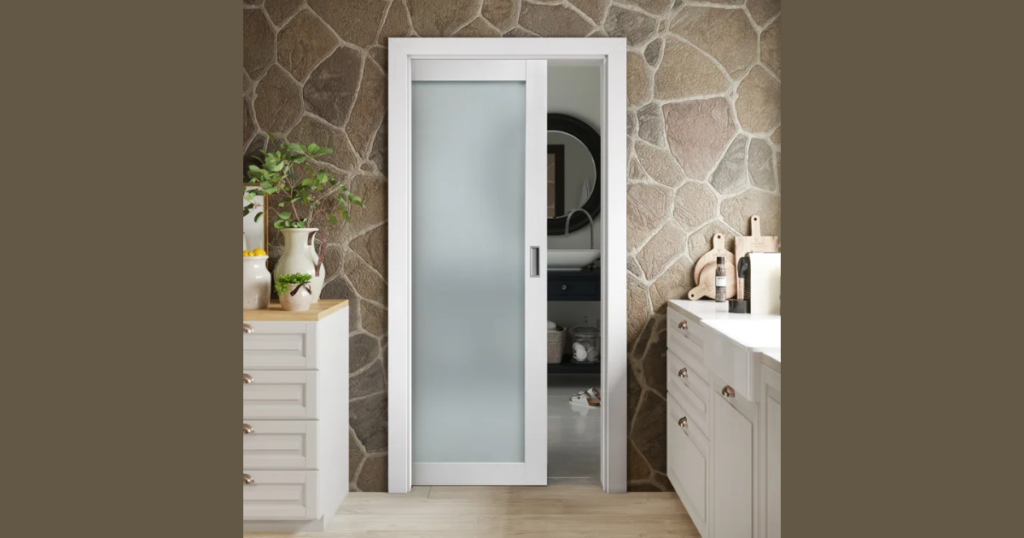
Sliding doors improve small bathroom design because they eliminate the swing clearance required by traditional doors. I often suggest pocket doors or sliding panels for tight layouts. Movement space increases.
Sliding doors also create a cleaner visual line compared to hinged doors. Smooth surfaces support modern design styles. Minimal hardware improves aesthetics.
This design choice becomes especially helpful in apartments or compact homes where hallway space feels limited. Efficient entry improves functionality. Small adjustments create impact.
8. Split Zone Bathroom Design for Multi-Function Use
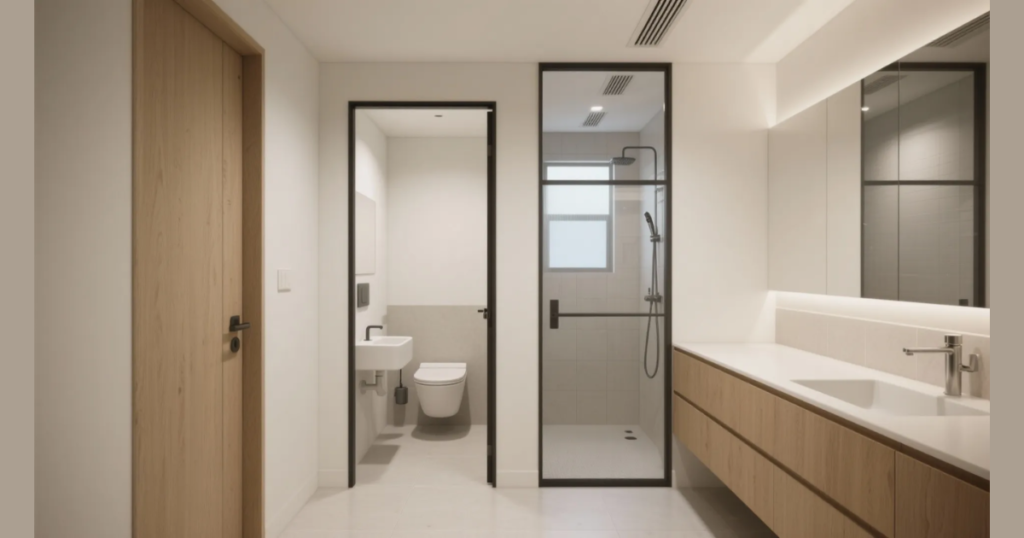
A split zone design improves small bathroom usability because it separates wet and dry areas without needing extra space. I often recommend placing the sink outside the shower area when possible. Separation reduces congestion during busy routines.
Partial glass dividers or half walls help define zones while maintaining openness. Visual boundaries improve organization without making the space feel smaller. Balanced separation supports functionality.
This layout works especially well for families because multiple people can use different sections simultaneously. Efficient zoning improves convenience in daily life. Practical design solves common problems.
9. Floating Storage Wall Design for Vertical Efficiency
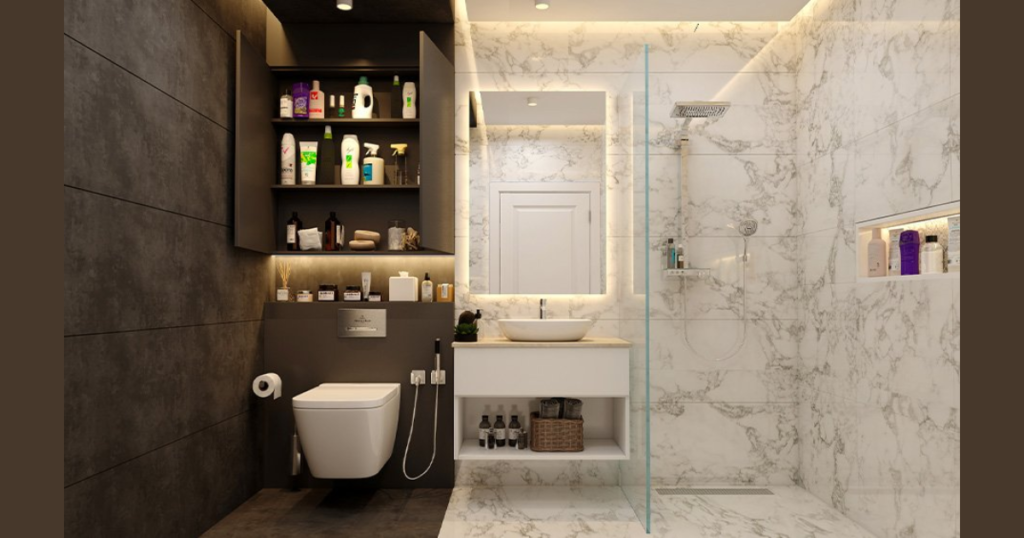
A floating storage wall uses vertical space effectively because it combines shelves, cabinets, and mirrors in one section. I suggest this layout when floor space feels extremely limited. Vertical organization increases storage capacity.
Wall-mounted storage keeps the floor clear, which improves movement and cleaning convenience. More visible flooring also creates the illusion of a larger room. Visual openness matters.
Integrated storage walls also create a cohesive design instead of scattered furniture pieces. A unified layout improves aesthetics and organization. Structure supports comfort.
10. Compact Shower and Toilet Alignment Design
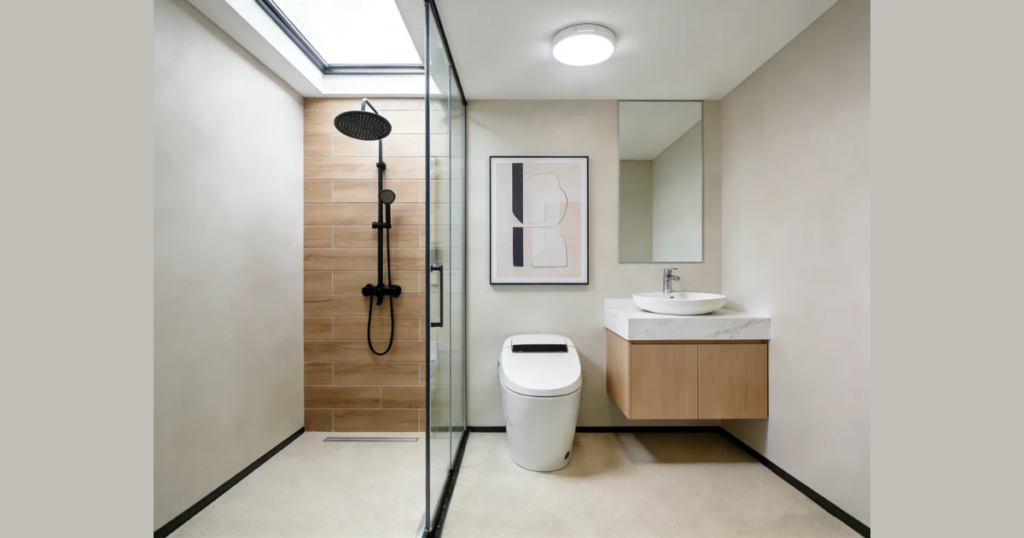
Aligning the shower and toilet along one wall improves efficiency because plumbing connections remain centralized. I often recommend this design to simplify installation and save space. Straight alignment creates order.
This layout also allows the opposite wall to remain open for storage or movement clearance. Balanced distribution improves comfort within the room. Smart positioning matters.
Clear partitions or minimal barriers help maintain openness across the aligned fixtures. Continuous sightlines expand perception of space. Visual flow improves usability.
11. Mirror Wall Design to Expand Perception
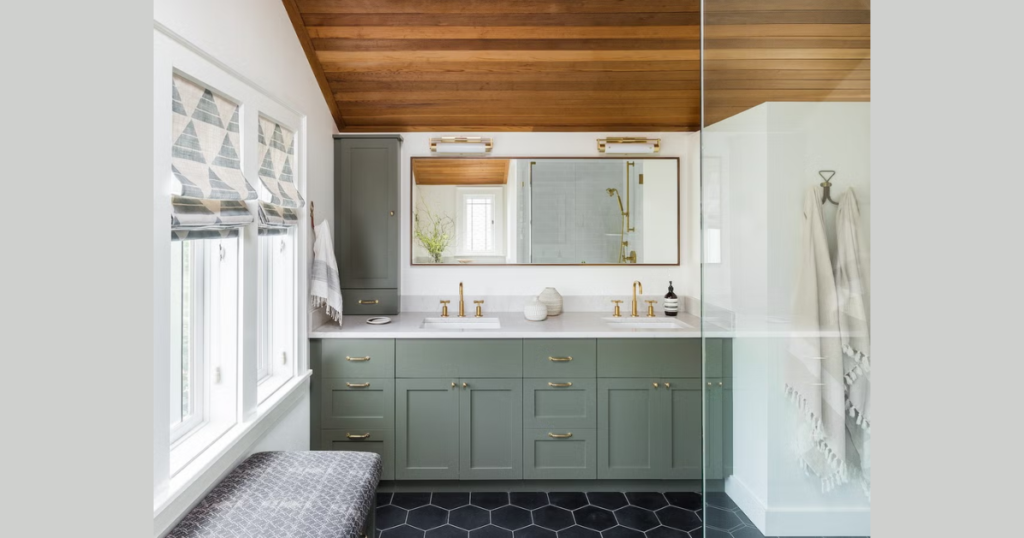
A mirror wall design increases visual space because reflective surfaces make the room appear larger than it is. I often suggest large mirrors covering one wall for compact bathrooms. Reflection enhances brightness.
Mirrors also distribute lighting evenly across the space, reducing shadows and dark corners. Balanced lighting improves comfort and usability. Brightness changes perception.
This design works particularly well when combined with neutral colors and simple fixtures. Minimal visual interruptions support openness. Clean surfaces create calmness.
12. Compact Bathtub and Shower Combo Layout
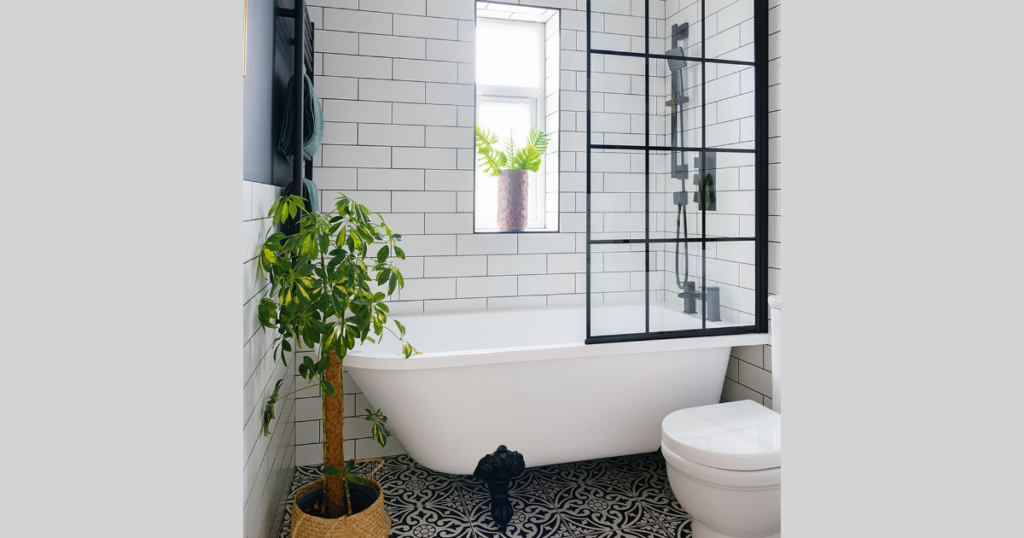
A bathtub and shower combination works in small spaces when designed with compact dimensions and smart placement. I recommend this option for families who still need bathing flexibility. Combined function saves space.
Glass panels instead of curtains maintain openness around the tub area. Transparent barriers prevent the room from feeling divided. Continuity improves perception.
Built-in storage niches around the tub area keep essentials organized without adding shelves. Integrated storage improves efficiency. Practical planning enhances comfort.
13. Recessed Storage and Fixture Design
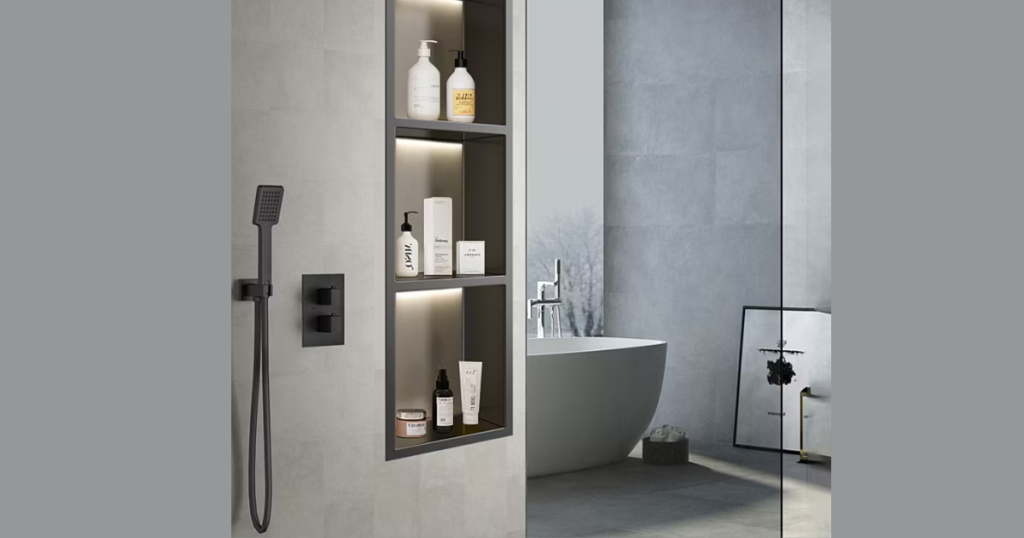
Recessed elements improve small bathroom design because they sit inside walls instead of occupying floor space. I often recommend recessed shelves, cabinets, or lighting where structure allows. Hidden depth increases usability.
This design approach reduces protruding furniture that may restrict movement. Smooth surfaces create a cleaner environment. Minimal obstruction improves comfort.
Proper waterproofing and structural planning ensure durability for recessed features. Installation accuracy prevents future maintenance problems. Planning supports longevity.
14. Compact Double Function Vanity Design
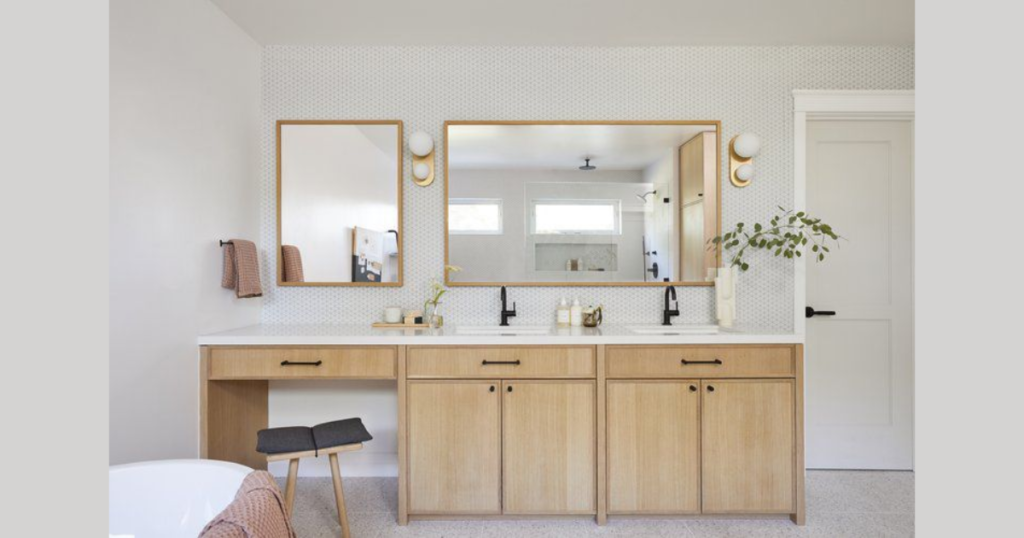
A double-function vanity combines sink space with storage or grooming areas to maximize usability. I suggest vanities with extended countertops or integrated organizers for small bathrooms. Multi-use furniture improves efficiency.
Shared countertop space allows multiple tasks without requiring additional furniture. Functional surfaces support daily routines. Practical design matters.
Slim vanities with drawers also maintain walking clearance around fixtures. Balanced proportions prevent overcrowding. Efficient furniture selection improves comfort.
15. Pocket Door Layout Design for Extra Movement Space
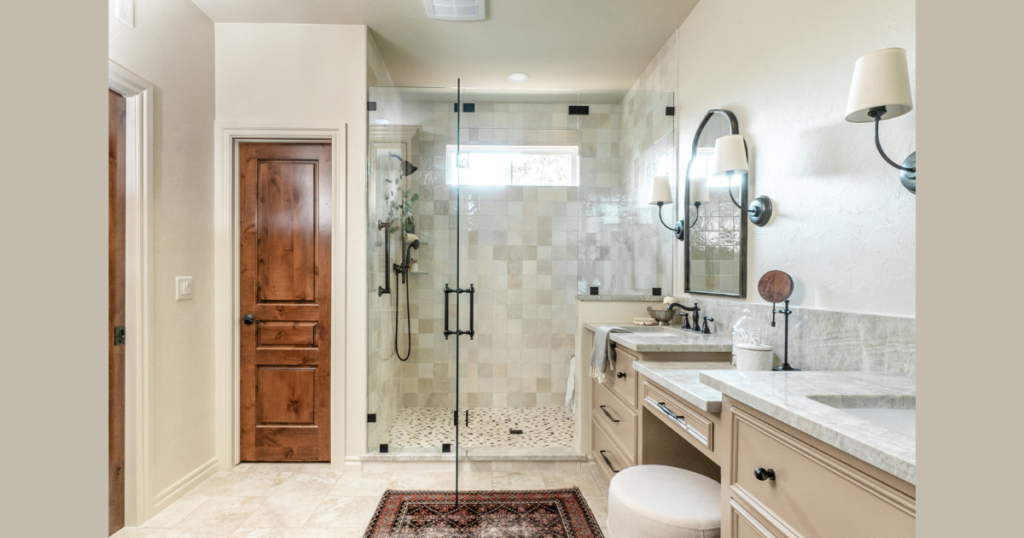
A pocket door layout improves small bathroom functionality because the door slides inside the wall instead of swinging outward. I often recommend this design when the entry space feels restricted or cramped. Removing door clearance instantly increases usable floor area.
This layout also creates a cleaner wall line because no hinges or door arcs are interrupting the space. Smooth walls improve furniture placement flexibility near the entrance. Better positioning improves comfort.
Pocket doors work especially well in apartments and compact homes where hallway space remains limited. Efficient entry design supports overall layout performance. Small structural adjustments create noticeable improvement.
Budget Planning Guide for Small Space Bathroom Designs
| Budget Level | Recommended Focus | Priority |
|---|---|---|
| Low Budget | Layout adjustment, paint, and lighting | Visual improvement |
| Medium Budget | Vanity, storage, fixtures | Function balance |
| High Budget | Structural layout change, tiles | Full redesign |
Conclusion
Bathroom designs for small spaces focus on efficient layouts, compact fixtures, and smart storage that improve usability without overcrowding the room. When you plan movement flow and placement carefully, even tight bathrooms feel comfortable.
I always believe layout decisions matter more than size because smart positioning creates noticeable improvement. Small upgrades like wall-mounted fixtures, sliding doors, and recessed storage produce strong results.
If you want a bathroom that feels organized and spacious despite limited square footage, these design ideas provide realistic solutions. Comfort, efficiency, and simplicity should guide every decision. Anyone can achieve this with planning.
FAQs
Linear or corner layouts work best because they maintain movement space and reduce congestion.
Yes, compact bathtub and shower combinations allow flexibility without using too much space.
Use vertical storage, recessed shelves, and wall-mounted cabinets to save floor space.
Yes, they expose floor space and create a more open appearance while improving cleaning convenience.
Use mirrors, bright lighting, and minimal barriers to improve visual perception of space.
Costs vary, but layout improvements often create major benefits without full renovation.