
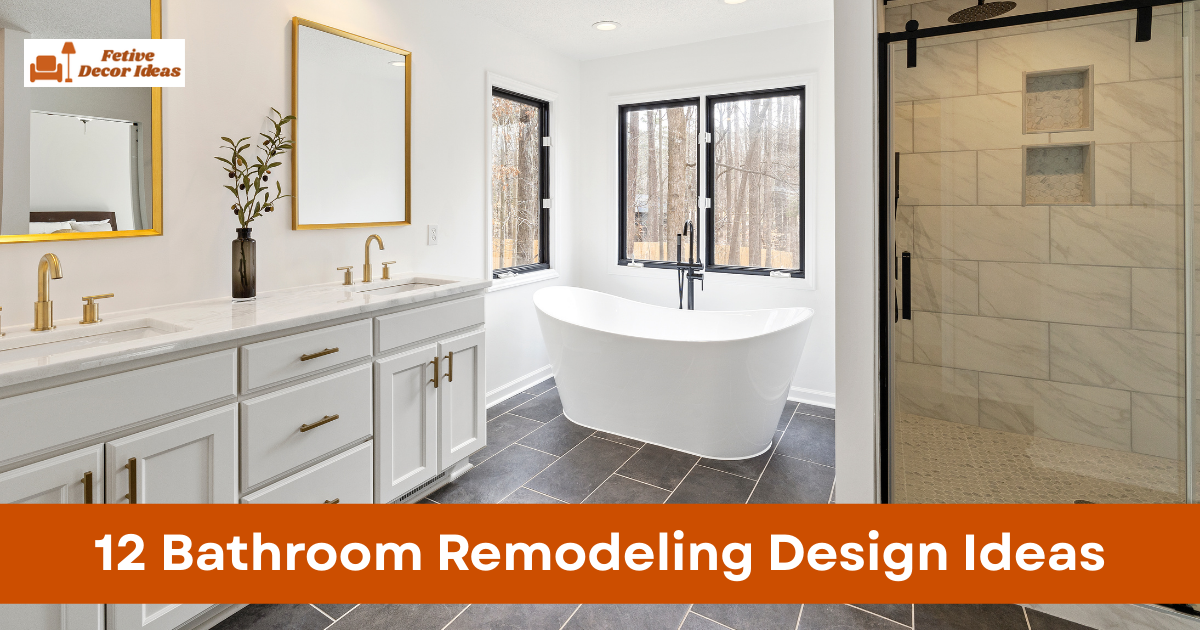
Bathroom remodeling design ideas focus on choosing the right theme, layout concept, and visual direction before selecting materials or fixtures. I always notice that a clear design concept makes remodeling decisions easier and more consistent. A well-planned design creates harmony instead of random upgrades.
Why Choosing a Bathroom Design Concept Matters Before Remodeling
A design concept helps guide every decision because it creates consistency across colors, materials, and layout. Without a clear plan, bathrooms often look mismatched.
Design direction also affects how spacious and comfortable the room feels. Visual balance matters more than expensive materials.
I usually recommend selecting a theme first because it prevents confusion later. Clear planning saves both time and money during renovation.
1. Open Concept Bathroom Design for a Spacious Feel
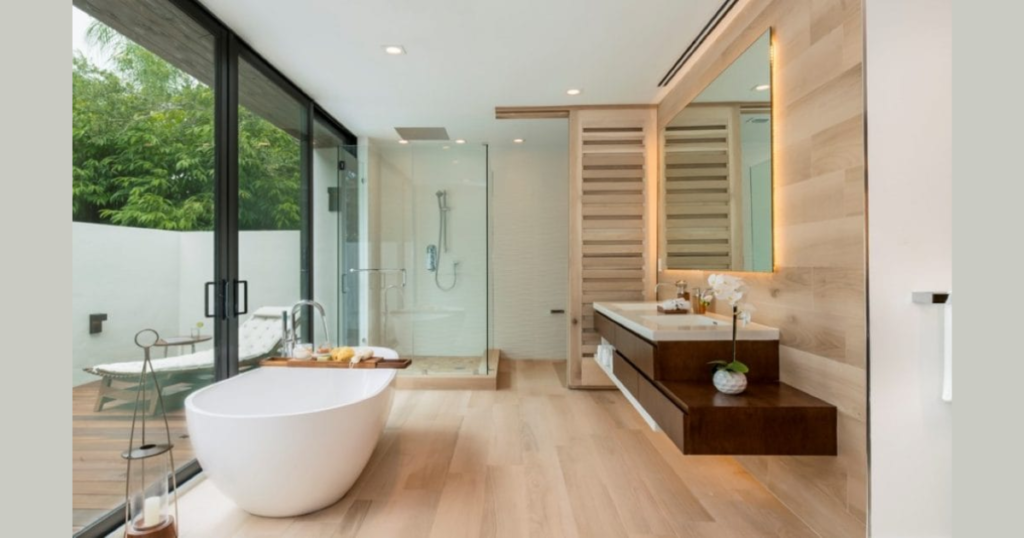
Open concept bathroom design removes unnecessary barriers to create a flowing layout. This approach works well in modern homes where space feels connected.
Minimal partitions between the shower, vanity, and dressing areas create visual continuity. The bathroom feels larger even without structural expansion.
I like open designs because they improve movement and comfort naturally. Less separation often creates more relaxation.
2. Hotel-Inspired Bathroom Design for Elegant Comfort
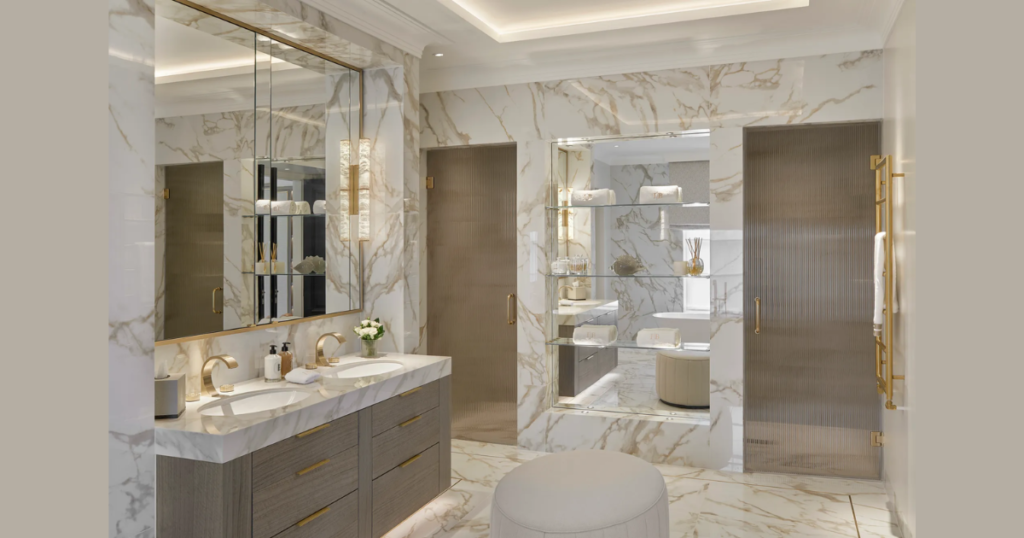
Hotel-style bathroom design focuses on comfort, symmetry, and clean presentation. Many homeowners want that relaxing vacation feeling at home.
Soft lighting, coordinated colors, and balanced layout placement create a refined appearance. The space feels organized and luxurious.
From my experience, hotel-inspired layouts improve daily satisfaction significantly. Comfort-driven design always feels rewarding.
3. Japandi Bathroom Design for Calm Simplicity
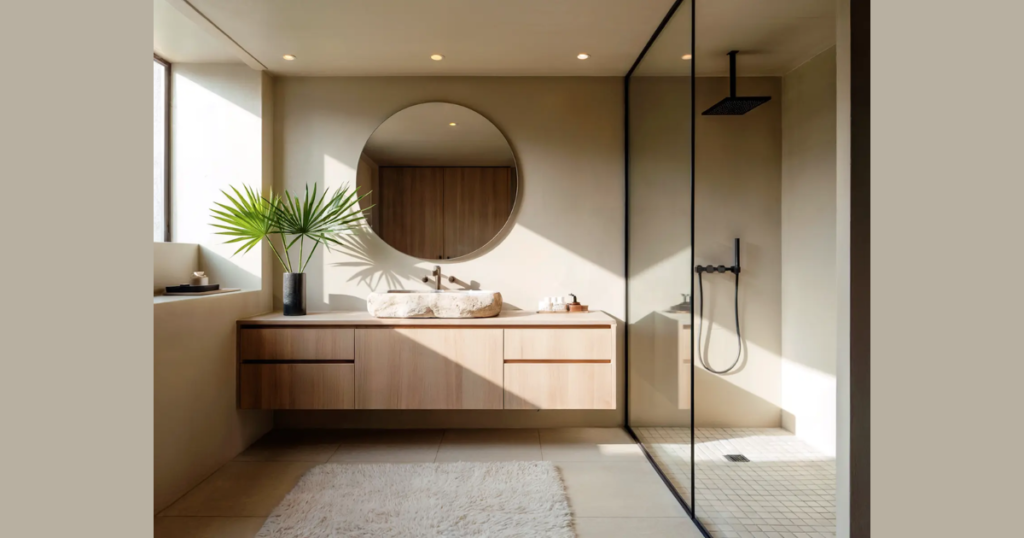
Japandi design combines Japanese minimalism with Scandinavian warmth to create peaceful bathrooms. Neutral colors and natural textures dominate this style.
Simple furniture, uncluttered surfaces, and soft lighting enhance relaxation. The space feels calm and balanced.
I personally like the Japandi style because it reduces visual stress. Clean environments naturally feel more comfortable.
4. Monochrome Bathroom Design for Modern Style
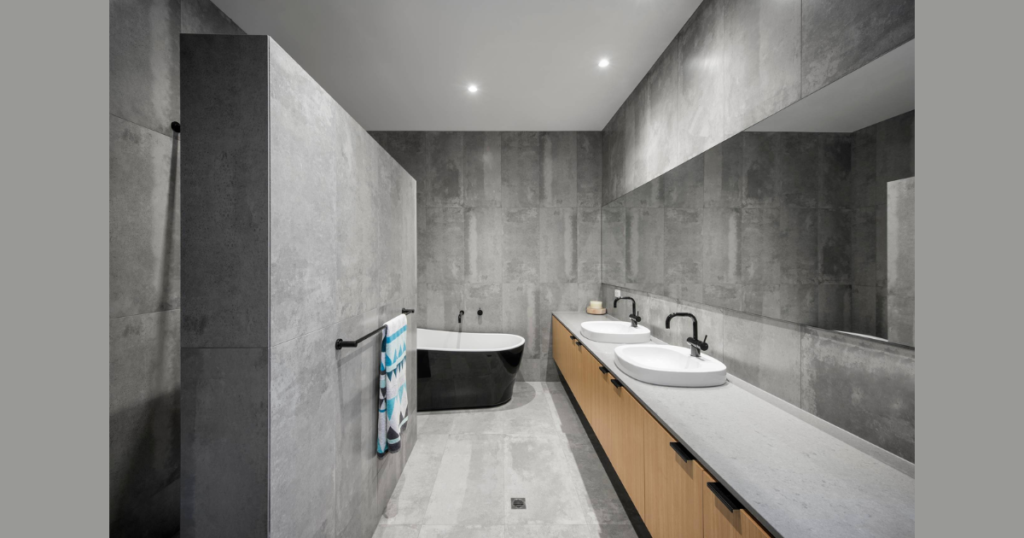
Monochrome bathroom design uses different shades of one color to create depth. This approach looks sophisticated without complexity.
Using variations of gray, beige, or white adds visual interest while maintaining harmony. Contrast remains subtle but noticeable.
I recommend monochrome designs for homeowners who want modern style without bold colors. Simplicity often looks more refined.
5. Nature-Inspired Bathroom Design for Organic Feel
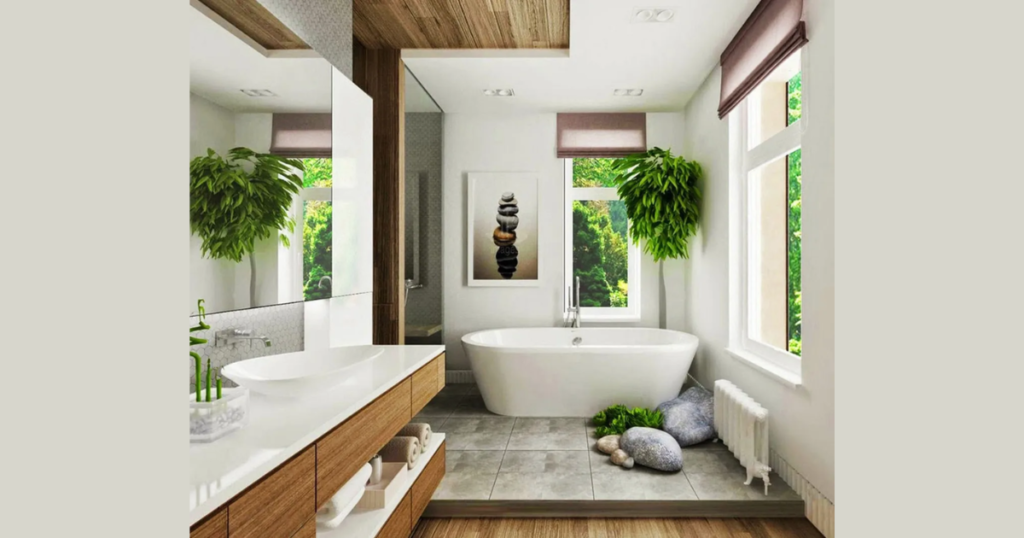
Nature-inspired bathrooms use earthy colors and natural elements to create warmth. Many homeowners prefer environments that feel relaxing and grounded.
Materials like wood textures, stone finishes, and plants enhance the connection with nature. Soft lighting improves comfort.
I enjoy nature-themed designs because they create a spa-like environment without expensive upgrades. Natural textures always feel inviting.
6. Curved Element Bathroom Design for Soft Appearance
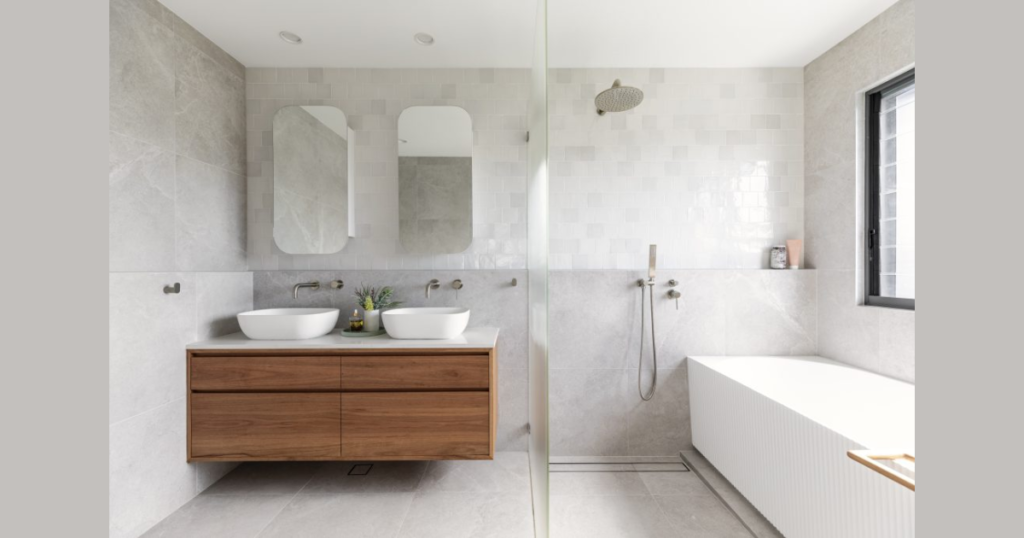
Curved design elements create softness because rounded shapes feel more natural than sharp edges. Arched mirrors and curved vanities add elegance.
This approach works well in both modern and classic bathrooms. Gentle shapes create a welcoming atmosphere.
I like curved designs because they break the rigid feel of traditional layouts. Soft lines improve visual comfort.
7. Zoning-Based Bathroom Layout for Better Function
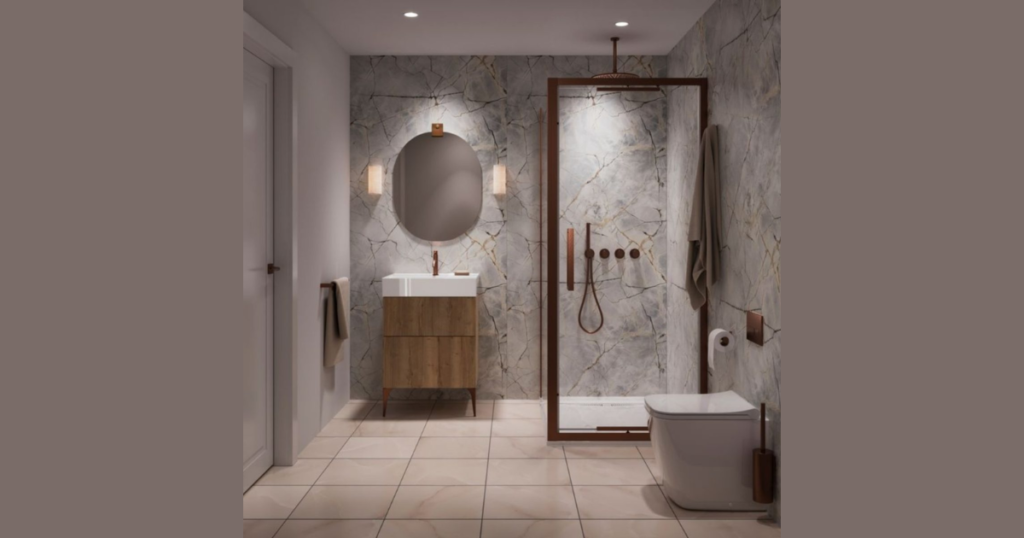
Zoning divides the bathroom into functional areas like grooming, showering, and storage zones. This improves organization and usability.
Visual separation can be achieved through lighting, colors, or subtle partitions. The layout feels structured and efficient.
I recommend zoning because it improves daily routines without increasing space. Functional planning always adds value.
8. Statement Ceiling Bathroom Design for Unique Style
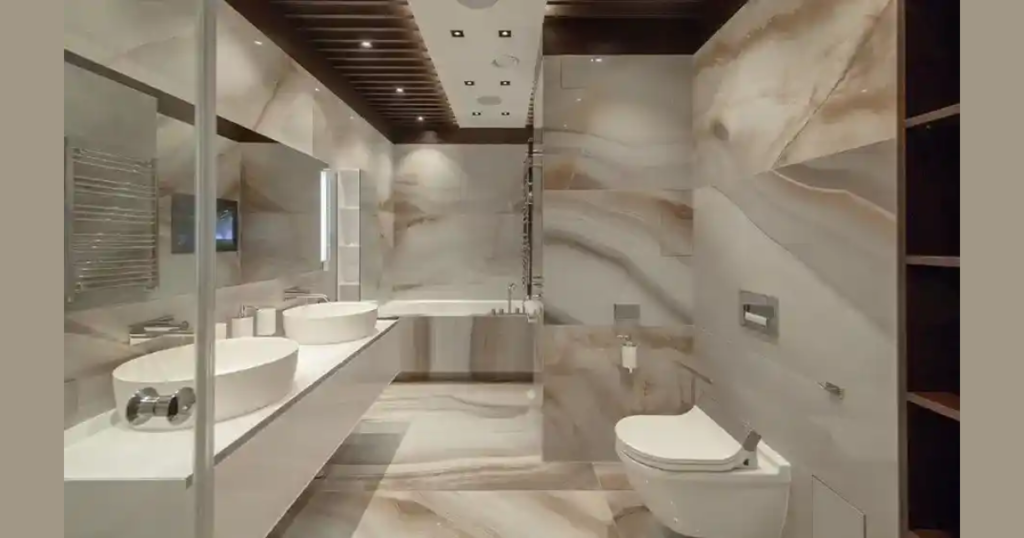
Statement ceilings add personality because most bathrooms ignore overhead design. Color, texture, or lighting can transform the space.
Ceiling features create vertical interest and make the room feel more designed. Attention moves beyond walls and floors.
From my experience, ceiling upgrades provide a strong visual impact with moderate effort. Unexpected details feel memorable.
9. Compact Luxury Bathroom Design for Small Spaces
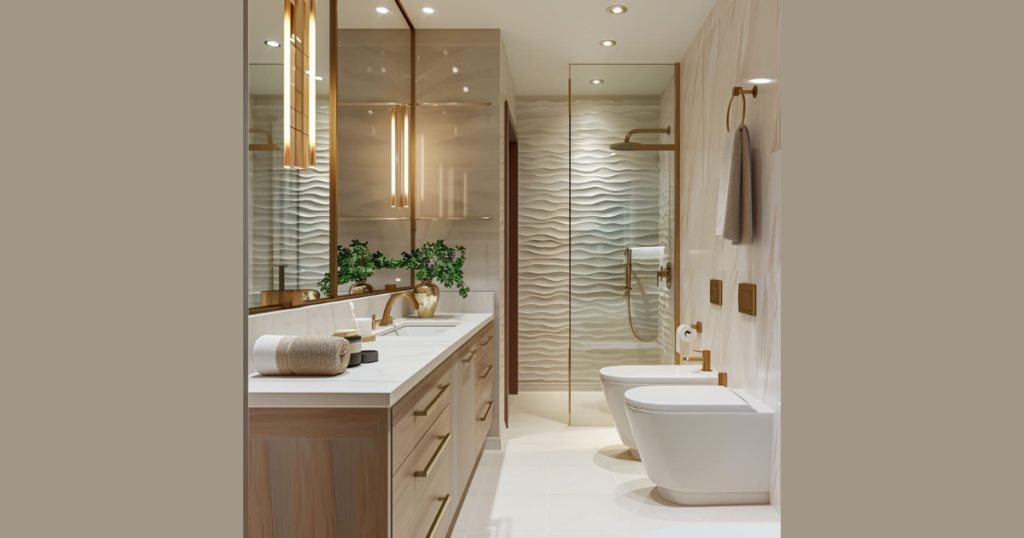
Compact luxury design focuses on quality over size by using premium finishes in limited areas. Small bathrooms can still feel upscale.
Balanced lighting, coordinated materials, and minimal clutter create a high-end look. Attention to detail matters most.
I often suggest compact luxury concepts because size does not limit comfort. Thoughtful design creates elegance.
10. Gallery Inspired Bathroom Design for Personal Style
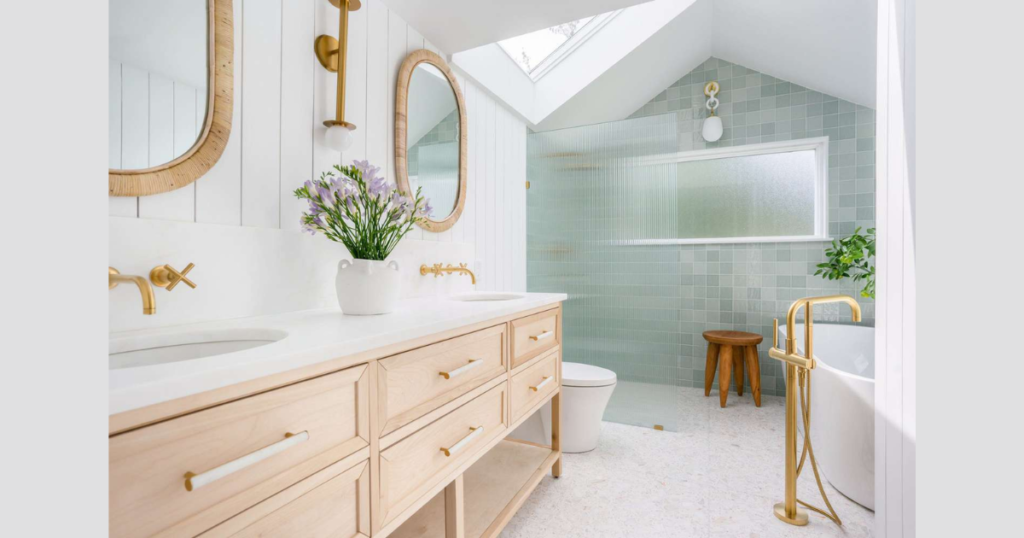
Gallery-style bathrooms display artwork or decorative elements to create personality. Walls become visual storytelling areas.
Framed prints, textures, or decorative panels add character without changing the layout. Personal expression improves emotional connection.
I enjoy gallery designs because they make bathrooms feel unique instead of generic. Personal touches always matter.
11. Two Material Contrast Bathroom Design for Depth
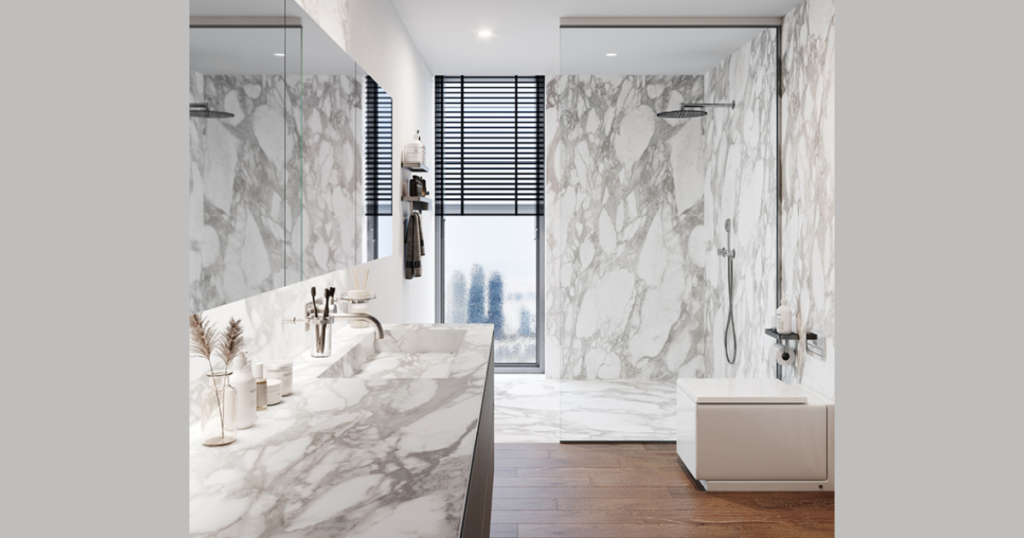
Two material contrast design uses different textures or finishes to create visual layers. Combining wood tones with stone or matte surfaces adds richness.
This approach prevents the bathroom from looking flat or monotonous. Contrast creates interest without overwhelming the space.
I like material contrast because it balances simplicity with character. Small variations often create a strong design impact.
12. Symmetrical Bathroom Layout for Balanced Appearance
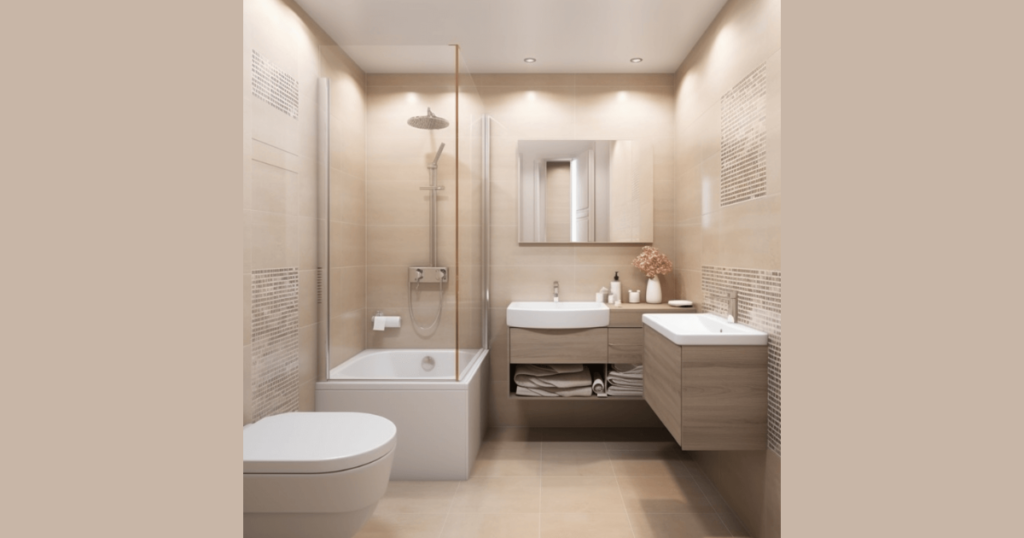
Symmetrical layouts create harmony because elements mirror each other visually. Matching lighting, vanities, or decor improves structure.
This design works well for couples or shared bathrooms where balance matters. Organization feels natural and comfortable.
I often recommend symmetry because humans naturally prefer balanced environments. Visual order improves relaxation.
Step-by-Step Bathroom Remodeling Design Planning
Planning prevents mistakes because remodeling involves multiple decisions. Clear goals simplify the process.
Researching styles and layouts before hiring contractors saves time and money. Preparation improves results significantly.
Communication with professionals ensures realistic timelines and expectations. Good planning reduces renovation stress.
Simple Planning Steps
- Identify design style preference
- Define layout and functional needs
- Choose materials and colors
- Plan lighting and decor elements
- Schedule renovation timeline
Conclusion
Bathroom remodeling design ideas focus on creating harmony between layout, style, and comfort to build a space that feels enjoyable daily. A clear design concept prevents confusion and improves results.
The best approach is choosing a theme that matches your lifestyle instead of copying trends blindly. Thoughtful planning always delivers better long-term satisfaction.
If you prioritize balance, simplicity, and functionality, your bathroom remodel will remain stylish and comfortable for years without frequent changes.
FAQs
The best style depends on personal preference, but minimalist, hotel-inspired, and nature-themed designs remain popular choices.
Start by identifying your lifestyle needs, preferred colors, and comfort priorities before selecting materials or fixtures.
Yes, compact luxury designs focus on quality materials and details instead of size, making small spaces feel upscale.
Neutral tones like beige, gray, white, and earthy shades create calm and timeless environments.
Yes, well-planned bathroom design upgrades often improve property value and buyer appeal.
Most bathroom remodels take two to four weeks, depending on project complexity and material availability.