
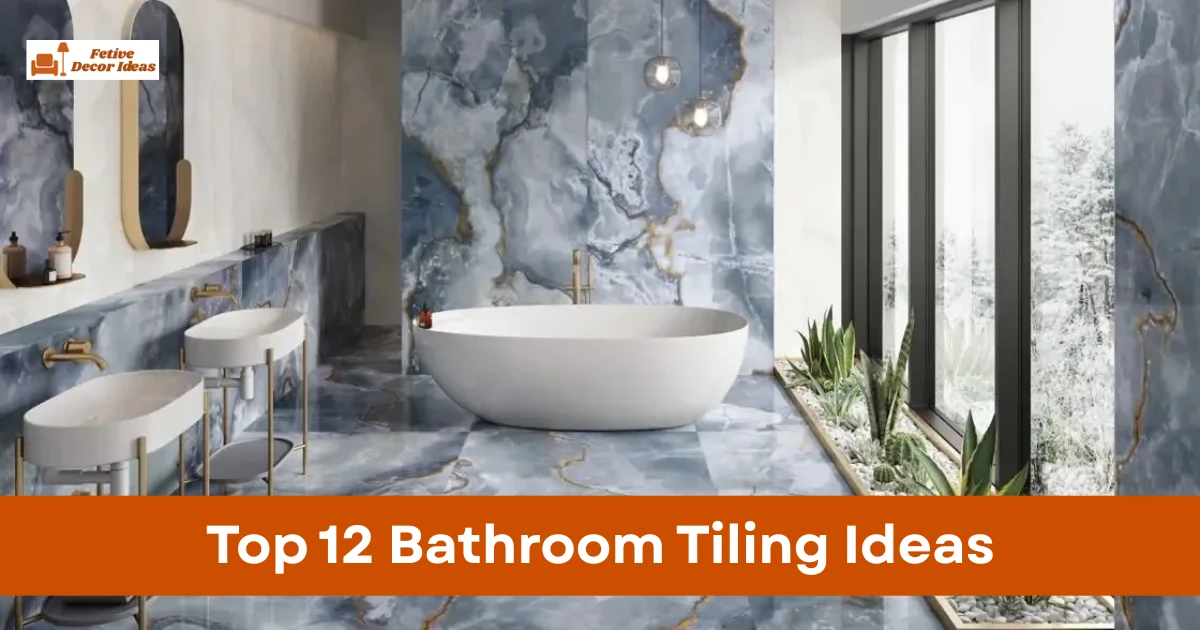
Bathroom tiling ideas help transform both the walls and floors while improving durability and style at the same time. The right tile combinations can make your bathroom feel modern and spacious. Choosing the right layout also improves long-term maintenance.
I always notice that tiling choices influence the entire atmosphere more than accessories or decor. Even small layout changes can refresh the space without expensive renovation work. Smart tile planning creates noticeable improvement.
Below are practical and realistic bathroom tiling ideas that work well in everyday homes and different bathroom sizes. These ideas focus on function, appearance, and long-term usability. You can adapt them easily to your needs.
Why Bathroom Tiling Design Matters
Bathroom tiling protects surfaces from moisture while creating the main visual foundation of the room. Good tiling improves maintenance and prevents long-term damage. Proper planning also increases durability.
I prefer tiling plans that balance function with appearance because bathrooms face daily humidity exposure. Choosing the right materials reduces repair costs and cleaning effort. Practical decisions always help.
When floor and wall tiles work together, the bathroom feels more coordinated and comfortable. Balanced colors and layouts improve the overall environment. Thoughtful design produces better results.
1. Floor and Wall Tile Contrast Combination
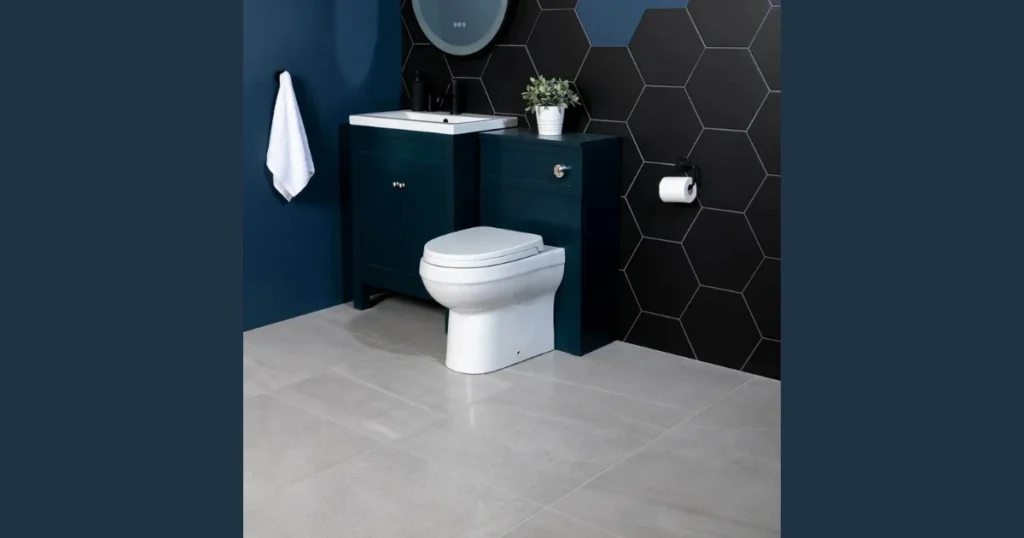
Contrasting floor and wall tiles create depth and visual separation in the bathroom. This approach adds interest without using complex patterns. The contrast helps define different areas clearly.
I like pairing darker floor tiles with lighter wall tiles because it balances the space naturally. The darker floor also hides dirt and wears better over time. This combination remains practical.
This idea works well in both small and large bathrooms because contrast improves the structure visually. It creates a modern and organized appearance. Balanced tones enhance comfort.
2. Continuous Floor to Shower Tile Design
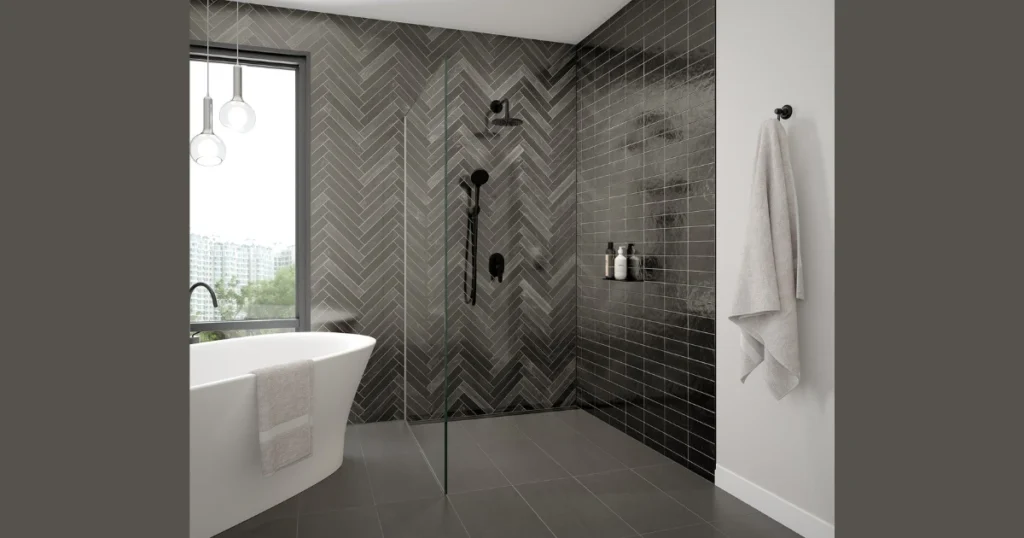
Using the same tiles from the bathroom floor in the shower area creates a seamless look. This approach improves visual flow across the space. Continuous surfaces reduce interruptions.
I often recommend this design for small bathrooms because fewer transitions make the room appear larger. The layout also feels cleaner and more organized. Consistency improves perception.
This tiling style simplifies installation planning while maintaining a cohesive design. It keeps the bathroom visually connected. Smooth transitions improve comfort.
3. Diagonal Floor Tiling Pattern
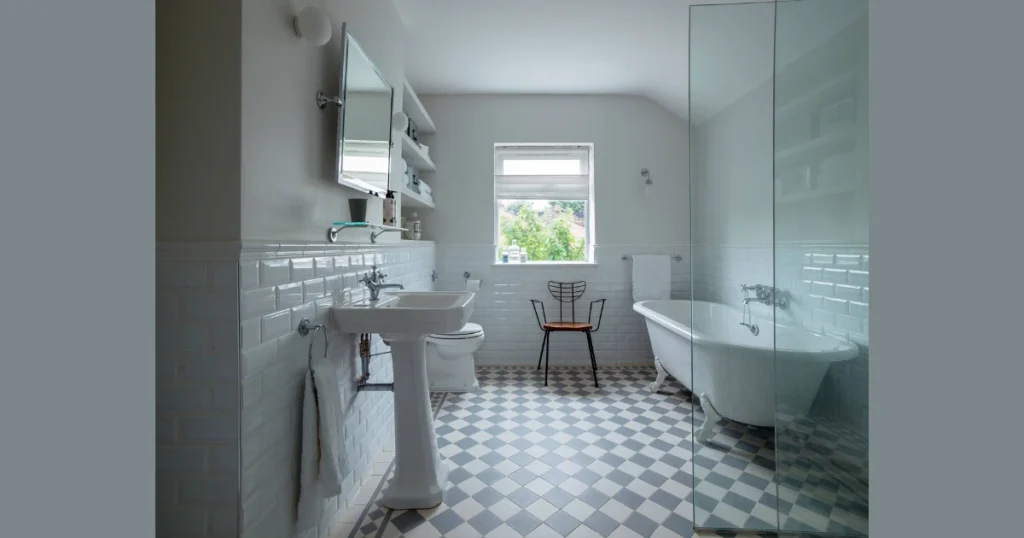
Diagonal tile layouts create movement and make the bathroom appear wider visually. Angled patterns change how the eye perceives space. This effect works well in compact rooms.
I prefer diagonal patterns in smaller bathrooms because they distract from size limitations. The eye focuses on the pattern instead of the wall boundaries. Visual interest increases.
This design also adds uniqueness without changing tile material or color. Layout alone creates noticeable improvement. Simple changes can have a strong impact.
4. Border Tile Frame Design
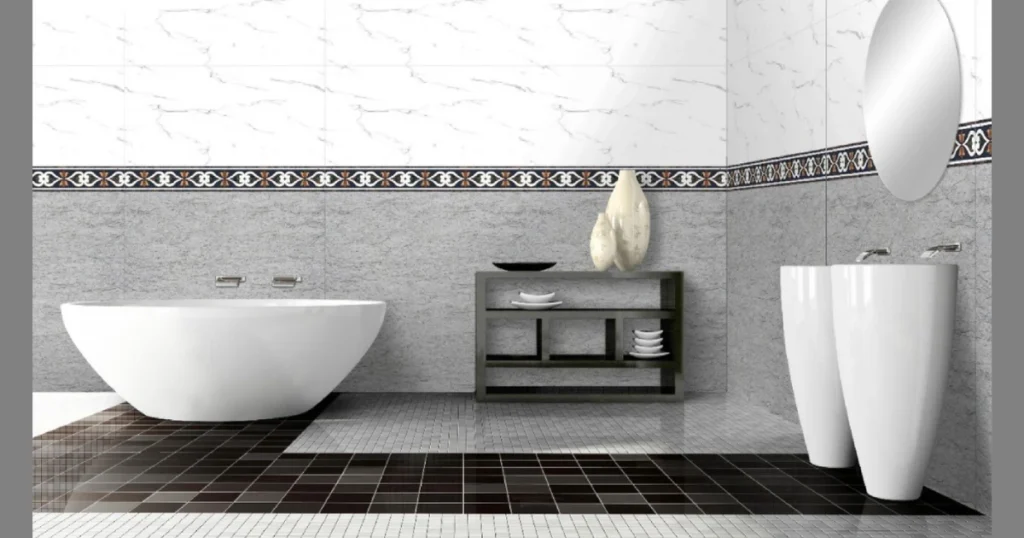
Border tiles create a framed effect around floors or walls, adding detail and definition. This technique highlights specific zones effectively. It creates visual structure.
I like using border tiles around showers or vanity areas because they define functional spaces clearly. The design looks intentional and organized. Borders add character.
This idea works well with simple base tiles because borders provide decoration without complexity. It keeps the design balanced. Structured layouts feel polished.
5. Two Pattern Tile Combination
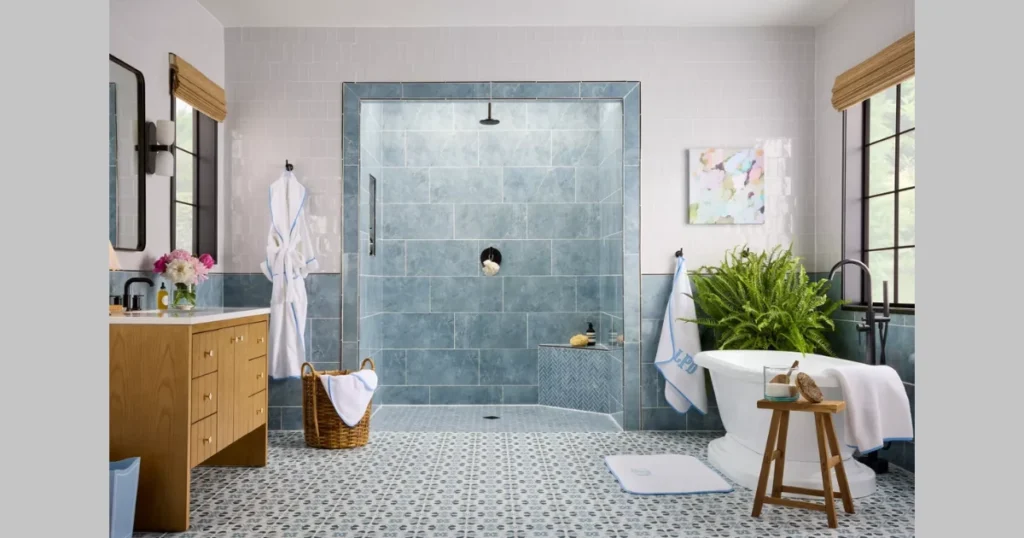
Combining two tile patterns creates contrast and personality in bathroom design. It adds character without overwhelming the space when used carefully. Balance remains important.
I often suggest using one pattern for floors and another for walls to maintain harmony. Too many patterns can create confusion visually. Controlled variation works best.
This approach allows creativity while keeping structure intact. Careful coordination produces attractive results. Visual balance improves comfort.
6. Tile Rug Floor Design
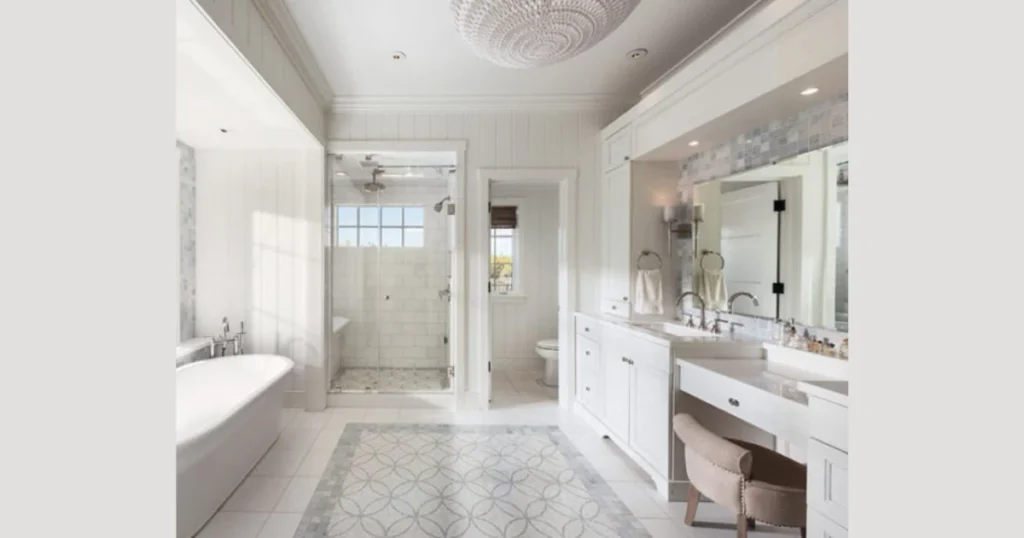
Tile rug patterns create a decorative focal point on the bathroom floor. They mimic the appearance of a rug using durable materials. This adds personality.
I like placing tile rugs in the center of the floor because they draw attention instantly. The design feels unique without adding fabric elements. Maintenance stays easy.
This idea works especially well in larger bathrooms where open floor space exists. Decorative details improve visual appeal. Artistic touches enhance style.
7. Mixed Tile Sizes for Texture
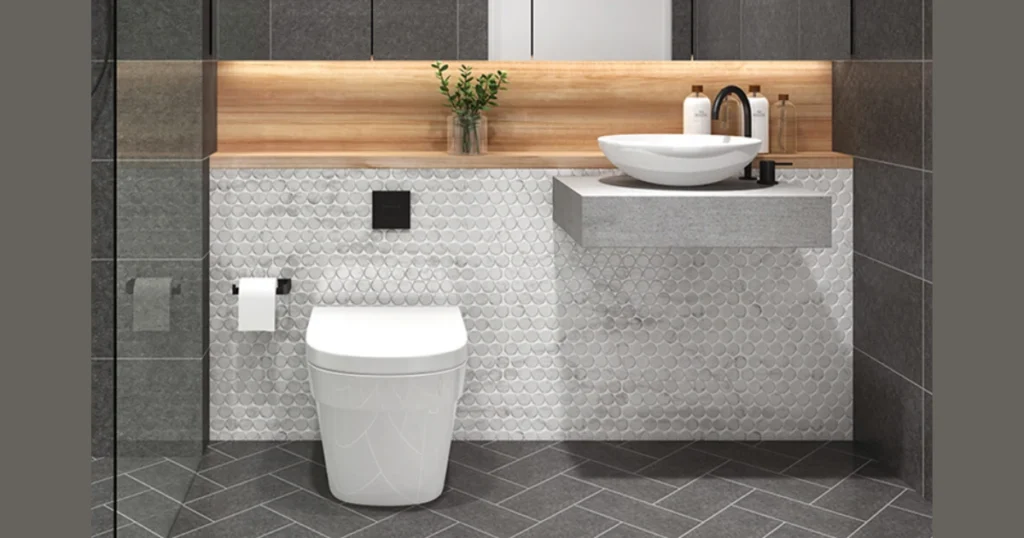
Using different tile sizes creates texture and dimension across bathroom surfaces. Variation adds depth without strong color changes. This improves interest visually.
I often recommend large tiles for walls and smaller tiles for floors to balance proportions. Different scales create natural contrast. Design feels more dynamic.
This idea works well in modern bathrooms where subtle complexity is preferred. Size variation creates elegance. Visual layering improves perception.
8. Half Floor Pattern with Plain Surround
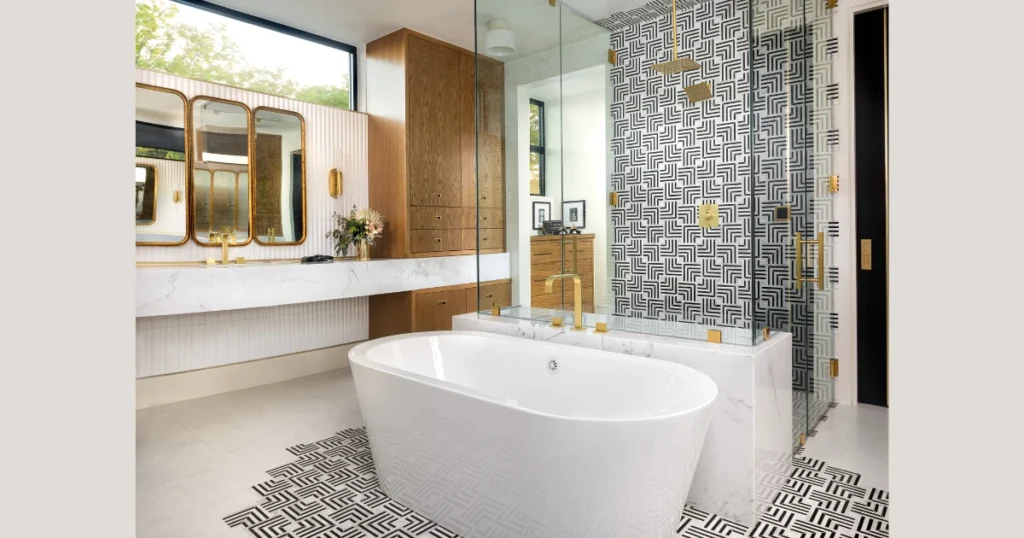
Using patterned tiles in one section of the floor with plain tiles around creates a balanced design. It prevents overwhelming visuals. Strategic placement matters.
I like this idea near the vanity or shower entrance because it highlights functional zones clearly. The rest of the floor remains calm. Balance improves comfort.
This approach adds personality while maintaining simplicity throughout the space. Controlled design looks organized. Focused patterns enhance style.
9. Vertical and Horizontal Tile Mix Layout
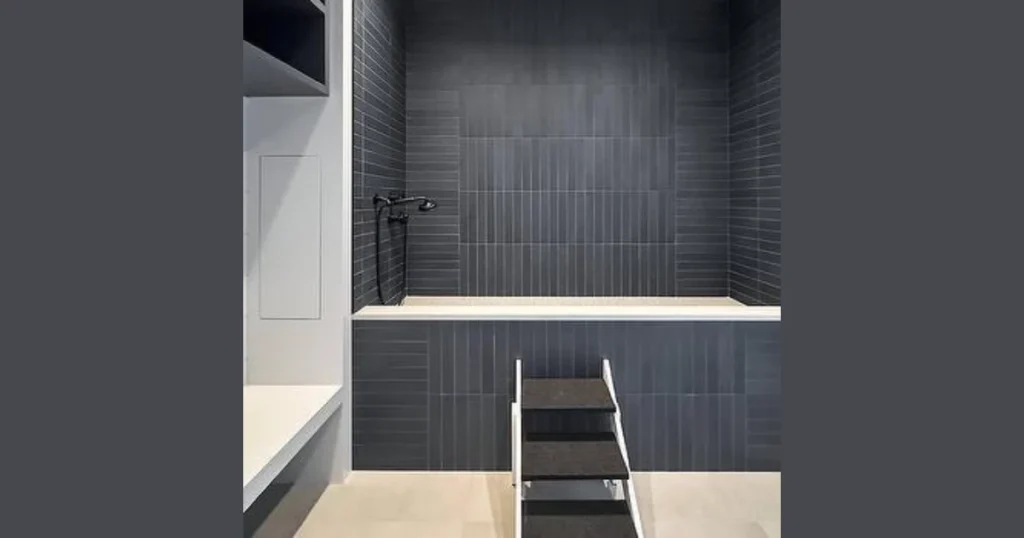
Mixing vertical and horizontal tile directions creates dynamic visual movement on bathroom walls. Orientation changes affect perception of space. Direction influences design.
I often use vertical tiles in showers and horizontal tiles elsewhere to create contrast. This variation adds interest without new materials. Layout differences matter.
This approach works well in modern bathrooms because directional contrast feels fresh. It improves visual energy. Simple adjustments create impact.
10. Textured Floor with Smooth Wall Tiles
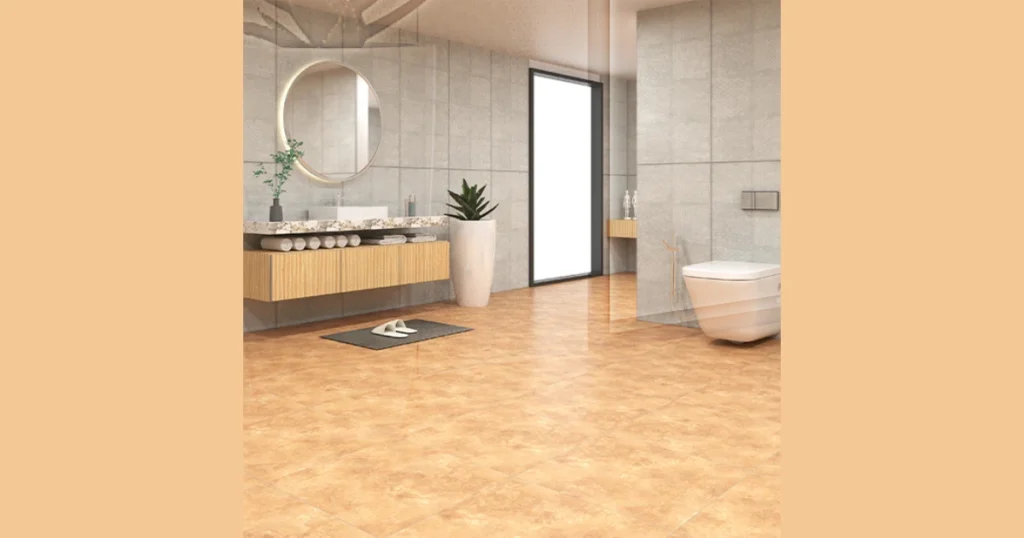
Combining textured floor tiles with smooth wall tiles improves both safety and comfort. Each surface serves a different purpose effectively. Function guides design.
I prefer textured floors for better grip while keeping walls smooth for easier cleaning. This combination balances practicality with style. Safety improves usability.
This design works well in family bathrooms where durability matters. Comfort increases with proper materials. Functional choices last longer.
11. Neutral Base with Decorative Accent Strip
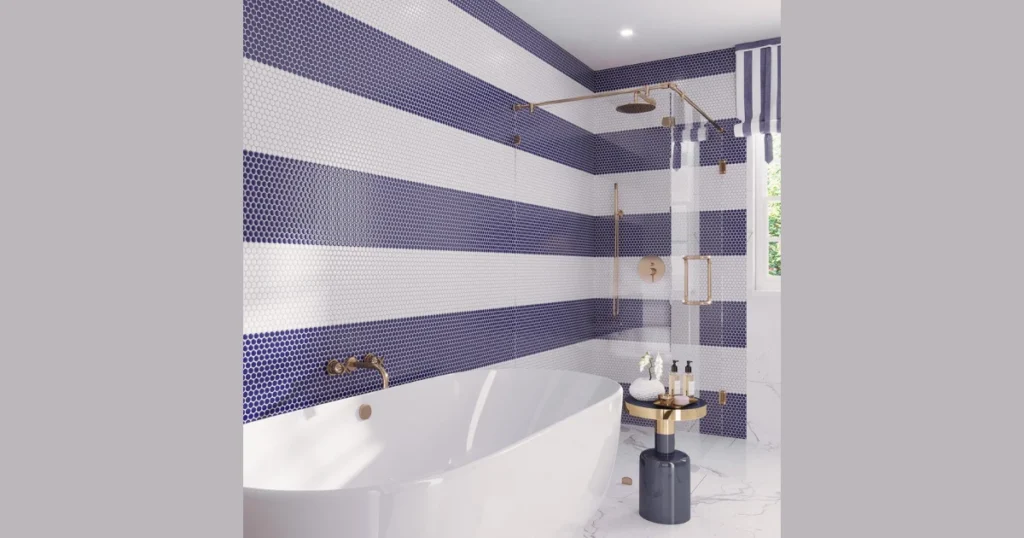
A neutral tile base with a decorative accent strip adds subtle design detail without overwhelming the room. It maintains simplicity while adding interest. Small details matter.
I like placing accent strips at eye level or inside showers because they create a focal line naturally. The design remains clean. Visual balance improves.
This approach works well for long-term style because neutral tones remain timeless. Decorative accents provide flexibility. Simple designs age better.
12. Ceiling Extension Tile Design
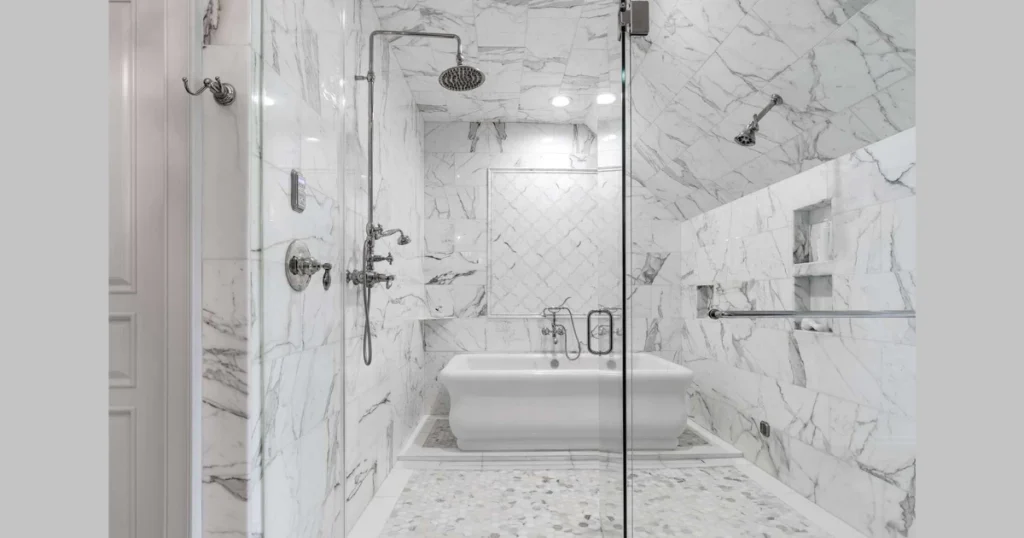
Extending tiles up to the ceiling creates a continuous and polished look across bathroom walls. This design improves moisture protection significantly. Coverage increases durability.
I often recommend this approach for shower areas because it prevents paint damage and reduces maintenance. The room also appears taller visually. Height perception improves.
This tiling style makes bathrooms feel complete and professionally finished. Continuous surfaces create cohesion. Clean lines enhance appearance.
Common Bathroom Tiling Mistakes to Avoid
Avoiding mistakes improves both the appearance and long-term durability of bathroom tiles. Small planning errors can cause big problems later. Careful decisions prevent unnecessary costs.
- Choosing slippery tiles for wet floor areas
- Using too many patterns together
- Ignoring lighting conditions
- Selecting poor-quality grout
- Not planning the layout before installation
Conclusion
Bathroom tiling ideas help transform both the function and appearance of your space when chosen carefully. The right materials, layouts, and colors can completely change how the bathroom feels. Smart planning creates better results.
I believe the best tiling combines durability with visual comfort because bathrooms are used daily. Practical decisions reduce maintenance and increase satisfaction over time. Balanced design always works best.
If you apply these ideas and tips, your bathroom can feel brighter, more spacious, and more comfortable. Even small tiling changes can create noticeable improvement. Thoughtful choices make the biggest difference.
FAQs
Porcelain tiles work best for floors due to their durability, while ceramic tiles are suitable for walls because they are lighter and more affordable.
Light colors like white, beige, or soft gray reflect more light and create the illusion of a larger space.
Yes, large tiles reduce grout lines and create a smoother surface, which improves the perception of space.
They do not need to match exactly, but they should complement each other in color or style for a balanced look.
Matte or textured finishes work best for floors because they provide better grip and reduce slipping risk.
You should match patterns with room size and lighting conditions. Simple patterns work best for small bathrooms.