
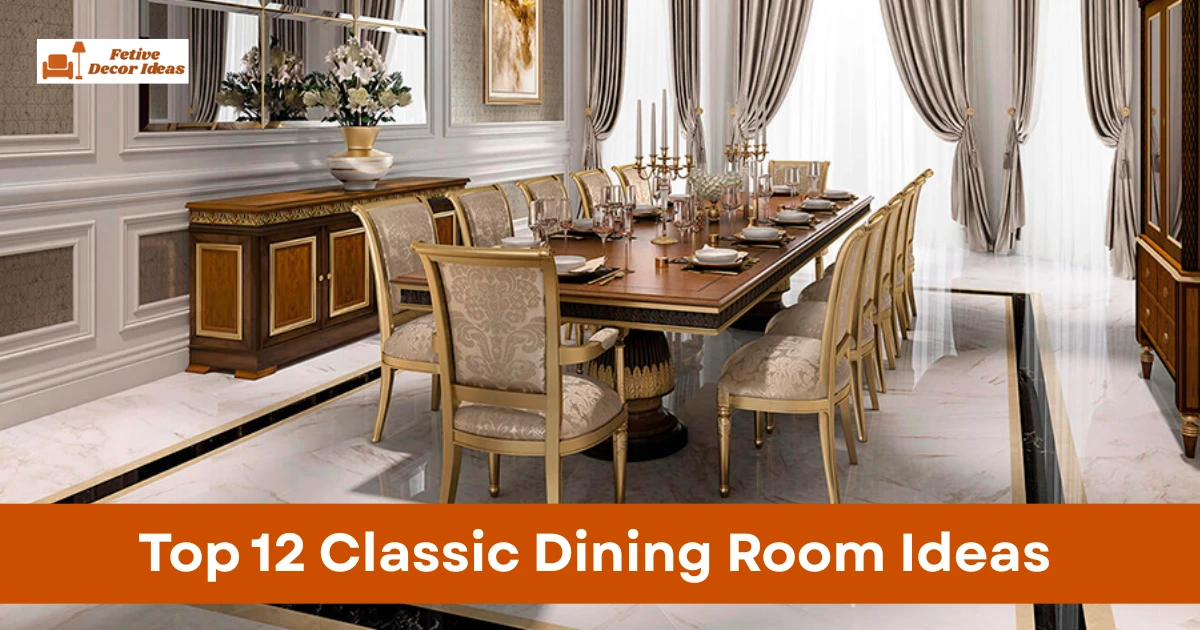
Classic dining room ideas focus on timeless furniture, balanced colors, and refined details that never feel outdated. I always notice that traditional design creates a warm and welcoming atmosphere that feels comfortable for both family meals and guests.
A classic dining room does not always require expensive decor because thoughtful choices can create elegance easily. The right table, lighting, textures, and accessories often make the biggest difference in achieving a traditional look.
In this guide, I share realistic classic dining room ideas that homeowners can apply without confusion. These ideas help create a space that feels sophisticated, comfortable, and visually pleasing for everyday use.
What Defines a Classic Dining Room Style
A classic dining room style feels timeless because it focuses on symmetry, quality materials, and balanced decor elements. I usually start with a strong furniture foundation, such as a wooden table and supportive upholstered chairs.
Color palettes in classic spaces often include neutrals, warm tones, and soft contrasts that create harmony. Shades like beige, cream, brown, gold, and muted greens often appear in traditional interiors.
Decor details also contribute to the overall elegance when chosen carefully. Lighting fixtures, curtains, artwork, and table settings help connect the design so the room feels complete.
1. Solid Wood Dining Table with Traditional Detailing
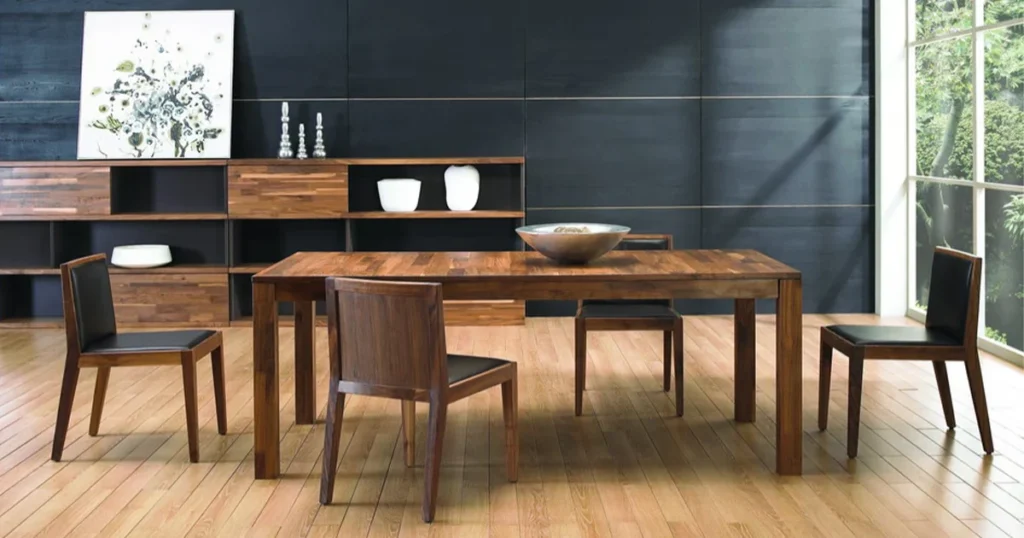
A solid wood dining table creates the foundation of a classic dining room because natural materials feel timeless. I prefer carved legs or detailed edges since those small features add character without overwhelming the space.
Dark wood finishes such as walnut or mahogany often create a formal and refined appearance. These tones pair beautifully with neutral chairs and traditional decor elements for a balanced look.
This type of table also offers durability and long-term value for homeowners. I have noticed that investing in a quality table often improves the entire dining room instantly.
2. Upholstered Dining Chairs with Elegant Fabric
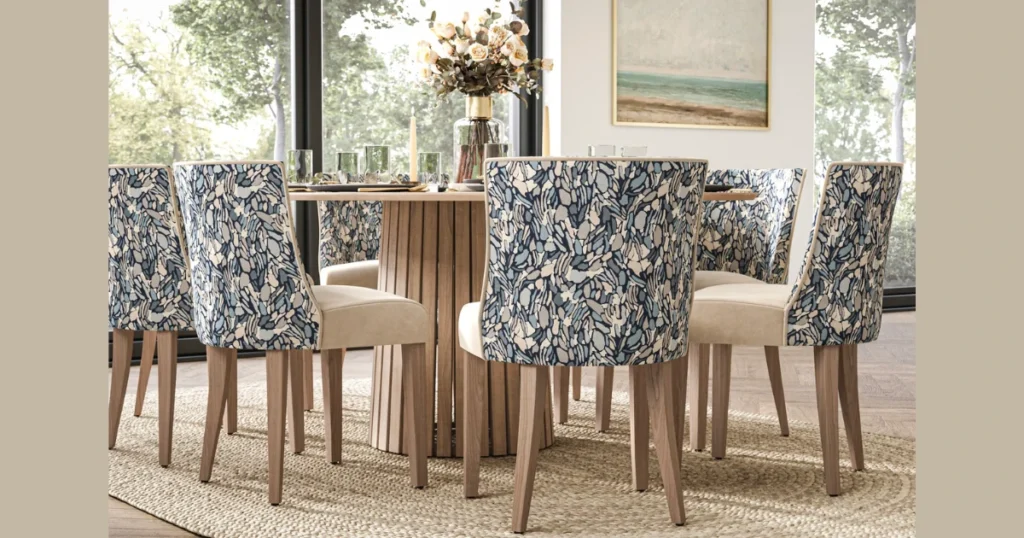
Upholstered dining chairs improve comfort because soft seating makes meals more enjoyable. I usually recommend fabrics like linen, velvet, or leather since they create a refined and inviting appearance.
Button tufting, curved backs, or nailhead trim often enhance the traditional style further. These details introduce texture while maintaining the classic atmosphere of the room.
Comfortable chairs also encourage longer conversations during meals. I personally believe seating plays a bigger role in the dining room experience than many people realize.
3. Crystal Chandelier for a Traditional Statement
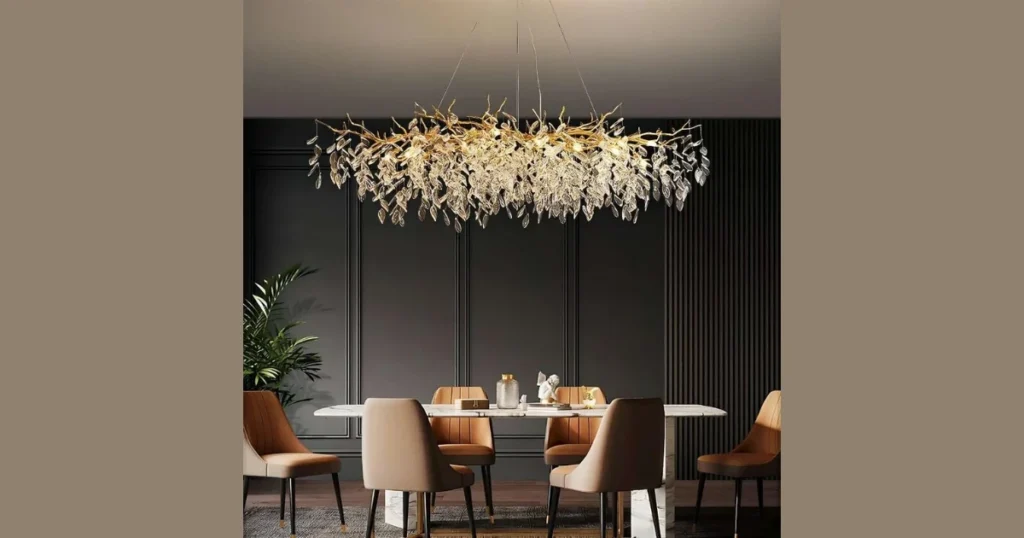
A crystal chandelier creates elegance because lighting naturally becomes the focal point. I often suggest placing it directly above the dining table to maintain symmetry and visual balance.
Warm lighting enhances the dining atmosphere and adds a welcoming glow. Crystal reflections also introduce sparkle that elevates the overall appearance of the space.
Even smaller chandeliers can create a strong visual impact when chosen correctly. I have seen simple rooms feel more formal immediately after installing the right lighting fixture.
4. Neutral Color Palette with Warm Undertones
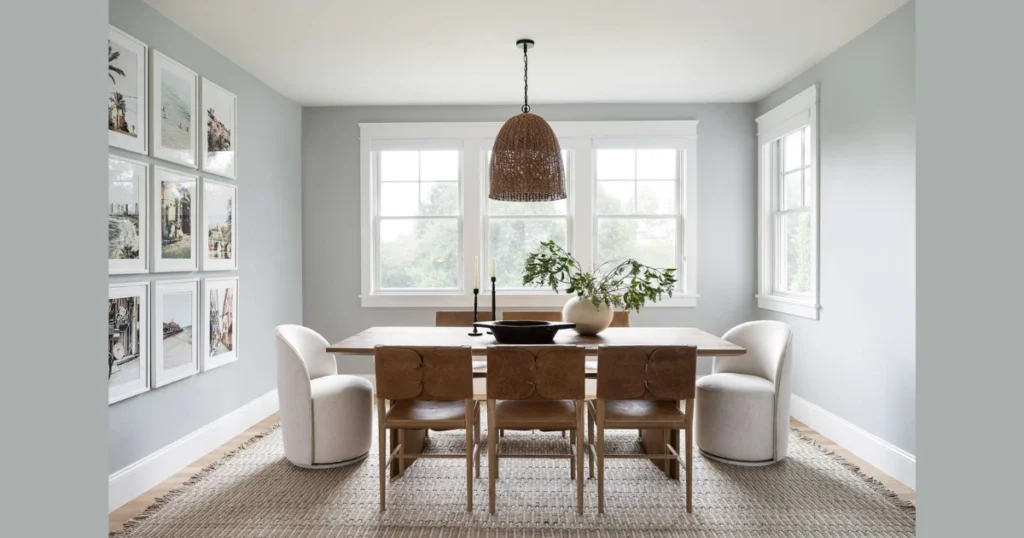
Neutral colors create harmony because they allow furniture and decor to stand out naturally. I often recommend cream, beige, soft gray, or warm white for walls in classic dining rooms.
Warm undertones help prevent the space from feeling cold or modern. These tones create a comfortable atmosphere that works well with wooden furniture and traditional lighting.
This color approach also provides flexibility for seasonal decor changes. I personally like neutral backgrounds because they remain timeless for many years.
5. Traditional Area Rug Under the Dining Table
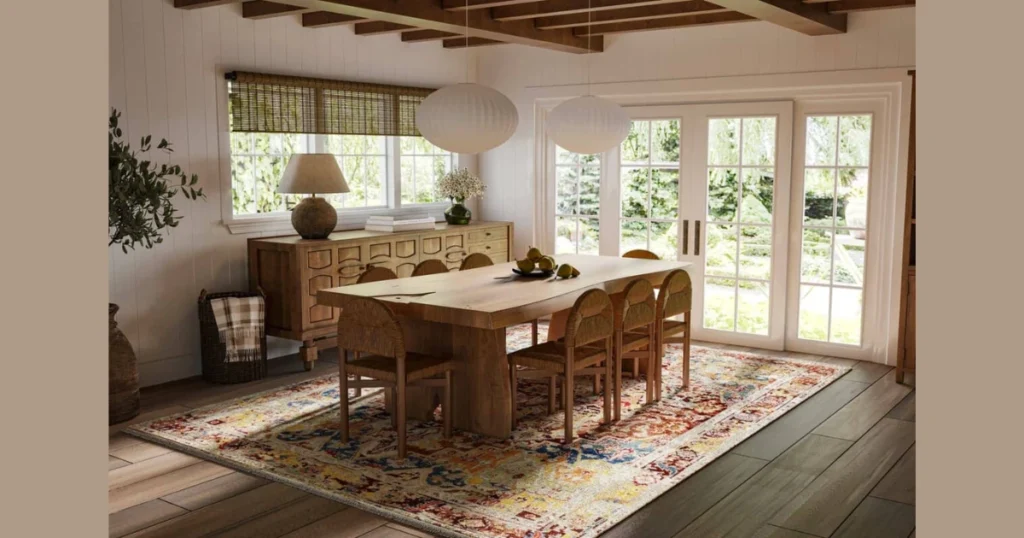
A traditional rug defines the dining space because it anchors furniture visually. I usually suggest Persian or oriental inspired patterns since they complement classic interiors beautifully.
Proper rug size ensures chairs remain on the rug even when pulled out. This detail improves both comfort and appearance while maintaining balance in the room.
Rugs also introduce warmth and texture underfoot. I often notice that dining rooms feel incomplete until a well-chosen rug is placed beneath the table.
6. Elegant Curtains with Soft Fabric Folds
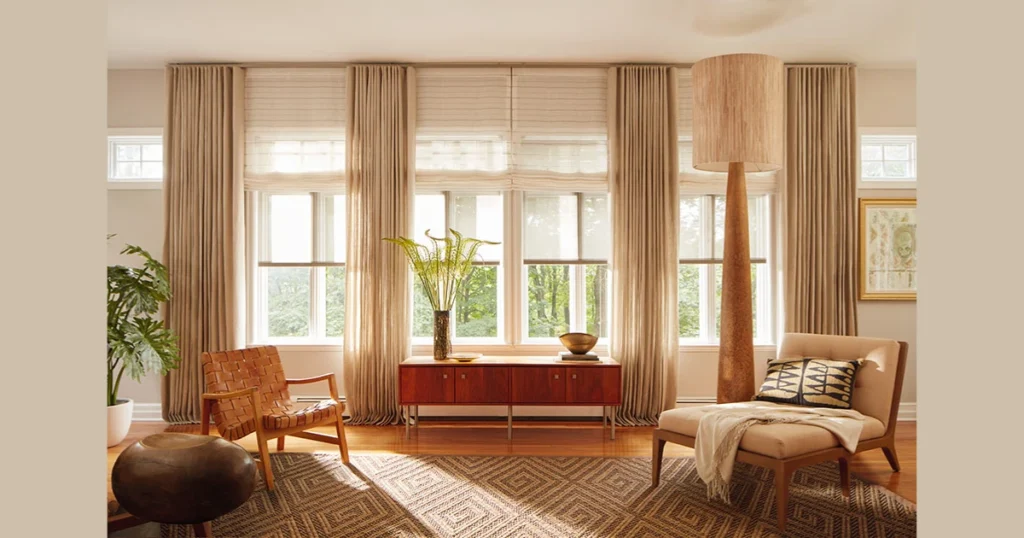
Floor-length curtains create sophistication because they add height and softness to the room. I often recommend fabrics like linen blends, silk-style materials, or velvet for a refined look.
Neutral or muted curtain colors usually work best with traditional decor. Coordinating curtains with chair upholstery or wall colors helps create visual harmony.
Proper curtain placement can also make ceilings appear taller. I personally hang curtains slightly higher than the window frame for a more polished effect.
7. Classic Dining Room with Wall Paneling or Wainscoting
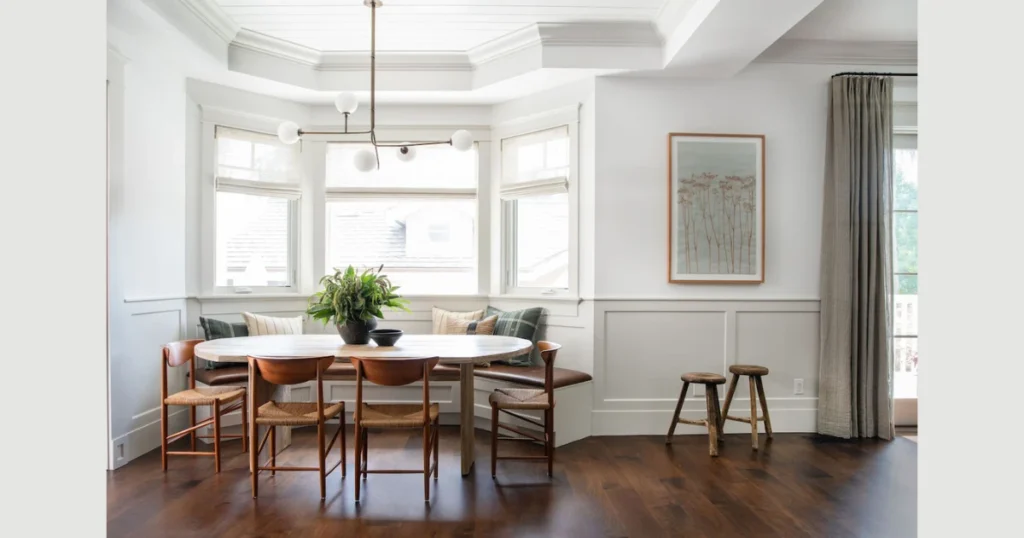
Wall paneling adds architectural detail because structured walls create a traditional atmosphere instantly. I often recommend wainscoting or picture frame molding since they provide depth without overwhelming the space.
Painted paneling in soft white or neutral tones enhances brightness while maintaining elegance. Darker panel colors can also create contrast when paired with lighter furniture and decor.
This design choice works well in both large and small dining rooms because it adds interest vertically. I have seen plain dining spaces look more refined after adding simple wall molding.
8. Decorative Sideboard or Buffet Cabinet
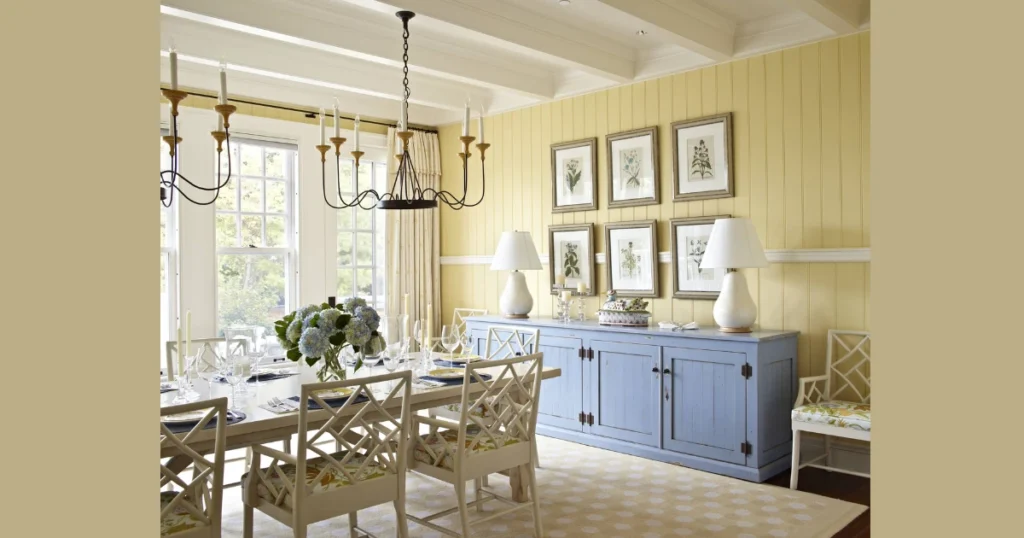
A sideboard adds function because it provides storage and serving space during meals. I like placing decorative items like lamps, vases, or trays on top to enhance the traditional look.
Wood finishes that match the dining table help create a cohesive and balanced appearance. This coordination often makes the entire room feel thoughtfully designed.
Storage furniture also helps keep the dining space organized and clutter-free. I personally appreciate how a sideboard improves both style and practicality at the same time.
9. Formal Table Centerpiece with Candles and Flowers
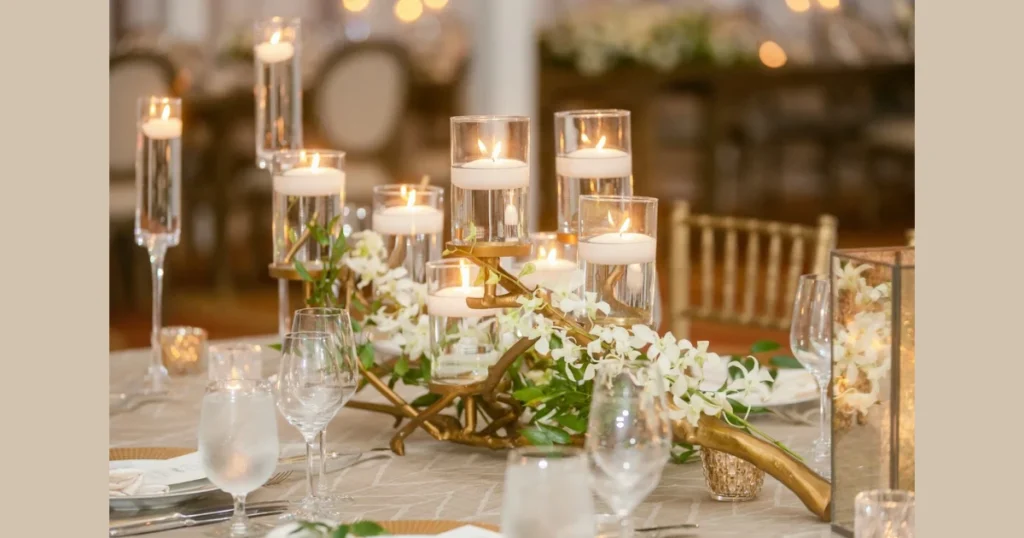
A centerpiece creates focus because it anchors the dining table visually. I often combine candles, fresh flowers, or decorative bowls to introduce elegance without overcrowding the table surface.
Height variation makes arrangements look intentional and professionally styled. Mixing tall candle holders with medium floral pieces creates a balanced composition that feels pleasing.
Seasonal centerpieces also keep the dining room feeling fresh throughout the year. I enjoy updating arrangements occasionally since it changes the atmosphere without major effort.
10. Classic Dining Room Lighting with Wall Sconces
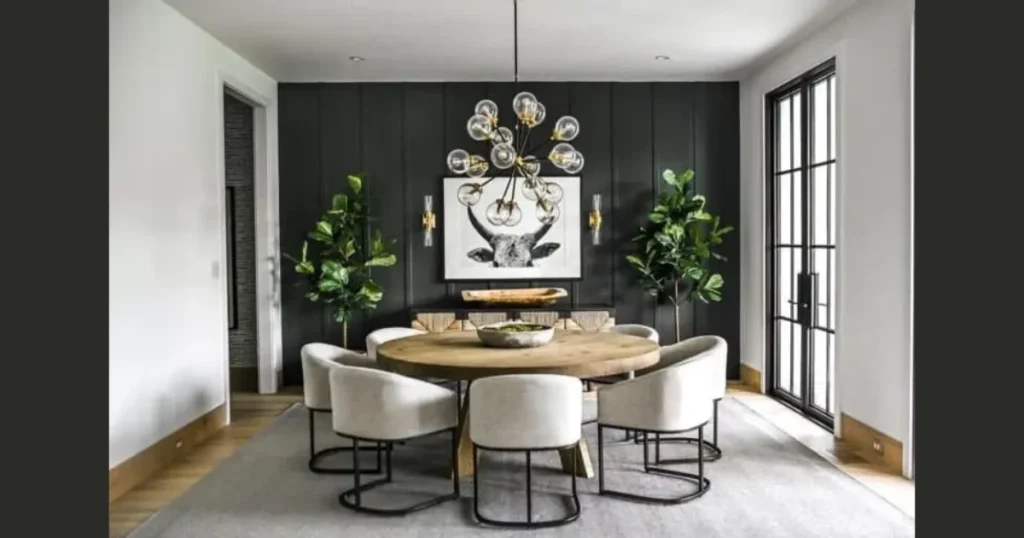
Wall sconces improve ambiance because layered lighting creates warmth and depth. I usually place sconces on side walls to complement the chandelier and avoid harsh shadows.
Traditional sconces with metal or fabric shades often enhance the classic atmosphere. Warm lighting also encourages a relaxed dining experience that feels comfortable for guests.
This lighting approach works especially well in formal dining spaces where atmosphere matters. I personally find layered lighting more inviting than relying only on overhead fixtures.
11. Decorative Wall Art with Traditional Frames
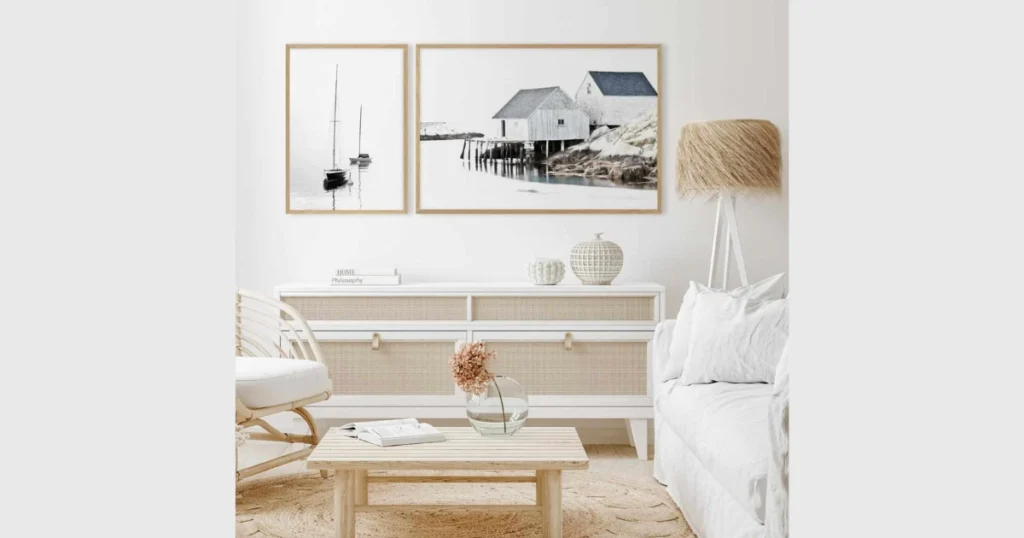
Wall art adds personality because it fills space while supporting the overall theme. I prefer classic paintings, landscapes, or framed prints with gold or wooden frames for traditional dining rooms.
Symmetrical placement often creates balance and visual order. Hanging artwork at eye level ensures it integrates naturally with the room design.
Art does not need to be expensive to look elegant. I have noticed affordable prints appear sophisticated when framed properly and displayed thoughtfully.
12. Classic Dining Room with Mirror Accents
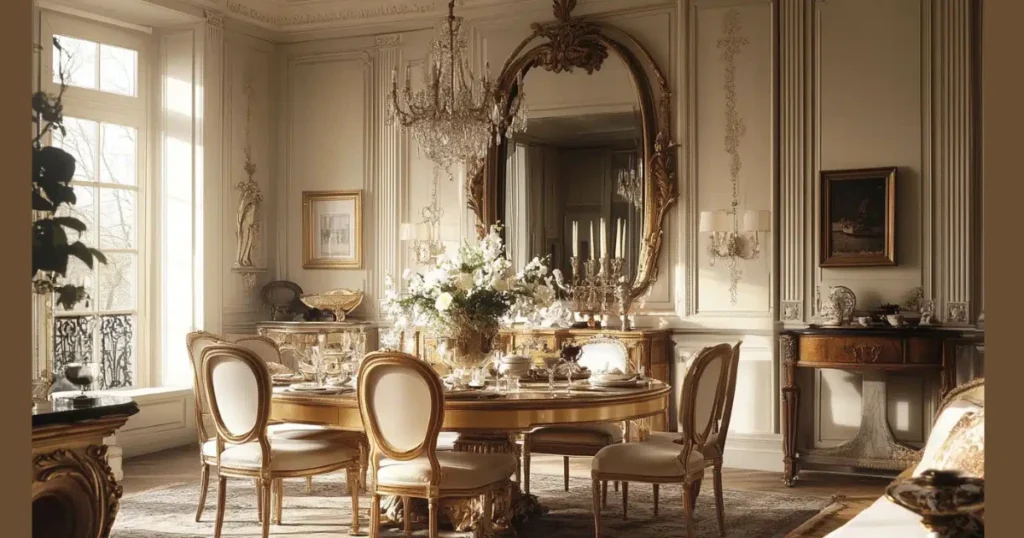
Mirrors enhance brightness because they reflect light and create depth in the space. I often recommend placing a mirror opposite a window or chandelier to maximize illumination.
Decorative frames with carved wood or metallic finishes complement traditional interiors beautifully. Mirrors also help make smaller dining rooms feel more open and spacious.
This simple addition can significantly improve the room without a major investment. I personally consider mirrors one of the easiest ways to increase elegance.
Tips to Create a Classic Dining Room on Any Budget
A classic dining room does not always require expensive furniture because planning priorities carefully makes the biggest difference. I usually focus first on lighting, seating comfort, and table styling since those elements impact daily use.
Here is a helpful comparison for planning:
| Element | Budget Option | Mid Range Option | Higher Investment |
|---|---|---|---|
| Dining Table | Engineered wood | Solid wood mix | Premium hardwood |
| Lighting | Decorative pendant | Crystal chandelier | Designer fixture |
| Chairs | Fabric seat basic | Upholstered chairs | Custom seating |
| Decor | Simple centerpiece | Styled accessories | Designer decor |
| Storage | Basic cabinet | Wood sideboard | Custom furniture |
Small improvements like curtains, rugs, and lighting upgrades often create noticeable changes without large expenses. I always recommend improving one element at a time instead of replacing everything at once.
Conclusion
Classic dining room ideas create a timeless atmosphere when you combine quality furniture, balanced colors, and thoughtful decor details. The goal is to achieve elegance that feels comfortable rather than overly formal.
Even small upgrades like better lighting, coordinated table settings, or wall molding can improve the dining space significantly. Consistency and symmetry often matter more than spending large amounts of money.
If you focus on comfort, warmth, and visual balance, your dining room will naturally feel refined and welcoming. A classic design remains appealing for years, which makes it a practical long-term choice.
FAQs
A classic dining room usually includes wooden furniture, neutral colors, elegant lighting, and symmetrical decor elements.
Yes, lighting, paint, rugs, and table styling can create a traditional look without expensive furniture.
Neutral shades, warm tones, and soft contrasts such as beige, cream, brown, and muted green work well.
Chandeliers are common but not required. Layered lighting with sconces and lamps can also create elegance.
Solid wood tables, upholstered chairs, sideboards, and traditional cabinets are commonly used.
Use symmetry, neutral colors, decorative molding, classic lighting, and coordinated decor elements.