
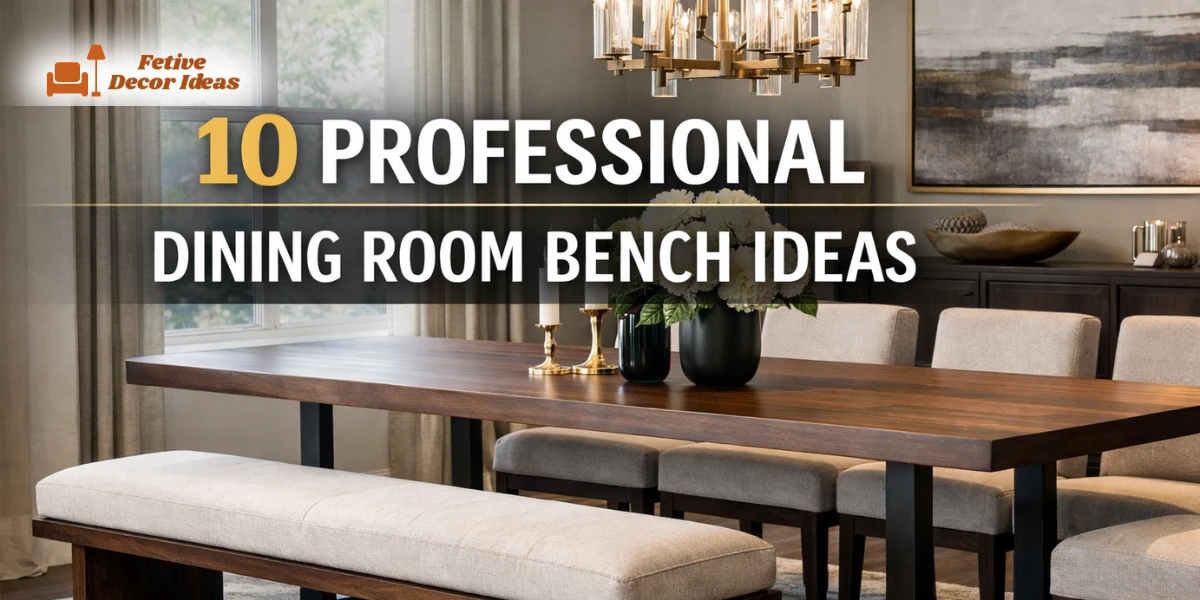
Professional dining room bench ideas focus on clean design, comfort, and balance that make a dining space feel intentional and well put together. I always look at benches as a smart way to add seating without crowding the room.
When chosen carefully, a dining bench brings a polished and organized look that fits both daily meals and formal gatherings. This guide shares practical, realistic ideas that work in real homes, not just styled photos.
Why Professional Dining Room Benches Work So Well
Professional dining room benches work because they combine function with visual order, which every well-designed dining room needs. I have seen many dining spaces feel cluttered simply because chairs take up too much visual and physical space.
A bench solves this by offering streamlined seating that stays aligned with the table and keeps walkways clear. This approach helps the dining area feel calmer and more structured.
Professional bench seating also supports flexibility, which matters in homes where dining rooms serve multiple purposes. I often recommend benches to people who host guests often, because benches adjust easily when more seating is needed.
They also tuck neatly under the table when not in use, keeping the room looking tidy. That practical advantage alone makes benches feel like a thoughtful design choice rather than a compromise.
1. Upholstered Dining Bench for a Polished Look
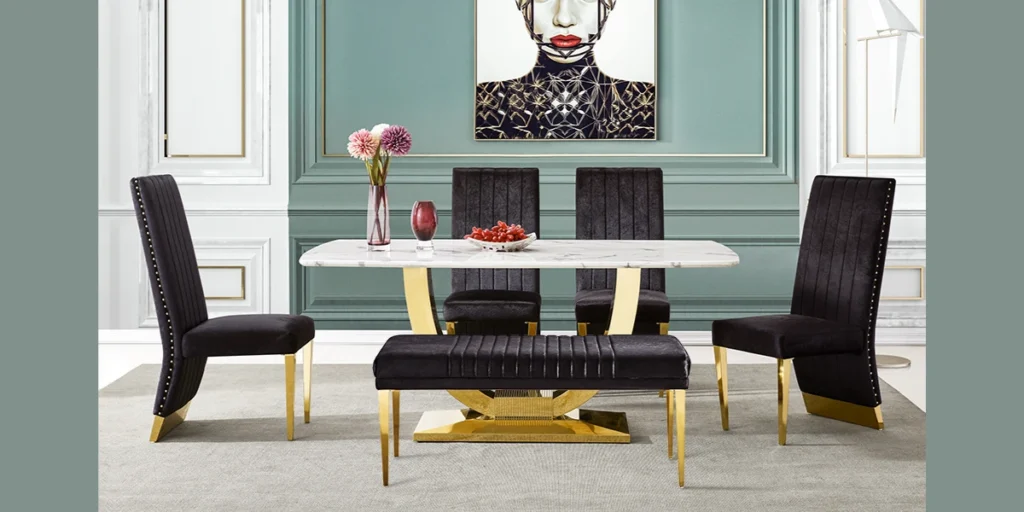
An upholstered dining room bench instantly adds a professional and finished appearance to the dining space. I like this option because fabric upholstery softens the room while still looking structured and intentional.
Neutral fabrics like beige, gray, or soft taupe keep the bench looking clean and suitable for formal dining areas. This style works especially well in homes that want comfort without losing elegance.
Comfort is the main reason I often recommend upholstered benches to families who use their dining room daily. A padded seat allows guests to sit longer during meals without discomfort, which matters during long dinners or gatherings.
When the bench includes firm cushioning, it maintains its shape and avoids looking sloppy over time. That balance between softness and structure is what keeps the bench looking professional.
2. Backless Wooden Bench with Clean Lines
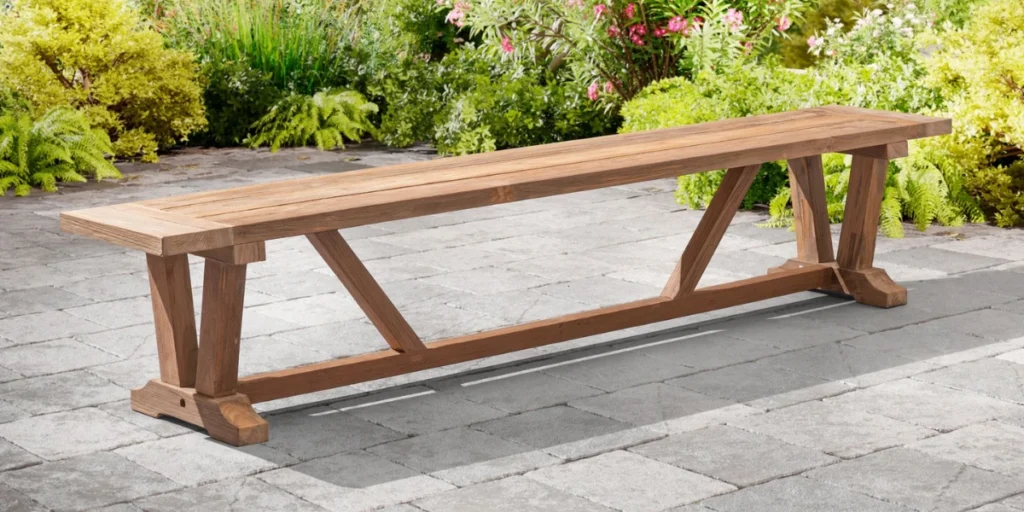
A backless wooden dining bench offers a simple and professional seating solution that fits many dining room layouts. I appreciate this style because it keeps the focus on the dining table while still providing functional seating.
Solid wood benches with straight legs and smooth edges create a clean and uncluttered look. This makes them ideal for modern and transitional dining rooms.
Durability plays a major role in why wooden benches feel professional. I have seen well-crafted wood benches last for years without losing their appeal. Hardwoods like oak, walnut, or maple handle daily use while maintaining their finish. When paired with a matching or complementary table, the bench feels like part of a complete dining set.
3. Bench with Built-In Storage for Smart Dining Rooms
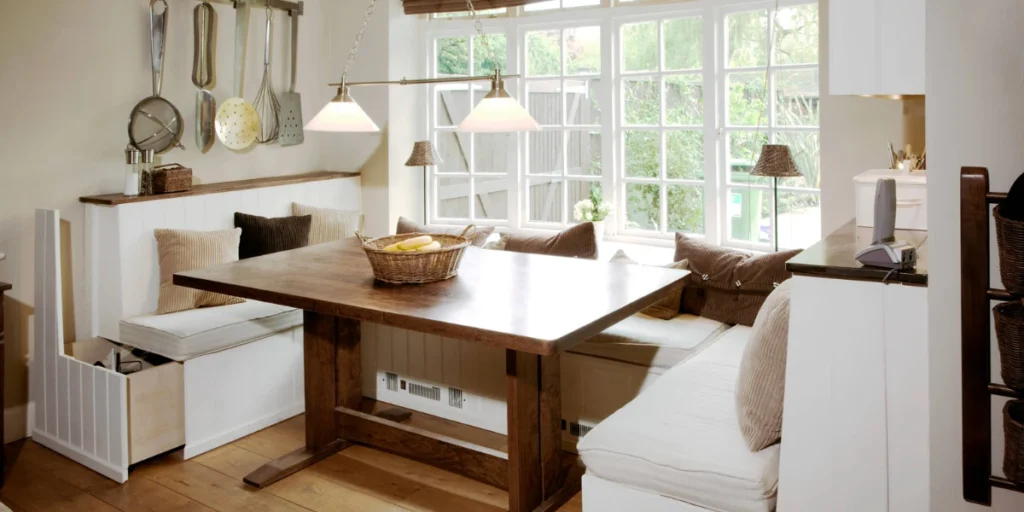
A dining room bench with built-in storage combines organization with professional style. I personally like this idea for homes where space matters and clutter needs control.
Storage benches allow you to hide extra linens, table mats, or seasonal items without adding cabinets. This keeps the dining room looking clean and intentional.
The key to keeping storage benches professional is choosing designs with concealed compartments. I suggest benches where storage lids close flush with the seat.
This detail prevents the bench from looking bulky or overly casual. Upholstered or wooden finishes work equally well when the storage remains hidden.
4. High-End Leather Bench for Formal Dining
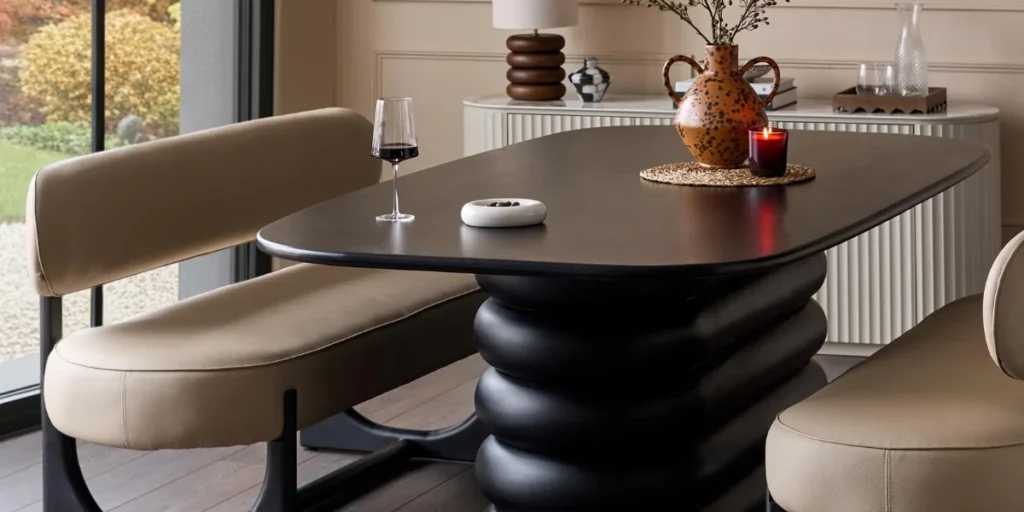
A leather dining room bench brings a refined and professional tone to the dining area. I often associate leather seating with formal spaces because it feels structured and durable.
Smooth leather surfaces in neutral tones like brown, tan, or black work best for dining rooms that aim for an elegant look. This choice pairs especially well with solid wood or glass dining tables.
Leather benches also offer long-term value, which matters when investing in dining furniture. I have seen leather age gracefully, developing character instead of looking worn.
Properly maintained leather resists stains better than many fabrics, making it suitable for dining use. That combination of beauty and practicality supports a professional environment.
5. Minimalist Bench with Metal Frame
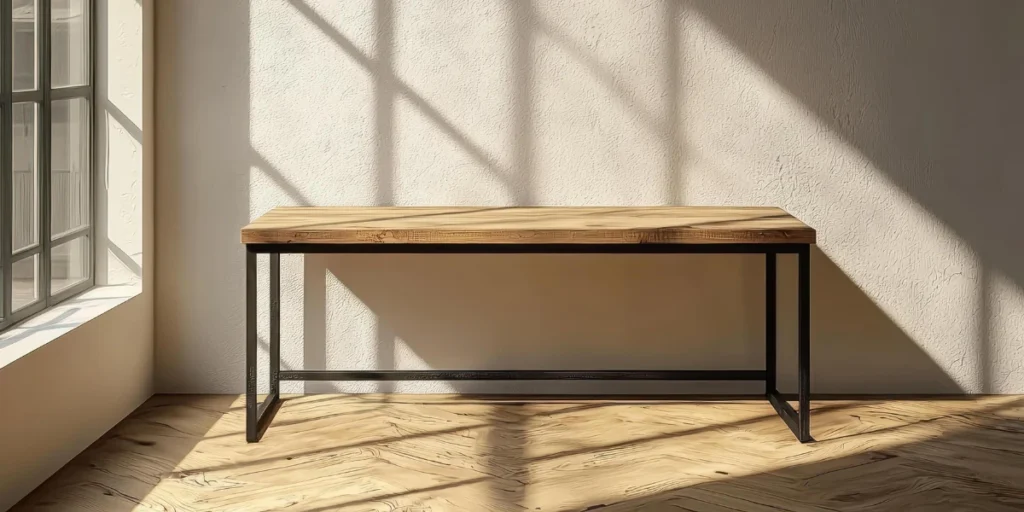
A minimalist dining bench with a metal frame offers a modern and professional seating solution. I like this option for dining rooms that focus on clean geometry and simplicity. Metal frames provide strength while keeping the bench visually light. When paired with a slim wooden or upholstered seat, the bench looks refined and intentional.
Metal-framed benches suit contemporary dining rooms where clutter-free design matters. I often suggest black or brushed steel frames because they blend easily with different color palettes. These finishes keep the bench from drawing too much attention while still adding structure to the room. The result feels balanced and controlled.
From my experience, minimalist benches also make dining rooms easier to maintain. Simple designs collect less dust and require minimal upkeep. When furniture stays easy to care for, the dining area remains presentable with little effort. That everyday practicality adds to the professional impression of the space.
6. Dining Room Bench with Back Support for Added Comfort
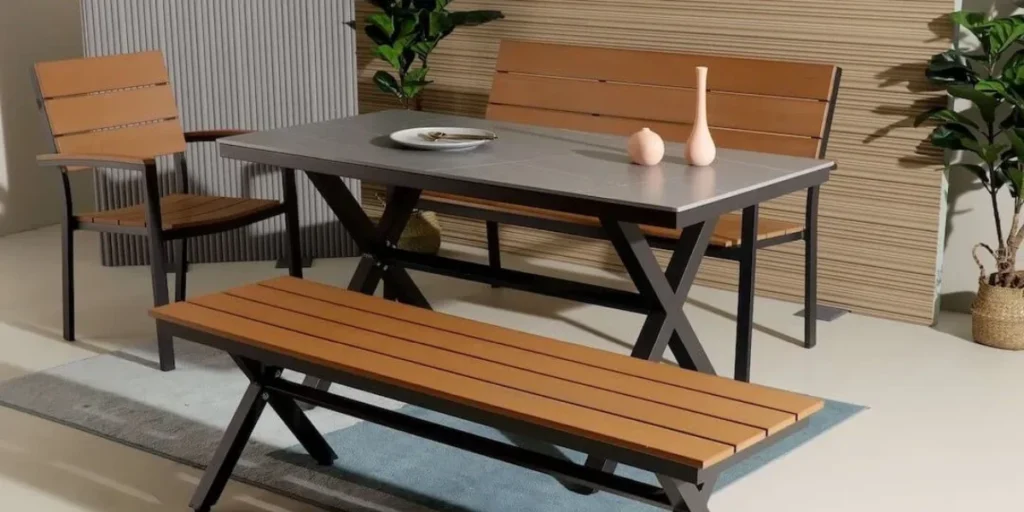
A dining room bench with back support offers a professional balance between comfort and structure. I often recommend this style to people who want bench seating but worry about long sitting hours.
A backrest provides posture support, which makes the bench suitable for extended meals, family gatherings, and even work-from-home dining setups. This added comfort makes the dining space feel more intentional and user-focused.
From a design perspective, benches with back support feel more formal than backless options. I have noticed that a low-profile backrest keeps the bench visually light while still adding definition.
Upholstered backs work well for formal dining rooms, while wooden backs suit transitional or classic interiors. The key is to keep the backrest simple and aligned with the table height.
7. Custom-Length Dining Bench for Perfect Proportion
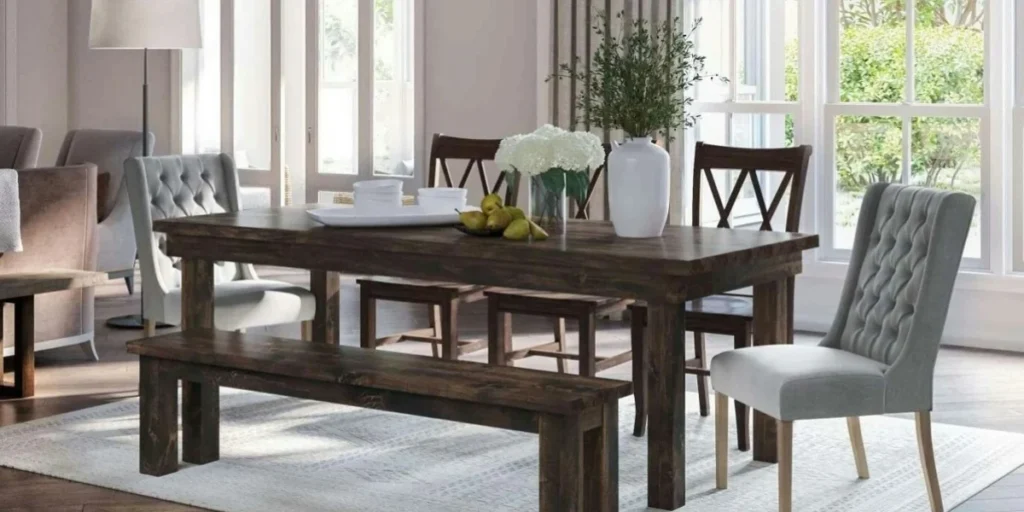
A custom-length dining room bench creates a tailored and professional appearance that standard furniture often cannot match. I always believe proportion matters more than decoration in dining rooms.
A bench that fits the exact length of the dining table avoids awkward gaps and uneven spacing. This detail alone makes the room feel well designed.
Custom benches also solve common layout challenges. I have worked with dining spaces where standard benches felt either too short or too bulky.
A made-to-measure bench allows proper legroom and smooth movement around the table. This practical advantage improves both comfort and flow in the dining area.
8. Bench Paired with Mixed Seating for Balanced Design
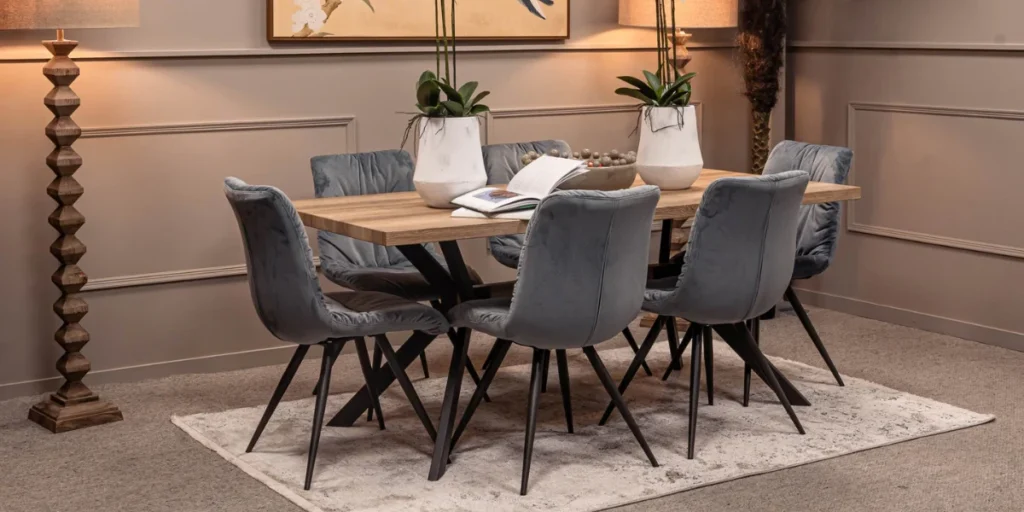
Using a dining bench alongside chairs creates a balanced and professional dining room layout. I like this approach because it avoids visual repetition while keeping the room structured. Placing a bench on one side and chairs on the other adds variety without feeling random. This setup works especially well in rectangular dining rooms.
The professional appeal comes from intentional contrast. I usually recommend matching the bench material with the dining table while letting chairs introduce texture or color. This keeps the space cohesive and prevents visual clutter. When done correctly, mixed seating looks planned rather than improvised.
This idea also supports flexible seating needs. I have seen families appreciate benches during gatherings because they seat more people comfortably. At the same time, chairs maintain a formal feel for everyday meals. That combination makes the dining room practical while still looking refined.
9. Neutral-Tone Bench for Timeless Dining Rooms
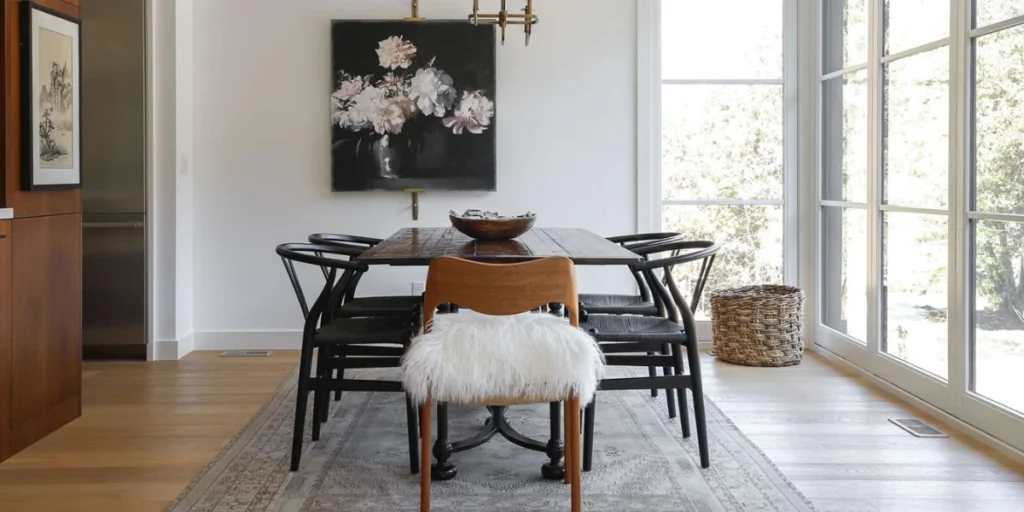
A neutral-tone dining room bench supports a professional and timeless dining design. I often suggest colors like beige, gray, soft brown, or muted wood tones.
These shades blend easily with different styles and allow the bench to stay relevant for years. Neutral benches also make it easier to update the room later.
The professional look comes from visual calm. Loud colors can dominate the dining space and feel casual. Neutral benches keep attention balanced between the table, lighting, and decor. I have noticed that dining rooms with soft tones feel more composed and welcoming.
10. Bench with Subtle Detailing for Refined Style
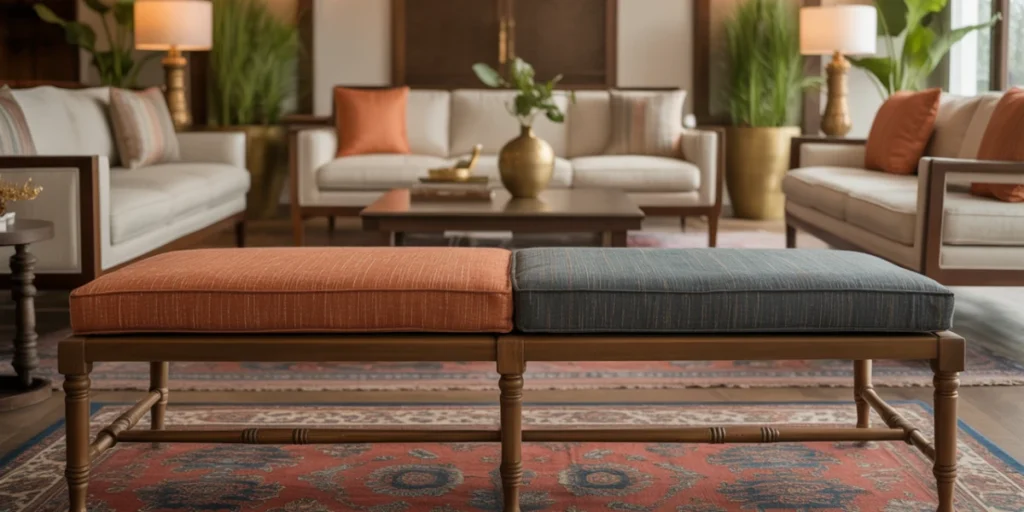
A dining bench with subtle detailing adds character without overpowering the room. I prefer benches with gentle curves, stitched upholstery, or lightly tapered legs. These small details elevate the design while keeping it professional. Overly decorative benches often feel out of place in dining rooms.
The goal is refinement, not decoration. I usually advise avoiding heavy carvings or bold patterns. Simple detailing adds interest while preserving clean lines. This approach works well in formal dining rooms that need warmth without distraction.
Subtle detailing also helps the bench blend with other furniture pieces. I have seen dining rooms where minimal detailing ties the bench to cabinets or lighting fixtures. That visual connection makes the entire space feel coordinated. A refined bench supports a thoughtful and cohesive dining setup.
Professional Tips for Choosing the Right Dining Room Bench
Choosing the right professional dining room bench requires attention to comfort, size, and material. I always suggest starting with measurements before selecting a bench. Proper sizing ensures smooth movement and balanced seating. Comfort should never come second, especially for dining spaces used daily.
Material selection also affects long-term satisfaction. Upholstered benches add comfort, while wooden benches offer durability. Leather provides a formal touch, while fabric brings softness. Each option suits different lifestyles, so matching material to daily use matters.
Comparison Table for Dining Room Benches
| Bench Type | Best For | Professional Appeal |
|---|---|---|
| Upholstered Bench | Comfort-focused dining | Soft and polished |
| Wooden Backless Bench | Small spaces | Clean and structured |
| Storage Bench | Organized homes | Functional and neat |
| Leather Bench | Formal dining rooms | Refined and durable |
| Metal Frame Bench | Modern interiors | Minimal and balanced |
Conclusion
Professional dining room bench ideas focus on thoughtful design, comfort, and balance rather than decoration. I always believe that the right bench improves both seating and visual order in the dining room. Each idea shared here supports practical use while maintaining a polished look.
When chosen carefully, a dining bench becomes more than extra seating. It shapes how the dining room feels and functions every day. I recommend focusing on proportion, material, and comfort to create a dining space that feels intentional and welcoming.
FAQs
A professional bench uses clean lines, quality materials, and proper sizing that matches the dining table.
Yes, especially upholstered or back-supported benches designed for dining use.
Benches work well in small spaces because they save room and slide under tables easily.
Yes, leather or upholstered benches fit formal dining rooms when styled correctly.
Yes, mixed seating adds balance and works well when planned carefully.
The bench should sit slightly shorter than the table to allow easy movement.