

When I think about dining room decor, curtains always feel like the quiet decision that makes a loud difference. Dining room curtain ideas matter because curtains control light, set the mood, add privacy, and visually connect walls, furniture, and windows.
If the curtains feel wrong, the entire dining space feels unfinished. If they feel right, the room instantly looks planned, welcoming, and comfortable for everyday meals and special gatherings alike.
1. Floor-Length Neutral Curtains for a Balanced Dining Look
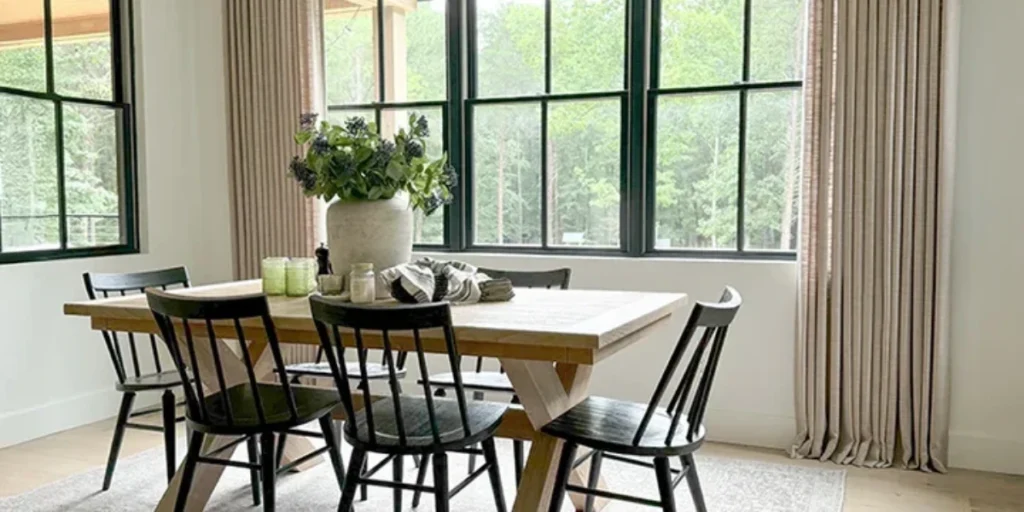
Floor-length neutral curtains remain one of the best dining room curtain ideas because they suit almost every interior style. I often recommend this option when someone feels confused about where to start. Neutral curtains create visual calm and allow dining furniture, lighting, and table settings to shine.
These curtains work well in both small and large dining rooms because they draw the eye vertically, making ceilings appear taller. Fabrics like cotton blends, linen mixes, or soft polyester hold their shape without feeling stiff. Colors such as beige, soft gray, off-white, or warm taupe blend easily with wall paint and wood furniture.
I personally prefer floor-length curtains in dining rooms where people gather often. They feel complete without looking heavy. The key is proper length. Curtains should gently touch the floor without pooling. This keeps the space clean and intentional rather than dramatic.
2. Sheer Curtains for Light-Filled Dining Spaces
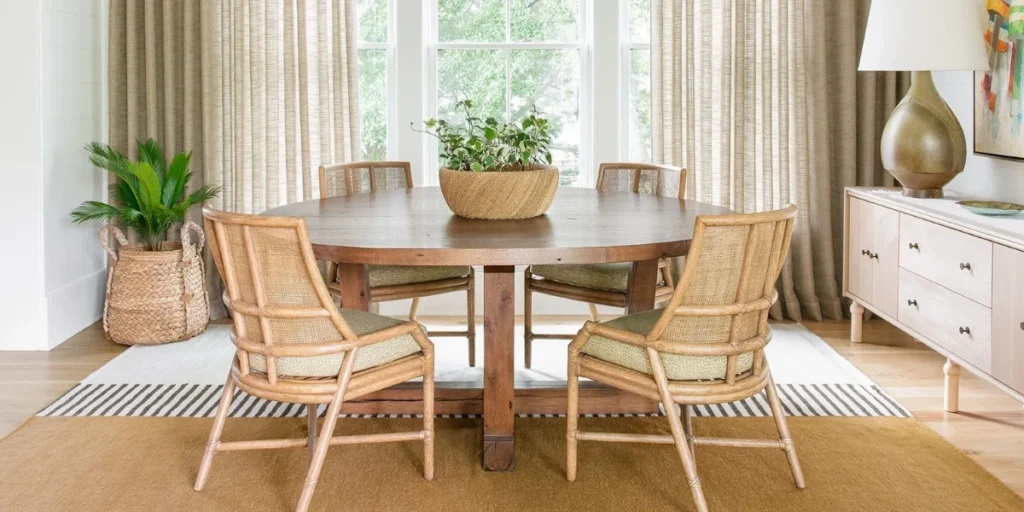
Sheer curtains work beautifully in dining rooms that receive good natural light. This dining room curtain idea suits homes where privacy matters less during the day, and brightness matters more. Sheer fabrics soften sunlight without blocking it, creating a warm and relaxed dining atmosphere.
White or ivory sheers look especially good in dining areas with wooden tables or light-colored walls. They filter harsh sunlight while keeping the room open and airy. I have seen many dining rooms feel instantly larger just by switching from heavy drapes to sheer panels.
Sheer curtains pair well with minimal decor styles, coastal interiors, and casual family dining spaces. They also layer easily with thicker curtains for evening privacy. If your dining room feels dark or closed in, sheer curtains offer an easy fix without changing anything else.
3. Linen Curtains for a Natural and Relaxed Dining Room
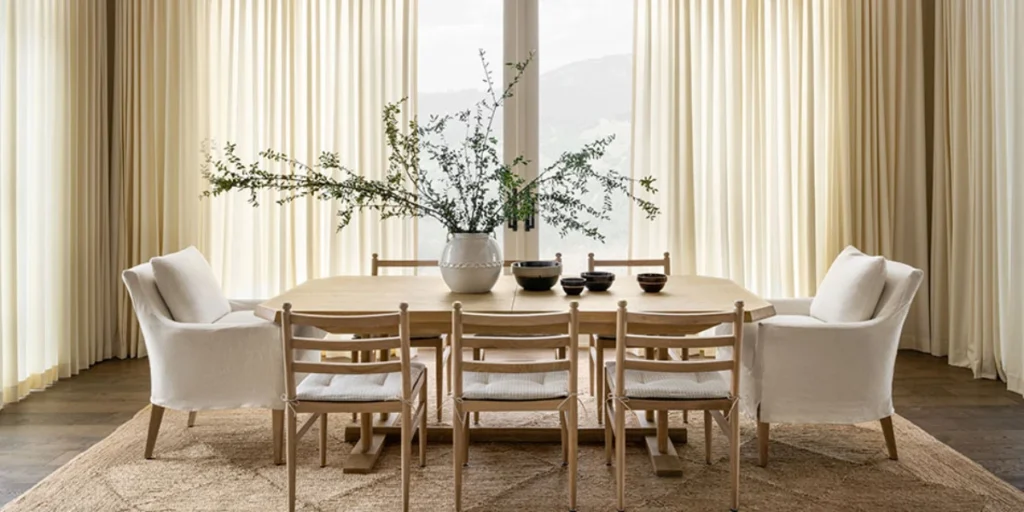
Linen curtains bring texture and softness, which makes them a favorite among dining room curtain ideas. I like linen because it feels natural, breathable, and lived-in without looking messy. Linen curtains suit dining rooms where comfort and warmth matter more than formality.
These curtains diffuse light gently and add subtle movement when windows are open. Natural linen tones, soft whites, and light earthy shades work best in dining areas. Linen pairs especially well with wooden dining tables, woven chairs, and neutral wall colors.
One thing I always mention about linen is maintenance. Linen wrinkles easily, but that relaxed texture is part of its charm. If you prefer a crisp look, linen blends offer the same appearance with less upkeep. Linen curtains fit well in farmhouse, modern rustic, and casual dining spaces.
4. Patterned Curtains to Add Visual Interest
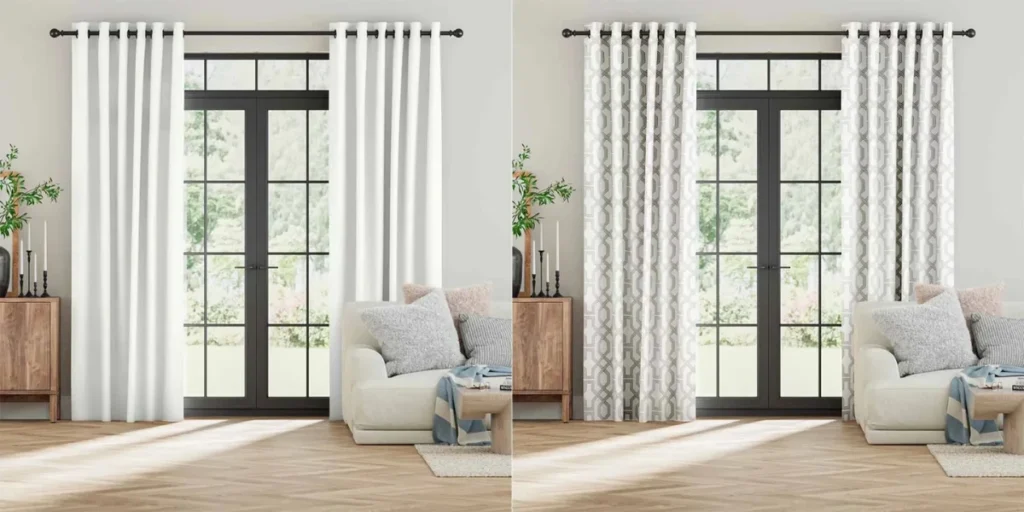
Patterned curtains help dining rooms that feel flat or overly simple. This dining room curtain idea works best when furniture and walls stay neutral. Patterns add movement and personality without overwhelming the space.
I usually suggest subtle patterns like stripes, geometric prints, or soft floral designs. Large bold patterns work too, but only when the dining room has enough space to handle them. The trick lies in color coordination. Choose patterns that repeat one or two colors already present in your dining room.
Patterned curtains draw attention to windows and frame the dining area nicely. They work especially well in open-plan homes where dining spaces need definition. If your dining room lacks character, patterned curtains solve that problem quickly and effectively.
5. Blackout Curtains for Formal or Evening Dining Rooms
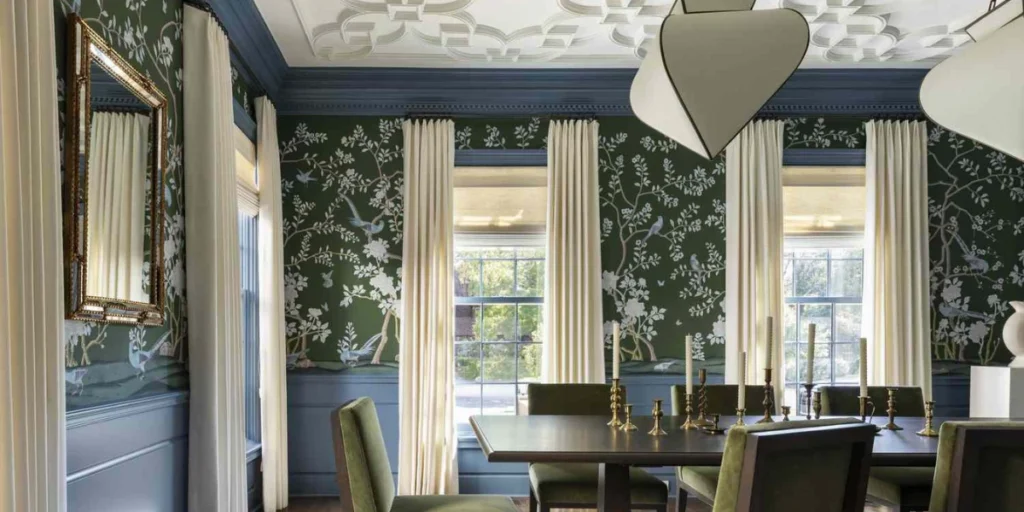
Blackout curtains often sound too heavy for dining rooms, but they work surprisingly well in certain settings. This dining room curtain idea suits formal dining rooms or spaces used mainly for evening meals and gatherings.
Blackout curtains control light completely and improve privacy. They also help regulate temperature, which makes dining rooms more comfortable year-round. I find them useful in homes where dining rooms face busy streets or strong sunlight.
The key to using blackout curtains successfully lies in fabric choice. Modern blackout curtains come in soft textures that do not look bulky. Choose neutral colors or subtle patterns to keep the room elegant rather than dark. Pairing blackout curtains with lighter wall colors keeps the space balanced.
6. Two-Panel Curtains for Symmetry and Structure
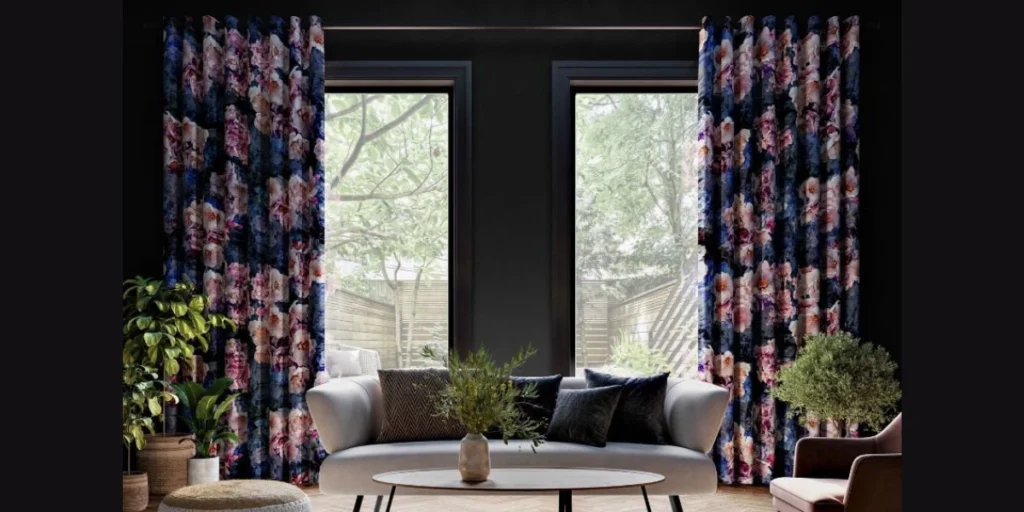
Two-panel curtains create balance and symmetry, which dining rooms benefit from visually. This dining room curtain idea frames windows neatly and makes the room feel organized. I often see this style used in dining rooms with large windows or sliding doors.
Two panels allow flexible light control. You can open them fully during the day and close them evenly in the evening. This symmetry works especially well in formal dining rooms or spaces with centered dining tables and chandeliers.
Choose fabrics that hold structure well, such as lined cotton or textured polyester. Neutral shades keep the look timeless, while subtle colors add warmth. Two-panel curtains feel intentional and polished without feeling stiff.
7. Light-Colored Curtains for Small Dining Rooms
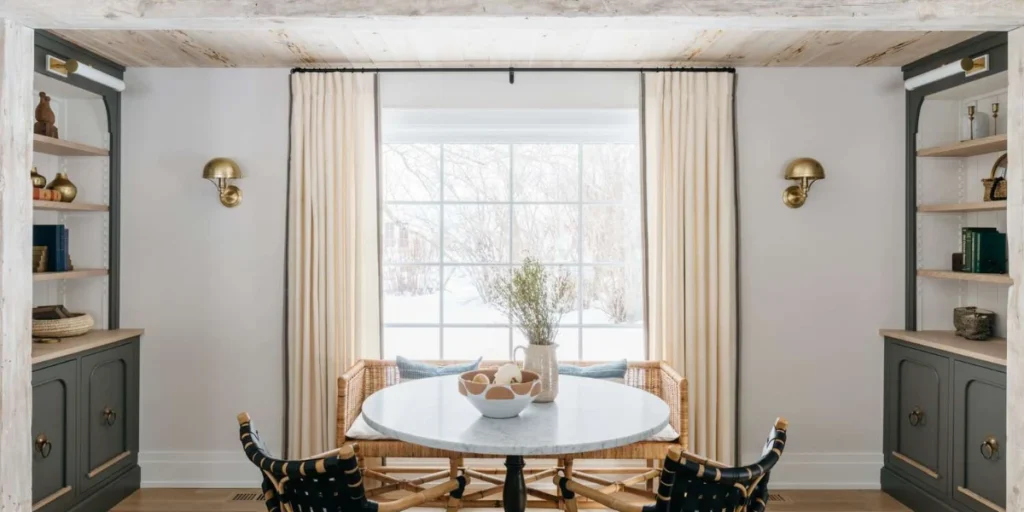
Light-colored curtains remain one of the smartest dining room curtain ideas for small spaces. They reflect light, reduce visual weight, and prevent the dining room from feeling cramped. I always suggest this option for apartments or compact homes.
Shades like white, cream, soft gray, or pale beige work best. These colors blend with walls and make windows feel larger. Lightweight fabrics enhance this effect by allowing light to pass through easily.
In small dining rooms, avoid heavy textures and dark colors. Light-colored curtains keep the focus on the dining table and seating instead of the window treatment. This approach keeps the room feeling open and comfortable.
8. Layered Curtains for Flexible Light and Privacy
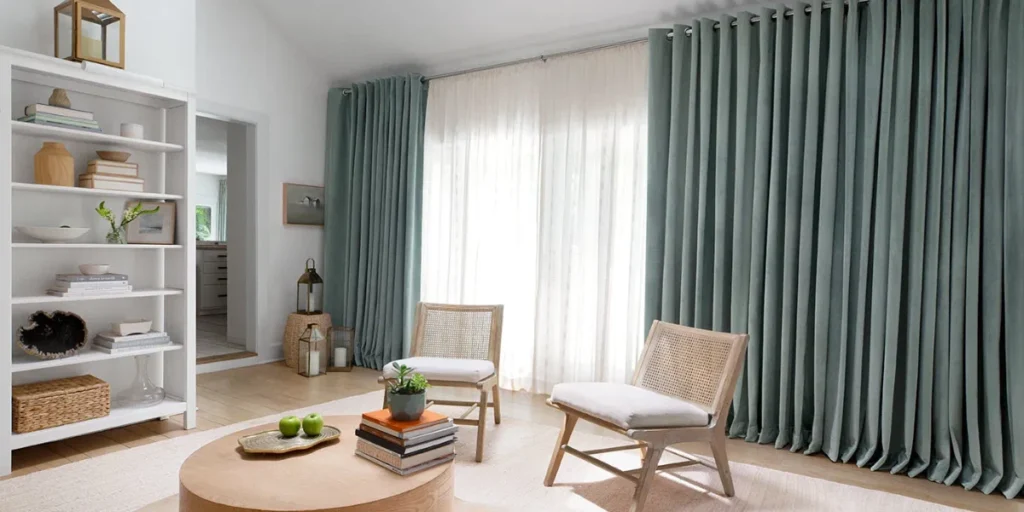
Layered curtains give you control, which is why I often suggest this dining room curtain idea to people who use their dining space throughout the day. This setup usually includes sheer curtains underneath and thicker panels on top.
During the day, sheer curtains allow natural light to flow while keeping a soft level of privacy. In the evening, closing the outer curtains creates a cozy and intimate dining atmosphere. I personally like layered curtains in dining rooms that host both casual family meals and formal dinners.
This style works best when colors stay coordinated. Neutral sheers paired with textured outer panels keep the look refined. Layered curtains suit medium to large dining rooms where window space allows proper stacking.
9. Bold-Colored Curtains to Make the Dining Room Stand Out
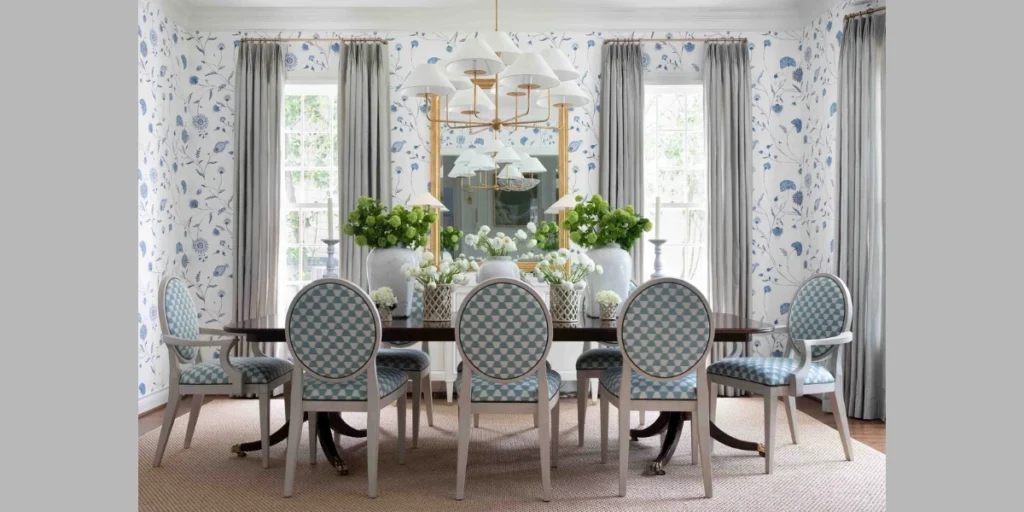
Bold-colored curtains suit dining rooms that feel too safe or plain. This dining room curtain idea works well when walls, tables, and chairs stay neutral. Curtains then become the focal point.
Colors like deep blue, olive green, rust, or burgundy add warmth and personality. I have noticed that bold curtains make dining spaces feel more intentional and styled, especially in homes with simple furniture.
The trick is restraint. Choose one bold color and keep everything else calm. Heavy fabrics work better for bold colors because they hold shape and prevent the color from looking flat.
10. Minimal Solid Curtains for Modern Dining Rooms
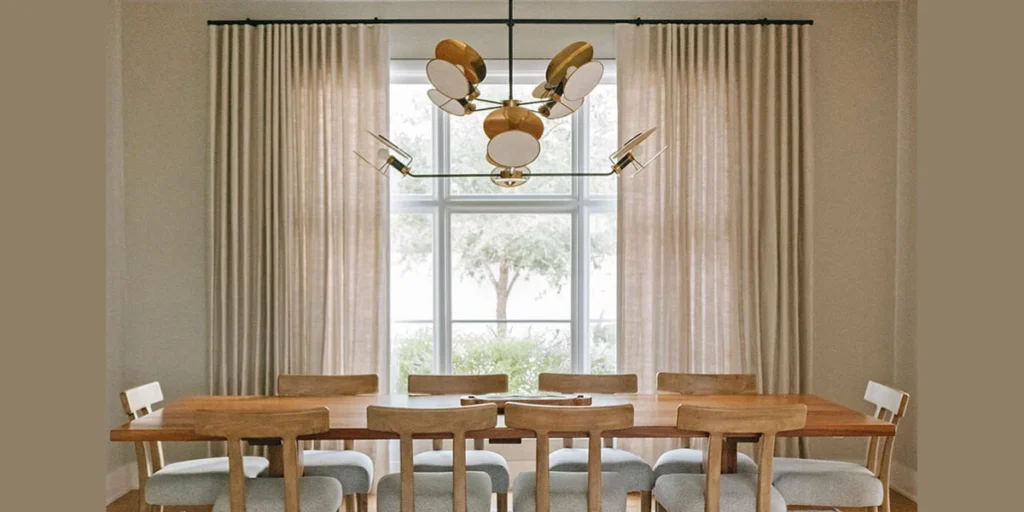
Minimal solid curtains work best in modern dining rooms where clean lines matter. This dining room curtain idea focuses on simplicity rather than decoration. The goal is to complement the space, not dominate it.
Solid curtains in neutral or muted shades blend seamlessly with modern furniture and lighting. I often suggest fabrics with a smooth finish, such as polyester blends or soft cotton, to maintain a clean look.
This style suits open-plan homes where the dining area shares space with the kitchen or living room. Minimal curtains keep visual noise low and help the entire space feel connected.
11. Roman Shades as a Curtain Alternative
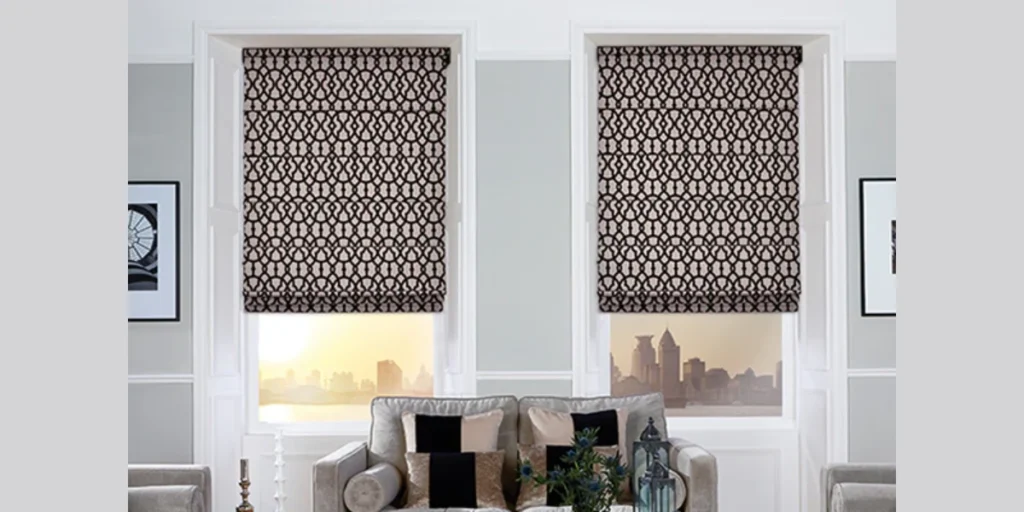
Roman shades offer a practical alternative to traditional curtains in dining rooms with limited space. This dining room curtain idea works well when floor-length curtains feel too bulky.
Roman shades sit neatly within the window frame and provide controlled light filtering. They look especially good in dining rooms with smaller windows or breakfast-style dining areas.
I like Roman shades in spaces where furniture sits close to windows. They avoid fabric clutter while still adding texture and softness. Choose neutral fabrics or subtle patterns to keep the look dining-appropriate.
12. Patterned Sheer Curtains for Soft Decoration
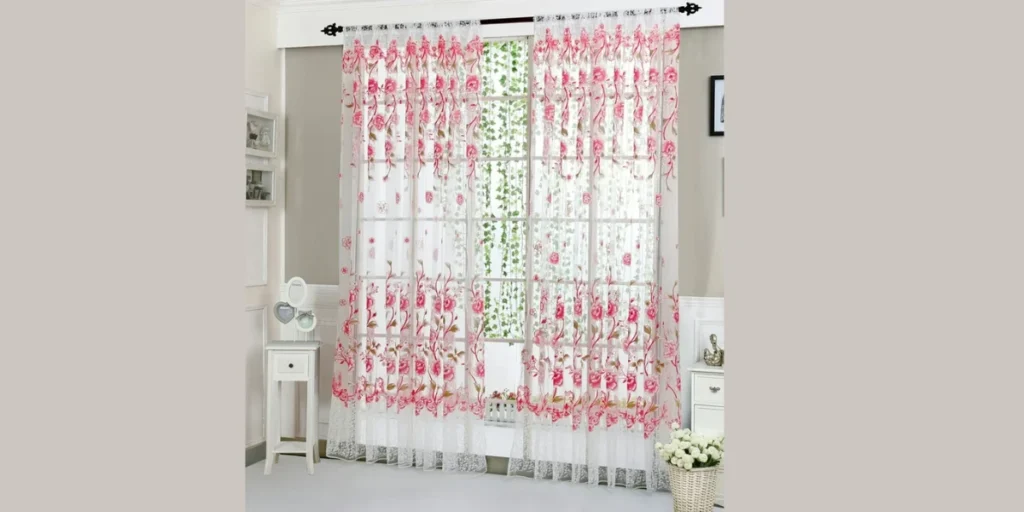
Patterned sheer curtains combine light control with visual interest. This dining room curtain idea suits homeowners who want decoration without blocking sunlight.
Subtle patterns such as vines, stripes, or light geometric designs add depth while keeping the room bright. I have seen patterned sheers work well in dining rooms that feel too plain but already receive good natural light.
These curtains pair nicely with solid furniture and simple wall colors. They add charm without overwhelming the dining space.
13. Dark Curtains for Formal Dining Rooms
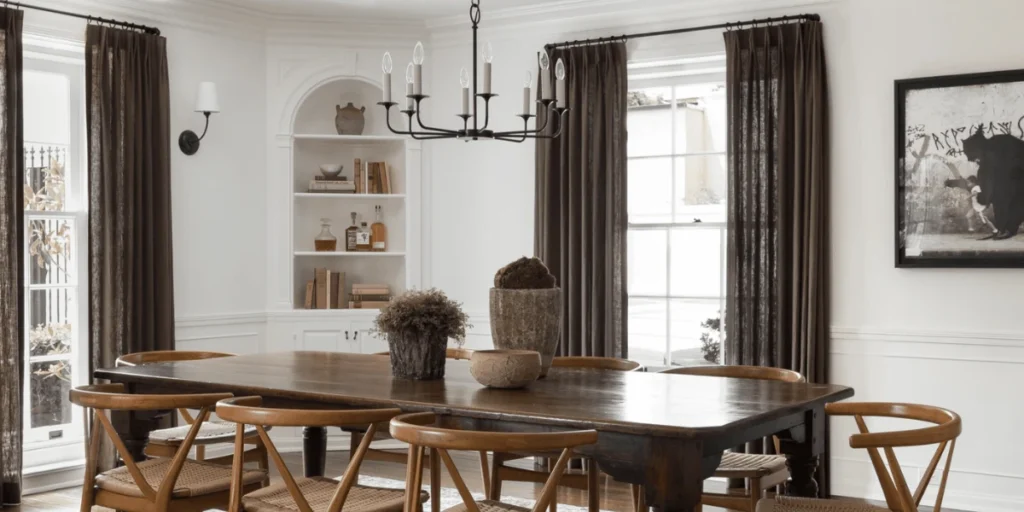
Dark curtains create drama and structure, which makes them suitable for formal dining rooms. This dining room curtain idea works best in spaces with high ceilings and ample lighting.
Colors like charcoal, navy, or deep brown frame the dining area and add a sense of occasion. I often recommend dark curtains for dining rooms used mainly for hosting guests rather than daily meals.
Balance matters here. Light walls, reflective surfaces, and good lighting prevent the space from feeling heavy. Dark curtains shine when paired with elegant dining furniture.
14. Curtains with Subtle Texture for Added Depth
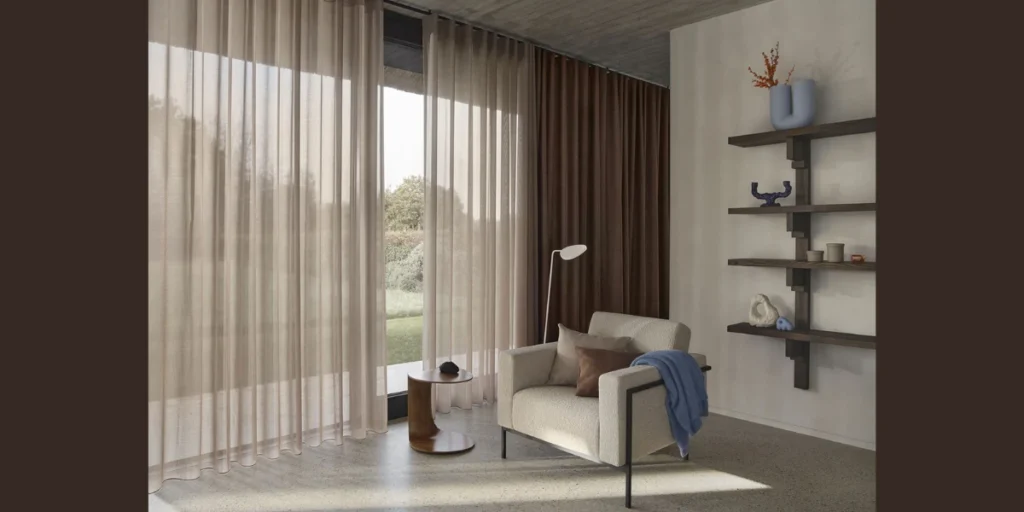
Textured curtains add interest without relying on color or patterns. This dining room curtain idea works well for homeowners who want a refined but not flashy look.
Fabrics like woven cotton, slub linen, or light jacquard create depth when light hits them. I like this option for dining rooms where everything else feels flat.
Texture adds warmth and visual comfort. Neutral textured curtains suit both modern and traditional dining spaces, making them a flexible choice.
15. Ceiling-Height Curtains for a Taller Dining Room Look
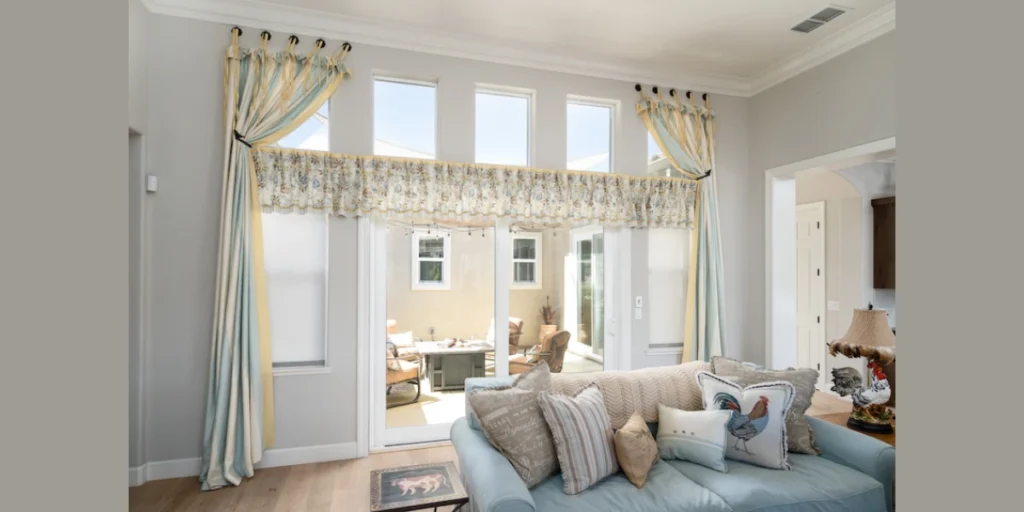
Ceiling-height curtains change how a dining room feels instantly. This dining room curtain idea creates height and elegance by extending curtains from ceiling to floor.
I often suggest this approach when dining rooms feel short or boxed in. Hanging curtains higher than the window frame draws the eye upward and makes the space feel larger.
This style works best with simple fabrics and solid colors. Overly detailed curtains can look overwhelming when installed at full height.
Conclusion
Choosing the right dining room curtain ideas comes down to balance. Curtains should support how the dining room functions while adding warmth and structure. I always suggest starting with light control and privacy needs first. Style should come next.
Neutral and sheer curtains work well for most homes. Bold or dark options suit dining rooms designed for hosting. Layered styles offer flexibility. Roman shades solve space challenges. No single curtain style fits every home, and that is perfectly fine.
When curtains match your dining habits and room layout, the space feels natural and inviting. That is the real goal.
FAQs
I find that floor-length curtains in neutral or light colors work best for most dining rooms. They balance style, privacy, and light control without overpowering the space.
Light curtains suit everyday dining rooms and small spaces. Dark curtains work better in formal dining rooms or spaces used mainly at night.
Yes, sheer curtains work well in dining rooms with good natural light. They provide softness and brightness while maintaining a sense of privacy.
Roman shades work well when space feels tight or furniture sits close to windows. They offer clean lines and controlled light filtering.
Dining room curtains should ideally reach the floor. This length creates a finished and balanced look.