
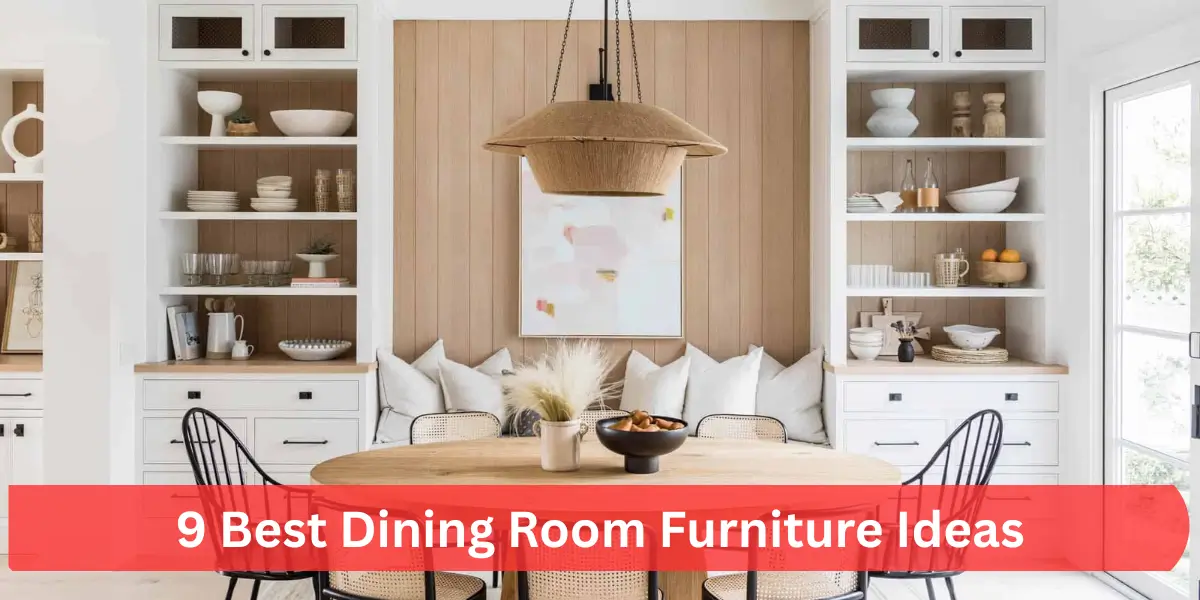
Dining room furniture ideas matter more than people often expect, because furniture directly controls how the space feels and functions. From my experience, the right furniture choices can make a dining room comfortable, organized, and easy to use every day.
It’s not just about filling the room with pieces, it’s about selecting furniture that supports movement, seating comfort, and real-life routines.
Whether the dining area is large or compact, furniture layout plays a key role in how smoothly meals and gatherings happen. In this article, I’ll share practical dining room furniture ideas that focus on usability, balance, and long-term comfort rather than short-lived trends.
1. Complete Dining Set for Balanced Planning
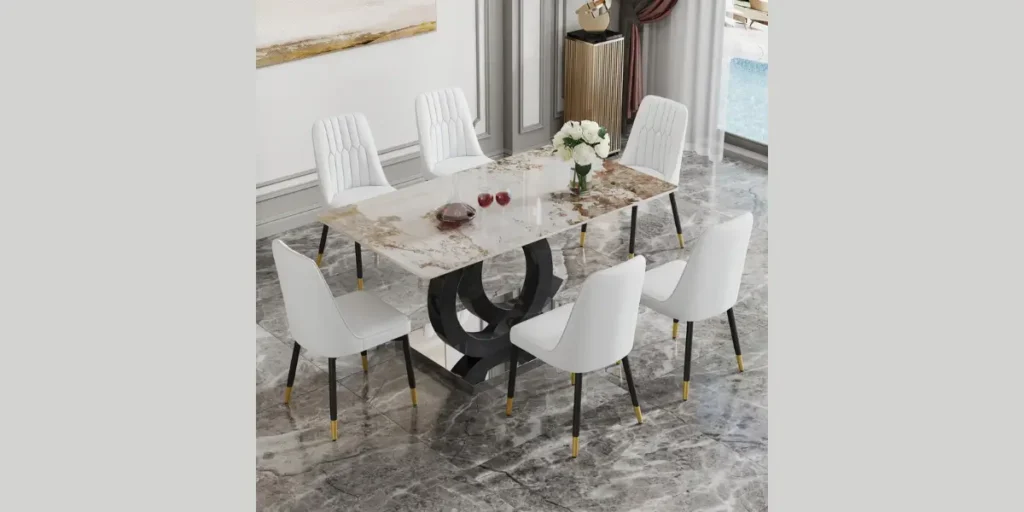
I often recommend a complete dining set when consistency and ease matter most. A table and chairs designed together automatically solve proportion issues, which helps the dining room feel organized and comfortable from day one. This approach removes guesswork and speeds up planning.
From a functional standpoint, matching sets support smooth movement. Chairs fit the table height correctly, and spacing feels natural during meals. I find this especially helpful for families who use the dining room daily.
Complete dining sets also age well. Because every piece follows the same design language, the furniture continues to look cohesive even as the room evolves around it.
2. Mix-and-Match Furniture for Flexible Use
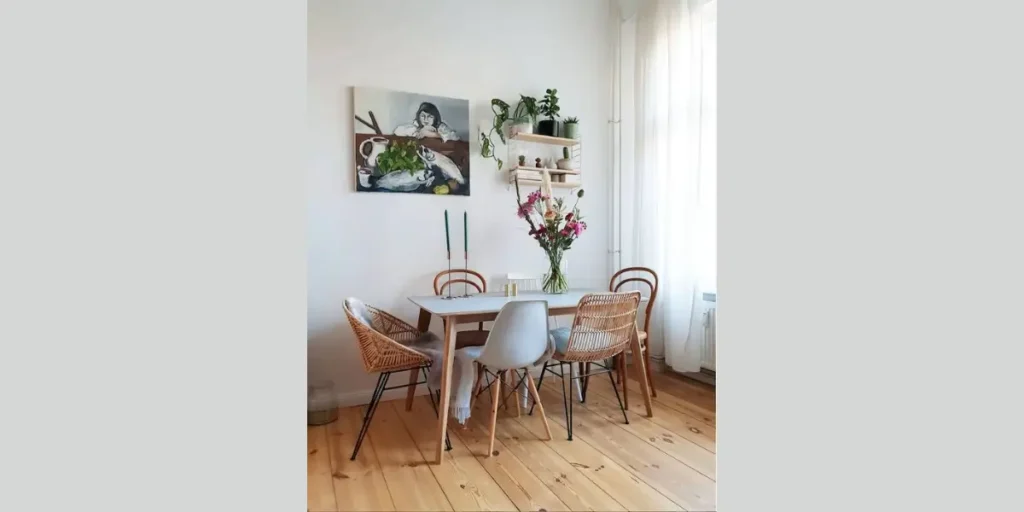
Mix-and-match dining furniture works well when personality and adaptability matter. I use this approach when a dining room needs to feel relaxed rather than rigid. Pairing a solid table with different chair styles keeps the space dynamic.
Functionally, this setup allows flexibility. I can replace or add seating without redesigning the entire room. This makes the dining area easier to adjust as needs change over time.
Mix-and-match furniture also supports real-life use. When furniture doesn’t feel overly formal, people feel more comfortable gathering, sitting longer, and using the space naturally.
3. Bench Seating for Space Efficiency
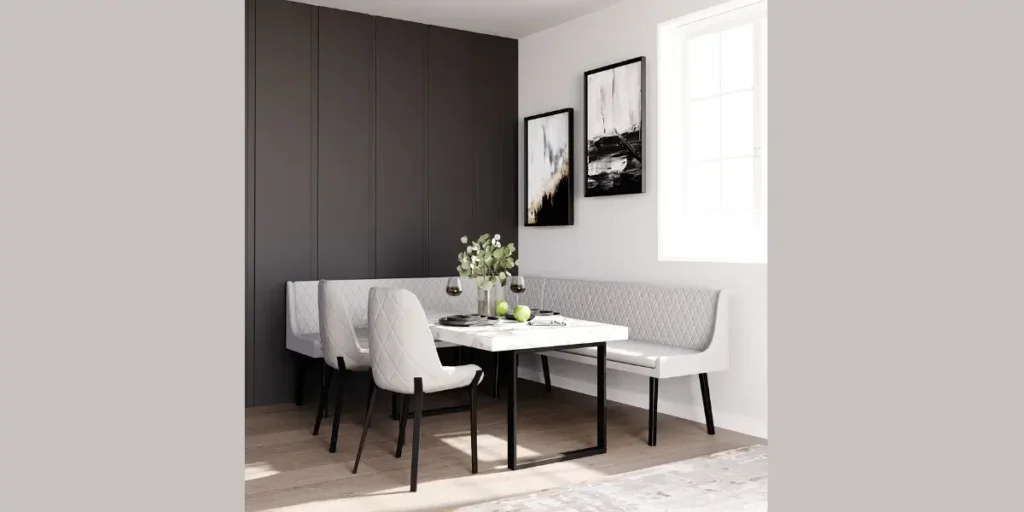
Bench seating works best when seating flexibility is a priority. I often suggest benches for families or homes where people move in and out frequently during meals.
From a planning perspective, benches save space. They slide fully under the table when not in use, which keeps walkways clear and improves circulation. This helps dining rooms feel more open.
Bench seating also encourages casual dining. It removes strict seating rules and allows more people to sit comfortably, making the dining room feel welcoming and functional.
4. Storage-Focused Dining Furniture
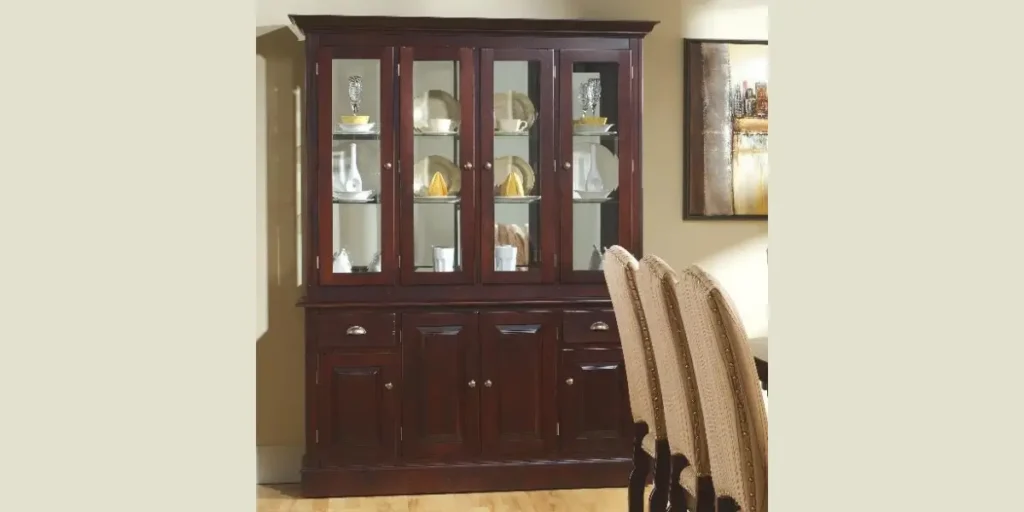
I prioritize storage-focused dining furniture when organization matters. Sideboards, cabinets, and buffets help keep dining essentials nearby without cluttering the table area.
This type of furniture improves flow. Instead of walking back and forth to other rooms, everything stays within reach, which makes meals smoother and more efficient.
Storage furniture also supports long-term use. A well-placed cabinet keeps the dining room tidy and reduces visual noise, making the space easier to maintain every day.
5. Minimalist Dining Furniture Design
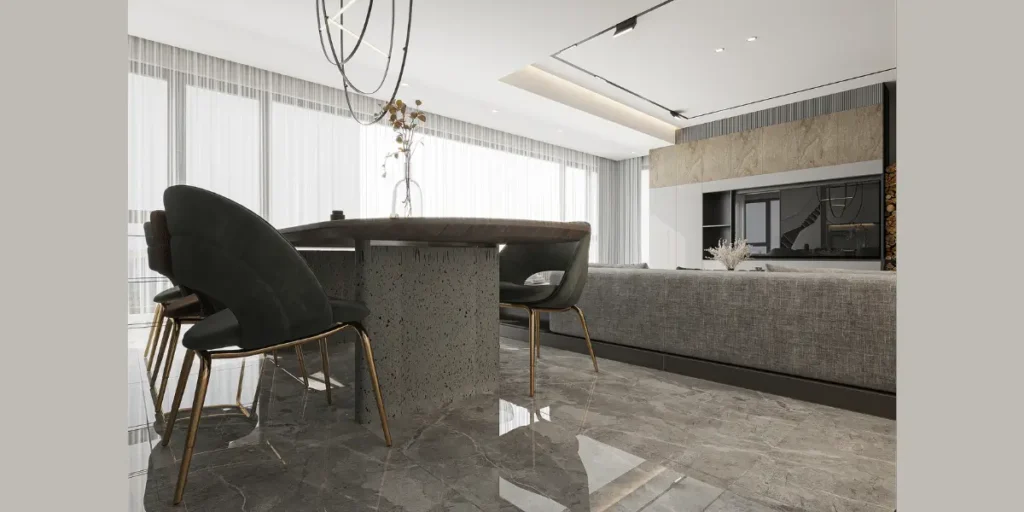
Minimalist dining furniture works when clarity and comfort come first. I often use simple tables and chairs to prevent the dining room from feeling heavy or crowded.
This approach improves movement. Clean lines and slim profiles allow me to maintain proper spacing, which makes the room easier to navigate during meals.
Minimalist furniture also adapts easily. Because the design stays neutral, the dining room can change over time without replacing major pieces, which adds long-term value.
6. Upholstered Chairs for Comfort-Focused Dining
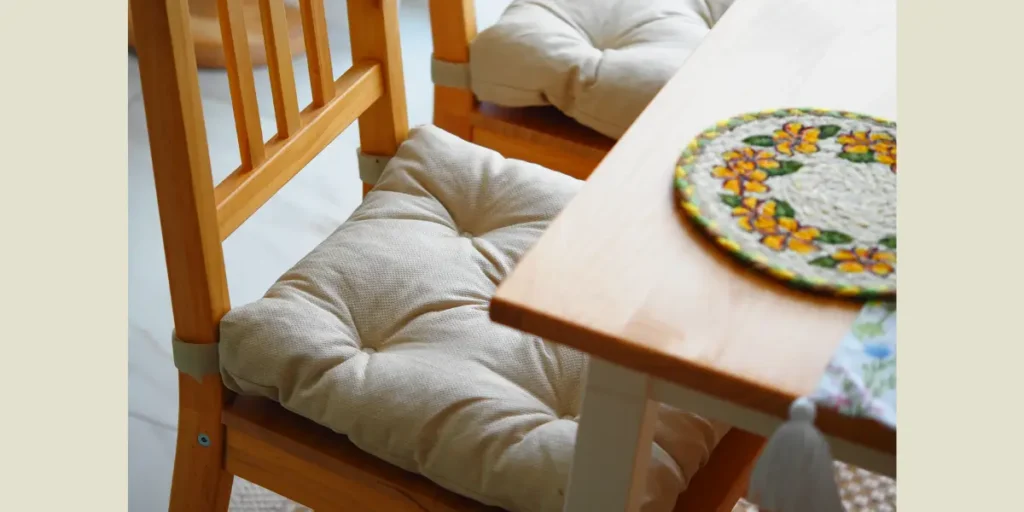
I recommend upholstered dining chairs when comfort is non-negotiable. Cushioned seating supports longer meals and encourages people to stay at the table without discomfort.
From a usability standpoint, these chairs reduce fatigue. I often pair them with sturdy tables to balance softness and stability within the dining room.
Upholstered chairs also influence how the room feels. When seating feels comfortable, the dining room naturally becomes a place for conversation, not just quick meals.
7. Extendable Dining Furniture for Changing Needs
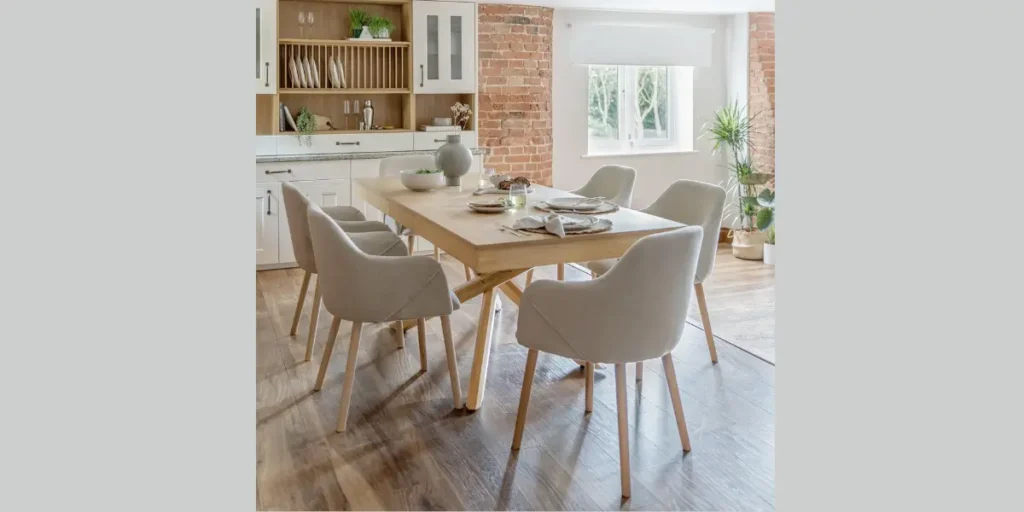
Extendable dining furniture works best for homes with variable seating needs. I use this option when the dining room must support both daily meals and occasional gatherings.
In everyday use, the furniture stays compact. When guests arrive, the table expands smoothly without disrupting the room layout.
This flexibility prevents overcrowding. Instead of planning for maximum size all the time, extendable furniture allows the dining room to stay comfortable and functional year-round.
8. Metal and Wood Combination Furniture
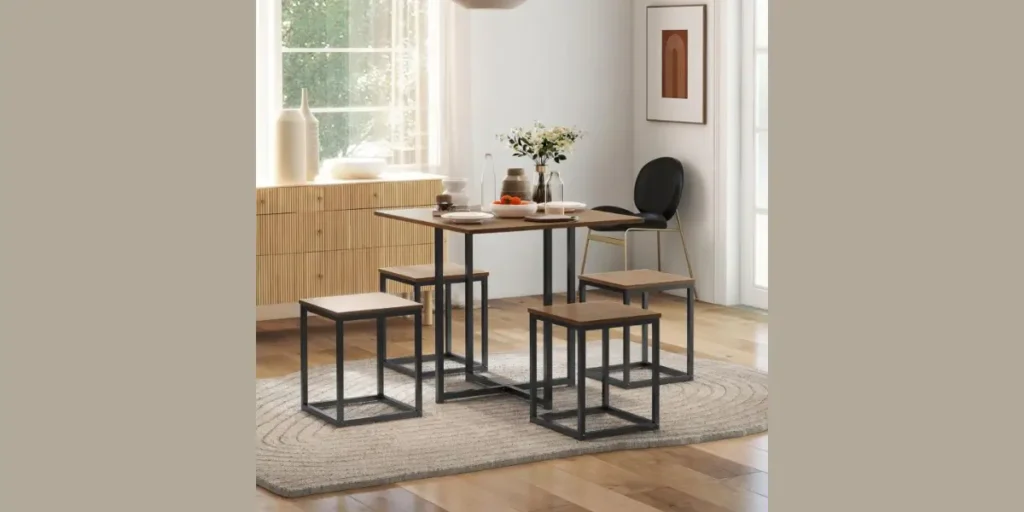
Metal and wood dining furniture offers strength and structure. I often choose this combination when durability and stability matter most.
The solid build anchors the dining room and helps define the space, especially in open layouts. This improves balance and prevents furniture from feeling temporary.
This furniture type also supports consistent use. Strong materials handle daily wear easily, which makes them suitable for busy households and long-term planning.
9. Compact Furniture for Small Dining Spaces
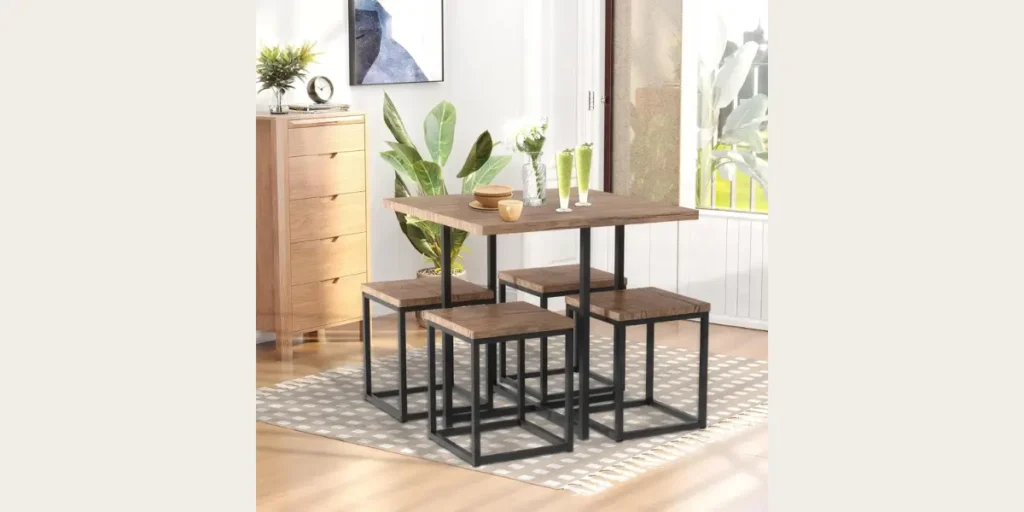
Compact dining furniture works when space is limited but usability still matters. I focus on slim tables and lightweight chairs that maintain comfort without crowding the room.
This approach improves circulation. Properly sized furniture allows people to move freely, which makes even small dining rooms feel functional.
Compact furniture also encourages smarter planning. Instead of forcing oversized pieces, the room stays balanced, comfortable, and easy to use every day.
How Dining Room Furniture Affects Comfort, Movement, and Daily Use
From my experience, dining room furniture directly controls how comfortable and usable the space feels. When furniture sizing and placement are correct, people can move easily, sit comfortably, and enjoy meals without feeling restricted. Poor furniture choices, on the other hand, quickly make a dining room feel cramped or awkward.
I always focus on how chairs pull out, how much walking space remains, and how storage furniture fits into the layout. When furniture supports natural movement and daily routines, the dining room becomes a space people enjoy using, not avoiding.
FAQs
At minimum, a dining room needs a table and comfortable seating. In my experience, adding storage furniture like a sideboard improves functionality. Essential furniture should support daily use without overcrowding the space.
For small spaces, I focus on compact furniture with slim profiles. Lightweight chairs and properly sized tables help maintain movement. Choosing furniture that fits the room scale makes the space feel larger and more usable.
Storage furniture isn’t mandatory, but it greatly improves organization. I find that sideboards or cabinets reduce clutter and keep essentials nearby. This makes meals smoother and the dining room easier to maintain.
Related Post
- 11 Best Dining Room Lighting Ideas
- 10 Best Dining Room Wall Decor Ideas
- 12 Famous Dining Room Table Ideas
- Top 10 Trending Dining Room Ideas
- Top 15 Dining Room Decor Ideas
Conclusion
Dining room furniture choices shape how the space performs every single day. From my experience, when furniture supports comfort, movement, and real routines, the dining room naturally becomes more inviting and easier to use.
The right balance between seating, storage, and table size prevents overcrowding and keeps the room functional long term. Instead of focusing on trends, selecting furniture based on space, usage, and comfort always delivers better results.
A well-furnished dining room doesn’t just look organized, it works smoothly, adapts to daily life, and supports meaningful moments around the table.