
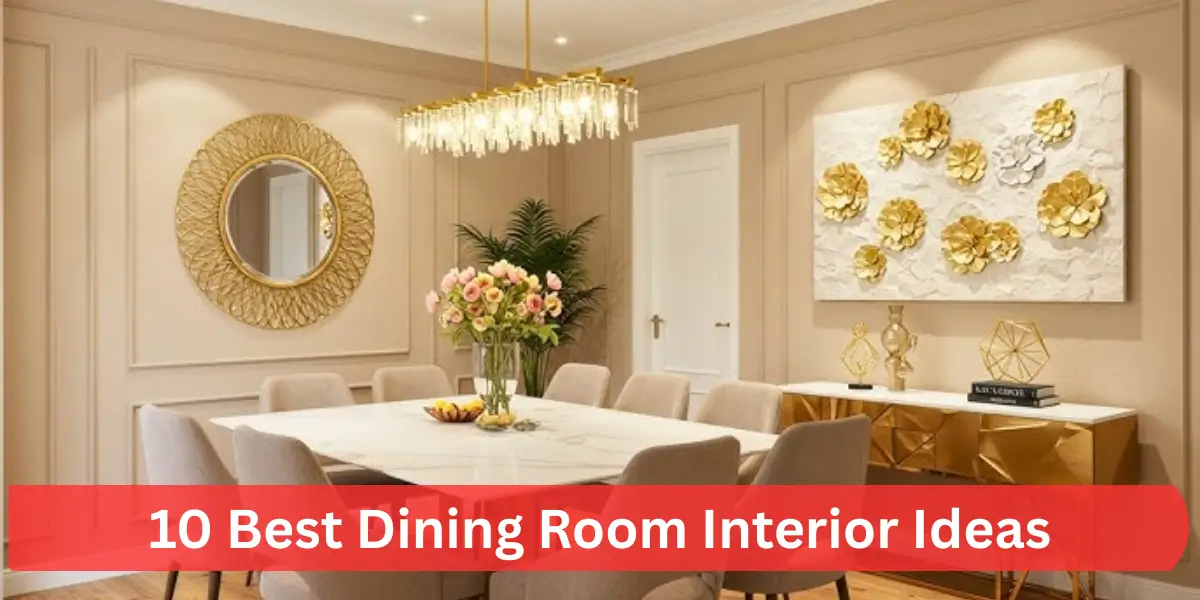
Dining room interior ideas shape how the space feels long before anyone sits at the table. From my experience, a well-designed dining room isn’t just about furniture placement, it’s about creating balance between comfort, flow, and visual appeal.
The right interior choices can make everyday meals feel special and gatherings more inviting. In this article, I’ll share practical and design-focused interior ideas that I’ve seen work beautifully in real homes.
Each idea focuses on functionality, atmosphere, and timeless style, helping you design a dining room that feels intentional, welcoming, and easy to live with.
1. Modern Minimalist Dining Room Interior
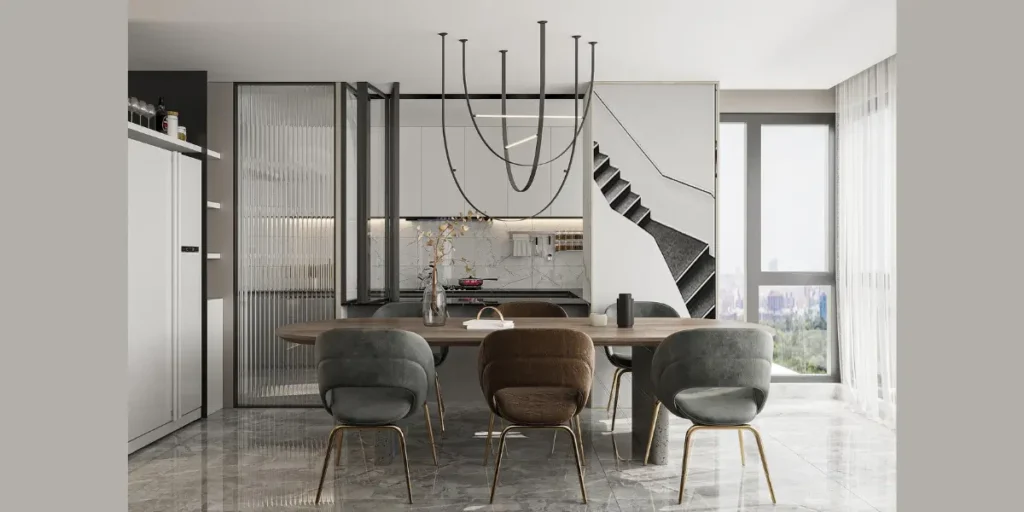
I often start with a modern minimalist approach when a dining room feels visually overwhelming. This style focuses on clean lines, uncluttered layouts, and intentional furniture placement. By removing excess décor, the room instantly feels calmer and more organized.
I usually work with neutral color palettes like soft whites, greys, or warm beiges. These tones create a balanced backdrop and allow furniture and lighting to stand out naturally. Simple tables and streamlined chairs complete the look.
Minimalist interiors work best when every element has a purpose. When done right, the dining room feels open, refined, and easy to live in without sacrificing style.
2. Luxury Dining Room Interior with Refined Details
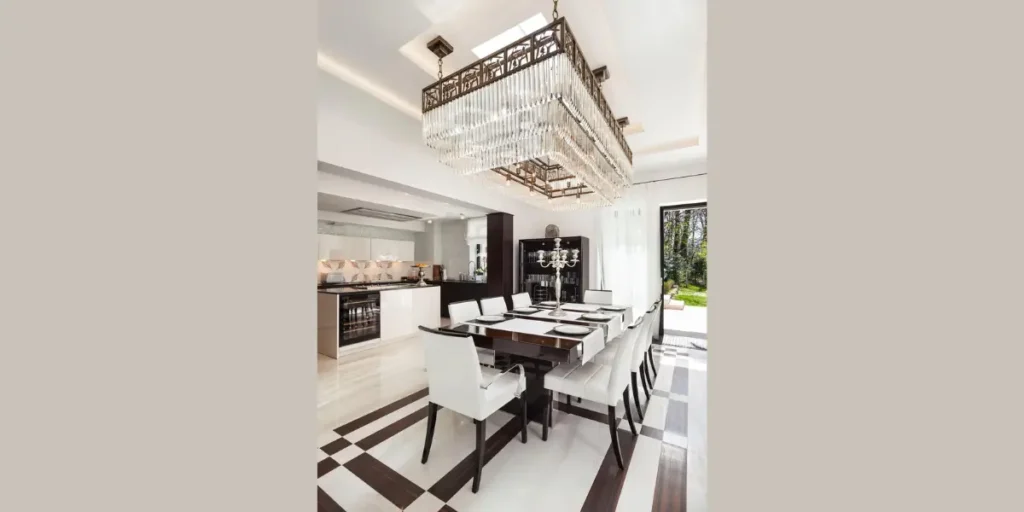
When designing a luxury dining room, I focus on quality rather than quantity. Rich materials like marble, velvet upholstery, or polished wood instantly elevate the space without needing excessive decoration.
I pay close attention to textures and finishes. Layering soft fabrics with glossy surfaces creates depth and visual interest. Statement lighting often becomes the focal point, tying the entire room together.
Luxury interiors should feel comfortable, not intimidating. By balancing elegance with warmth, the dining room becomes a space that feels special yet welcoming for both daily use and formal gatherings.
3. Scandinavian Dining Room Interior
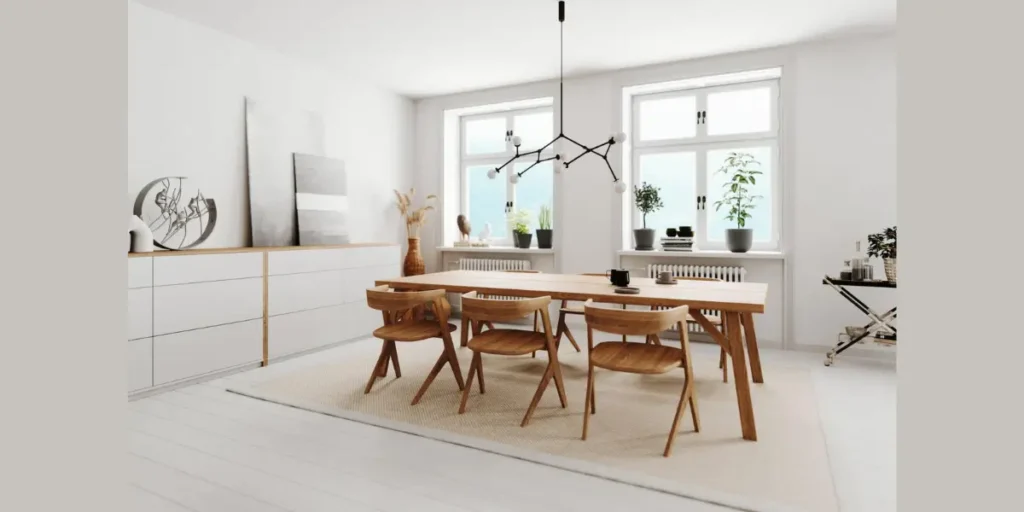
I recommend Scandinavian interiors when the goal is comfort, brightness, and simplicity. This style relies on light wood tones, soft colors, and natural materials to create a cozy atmosphere.
I prioritize functionality here. Chairs are ergonomic, tables are practical, and layouts encourage easy movement. Natural light plays a major role in enhancing the room’s warmth and openness.
Scandinavian dining rooms feel inviting without being overly styled. They support relaxed meals and everyday living while maintaining a clean, modern aesthetic that never feels outdated.
4. Open-Concept Dining Room Interior
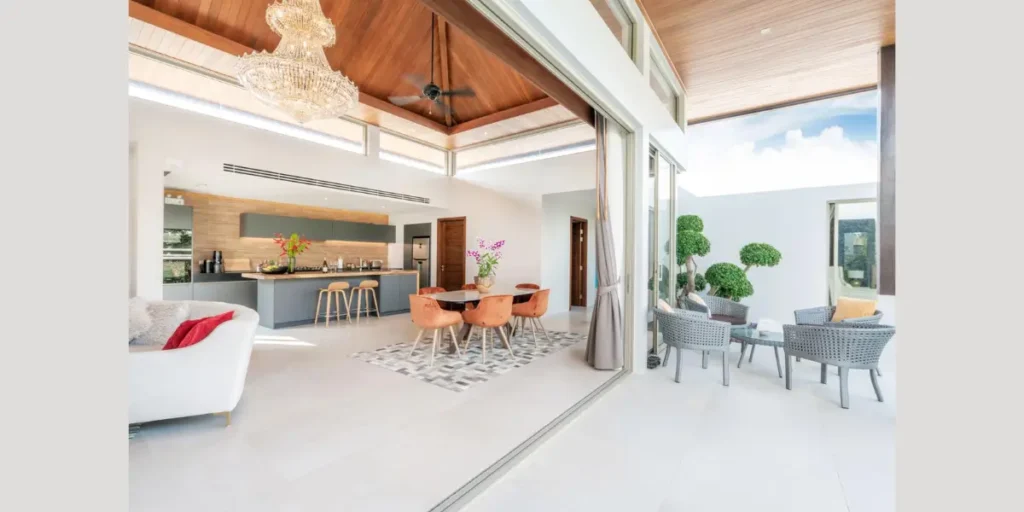
In open-concept homes, I design dining rooms to feel defined without using walls. Furniture placement, lighting, and rugs help visually separate the dining area from adjacent spaces.
I often use a statement dining table or pendant light to anchor the zone. This creates a clear focal point and gives the dining area its own identity within the larger layout.
Open-concept dining rooms work best when everything flows cohesively. When the materials and colors connect naturally, the space feels spacious, functional, and ideal for social interaction.
5. Rustic Dining Room Interior Style
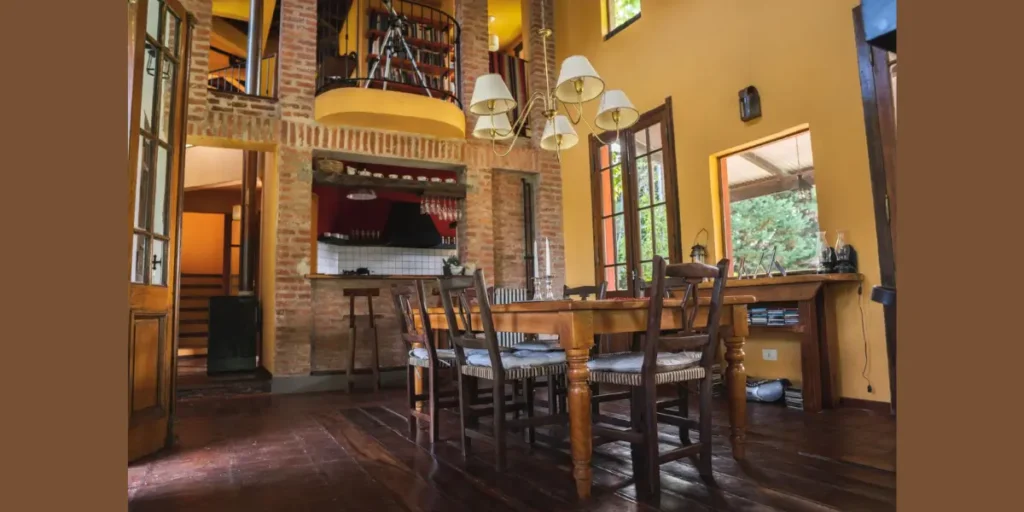
Rustic dining rooms bring warmth and character through natural textures. I often use solid wood tables, earthy tones, and soft lighting to create a grounded and welcoming environment.
I like incorporating imperfect finishes because they add authenticity. Reclaimed wood, textured walls, or handcrafted elements give the space a lived-in feel that feels genuine rather than staged.
Rustic interiors work well for family-focused dining rooms. They encourage comfort and connection, making the dining space feel like the heart of the home rather than a formal area.
6. Contemporary Dining Room Interior
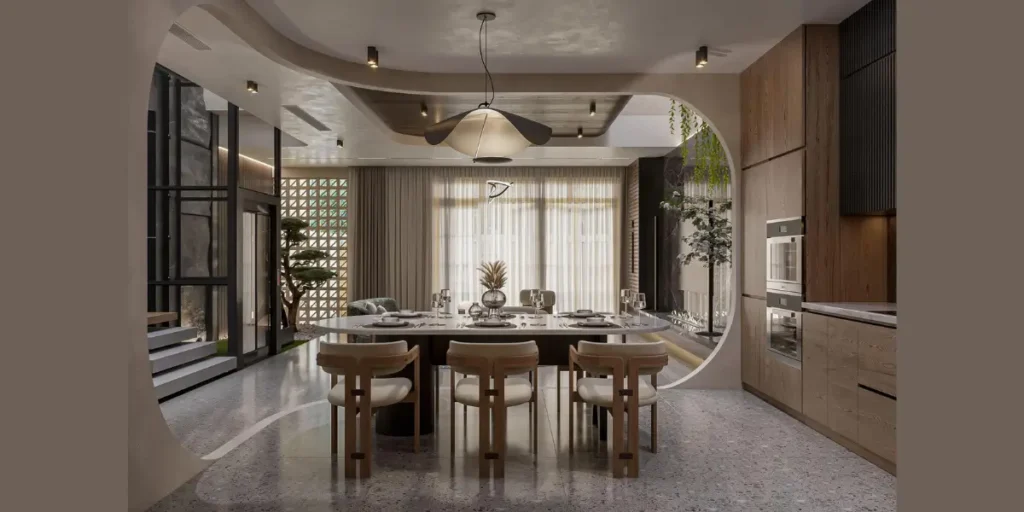
When clients want something current but not trend-driven, I turn to contemporary dining interiors. This style blends modern elements with comfort and flexibility.
I focus on clean furniture silhouettes paired with subtle décor. Neutral colors dominate, but I often add contrast through lighting or artwork to keep the space visually engaging.
Contemporary interiors adapt easily over time. This makes them ideal for homeowners who want a stylish dining room that can evolve without a complete redesign.
7. Small Dining Room Interior Ideas
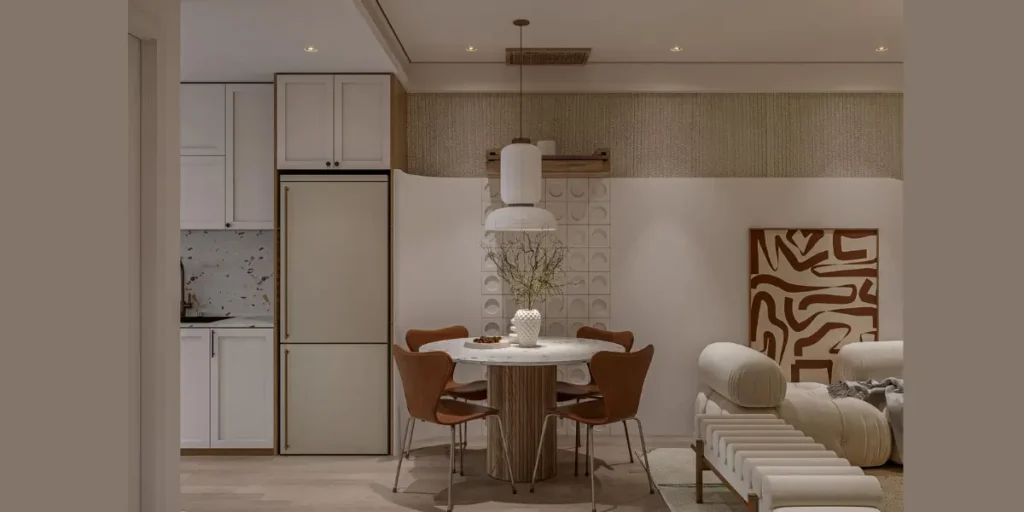
Designing small dining rooms requires smart planning. I focus on space-saving furniture and light color palettes to keep the area from feeling cramped.
I often recommend round tables or slim-profile chairs to improve movement. Mirrors and strategic lighting also help create the illusion of a larger space.
A small dining room can still feel stylish and functional. With the right layout, it becomes a comfortable and practical space rather than a design compromise.
8. Classic Traditional Dining Room Interior
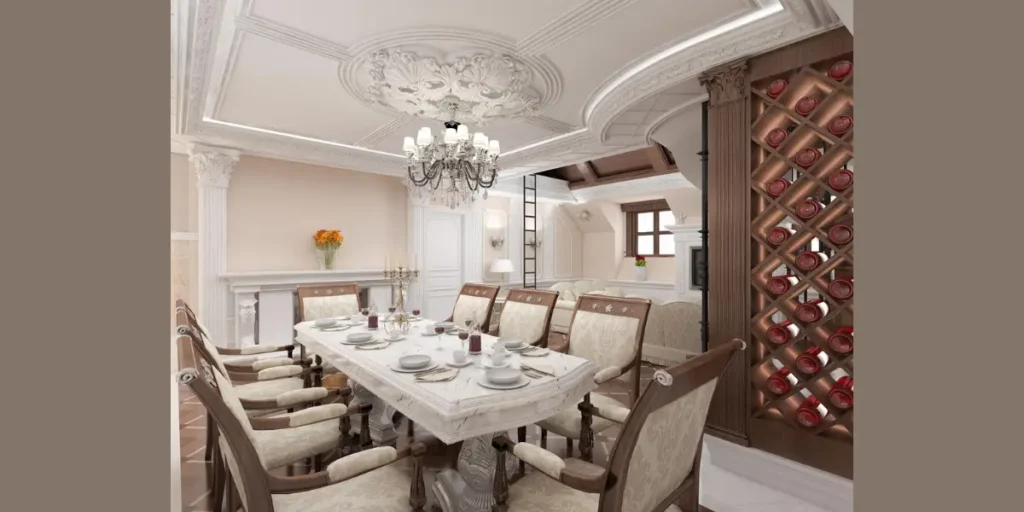
Traditional dining rooms rely on symmetry, rich finishes, and timeless furniture. I use this style when a formal and elegant atmosphere is desired.
I often work with darker woods, detailed chairs, and balanced layouts. These elements bring structure and refinement to the dining space.
Traditional interiors feel enduring and dignified. When updated with subtle modern touches, they remain relevant while preserving their classic charm.
9. Industrial Style Dining Room Interior
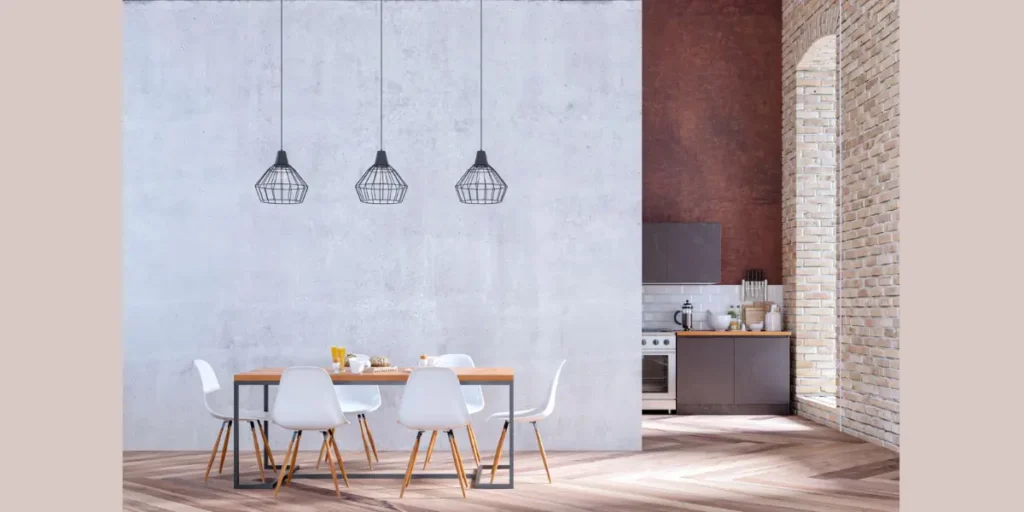
Industrial dining rooms make a bold statement through raw materials. I often use metal accents, exposed lighting, and sturdy furniture to achieve this look.
I balance rough textures with warm elements like wood or soft lighting. This prevents the space from feeling cold or overly harsh.
Industrial interiors suit modern and urban homes. They bring personality and edge while remaining functional and visually striking.
10. Nature-Inspired Dining Room Interior
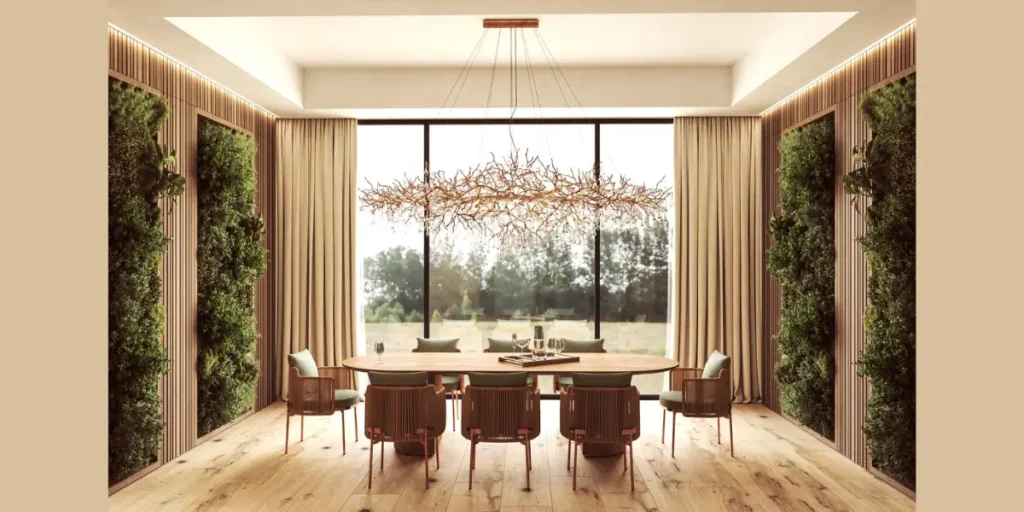
When calm and relaxation matter most, I design nature-inspired dining rooms. I bring in natural light, plants, and organic materials to soften the space.
I focus on earthy colors and textures that feel soothing. Wood, stone, and greenery help create a balanced and refreshing atmosphere.
Nature-inspired interiors encourage slower, more enjoyable dining. They connect the indoors with the outdoors, making the dining room feel peaceful and welcoming.
How to Design a Dining Room That Feels Cohesive and Functional
When I design a dining room, I start by looking at how the space will be used daily. Layout, circulation, and furniture placement matter just as much as aesthetics. A well-planned dining room allows people to move comfortably without feeling crowded.
I focus on creating visual cohesion through color, materials, and lighting. When these elements work together, the space feels intentional rather than pieced together. Consistency helps the room feel calm and balanced.
Function always guides my decisions. Comfortable seating, proper lighting, and practical storage ensure the dining room supports both everyday meals and special occasions with ease.
FAQs
The best style depends on your lifestyle and space. I usually recommend a design that balances comfort and practicality while reflecting personal taste, whether that’s modern, classic, or a mix of both.
I focus on warm lighting, comfortable chairs, and a cohesive color palette. These elements instantly make the dining space feel welcoming and encourage people to stay longer at the table.
Yes, mixing styles works when done thoughtfully. I suggest keeping a common color scheme or material to maintain harmony and prevent the room from feeling visually busy.
Related Post
- Dining Room Chair Ideas
- Top 11 Dining Room Lighting Over Table Ideas
- Top 10 Dining Room Wall Art Ideas
- Top 15 Dining Room Wallpaper Ideas
- Top 10 Dining Room Chandelier Ideas
Conclusion
A thoughtfully designed dining room interior brings people together and makes every meal feel more meaningful. From my experience, the most successful dining spaces balance style, comfort, and functionality without overcomplicating the design.
When furniture, lighting, and layout work in harmony, the room feels natural and easy to use. Whether you prefer a modern, classic, or nature-inspired approach, the key is designing around how you live and dine every day.
A well-planned dining room interior doesn’t just look good, it creates an atmosphere where conversations flow and memories are made.