

Dining room lamps play a quiet but powerful role in shaping how the space feels during everyday meals and special gatherings. From my experience, lamps add a layer of warmth that overhead lighting alone often cannot achieve.
They soften the atmosphere, reduce harsh shadows, and make the dining area feel more relaxed and inviting. Whether placed on a sideboard, console, or in a corner, the right lamp brings balance and depth to the room.
In this article, I’ll share practical dining room lamp ideas that focus on comfort, placement, and design, helping you create a dining space that feels thoughtfully lit and welcoming.
1. Statement Table Lamps on Dining Sideboards
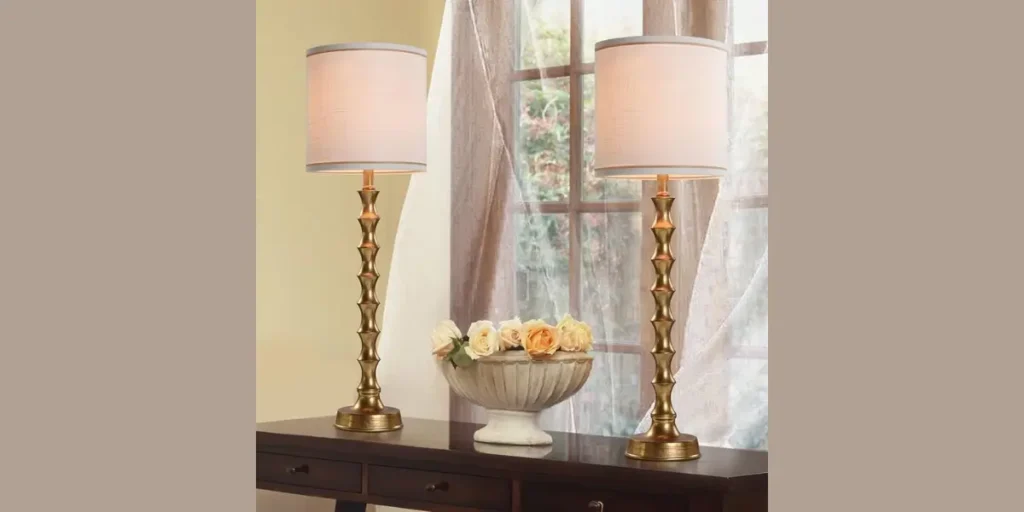
I often use statement table lamps on dining sideboards to add warmth and visual balance. These lamps work as secondary light sources that soften the space, especially in the evenings when overhead lights feel too harsh.
I focus on lamps with sculptural bases or bold shades that can stand on their own. The lamp should feel decorative even when it is turned off. Scale matters here, as the lamp must relate well to the sideboard size.
When placed correctly, a statement lamp makes the dining room feel layered and intentional. It adds personality without overpowering the main dining setup.
2. Floor Lamps for Open Dining Areas
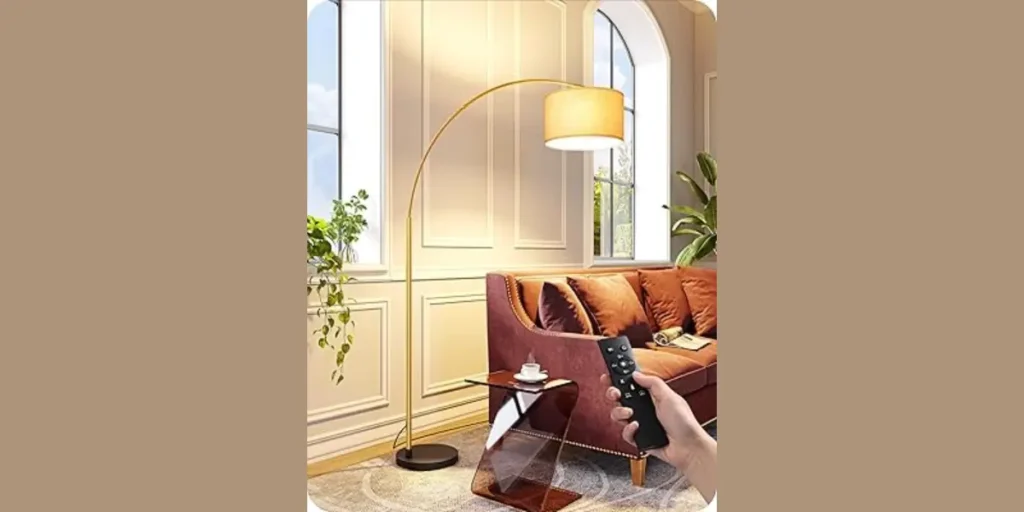
In open dining areas, I rely on floor lamps to create definition. They help visually separate the dining zone from adjacent spaces without using walls or heavy furniture.
I usually choose floor lamps with clean lines and soft light output. Placement is key, so I position them near corners or beside storage units rather than directly next to the table.
A well-placed floor lamp adds height and balance to the room. It fills empty vertical space and makes open dining areas feel complete and thoughtfully designed.
3. Arc Floor Lamps for Dramatic Impact
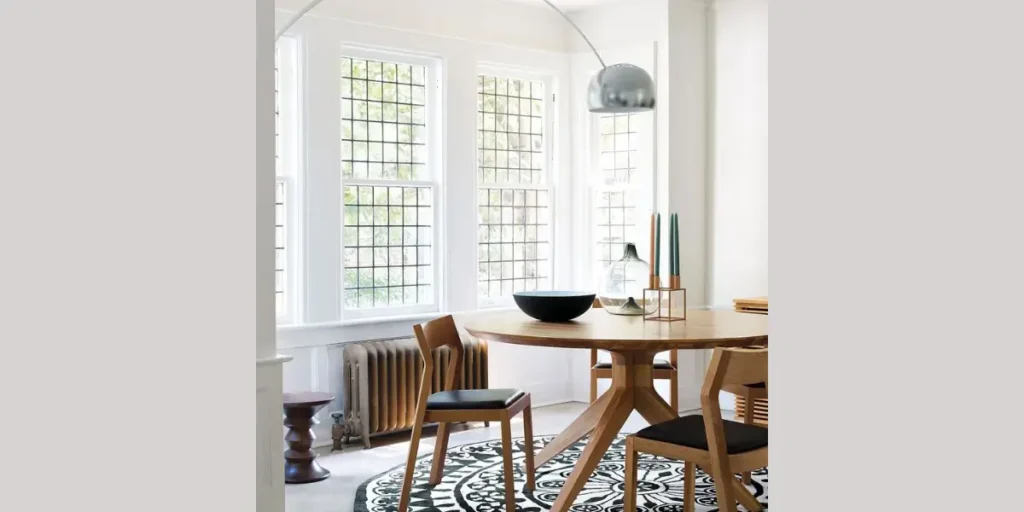
Arc floor lamps are one of my favorite choices when I want drama without ceiling fixtures. Their curved design naturally draws the eye and adds movement to the dining space.
I use arc lamps to cast light over the table indirectly. This works well in rentals or spaces where ceiling lighting options are limited.
When balanced correctly, an arc floor lamp feels bold yet elegant. It creates a focal point while keeping the dining room functional and visually engaging.
4. Minimalist Table Lamps for Modern Dining Rooms
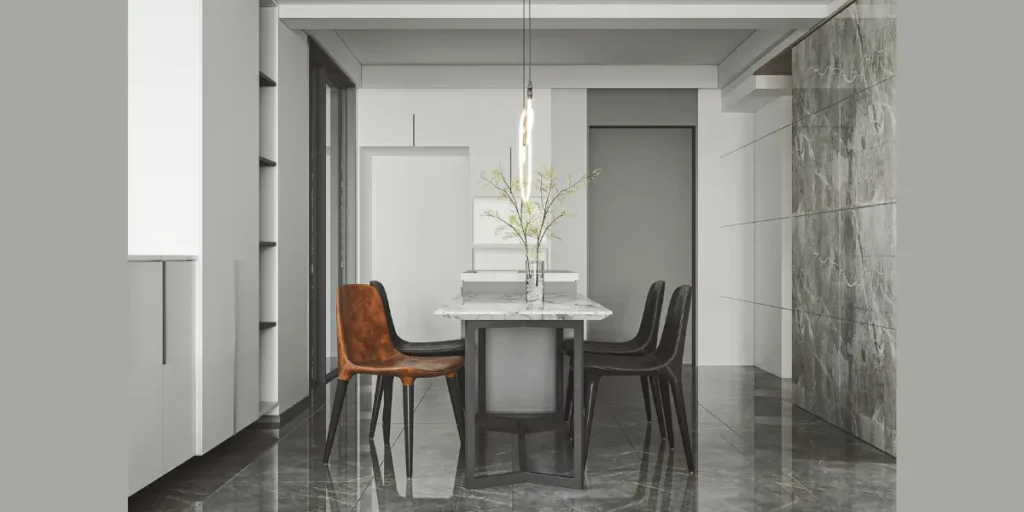
Minimalist table lamps work best in clean and uncluttered dining interiors. I use them when the space already has strong furniture lines and does not need visual competition.
I choose simple shapes, neutral shades, and subtle finishes. These lamps support the design rather than dominate it, which keeps the dining room calm and refined.
Minimalist lamps add just enough ambient light to soften the room. They prove that simplicity, when done well, can feel intentional and sophisticated.
5. Glass Base Lamps for a Light and Airy Feel
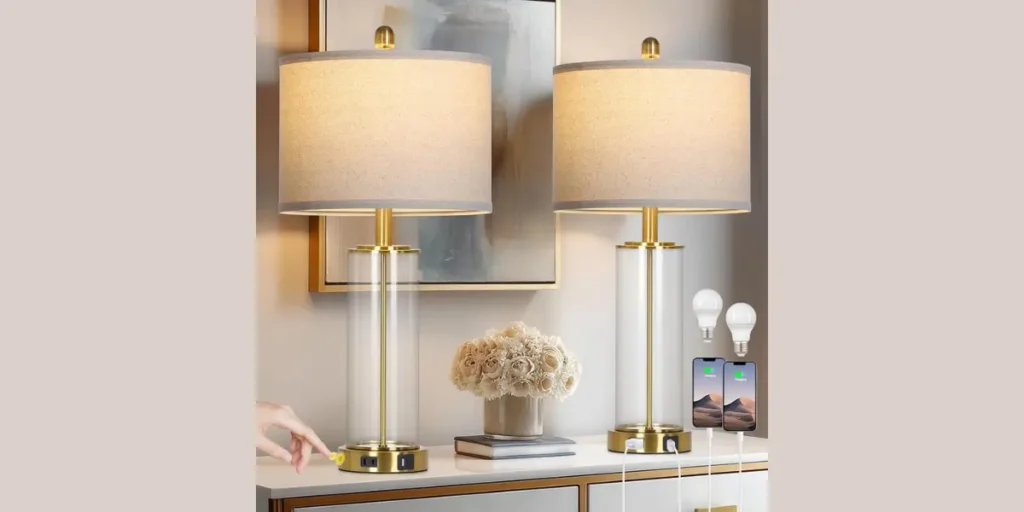
When a dining room feels visually heavy, I turn to glass base lamps. Their transparency reduces visual weight while still providing functional lighting.
I often use these lamps in smaller dining rooms or spaces with darker furniture. The glass base reflects light and helps the room feel more open.
Glass lamps blend effortlessly with different styles. They enhance the space without drawing too much attention, which makes them a versatile and timeless choice.
6. Ceramic Lamps to Add Texture and Warmth
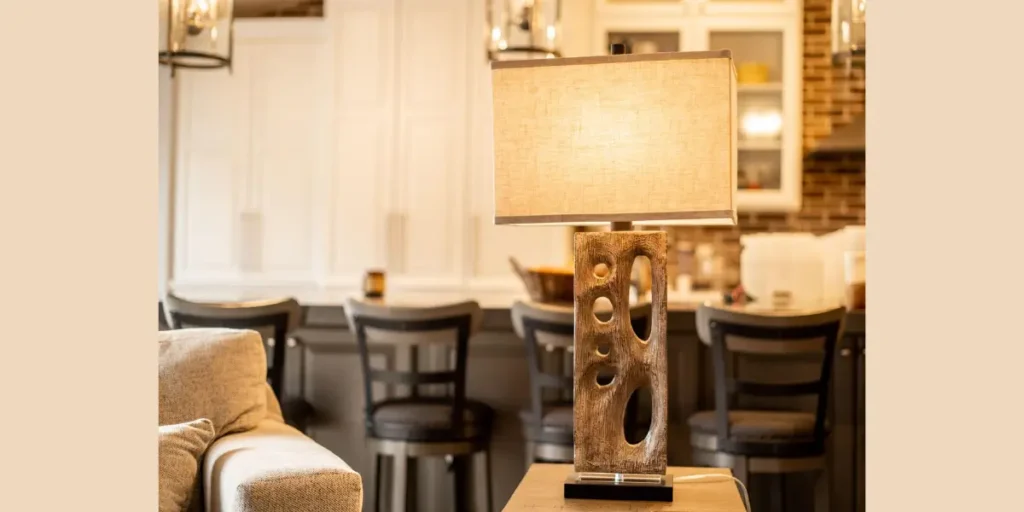
Ceramic lamps bring character into dining rooms that feel too smooth or flat. I like using them to introduce texture and a handcrafted feel.
I usually choose matte or lightly textured finishes in neutral tones. These details add depth without making the space feel busy or cluttered.
Ceramic lamps work beautifully as accent pieces. They warm up the dining room and make it feel more inviting and lived-in.
7. Industrial Style Lamps for a Bold Look
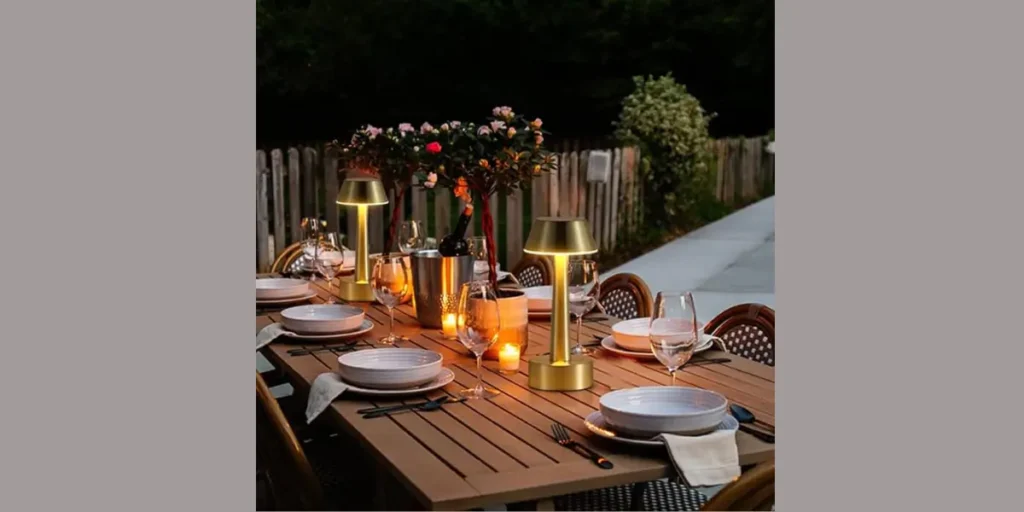
Industrial lamps add strength and edge to dining rooms. I use them when the goal is a confident and modern aesthetic.
Metal finishes and exposed details create contrast, especially when paired with wood furniture or softer textiles. I keep the rest of the décor simple to maintain balance.
When styled thoughtfully, industrial lamps feel intentional rather than harsh. They bring personality into the dining space without overwhelming it.
8. Matching Lamp Pairs for Symmetry
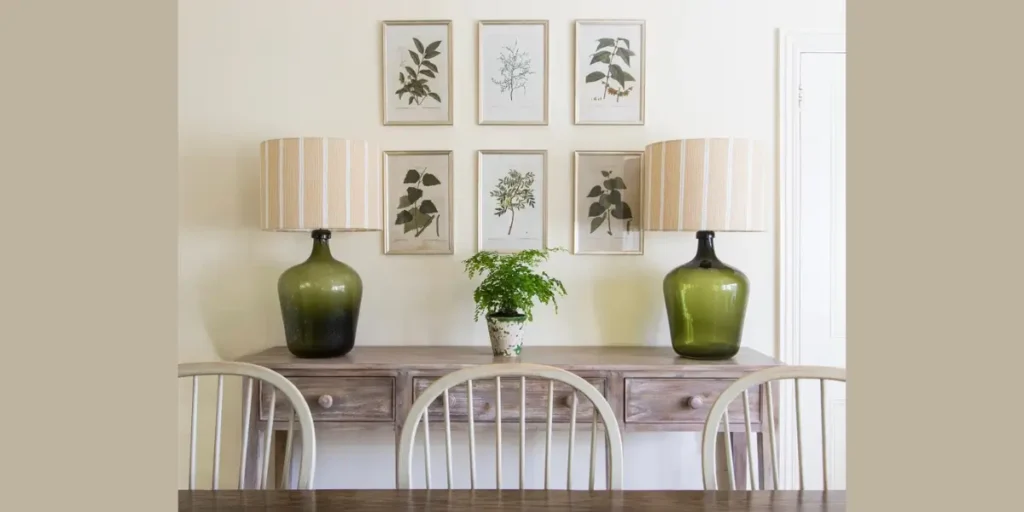
I often use matching lamp pairs on dining buffets to create symmetry. This approach works well in formal or classic dining rooms.
I focus on proper spacing and scale so the lamps feel balanced. Matching shades and bases create a sense of order and structure.
Symmetry brings calm and elegance into the dining room. Paired lamps frame the space beautifully and reinforce a well-planned interior.
9. Sculptural Lamps as Decorative Accents
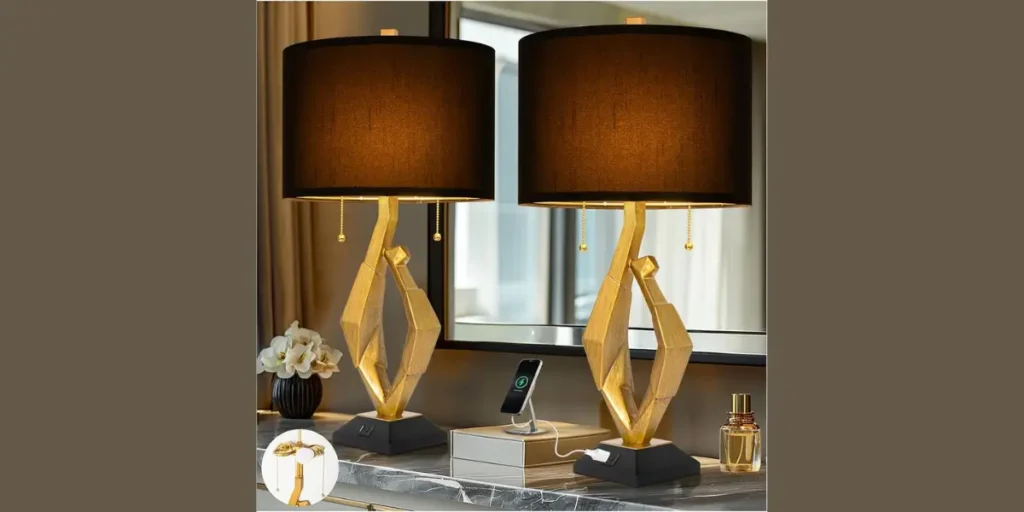
Sculptural lamps allow me to combine lighting with art. These lamps work as decorative objects even when turned off.
I place them where they can be appreciated from different angles, such as on consoles or sideboards. The key is letting the lamp stand out without crowding the area.
A sculptural lamp adds personality and design confidence. It makes the dining room feel curated and thoughtfully styled.
10. Fabric Shade Lamps for Soft Illumination
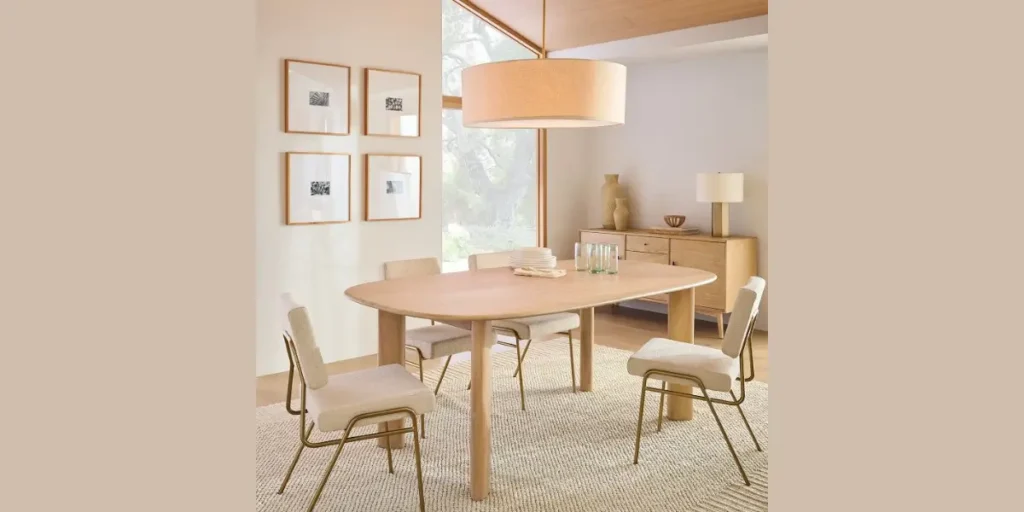
Fabric shade lamps help soften dining room lighting. I use them when glare needs to be reduced and comfort is the priority.
The fabric diffuses light evenly, creating a warm and welcoming atmosphere. Neutral shades work best for maintaining versatility.
These lamps make dining spaces feel relaxed. They encourage longer meals and comfortable conversation without harsh lighting.
11. Smart Lamps with Adjustable Brightness
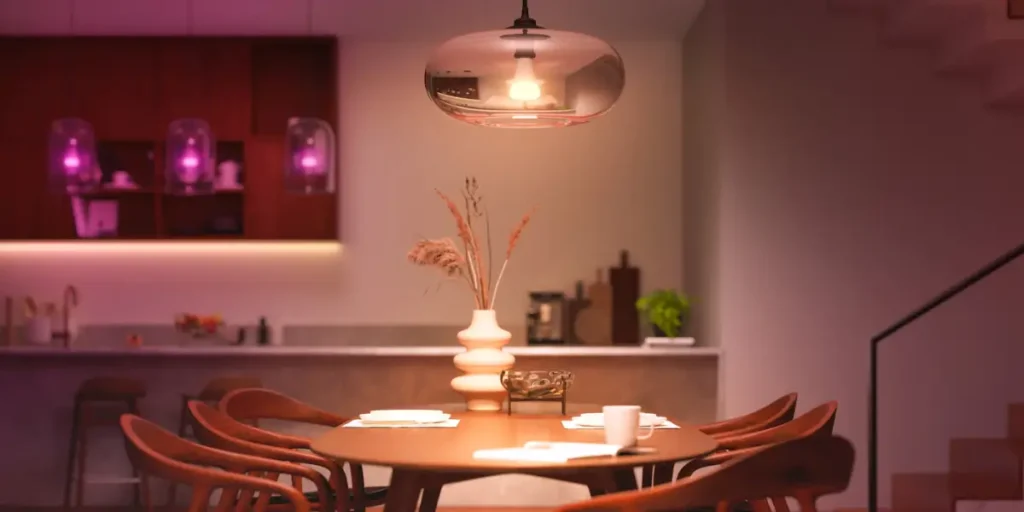
Smart lamps offer flexibility that traditional lamps cannot. I recommend them for dining rooms used for different occasions.
Adjustable brightness allows easy transitions from bright family dinners to intimate evening meals. Control options add convenience without disrupting design.
Smart lamps combine function with modern living. They future-proof the dining room while maintaining style and comfort.
12. Accent Lamps for Layered Dining Lighting
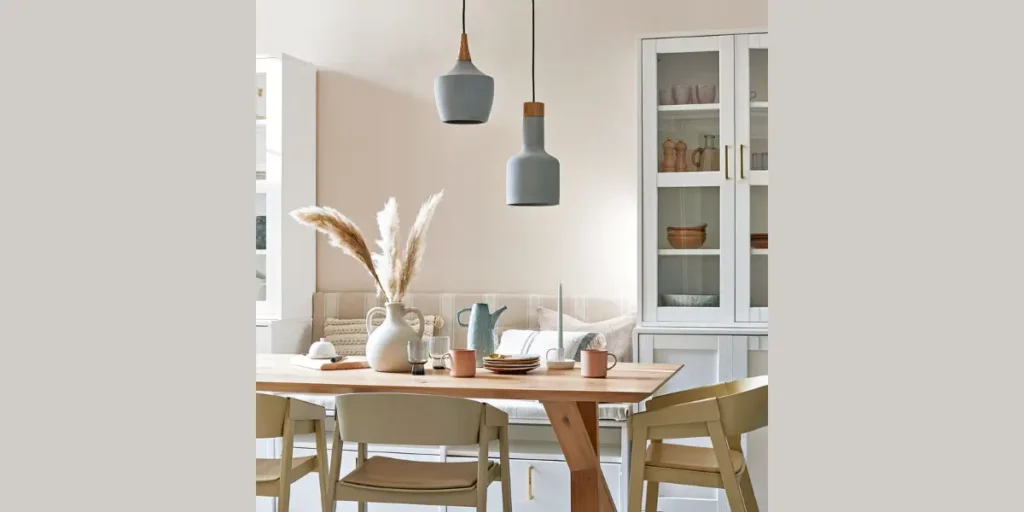
Accent lamps play a supporting role in dining room lighting. I use them to add depth and prevent the space from feeling flat.
These lamps work well on shelves, consoles, or corners. They fill dark spots and balance overhead lighting.
Layered lighting makes the dining room feel complete. Accent lamps add warmth and create a comfortable atmosphere without drawing attention away from the table.
How to Use Lamps to Create Layered Lighting in a Dining Room
When I design dining room lighting, I never rely on a single light source. Lamps help me build layered lighting by adding ambient and accent light that complements overhead fixtures. This layering creates depth and prevents the space from feeling flat or overly bright.
I place lamps strategically on sideboards, consoles, or in corners where overhead lighting does not reach well. This fills dark areas and balances the overall brightness of the room.
Layered lighting also allows flexibility. By turning lamps on or off, I can easily adjust the mood of the dining room for everyday meals or special gatherings.
FAQs
In my experience, lamps are not essential but they make a noticeable difference. They soften the space, reduce harsh overhead lighting, and create a warmer atmosphere. Lamps also help dining rooms feel more inviting and comfortable, especially in the evenings.
I usually place lamps on sideboards, buffets, or console tables near the dining area. Floor lamps work well in corners or open layouts. The goal is to support the main lighting without blocking movement or cluttering the space.
Lamps should support overhead lighting, not fully replace it. I use them to add depth and mood, while ceiling fixtures handle task lighting. Together, they create a balanced and functional dining environment.
I prefer fabric or lightly textured shades because they diffuse light gently. These shades reduce glare and create a soft glow that feels comfortable during meals, making the dining experience more relaxed and enjoyable.
Related Post
- 10 Best Dining Room Rug Ideas
- 10 Best Farmhouse Dining Room Ideas
- 9 Famous Dining Room Accent Wall Ideas
- 10 Best Dining Room Interior Ideas
- Top 12 Dining Room Chair Ideas
Conclusion
Dining room lamps may seem like a small detail, but from my experience, they play a major role in shaping how the space feels. The right lamps add warmth, soften lighting, and create a layered look that overhead fixtures alone cannot achieve.
When placed thoughtfully, lamps improve comfort and make the dining area feel more inviting and well-balanced.
Whether you choose sculptural pieces or subtle accent lamps, intentional lamp selection helps transform the dining room into a space that feels relaxed, functional, and thoughtfully designed.