
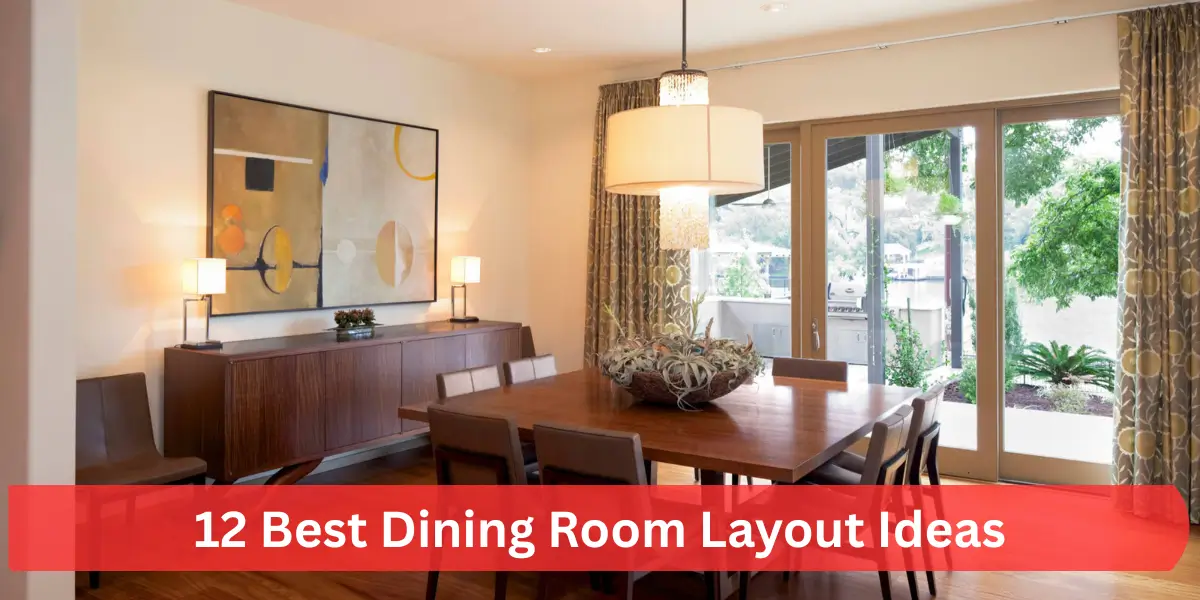
Dining room layout ideas directly influence how comfortable and functional a home feels. From my experience, a well-planned layout makes daily meals smoother and improves movement between rooms.
The dining area is no longer a fixed, formal space, it often connects with the kitchen, living room, or even work zones. That’s why layout decisions matter more than furniture alone. Whether the dining room is open, compact, or fully separate, the way it’s positioned affects light, circulation, and usability.
In this article, I’ll share practical dining room layout ideas that focus on space planning, flow, and real-life use rather than decoration.
1. Open-Plan Dining Room Layout
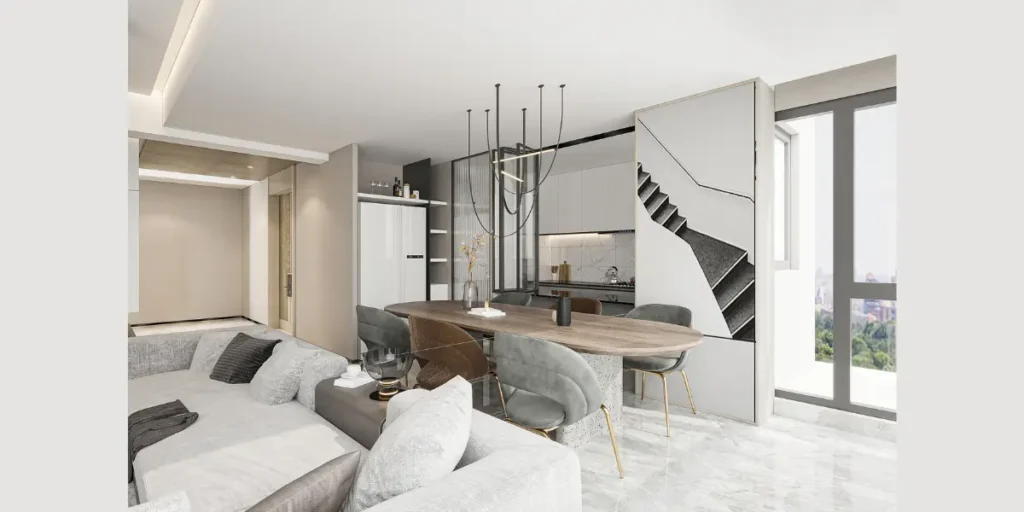
I often recommend open-plan dining room layouts because they create a strong sense of flow. By removing walls, the dining area connects naturally with the living room or kitchen, making the home feel larger and more social. This layout supports modern lifestyles where people move freely between spaces.
From a planning perspective, open layouts improve light distribution and reduce visual breaks. I usually position the dining area where circulation already exists, so it feels intentional rather than added later. This avoids awkward placement and improves daily usability.
Open-plan dining rooms also adapt easily. Whether it’s casual meals or gatherings, the layout remains flexible without structural changes, which makes it a long-term practical choice.
2. Separate Formal Dining Room Layout
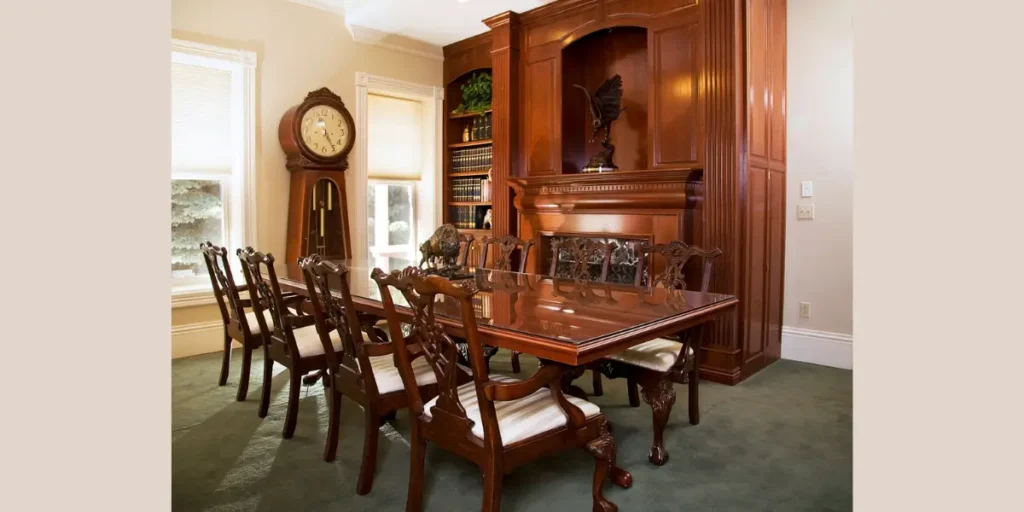
A separate dining room layout works best when structure and privacy matter. I usually suggest this approach for larger homes where dining is treated as a dedicated activity rather than an extension of daily routines.
This layout allows better control over noise, movement, and timing. I plan clear entrances and enough circulation space so guests can move comfortably without crossing other living areas. The dining experience feels calm and focused.
Formal dining rooms also preserve order. When meals are planned events, a dedicated layout enhances comfort and keeps the space organized without daily disruptions.
3. Kitchen-Adjacent Dining Room Layout
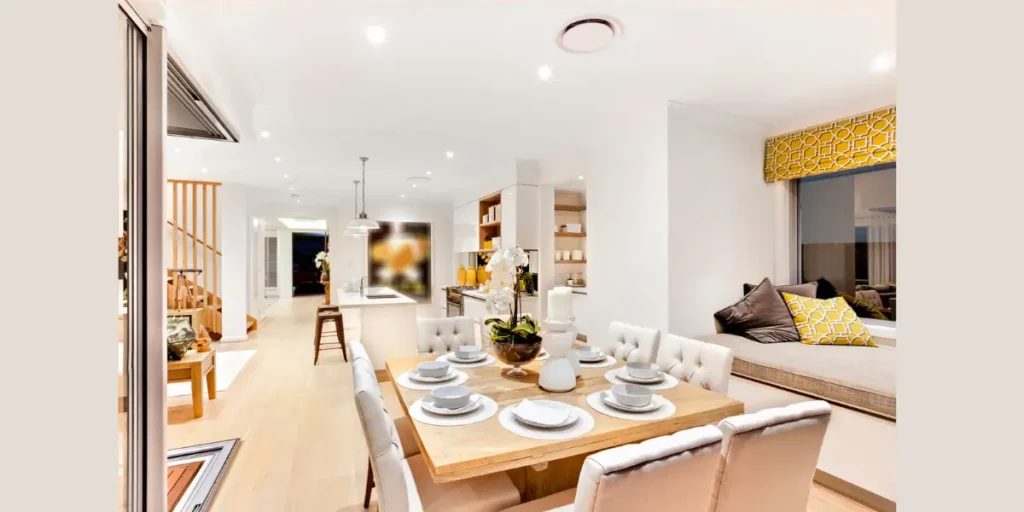
I often place the dining room directly next to the kitchen because it improves efficiency. This layout reduces unnecessary movement and makes serving meals easier during daily use.
From a layout standpoint, I maintain visual connection while ensuring the dining area still feels defined. Proper spacing keeps the room functional without blending it too much into the kitchen.
Kitchen-adjacent dining rooms encourage interaction. Family members stay connected during meal prep and dining, which makes this layout practical and comfortable for everyday living.
4. Compact Apartment Dining Room Layout
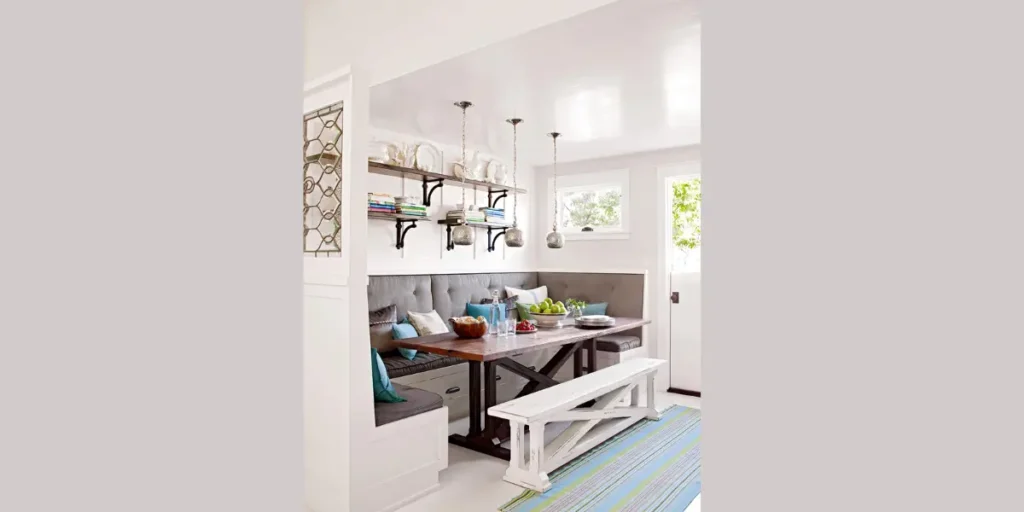
In apartments, dining rooms require smart planning rather than extra space. I focus on layout efficiency to ensure the dining area feels comfortable without overwhelming the floor plan.
I often integrate the dining room into an existing circulation zone. This allows the space to function naturally without blocking movement. Clear proportions matter more than size.
A well-planned compact layout supports daily meals easily. When circulation works properly, even a small dining room feels purposeful and balanced.
5. Square Dining Room Layout
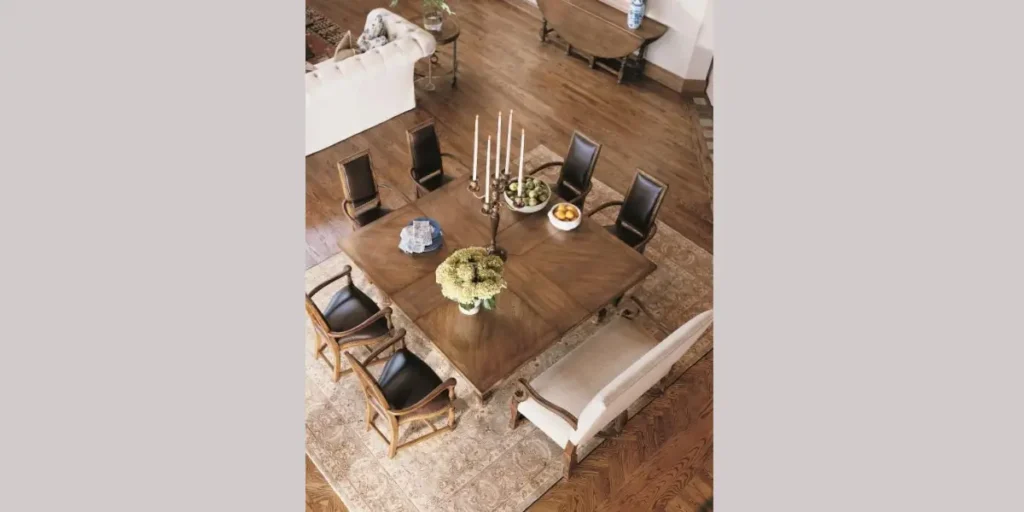
Square dining room layouts offer balance and symmetry, which makes planning straightforward. I prefer this layout when the goal is stability and ease of movement.
With equal wall lengths, furniture placement feels natural. I can maintain consistent spacing around the table and keep walking paths clear on all sides.
Square layouts also feel adaptable. Whether used daily or occasionally, the room supports consistent use without needing layout adjustments over time.
6. Rectangular Dining Room Layout
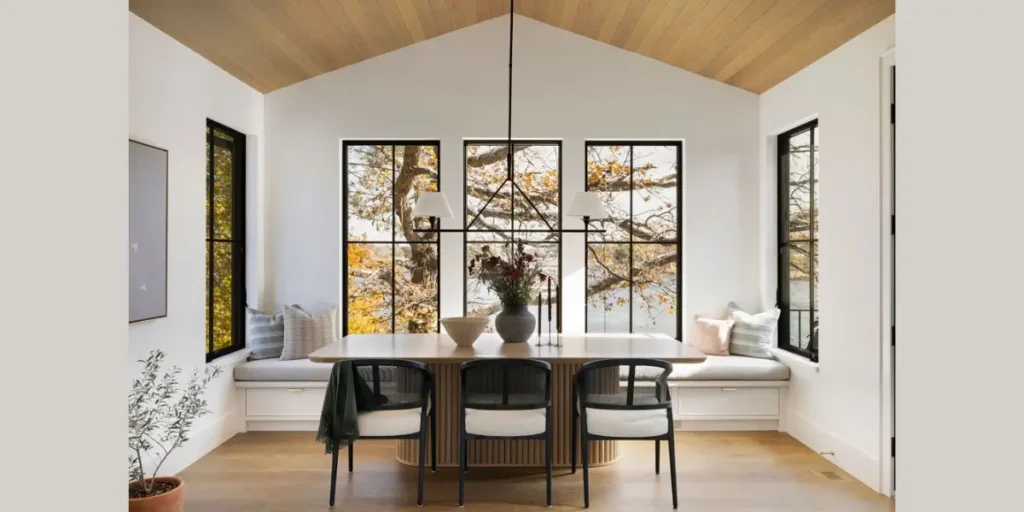
Rectangular dining rooms are among the most common layouts I work with. Their length supports structured seating and organized circulation.
I usually align the dining table along the room’s long axis to maintain balance. This keeps movement smooth and prevents bottlenecks near entrances.
Rectangular layouts work well for larger families. With proper spacing, the room remains comfortable even during gatherings, making it reliable for daily and extended use.
7. Window-Focused Dining Room Layout
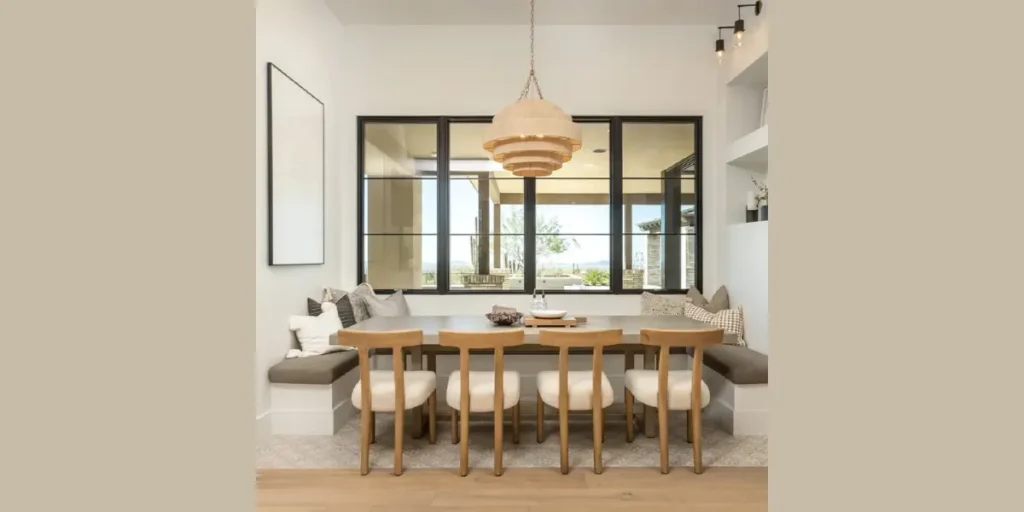
I always prioritize natural light when planning dining rooms. A window-focused layout places the dining area where daylight enhances comfort and openness.
This approach improves daytime usability and reduces dependence on artificial lighting. Meals feel more relaxed in a bright, airy environment.
Window-focused layouts also improve ventilation. Fresh air and visual openness help the dining room feel less enclosed, especially in compact homes.
8. Corner Dining Room Layout
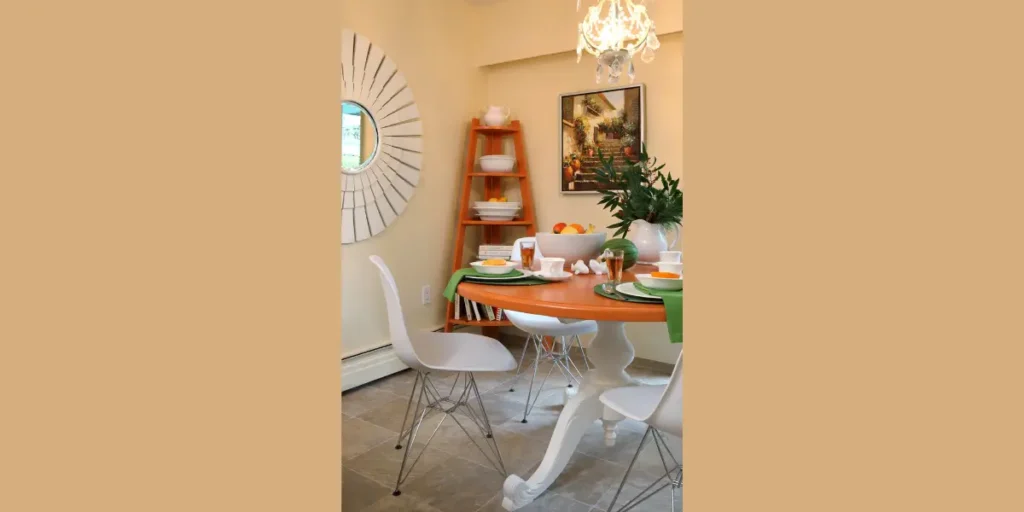
Corner dining room layouts work well when space is limited. I often use underutilized corners to create functional dining areas without disrupting the main layout.
I carefully orient the dining area to align with existing movement paths. This ensures the space feels natural rather than forced.
With proper planning, a corner dining layout functions like a full dining room. It supports daily meals while keeping the rest of the home uncluttered.
9. Transitional Dining Room Layout
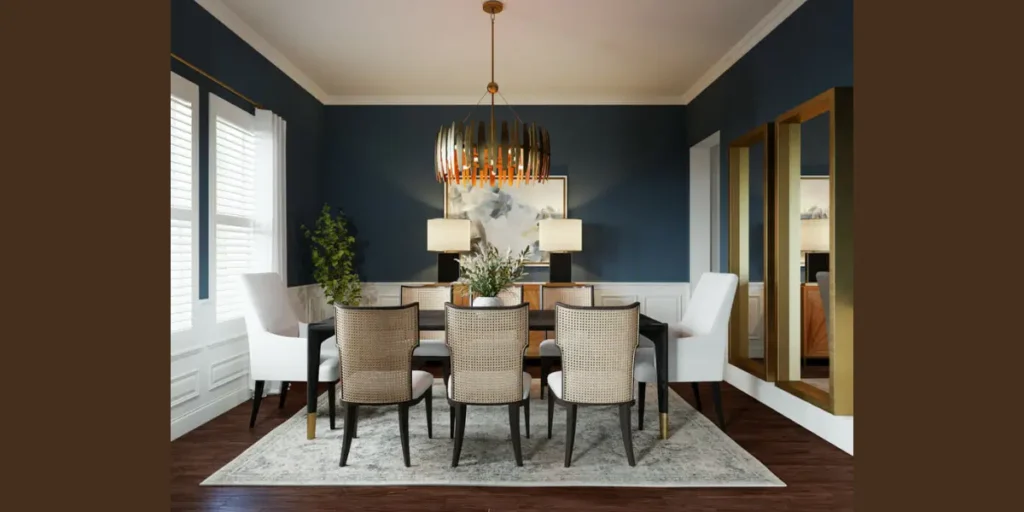
A transitional dining room layout sits between major living spaces. I use this approach to improve overall home flow without adding walls.
This layout allows smooth movement between rooms. The dining area acts as a connector rather than a destination, which suits modern living.
Transitional layouts feel practical and balanced. They support daily meals naturally without demanding a separate room, making them highly functional.
10. Double-Height Dining Room Layout
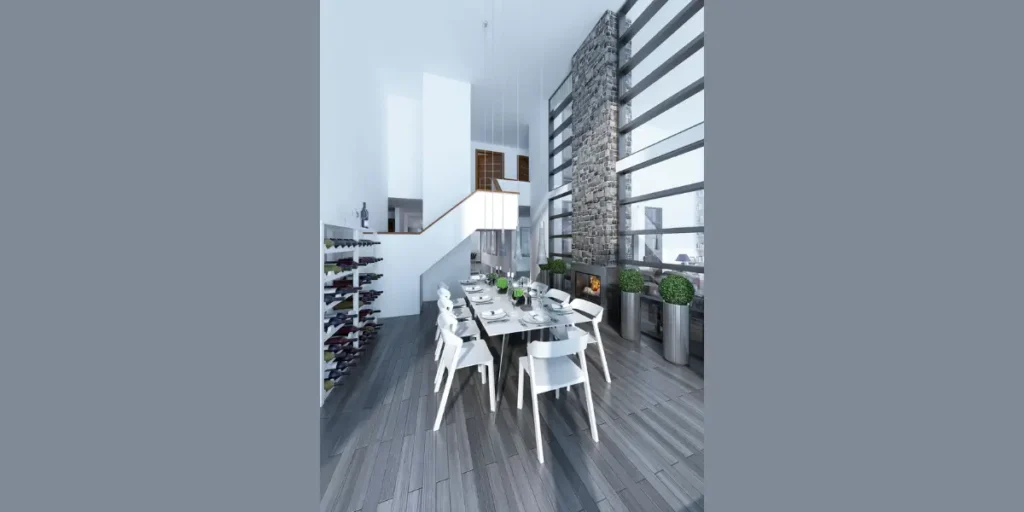
Double-height dining rooms create openness through vertical space. I recommend this layout for homes that can support increased ceiling height.
The extra height improves airflow and light distribution. Meals feel less confined, especially during gatherings.
From a layout perspective, vertical openness reduces visual pressure. The dining room feels calm and spacious even when seating capacity increases.
11. Central Dining Room Layout
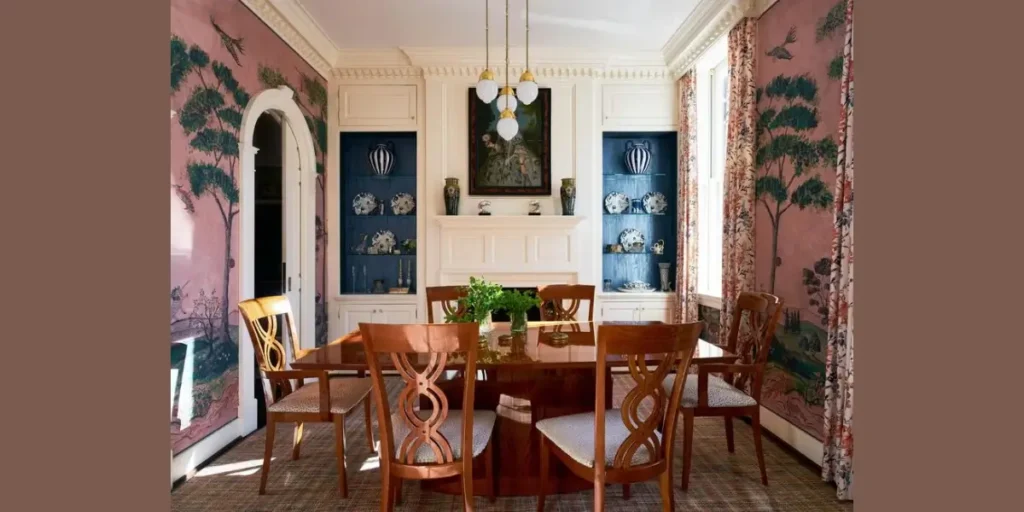
In a central dining room layout, the dining area sits at the heart of the home. I use this approach when accessibility matters most.
This layout allows equal access from kitchen, living, and other spaces. Movement feels intuitive and efficient.
Central dining rooms encourage shared use. The space naturally becomes part of daily routines rather than an isolated area.
12. Flexible Multi-Use Dining Room Layout
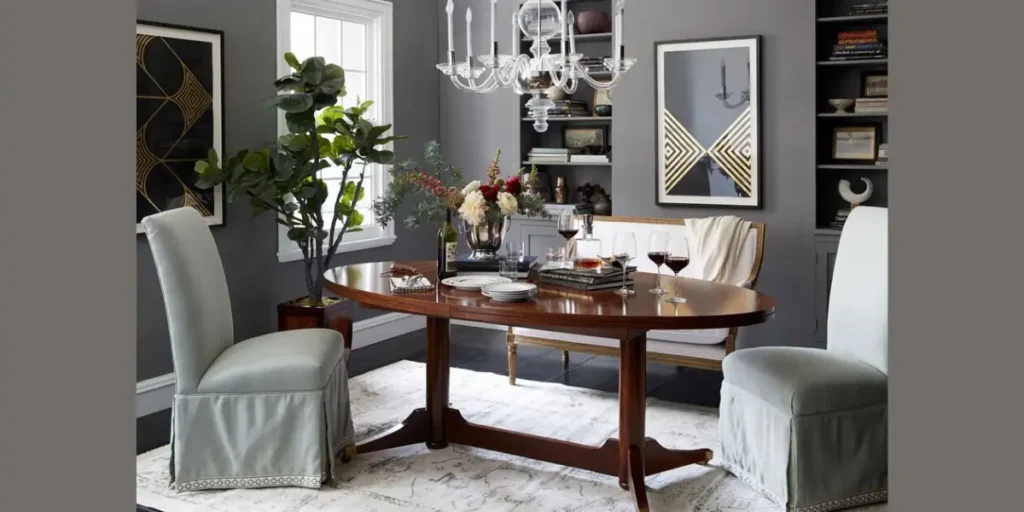
Modern homes often require flexibility. I design multi-use dining layouts to support dining, work, or gathering needs.
This layout allows the dining room to adapt without compromising circulation. Clear zoning keeps each function organized.
Flexible layouts support changing lifestyles. When planned correctly, the dining room remains useful without redesigning the entire space.
How Dining Room Layout Planning Improves Home Flow and Usability
When I plan a dining room layout, my main focus is how people move through the home daily. A well-thought-out layout reduces unnecessary crossing paths and makes transitions between rooms feel natural. This directly improves comfort during meals and everyday routines.
Layout planning also affects how connected or private the dining experience feels. Open layouts encourage interaction, while defined layouts support quieter, focused dining.
When the dining room aligns with the home’s circulation pattern, the entire space feels easier to live in and more functional over time.
FAQs
For small homes, compact, corner, or open-plan dining layouts work best. I focus on efficient circulation and proper spacing rather than size. When movement stays clear, the dining room feels comfortable even in limited space.
It depends on lifestyle. Open dining layouts suit casual, social living and daily use. Separate dining rooms work better for formal meals and privacy. I always recommend choosing based on how often the space is used.
I usually allow at least 36 inches of clear space around the dining table. This ensures chairs move easily and people can walk comfortably. Proper circulation prevents the room from feeling cramped.
Yes, placing the dining room near the kitchen improves efficiency and reduces movement during meals. I often use this layout for daily-use homes. It keeps serving practical while maintaining a defined dining area.
Related Post
- 9 Best Dining Room Furniture Ideas
- 11 Best Dining Room Lighting Ideas
- 10 Best Dining Room Wall Decor Ideas
- 12 Famous Dining Room Table Ideas
- Top 10 Trending Dining Room Ideas
- Top 7 Kitchen Decor Apartments
- Top 21 Kitchen Decorating Apartment Ideas
Conclusion
A well-planned dining room layout does more than define where meals happen, it shapes how the entire home functions.
From my experience, layouts that prioritize circulation, access, and flexibility always feel more comfortable in daily life. Whether the dining area is open, compact, or centrally placed, the right layout allows people to move naturally and use the space without friction.
Instead of focusing on trends, choosing a layout that matches lifestyle and room proportions creates long-term value. When layout planning comes first, the dining room becomes a seamless part of the home rather than a space that feels added on.