
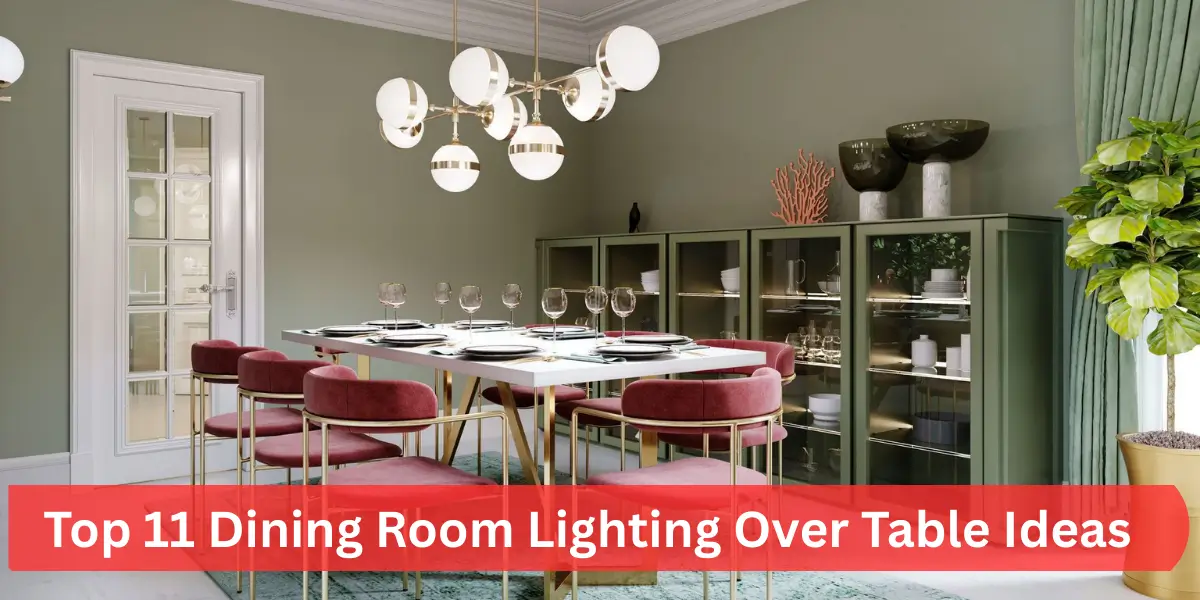
Dining room lighting over table plays a defining role in how the space feels, functions, and flows during everyday meals and special gatherings.
I’ve seen how the right overhead light can turn a simple dining setup into a warm, inviting focal point, while the wrong choice can throw off the entire balance of the room. Beyond style, lighting affects comfort, visibility, and atmosphere at the table.
In this article, I’ll share carefully selected lighting ideas that combine design with practicality, helping you create a dining space that feels intentional, well-lit, and visually engaging without overpowering the room or distracting from the experience.
1. Statement Pendant Light as a Dining Centerpiece
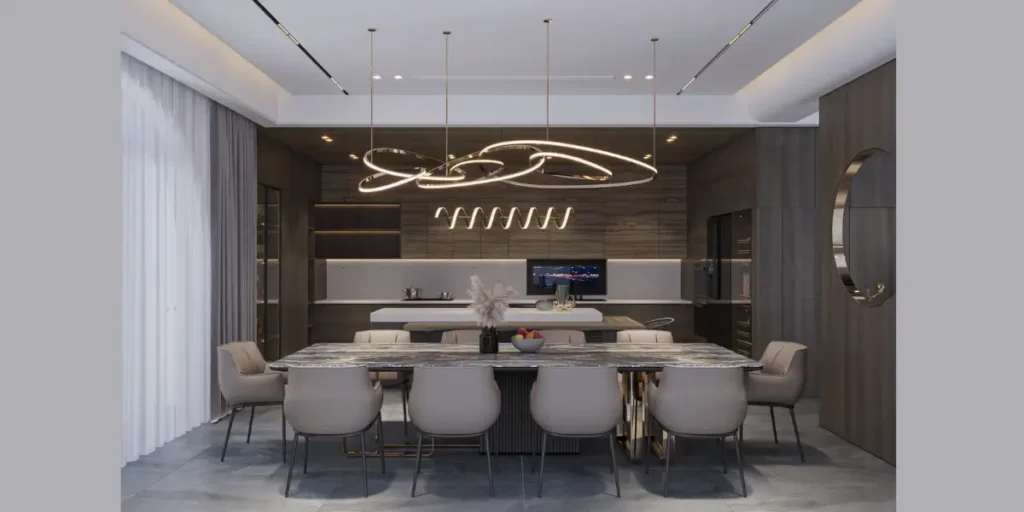
I often recommend a statement pendant light when the dining table needs a clear visual anchor. A bold pendant immediately defines the dining zone and draws attention to the table without relying on extra décor. This works especially well in open-plan spaces where lighting helps separate areas.
I focus on proportion first. The pendant should feel substantial enough to match the table’s size but not so large that it overwhelms the space. Shape and material matter just as much as brightness.
When installed at the correct height, a statement pendant creates intimacy at the table. It frames the dining experience and sets a confident, intentional tone for the entire room.
2. Linear Chandelier for Rectangular Tables
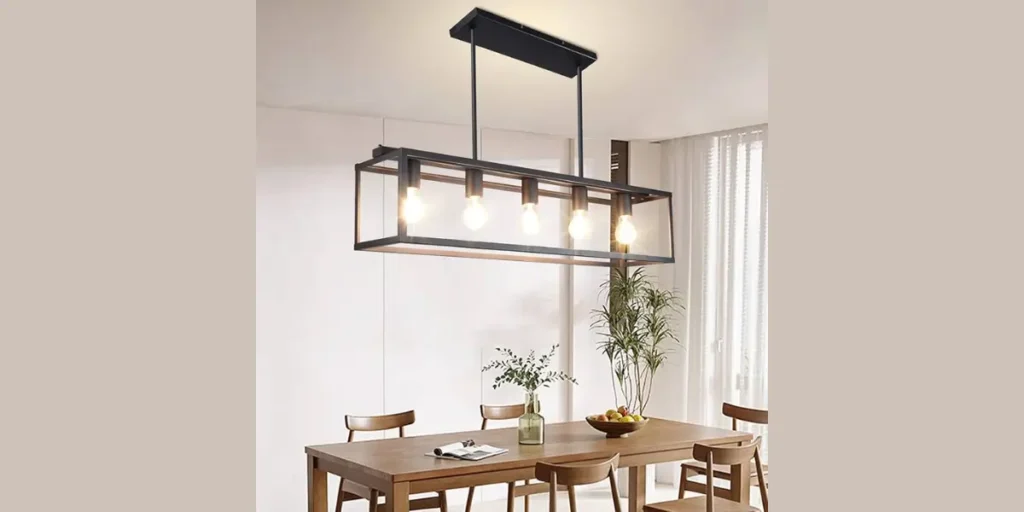
For rectangular dining tables, I consistently find linear chandeliers to be the most balanced choice. Their elongated shape mirrors the table below, creating visual harmony and even light distribution from end to end.
I prefer linear fixtures when function matters as much as style. They eliminate harsh shadows and ensure every seat feels equally lit, which improves comfort during longer meals or gatherings.
Design-wise, linear chandeliers offer flexibility. Minimal metal frames feel modern, while glass or mixed materials add softness. When scaled properly, this lighting choice enhances structure without pulling attention away from the table itself.
3. Cluster Pendant Lighting for Artistic Impact
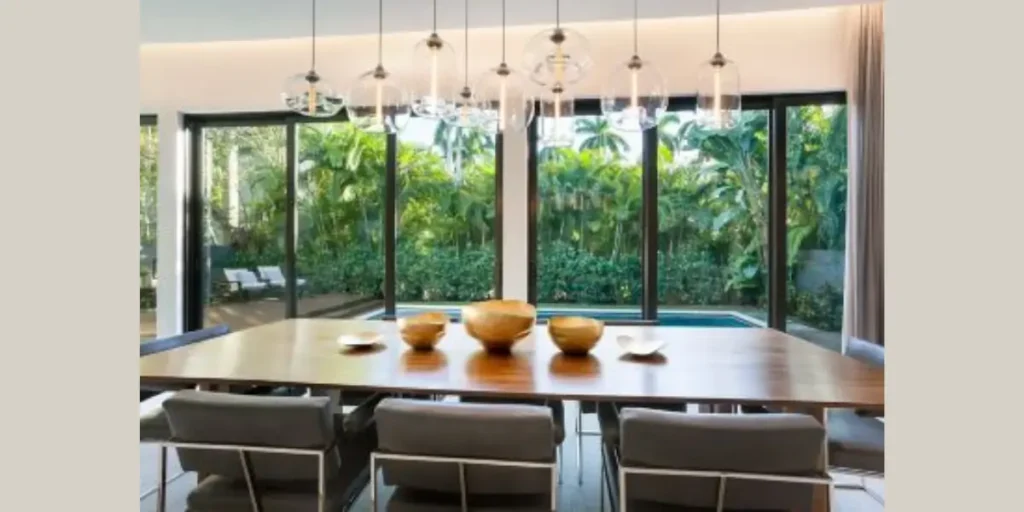
Cluster pendant lighting allows me to introduce creativity without committing to a traditional chandelier. Multiple pendants grouped together create movement and visual depth above the dining table.
I usually vary the hanging heights slightly to avoid a rigid look. This layered effect feels intentional and adds personality, especially in modern or contemporary dining rooms.
To keep the design clean, I stick to similar shapes or finishes within the cluster. This restraint ensures the lighting looks curated rather than chaotic, while still delivering a bold, artistic presence over the table.
4. Classic Crystal Chandelier for Elegant Dining
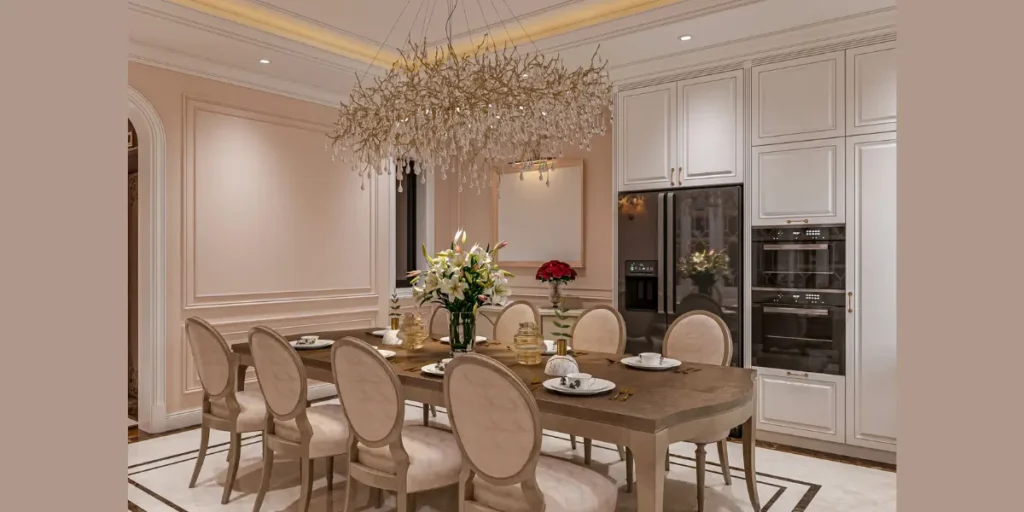
When a dining room calls for timeless elegance, I turn to a classic crystal chandelier. It instantly elevates the space and adds a sense of formality that works beautifully for entertaining.
Crystal fixtures reflect light in a way that feels warm rather than harsh, especially when paired with soft bulbs. This reflection adds dimension and subtle sparkle without overwhelming the room.
I make sure the chandelier matches the ceiling height and table scale. When properly sized, a crystal chandelier feels refined and balanced, enhancing the dining experience without stealing focus from conversation or food.
5. Minimalist Single Drop Pendant Light
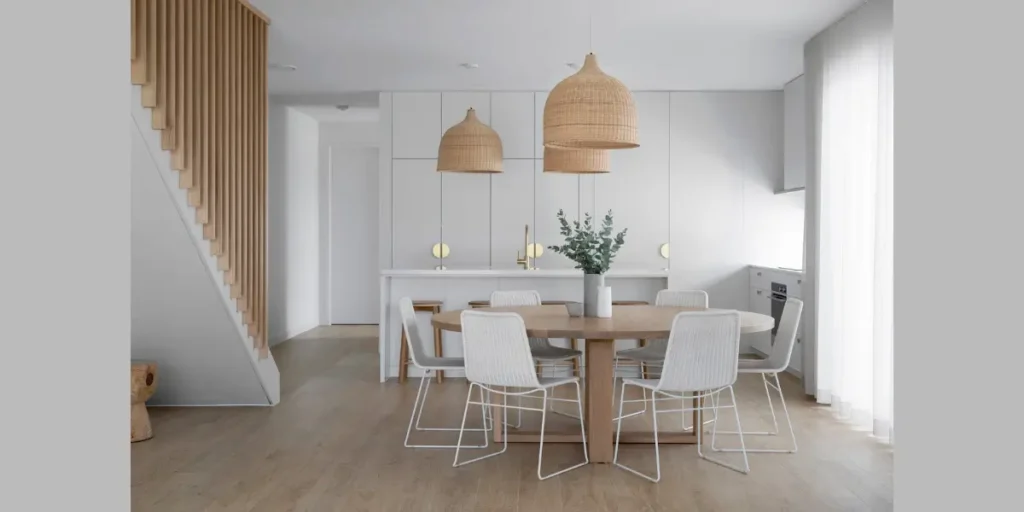
For smaller dining areas or simple setups, I often choose a single drop pendant light. Its clean design keeps the space feeling open while still providing focused illumination over the table.
I pay close attention to materials and finishes here. Glass, matte metal, or neutral tones help maintain a modern and understated look without appearing plain.
This lighting style works best when the dining table or chairs carry visual interest. The pendant supports the design rather than competing with it, creating a calm and well-balanced dining environment.
6. Drum Shade Chandelier for Soft Illumination
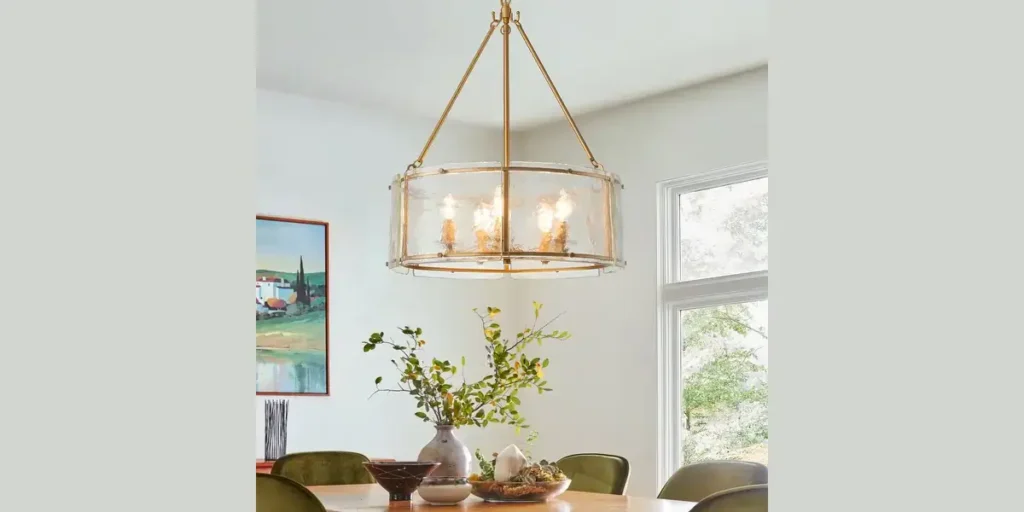
A drum shade chandelier is my go-to option when comfort and softness matter most. The shade diffuses light evenly, reducing glare and creating a relaxed dining atmosphere.
I often recommend this style for family-focused dining rooms where people spend extended time at the table. The lighting feels welcoming rather than dramatic.
Fabric or frosted shades work especially well with warm bulbs. Together, they create an inviting glow that enhances the room’s warmth and encourages conversation without harsh contrasts or shadows.
7. Industrial Hanging Lights for a Bold Statement
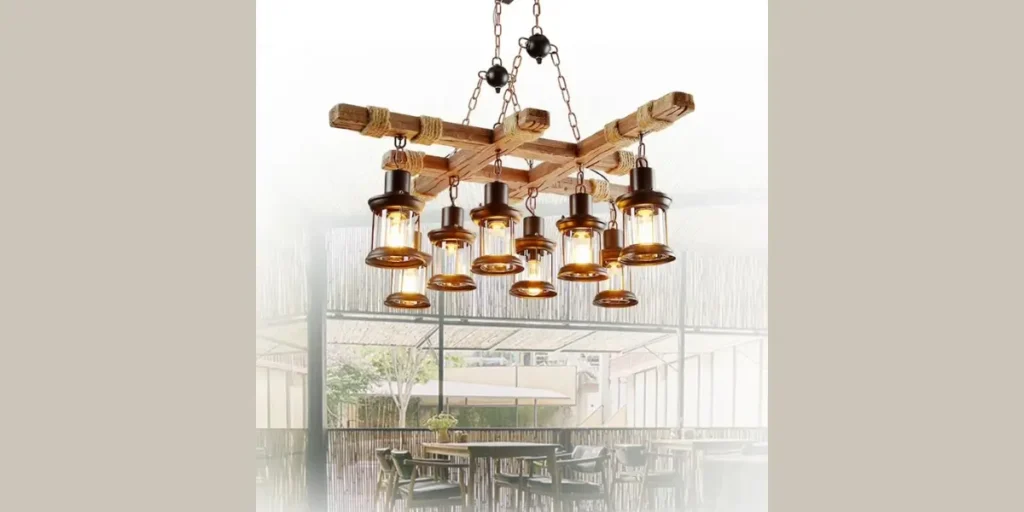
Industrial hanging lights add character and edge to a dining room. I use them when the goal is a strong, confident look with raw materials like metal and exposed bulbs.
These lights pair exceptionally well with wooden tables and neutral color palettes. The contrast between rough textures and clean lines creates visual interest without excess decoration.
I keep spacing and height precise with industrial lighting. Proper placement ensures the look feels intentional and stylish rather than unfinished or overly casual.
8. Glass Globe Pendant Lights for an Airy Feel
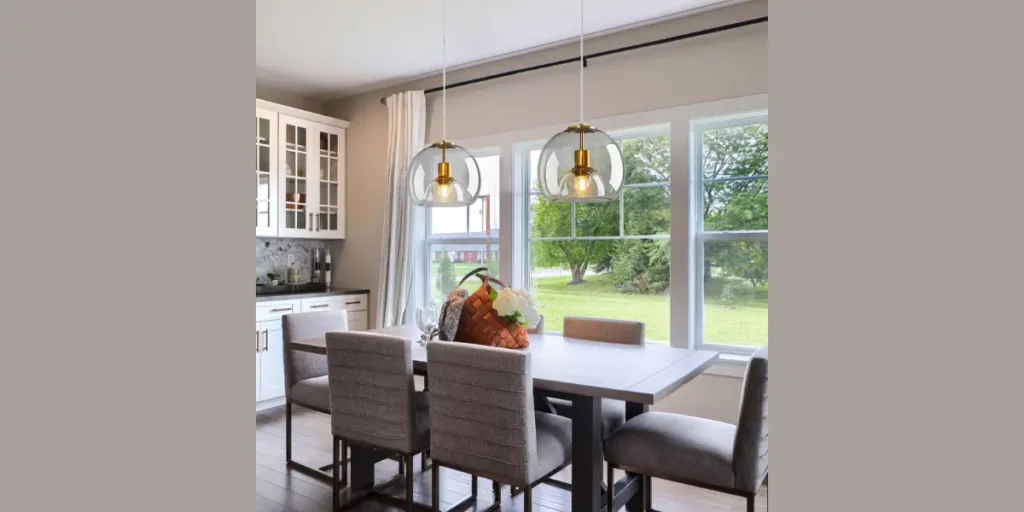
Glass globe pendant lights help maintain brightness while keeping the dining area visually light. I often recommend them when a room feels heavy or closed in.
Transparent or lightly frosted glass spreads light evenly and avoids harsh shadows. This makes the table feel open and welcoming from every angle.
Multiple globes arranged in a row work well over longer tables, while a single globe suits compact spaces. Their simplicity allows other design elements to shine without sacrificing function.
9. Candle-Style Chandelier for Warm Ambience
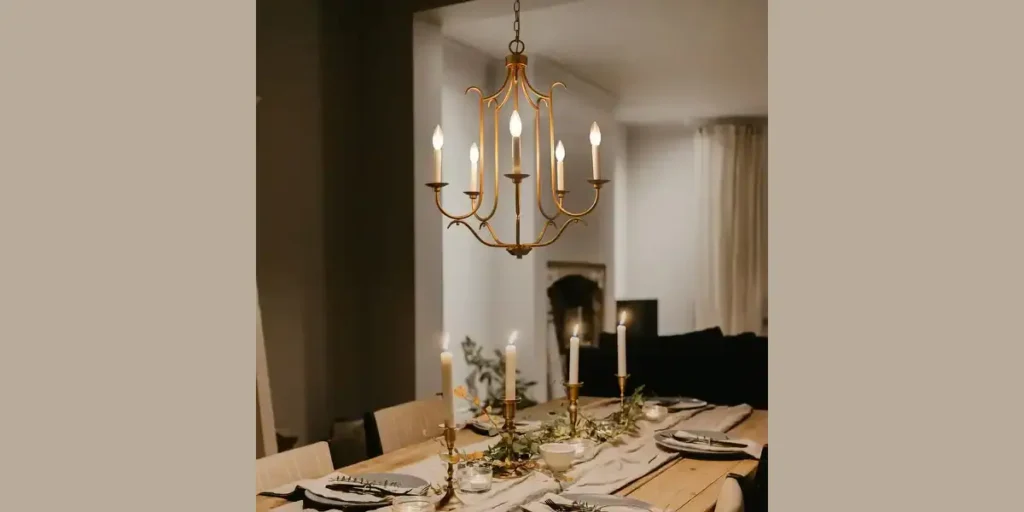
Candle-style chandeliers bring warmth and traditional charm to dining spaces. I use them to create an intimate atmosphere that feels relaxed and timeless.
Modern versions of this style balance classic forms with updated finishes, making them suitable for both rustic and transitional interiors. The soft glow encourages longer, more comfortable meals.
I position these chandeliers carefully to maintain visual balance. When centered properly, they enhance the dining experience without casting distracting shadows or dominating the space.
10. Adjustable Height Pendant Lighting
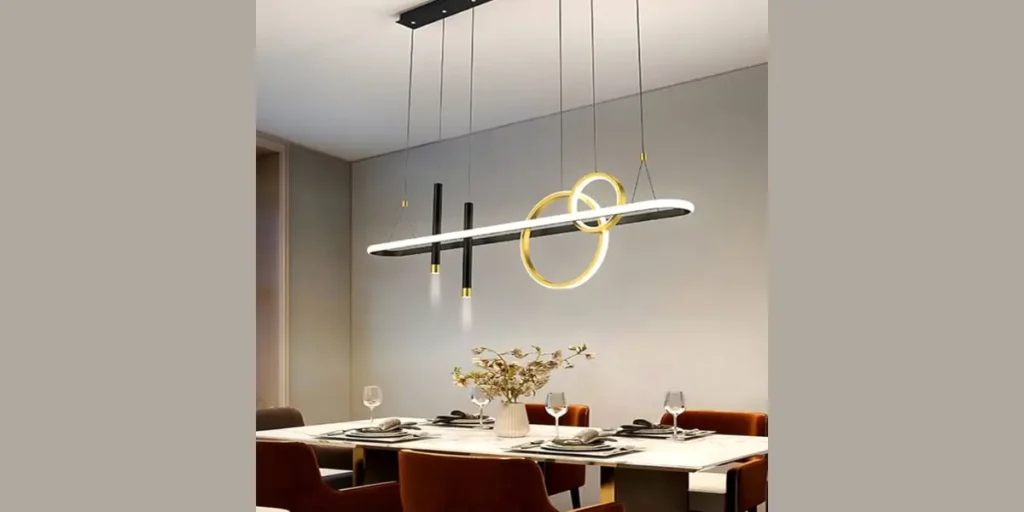
Adjustable pendant lighting gives me flexibility without sacrificing style. I recommend it for homes where the dining table serves multiple purposes.
Being able to change the height allows the light to adapt to different occasions, from casual breakfasts to formal dinners. This versatility adds long-term value.
Design-wise, adjustable pendants now come in sleek, modern forms. When chosen thoughtfully, they combine practicality with aesthetics, making them a smart and future-proof lighting solution.
11. LED Strip and Hanging Light Combination
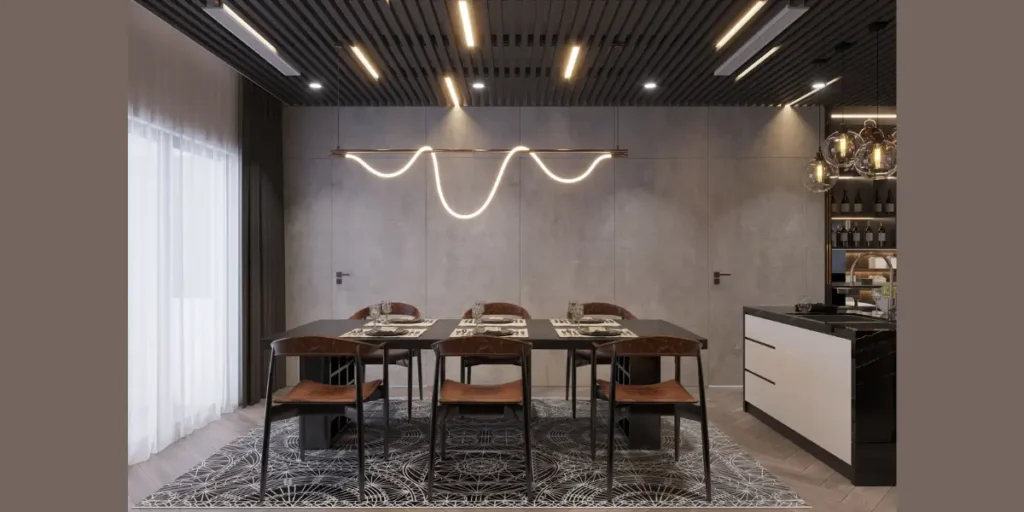
I often use an LED strip and hanging light combination when I want the dining table to feel visually layered and high-end.
This approach allows me to separate ambient lighting from task lighting, which instantly improves both comfort and aesthetics. The hanging light focuses attention on the table, while LED strips subtly support the overall atmosphere.
I usually install LED strips along ceiling edges, coves, or recessed areas to create soft background illumination. This indirect light reduces harsh shadows and adds depth without drawing attention away from the table itself.
When combined correctly, this layered lighting setup feels intentional and refined. It gives the dining room a polished, modern look while remaining practical for everyday use and special occasions.
How to Choose the Perfect Lighting Over Your Dining Table
When I choose lighting for a dining table, I always start with scale. The fixture should relate to the table’s width and length so it feels centered and intentional. Oversized lights overpower the space, while small fixtures get visually lost.
Hanging height is just as important. I aim to place lights low enough to create intimacy but high enough to keep sightlines clear. Ceiling height, table size, and room layout all influence this decision.
I also consider bulb type and color temperature. Warm lighting creates a welcoming atmosphere, while dimmable fixtures allow flexibility for different moods. These small choices significantly affect how comfortable the dining space feels.
FAQs
From my experience, pendant lights and chandeliers work best because they focus light directly on the table. The key is choosing a fixture that matches the table’s shape and scale while providing even, comfortable illumination.
I typically recommend hanging lights 30 to 36 inches above the tabletop. This height provides enough light without blocking views across the table or creating glare during meals.
Yes, multiple fixtures work well, especially over long or rectangular tables. I space them evenly to maintain balance and ensure consistent lighting across the entire surface.
I always prefer warm lighting for dining areas. It creates a relaxed and inviting atmosphere, making meals feel more enjoyable and less clinical than cool-toned lighting.
Related Post
- Top 10 Dining Room Wall Art Ideas
- Top 15 Dining Room Wallpaper Ideas
- Top 10 Dining Room Chandelier Ideas
- 12 Best Dining Room Layout Ideas
- 9 Best Dining Room Furniture Ideas
Conclusion
Dining room lighting over the table is not just about visibility, it’s about shaping the entire dining experience. From my professional experience, the most successful lighting choices balance function, proportion, and mood.
A well-chosen fixture brings people together, highlights the table naturally, and complements the room without demanding attention.
Whether you prefer bold statement pieces or subtle, adjustable designs, intentional lighting decisions make a lasting difference.
When the light feels right, the dining space becomes more comfortable, inviting, and visually complete, encouraging meaningful conversations and memorable moments around the table.