

Dining room mirror ideas can completely change how open, bright, and inviting the space feels. From my experience, mirrors are one of the most underrated design elements in dining rooms, yet they deliver instant impact when used correctly.
Beyond decoration, mirrors reflect light, enhance depth, and create balance in rooms that feel narrow or dim.
In this article, I’ll share practical mirror ideas that work in real dining spaces, not just staged interiors.
Each idea focuses on placement, proportion, and style, helping you use mirrors intentionally to elevate your dining room without overwhelming the décor.
1. Large Statement Mirror on the Dining Wall
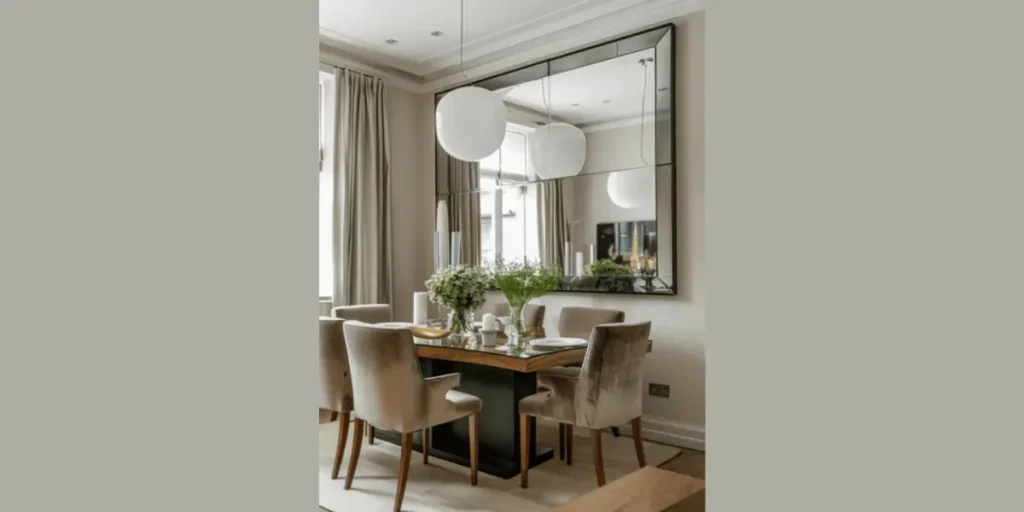
I often use a large statement mirror when a dining room feels closed or visually heavy. A single oversized mirror instantly becomes a focal point and makes the room feel wider and brighter. It works especially well on the main dining wall opposite a window or light source.
I always pay attention to scale. The mirror should feel proportional to the dining table and wall size, not oversized to the point of overpowering the space. Clean frames or subtle detailing keep it elegant.
When placed correctly, a large mirror adds depth and sophistication. It reflects light beautifully and gives the dining room a polished, intentional look.
2. Round Mirror for a Soft and Balanced Look
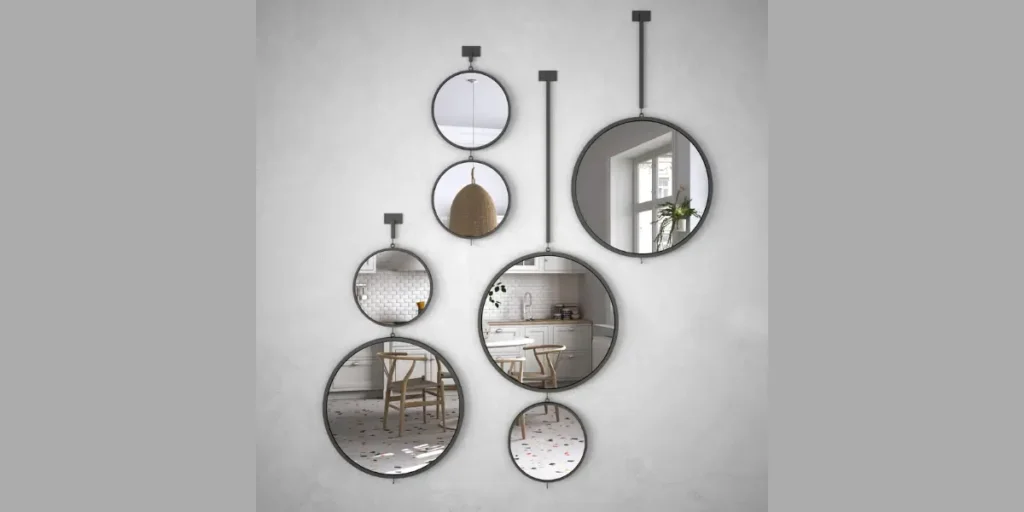
Round mirrors are my go-to choice when a dining room feels too angular. Dining tables, chairs, and cabinets often have sharp lines, and a circular mirror helps soften the overall composition.
I like placing round mirrors above sideboards or on narrow walls where rectangular pieces might feel too rigid. The curved shape creates visual flow and balance without drawing too much attention.
This mirror style works well in both modern and classic dining rooms. It adds elegance while maintaining a calm, welcoming atmosphere that feels visually complete.
3. Mirror Gallery Wall for Visual Interest
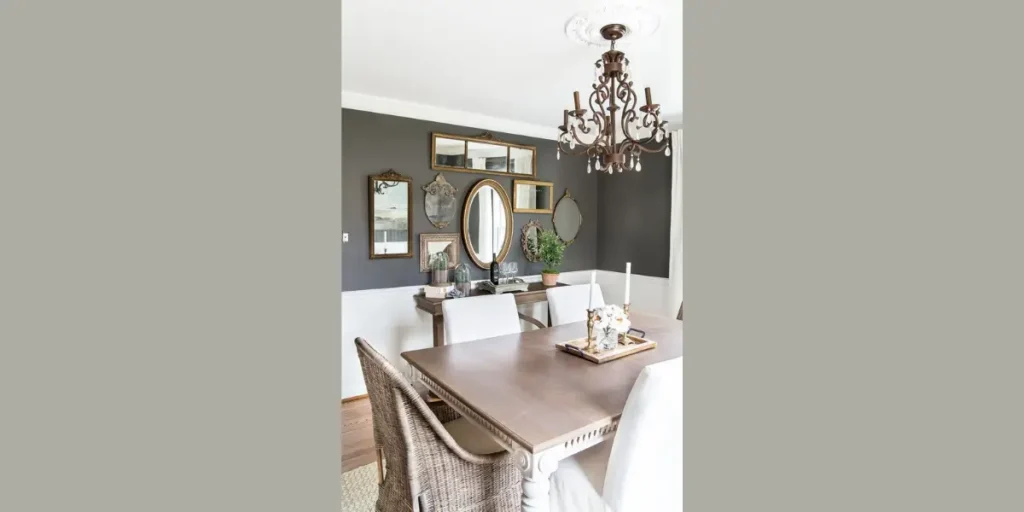
A mirror gallery wall allows me to add personality while keeping the dining room light and open. Instead of artwork, I use multiple mirrors in different shapes to create a decorative display.
I keep the arrangement cohesive by sticking to a consistent frame color or finish. Planning the layout before installation ensures balance and avoids a cluttered look.
This approach works best in dining rooms that need texture without heavy décor. A mirror gallery wall feels artistic, reflective, and intentionally styled.
4. Mirror Above a Sideboard or Buffet
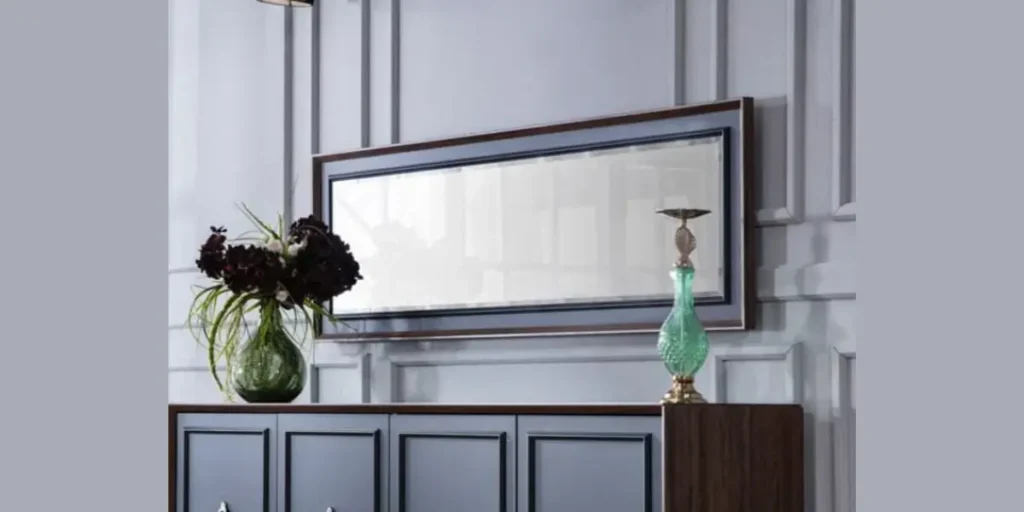
Placing a mirror above a sideboard is a classic dining room design move that I rely on often. It brings symmetry and structure to the room while visually expanding the wall.
I choose mirrors that align with the width of the furniture below to maintain balance. Framed mirrors add elegance, while simpler designs suit modern interiors.
This placement also allows the mirror to reflect lighting or table décor. It creates a layered look that feels refined and timeless without overwhelming the space.
5. Antique or Vintage Style Mirror
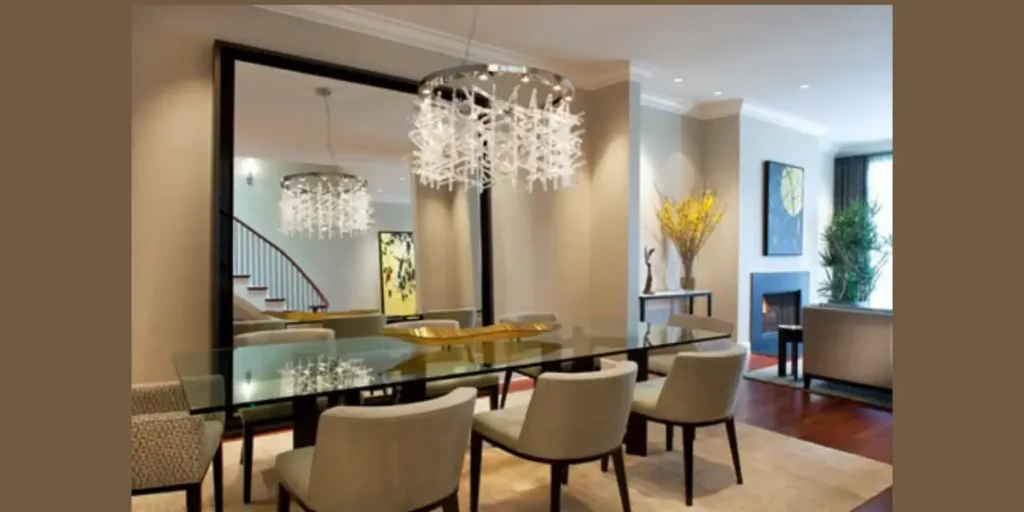
When I want to add character, I use antique or vintage-style mirrors. Their aged finishes and ornate frames bring warmth and history into the dining room.
I balance these mirrors with simpler furniture to prevent the space from feeling dated. This contrast allows the mirror to stand out without dominating the décor.
Vintage mirrors work beautifully in eclectic and traditional dining rooms. They add charm and personality, making the space feel curated rather than newly staged.
6. Floor-Length Mirror for a Modern Dining Room
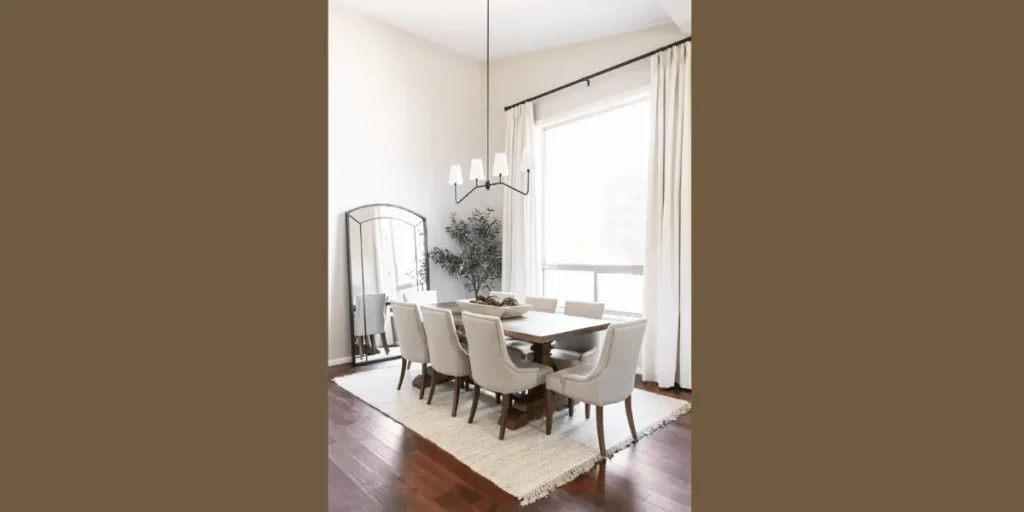
Floor-length mirrors add a strong design statement to dining rooms with sufficient wall space. I often lean them against a wall for a relaxed yet modern look.
This style works especially well in contemporary homes where clean lines and minimal décor dominate. The mirror adds height and drama without requiring extra accessories.
I make sure the mirror reflects light or open space rather than clutter. When placed thoughtfully, a floor-length mirror adds depth and a high-end feel to the dining room.
7. Window-Style Mirror Panels
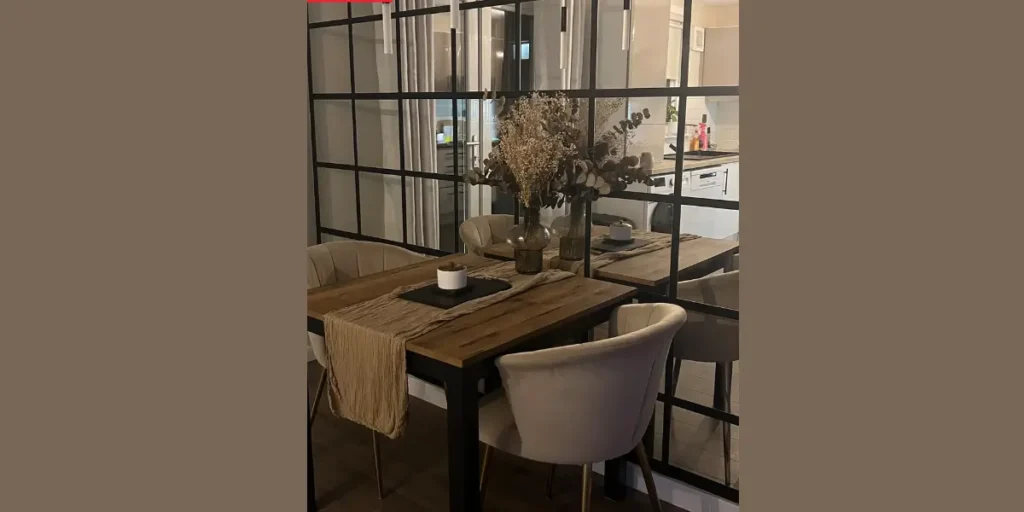
Window-style mirrors are perfect for dining rooms that lack natural light. I use them to create the illusion of additional windows, which instantly brightens the space.
The grid or paneled design adds architectural interest while maintaining a clean look. These mirrors work well on larger walls that need structure.
I often pair window-style mirrors with neutral décor to let the design breathe. This idea works especially well in smaller or darker dining rooms.
8. Minimal Frameless Mirror for Clean Interiors
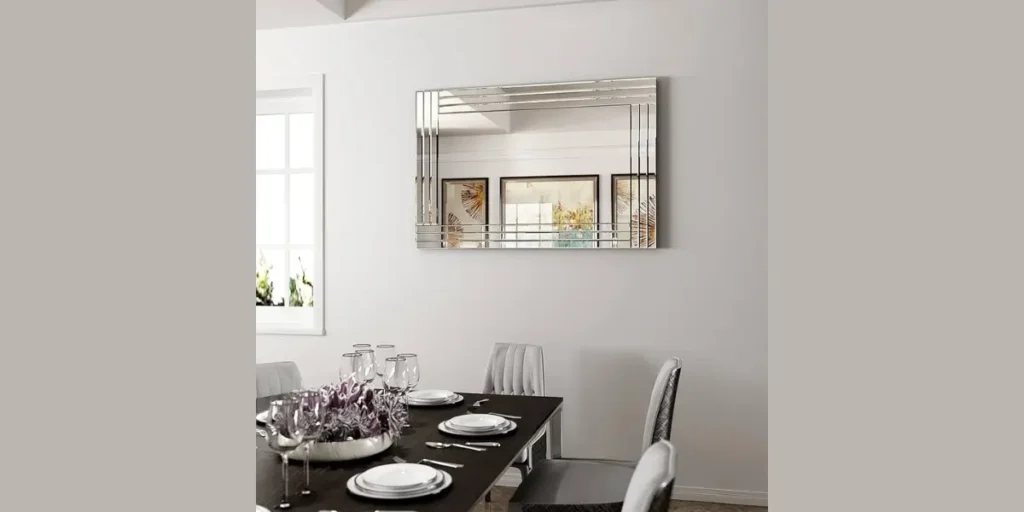
Frameless mirrors are ideal when I want the dining room to feel light and uncluttered. Their clean edges blend seamlessly into modern interiors.
I usually install frameless mirrors in minimalist spaces where furniture and lighting already make a statement. The mirror supports the design without competing visually.
This approach keeps the dining room refined and open. A frameless mirror enhances light and depth while maintaining a sleek, contemporary aesthetic.
9. Gold or Metal Framed Mirror for Warmth
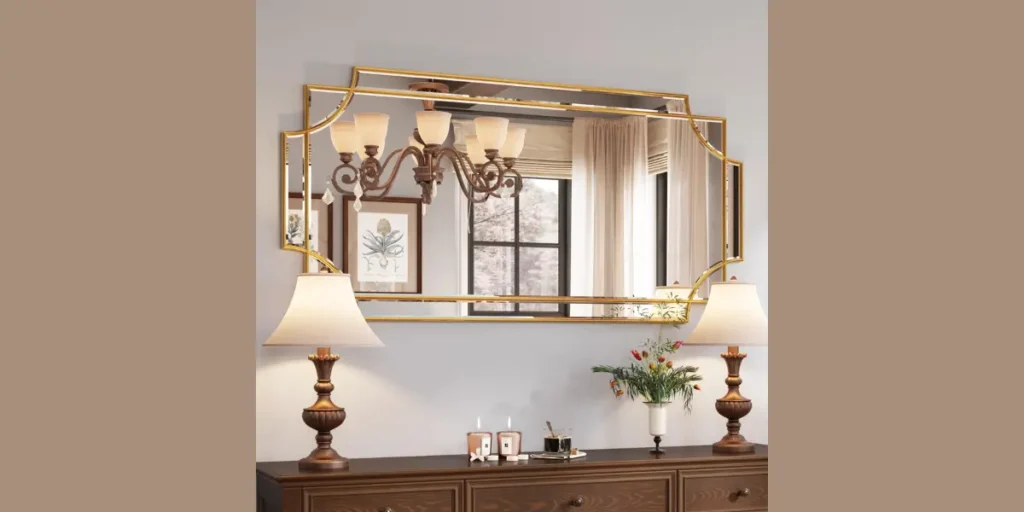
Metal framed mirrors bring warmth and elegance to dining rooms. I often choose gold, brass, or black frames depending on the room’s lighting and furniture.
These mirrors pair beautifully with chandeliers and accent lighting. The frame reflects light subtly, adding a touch of luxury without excess.
I keep the frame finish consistent with other metals in the room. This creates a cohesive look that feels intentional and professionally styled.
10. Statement Mirror as an Accent Wall Feature
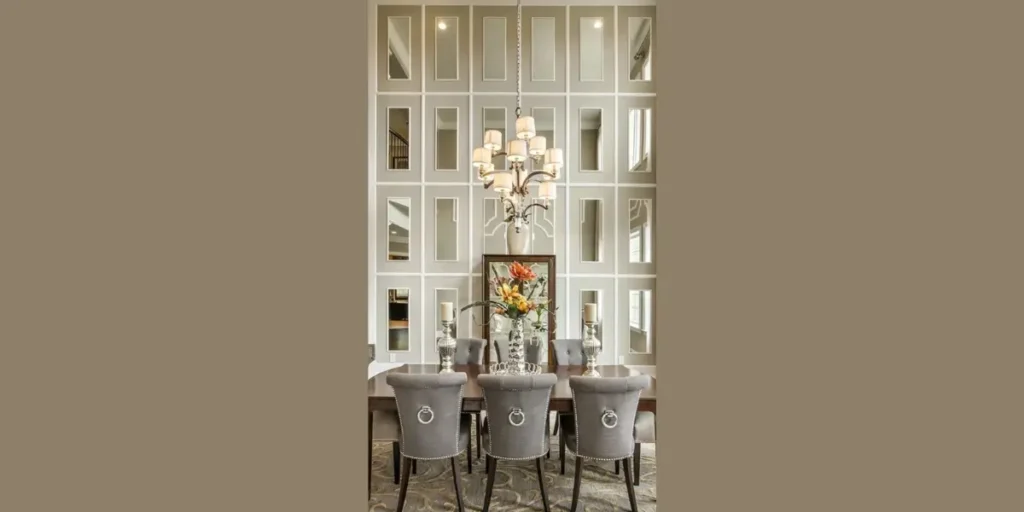
Using a mirror as an accent feature is a bold design move I reserve for larger dining rooms. Instead of a single piece, I treat the mirror as a dominant design element.
This approach works best when other décor remains minimal. Too many accessories can compete with the mirror and overwhelm the room.
When executed correctly, a mirror accent feature transforms the dining room. It amplifies light, adds drama, and creates a striking, high-end visual impact.
How to Place Dining Room Mirrors for Maximum Visual Impact
When I place mirrors in a dining room, I always think about what they will reflect. A mirror should enhance light, space, or a focal element, not clutter or storage. Positioning matters more than size.
I also focus on height and proportion. Mirrors should sit comfortably at eye level or align with furniture like sideboards to feel visually grounded. Poor placement can make even a beautiful mirror feel awkward.
Most importantly, I use mirrors intentionally. When placed with purpose, they add depth, brightness, and elegance without overpowering the dining room décor.
FAQs
Yes, mirrors work exceptionally well in dining rooms. I often use them to reflect light, open up the space, and add visual depth. When chosen carefully, mirrors enhance both function and style.
I usually place mirrors on walls opposite windows or above sideboards. This placement maximizes light reflection and creates balance without distracting from the dining table or seating area.
Absolutely. Mirrors visually expand small dining rooms by reflecting light and space. I’ve seen narrow or dark dining areas feel significantly more open with the right mirror placement.
The best shape depends on the room layout. I use round mirrors to soften sharp lines and rectangular mirrors to create structure. Both work well when scaled properly.
Conclusion
Dining room mirrors are more than decorative accents, they are powerful design tools that can completely transform how the space feels. From my experience, the right mirror placement enhances light, creates depth, and brings balance to dining rooms of all sizes.
Whether you choose a bold statement mirror or a subtle frameless design, intentional selection makes all the difference.
When mirrors reflect the right elements and align with the room’s scale, they elevate the dining area without overwhelming it.
Thoughtfully used mirrors help create a dining space that feels brighter, more open, and visually refined for everyday meals and special gatherings.