
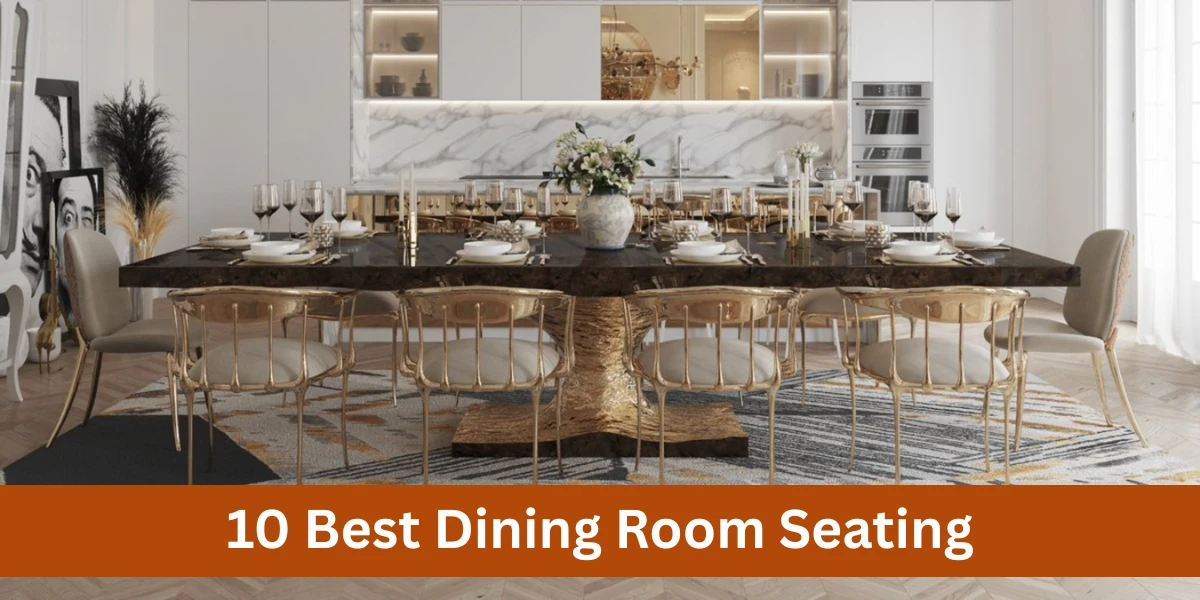
The best dining room seating combines comfort, size, style, and daily usability, not just looks, and that is exactly what I focus on in this guide. When I started setting up my own dining space, I quickly learned that good seating changes how often you actually use the dining table.
If the chairs feel stiff or awkward, people rush meals. If seating feels comfortable, conversations stretch longer, and dinners feel relaxed. This article exists to help you avoid those common mistakes and choose dining room seating that fits real life, not showroom lighting.
I am writing this for people who want clear answers, not decoration theory. If you are furnishing a new dining room, upgrading uncomfortable chairs, or simply tired of seating that looks nice but feels wrong after ten minutes, you are in the right place. I will walk you through the best dining room seating options based on comfort, room size, family needs, and long-term use.
How I Choose the Best Dining Room Seating for Real Use
The best dining room seating depends on how you live, not just how your room looks, and that mindset shapes this entire list. I do not rank seating based on trends alone. I focus on how people actually sit, eat, lean back, and move chairs every day.
1. Upholstered Dining Chairs for Comfort-First Homes
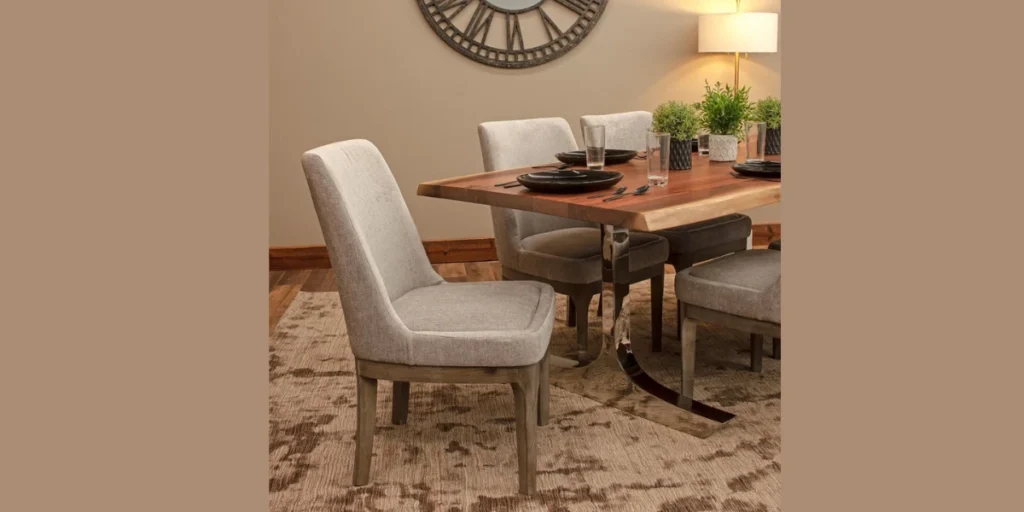
Upholstered dining chairs rank as one of the best dining room seating options because they support long meals without discomfort. These chairs include padded seats, fabric or leather coverings, and supportive backs that reduce pressure on the spine. If you host dinners or enjoy slow family meals, upholstered seating makes a noticeable difference.
I personally switched to upholstered chairs after realizing wooden seats cut dinners short. The difference was immediate. People stayed longer, leaned back comfortably, and stopped shifting in their seats every few minutes.
Upholstered dining chairs work best in medium to large dining rooms where space allows for slightly wider seating. They pair well with wood, glass, or marble dining tables. When choosing upholstery, stain-resistant fabric or faux leather makes cleaning easier. For households with kids, removable seat covers help a lot.
The main downside is maintenance. Fabric absorbs spills faster than wood, so quick cleaning matters. Still, for comfort-focused homes, upholstered dining chairs remain one of the best dining room seating investments.
2. Solid Wooden Dining Chairs for Everyday Durability
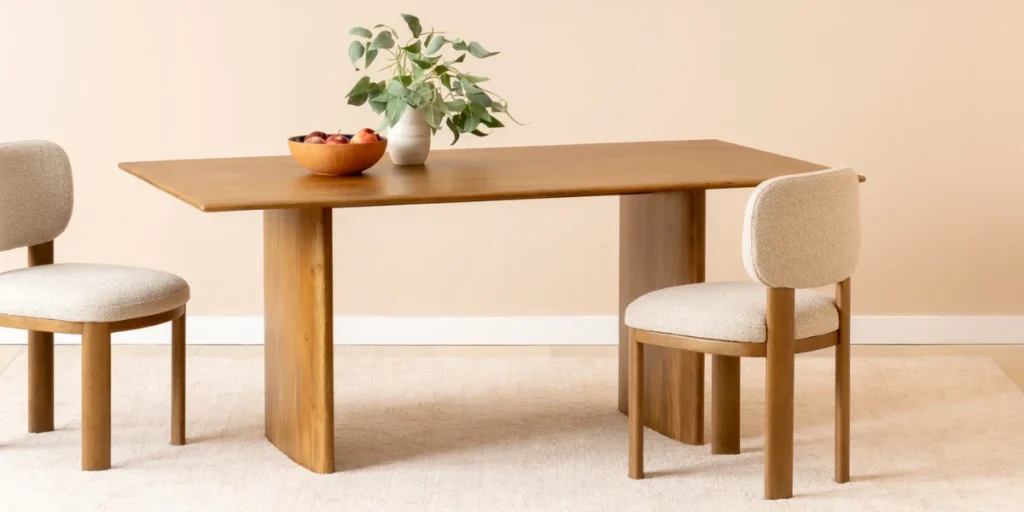
Solid wooden dining chairs remain one of the best dining room seating choices for people who value durability and timeless style. These chairs handle daily wear better than most upholstered options and fit easily into small dining rooms.
Wooden dining chairs shine in homes where space feels tight. Their slim frames slide neatly under tables, keeping walkways clear. I often recommend them for apartments and breakfast nooks because they visually lighten the room.
Comfort depends on design. Chairs with curved backs and contoured seats feel far better than flat designs. Adding removable seat cushions improves comfort without sacrificing space. Wooden chairs also suit families who prefer low maintenance furniture since spills wipe away easily.
While wooden seating may not feel plush, it balances practicality and style well. If you eat quick meals or want furniture that lasts for years, wooden dining chairs remain a smart option.
3. Bench Seating for Space-Saving Dining Rooms
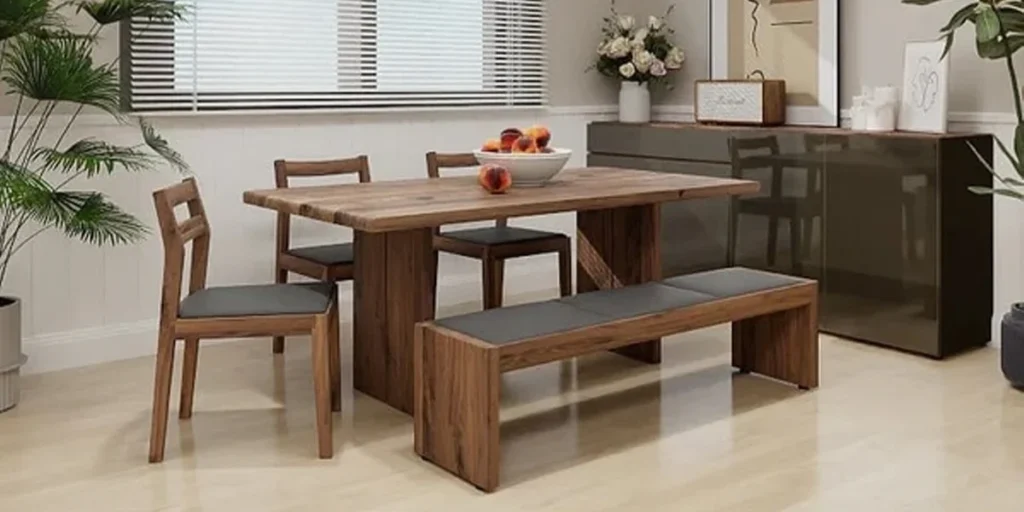
Bench seating earns its place among the best dining room seating options because it maximizes seating without crowding the room. A single bench fits multiple people while sliding fully under the table when not in use.
I have seen bench seating work especially well in family homes. Kids climb on and off easily, and parents appreciate the extra seating during gatherings. Benches also reduce visual clutter, making small dining rooms feel more open.
Comfort depends on cushion thickness and back support. Backless benches work best for casual dining, while cushioned benches with backs suit longer meals. Benches pair beautifully with farmhouse, modern, and casual interiors.
The main trade-off involves flexibility. Benches do not move as freely as chairs, which matters for formal setups. Still, for practical families and compact spaces, bench seating remains one of the best dining room seating solutions.
4. Armchairs for Head-of-Table Seating
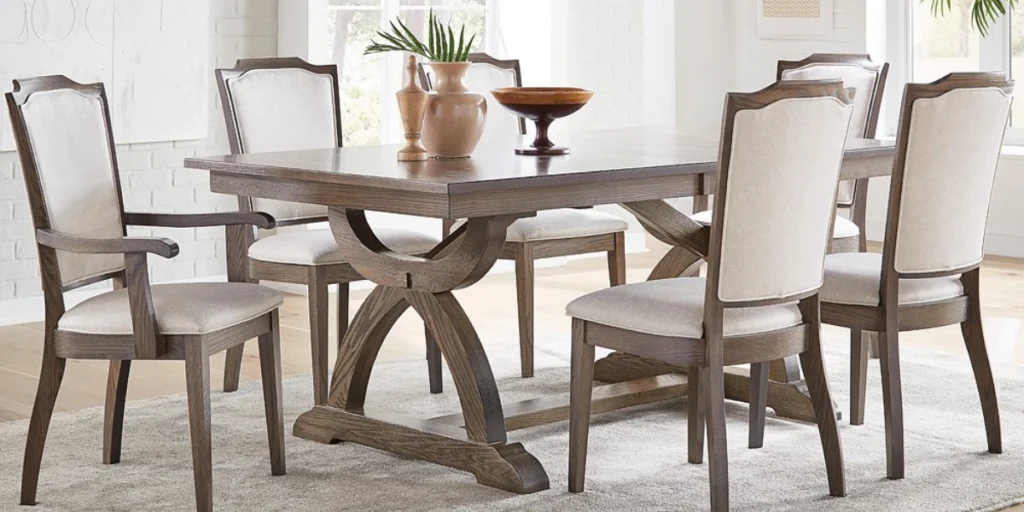
Dining armchairs offer some of the best dining room seating comfort when used strategically. These chairs work best at the head of the table rather than all around it due to their size.
Armchairs provide excellent support for shoulders and arms, making them ideal for long dinners. I often recommend placing two armchairs at the ends of rectangular tables while using slimmer chairs along the sides. This setup adds comfort without overwhelming the space.
Armchairs suit formal dining rooms and larger spaces where circulation room matters less. Upholstered armchairs feel especially inviting, while wooden armchairs lean more traditional.
The key lies in balance. Too many armchairs crowd the table. Used selectively, they elevate comfort and style while maintaining usability.
5. Mixed Seating Styles for Flexible Dining Spaces
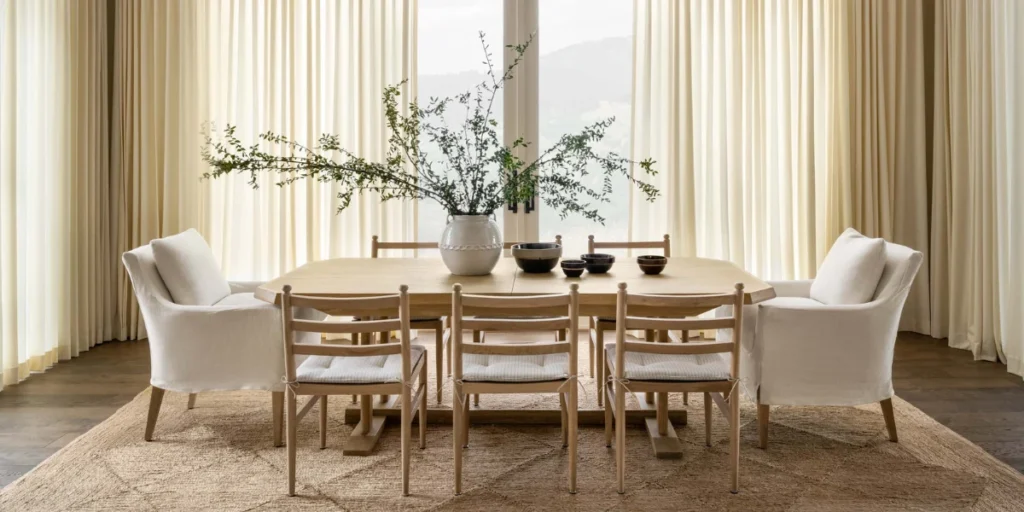
Mixed seating styles stand out as one of the best dining room seating strategies for modern homes. This approach blends different chair types, such as upholstered chairs, wooden chairs, and benches, around one table.
I personally love mixed seating because it solves multiple problems at once. It adds visual interest, adapts to different guests, and lets you prioritize comfort where it matters most. For example, you might place upholstered chairs where people sit longest and use wooden chairs where space feels tight.
This setup works well for open-plan homes where the dining area blends into living spaces. Mixed seating also allows gradual upgrades, so you do not need to replace everything at once.
Consistency matters here. Keep seat height similar and stick to a shared color palette to avoid a mismatched look. When done thoughtfully, mixed seating offers flexibility without chaos.
6. Slipcovered Dining Chairs for Easy Maintenance Homes
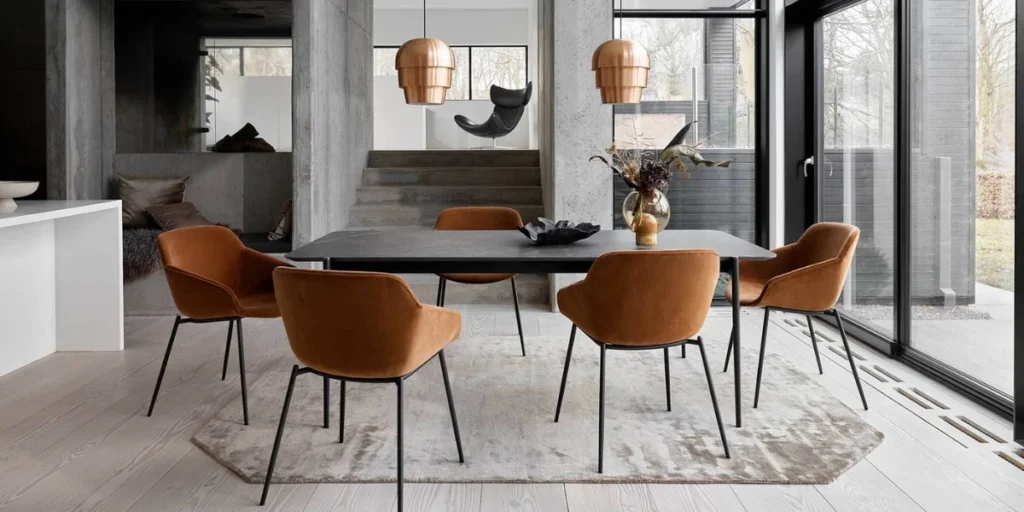
Slipcovered dining chairs qualify as one of the best dining room seating options for homes where spills and daily messes feel unavoidable. These chairs combine comfort with flexibility because you can remove and wash the covers instead of stressing over stains.
The biggest reason I recommend slipcovered seating comes from real life. Food drops. Drinks spill. Kids and guests forget coasters exist. Slipcovers solve that problem without sacrificing style. You can wash them, replace them, or even switch colors when seasons change.
Slipcovered dining chairs fit well in casual, coastal, or relaxed dining rooms. They pair nicely with wooden tables and neutral decor. Comfort stays high because most designs include padded seats and supportive backs.
The only thing to watch is fit. Loose covers can look sloppy if poorly sized. When chosen carefully, slipcovered chairs offer comfort with far less anxiety, which honestly feels underrated.
7. Stackable Dining Chairs for Small and Flexible Spaces
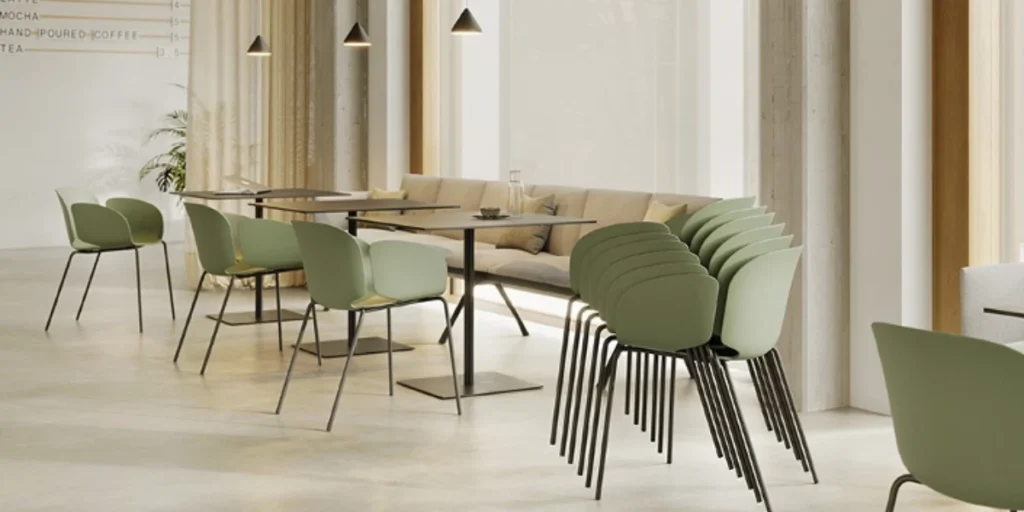
Stackable dining chairs earn their spot among the best dining room seating options because they solve storage problems instantly. These chairs allow you to seat guests when needed and clear space when not.
I often suggest stackable seating for apartments, multipurpose rooms, and homes where dining areas double as workspaces. When guests leave, chairs stack neatly in a corner or closet.
Comfort depends on design. Many modern stackable chairs now include molded seats and ergonomic backs that feel far better than older plastic versions. Materials range from metal and wood to reinforced resin.
Stackable chairs shine during gatherings but may not replace everyday seating for long meals. Still, for flexible homes, they offer practical value without clutter.
8. High-Back Dining Chairs for Extra Support
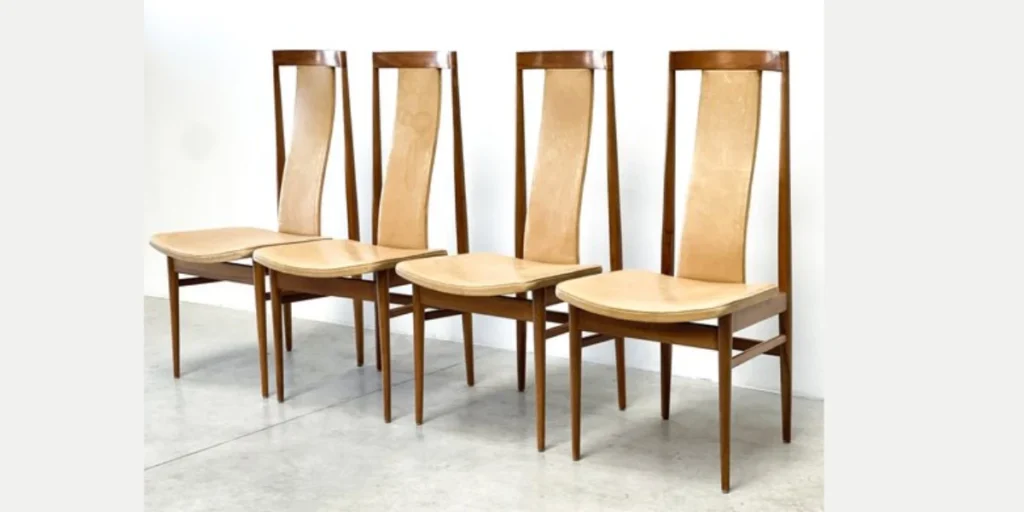
High-back dining chairs stand out as one of the best dining room seating choices for people who prioritize posture and back support. These chairs support the upper back and shoulders, which reduces fatigue during longer meals.
I noticed a big comfort improvement after switching to high-back chairs in one dining setup. People leaned back naturally instead of hunching forward. Conversations felt relaxed, not rushed.
High-back chairs work best in medium to large dining rooms because their height draws visual attention. They pair well with solid tables and formal or transitional styles.
The trade-off involves space. Tall backs can overwhelm small rooms. When room size allows, high-back chairs provide structure and comfort that many people appreciate.
9. Low-Profile Dining Chairs for Modern Interiors
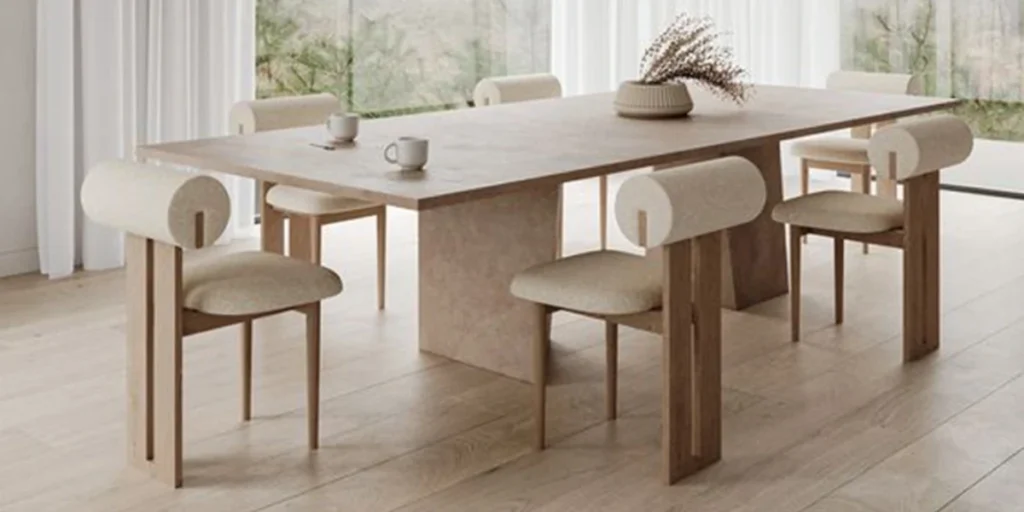
Low-profile dining chairs deserve recognition among the best dining room seating options for modern and minimalist spaces. These chairs feature slim frames, shorter backs, and clean lines that keep rooms visually open.
I recommend low-profile seating when the dining area sits within an open floor plan. These chairs blend into the space instead of blocking sightlines. They work especially well with modern tables and neutral palettes.
Comfort depends on seat depth and cushioning. While they may not support extended lounging, they suit everyday meals well. Adding seat pads improves comfort without altering the look.
Low-profile chairs prove that dining seating does not need bulk to function well. They suit homes that value simplicity and flow.
10. Dining Stools for Casual and Counter-Height Tables
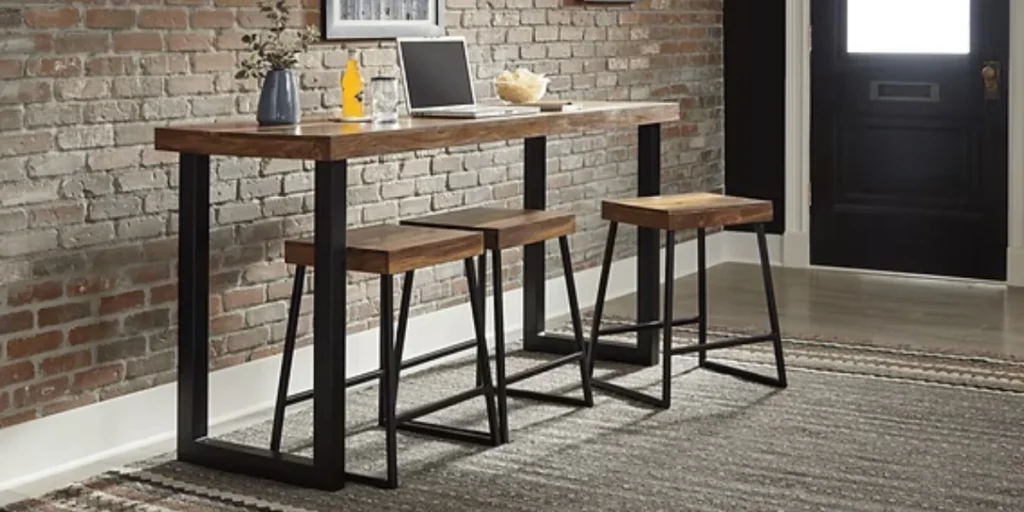
Dining stools complete the list of best dining room seating options for casual and counter-height setups. These stools work best with breakfast bars, high tables, and informal dining spaces.
I use stools regularly in casual dining zones because they save space and encourage quick meals. Adjustable height stools offer flexibility for different users. Footrests improve comfort more than people expect.
Stools feel best in relaxed environments rather than formal dining rooms. Backed stools provide better support than backless versions, especially for longer sitting.
While stools do not replace traditional dining chairs, they work well when matched with the right table height and lifestyle.
Dining Room Seating Selection Guide
This table helps you quickly match seating styles with lifestyle needs.
| Lifestyle Need | Best Seating Option |
|---|---|
| Long dinners | Upholstered chairs, high-back chairs |
| Small space | Wooden chairs, stackable chairs |
| Family-friendly | Bench seating, slipcovered chairs |
| Formal dining | Armchairs, upholstered chairs |
| Casual dining | Stools, benches |
Conclusion
The best dining room seating always depends on how you live, not just how your dining room looks. Comfort shapes how long people stay at the table. Space affects how usable the room feels. Maintenance determines whether furniture becomes a joy or a daily annoyance.
If I had to summarize this entire guide in one thought, it would be this. Choose seating that supports real habits. Families need flexibility. Small spaces need simplicity. Hosts need comfort. There is no single perfect chair, but there is always a right match for your lifestyle.
Reading this guide should give you clarity, not confusion. If you start with comfort, measure your space honestly, and think about daily use, the right dining room seating becomes obvious.
FAQs
Upholstered dining chairs offer the most comfort for long meals because padding and back support reduce pressure.
I recommend at least 24 inches per chair to allow comfortable movement and elbow room.
Benches work better in small or family-focused spaces, while chairs offer more flexibility for formal dining.
Armchairs feel comfortable but work best only at the ends of the table to avoid crowding.
Stick to similar seat heights and a shared color palette to keep the look cohesive.