

If you are searching for the top 12 dining room shelves, you want clear ideas that look good, store your essentials, and fit real dining rooms without drama. I put this list together for people like us who want shelves that balance style, storage, and everyday use.
I am not talking about showroom-only setups. These are dining room shelf ideas I have seen work in normal homes, including small apartments and family dining spaces.
Dining room shelves help you organize plates, glassware, serving bowls, and décor while keeping the room open and welcoming. When chosen well, they also act as a design feature instead of extra furniture that eats floor space. In this first session, I am covering the first 6 dining room shelf ideas, starting with the most practical and widely used styles.
1. Open Wooden Dining Room Shelves for Everyday Storage
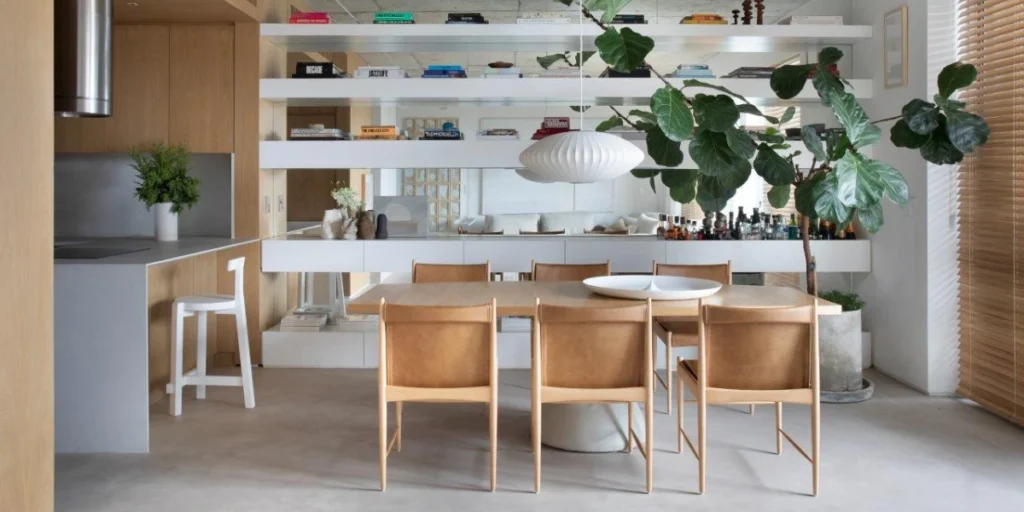
Open wooden dining room shelves remain a favorite because they feel warm, familiar, and easy to style. I like them because they make the dining room feel lived-in instead of stiff. These shelves work well when you want to store plates, bowls, glasses, or serving dishes that you use often.
The biggest advantage of open wooden shelves is accessibility. You do not need to open doors or bend down. Everything stays visible, which helps with daily meals and hosting guests. Solid wood or engineered wood both work fine as long as the brackets feel sturdy and well-fitted.
From my experience, these shelves look best when you limit clutter. I usually suggest stacking plates neatly and adding one or two décor items like a small plant or a ceramic bowl. Too many items make the shelf look messy fast. Natural wood finishes pair nicely with white walls and neutral dining furniture.
Best for: Medium to large dining rooms
Style match: Traditional, farmhouse, casual modern
Main benefit: Easy access and flexible styling
2. Floating Dining Room Shelves for a Clean Wall Look
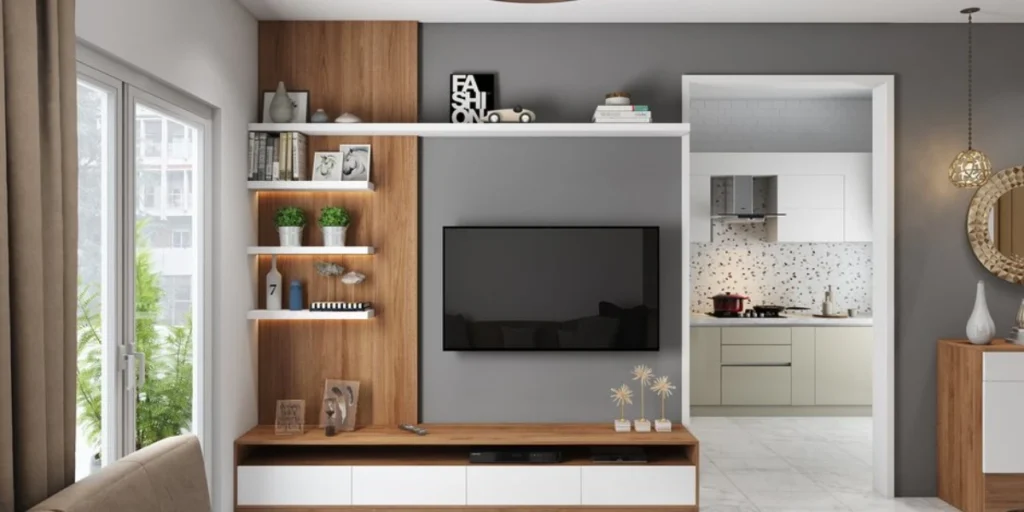
Floating dining room shelves suit people who want a simple and uncluttered dining space. These shelves attach directly to the wall without visible brackets, which keeps the design clean. I often recommend floating shelves when the dining room feels narrow or when wall space is limited.
These shelves work well for light storage. Think glasses, small serving bowls, framed photos, or minimal décor. Heavy dinnerware can work too, but only if the shelf and wall anchors are strong. Always check the weight limit before loading them up.
What I personally like about floating shelves is how they visually open the room. They do not interrupt the wall the way bulky cabinets do. I usually install them at eye level or slightly above the dining table height for balance.
Best for: Small to medium dining rooms
Style match: Modern, minimalist, Scandinavian
Main benefit: Clean design without visual heaviness
3. Built-In Dining Room Shelves for a Seamless Look
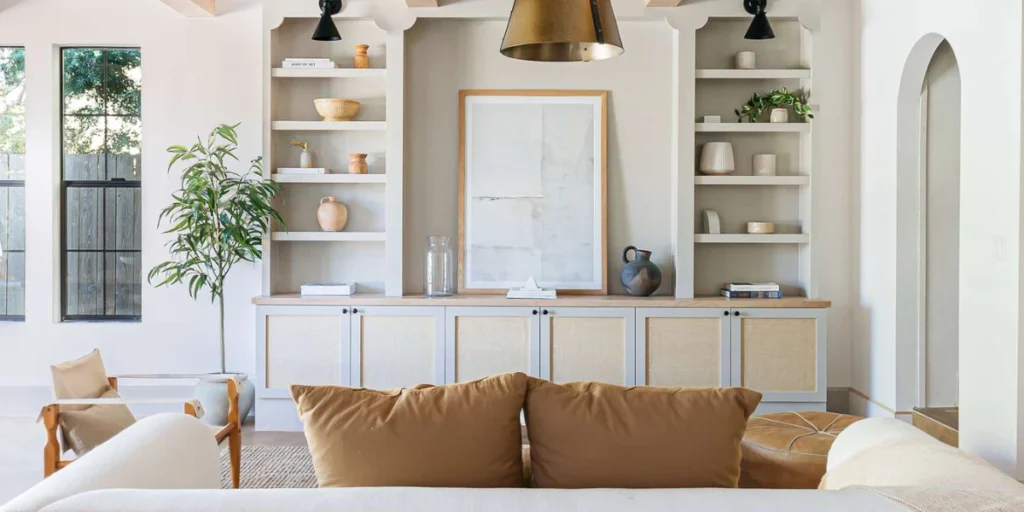
Built-in dining room shelves feel permanent and polished. These shelves are often designed into the wall or framed between cabinets or architectural features. I recommend built-ins when you want the dining room to feel intentional rather than pieced together.
Built-in shelves offer both display and storage. You can mix décor on upper shelves and functional items on lower ones. Because these shelves become part of the room, they also increase visual balance and reduce the need for extra furniture.
From what I have seen, painted built-in shelves look especially good in dining rooms. Soft neutrals or muted tones help shelves blend into the wall instead of dominating it. Lighting inside the shelves adds a nice touch for evening dinners.
Best for: Large dining rooms or open-plan homes
Style match: Classic, transitional, modern homes
Main benefit: Custom look with strong storage potential
4. Corner Dining Room Shelves for Unused Spaces
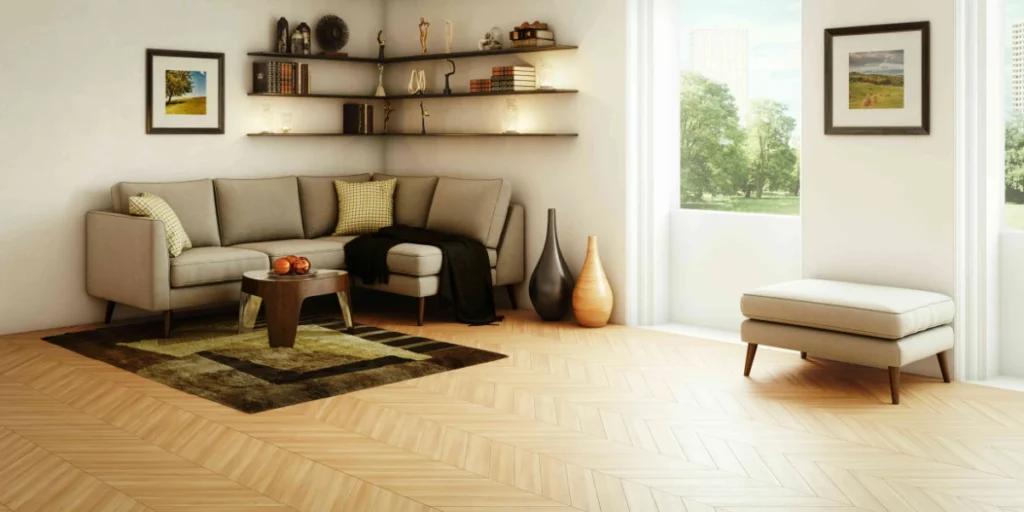
Corner dining room shelves solve a problem many people ignore. Empty corners often sit unused, yet they offer valuable storage potential. I like corner shelves because they make the room feel complete without crowding the main walls.
These shelves work best for decorative storage. You can display plants, wine bottles, decorative plates, or seasonal décor. I usually avoid placing heavy items on corner shelves unless the structure feels very solid.
Corner shelves also help balance dining rooms where furniture placement feels uneven. They soften harsh angles and bring attention to overlooked areas. When styled simply, they add charm without pulling focus from the dining table.
Best for: Small dining rooms or awkward layouts
Style match: Casual, modern, eclectic
Main benefit: Smart use of forgotten space
5. Wall-Mounted Dining Room Shelves with Brackets
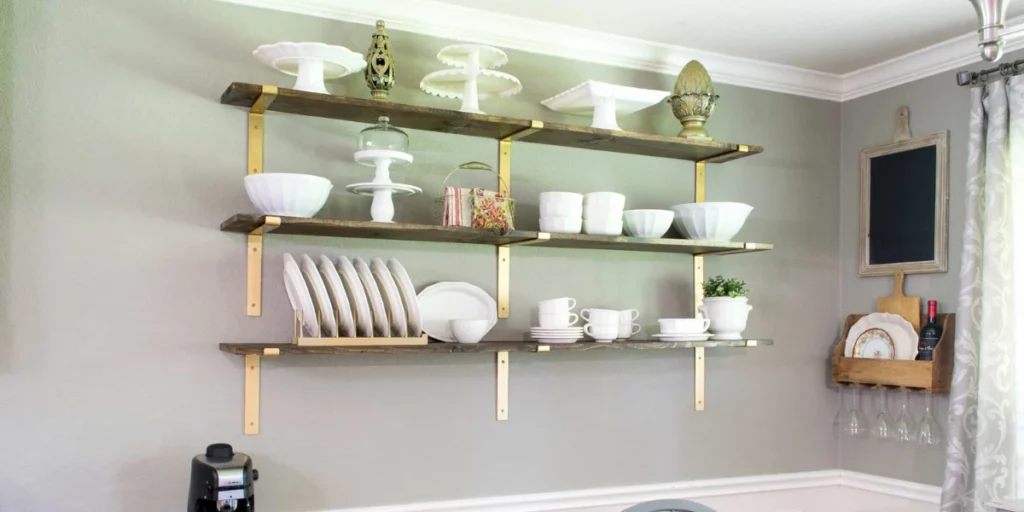
Wall-mounted dining room shelves with visible brackets offer strength and character. I often suggest these shelves when storage matters more than minimal looks. Metal or wooden brackets support heavier loads and give the shelf a sturdy feel.
These shelves work well for stacking dinnerware, storing glassware, or displaying cookbooks near the dining area. Brackets also let you play with design. Black metal brackets feel modern, while wooden brackets suit traditional spaces.
In my own setup, I found bracket shelves easier to install and adjust. They feel forgiving if the wall is uneven or if the shelf needs extra support. They also handle weight better than floating shelves.
Best for: Medium dining rooms
Style match: Industrial, rustic, traditional
Main benefit: Strong support with design flexibility
6. Glass Dining Room Shelves for Light and Elegance
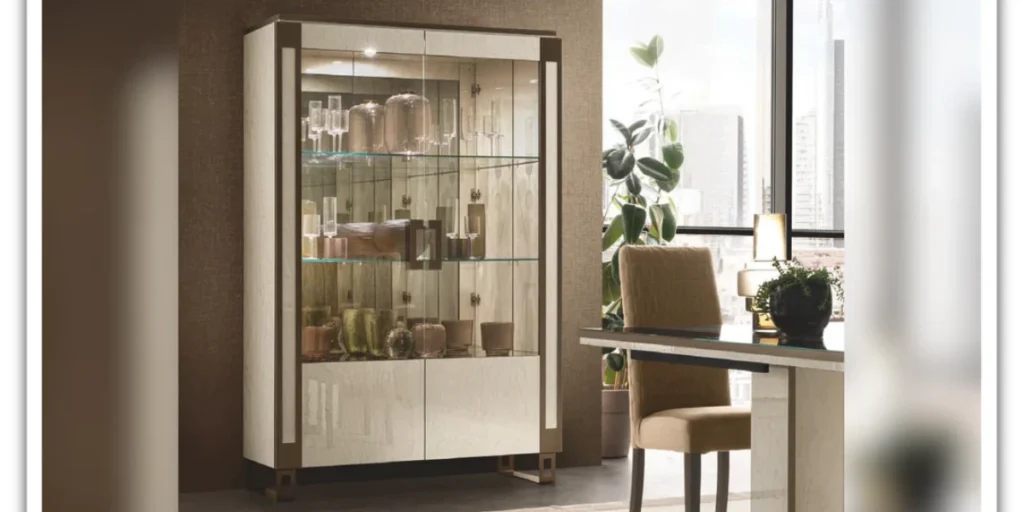
Glass dining room shelves suit people who want shelves without visual weight. These shelves reflect light and make the dining room feel brighter. I usually recommend glass shelves for smaller dining rooms where heavy furniture makes the space feel tight.
These shelves work best for decorative items, glassware, and lighter accessories. Tempered glass offers decent strength, but it still needs careful use. I avoid stacking heavy plates on glass shelves to prevent stress cracks.
Glass shelves pair well with metal brackets or hidden supports. They work nicely in dining rooms with modern lighting and neutral color palettes. Cleaning takes effort, but the clean look makes it worthwhile.
Best for: Small or modern dining rooms
Style match: Contemporary, modern
Main benefit: Light appearance with elegant appeal
7. Ladder-Style Dining Room Shelves for Casual Display
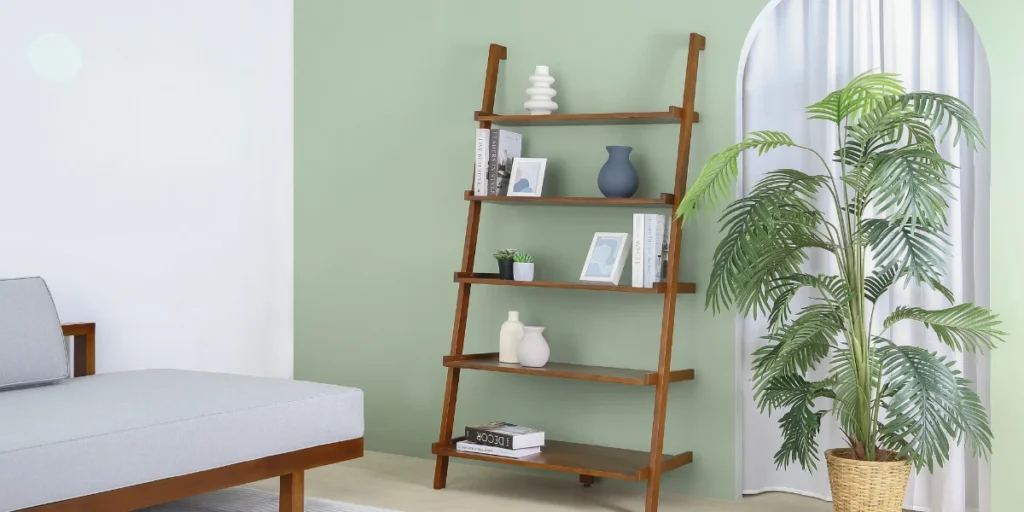
Ladder-style dining room shelves work well when you want storage without committing to wall drilling everywhere. I like these shelves because they lean against the wall and feel relaxed rather than fixed. They suit dining rooms where flexibility matters or where renters want décor without permanent changes.
These shelves usually feature multiple open tiers that narrow toward the top. That design keeps the look light while still offering space for plates, baskets, jars, or décor items. I have seen people use the lower shelves for heavier items like serving bowls and the upper ones for plants or framed art.
The key with ladder shelves is balance. Overloading every shelf ruins the open feel. When styled with space between items, ladder shelves add height and character without overpowering the dining table.
Best for: Medium dining rooms or rental homes
Style match: Casual, boho, contemporary
Main benefit: Flexible placement and relaxed design
8. Industrial Dining Room Shelves with Metal Frames
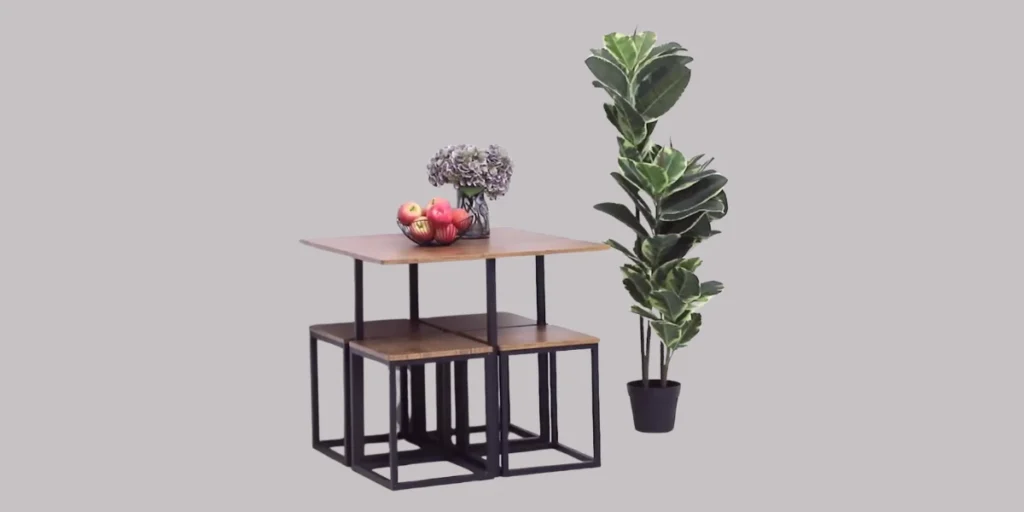
Industrial dining room shelves appeal to people who like a bold and structured look. These shelves usually combine metal frames with wood or engineered boards. I recommend them when the dining room needs a strong visual anchor.
Industrial shelves handle weight well. You can store dishes, wine bottles, and even small appliances if needed. They work especially well in open dining spaces connected to kitchens or living rooms.
From what I have noticed, these shelves look best when paired with neutral walls and simple décor. Let the shelf structure stand out. Too many decorative items take away from the industrial charm.
Best for: Medium to large dining rooms
Style match: Industrial, modern loft, urban
Main benefit: High durability with strong visual presence
9. Minimal Wall-to-Wall Dining Room Shelves
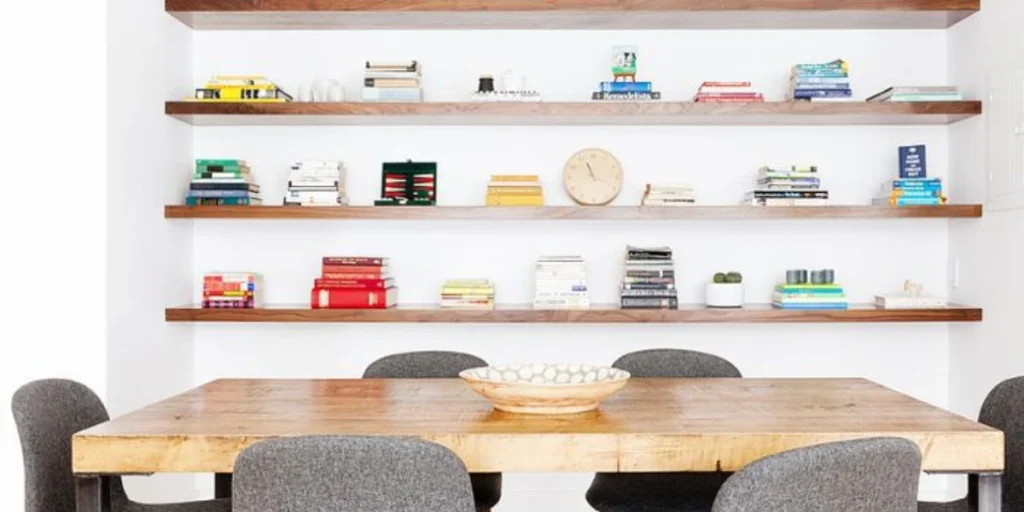
Wall-to-wall dining room shelves stretch across an entire wall and create a unified look. I like this style when the dining room lacks storage and cabinets feel too bulky. These shelves turn one wall into a functional feature.
These shelves work best when spaced evenly and styled consistently. I usually suggest placing frequently used items on lower levels and décor higher up. This layout keeps the shelves practical without sacrificing style.
Wall-to-wall shelving also works well for people who entertain often. Everything stays visible and easy to access during meals or gatherings.
Best for: Large dining rooms
Style match: Modern, contemporary
Main benefit: Maximum storage with clean structure
10. Cabinet-Style Dining Room Shelves with Open Sections
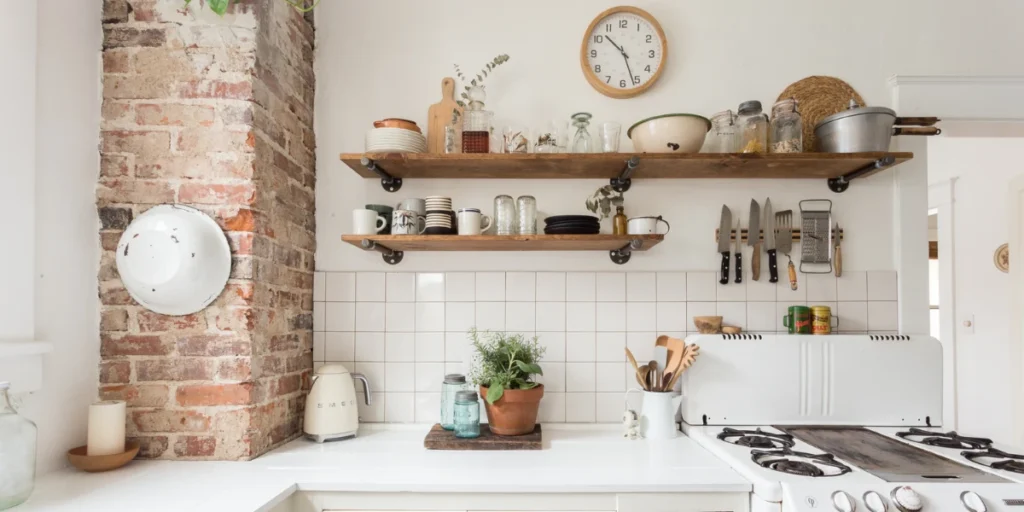
Cabinet-style dining room shelves mix open shelving with closed storage. I often recommend this setup to people who want balance. You can display some items while hiding others.
The closed sections help reduce visual clutter. You can store extra dishes, linens, or seasonal décor behind doors. The open sections keep the dining room feeling open and personal.
In real homes, this style works well for families. It offers organization without sacrificing style. I usually advise choosing cabinets that match or complement the dining table finish.
Best for: Medium to large dining rooms
Style match: Transitional, modern classic
Main benefit: Balanced storage and display
11. Vertical Dining Room Shelves for Narrow Walls
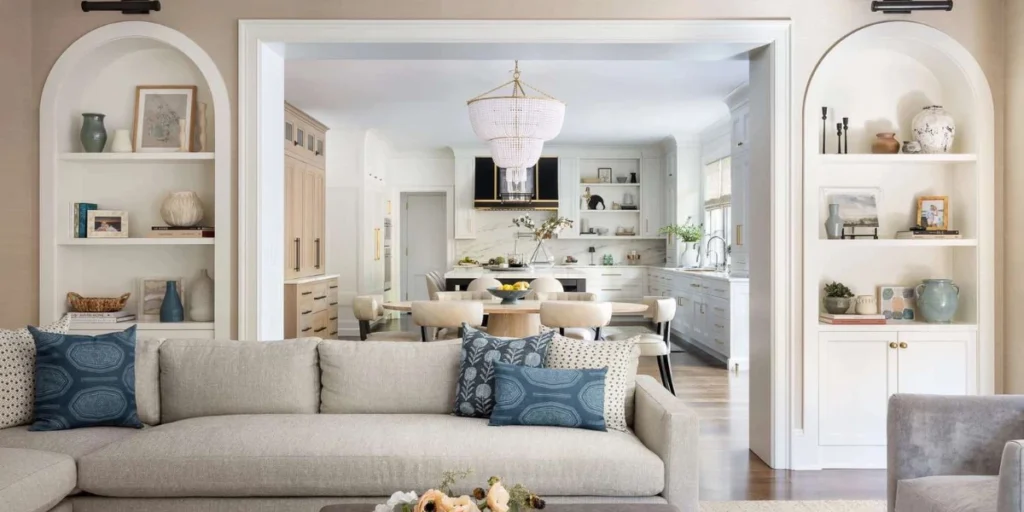
Vertical dining room shelves work when wall width is limited but height is available. I like these shelves for narrow dining rooms where horizontal shelves feel crowded.
These shelves draw the eye upward and make the room feel taller. They work well for plates, small plants, and decorative pieces arranged vertically. I avoid placing very heavy items on higher levels for safety.
Vertical shelves also help frame dining areas, especially near windows or doorways. They add storage without taking over the wall.
Best for: Small or narrow dining rooms
Style match: Modern, compact homes
Main benefit: Uses height without crowding space
12. Custom Dining Room Shelves for Specific Needs
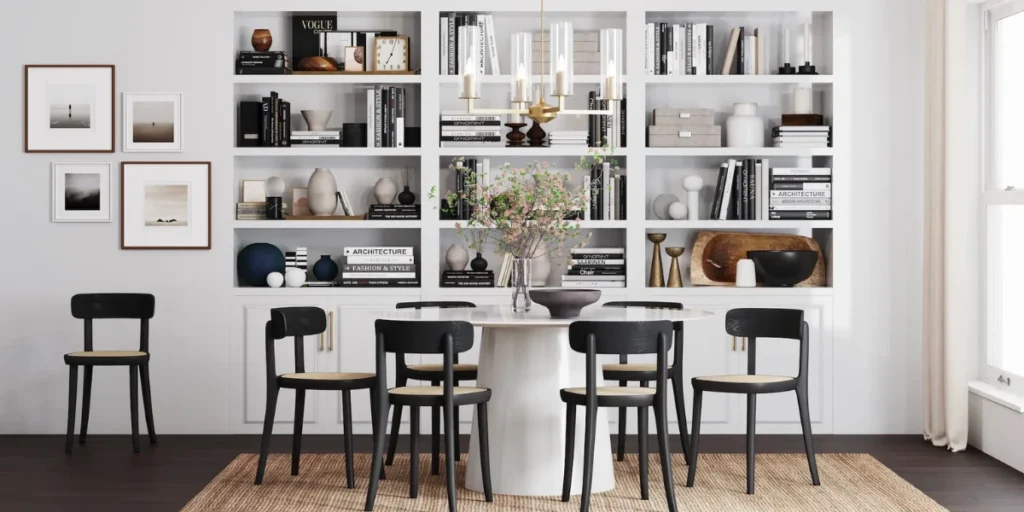
Custom dining room shelves suit people who know exactly what they need. I usually suggest custom shelves when standard options do not fit the room layout or storage requirements.
Custom shelves allow you to control height, depth, and spacing. You can design them around plates, glassware, or even wine storage. While they cost more, they solve specific problems and last longer.
From experience, custom shelves feel more satisfying over time because they match your habits. You stop adjusting your storage and start enjoying it.
Best for: Any dining room with specific needs
Style match: Any style
Main benefit: Tailored storage and perfect fit
Conclusion
Dining room shelves help you organize essentials, reduce clutter, and add personality to your dining space. The right shelf depends on room size, storage needs, and personal style.
Open shelves suit daily use, floating shelves save space, and custom shelves solve specific problems. When chosen carefully, shelves make the dining room more functional and welcoming.
If you are planning to upgrade your dining room, shelves offer one of the easiest ways to improve both storage and appearance without major renovation.
FAQs
Floating shelves, corner shelves, and vertical shelves work best in small dining rooms because they save floor space and keep walls light.
Yes, wall-mounted shelves with brackets and built-in shelves handle heavy plates better than floating or glass shelves.
I usually recommend placing shelves at eye level or slightly above the dining table height for balance and easy access.
Open shelves require regular cleaning, but simple styling and fewer items make maintenance manageable.