

A dining table often becomes the heart of the home, yet many people leave it undecorated or randomly styled. I have seen how the right centerpiece instantly changes the mood of a dining room and makes the space feel complete.
In this guide, I am focusing only on dining room table centerpiece ideas that work in real homes, not staged showrooms. Every idea here stays practical, visually balanced, and suitable for everyday life.
How I Think About Dining Room Table Centerpieces Before Choosing One
When I choose a dining room table centerpiece, I always start with function before decoration. A centerpiece should support daily dining habits instead of interrupting them.
If a decorative item needs to be removed every time the table is used, it quickly becomes annoying. I have learned that the best centerpieces stay in place, look good from every angle, and still allow people to sit comfortably and interact across the table.
I also pay close attention to scale and proportion. A centerpiece should visually match the size and shape of the table, not fight against it. Long tables benefit from arrangements that stretch horizontally, while round tables look better with a single centered focal point.
Height matters just as much, because overly tall pieces block sightlines and conversations. Keeping these basics in mind helps narrow down centerpiece options that feel natural instead of forced.
1. Low Floral Arrangement in a Neutral Vase
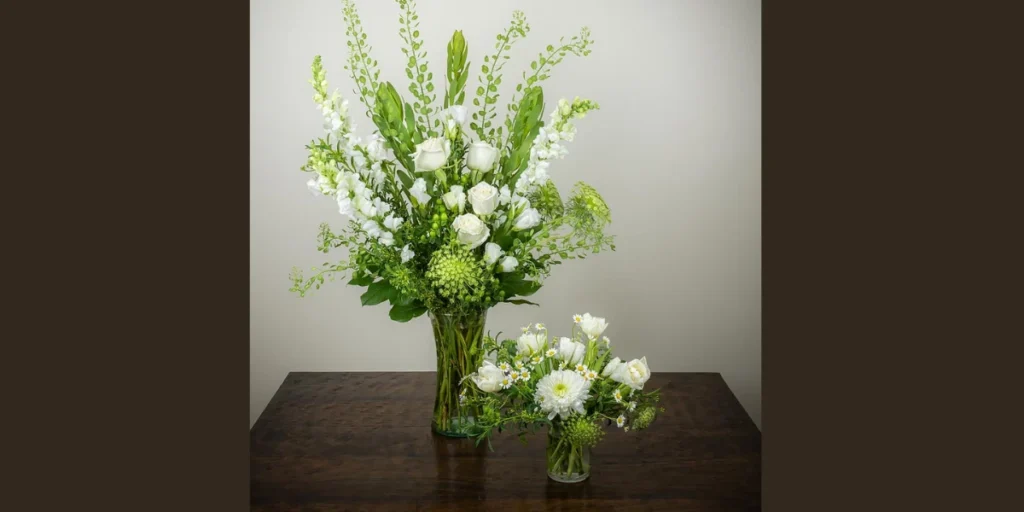
A low floral arrangement remains one of my most reliable dining room table centerpiece ideas because it balances beauty and practicality. I prefer keeping the arrangement low so it does not interrupt eye contact or conversations during meals.
A neutral vase made from ceramic, stone, or matte glass works well because it blends into almost any dining room style, whether modern, farmhouse, or transitional. The flowers become the highlight without overpowering the table itself. This type of centerpiece feels intentional but never too formal, which makes it suitable for both daily meals and casual gatherings.
I often recommend choosing flowers based on maintenance preferences. Fresh flowers bring energy and fragrance into the dining room, but they require regular care. Dried florals or realistic faux stems offer a longer-lasting option while still adding texture and softness.
I personally rotate flowers with the seasons, using lighter blooms in spring and fuller arrangements in fall. This small change keeps the dining space feeling refreshed without replacing the entire centerpiece.
This centerpiece works best on rectangular and round tables where balance matters. The low profile keeps the table usable, while the neutral base ensures the arrangement does not clash with tableware or linens. It is a simple idea, but its flexibility and timeless appeal make it a dependable choice.
2. Wooden Tray Centerpiece With Candles and Decorative Accents
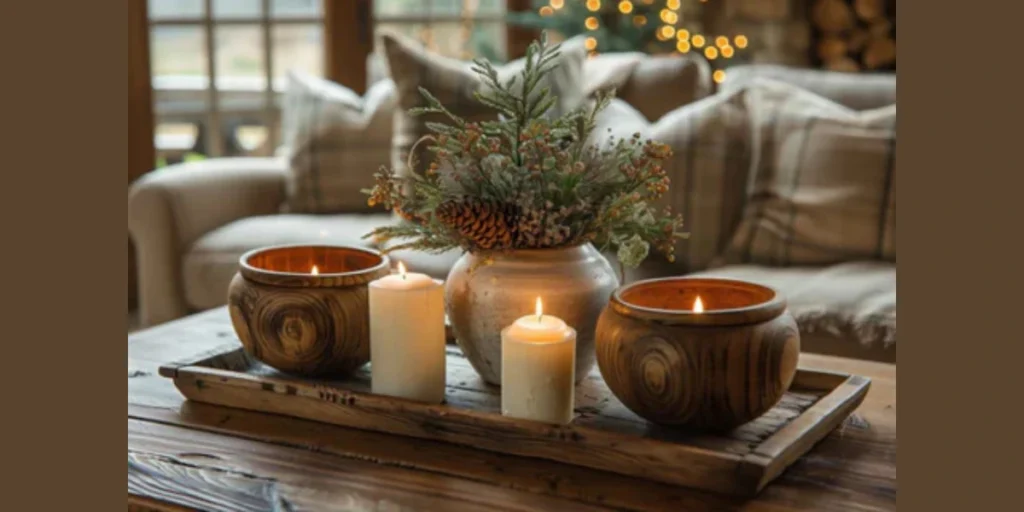
A wooden tray centerpiece brings structure and warmth to a dining table, which is why I often suggest it for family homes. The tray acts as a visual boundary that keeps decorative items grouped together instead of scattered.
I usually place two or three candles, a small plant, and one subtle decorative object inside the tray. This creates a layered look without cluttering the table. The wood grain adds texture and contrast, especially in dining rooms with neutral or minimal decor.
What I like most about this centerpiece is how adaptable it is. Candles can be swapped for seasonal decor, such as small pumpkins in autumn or light-colored accents in summer.
This flexibility allows the centerpiece to evolve throughout the year without buying entirely new decor. I also find that trays make cleaning easier, since everything can be lifted off the table at once when needed.
This centerpiece suits rectangular and oval tables particularly well. It provides visual length without overwhelming the surface. The warmth of wood makes the dining room feel inviting, while the contained layout keeps the table organized. It is a practical choice for people who want a styled table that still works for everyday meals.
3. Glass Bowl Filled With Natural or Seasonal Elements
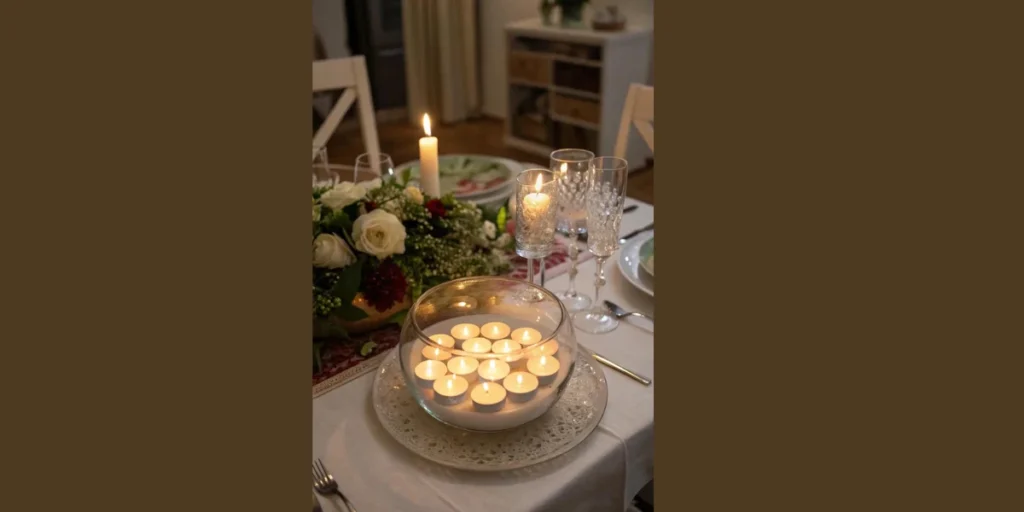
A glass bowl centerpiece offers a clean and understated way to decorate a dining table. I like using clear glass because it keeps the table feeling open and light, especially in smaller dining spaces.
The bowl itself becomes a subtle frame for whatever elements are placed inside it. Natural fillers such as pinecones, decorative stones, dried citrus slices, or wooden beads create texture without visual heaviness. This approach feels thoughtful rather than overly decorative.
One of the biggest advantages of this centerpiece is its adaptability. The contents can change with seasons or occasions while the bowl stays the same.
I often suggest using warm-toned fillers in fall, fresh greenery in spring, and neutral textures for year-round use. This makes the centerpiece cost-effective and easy to update. The glass also reflects light, which helps brighten the dining area during evening meals.
This idea works best on smaller tables or in dining rooms where simplicity is key. It does not dominate the space, yet it still adds a clear focal point. For people who prefer minimal decor with subtle personality, a glass bowl centerpiece offers a practical and visually calm solution.
4. Single Statement Vase With Greenery
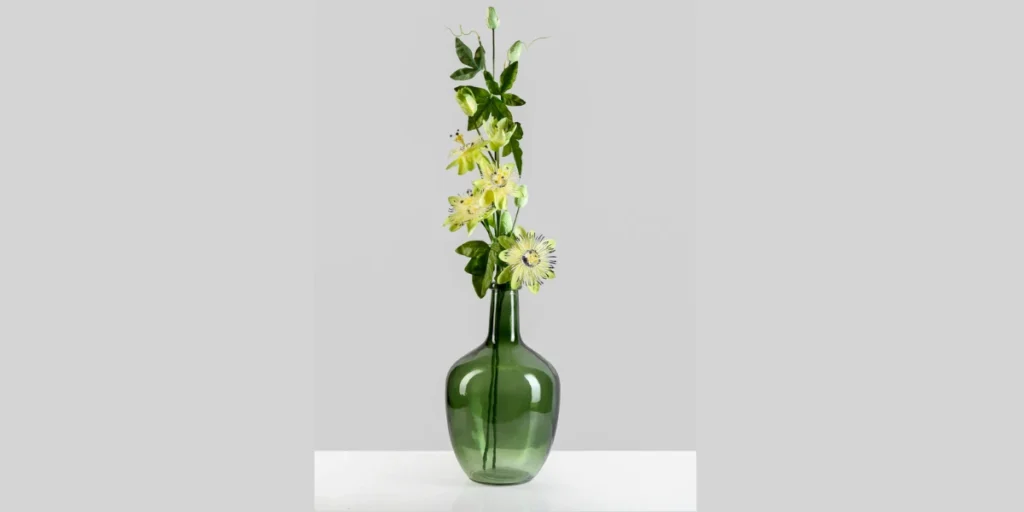
A single statement vase with greenery creates a strong focal point without overcrowding the table. I usually recommend choosing a vase with a clean silhouette and pairing it with simple greenery such as eucalyptus, olive branches, or faux stems.
Greenery adds softness and movement, which keeps the dining room from feeling rigid or overly styled. The simplicity of one main element makes the table feel curated rather than busy.
This centerpiece works particularly well in modern and contemporary dining rooms. The height of the vase draws the eye upward and adds dimension to the space. I always suggest keeping the greenery loose and natural instead of tightly arranged. This relaxed approach feels more inviting and less formal, which suits everyday dining environments.
Large rectangular tables benefit most from this idea, as they can visually support a taller centerpiece. I avoid this style for small tables where height may feel overwhelming. When chosen thoughtfully, a statement vase with greenery delivers impact with minimal effort and remains easy to maintain over time.
5. Runner With Centerpiece Layering
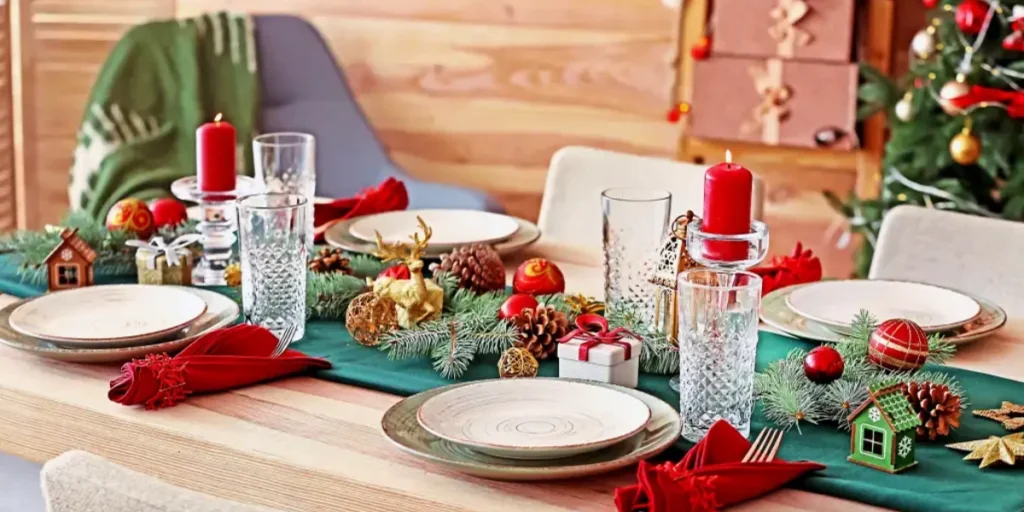
A table runner paired with a centerpiece creates a structured and polished look that feels intentional. I often use this approach when a dining table looks too bare on its own. The runner visually anchors the table and provides a base for decorative elements.
Neutral fabric runners work best because they support different centerpiece styles without competing for attention. I usually place the runner lengthwise and center the decor so the table feels balanced from every angle. This setup works especially well in dining rooms where the table surface needs softness or contrast.
Layering is what makes this centerpiece effective. I place a low arrangement, candles, or a decorative bowl on top of the runner to add depth. The runner prevents the centerpiece from feeling lost while also protecting the table surface.
I prefer natural fabrics like linen or cotton because they look relaxed and fit everyday dining. Seasonal runners allow easy updates without changing the main decor. This method feels flexible and practical for homes that host guests often.
This idea suits rectangular and long dining tables best. It visually elongates the table while keeping decor controlled. I like this setup because it looks styled without requiring constant rearranging, making it reliable for daily use.
6. Decorative Bowl With Fruit or Faux Produce

Using a decorative bowl filled with fruit adds color and life to the dining table. I often choose ceramic or wooden bowls because they feel grounded and timeless. Fresh fruit brings a casual charm and makes the dining space feel lived in. This centerpiece works well because it blends decor with function, which I always appreciate in everyday spaces.
I prefer sticking to one or two fruit types to avoid visual clutter. Neutral-colored fruit or seasonal produce keeps the look intentional. Faux fruit also works if maintenance is a concern. I have seen this idea suit both modern and traditional dining rooms when styled thoughtfully. The key is keeping the bowl proportionate to the table size.
This centerpiece works best on medium to large tables. It adds interest without blocking views or conversations. It also invites interaction, making the dining table feel welcoming and practical.
7. Minimal Sculptural Centerpiece

A sculptural centerpiece brings a modern edge to dining rooms that lean contemporary. I like using abstract forms made from stone, ceramic, or metal. These pieces act as art rather than decoration, which keeps the table visually clean. I always recommend choosing one strong piece instead of multiple smaller ones to avoid clutter.
This centerpiece works because it focuses on shape and texture rather than color. Neutral tones help it blend seamlessly with different table settings. I personally prefer matte finishes because they feel subtle and refined. Sculptural centerpieces also require little maintenance, which makes them ideal for daily dining spaces.
Large tables benefit most from this idea. The piece stands out without overwhelming the space. It creates interest while staying understated, which suits people who prefer modern simplicity.
8. Candle Row for Warm Ambiance

A row of candles adds warmth and atmosphere to the dining table. I often arrange candles in a straight line down the center for a clean look. Neutral candle colors work best because they complement most decor styles. This idea creates visual rhythm without overwhelming the table.
I usually recommend using holders with slight height variation to add depth. Flameless candles offer a safe option for homes with children. This centerpiece feels especially inviting during evening meals or gatherings.
This setup works well on long tables. It keeps the table functional while enhancing mood. The simplicity makes it easy to maintain and adapt.
9. Seasonal Greenery Garland
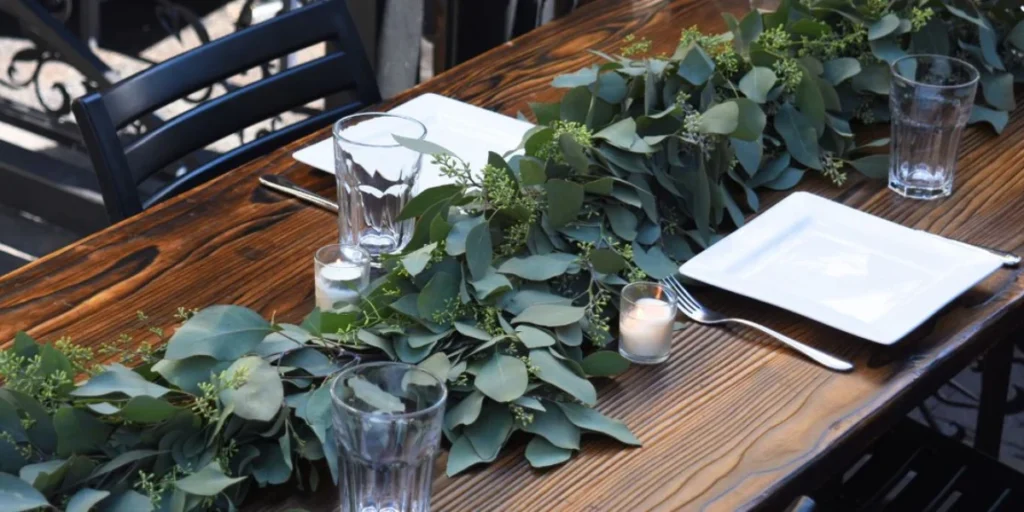
A greenery garland adds freshness and movement to the dining table. I like using faux garlands for durability and ease. This centerpiece feels natural and soft, which helps balance hard table surfaces.
Seasonal changes keep the look current. I often add subtle accents like berries or lights for variation. The greenery keeps the table visually connected to nature.
This idea works best on long tables. It creates a continuous focal point without clutter.
10. Books With Decorative Accents
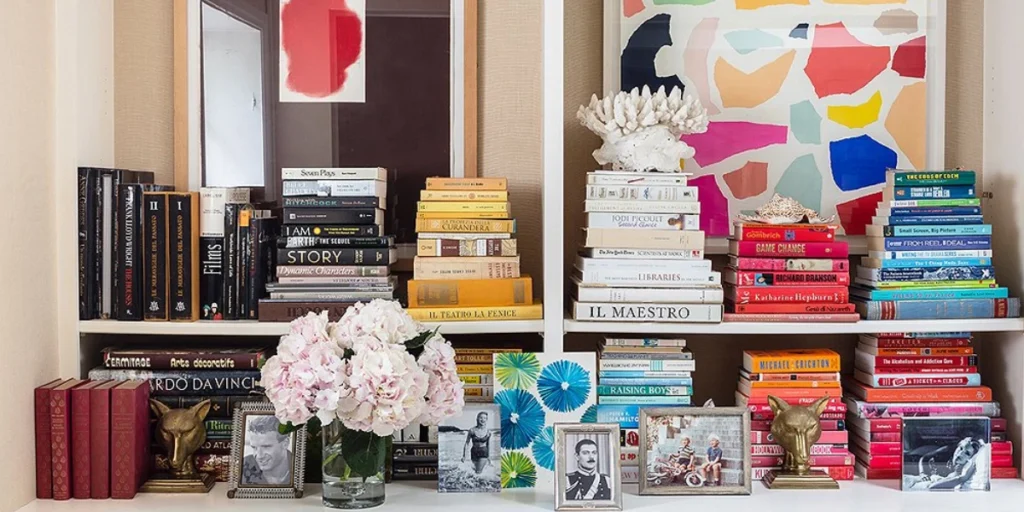
Stacked books create a layered and personal centerpiece. I choose books with neutral covers to keep the look cohesive. Adding a small object on top completes the arrangement.
This idea feels lived in and thoughtful. It allows personal expression without excess decor. I often rotate books to refresh the look. Medium to large tables suit this centerpiece best. It adds interest without dominating the space.
11. Ceramic Collection Centerpiece
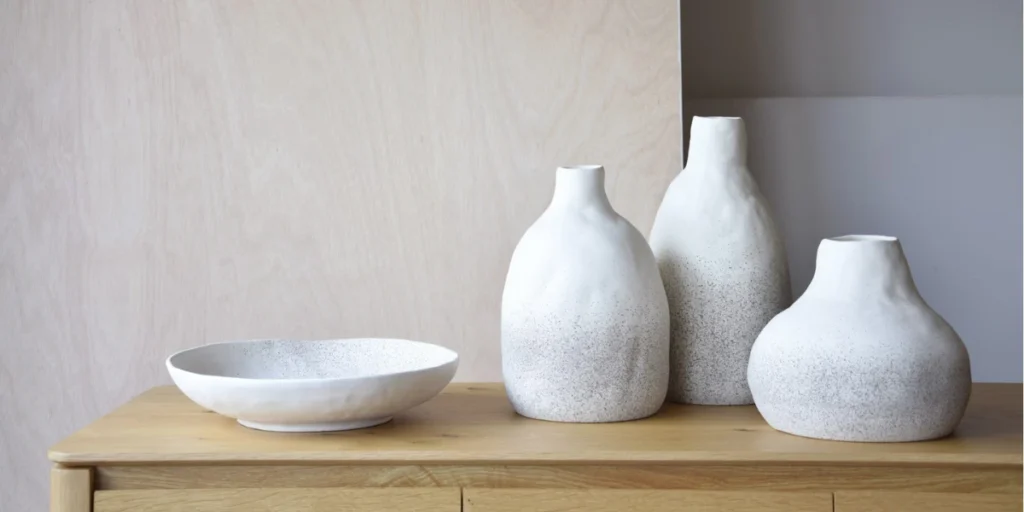
A small collection of ceramic pieces adds texture and character. I usually group items with similar tones for cohesion. This approach feels curated rather than cluttered.
Ceramics bring warmth and craftsmanship to the table. I like mixing matte and glazed finishes for contrast. This centerpiece works well in relaxed dining spaces. It adds personality while staying functional.
12. Simple Centerpiece With Linen and Wood
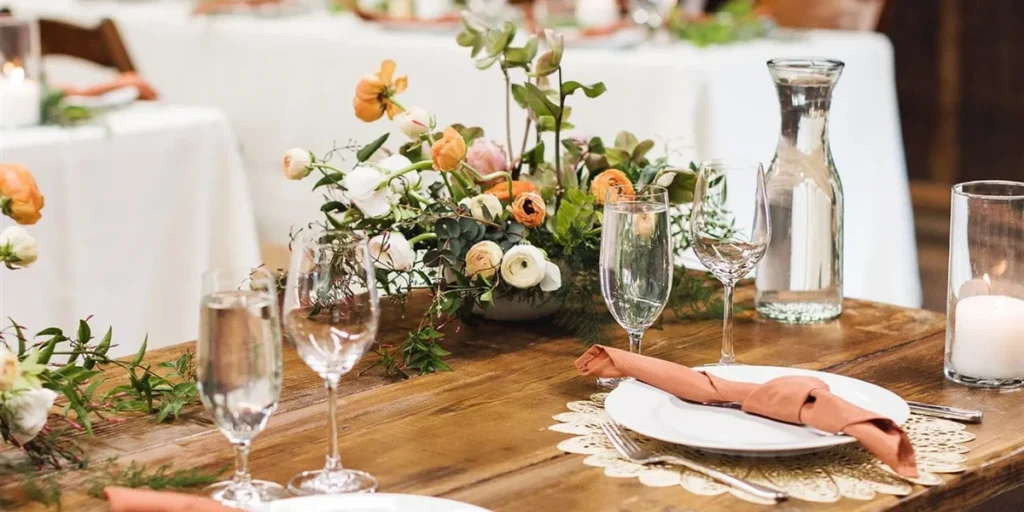
Combining linen, wood, and a small accent creates a balanced centerpiece. I often use this idea for casual dining rooms. The materials feel warm and approachable.
This setup emphasizes simplicity and comfort. It works well year-round and adapts easily. It suits most table shapes. The natural elements keep the table inviting.
Dining Room Table Centerpiece Styling Tips
Choosing the right centerpiece depends on table size, daily use, and personal style. I always recommend prioritizing comfort and balance. Avoid overcrowding and keep height manageable. A good rule is to choose one focal idea and build around it. This keeps the table cohesive and easy to maintain.
Conclusion
Dining room table centerpiece ideas should enhance the space, not complicate it. I believe the best centerpieces balance style and usability. Each idea in this guide works in real homes. By choosing pieces that fit your table and lifestyle, you can create a dining space that feels welcoming and complete.
FAQs
The ideal height for a dining room table centerpiece is low enough to allow clear eye contact across the table. I usually recommend keeping centerpieces under 12 inches tall for daily use. Low arrangements make conversations comfortable and prevent the table from feeling blocked. Taller pieces can work, but I only use them on larger tables or when the centerpiece is narrow and airy.
For daily use, I always choose something that can stay on the table without being moved at every meal. Practical centerpieces include low floral arrangements, trays, bowls, or simple greenery. The key is choosing items that leave enough space for plates and serving dishes. If it feels annoying after a few meals, it is not the right choice.
Yes, but mixing styles works only when there is a clear structure. I usually group different items inside a tray or along a runner to keep things visually organized. Without a base, mixed styles can look messy fast. Sticking to a consistent color palette also helps maintain balance.
Faux plants work better for many homes because they require no maintenance and always look neat. I personally use faux greenery when I want a clean and consistent look year-round. Real plants add freshness but need care and good lighting. The best choice depends on how much time you want to spend maintaining the centerpiece.
I like to refresh centerpieces seasonally rather than constantly. Small updates like changing flowers, candles, or fillers keep the table feeling new without effort. There is no strict rule, but if the centerpiece starts to feel invisible or dated, it is a good time to adjust it.
For small dining tables, I recommend simple and compact centerpieces. A single bowl, a low vase, or a small tray works best. Large or tall arrangements can overwhelm the table and reduce usable space. Keeping things minimal helps the dining area feel open and comfortable.