
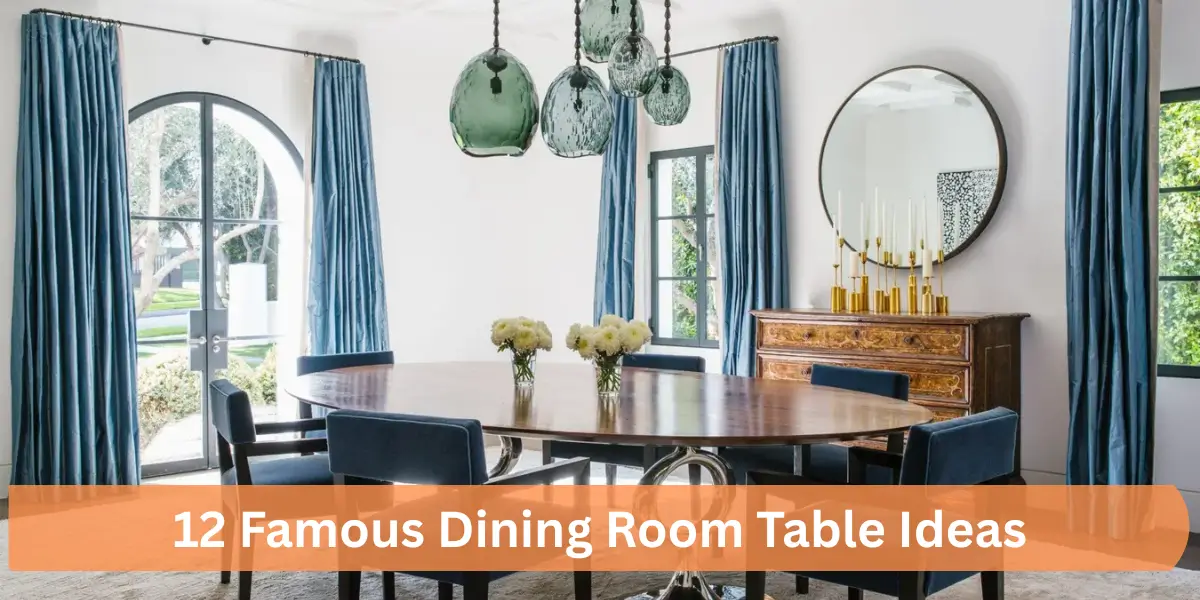
Dining room table ideas shape how a dining space functions more than any other element. From my experience, the right table choice affects movement, comfort, and how people gather around it every day.
A dining table isn’t just about style, it determines seating capacity, room balance, and long-term usability. Whether the space is compact or spacious, the table must match both the room size and the way it’s used.
In this article, I’ll share practical and well-tested dining room table ideas that suit different layouts and lifestyles. Each idea focuses on real use, durability, and comfort rather than passing trends.
1. Solid Wood Dining Table
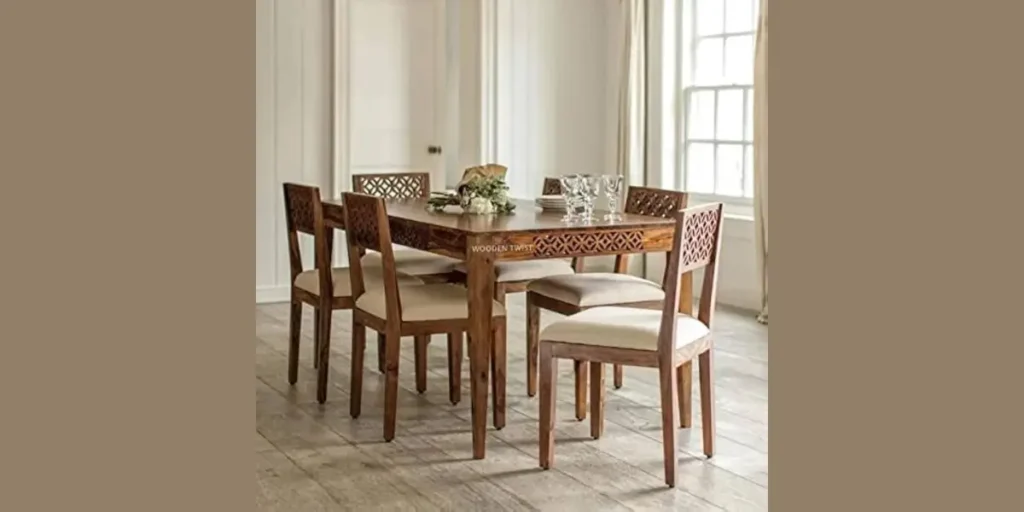
I often recommend solid wood dining tables because they offer long-term reliability. A well-built wooden table handles daily use without losing its structure, which makes it ideal for family homes. It brings stability to the dining room and supports different seating arrangements comfortably.
From a planning perspective, wood works well with most room sizes. I find it easy to position because it doesn’t visually overpower the space. It also ages naturally, which adds character instead of wear.
Solid wood tables suit people who value durability over trends. Once placed correctly, they anchor the dining room and reduce the need for frequent replacements.
2. Marble Top Dining Table
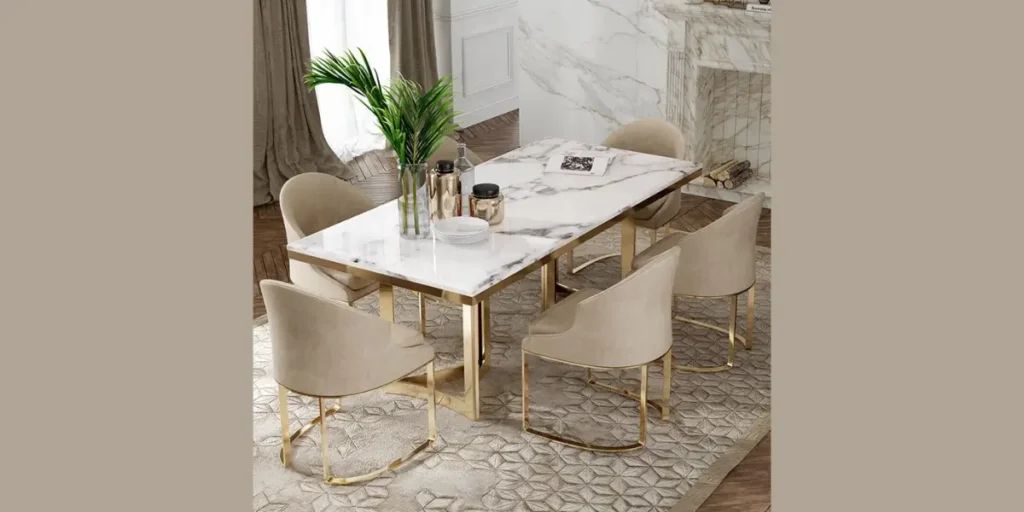
Marble top dining tables work best when the goal is elegance and formality. I usually suggest them for dining rooms used for gatherings rather than daily heavy use. The smooth surface adds a refined presence to the space.
When planning around marble, I pay close attention to proportions. These tables need breathing room so the dining area doesn’t feel heavy. Proper spacing improves comfort and balance.
Marble tables also influence how people move around the room. Their weight and structure create a fixed focal point, making the dining layout feel intentional and composed.
3. Round Dining Room Table
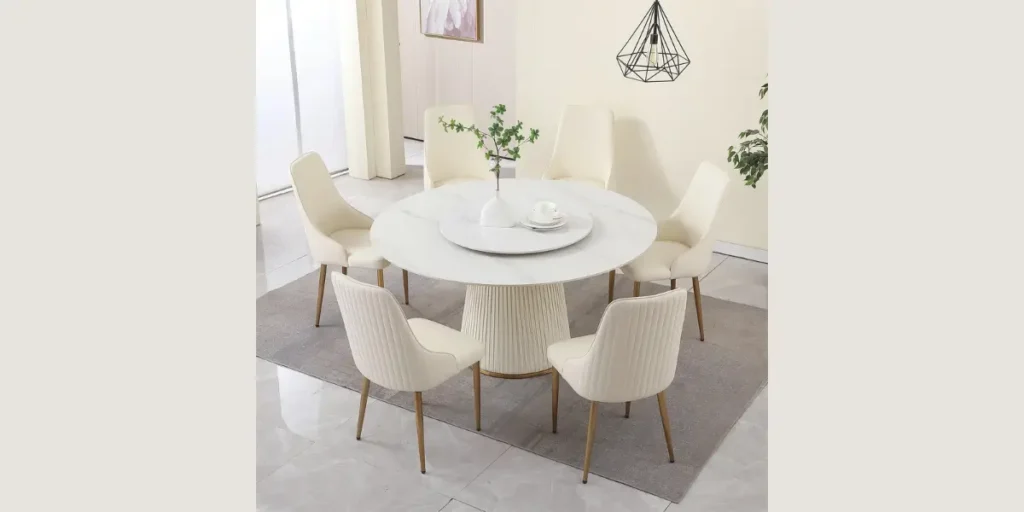
I often choose round dining tables for spaces where conversation matters. The circular shape removes visual hierarchy and encourages equal interaction during meals. Everyone feels included.
From a layout standpoint, round tables improve circulation. I can maintain smooth movement around the table without sharp corners interrupting pathways. This works especially well in compact dining rooms.
Round tables also soften the room’s overall feel. They balance straight walls and rectangular floor plans, which makes the dining area feel more relaxed and welcoming.
4. Rectangular Family Dining Table
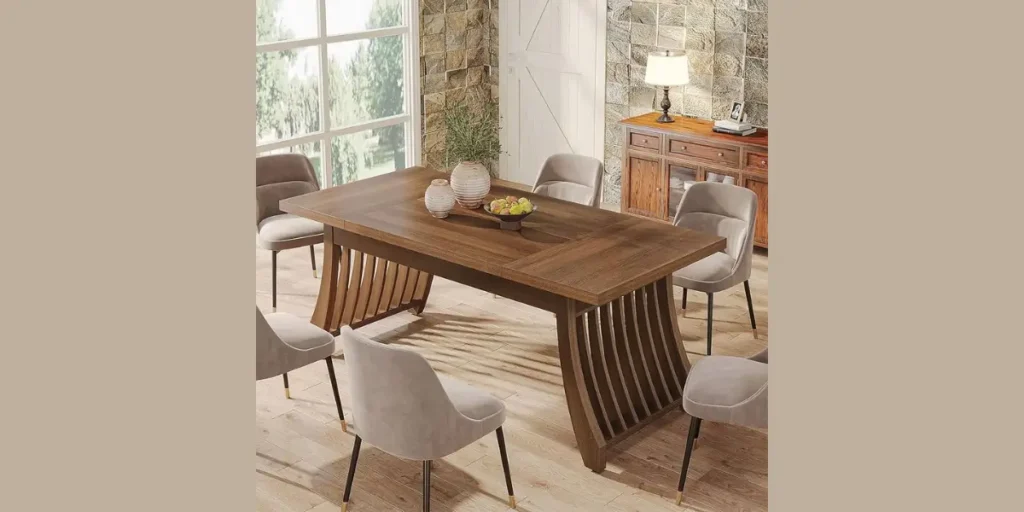
Rectangular dining tables remain the most practical option for large households. I recommend them when seating capacity matters and meals involve multiple people daily.
This table shape supports structured layouts. I align it with the room’s longest wall to maintain clear walking paths and proper spacing. This improves comfort and keeps movement organized.
Rectangular tables also adapt well to different room sizes. Whether the dining room is long or open-plan, this table style offers predictability and ease of use.
5. Extendable Dining Table
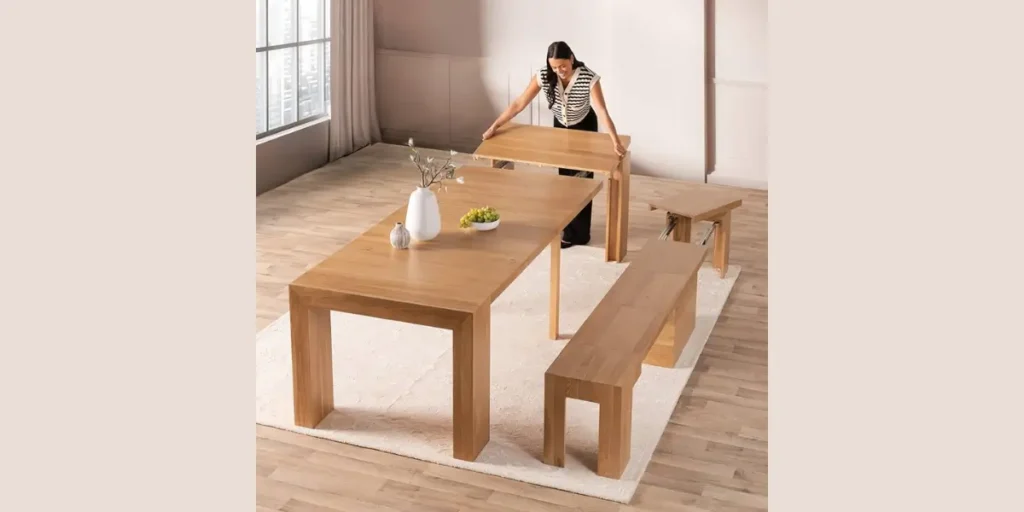
Extendable dining tables work perfectly for homes with changing needs. I suggest them when clients want flexibility without dedicating permanent space to a large table.
In daily use, the table stays compact and manageable. When guests arrive, the extension allows comfortable seating without rearranging the room. This keeps the dining layout efficient.
Planning around extendable tables requires foresight. I always ensure enough clearance for expansion so the table functions smoothly without disrupting circulation.
6. Glass Top Dining Table
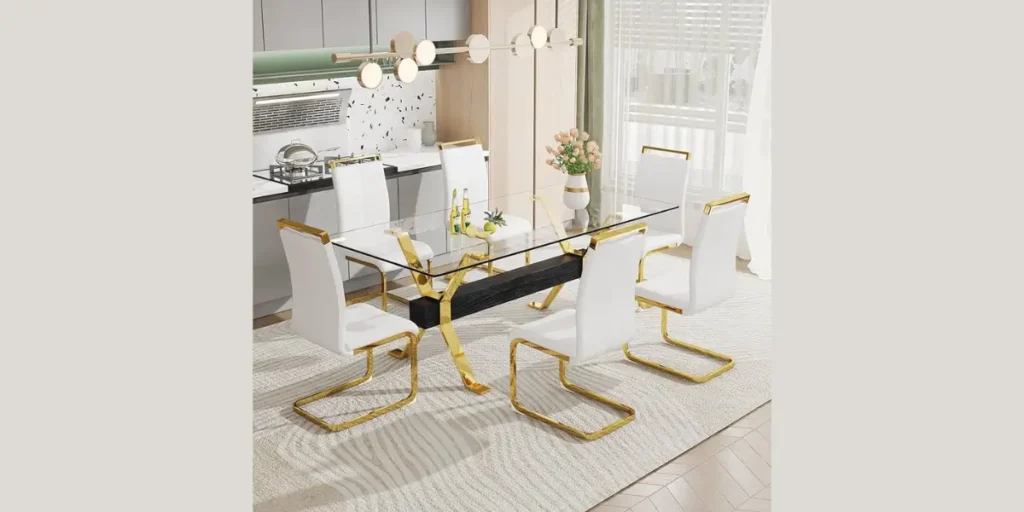
Glass top dining tables suit dining rooms that feel visually tight. I often use them to reduce visual weight and make the space feel lighter.
Because the surface is transparent, the room appears more open. I find this especially useful in apartments or narrow dining areas where solid tables feel bulky.
Glass tables also allow flexibility in layout. They don’t dominate the room, which makes them easy to reposition while keeping the dining space balanced.
7. Pedestal Base Dining Table
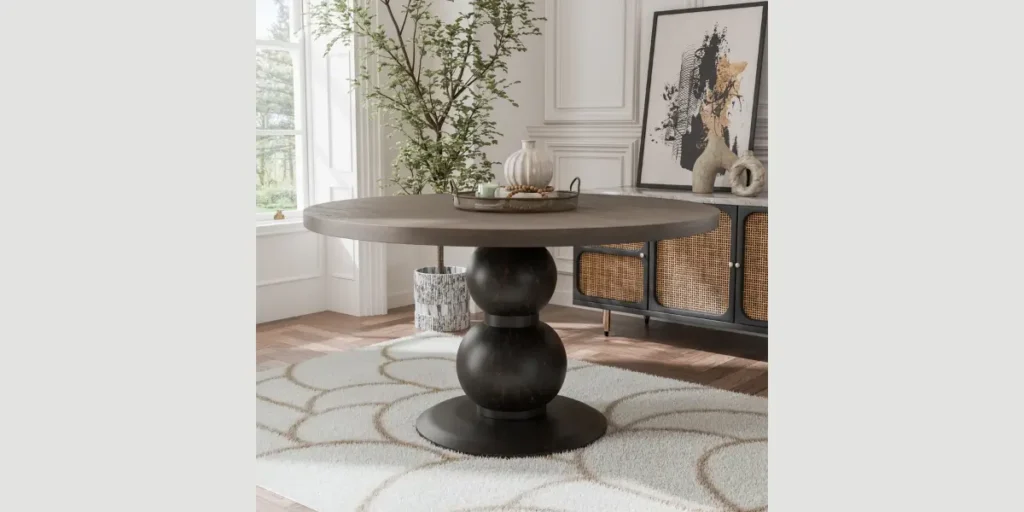
Pedestal base tables offer a practical solution when legroom matters. I prefer them in dining rooms where chairs need flexible placement.
With a central base, people can sit comfortably without table legs blocking movement. This improves seating comfort, especially during longer meals.
Pedestal tables also simplify room planning. I can center them easily and maintain symmetry, which helps the dining room feel organized and uncluttered.
8. Farmhouse Style Dining Table
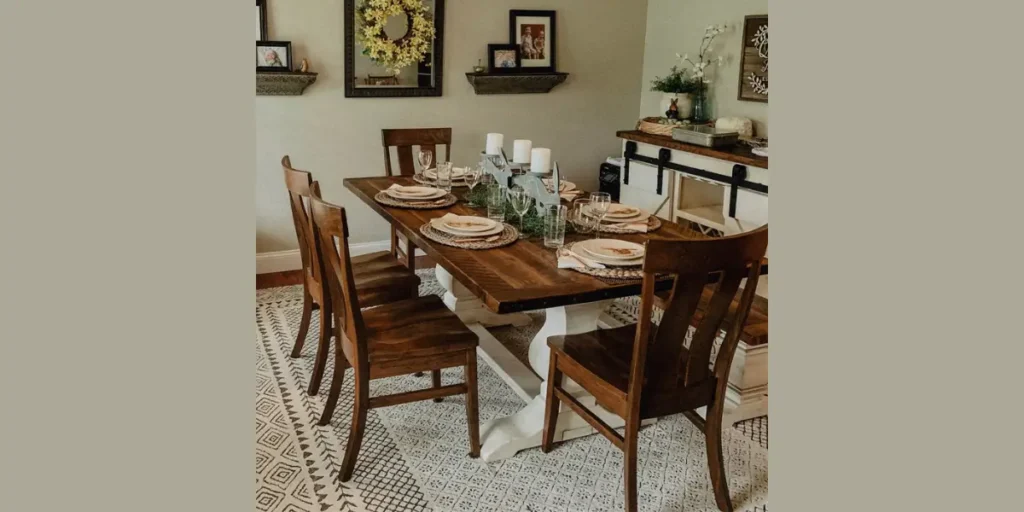
Farmhouse dining tables support casual, everyday dining. I often suggest them for homes where meals feel relaxed rather than formal.
These tables handle heavy use well. I find them ideal for families because they allow natural wear without losing functionality. Their size also supports shared meals comfortably.
From a layout perspective, farmhouse tables need enough room to breathe. When placed correctly, they create a grounded and welcoming dining environment.
9. Minimalist Dining Table Design
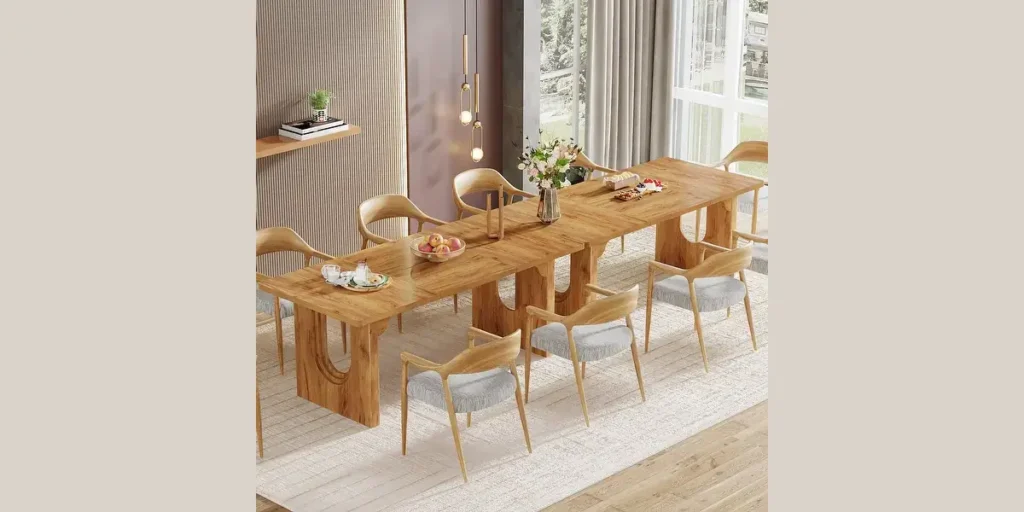
Minimalist dining tables focus on function over excess. I recommend them when simplicity and clarity matter most.
These tables fit easily into modern dining rooms because they don’t compete for attention. I find it easier to plan circulation and spacing around clean, simple shapes.
Minimalist tables also support long-term use. They adapt to changing needs without forcing a redesign, which keeps the dining room flexible and practical.
10. Industrial Style Dining Table
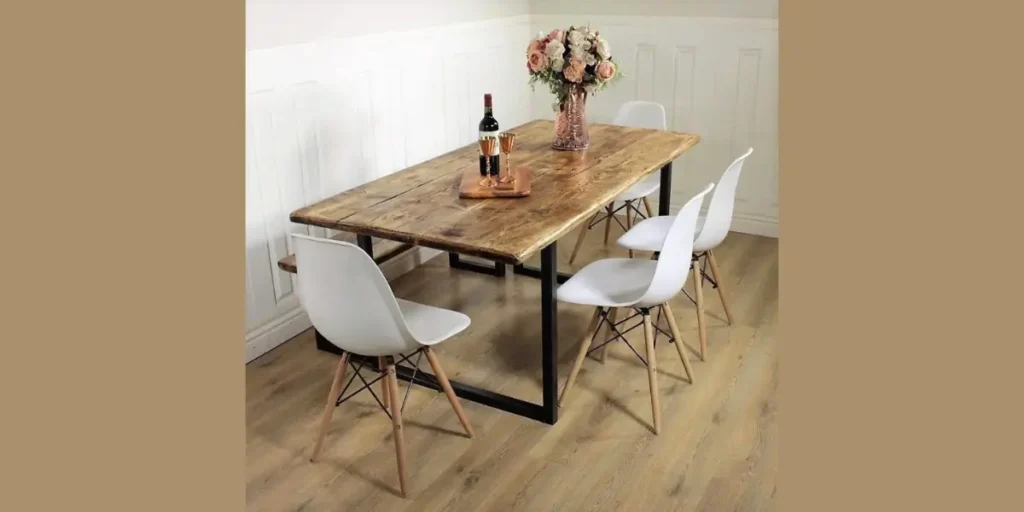
Industrial dining tables work well in urban or modern interiors. I use them when a strong structure is needed to anchor the room.
The solid build provides stability, which helps define the dining area in open layouts. I position them carefully to maintain balance and avoid visual heaviness.
Industrial tables influence movement by establishing clear boundaries. Once placed, they organize the dining room naturally and support consistent daily use.
11. Oval Dining Table
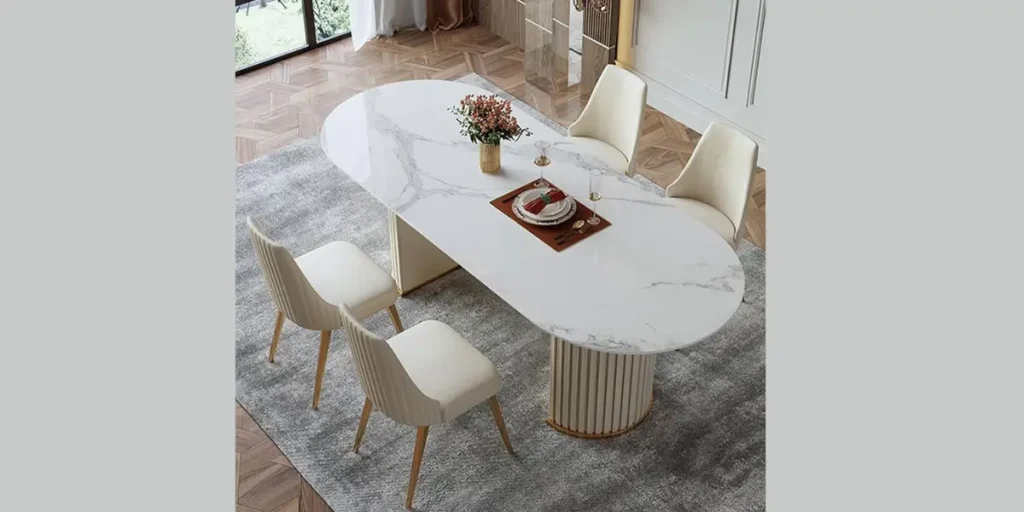
Oval dining tables combine the benefits of round and rectangular shapes. I recommend them when smooth movement and extra seating are both important.
The curved edges improve circulation while the extended length supports more people. This balance makes oval tables highly versatile.
From a planning standpoint, oval tables soften the room without sacrificing structure. They fit well in medium-sized dining rooms where flexibility matters.
12. Statement Sculptural Dining Table
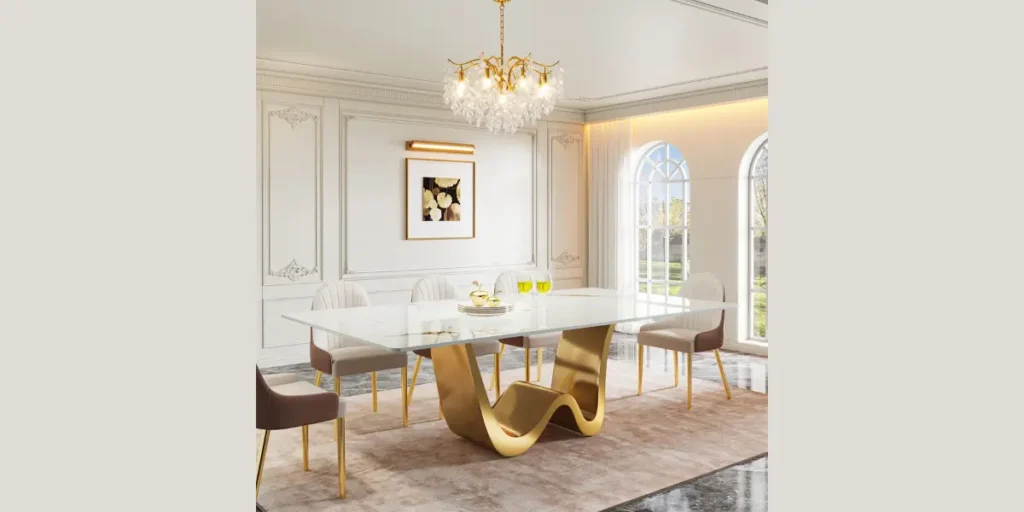
Statement dining tables act as the dining room’s focal point. I suggest them only when the room has enough space to support their presence.
These tables influence the entire layout. I plan seating and circulation carefully so the table enhances the room rather than overpowering it.
When used correctly, a sculptural table gives the dining room identity. It defines the space clearly and creates a strong visual anchor without additional elements.
How to Choose the Right Dining Table for Your Space and Daily Use
When I select a dining table, I always start by measuring the room and understanding how the table will be used day to day. A table that looks great but restricts movement quickly becomes uncomfortable.
I also consider how many people sit at the table regularly versus occasionally. Choosing the right shape and size ensures the dining area feels balanced, functional, and easy to move around. Long-term comfort always matters more than short-term trends.
FAQs
For small dining rooms, I usually recommend round or oval tables because they improve movement and reduce visual clutter. These shapes allow smoother circulation and prevent tight corners. They help the space feel more open and comfortable.
I always plan at least 36 inches of clearance around a dining table. This allows chairs to move freely and people to walk comfortably. Proper spacing improves both usability and overall dining comfort.
Yes, extendable dining tables work very well for daily use when planned correctly. They stay compact most of the time and expand only when needed. This makes them ideal for homes with occasional guests.
Absolutely. I always recommend choosing a table that supports daily comfort first. With enough space and flexible seating, the same table can easily handle both everyday meals and larger gatherings.
Related Post
- Top 10 Trending Dining Room Ideas
- Top 15 Dining Room Decor Ideas
- Top 7 Kitchen Decor Apartments
- Top 21 Kitchen Decorating Apartment Ideas
- 10 Best Home Decor Bedroom Ideas
- Top 19 Home Decor Living Room Ideas
- Top 25 Home Decor Living Room Ideas
Conclusion
Choosing the right dining room table is about more than filling space, it’s about how the room functions every single day. From my experience, a table that supports easy movement, comfortable seating, and long-term use always outperforms one chosen only for looks.
When the table fits the room’s size and matches real daily needs, the dining area feels balanced and effortless to use.
Instead of chasing trends, focusing on shape, proportion, and usability creates a dining space that adapts naturally over time. A well-chosen dining table becomes the foundation of shared meals, conversations, and everyday moments.