

Top dining room table light ideas help you choose lighting that looks good, feels comfortable, and works in daily life. When I started updating my own dining space, I realized one thing very quickly. The dining table light is not just a decorative element. It controls mood, visibility, and how welcoming the room feels during meals.
People searching for dining room table light ideas usually want clear options that suit their table size, ceiling height, and interior style.
1. Pendant Lights Centered Over the Dining Table
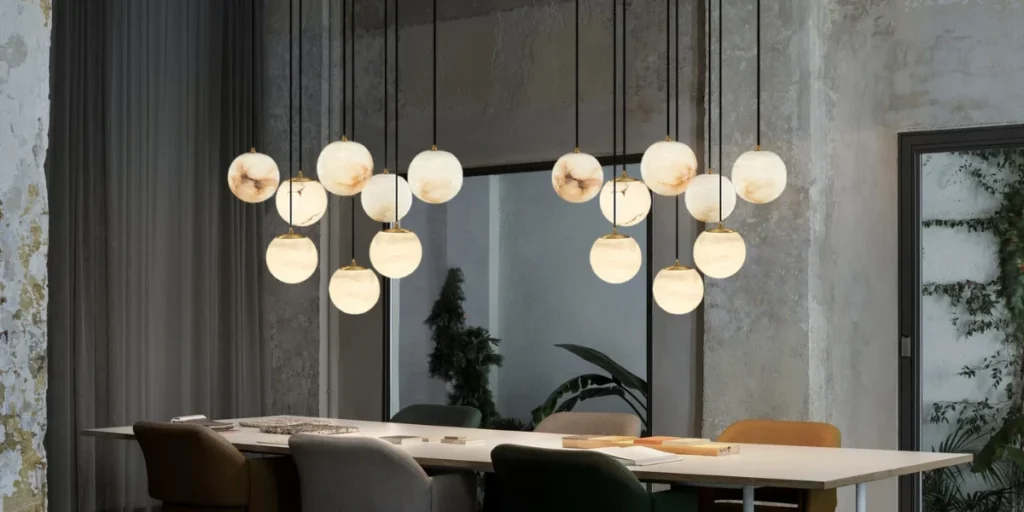
Pendant lights remain one of the best dining room table light ideas for a reason. A well-placed pendant creates focused lighting directly over the table while keeping the rest of the room calm and balanced. I often recommend pendant lights to people who want a clean and flexible option because they work in modern, transitional, and even rustic dining rooms.
The key to using pendant lights successfully is scale and placement. A single pendant works well for round or square dining tables, especially in smaller spaces. For rectangular tables, two or three pendants placed evenly across the length of the table look more balanced. I usually hang pendants about 30 to 34 inches above the tabletop because this height provides enough light without blocking eye contact during meals.
Glass pendants create a lighter look and help small dining rooms feel open. Metal or fabric-shaded pendants work better when you want a stronger visual presence. From my experience, matte finishes age better than glossy ones because they hide fingerprints and dust more easily.
2. Linear Suspension Lights for Rectangular Tables
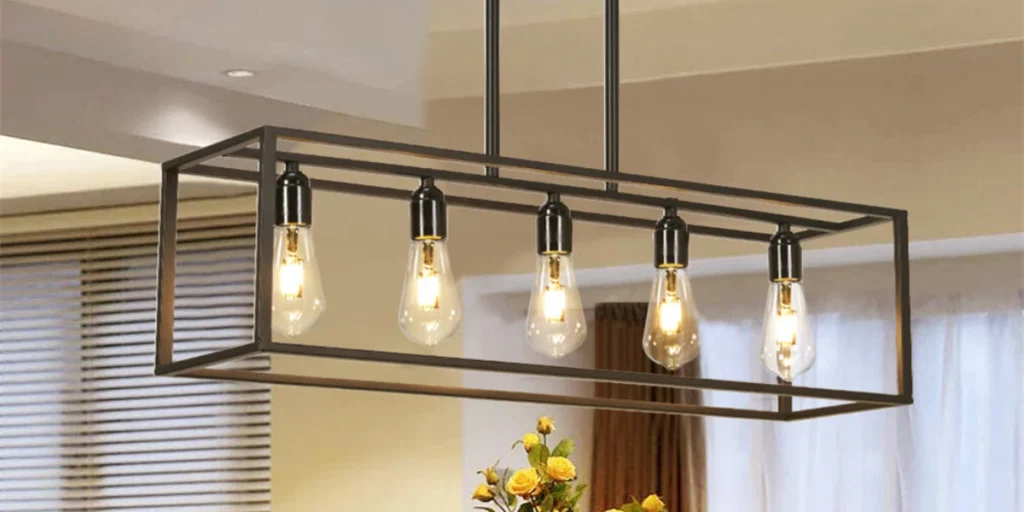
Linear suspension lights are one of the most practical dining room table light ideas for long dining tables. This style spreads light evenly across the entire table surface, which makes it perfect for family dinners, homework sessions, and weekend gatherings. I personally like linear lights because they look structured and intentional without feeling heavy.
A linear light should match the shape of the table, not the room. I usually suggest choosing a fixture that is about two-thirds the length of the dining table. This proportion keeps the light centered and avoids harsh shadows at the ends. Linear lights work especially well in dining rooms with higher ceilings because they fill vertical space naturally.
In terms of style, slim metal frames suit modern and minimalist interiors. Wooden or mixed-material linear lights fit farmhouse or rustic dining rooms better. Warm LED bulbs help soften the straight lines and prevent the space from feeling cold.
3. Classic Chandeliers for Balanced Elegance
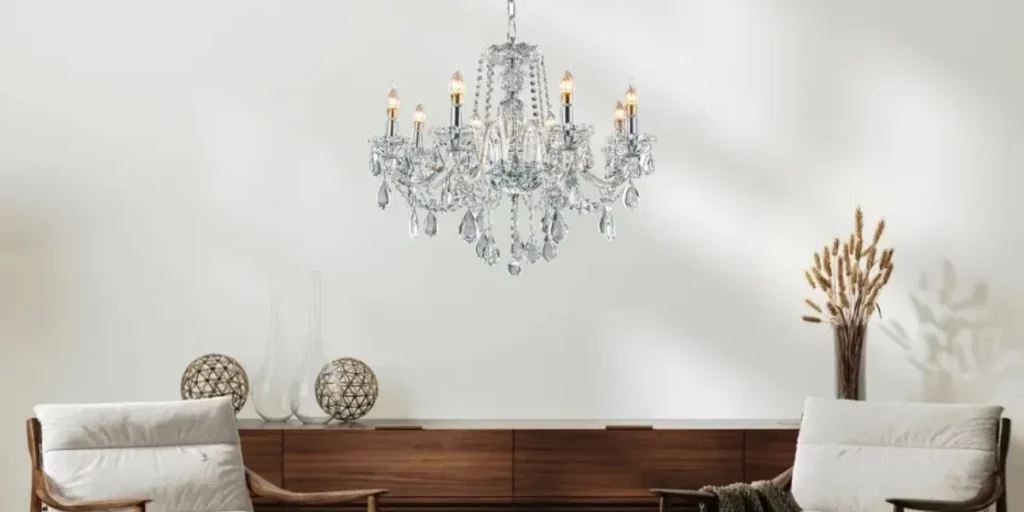
Chandeliers remain a favorite among dining room table light ideas because they instantly anchor the dining space. A chandelier works best when you want the dining area to feel slightly more formal without turning it into a showroom. I have seen chandeliers work beautifully even in casual homes when the scale and design stay simple.
The biggest mistake people make with chandeliers is choosing a fixture that is too large. A dining chandelier should feel proportional to the table, not overpower it. I often follow a basic guideline. Add the length and width of the dining room in feet, then convert that number to inches for the chandelier diameter. This method usually gives a safe size range.
Chandeliers with open designs allow more light to spread evenly across the table. Closed or shaded chandeliers create a softer mood but may need stronger bulbs. I always recommend dimmers with chandeliers because they allow flexibility between everyday meals and special occasions.
4. Cluster Pendant Lights for Visual Interest
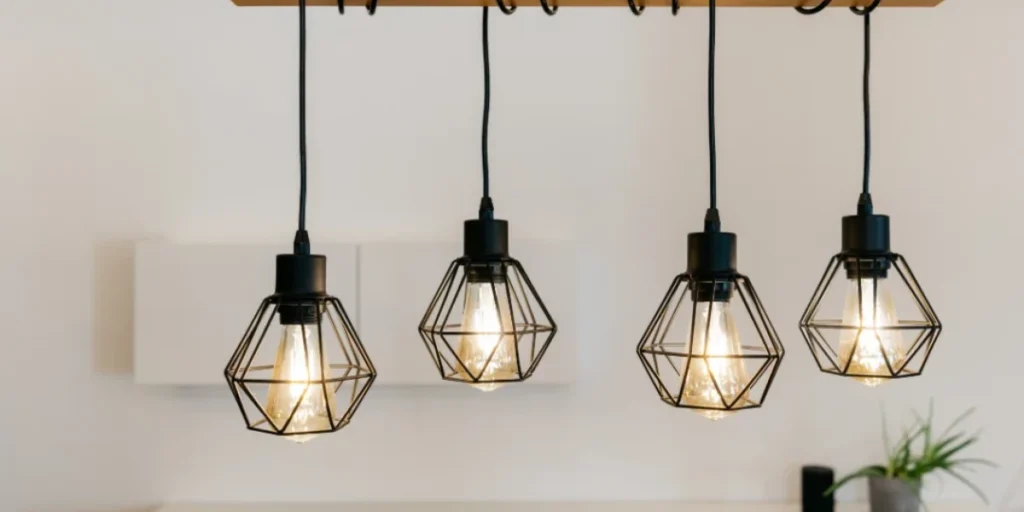
Cluster pendant lights offer a creative take on dining room table light ideas without going overboard. This style uses multiple small pendants grouped together at different heights. When done right, cluster lighting adds movement and personality to the dining space.
I usually suggest cluster pendants for round or oval dining tables. They work well when you want the light fixture to act as a focal point. Clear glass or simple bulb designs prevent the cluster from feeling cluttered. The goal is to create rhythm, not chaos.
Spacing matters a lot with cluster lighting. The pendants should feel connected but not crowded. I prefer keeping them within the width of the table so the light stays focused on the dining area. This style works best in dining rooms with higher ceilings because the varied drop heights need breathing room.
5. Drum Shade Lights for Soft and Even Lighting
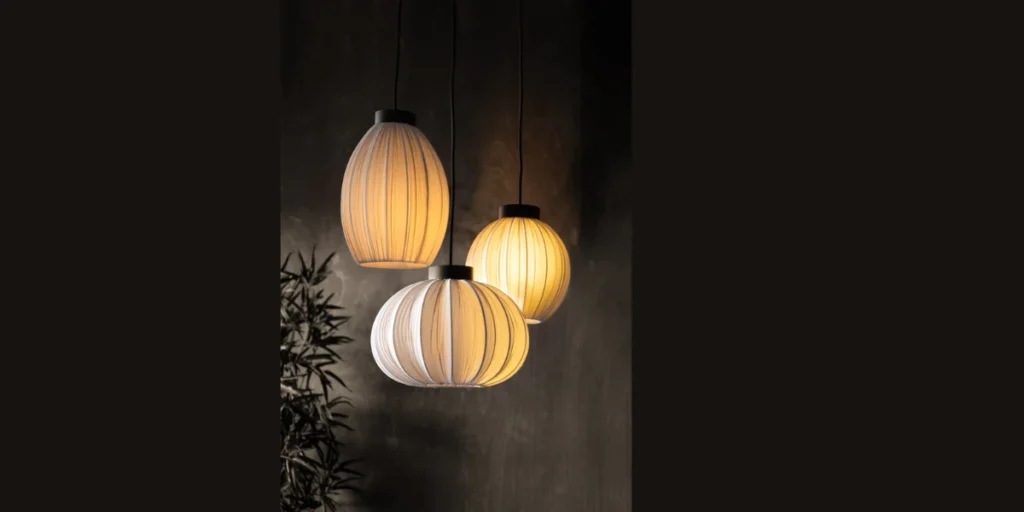
Drum shade lights offer one of the most comfortable dining room table light ideas for everyday use. This style diffuses light evenly, which reduces glare and creates a relaxed dining atmosphere. I often recommend drum shades to families who use their dining table for more than just meals.
Fabric drum shades soften harsh bulbs and help the room feel cozy. Neutral colors like beige, gray, or off-white blend easily with most interiors. The shape also hides bulbs and wiring, which keeps the ceiling area looking clean.
The size of the drum shade matters more than people expect. A shade that is too small will look lost above the table. A shade that is too large will dominate the room. I usually suggest choosing a drum shade that is about half to two-thirds the width of the table. Hanging it at the right height ensures the light spreads evenly without blocking views across the table.
6. Lantern Style Lights for Warm and Familiar Dining Spaces
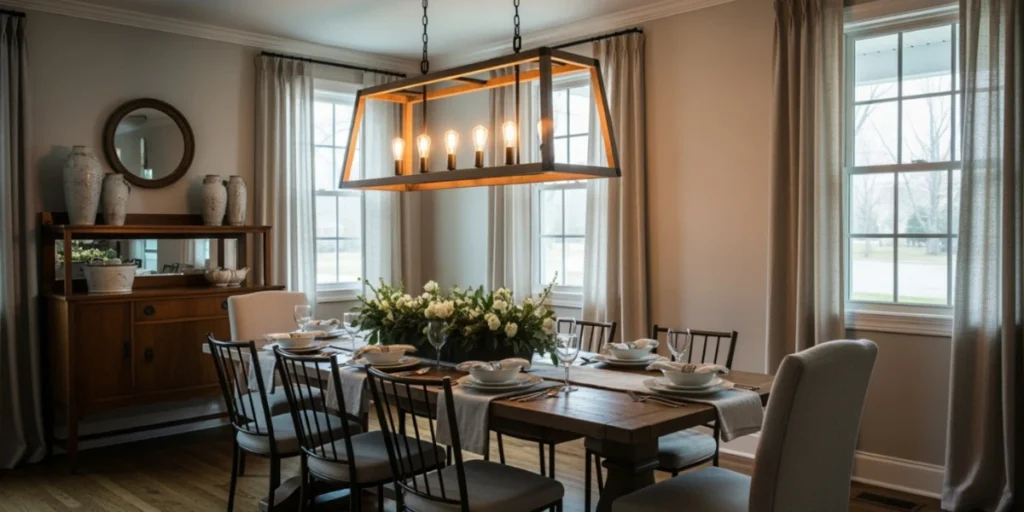
Lantern style fixtures rank high among dining room table light ideas for homes that lean toward farmhouse, traditional, or transitional interiors. I like lantern lights because they feel structured but still relaxed. They bring a sense of familiarity that works well in dining rooms used daily.
Lantern lights usually feature open frames, which allow light to spread evenly across the table. This design prevents harsh shadows and keeps faces well-lit during meals. I often recommend lantern fixtures for rectangular dining tables because their shape aligns naturally with the table layout.
Material choice matters here. Black metal lanterns suit modern farmhouse dining rooms, while brass or bronze finishes add warmth to classic interiors. I suggest using warm white bulbs to avoid a cold or industrial feel. Hanging height should stay consistent with other fixtures, around 30 to 34 inches above the tabletop.
7. Flush and Semi-Flush Lights for Low Ceilings
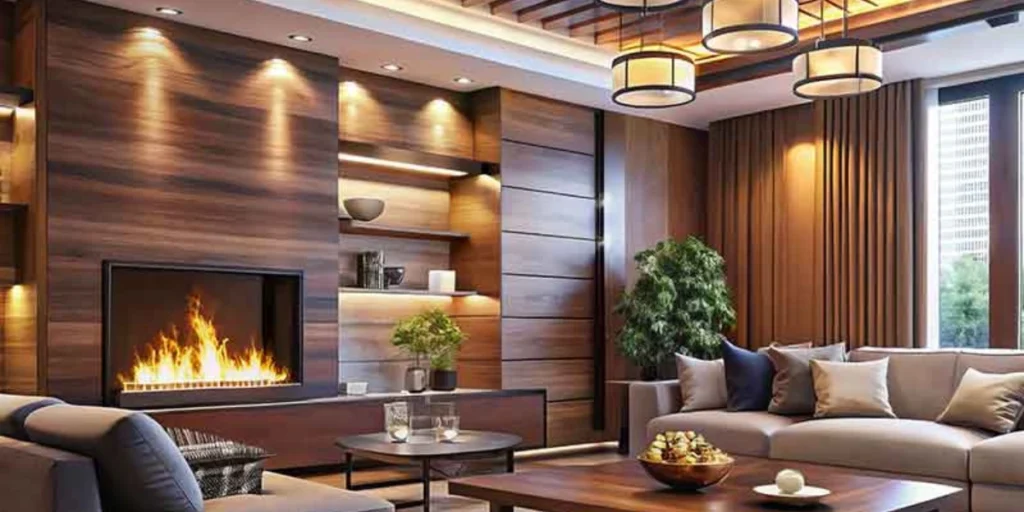
Flush and semi-flush fixtures solve a very real problem that many homeowners face. Not every dining room has tall ceilings. This is why these options deserve a spot among practical dining room table light ideas.
Flush mount lights sit close to the ceiling and work best for very low ceilings. Semi-flush lights hang slightly lower and provide a bit more visual interest without overwhelming the space. I often suggest semi-flush lights when ceiling height allows it because they feel less flat.
These fixtures work best when paired with a wide shade or layered design that spreads light evenly. Since they sit closer to the ceiling, bulb choice becomes more important. Warm LED bulbs with good color accuracy help keep food and skin tones looking natural.
8. Candle Style Fixtures for Traditional Dining Rooms
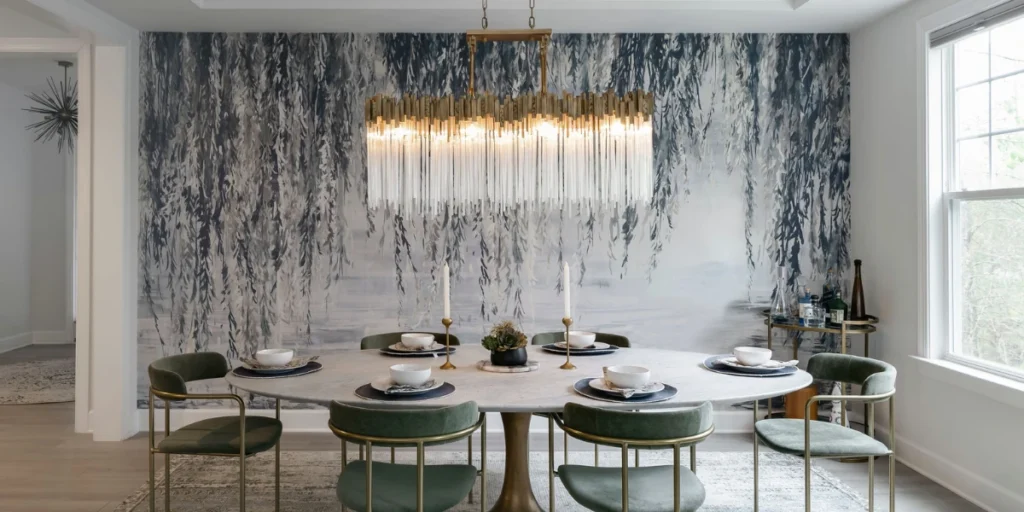
Candle style fixtures remain popular dining room table light ideas for homes with classic or vintage interiors. I like these lights because they reference traditional candlelit dining without the mess or safety concerns.
This style works best in dining rooms that already have decorative elements like molding, wood furniture, or classic table settings. Candle style lights usually come in chandelier or lantern formats. Open designs allow light to spread evenly while keeping the fixture visually light.
From personal experience, I recommend choosing candle-style bulbs with a soft glow rather than harsh white light. This keeps the dining room comfortable and avoids making the space feel theatrical. These fixtures work well with dimmers, which allow you to adjust brightness based on the occasion.
9. Adjustable Height Lights for Flexible Dining Use
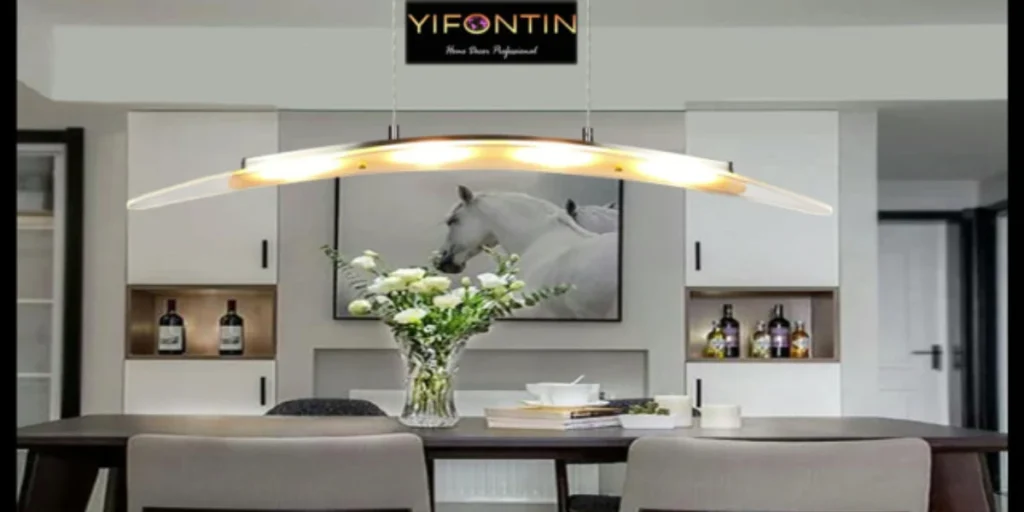
Adjustable height fixtures earn their place among the best dining room table light ideas because they adapt to real life. Dining rooms often serve more than one purpose, and adjustable lights support that flexibility.
I often recommend adjustable fixtures for homes where the dining table doubles as a workspace or homework station. Being able to raise or lower the light helps control brightness and focus. Pulley systems, telescopic rods, and cord-adjustable pendants all fall into this category.
The key is choosing a design that still looks clean when adjusted. I prefer fixtures where cords stay neat and hidden. Adjustable lights work especially well in casual dining rooms where function matters as much as style.
10. Mixed Material Lights for Balanced Style
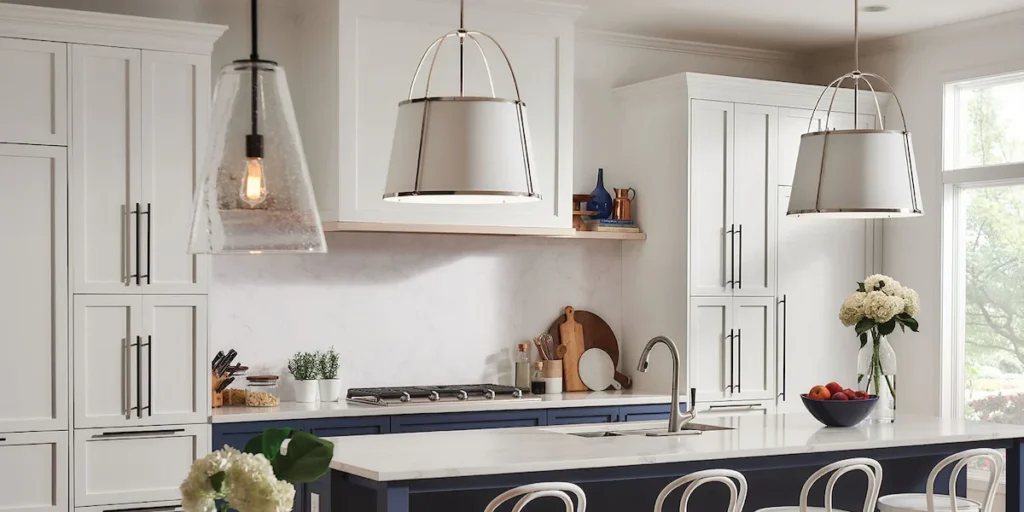
Mixed material fixtures combine elements like wood and metal or glass and fabric. These fixtures offer some of the most adaptable dining room table light ideas because they bridge different design styles.
I often suggest mixed material lights to people who struggle to define their dining room style. These fixtures blend easily with both modern and traditional furniture. For example, a wood and metal pendant can soften a modern dining table while still feeling current.
Balance remains important. Too many materials can make the fixture feel busy. I recommend choosing one dominant material and one supporting element. This approach keeps the light visually interesting without stealing attention from the dining table itself.
Conclusion
Choosing the right dining room table light ideas comes down to understanding how you use your space. Over the years, I have learned that the best lighting choice is not always the most decorative one. It is the one that fits your table size, ceiling height, and daily routine.
Pendant lights and linear fixtures work best for focused lighting. Chandeliers and lantern styles add character. Flush mounts and adjustable lights solve practical problems. Mixed material fixtures help tie different design elements together. When you focus on proportion, hanging height, and bulb warmth, your dining room lighting will feel natural and comfortable.
If you read this conclusion first, here is the short takeaway. Match the light to your table shape, keep it proportional, use warm light, and always consider how the room is actually used. Do that, and your dining room will feel right every time you sit down.
FAQs
The best height for a dining room table light is usually 30 to 34 inches above the tabletop. This height provides good lighting while keeping sightlines clear.
Dining table lights should always be centered over the table, not the room. This keeps the lighting focused and visually balanced.
Dining room lighting should feel warm and comfortable. I recommend using bulbs between 2700K and 3000K with dimmers for flexibility.
Yes, using multiple lights works well for long tables. Two or three pendants spaced evenly provide better coverage than one large fixture.
LED bulbs work well in dining rooms as long as they offer warm light and good color accuracy. They save energy and last longer than traditional bulbs.