
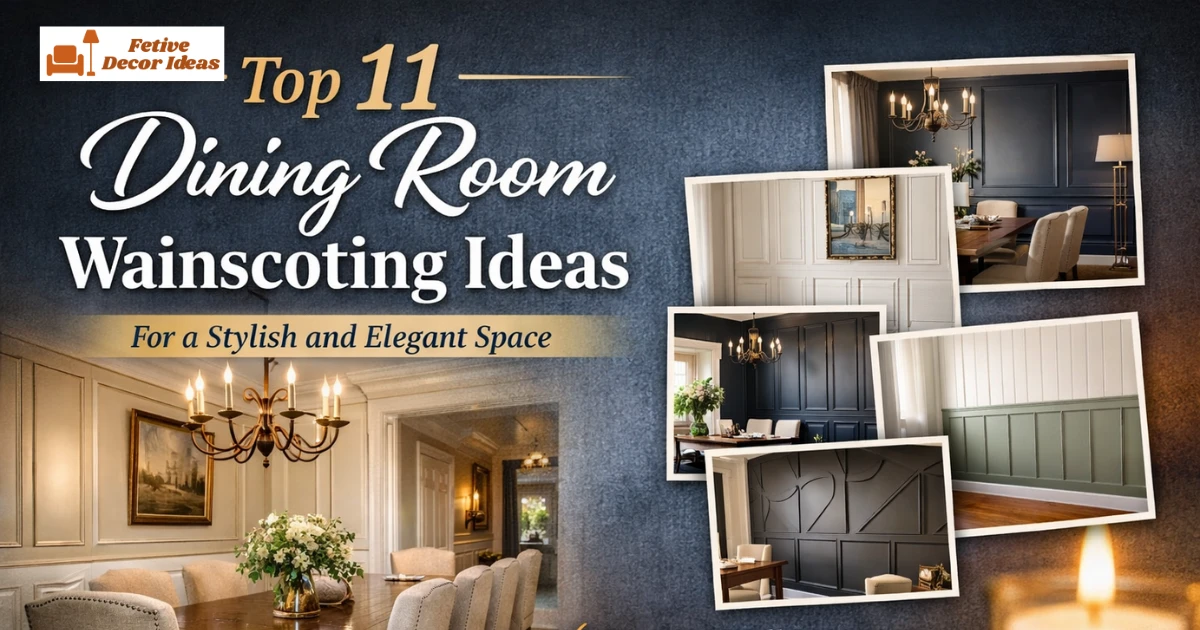
Top 11 dining room wainscoting ideas can instantly upgrade your space with texture, depth, and character without a full renovation. I always say this to my readers because wall detailing changes a dining room faster than new furniture. When you add the right wainscoting design, your walls stop looking plain and start looking intentional.
Dining room wainscoting ideas work best when they balance style and proportion. Many homeowners focus only on paint or decor, but wall paneling adds architectural interest that makes the room feel finished. Whether you prefer modern, traditional, farmhouse, or luxury interiors, the right wall treatment brings everything together.
Why Dining Room Wainscoting Is a Smart Design Choice?
Dining room wainscoting adds structure and visual weight to your walls. It protects the lower wall from scratches and chair marks while creating a polished appearance. This makes it both decorative and functional, which is a rare combination in home decor.
Wainscoting also improves proportions in small and large dining rooms. In smaller spaces, it adds detail without overcrowding. In larger rooms, it prevents walls from looking empty and flat. That balance makes it one of the best dining room wall ideas available today.
Most importantly, wainscoting increases the perceived value of your dining space. When guests walk in, they notice layered walls immediately. It creates a custom look, even if you used simple molding and affordable materials.
1. Classic Raised Panel Wainscoting for a Traditional Dining Room
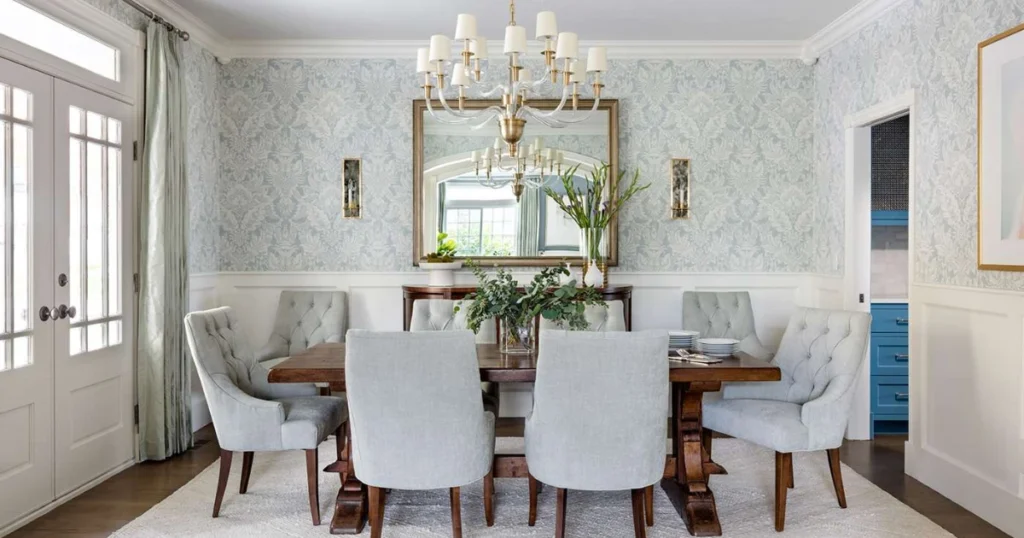
Classic raised panel wainscoting creates a formal and elegant dining room look. This style features detailed rectangular panels that add depth and dimension. I often recommend this design for homes with traditional furniture and chandeliers.
Raised panel wainscoting works best in medium to large dining rooms. It needs space to shine because the molding detail draws attention. In smaller rooms, it may feel heavy unless painted in a light neutral shade.
White, cream, and soft gray are the safest color choices for this style. Darker colors like navy or charcoal create a dramatic dining room setting if you have enough natural light. Pair it with a wooden dining table for balance.
2. Board and Batten Wainscoting for a Clean Modern Look
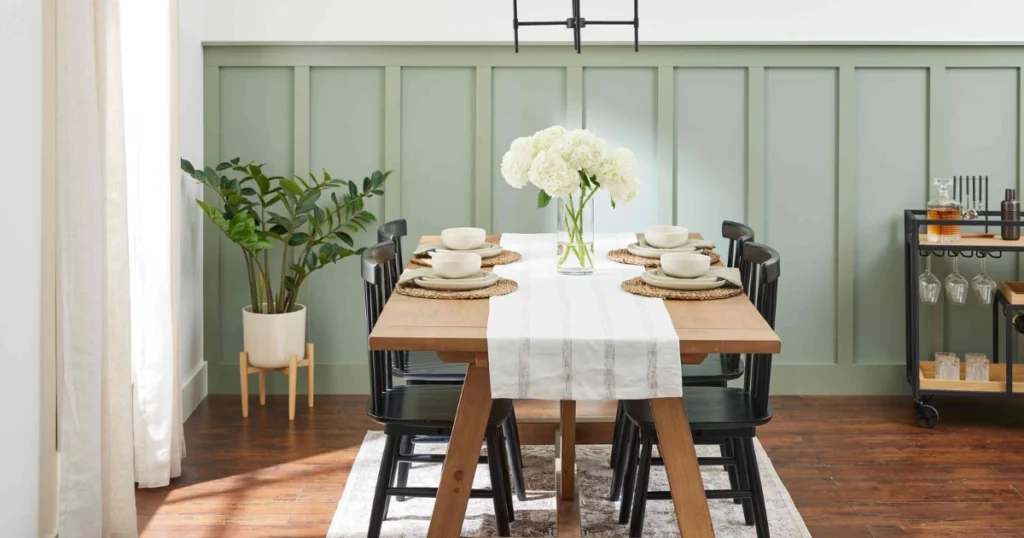
Board and batten wainscoting gives your dining room a clean and structured appearance. This design uses vertical battens placed evenly across the wall. It looks neat and works well in both modern and farmhouse interiors.
This style fits perfectly in small dining rooms because it adds height visually. Vertical lines draw the eyes upward and make ceilings feel taller. I personally love this in homes with simple decor and minimal accessories.
You can paint board and batten in white for a fresh look or bold colors for contrast. Deep green, navy blue, and matte black look stunning when paired with modern dining chairs. Keep the spacing consistent for a balanced finish.
3. Beadboard Wainscoting for a Cozy and Casual Dining Room
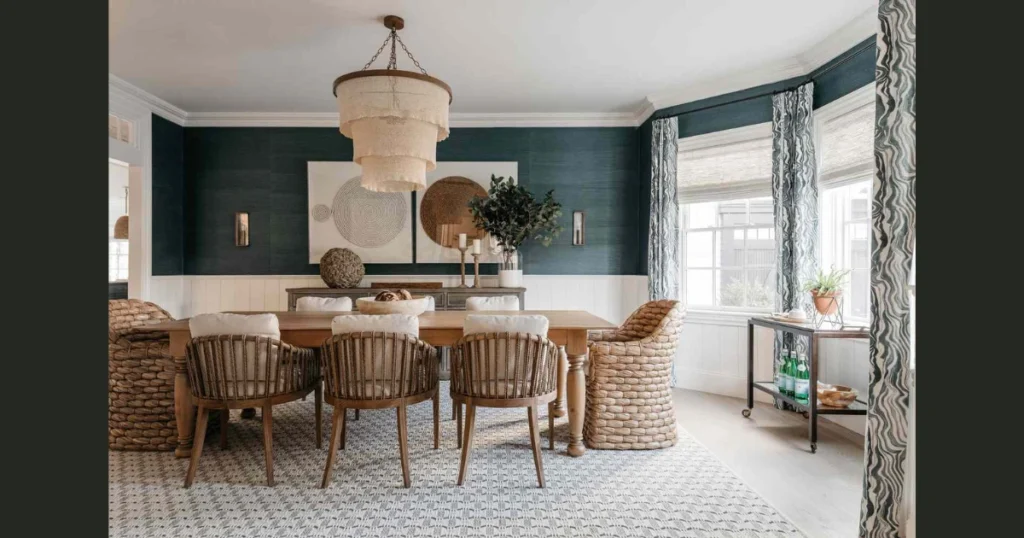
Beadboard wainscoting creates a relaxed and welcoming dining space. This design features narrow vertical grooves that add subtle texture. It suits cottage, coastal, and casual farmhouse styles perfectly.
Beadboard works beautifully in smaller dining areas and breakfast nooks. It feels light and airy instead of heavy. If you want a simple upgrade without complex installation, this option is practical.
Soft white, pastel blue, and sage green enhance the cozy atmosphere. Pair beadboard with wooden benches or simple dining sets for a natural look. It keeps the space comfortable without looking plain.
4. Flat Panel Wainscoting for a Modern Dining Room Design
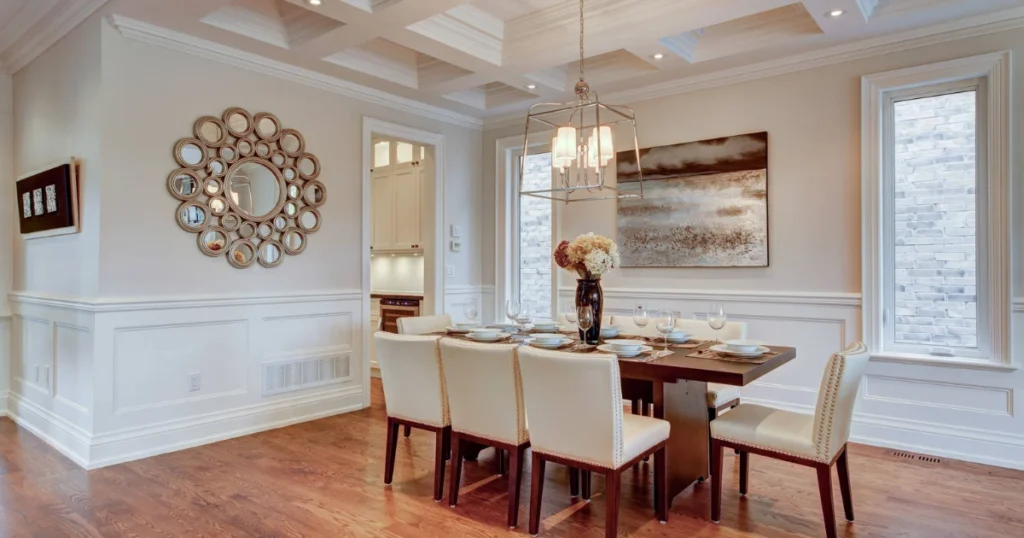
Flat panel wainscoting gives your dining room a sleek and minimal appearance. This style uses recessed panels with clean edges, which create subtle detail without heavy molding. I often recommend this for contemporary homes that favor simple lines.
Flat panel designs work well in both small and large dining rooms. They add structure without overwhelming the space. If you prefer modern dining room wall paneling that feels calm and balanced, this option fits perfectly.
Neutral tones enhance the clean look of flat panel wainscoting. Soft gray, warm white, and beige maintain a smooth visual flow. Pair it with modern pendant lighting and a streamlined dining table for harmony.
5. Two-Tone Dining Room Wainscoting for Bold Contrast
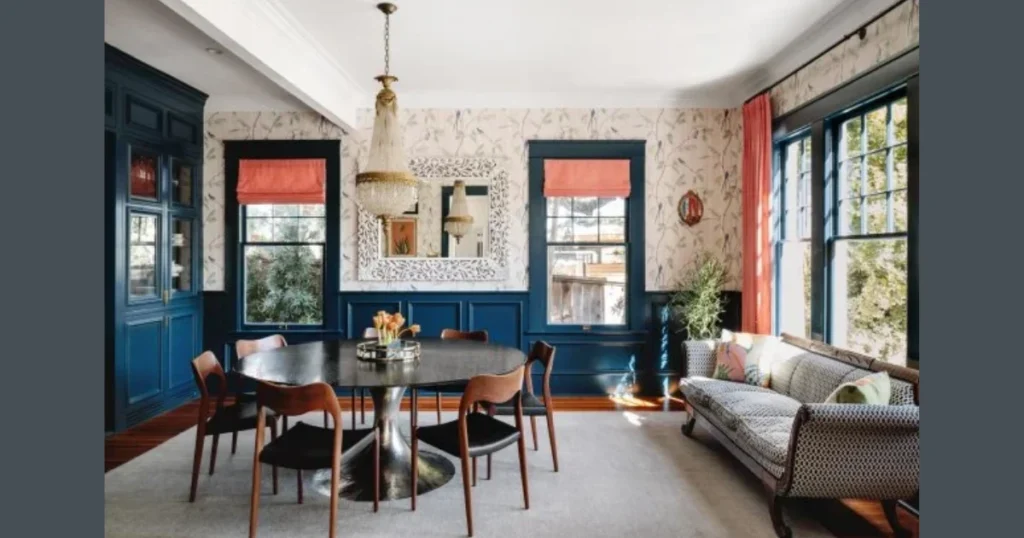
Two-tone wainscoting creates visual contrast and makes your dining room stand out. This style combines one color for the lower paneling and another for the upper wall. It instantly adds personality without adding clutter.
This design works beautifully in medium-sized dining rooms. The contrast defines the wall area and frames your dining furniture. I have seen deep navy with crisp white look especially elegant.
Keep the darker color on the lower section for balance. This grounds the room and prevents it from feeling top-heavy. Always choose shades that complement your dining chairs and flooring.
6. Full Wall Wainscoting for a Luxurious Dining Room
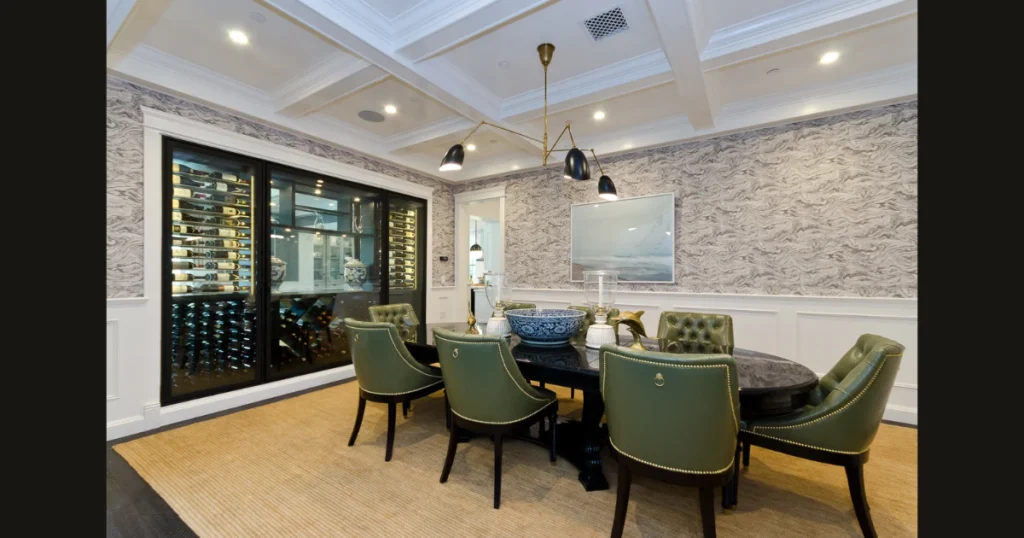
Full wall wainscoting turns your entire dining room wall into a statement feature. Instead of covering only the lower third, this design extends paneling to the ceiling. It creates depth and makes the room feel custom-built.
This style suits formal dining rooms with higher ceilings. It adds sophistication and pairs beautifully with classic chandeliers. I usually suggest this for homeowners who want a rich and layered interior.
Paint color plays a major role in full wall paneling. Dark shades such as charcoal, forest green, and navy create a dramatic mood. Light colors keep it airy and elegant.
7. Picture Frame Molding Wainscoting for Elegant Detailing
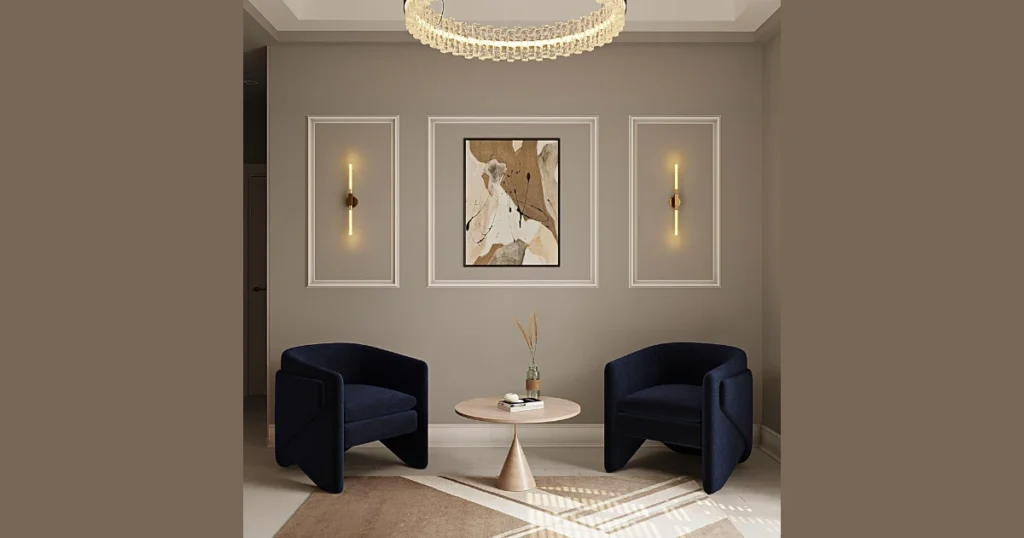
Picture frame molding wainscoting adds decorative rectangular trims to your walls. It offers a refined look without heavy panel depth. Many homeowners choose this when they want elegance without complex installation.
This design adapts easily to modern and traditional interiors. The molding size determines the style direction. Slim frames look contemporary, while thicker trims feel more classic.
Use symmetrical spacing for the best visual result. Even spacing creates balance and prevents the design from looking random. Paint it the same color as the wall for subtle charm.
8. Dark Painted Wainscoting for a Dramatic Dining Room
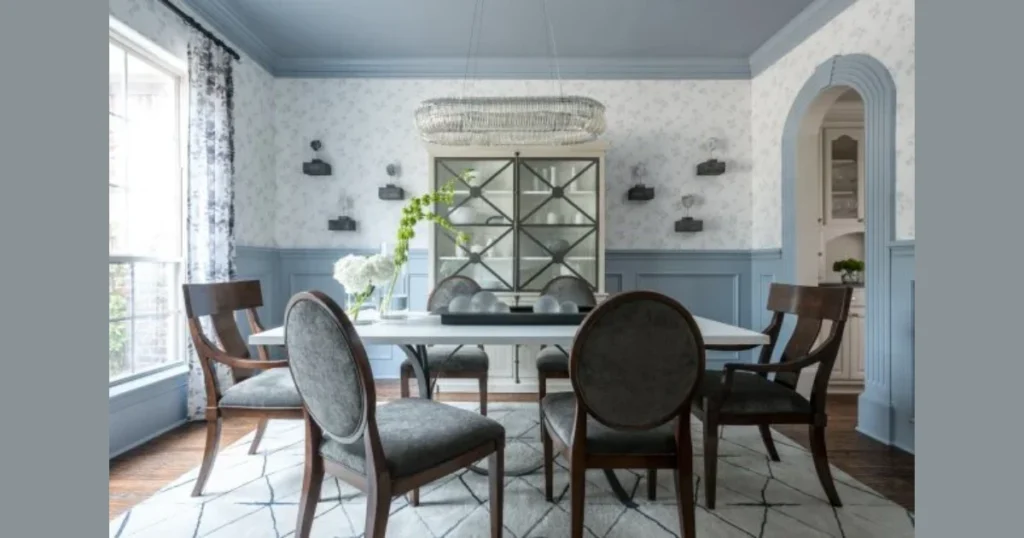
Dark painted wainscoting adds depth and character to your dining space. Rich shades instantly create mood and warmth. I personally love how dark paneling highlights artwork and mirrors.
This option works best in dining rooms with good lighting. Natural light or layered lighting prevents the space from feeling too heavy. Combine dark walls with lighter dining furniture for contrast.
Popular colors include navy, deep green, and matte black. These tones make white trim and metallic accents pop beautifully. It feels bold but still refined.
9. Light and Neutral Wainscoting for a Fresh Dining Space
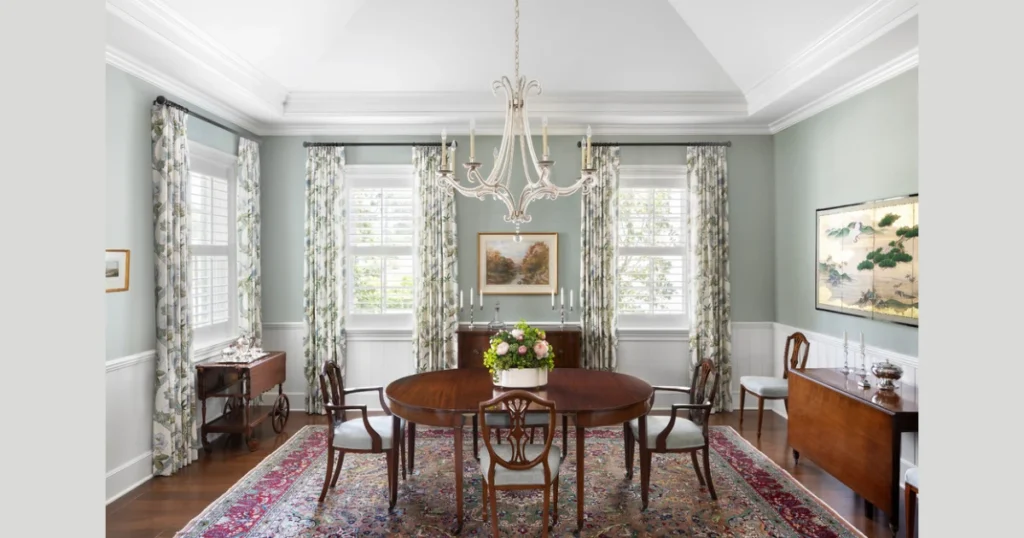
Light and neutral wainscoting keeps your dining room bright and open. Soft shades reflect light and create a clean backdrop. This design feels calm and timeless.
This style works in almost every dining room size. It suits modern, farmhouse, and transitional interiors. If you want flexibility in decor, neutral paneling makes styling easier.
White, cream, and greige remain popular choices. These colors pair well with wooden dining tables and soft textiles. They never feel outdated.
10. Farmhouse Style Wainscoting for Rustic Charm
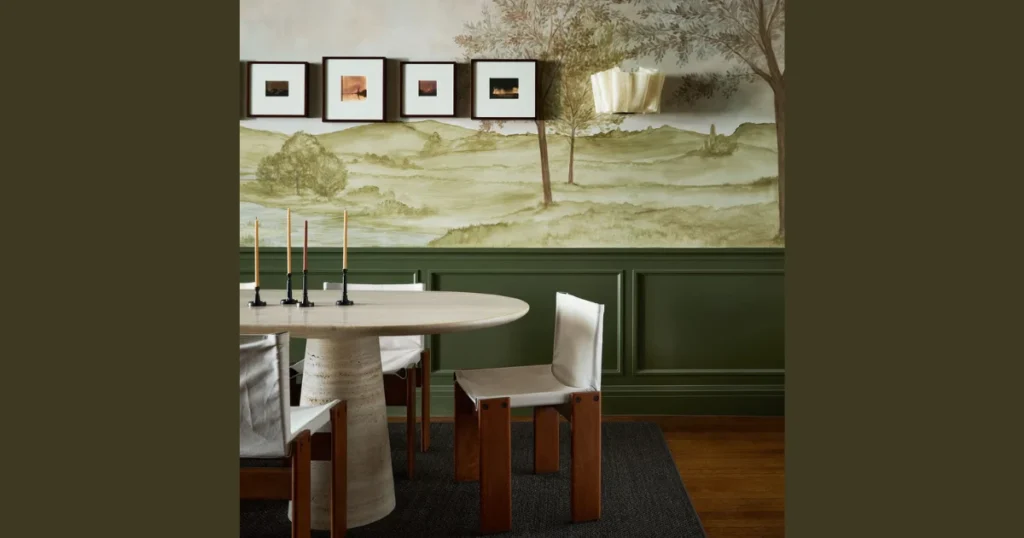
Farmhouse style wainscoting brings warmth and texture into your dining room. Board and batten or beadboard usually define this look. It feels welcoming and relaxed.
This style pairs perfectly with wooden dining tables and simple lighting. Natural materials enhance the rustic vibe. I have noticed this design looks especially good in open-concept homes.
Stick to neutral or muted tones for authenticity. Soft white, dusty blue, and sage green maintain the farmhouse aesthetic without overpowering the room.
11. Geometric Panel Wainscoting for a Contemporary Statement
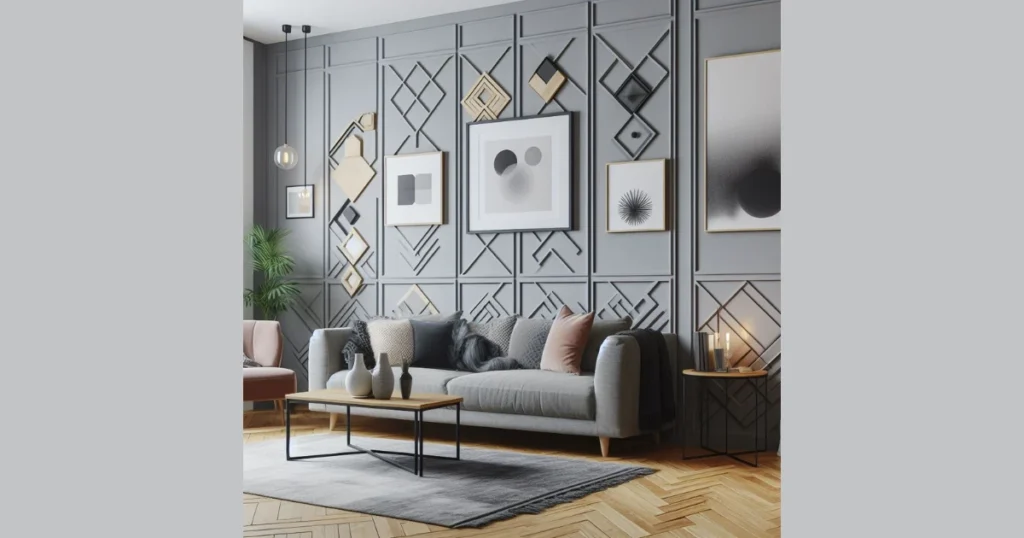
Geometric panel wainscoting adds a modern artistic touch to your dining room walls. Instead of standard rectangles, this design uses angled or custom patterns. It creates visual interest instantly.
This option works best in modern dining spaces. Clean furniture and simple decor allow the wall pattern to stand out. I recommend planning the pattern carefully before installation.
Choose a single color to maintain sophistication. Too many shades can make geometric panels look chaotic. A solid tone keeps it structured and stylish.
Practical Guide to Installing Dining Room Wainscoting
Proper planning ensures your dining room wainscoting looks clean and professional. I always measure the full wall first and sketch the panel layout before buying materials. This prevents uneven spacing and last minute mistakes.
You should choose materials based on budget and durability. MDF works well for painted paneling and costs less. Solid wood offers long term strength but increases overall expense.
Accurate installation keeps lines straight and balanced. Use a level and mark horizontal reference lines before attaching panels. Even small misalignment becomes obvious once you paint the surface.
Styling Tips to Match Wainscoting with Dining Room Decor
The right styling enhances your dining room wall paneling. Wainscoting should complement furniture, lighting, and flooring. When all elements connect, the room feels cohesive.
1. Match Panel Style with Furniture
Traditional raised panels pair best with classic wooden dining tables. Modern flat panels match sleek chairs and minimalist decor. Always consider the overall interior theme.
2. Choose Coordinated Paint Colors
Wall color above the wainscoting affects the final mood. Soft neutrals create calm spaces, while darker shades add drama. I often test small paint samples before committing.
3. Balance with Lighting
Lighting highlights the texture of wainscoting panels. Wall sconces and chandeliers cast shadows that emphasize depth. Good lighting prevents dark painted panels from feeling heavy.
4. Add Decorative Elements Carefully
Art and mirrors look better when centered within panel frames. Proper alignment keeps the design symmetrical. Avoid overcrowding the walls because paneling already adds detail.
Conclusion
Top 11 dining room wainscoting ideas give you practical ways to upgrade your space without major renovation. From classic raised panels to modern geometric designs, each option serves a specific interior style. Choosing the right one depends on your room size, ceiling height, and personal taste.
Wainscoting adds texture, protects walls, and improves the visual balance of your dining room. It works in both formal and casual spaces. I always recommend starting with measurements and a clear layout plan before installation.
If you want a timeless and elegant dining room, wainscoting remains one of the smartest design choices. It creates depth that plain painted walls simply cannot provide. Once installed correctly, it elevates the entire dining experience.
FAQs
The ideal height usually ranges from 32 to 42 inches depending on ceiling height. Taller ceilings allow slightly higher panel placement.
Yes, wainscoting works well in small dining rooms when you choose simple styles like beadboard or flat panels.
Yes, you can install basic designs like board and batten with proper tools and measurements. Complex patterns may require professional help.
Semi gloss or satin finishes work best because they resist stains and clean easily.
Dark colors may reduce brightness, but good lighting balances the effect. Pair dark panels with lighter upper walls for contrast.
Use a damp cloth with mild soap to wipe the surface gently. Avoid harsh chemicals to protect the paint finish.