
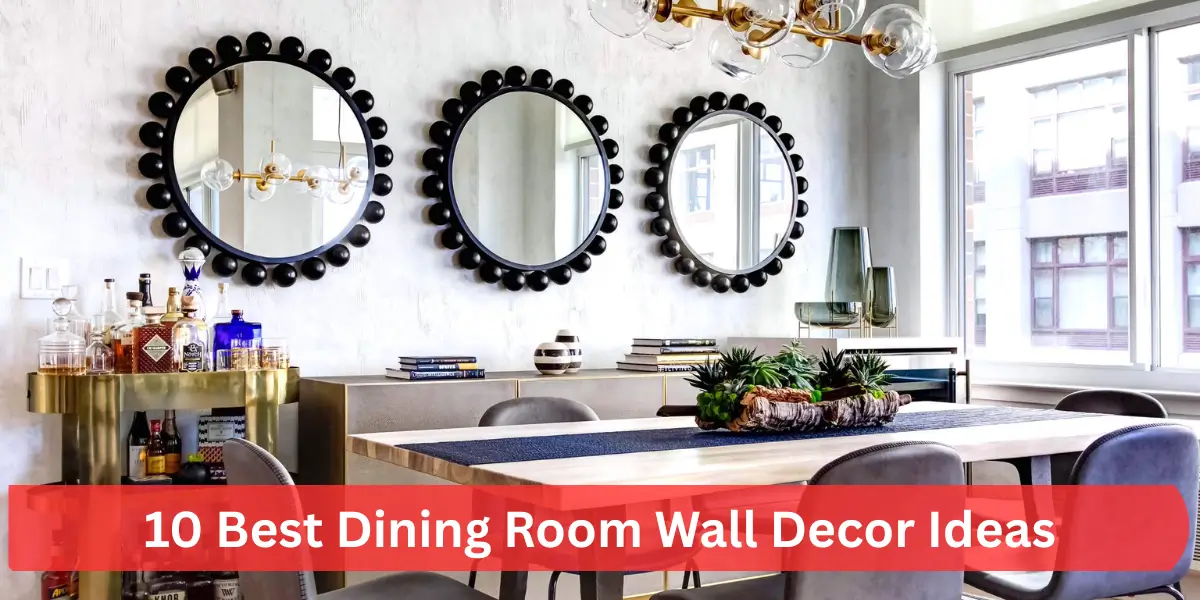
Dining room wall decor ideas play a key role in how welcoming and complete a dining space feels. From my experience, walls often get overlooked, even though they shape the room’s mood more than furniture does. A thoughtfully designed wall can add depth, balance, and personality without changing the layout.
Whether the dining room is large or compact, the right wall treatment helps anchor the space and makes meals feel more intentional.
In this article, I’ll share practical dining room wall decor ideas that focus on proportion, visual balance, and real-life usability, ideas that work naturally with modern living rather than overwhelming the space.
1. Statement Wall Art as a Strong Focal Point
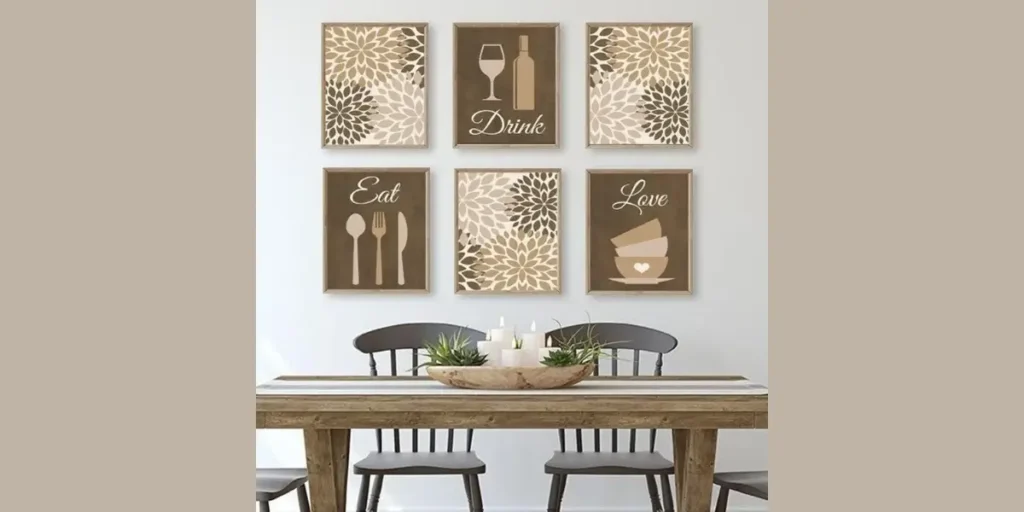
I often use statement wall art when a dining room feels visually incomplete. A single large artwork gives the wall a clear purpose and helps anchor the entire dining space. Instead of filling the wall with multiple items, I let one piece set the tone.
This approach keeps the dining room clean and focused. When I choose art with the right scale, the wall feels balanced without overpowering the table or seating area. Placement matters more than the artwork itself.
Statement wall art works especially well in modern dining rooms. It adds personality while maintaining simplicity, which makes the space feel intentional rather than decorative for the sake of it.
2. Gallery Wall with Balanced Frame Layout
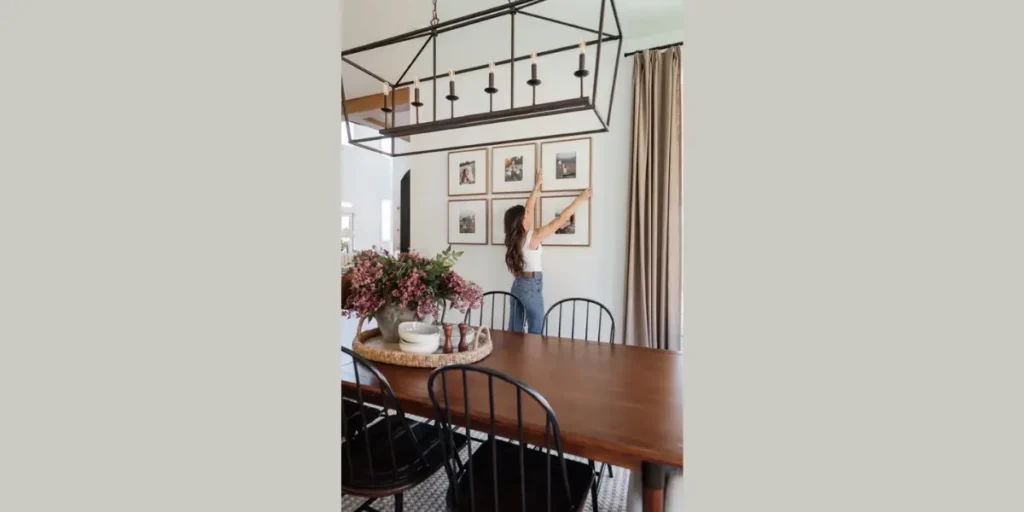
Gallery walls allow me to tell a visual story on a dining room wall. I use this idea when the space needs warmth and personality rather than bold impact. A well-planned gallery wall brings rhythm and movement to an otherwise flat surface.
I focus on consistency in spacing and alignment. When frames feel organized, the wall looks curated instead of chaotic. I avoid overcrowding and let negative space breathe between pieces.
Gallery walls also offer flexibility. Over time, I can update photos or artwork without redesigning the entire wall, which keeps the dining room feeling fresh and personal.
3. Mirror Wall Decor to Expand the Space
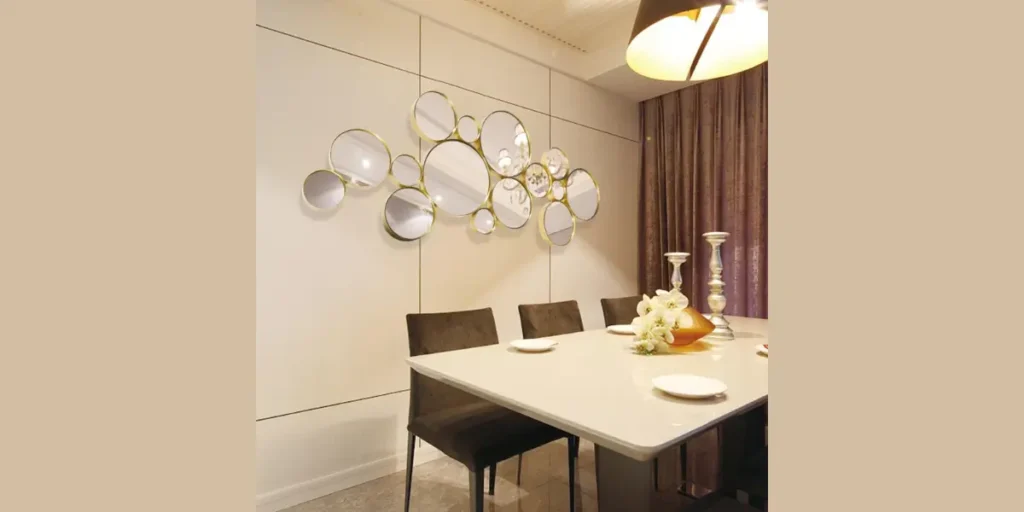
Mirrors are one of my most practical wall decor choices, especially for smaller dining rooms. They reflect light and visually double the depth of the space, which instantly makes the room feel more open.
I place mirrors where they reflect natural light or an open view rather than clutter. This keeps the effect clean and purposeful. Framed mirrors add structure, while simple designs keep the wall modern.
Beyond function, mirrors bring balance. They fill the wall without adding visual weight, making them ideal when I want elegance without decoration overload.
4. Textured Accent Wall for Depth
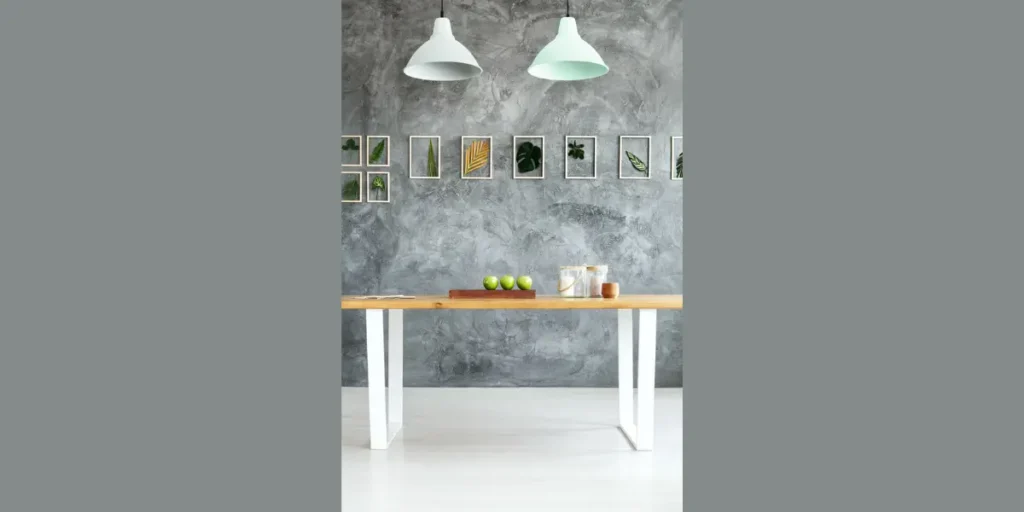
When a dining room feels flat, I introduce texture to the wall. Wood panels, subtle stone finishes, or textured surfaces create depth that paint alone cannot achieve.
I treat textured walls as a background feature, not a distraction. Keeping the rest of the room simple allows the texture to stand out naturally. This approach adds richness without clutter.
Textured accent walls work well in both modern and classic dining rooms. They define the dining area and make the wall feel architectural rather than decorative.
5. Floating Shelves for Functional Wall Styling
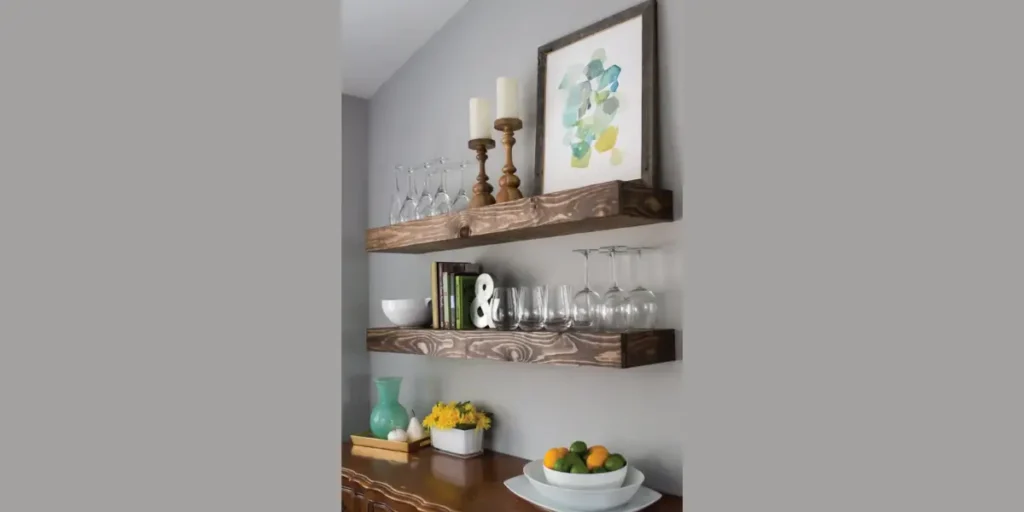
Floating shelves help me combine wall decor with everyday function. Instead of purely decorative walls, shelves allow me to display useful items in an organized way.
I keep shelf styling minimal and intentional. Too many objects make the wall feel heavy, so I focus on spacing and proportion. Each item needs room to stand on its own.
This wall decor idea suits casual dining rooms best. It keeps the space practical while still adding visual interest, making the wall feel lived-in rather than staged.
6. Wallpaper Feature Wall for Visual Interest
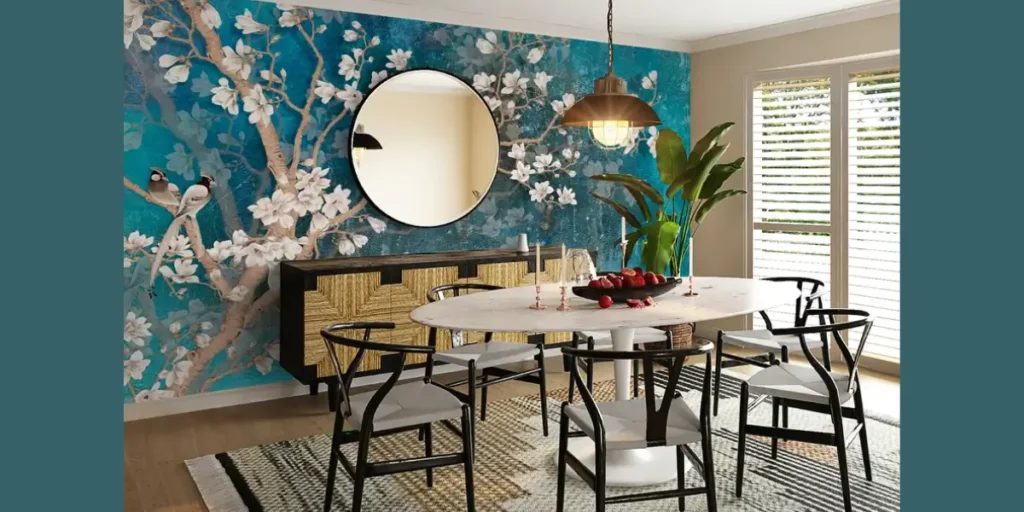
Wallpaper works well when a dining room wall needs character without structure changes. I use it to introduce pattern or texture while keeping the layout intact.
I prefer subtle designs that don’t compete with furniture. When wallpaper complements the dining table and chairs, the room feels cohesive instead of busy.
A wallpaper feature wall also creates a natural focal point. It draws attention without requiring additional decor, which keeps the dining room visually balanced.
7. Wall-Mounted Lighting as Decorative Elements
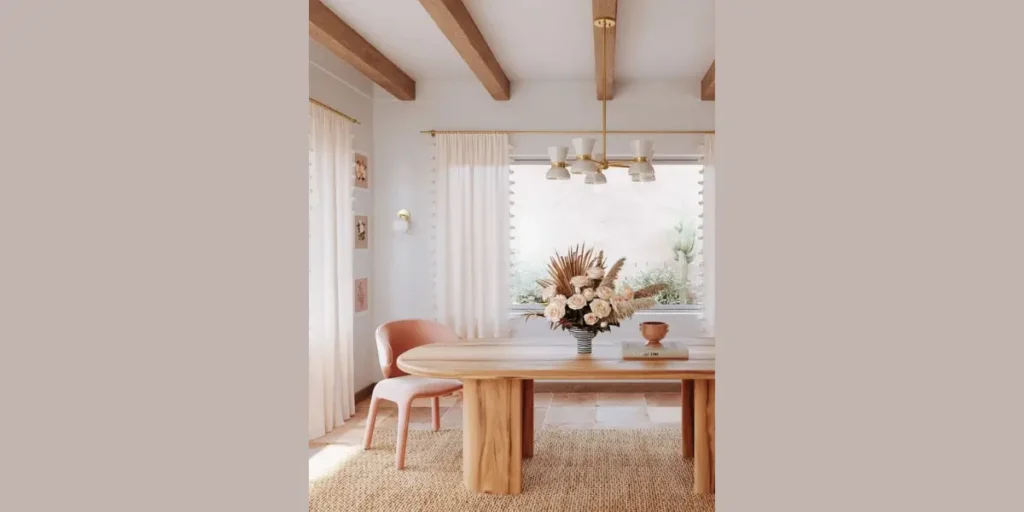
Wall-mounted lighting serves both form and function. I use wall sconces to highlight dining room walls while improving the room’s overall atmosphere.
Instead of treating lights as utilities, I choose designs that act as decor themselves. Proper placement adds symmetry and structure to the wall.
This idea works especially well in dining rooms used during evenings. Soft wall lighting creates a relaxed mood and makes the space feel more intimate and thoughtfully designed.
8. Minimalist Wall Panels for Clean Structure
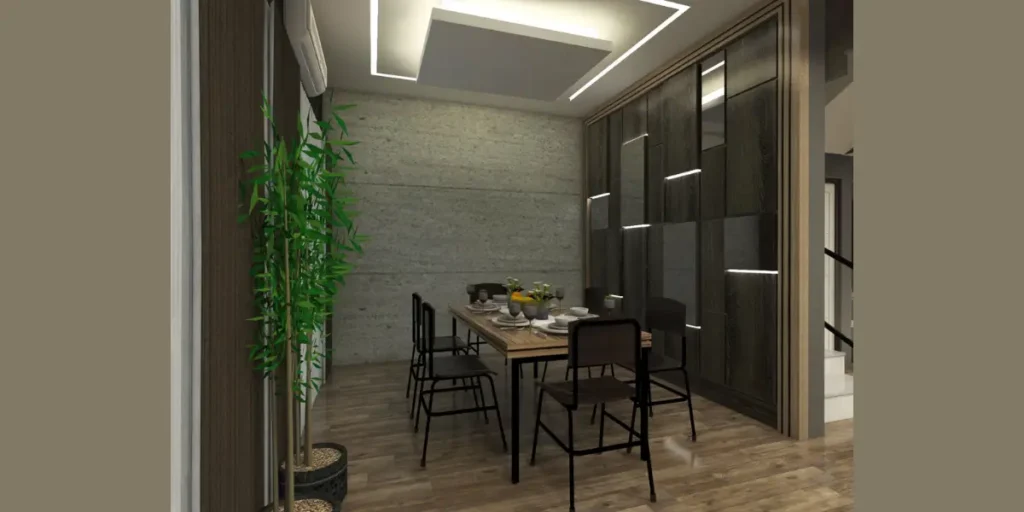
Minimal wall panels add definition without decoration overload. I use them when the goal is refinement rather than expression.
These panels create subtle lines and proportions that guide the eye. The wall feels designed even without artwork or accessories.
Minimalist panels suit modern dining rooms where simplicity matters. They add architectural interest while keeping the focus on the dining experience itself.
9. Decorative Plates or Sculptural Wall Pieces
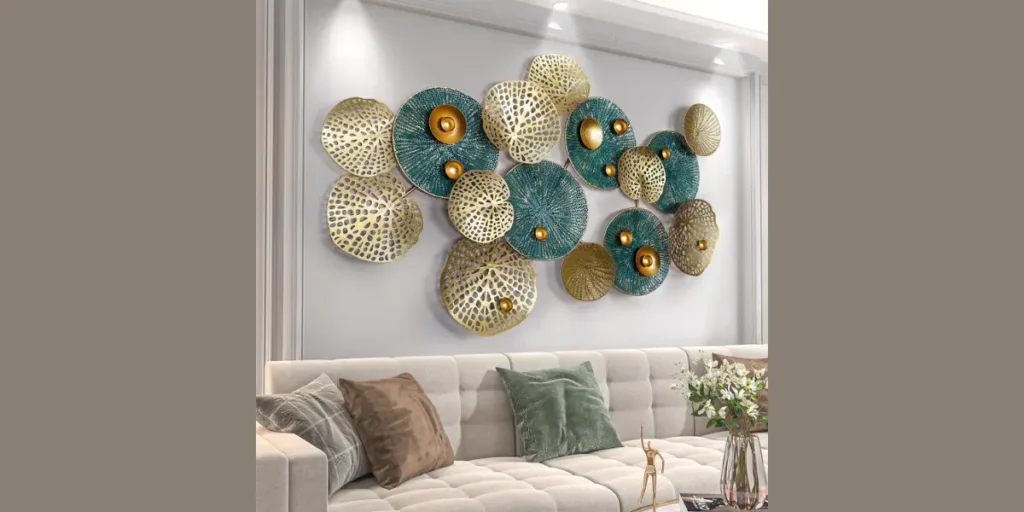
Decorative plates and sculptural pieces allow me to add artistry without traditional frames. This idea works well when I want something unexpected on the wall.
I arrange pieces with careful spacing to avoid visual noise. Balance matters more than quantity in this setup.
This wall decor style adds character and cultural depth. It gives the dining room a unique identity without overwhelming the space.
10. Large Clock or Oversized Wall Feature
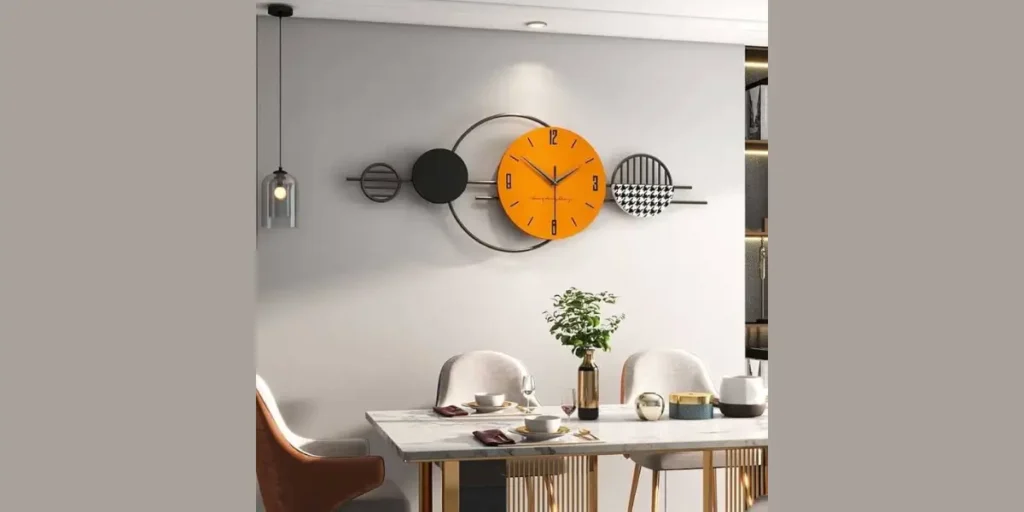
A large wall clock works as both decor and function. I use it when a dining room wall feels empty but doesn’t need art.
Scale is critical here. An oversized feature fills the wall proportionally and prevents the need for multiple smaller items.
This idea keeps the wall simple yet purposeful. It adds structure and visual balance while maintaining a clean dining room aesthetic.
How Dining Room Wall Decor Shapes Mood and Visual Balance
When I work on dining room walls, I always think about how the space should feel during meals. Wall decor directly affects mood too empty feels cold, and too busy feels distracting. The right balance creates comfort without stealing attention from the dining table.
Wall decor also controls visual balance. A strong focal point, such as art or texture, helps the eye settle instead of wandering. When walls are planned thoughtfully, the dining room feels complete, calm, and visually grounded rather than unfinished or overwhelming.
FAQs
The best dining room wall decor depends on room size and usage. I usually recommend one main focal element like wall art, a mirror, or texture. Keeping decor intentional prevents the wall from feeling cluttered.
I focus on fewer, well-scaled pieces rather than many small items. Leaving negative space is just as important as adding decor. This approach keeps the dining room visually calm and balanced.
Yes, mirrors work very well in dining rooms, especially smaller ones. They reflect light and create a sense of openness. Proper placement ensures the mirror enhances the space rather than reflecting distractions.
Wallpaper works well when used as a feature wall. I prefer subtle patterns or textures that don’t overpower the room. It adds character while keeping the dining space comfortable.
Wall decor becomes too much when it distracts from dining. If the wall feels busy or overwhelming, it’s time to remove or simplify. Balance always matters more than quantity.
Related Post
- 12 Famous Dining Room Table Ideas
- Top 10 Trending Dining Room Ideas
- Top 15 Dining Room Decor Ideas
- Top 7 Kitchen Decor Apartments
- Top 21 Kitchen Decorating Apartment Ideas
Conclusion
Dining room wall decor works best when it supports the atmosphere rather than competing with it. From my experience, walls that feel thoughtfully planned make the dining space more comfortable and visually complete.
Whether the goal is warmth, balance, or subtle character, the right wall choices help create a setting where meals feel relaxed and intentional.
Instead of filling every empty surface, focusing on proportion and placement leads to a cleaner, more timeless result. When wall decor complements the dining area naturally, the space feels inviting, cohesive, and easy to enjoy every day.