
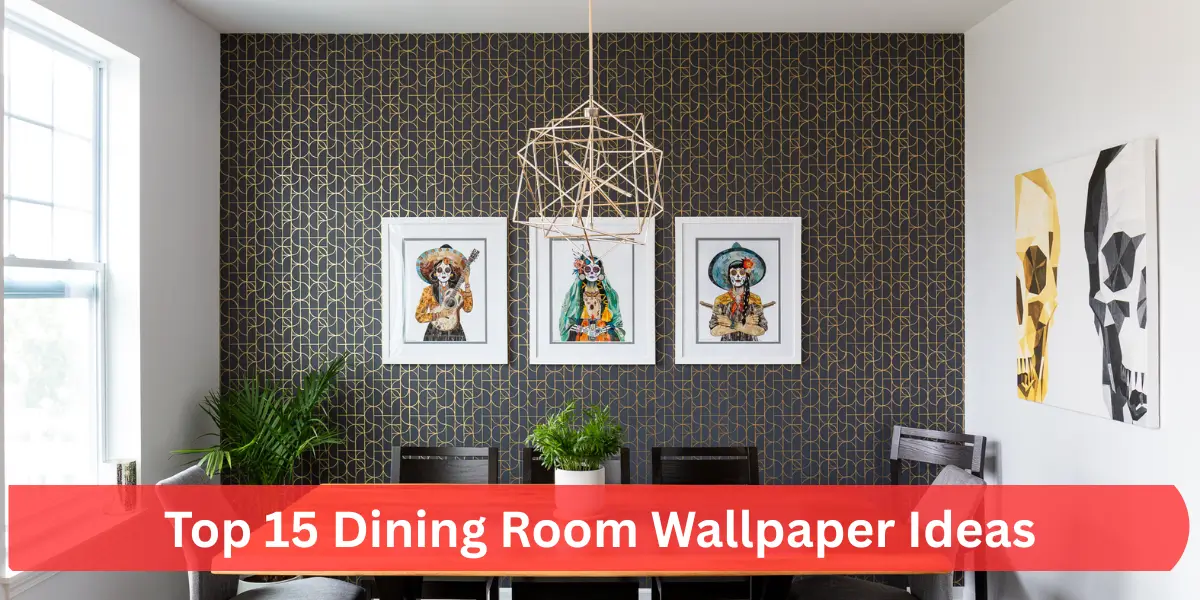
Dining room wallpaper ideas can completely shift how a dining space feels, and I’ve seen this happen even in rooms with simple layouts. Wallpaper isn’t just a background choice anymore, it defines mood, depth, and visual flow.
The right wallpaper can make a dining room feel more intimate, more open, or more refined without changing furniture or lighting. When I select wallpaper for dining spaces, I focus on pattern scale, color balance, and how the surface interacts with light.
In this article, I’ll share expert-approved dining room wallpaper ideas that work in real homes and elevate everyday dining experiences naturally.
1. Textured Neutral Wallpaper for Timeless Dining Rooms
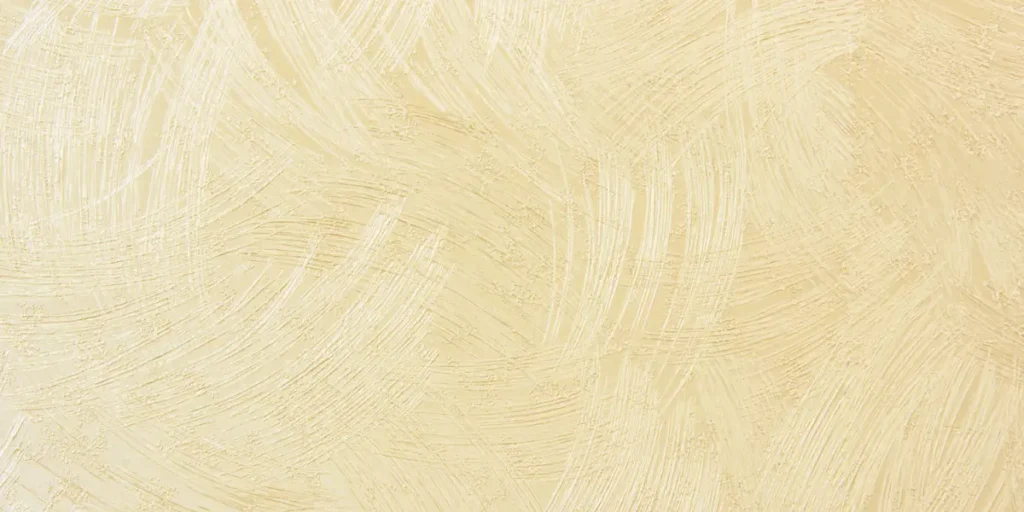
I often start with textured neutral wallpaper when the goal is long-term elegance. This type of wallpaper adds depth without demanding attention, which keeps the dining room calm and balanced. Subtle textures prevent walls from feeling flat while maintaining a refined appearance.
From my experience, neutral textures work well with different lighting conditions. They absorb and reflect light softly, which helps the room feel comfortable during both daytime and evening meals. This makes them practical for everyday dining.
Textured neutral wallpaper also offers flexibility. As furniture or lighting changes over time, the wallpaper continues to support the space instead of competing with it. That adaptability makes it a reliable foundation choice.
2. Floral Wallpaper for Elegant Dining Spaces
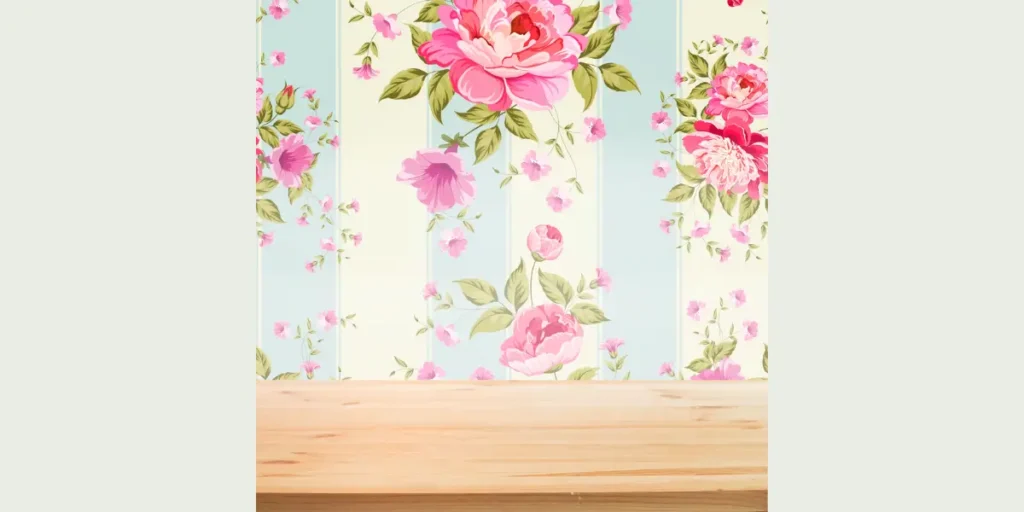
Floral wallpaper brings softness and movement into dining rooms without overwhelming the space. I use this style when a room needs warmth and visual interest while still feeling composed.
The key lies in scale and color control. Well-balanced floral patterns guide the eye gently around the room, creating a relaxed dining atmosphere. This helps meals feel more inviting and less formal.
Floral wallpapers also work beautifully in rooms meant for hosting. They encourage conversation and visual comfort, making the dining room feel welcoming rather than rigid. When chosen carefully, floral designs remain timeless instead of trendy.
3. Geometric Wallpaper for Modern Dining Rooms
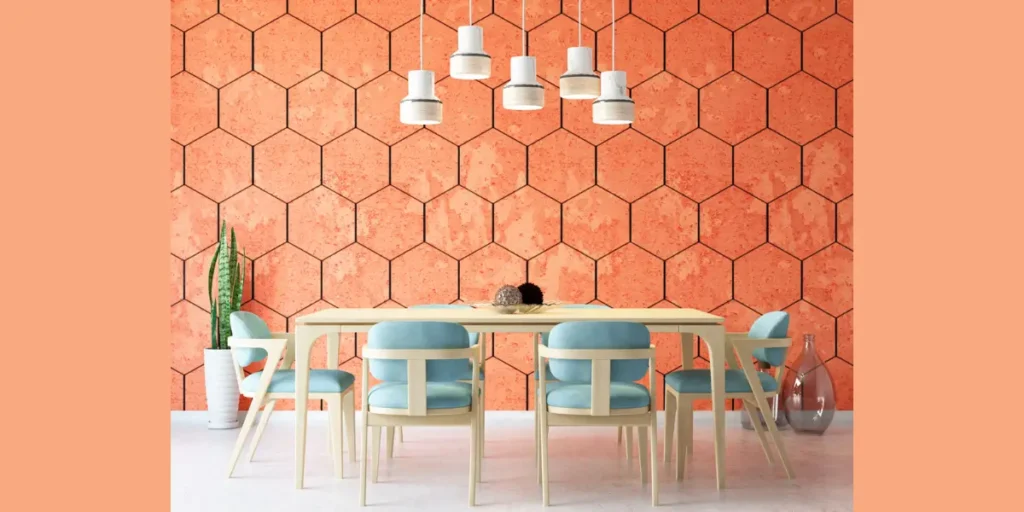
Geometric wallpaper introduces structure and rhythm, which works especially well in modern dining rooms. I rely on this style when the room benefits from visual order and clarity.
Clean lines and repeating shapes help define the dining area without clutter. The wallpaper creates a sense of movement while maintaining control, which supports a balanced dining experience.
Geometric patterns also enhance architectural features. They emphasize symmetry and proportion, making the room feel intentionally designed. When used correctly, geometric wallpaper sharpens the dining room’s identity without feeling busy.
4. Dark Moody Wallpaper for Intimate Dining
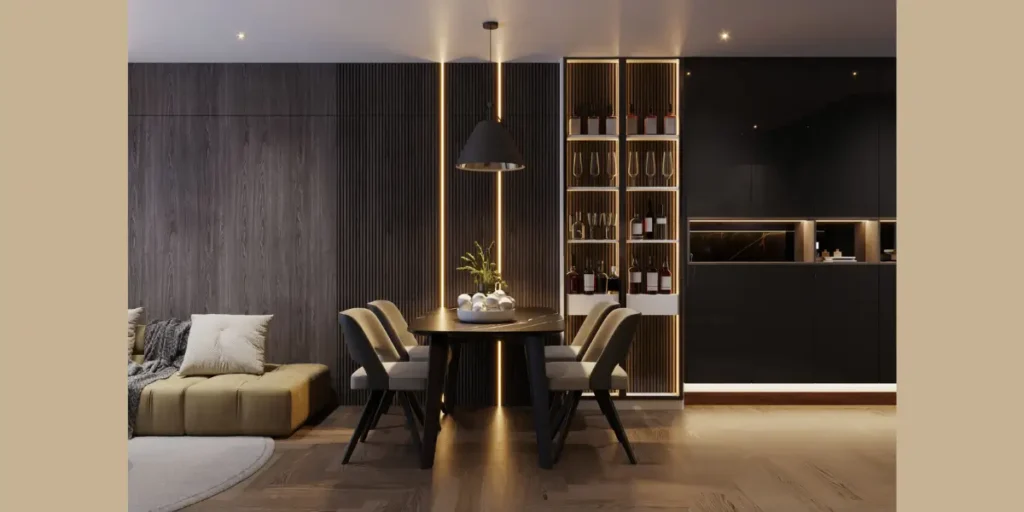
Dark wallpaper transforms dining rooms into intimate, focused spaces. I use this approach when the goal is atmosphere rather than openness.
Deep tones absorb excess light, which naturally lowers visual noise. This makes the dining room feel grounded and calm, especially during evening meals. The space becomes more about connection than distraction.
Dark wallpaper also adds depth. Instead of closing the room in, it creates a sense of enclosure that feels deliberate and comfortable. With proper lighting, the dining room remains functional while gaining strong character.
5. Botanical Wallpaper for a Fresh Dining Feel
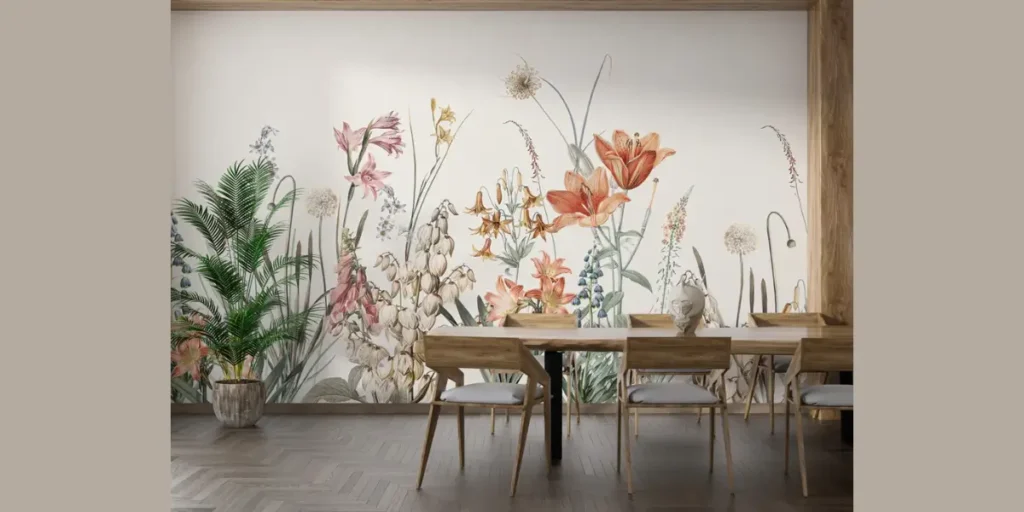
Botanical wallpaper brings natural energy into dining rooms. I choose this style when a space feels static or needs visual freshness.
Leaf and plant-inspired patterns soften walls and introduce organic flow. This helps dining rooms feel relaxed and approachable, especially for daily use. The room feels alive without becoming overwhelming.
Botanical wallpaper also supports well-being. Natural visuals encourage calm and comfort, which enhances the dining experience. When balanced properly, this wallpaper style keeps the space refreshing rather than busy.
6. Striped Wallpaper to Visually Adjust Space
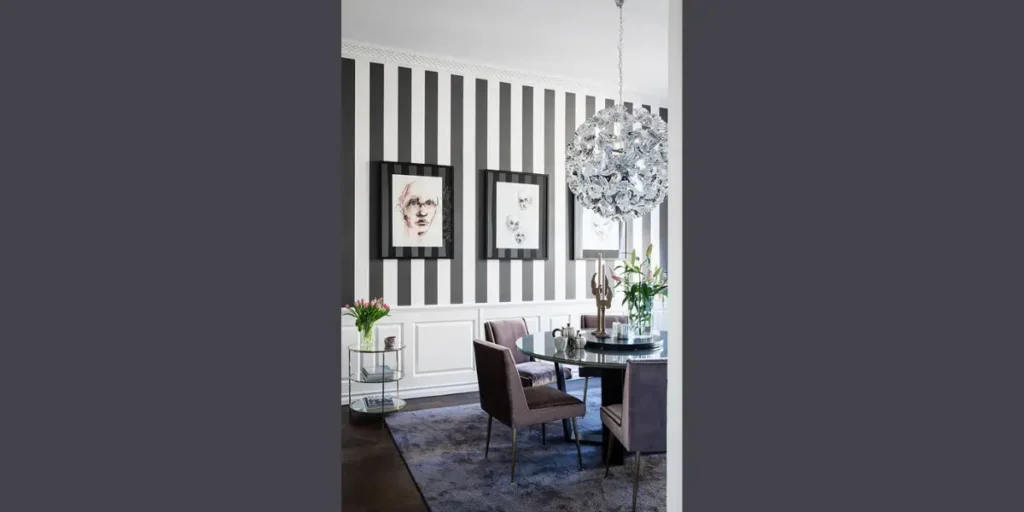
Striped wallpaper helps solve proportion challenges in dining rooms. I often use vertical stripes to visually increase ceiling height in compact spaces.
Stripes guide the eye upward or outward depending on orientation. This creates the illusion of better proportions without changing the room’s structure. The dining room instantly feels more balanced.
Beyond function, striped wallpaper feels clean and organized. It introduces pattern without distraction, making it suitable for both modern and transitional dining rooms. Proper spacing keeps the look refined rather than loud.
7. Marble-Effect Wallpaper for Subtle Luxury
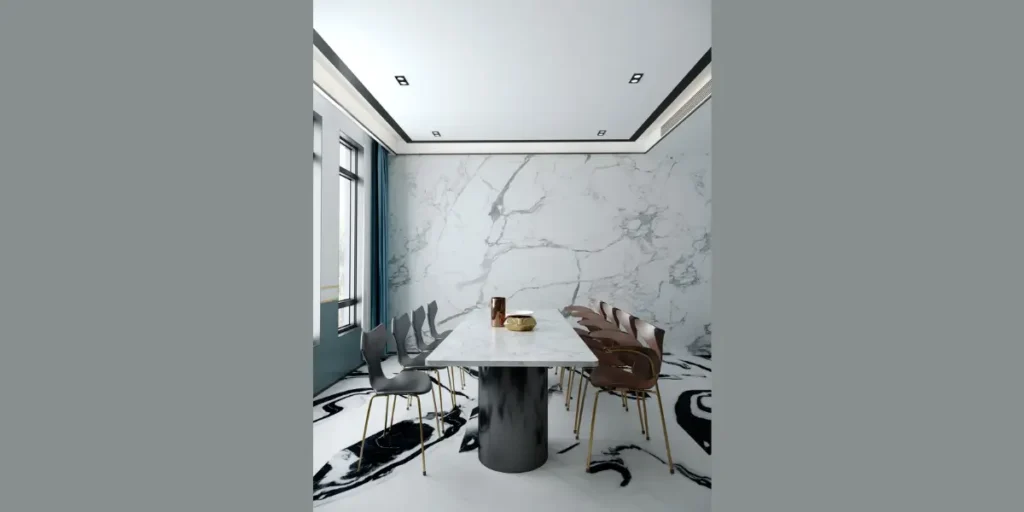
Marble-effect wallpaper delivers a luxury feel without heavy materials. I use it when the dining room needs elegance but must remain practical.
The soft veining creates visual movement while maintaining restraint. Light interacts with the surface in a refined way, adding depth without glare. This keeps the dining environment comfortable.
Marble-style wallpaper also ages well. It avoids trend-driven patterns, making it suitable for long-term use. When applied thoughtfully, it elevates the dining room without overpowering the space.
8. Metallic Accent Wallpaper for Refined Impact
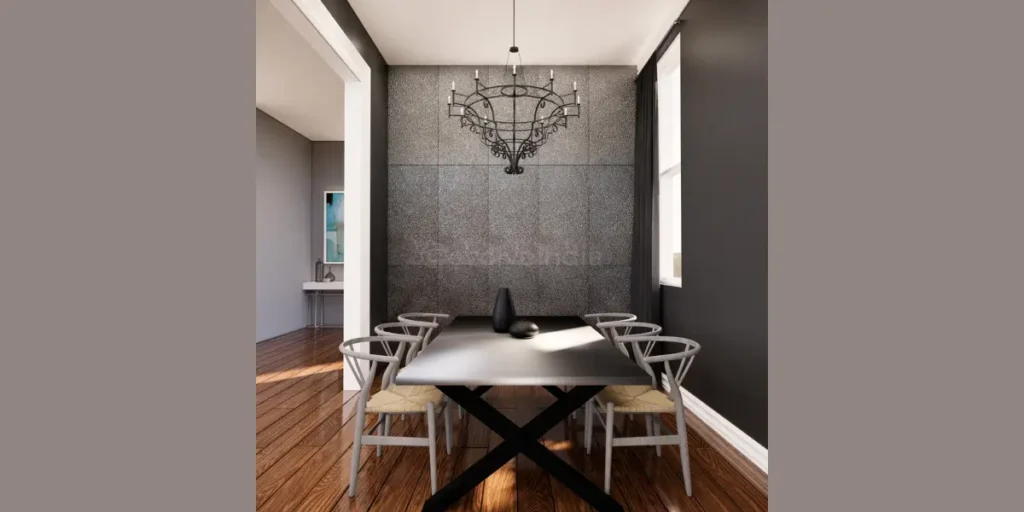
Metallic wallpaper works best when used strategically. I often apply it to one dining wall to introduce controlled brilliance.
Subtle metallic finishes reflect light gently, which enhances brightness and dimension. This creates a focal point without making the room feel flashy or overwhelming.
Accent metallic wallpaper adds sophistication. It supports dining rooms meant for entertaining, where lighting and ambiance matter most. Balanced correctly, it delivers elegance without excess.
9. Minimalist Wallpaper with Soft Patterns

Minimalist wallpaper supports dining rooms that rely on simplicity. I use it when clean design and calm visuals are priorities.
Soft patterns add texture without demanding attention. This allows the dining room to feel finished while remaining visually quiet. Meals feel more relaxed in such environments.
Minimalist wallpaper also complements modern layouts. It maintains clarity and balance, helping the dining room feel intentional rather than bare. This makes it ideal for everyday dining spaces.
10. Vintage-Inspired Wallpaper for Character
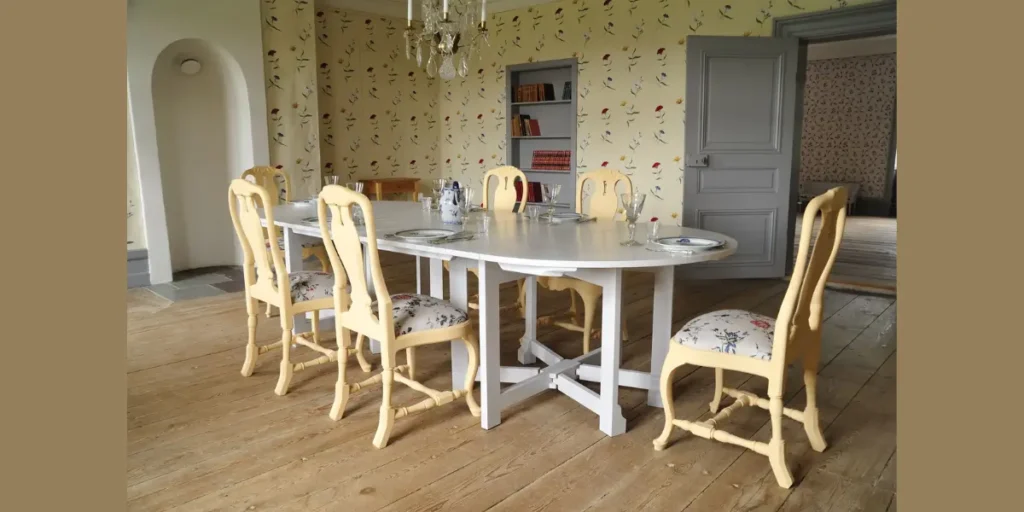
Vintage wallpaper brings personality and history into dining rooms. I use this style when a space needs depth and charm.
Classic patterns add richness without chaos. They create warmth and familiarity, which enhances the dining experience during long meals or gatherings.
Vintage designs also anchor the room emotionally. They make dining spaces feel lived-in and meaningful rather than staged. When chosen carefully, vintage wallpaper remains elegant and timeless.
11. Abstract Art Wallpaper for a Statement Dining Room
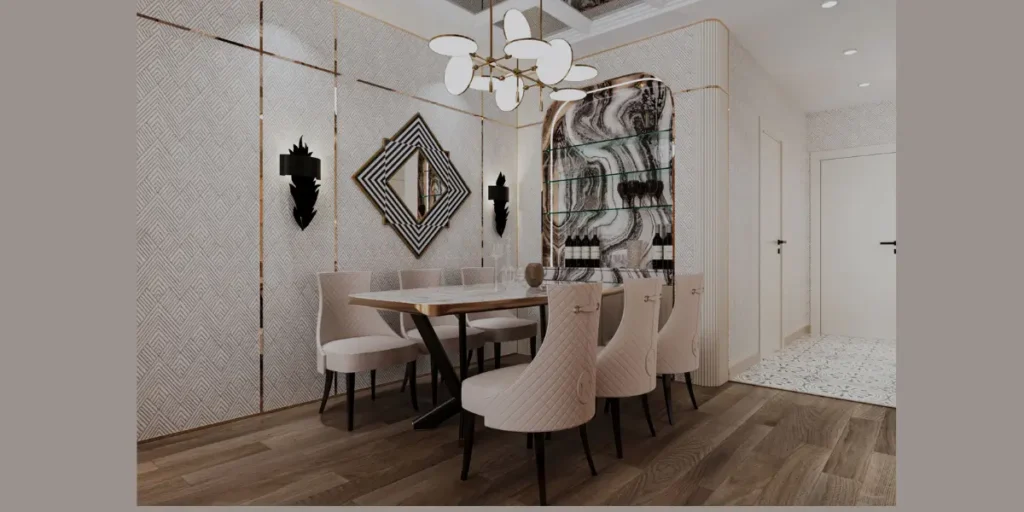
Abstract wallpaper works well when the dining room needs a strong visual identity. I use this style to introduce creativity without relying on furniture or accessories. The wall itself becomes the statement.
Abstract patterns guide attention through color movement and form rather than clear shapes. This keeps the space dynamic but not chaotic. Dining rooms feel expressive while still remaining functional.
From experience, abstract wallpaper suits modern lifestyles. It allows personal interpretation and doesn’t feel restrictive. When balanced with simple layouts, it elevates the dining room without overwhelming daily use.
12. Monochrome Black and White Wallpaper
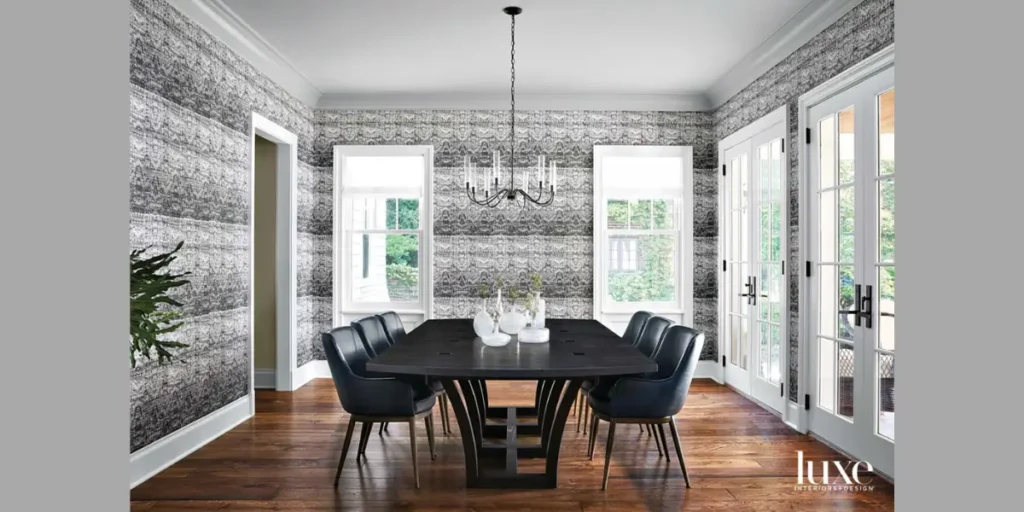
Black and white wallpaper creates clarity and contrast in dining rooms. I often choose this approach when a space needs structure and definition.
The absence of color forces attention onto pattern and proportion. This keeps the dining room visually sharp and controlled. Meals feel focused rather than distracted.
Monochrome wallpaper also offers flexibility. The dining room can evolve with lighting or furniture changes while the wallpaper remains relevant. This timeless quality makes it a dependable design choice.
13. Nature Landscape Wallpaper for Visual Expansion
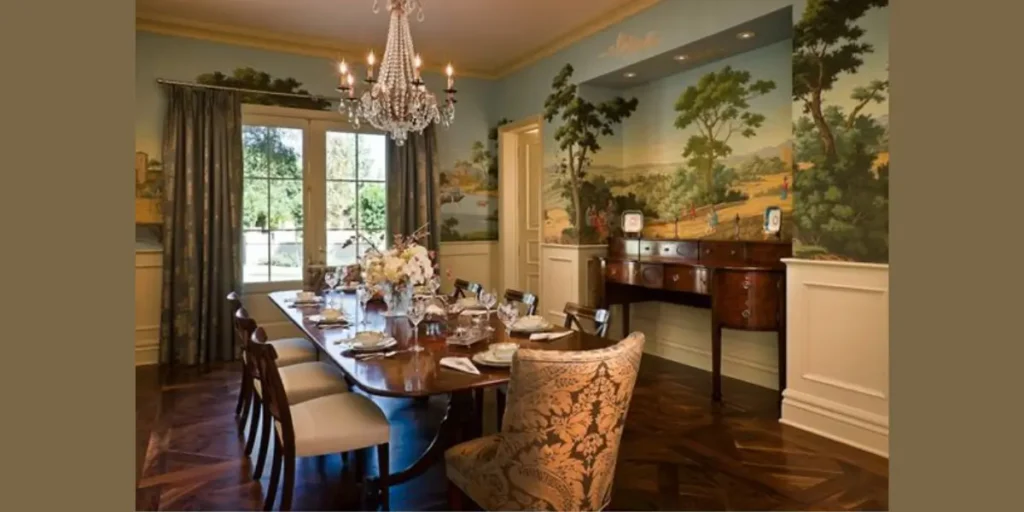
Landscape wallpaper helps dining rooms feel more open. I use it when a room lacks depth or natural views.
Scenic imagery draws the eye outward, creating the illusion of extended space. This makes dining rooms feel lighter and less enclosed, especially in urban homes.
Nature-based visuals also improve mood. They create a calm backdrop that supports relaxed dining. When applied thoughtfully, landscape wallpaper enhances comfort without dominating the room.
14. Fabric-Effect Wallpaper for Warmth and Comfort
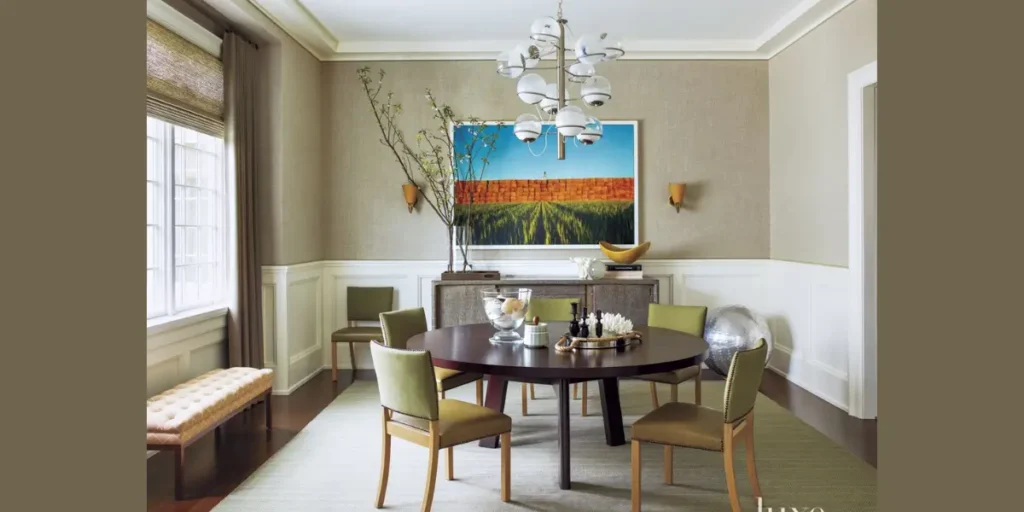
Fabric-effect wallpaper adds softness where painted walls feel too flat. I recommend it for dining rooms that need warmth without strong patterns.
The subtle textile texture absorbs light gently. This creates a cozy atmosphere that feels welcoming during long meals and gatherings.
Fabric-inspired wallpaper also adds quiet luxury. It doesn’t shout for attention but improves the room’s overall comfort. This makes it ideal for dining rooms used frequently.
15. Single-Wall Accent Wallpaper in the Dining Room
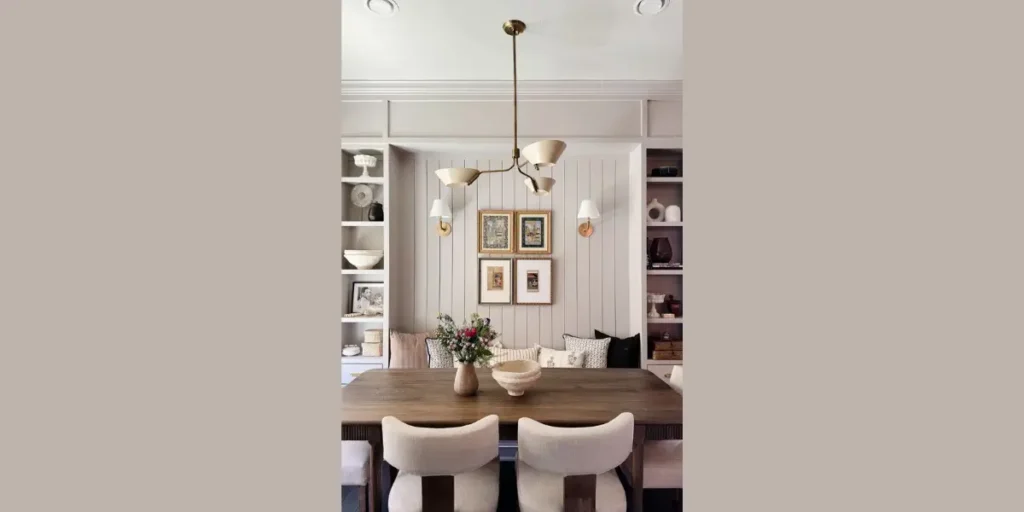
Accent wallpaper works best when restraint matters. I often apply wallpaper to one dining wall to define the space clearly.
This approach keeps the room balanced. The feature wall adds interest while the remaining walls maintain openness and simplicity.
Accent wallpaper also allows experimentation. It introduces pattern and color without committing to the entire room. This flexibility makes it one of the safest yet most effective wallpaper strategies.
How Wallpaper Choice Influences Dining Room Mood and Space Perception
When I choose wallpaper for a dining room, I always think about how it will affect the room’s mood and perceived size.
Colors, patterns, and textures all interact with light and influence how open or intimate the space feels. A light, subtle wallpaper can make a dining room feel airy, while darker or layered patterns create depth and warmth.
Wallpaper also guides visual focus. Large patterns make a bold statement, while fine textures keep the room calm and balanced. When the wallpaper aligns with the room’s proportions and lighting, it enhances comfort and makes dining feel more intentional and enjoyable.
FAQs
The best wallpaper depends on how the dining room is used. I usually recommend textured neutrals or soft patterns for everyday dining because they stay comfortable over time. Bold wallpapers work well when the dining room is used mainly for gatherings or special occasions.
Both options work, but the choice depends on room size and light. I often prefer one accent wall in smaller dining rooms to avoid visual overload. Full-wall wallpaper suits larger rooms where balance and spacing are easier to control.
Yes, dark wallpapers can work beautifully in dining rooms when lighting is planned correctly. They create an intimate and cozy atmosphere, especially for evening dining. I avoid them only in rooms with very limited light.
For small dining rooms, I focus on lighter colors, subtle textures, or vertical patterns. These options help the room feel taller and more open. Avoid oversized patterns that can make the space feel crowded.
Wallpaper offers more depth and character than paint. While paint keeps things simple, wallpaper adds texture and personality without changing the room’s structure. I often recommend wallpaper when a dining room feels flat or unfinished.
Related Post
- Top 10 Dining Room Chandelier Ideas
- 12 Best Dining Room Layout Ideas
- 9 Best Dining Room Furniture Ideas
- 11 Best Dining Room Lighting Ideas
- 10 Best Dining Room Wall Decor Ideas
- 12 Famous Dining Room Table Ideas
Conclusion
Dining room wallpaper has the power to redefine a space without changing its structure. From my experience, the right wallpaper choice shapes how the room feels, how spacious it appears, and how comfortable dining becomes over time.
Whether the goal is calm elegance, visual depth, or a strong statement wall, wallpaper offers flexibility that paint alone cannot achieve.
When patterns, colors, and textures align with lighting and room proportions, the dining room feels intentional rather than styled. A thoughtful wallpaper choice doesn’t just decorate the walls—it quietly enhances every meal and gathering.