
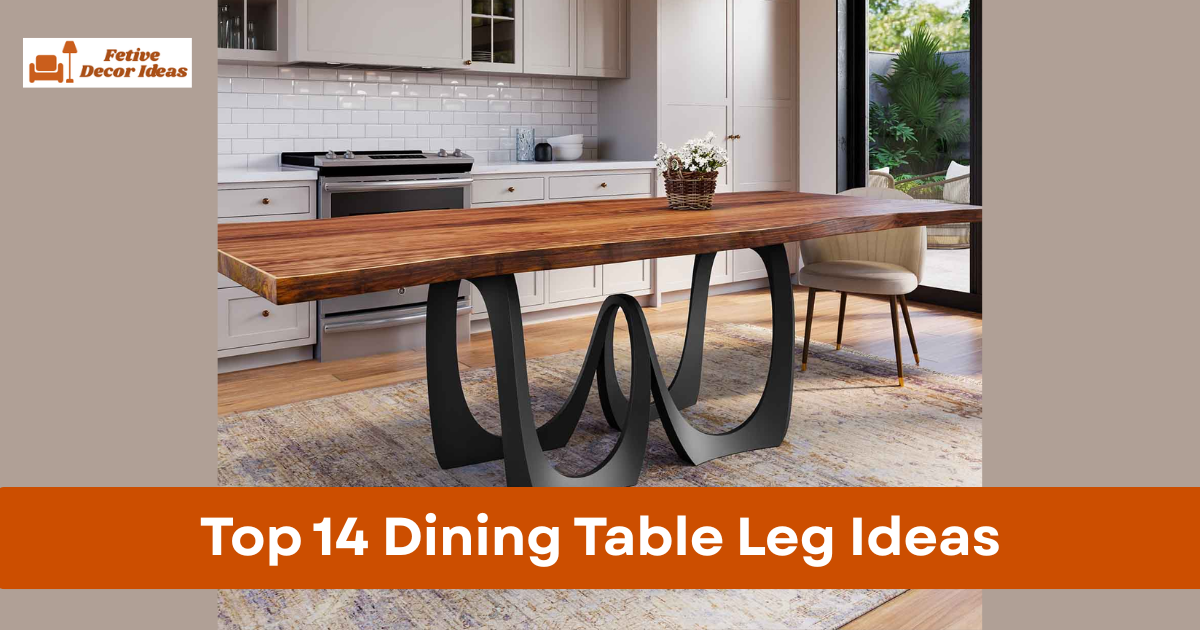
Dining table leg ideas help define the style, strength, and functionality of a dining table. When I design or choose a dining table, the leg structure always shapes the entire look. The right leg design improves stability, seating comfort, and the overall interior style.
Many homeowners search for dining table leg ideas when building a custom table or upgrading an old one. Different leg styles support different table sizes and interior themes. In this guide, I share practical and stylish dining table leg ideas that work well in real homes.
Why Dining Table Leg Design Matters
Dining table legs influence both structure and comfort. A well-designed leg base supports heavy tabletops while allowing enough space for chairs.
When I choose table legs, I always consider durability, material, and room layout. The right leg style balances design and usability without blocking seating space.
Now, let us look at practical and popular dining table leg ideas that work for modern homes, rustic interiors, and custom furniture projects.
1. Hairpin Dining Table Legs
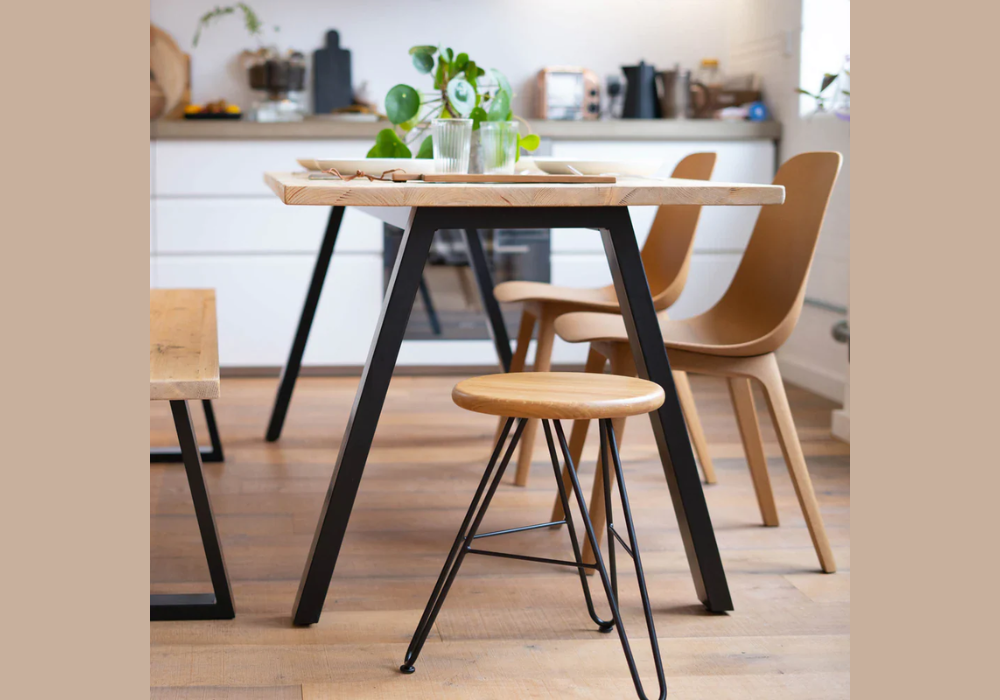
Hairpin dining table legs create a clean and modern look. Many homeowners choose this design because thin metal rods give the table a light and stylish appearance.
I often recommend hairpin legs for small dining spaces because they keep the table visually open. The slim structure allows more light and makes compact rooms feel less crowded.
Hairpin legs also work well with wooden tabletops. This combination mixes warm wood textures with metal structure, which fits modern and minimalist interiors.
2. Trestle Dining Table Legs
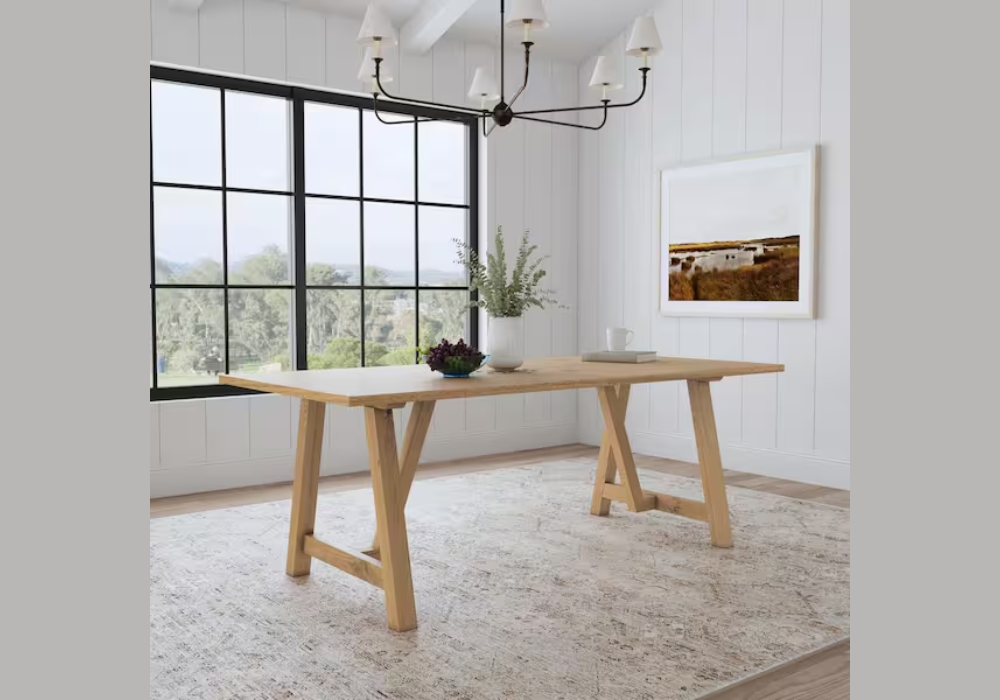
Trestle dining table legs provide strong support for large dining tables. This design uses two wide bases connected by a horizontal beam for stability.
I like trestle legs because they distribute weight evenly across the table. Heavy wood or stone tabletops remain stable without wobbling.
Trestle bases also give dining tables a classic farmhouse look. Many rustic and traditional interiors use this style to create a warm and welcoming dining area.
3. Pedestal Dining Table Base
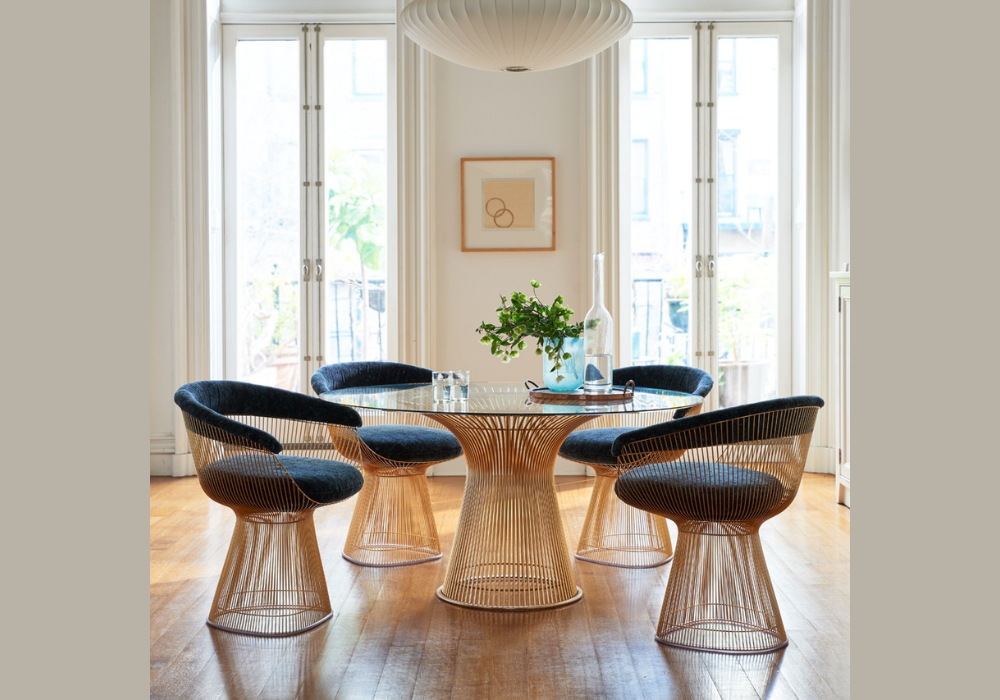
Pedestal dining table legs use a central support instead of four corner legs. This design improves seating flexibility and allows chairs to move freely around the table.
When I arrange a dining room with limited space, pedestal bases help maximize legroom. Guests sit comfortably without bumping into table legs.
Pedestal bases often appear in round dining tables. The balanced center support creates a clean and elegant dining layout.
4. X-Shaped Dining Table Legs
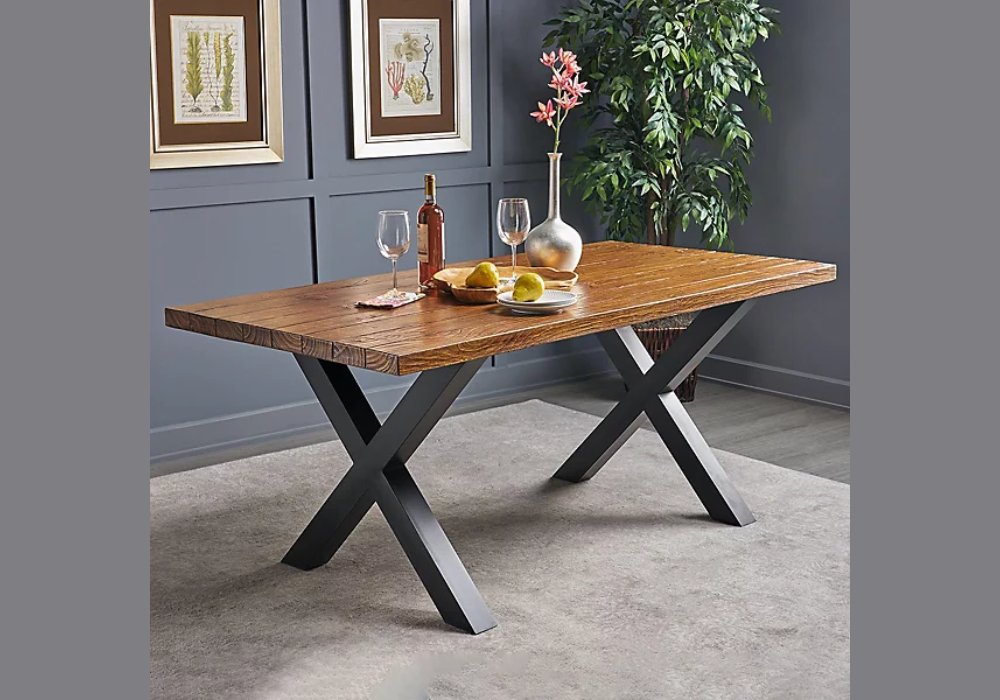
X-shaped dining table legs create a bold structural design. Two crossing supports form an X pattern that strengthens the table frame.
I prefer this style for rustic or industrial dining tables. The crossing beams add visual strength and give the furniture a handcrafted appearance.
X-shaped legs also support heavy wooden tabletops very well. This design works best for rectangular dining tables used by larger families.
5. U-Shaped Metal Table Legs
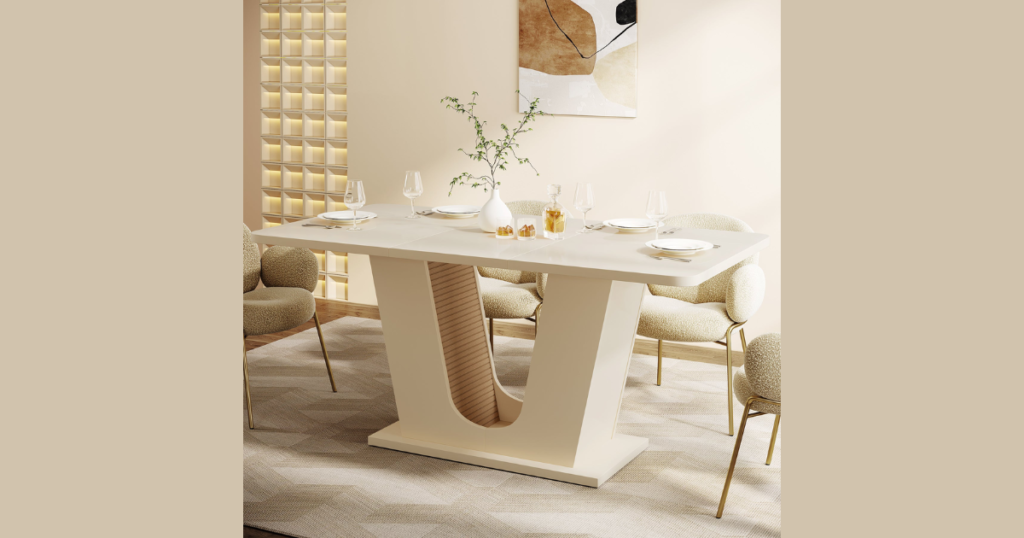
U-shaped dining table legs offer a sleek and modern appearance. Thick metal frames create a strong rectangular support for the tabletop.
Many modern dining rooms use U-shaped legs because they combine durability with simple design. The clean lines match contemporary furniture styles.
I also like this design because chairs slide easily under the table. The open structure improves seating comfort during long meals.
6. A-Frame Dining Table Legs
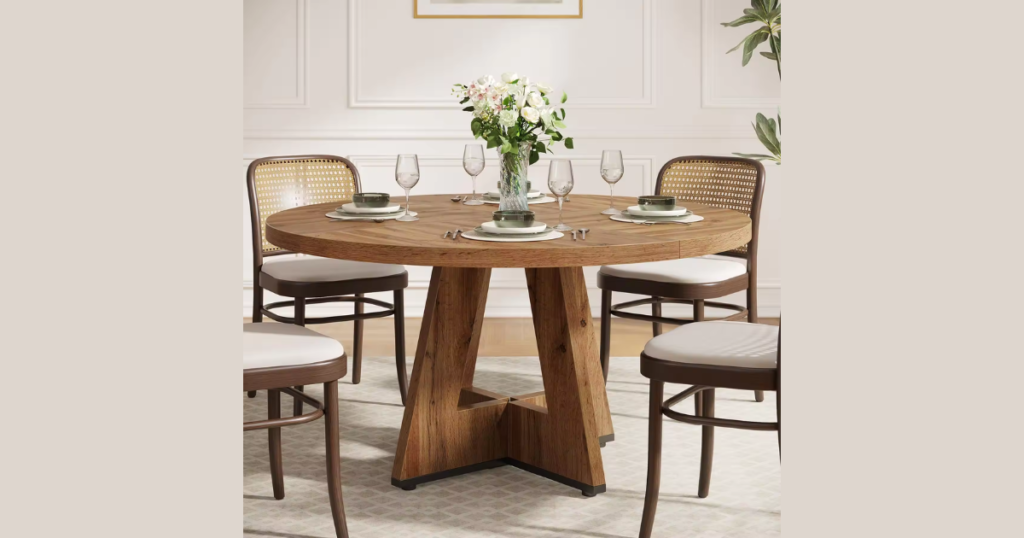
A-frame dining table legs create a triangular structure that increases stability. Two angled supports connect at the tabletop to form a strong base.
This design works well for farmhouse and rustic interiors. The angled structure gives the table a handcrafted and sturdy appearance.
I often recommend A-frame legs for large wooden dining tables. The wide base supports heavy surfaces while maintaining visual balance.
7. Turned Wood Dining Table Legs
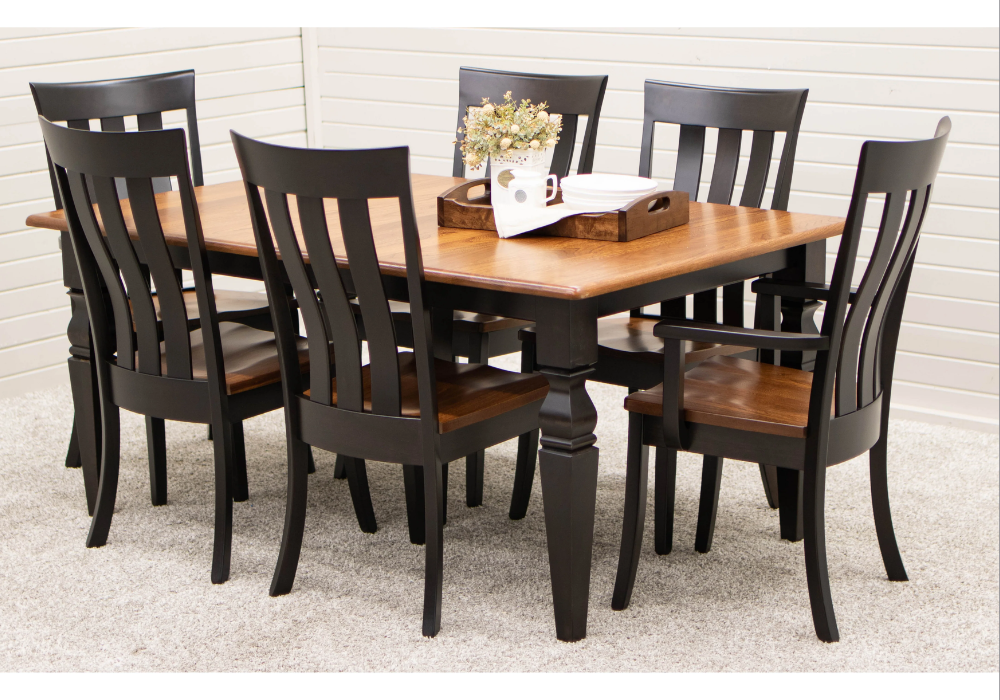
Turned wood dining table legs add decorative detail to traditional dining tables. Skilled woodworkers shape these legs using a wood lathe.
Many classic dining tables use turned legs to add elegance. The carved patterns create a refined appearance that suits formal dining rooms.
I personally like turned legs for vintage furniture styles. They pair well with solid oak or walnut tabletops for a timeless design.
8. Square Block Dining Table Legs
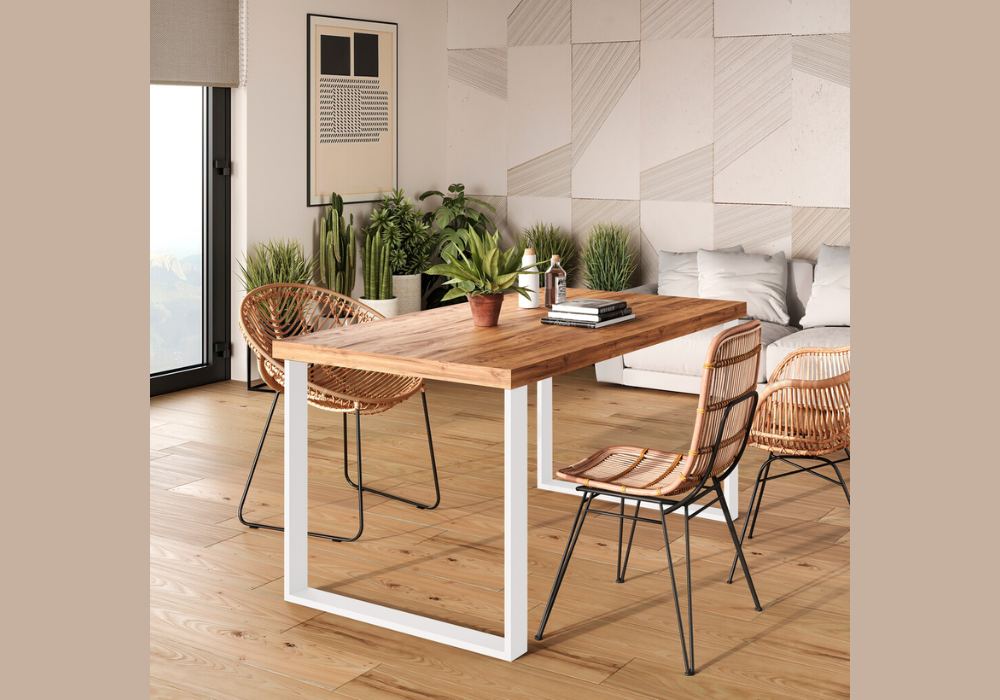
Square block dining table legs create a strong and simple foundation. Thick wooden blocks support the tabletop while maintaining a clean and balanced appearance.
I often see this design used in modern farmhouse tables. The thick square structure makes the table look sturdy and durable for daily dining.
Square legs also work well with heavy wooden tabletops. The straight design fits both modern dining rooms and rustic interior styles.
9. Industrial Pipe Table Legs
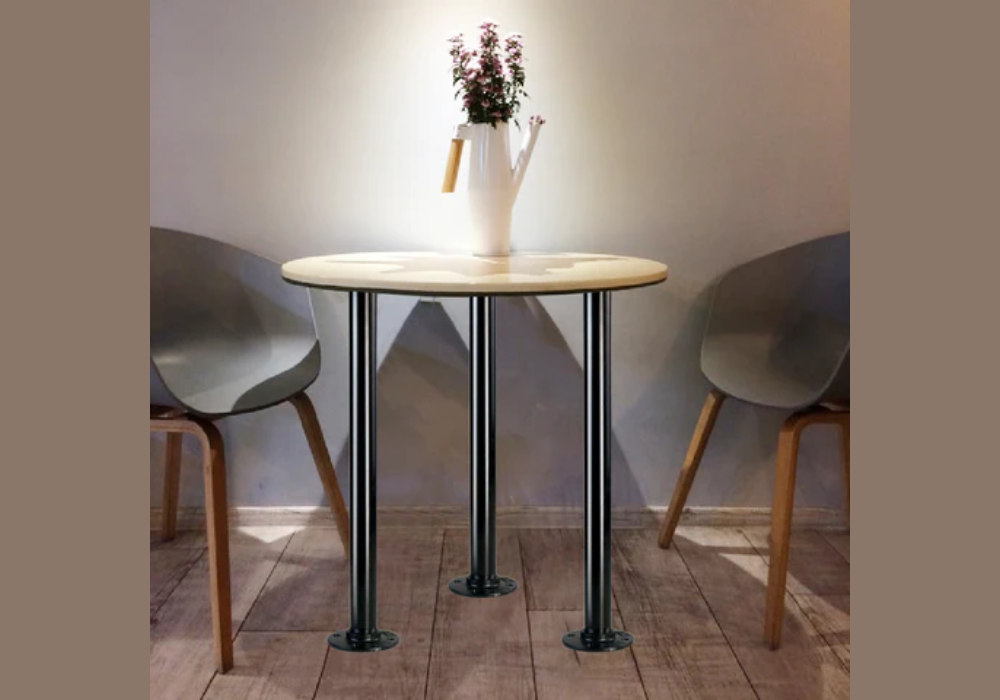
Industrial pipe table legs give dining tables a raw and mechanical appearance. Black steel pipes create a strong base that supports large wooden tabletops.
Many people like pipe legs because they bring an industrial character to the dining room. The metal texture pairs well with reclaimed wood surfaces.
I have seen DIY builders use pipe legs frequently because they are easy to install. This design works well for loft apartments and modern industrial interiors.
10. Geometric Metal Dining Table Legs
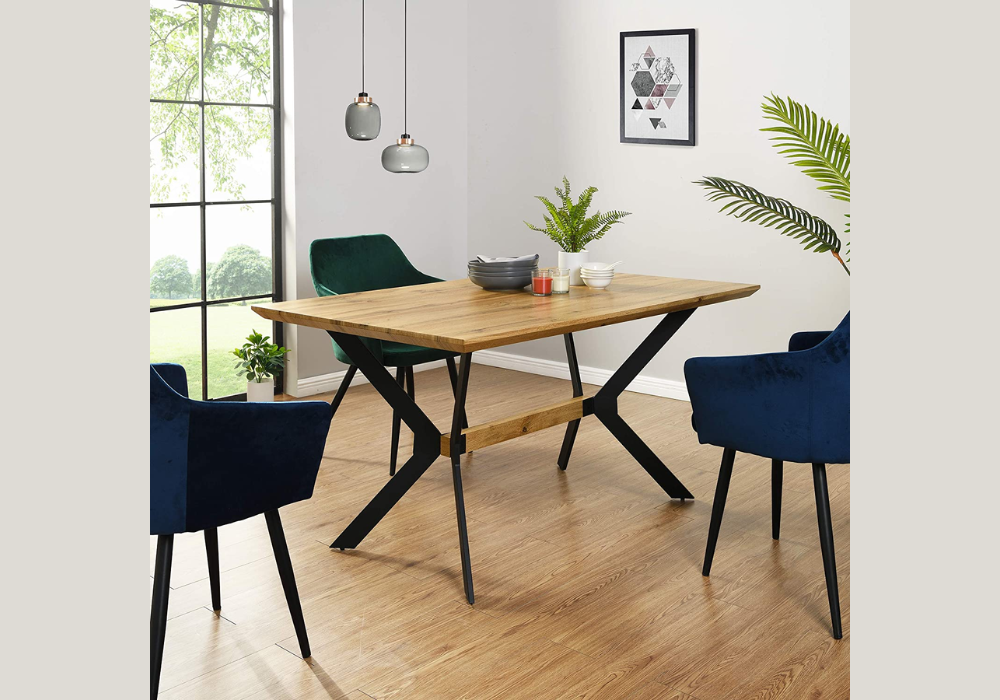
Geometric metal dining table legs add artistic structure to dining furniture. The metal frame forms angular patterns that create visual interest.
I like this style because it turns the dining table into a design centerpiece. The geometric shape gives a modern and architectural appearance.
These legs usually appear in contemporary dining spaces. Metal geometry pairs well with marble, glass, or polished wooden tabletops.
11. Cabriole Dining Table Legs
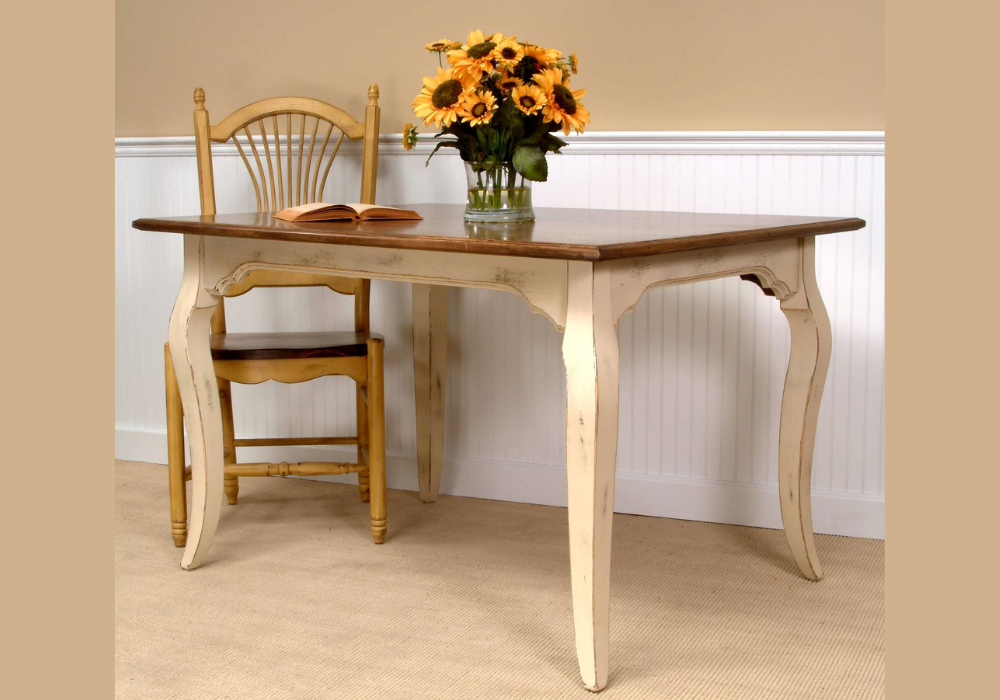
Cabriole dining table legs bring elegance to traditional furniture. The curved shape creates a graceful appearance that suits classic interiors.
Many antique dining tables use cabriole legs for decorative style. The curved design adds character without making the table look heavy.
I often suggest cabriole legs for formal dining rooms. They complement carved wood tabletops and traditional dining chairs.
12. Double Pedestal Dining Table Base
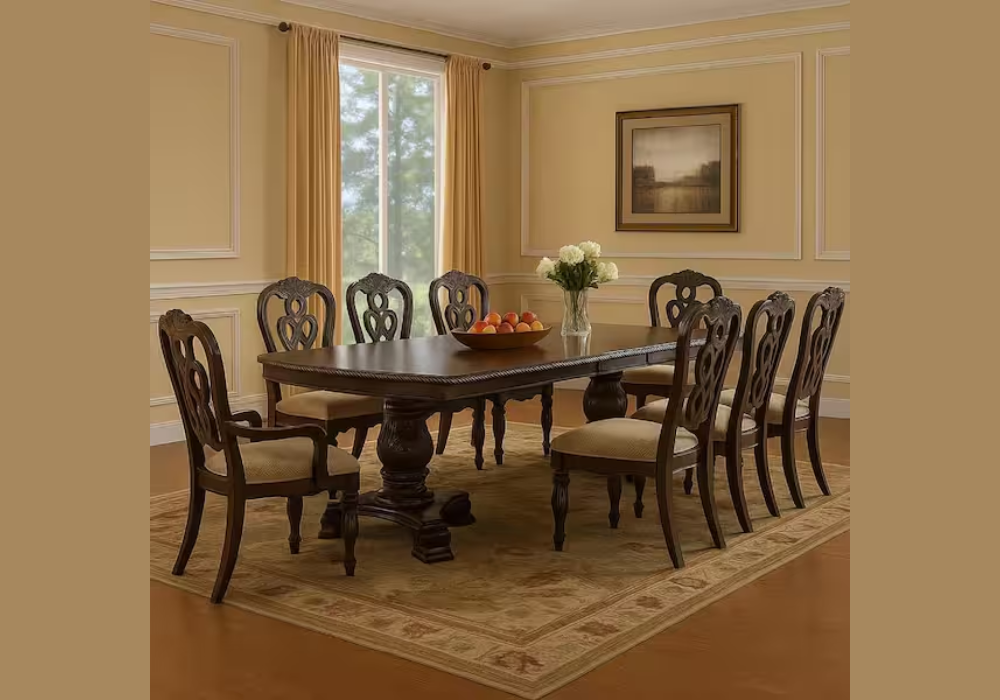
Double pedestal dining table legs provide strong support for long tables. Two central bases distribute weight across the entire tabletop.
This design improves seating comfort because chairs can move freely along the sides. Guests do not bump into corner legs.
Double pedestal tables also create a balanced and symmetrical dining layout. Many luxury dining rooms use this structure for large tables.
13. Metal Trapezoid Dining Table Legs
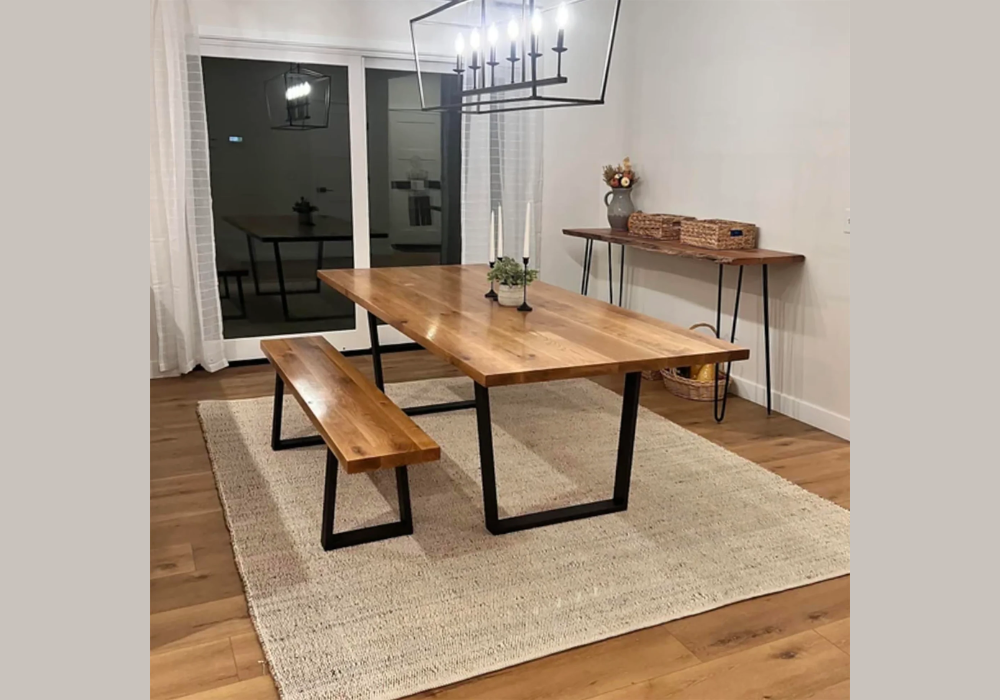
Metal trapezoid dining table legs offer a modern and minimal design. The angled metal frame creates a wide base that supports heavy tabletops.
I like this design because it combines stability with a sleek profile. The trapezoid shape keeps the table strong without looking bulky.
These legs work well in modern dining rooms. Black or matte metal finishes complement wooden tabletops very well.
14. Live Edge Slab Support Legs
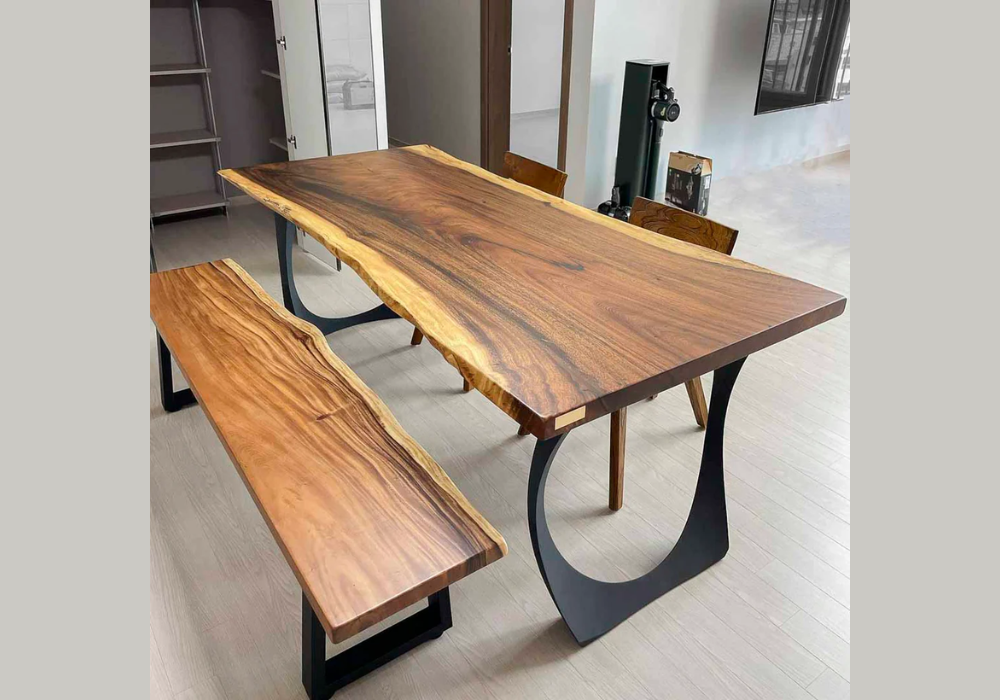
Live-edge slab dining table legs support natural wood tables. Designers often combine metal or wooden legs with raw-edge tabletops.
This design highlights the natural grain and shape of the wood. The legs stay simple, so the live edge surface remains the focal point.
I recommend this design for nature-inspired interiors. Live-edge tables bring warmth and organic texture to the dining area.
Comparison Table of Popular Dining Table Leg Ideas
| Leg Style | Best For | Material | Style Type |
|---|---|---|---|
| Hairpin Legs | Small tables | Metal | Modern |
| Trestle Legs | Large tables | Wood | Farmhouse |
| Pedestal Base | Round tables | Wood / Metal | Classic |
| U-Shaped Legs | Modern tables | Steel | Contemporary |
| A-Frame Legs | Heavy wood tables | Wood | Rustic |
| Industrial Pipe Legs | DIY tables | Steel | Industrial |
| Geometric Legs | Designer tables | Metal | Modern |
Conclusion
Dining table leg ideas shape both the strength and appearance of a dining table. The right leg design keeps the table stable while matching the style of the dining room.
I usually focus on three things when choosing dining table legs. Strong structure, enough seating space, and a style that matches the interior.
Hairpin legs suit modern spaces, while trestle or A-frame bases support larger farmhouse tables. By choosing the right leg structure, you can create a dining table that looks good and lasts for years.
FAQs
Trestle legs, A-frame legs, and metal U-shaped legs provide strong structural support. These designs distribute weight evenly and work well with heavy tabletops.
Pedestal and double pedestal bases provide the most seating space. These designs remove corner legs so chairs can move freely around the table.
Metal legs usually offer higher durability and a modern appearance. Wooden legs provide a warmer and more traditional look, depending on the interior style.
Hairpin legs and pedestal bases work well in small spaces. These designs keep the table visually light and improve chair movement.
Yes, many dining table legs can be replaced with simple mounting plates. Many homeowners upgrade table legs to refresh the look of old tables.
Steel and solid hardwood are the most reliable materials. These materials provide durability while supporting heavy dining tabletops.