
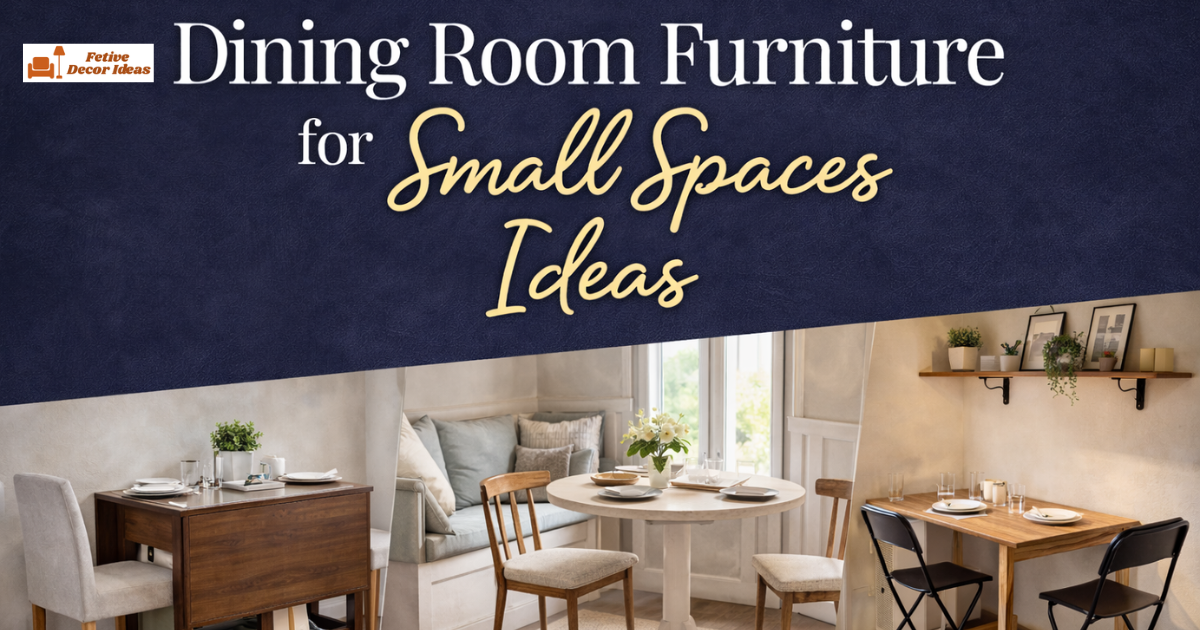
Dining room furniture for small spaces should focus on functionality, smart sizing, and flexibility without sacrificing style. I always recommend choosing compact pieces that serve multiple purposes because space efficiency matters most in small homes. These ideas will help you create a comfortable dining area even in limited square footage.
Why Choosing the Right Furniture Matters in Small Dining Areas
The right furniture makes a small dining room feel organized because oversized pieces can quickly overwhelm the space. I prefer furniture with slim profiles and lightweight designs to maintain openness. Smart selection improves both comfort and movement.
Multifunction furniture also adds value because it provides storage or flexibility without needing extra space. I often suggest prioritizing function over decoration in small rooms. Practical choices create better long-term satisfaction.
1. Round Dining Table for Easy Movement
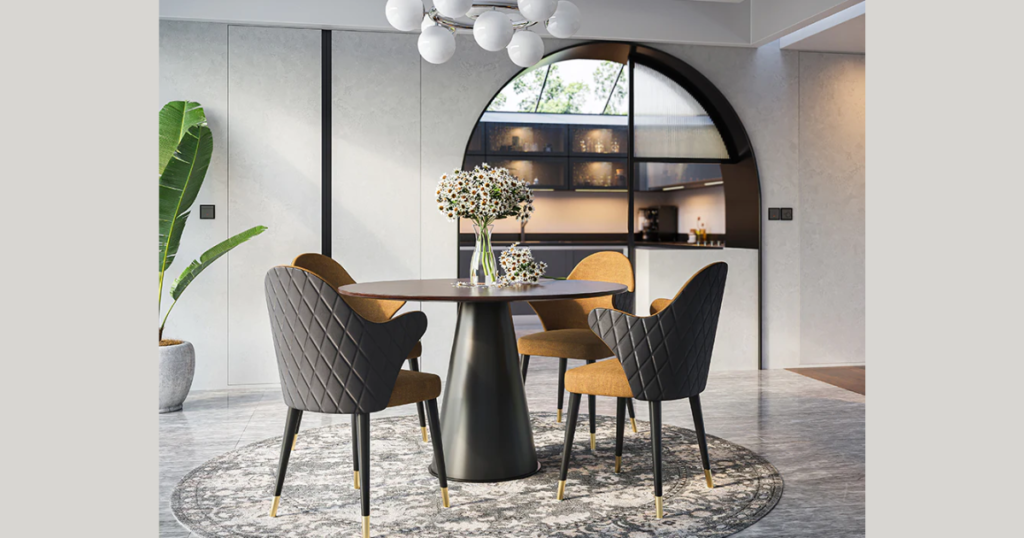
A round dining table works well in small spaces because it eliminates sharp corners and improves movement around the room. I often recommend this shape for apartments or compact dining areas where flow matters. The curved edges create a softer visual look.
Pedestal base round tables provide more legroom compared to four-leg designs, which improves comfort. I personally prefer light wood or glass tops to keep the space visually open. Material choice affects perception of size.
This table style works best with two to four chairs depending on diameter size. Proper measurement ensures the table does not overcrowd the room. Round tables create a balanced layout.
2. Drop Leaf Dining Table for Flexible Space
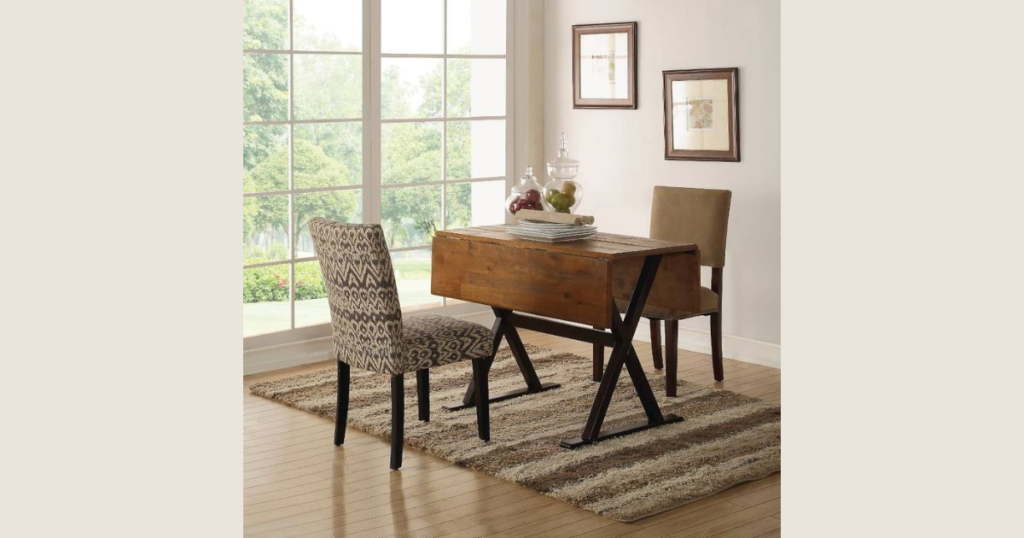
A drop leaf dining table saves space because you can fold the sides when not in use. I love this option since it adapts easily for daily meals or guests. Flexibility makes it practical for small homes.
When fully extended, the table can seat more people without permanently occupying space. I usually suggest placing it against a wall when folded. This arrangement maximizes floor area.
Wood or painted finishes work well depending on decor style preferences. Lightweight designs make repositioning easier. Drop leaf tables remain one of the smartest small space solutions.
3. Wall Mounted Folding Dining Table
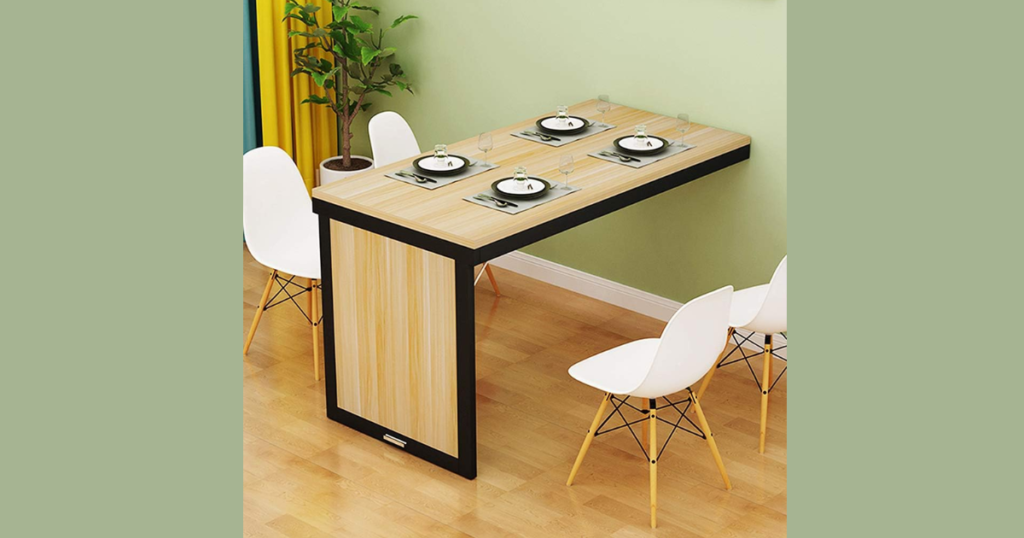
A wall mounted folding table creates dining space without using floor area when not needed. I often recommend this solution for studio apartments or very compact kitchens. Functionality remains the biggest advantage.
When folded down, the table provides enough surface for meals or work tasks. I personally like designs with built-in storage shelves for extra convenience. Multipurpose furniture adds value.
Proper wall installation ensures safety and durability during use. This option works best for two-person dining setups. Space-saving efficiency makes it highly practical.
4. Bench Seating with Storage
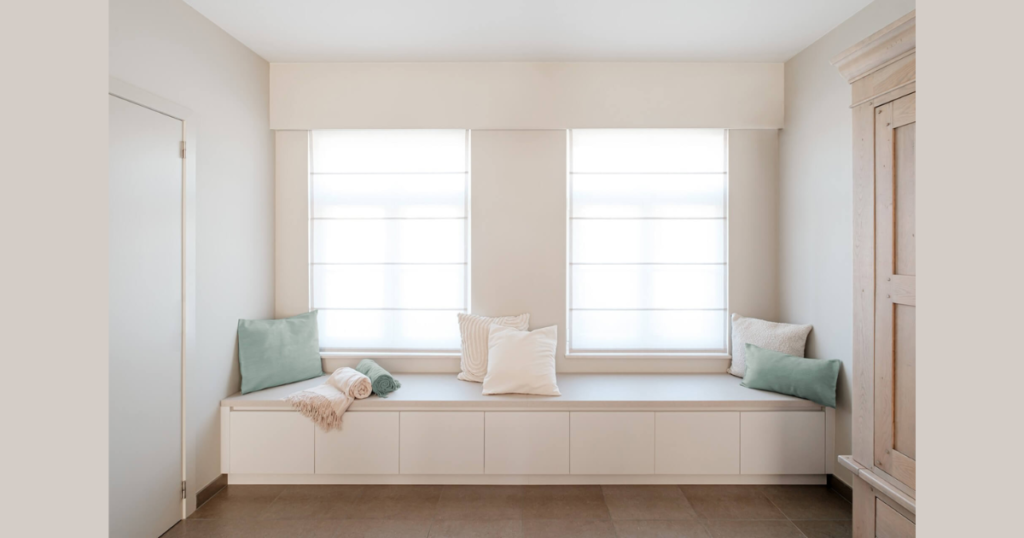
Bench seating with storage maximizes functionality because it provides seating and hidden storage together. I always suggest benches for small dining areas since they reduce chair clutter. Clean layouts improve visual space.
Storage compartments inside benches can hold linens, kitchen tools, or seasonal items. I personally prefer cushioned tops for comfort during meals. Comfort remains important.
Benches can slide under the table when not in use to free floor space. This flexibility improves movement around the room. Storage benches offer smart organization.
5. Extendable Dining Table for Small Homes
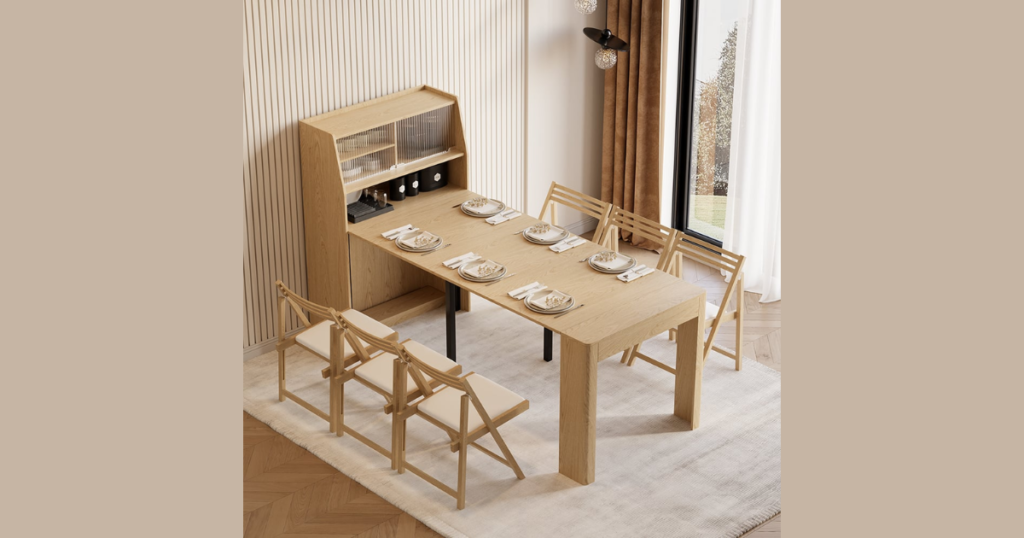
An extendable dining table offers flexibility because it expands only when needed for guests. I recommend this option for homeowners who entertain occasionally but have limited daily space. Adjustable size solves common problems.
Compact designs remain small during everyday use, which prevents overcrowding. I often suggest rectangular extendable tables for versatility. Shape affects seating capacity.
Modern extension mechanisms are easy to operate without heavy effort. Choosing durable materials ensures long-term use. Extendable tables combine practicality and convenience.
6. Narrow Rectangular Table for Tight Spaces
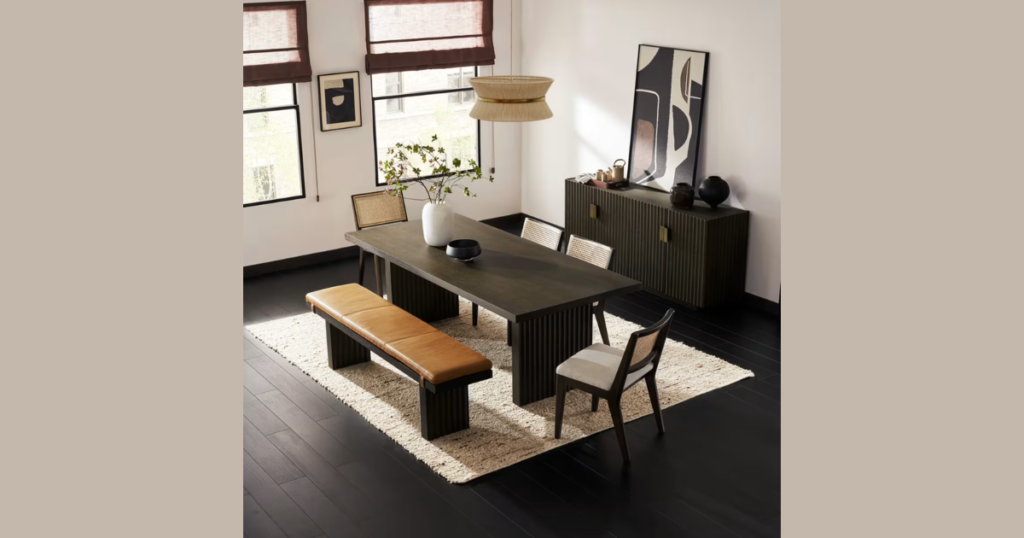
A narrow rectangular table fits well in small dining rooms because slim dimensions reduce visual bulk. I usually recommend this option for rooms with limited width. Proportion matters greatly.
Placing the table against a wall or window saves additional space while maintaining function. I personally prefer light colors to enhance openness. Placement improves usability.
This table style works best with armless chairs or benches to maintain compactness. Proper spacing ensures comfortable seating. Narrow tables support efficient layouts.
7. Stackable Dining Chairs for Flexibility
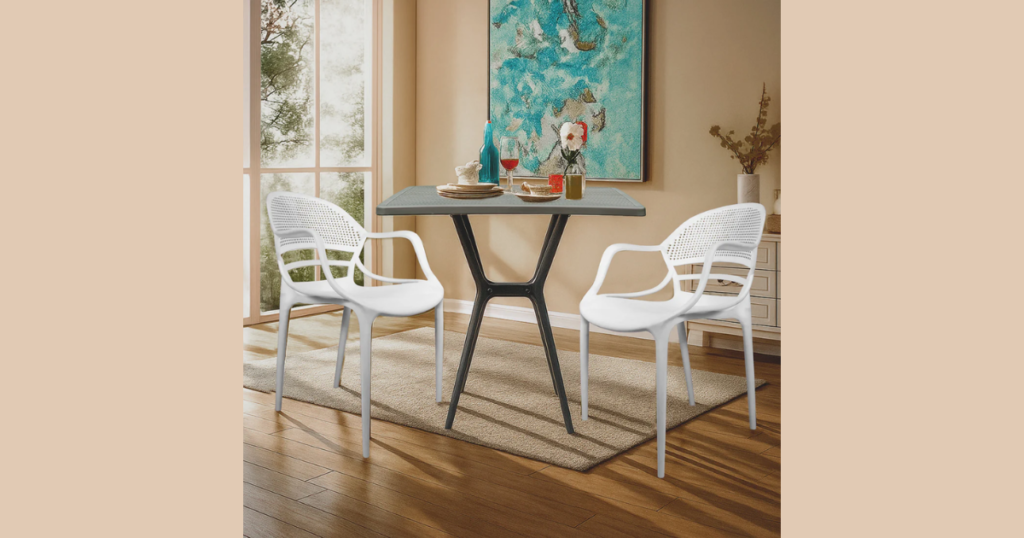
Stackable dining chairs save space because you can store extra chairs when not needed. I like this solution for small homes where occasional guests require additional seating. Flexibility improves functionality.
Lightweight materials such as metal or molded plastic make stacking easier and safer. I often recommend neutral colors for versatility. Simple designs work best.
When stored neatly, stackable chairs reduce clutter and maintain a clean look. This approach improves room organization significantly. Space efficiency remains the main advantage.
8. Corner Dining Set for Maximum Space Use
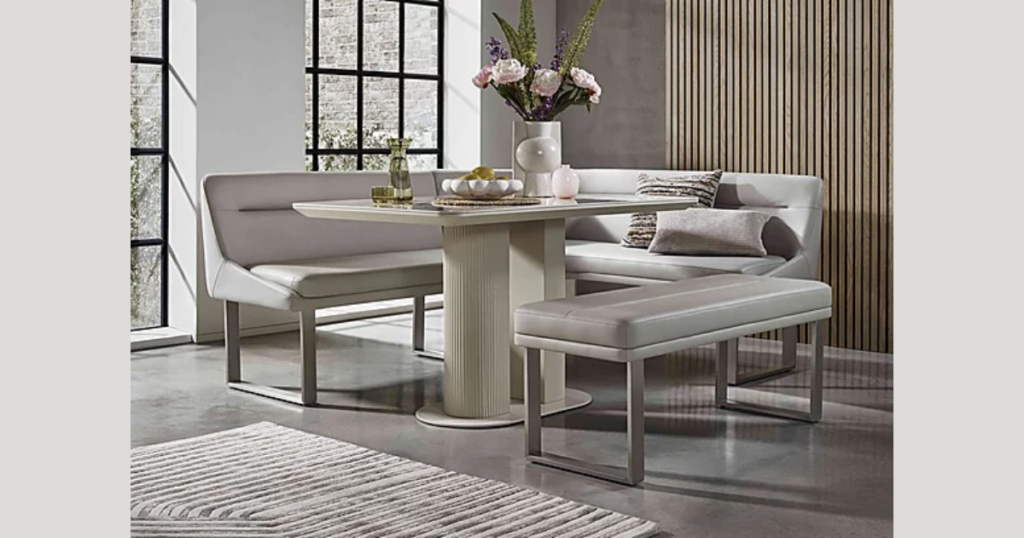
A corner dining set utilizes unused space because corners often remain empty in small rooms. I recommend this layout for square dining areas or kitchens with limited floor space. Smart placement improves efficiency.
Built-in corner benches create more seating compared to individual chairs while saving room. I personally prefer designs with cushions for comfort. Comfort encourages daily use.
Corner furniture defines the dining zone clearly without needing large furniture pieces. This setup works well for families or couples. Space optimization becomes easier
9. Bar Height Dining Table for Compact Areas
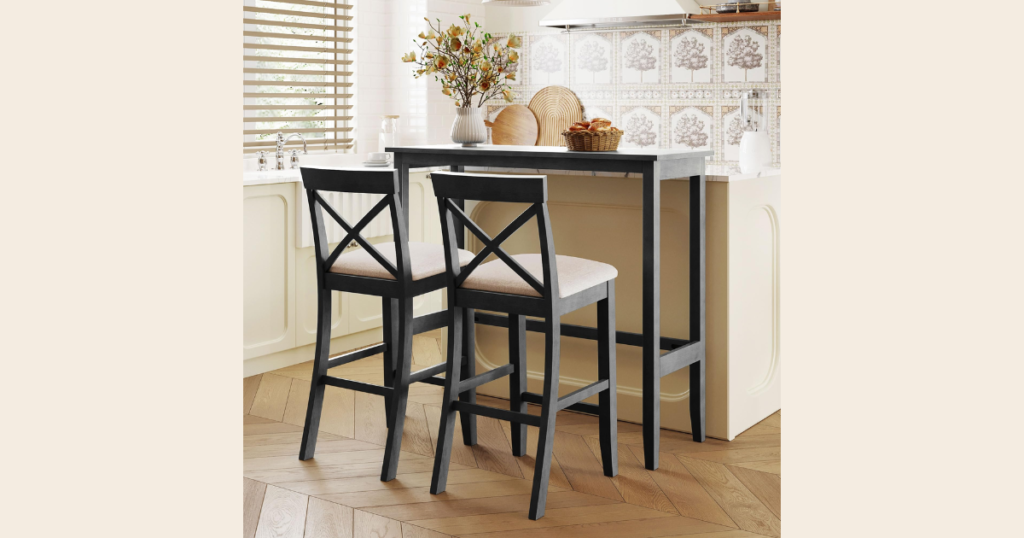
A bar height dining table works well in small spaces because its vertical design creates an open visual feel. I often recommend this option for apartments or kitchen corners where traditional tables feel bulky. Height adds dimension without taking extra floor space.
Slim bar stools can slide completely under the table when not in use, which saves room. I personally prefer backless stools to maintain a clean layout. Compact seating improves movement around the area.
This setup also works as a multifunction surface for dining, working, or entertaining guests. Choosing lightweight materials makes repositioning easier. Bar tables offer versatility in tight spaces.
10. Foldable Dining Chairs for Easy Storage
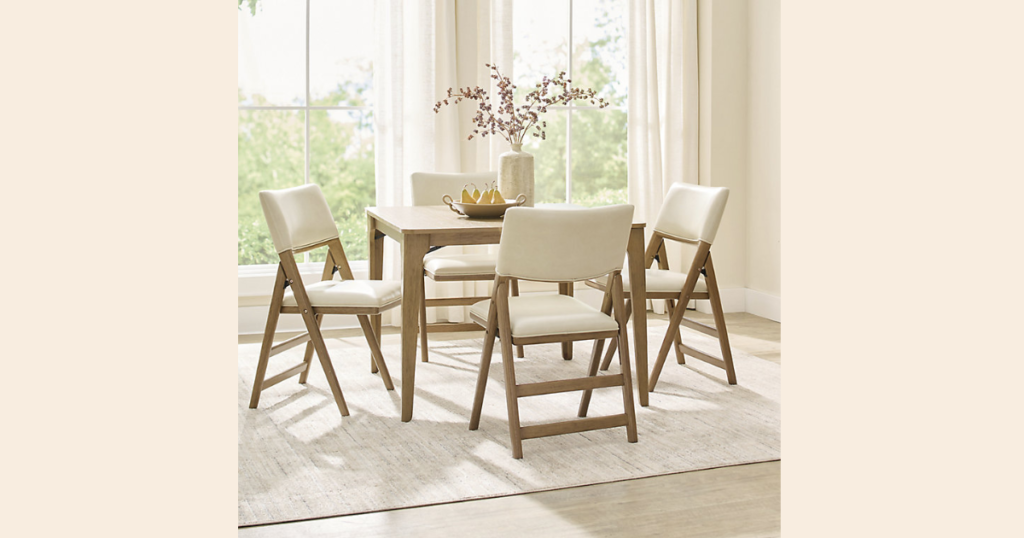
Foldable dining chairs provide flexibility because they can be stored away when not needed. I like this option for homes where seating requirements change frequently. Temporary seating prevents overcrowding.
Wood or metal folding chairs now come in stylish designs that match modern interiors easily. I often suggest padded options for better comfort during meals. Comfort remains important even in small spaces.
Keeping extra chairs folded in closets or behind doors frees valuable floor area. This strategy maintains a clutter free environment. Foldable seating supports practicality.
11. Glass Top Dining Table for Visual Space
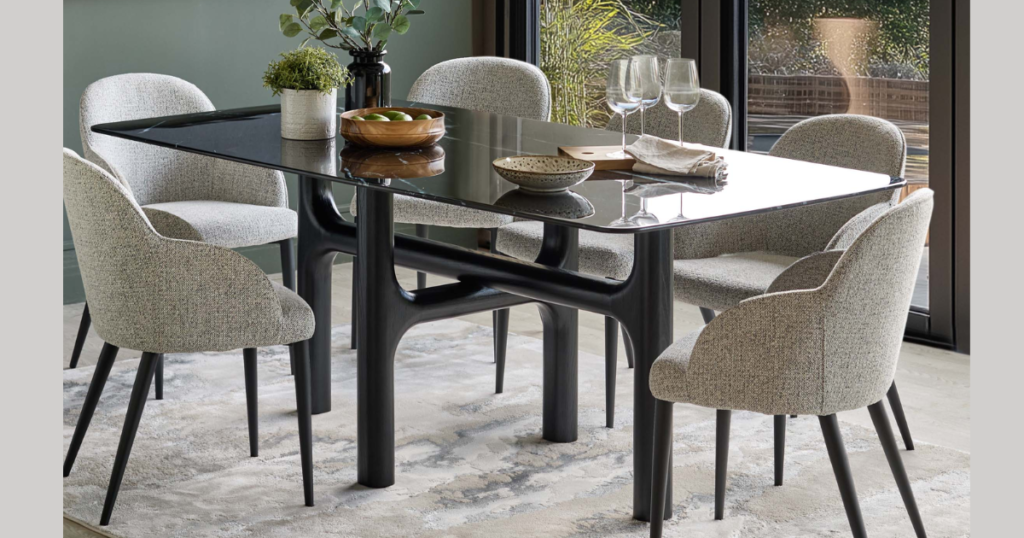
A glass top dining table creates openness because transparency reduces visual heaviness in small rooms. I often recommend glass surfaces for compact dining areas where space feels limited. Light reflection improves brightness.
Slim metal or wooden bases paired with glass tops maintain structural strength while looking lightweight. I personally prefer round glass tables for maximum space efficiency. Material choice affects perception.
This table style works best with minimal chairs to avoid clutter. Proper cleaning keeps the surface attractive and clear. Glass tables enhance visual spaciousness.
12. Built-In Wall Bench Dining Setup
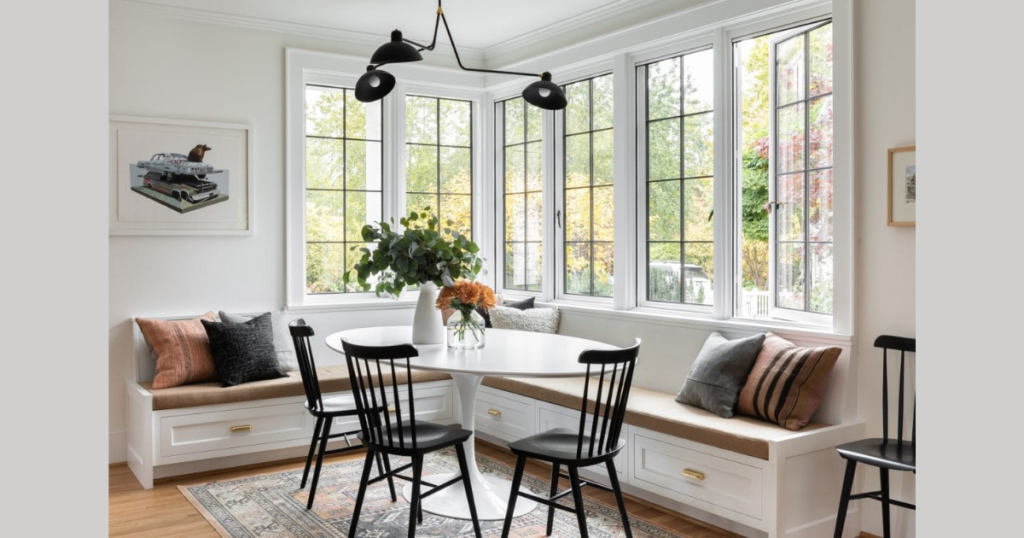
A built-in wall bench dining setup saves space because fixed seating eliminates extra furniture movement. I often suggest this design for small kitchens or dining corners. Permanent solutions improve efficiency.
Adding storage drawers beneath the bench increases functionality without requiring additional cabinets. I personally recommend cushions for comfort and style. Comfort encourages daily use.
This setup defines the dining zone clearly while maximizing seating capacity. Proper measurements ensure ergonomic comfort. Built-in benches offer long-term practicality.
13. Nesting Tables for Flexible Dining
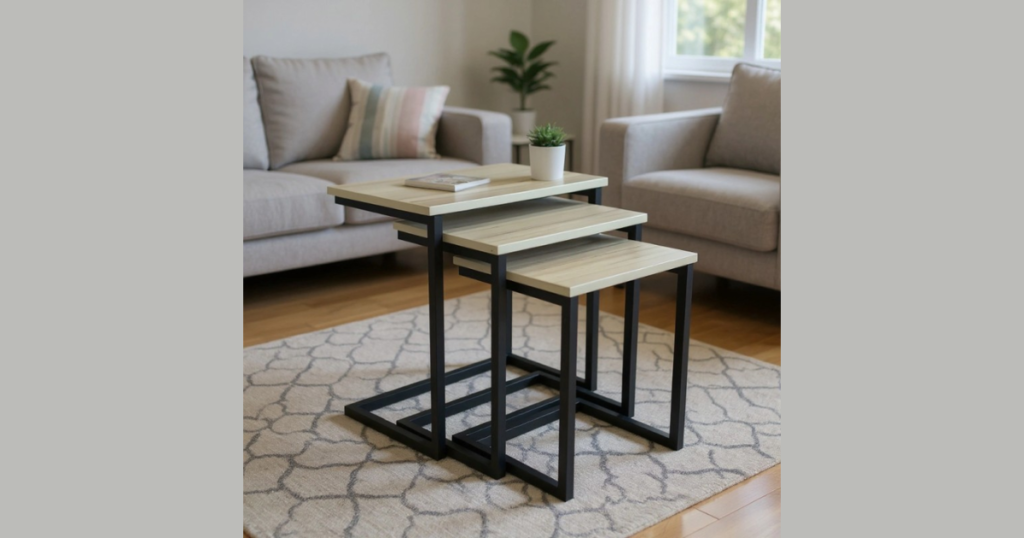
Nesting tables create flexibility because smaller tables slide under larger ones when not needed. I enjoy this option for multifunction spaces where dining areas overlap with living rooms. Adaptability becomes valuable.
You can separate the tables during meals or gatherings to create more surface area quickly. I often suggest lightweight materials for easy movement. Mobility improves usability.
When nested together, the furniture occupies minimal space while remaining functional. This design supports compact living environments. Nesting tables provide convenience.
14. Slim Console Table as Dining Solution
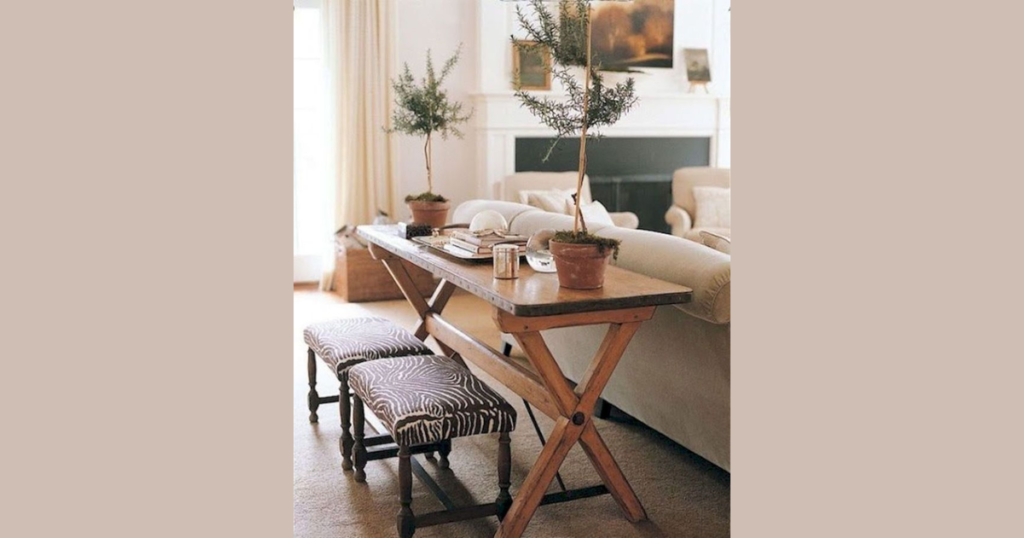
A slim console table works as a dining surface because narrow depth fits tight walls or hallways easily. I often recommend this option for very small apartments. Creative use of furniture solves space problems.
Adding two stools or chairs creates a compact dining area without permanent bulk. I personally like extendable console designs for additional flexibility. Multiuse furniture increases value.
When not used for dining, the console can function as a workspace or decorative surface. Dual purpose design improves practicality. Slim tables maximize limited areas.
15. Multifunction Storage Dining Table
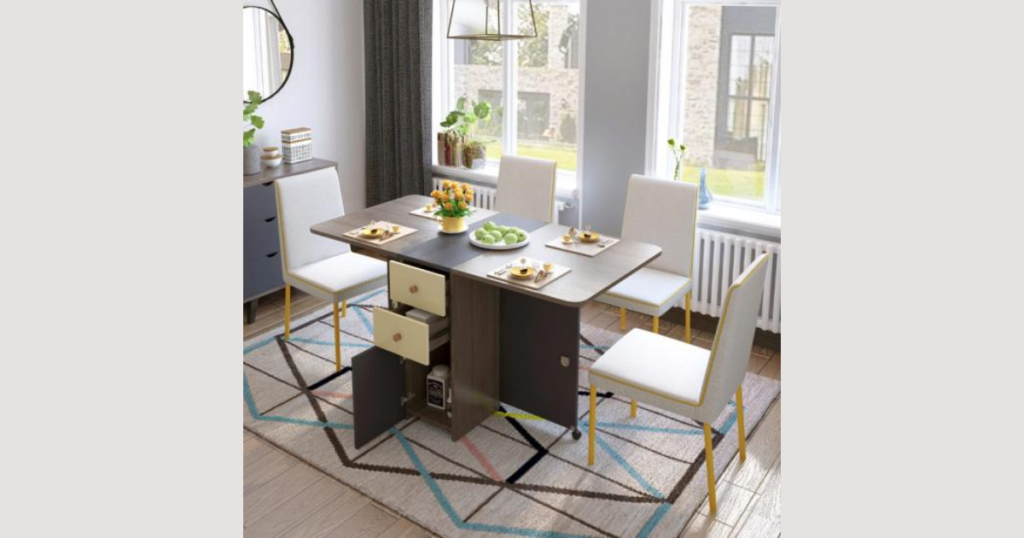
A multifunction storage dining table improves efficiency because built-in shelves or drawers add organization. I recommend this option for small homes where storage remains limited. Smart furniture reduces clutter.
Hidden compartments can store dining accessories, table linens, or kitchen items conveniently. I personally prefer designs with closed storage for a cleaner look. Organization improves usability.
This furniture combines dining and storage needs into one compact solution. Proper sizing ensures comfort without overcrowding. Multifunction tables support small space living.
Practical Tips for Choosing Dining Room Furniture for Small Spaces
Choosing small dining furniture becomes easier when you focus on scale, flexibility, and functionality first. I always measure available space before buying anything to avoid mistakes. Planning improves results.
Simple Furniture Tips
- Choose lightweight or slim furniture designs
- Use multifunction pieces with storage
- Prefer round or narrow tables for movement
- Select armless or stackable chairs
- Maintain open pathways for comfort
Common Mistakes to Avoid in Small Dining Rooms
Avoiding mistakes helps maintain comfort because oversized furniture quickly overwhelms small rooms. I often see tables that block walking paths and reduce usability. Proper proportion matters most.
Too many chairs can also create clutter and limit movement around the table. I recommend minimal seating based on daily needs. Simplicity improves functionality.
Ignoring vertical space wastes opportunities for storage or layout improvement. Wall shelves or benches often solve this issue effectively. Smart planning prevents problems.
Conclusion
Dining room furniture for small spaces ideas focus on smart sizing, flexibility, and multifunction design to maximize comfort. I shared practical solutions like drop leaf tables, corner seating, and foldable chairs because they work in real homes. Even small changes can improve usability significantly.
The key takeaway is to choose furniture that matches your space dimensions while maintaining movement and comfort. When you prioritize flexibility and storage, small dining rooms become more functional and inviting. These ideas can help you create a comfortable dining area confidently.
FAQs
Round tables, drop leaf tables, and narrow rectangular tables work best because they save space.
Use only the number of chairs needed daily to maintain open movement space.
Yes, benches save space and can provide additional storage if designed properly.
Light colors and glass materials create a more open and spacious visual effect.
Yes, extendable tables provide flexibility when hosting guests without occupying permanent space.
Use multifunction furniture, wall mounted options, and compact layouts for better efficiency.