
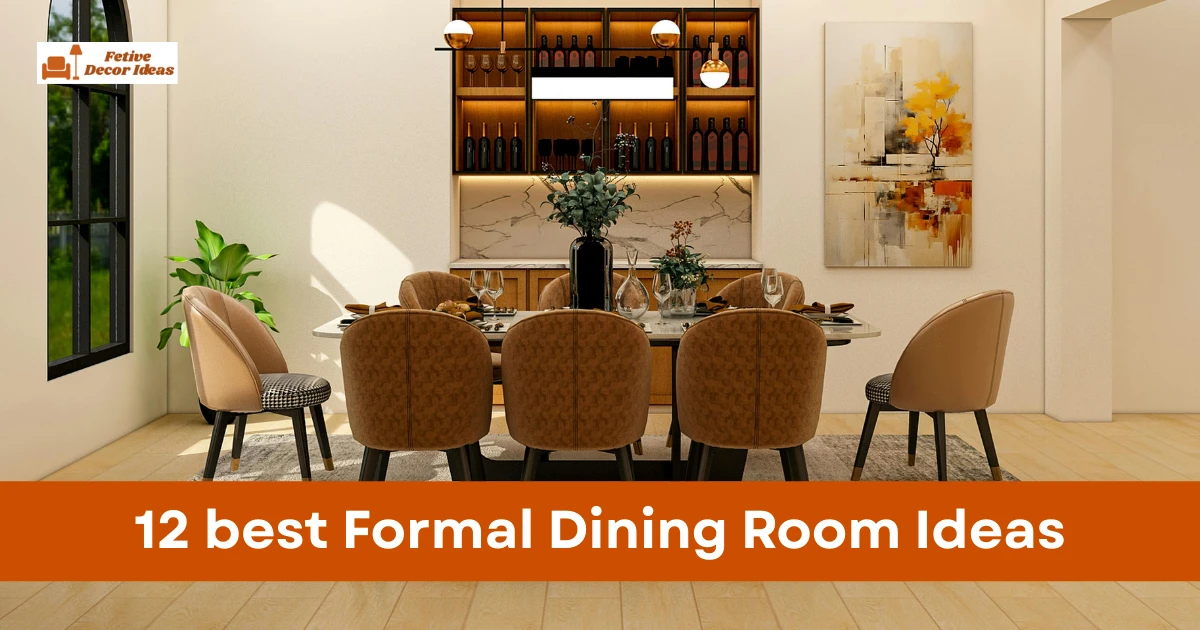
A formal dining room means a space that feels polished, organized, and slightly luxurious without feeling uncomfortable or stiff. I focus on furniture quality, lighting, colors, and layout to create that refined atmosphere quickly.
Many people assume formal dining rooms require expensive decor, but that is rarely true in real homes. The right design choices, thoughtful styling, and balanced elements can create a sophisticated look even with a reasonable budget.
In this guide, I share practical formal dining room ideas that you can actually apply without stress. These ideas focus on comfort, beauty, and functionality so your space feels inviting for both guests and daily family meals.
What Makes a Dining Room Look Formal and Stylish
A formal dining room looks elegant because it combines structure, symmetry, and quality materials in a balanced way. I usually begin with a statement table, comfortable chairs, layered lighting, and coordinated decor elements.
Color selection also plays a big role in creating a refined atmosphere that feels intentional. Neutral shades, deeper tones, metallic finishes, and rich textures like velvet or wood often add sophistication without overwhelming the space.
Small styling details often create the strongest visual impact when done correctly. Table centerpieces, artwork, curtains, and rugs help connect the room together so everything looks planned instead of randomly placed.
1. Classic Wooden Dining Table with Upholstered Chairs
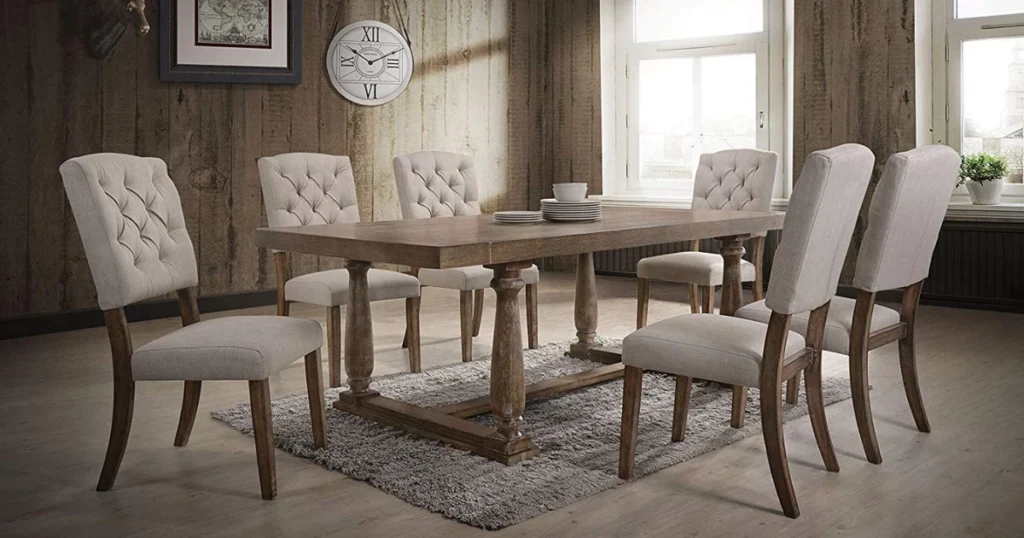
A solid wood dining table creates a strong formal foundation because it communicates durability and timeless appeal instantly. I prefer darker finishes like walnut or espresso since they naturally add richness and depth to the dining space.
Upholstered dining chairs improve both comfort and visual elegance at the same time. Fabric seating with tufted backs, nailhead trim, or curved silhouettes introduces softness that balances the heavy presence of a wooden table.
This combination works beautifully in both traditional and modern homes because it feels timeless rather than trendy. I have seen simple dining rooms look more upscale just by upgrading chairs from plain wood to cushioned upholstered designs.
2. Statement Chandelier for a Luxury Dining Atmosphere
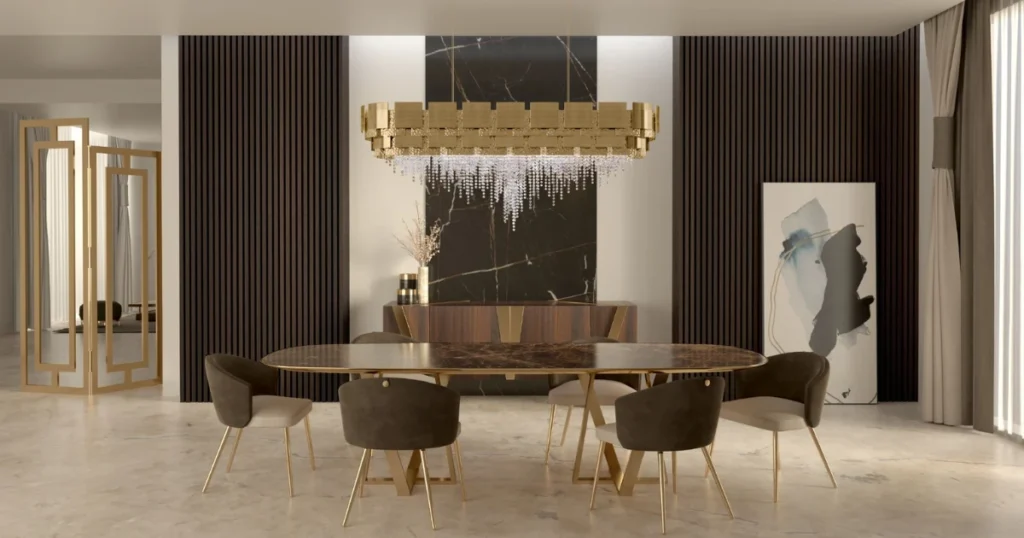
A chandelier becomes the main focal point because lighting naturally attracts attention upward. I always suggest choosing a fixture proportional to the table size so the room feels balanced instead of crowded or empty.
Crystal, glass, or metal chandeliers create a polished appearance that instantly elevates the dining area. Warm lighting also helps create a welcoming mood that encourages guests to relax and enjoy meals longer.
Even affordable chandeliers can look expensive when installed correctly at the right height. I personally noticed that placement and scale often matter more than price when creating a formal dining impression.
3. Neutral Color Palette with Rich Textures
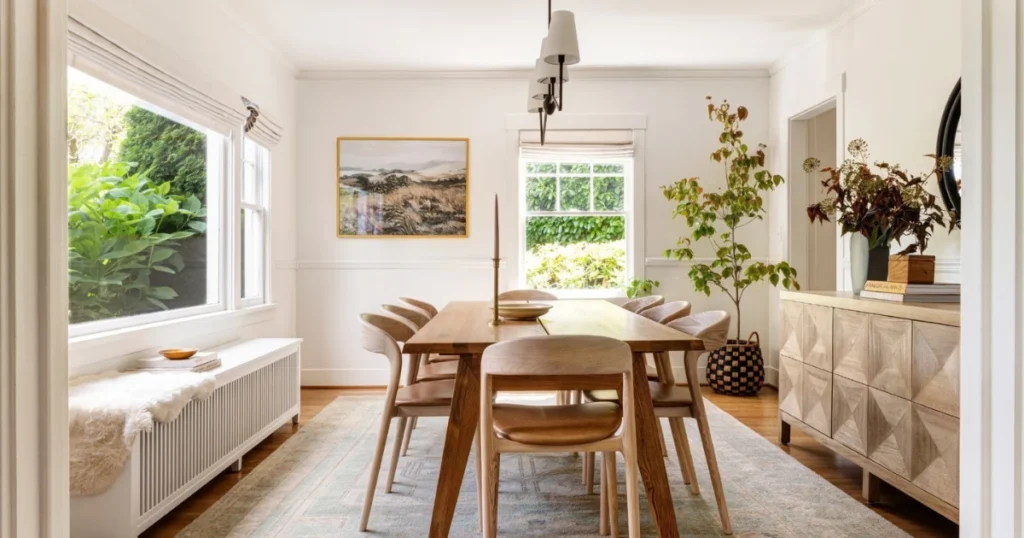
Neutral colors create a formal dining room because they feel calm, coordinated, and visually sophisticated. Shades like beige, cream, taupe, gray, and soft white provide a clean background that allows furniture and decor to stand out.
Textures add interest without making the space appear cluttered or overwhelming. I like combining velvet chairs, wooden surfaces, linen curtains, and metallic decor because layered materials create depth naturally.
This approach works especially well for people who want elegance without bold colors dominating the room. A neutral palette also makes seasonal decorating easier since accessories can change without repainting walls.
4. Elegant Dining Room Wall Paneling or Molding
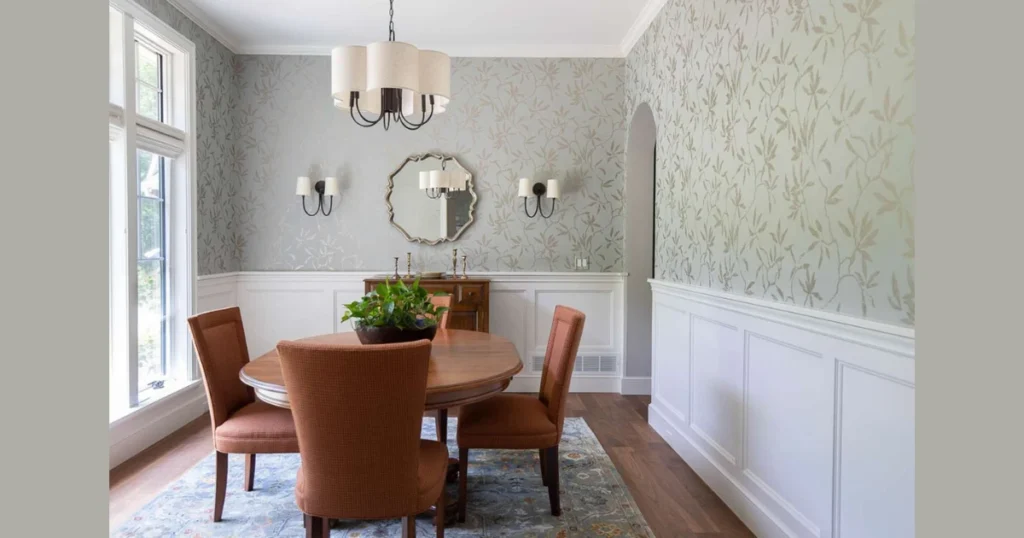
Wall paneling adds architectural interest because it introduces dimension to otherwise plain surfaces. I often recommend wainscoting, picture frame molding, or board and batten styles to create a refined visual background.
Painted molding in white or soft neutrals enhances brightness while still maintaining a formal look. Dark painted paneling can also create dramatic contrast, especially when paired with metallic accents and statement lighting.
This idea does not always require major renovation because modern molding options are affordable and simple to install. Even minimal trim work can significantly upgrade the overall appearance of a dining space.
5. Formal Dining Table Centerpiece with Height Variation
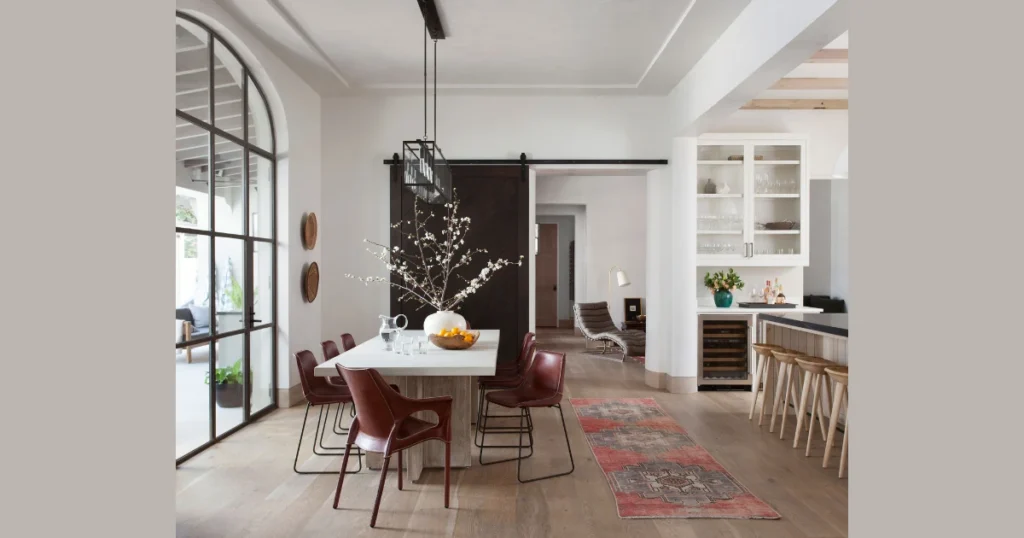
A well-designed centerpiece creates visual focus because it anchors the dining table composition. I usually combine candles, flowers, decorative bowls, or sculptural objects to add interest without overcrowding the surface.
Height variation makes the arrangement appear intentional and professionally styled. Mixing tall candle holders with medium floral pieces and lower decorative items creates a balance that feels pleasing to the eye.
Seasonal centerpieces also keep the dining room feeling fresh throughout the year. I personally enjoy switching arrangements during holidays because it updates the space without requiring major effort or expense.
6. Floor-Length Curtains for a Sophisticated Look
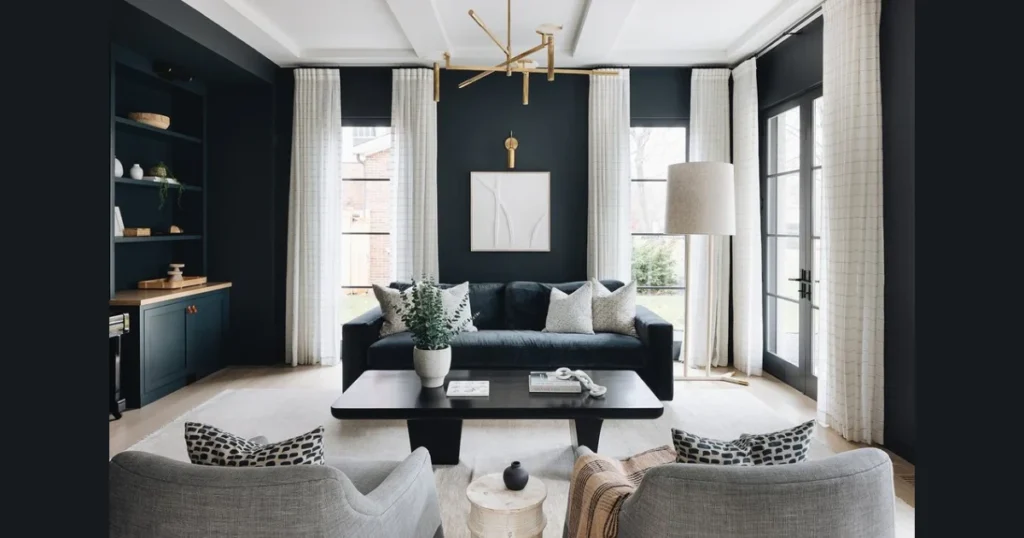
Floor-length curtains create elegance because they introduce softness and vertical height to the dining area. I often recommend fabrics like linen, velvet, or silk blends since they provide texture while still looking polished.
Neutral or muted curtain colors usually work best in formal dining spaces. Coordinating curtains with chair fabric or wall tones helps create a cohesive design that feels thoughtfully planned and visually calm.
Proper curtain placement also makes a noticeable difference in the final appearance. Hanging curtains slightly higher than the window frame visually increases ceiling height, which makes the room feel more spacious and refined.
7. Glass Display Cabinet for Formal Dining Storage
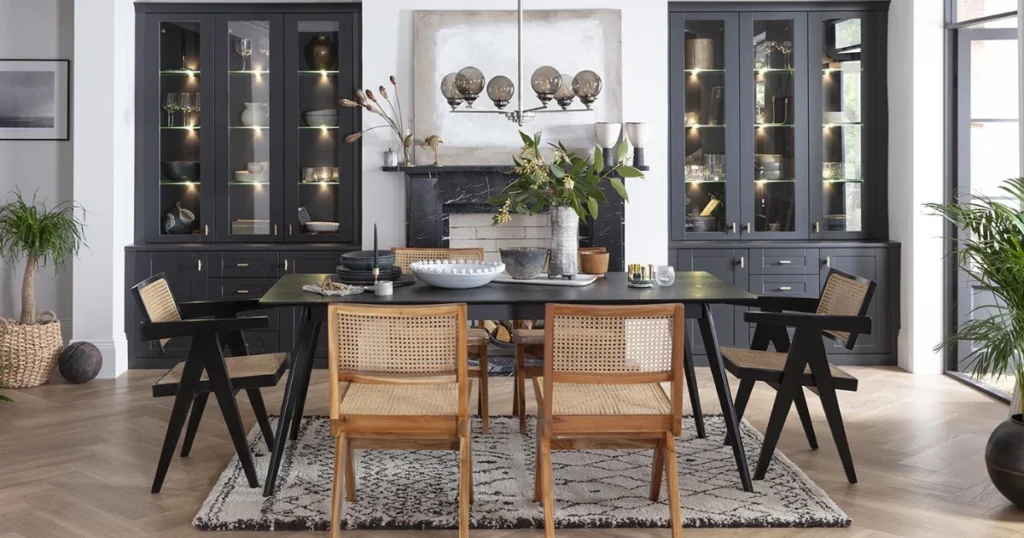
A glass display cabinet adds sophistication because it allows you to showcase fine dinnerware and decorative pieces neatly. I like using cabinets with interior lighting since they highlight crystal, china, or metallic accents beautifully.
This storage solution also keeps the dining room organized while contributing to the overall decor. Guests often notice displayed items, which creates a curated and intentional atmosphere instead of cluttered storage.
Even small dining rooms can benefit from a slim cabinet because vertical storage saves floor space. I personally find that displaying only a few quality pieces looks more refined than overcrowding shelves.
8. Area Rug Under the Dining Table for Visual Definition
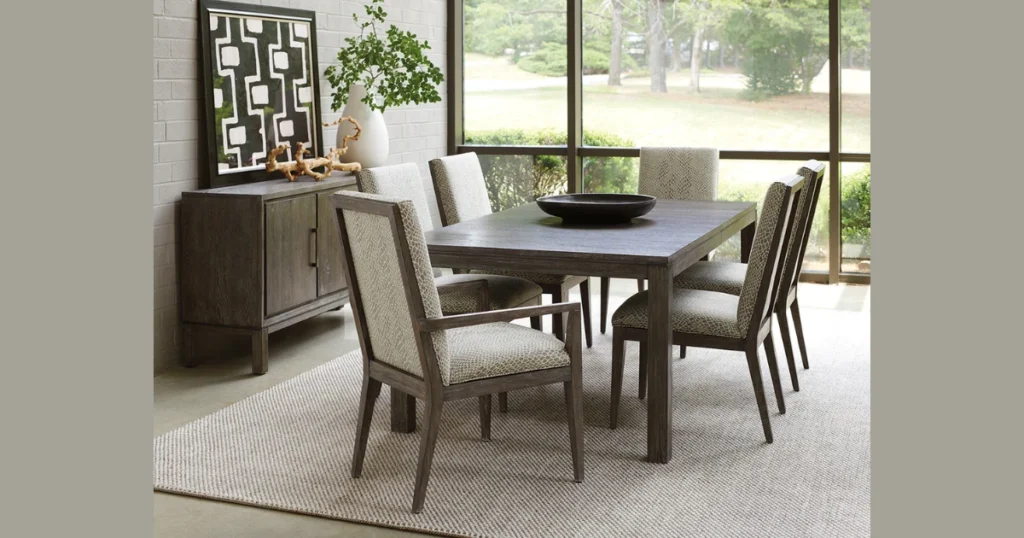
An area rug defines the dining space because it anchors the furniture and creates a complete layout. I usually choose rugs large enough so chairs remain on the rug even when pulled out for seating.
Patterns or subtle textures can add depth without overwhelming the room visually. Neutral rugs with soft designs often work best because they complement furniture rather than competing with it.
A rug also improves comfort by reducing noise and adding warmth underfoot. I noticed that dining spaces instantly feel more finished once a properly sized rug is placed beneath the table.
9. Coordinated Tableware and Place Settings
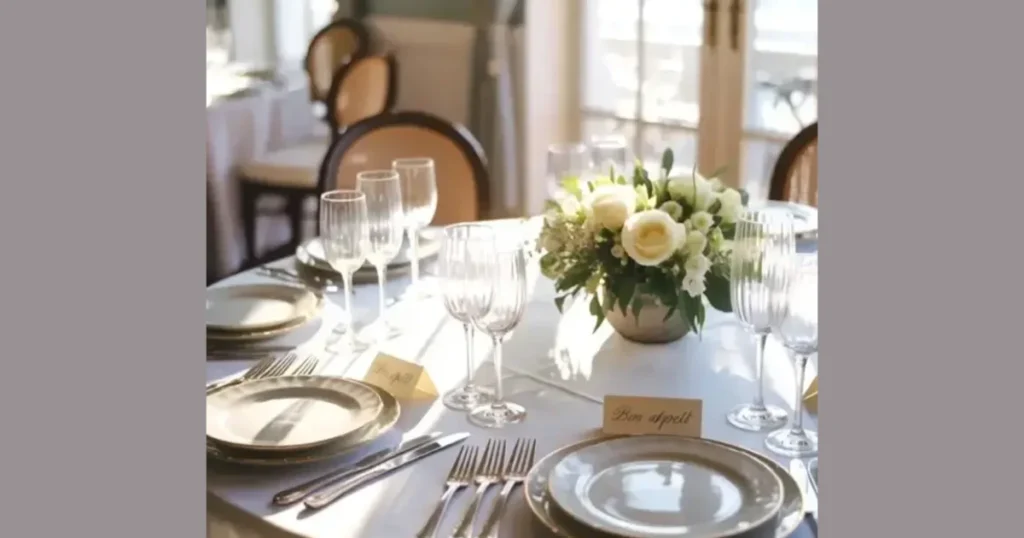
Coordinated table settings create a formal impression because consistency makes everything look intentional. Matching plates, napkins, cutlery, and glassware help the dining table appear organized and visually appealing.
Layering elements like chargers, cloth napkins, and folded placemats adds elegance without major expense. I often reuse the same base items and just change napkin colors for seasonal updates.
This idea works well for both everyday dining and special occasions because presentation matters. A thoughtfully arranged table can make even simple meals feel more special and inviting.
10. Decorative Wall Art for Personality and Elegance
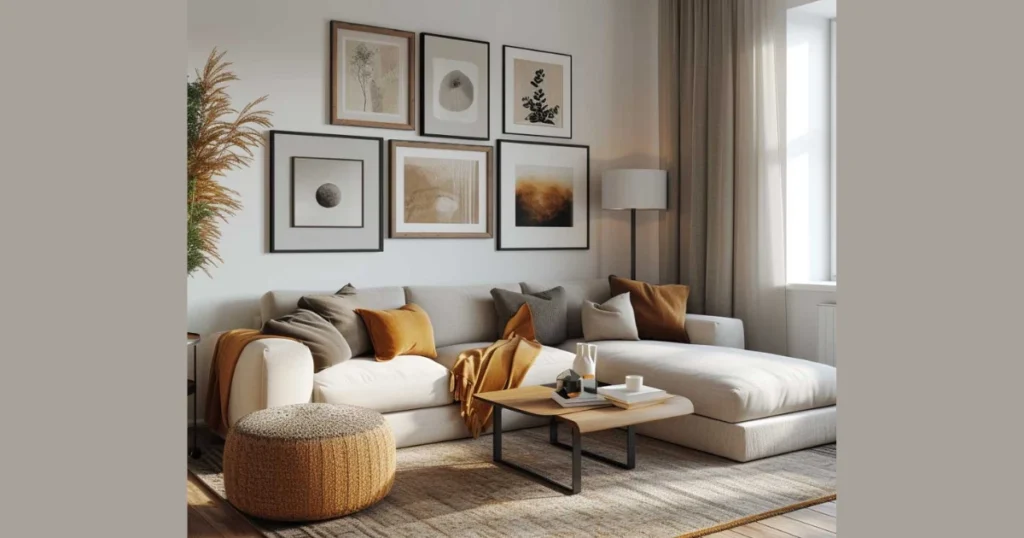
Wall art enhances a formal dining room because it adds personality while filling empty vertical space. I prefer large framed artwork, classic paintings, or symmetrical gallery arrangements to maintain a balanced look.
Metal frames or gold accents often complement formal dining decor beautifully. Choosing artwork that matches the room color palette helps create a cohesive and polished atmosphere.
Art does not need to be expensive to look refined. I have seen affordable prints look impressive when framed properly and placed at the correct height.
11. Mirror Accent to Enhance Light and Space
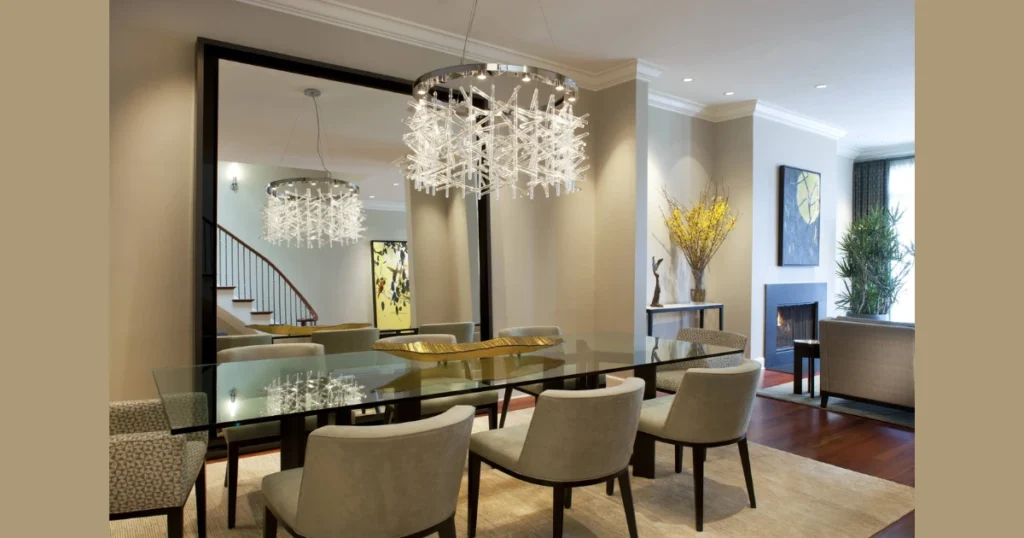
Mirrors improve a dining room because they reflect light and make the space appear larger. I often recommend placing a mirror opposite a window or chandelier to maximize brightness and visual depth.
Decorative frames, such as gold, silver, or carved wood, add elegance while functioning as wall decor. Mirrors also help create symmetry, which is a key feature in formal interior design.
This trick works especially well in smaller dining rooms where space feels limited. I personally find mirrors one of the easiest ways to create a more open and refined atmosphere.
12. Sideboard or Buffet Cabinet for Function and Style
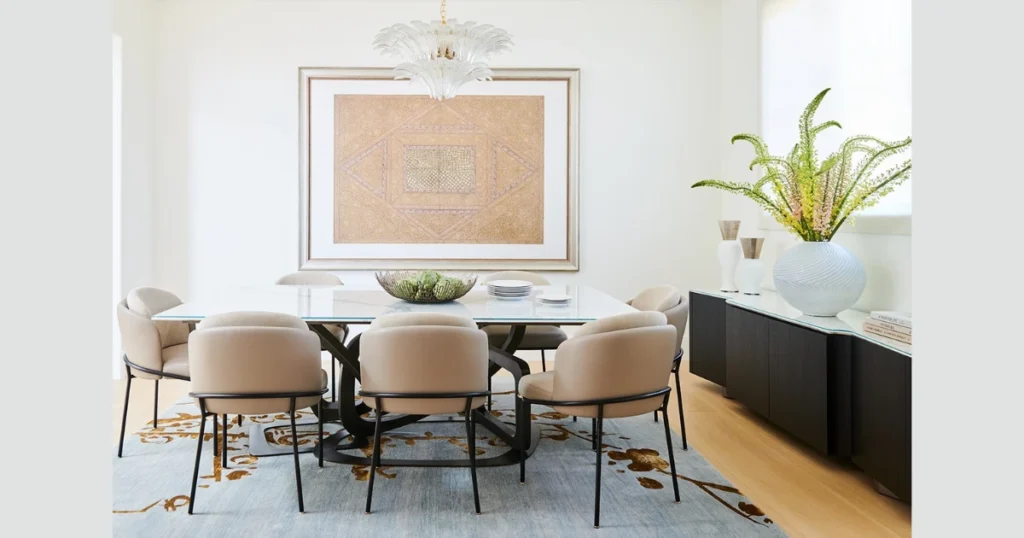
A sideboard adds practicality because it provides storage and serving space during meals. I like placing decorative items such as lamps, vases, or trays on top to enhance the room’s overall appearance.
Buffet cabinets also help reduce clutter by storing tableware, linens, and serving dishes neatly. This keeps the dining area organized while still looking stylish and functional.
Choosing a design that matches the dining table creates visual harmony. I often suggest wood finishes or neutral tones that coordinate with existing furniture for a cohesive look.
Conclusion
A formal dining room becomes inviting when you combine structure, comfort, and thoughtful styling choices. Furniture quality, lighting, colors, and decor details all contribute to creating an elegant space that feels welcoming rather than stiff.
The ideas shared in this guide focus on realistic changes that homeowners can actually implement. Even small improvements like better lighting, coordinated tableware, or updated chairs can dramatically improve the overall atmosphere.
If you start with one or two upgrades and build gradually, your dining room can look refined without unnecessary stress. A well-designed space not only impresses guests but also makes everyday meals feel more enjoyable.
FAQs
A formal dining room usually includes coordinated furniture, elegant lighting, a structured layout, and decorative elements that create a polished appearance.
Yes, small dining rooms can look formal with proper lighting, mirrors, neutral colors, and well-proportioned furniture.
Neutral tones, deep shades, metallic accents, and rich textures often create a sophisticated atmosphere.
No, thoughtful styling, good lighting, and coordinated decor can create elegance without high costs.
Chandeliers combined with layered lighting, such as sconces or lamps, usually provide the best ambiance.
Use coordinated tableware, centerpieces, cloth napkins, and layered placements for a refined presentation.
Related Posts
- Top 12 Aesthetic Dining Room Ideas
- Top 12 Dining Room Centerpiece Ideas
- Modern Dining Room Decor Ideas
- Top 15 Dining Room Table Ideas
- 12 Best Minimalist Dining Room Ideas