

Japandi dining table ideas help create a dining space that feels calm, simple, and warm. This style combines Japanese minimalism with Scandinavian comfort. I like how it focuses on natural materials, soft colors, and clutter free layouts.
In this guide, I share practical Japandi dining table ideas that anyone can try at home. Each idea focuses on natural textures, balanced decor, and simple styling that works in real homes.
Why Japandi Dining Tables Work So Well in Modern Homes
Japandi dining rooms feel peaceful because they remove visual noise. Natural wood, neutral colors, and simple shapes make the dining area look organized and welcoming.
I also like how Japandi dining tables focus on function. Every item on the table serves a purpose, so the space feels balanced and easy to maintain.
1. Natural Solid Wood Japandi Dining Table
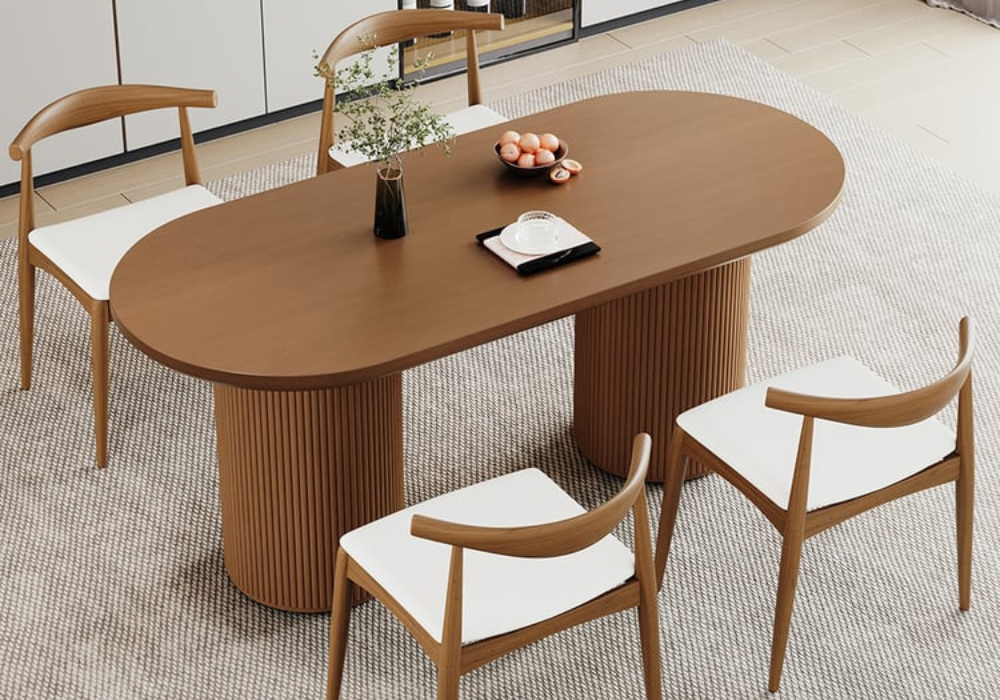
A solid wood dining table is the foundation of many Japandi dining spaces. Light oak, ash, or walnut tables create warmth without adding visual clutter.
I usually prefer tables with visible wood grain because they add natural character. Clean edges and simple legs keep the table aligned with Japandi design.
Pair the table with neutral chairs and soft linen table runners. This combination creates a calm dining environment that works well for daily meals.
2. Round Japandi Dining Table with Minimal Chairs
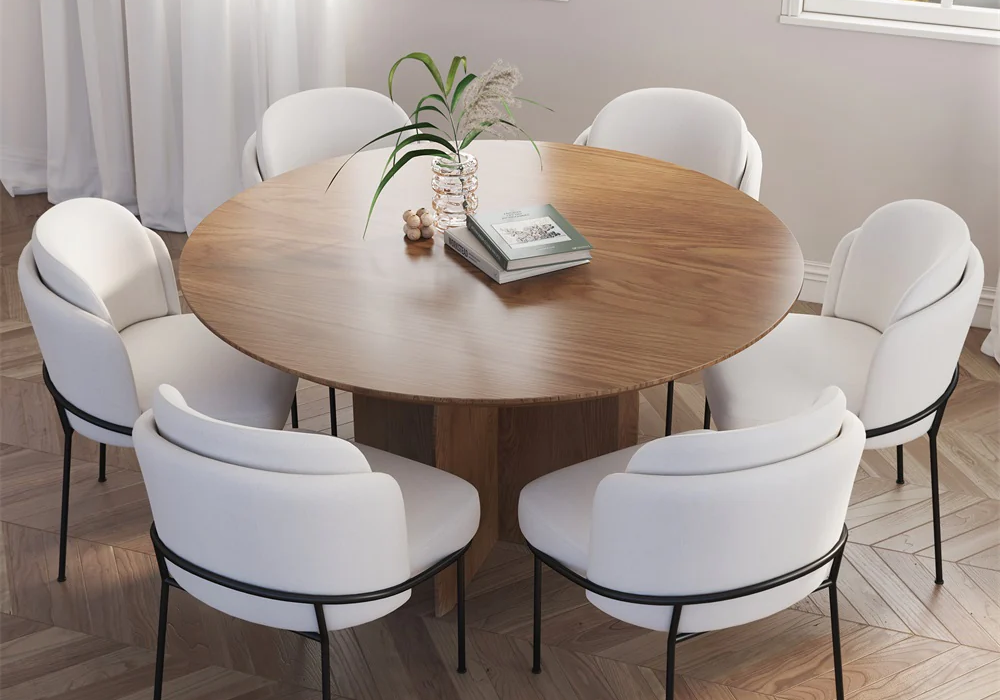
A round Japandi dining table helps create a relaxed and balanced dining setup. The circular shape encourages conversation and works well in small dining rooms.
I often recommend light wood tables with slim legs. These designs keep the space open and prevent the dining area from looking heavy.
Use simple Scandinavian style chairs with neutral upholstery. This setup keeps the dining area comfortable while maintaining a minimalist look.
3. Low Profile Japandi Dining Table Setup
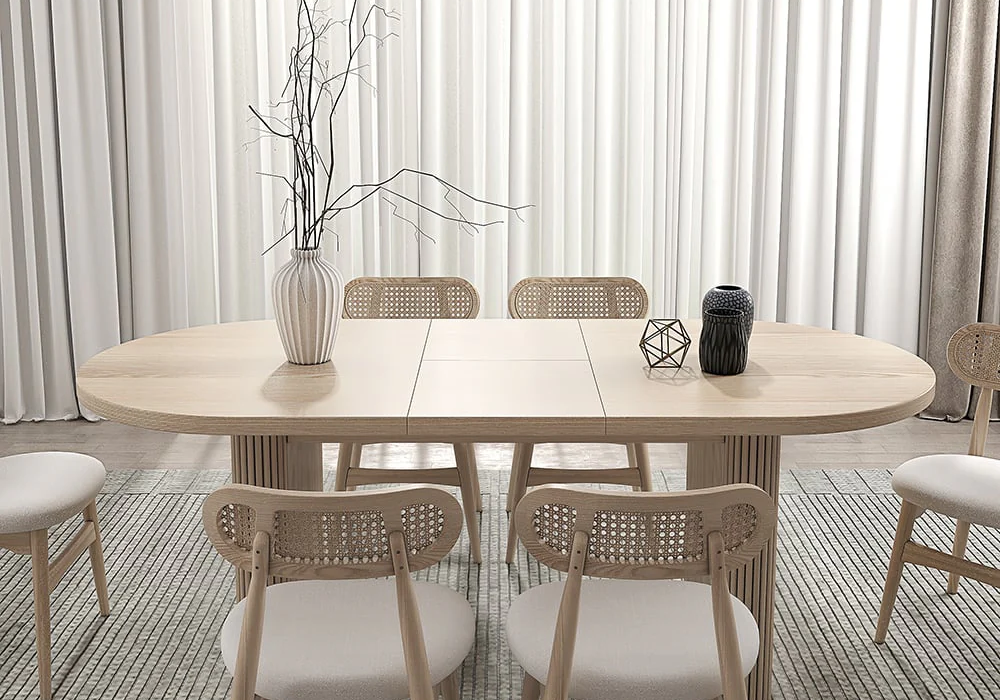
A low profile dining table reflects the Japanese influence in Japandi interiors. The lower height creates a grounded and calm atmosphere.
I like pairing these tables with simple wooden chairs or floor cushions. This layout works especially well in modern minimalist homes.
Keep table decor minimal. A ceramic bowl or small vase often provides enough visual interest without making the table feel crowded.
4. Japandi Dining Table with Neutral Linen Table Runner
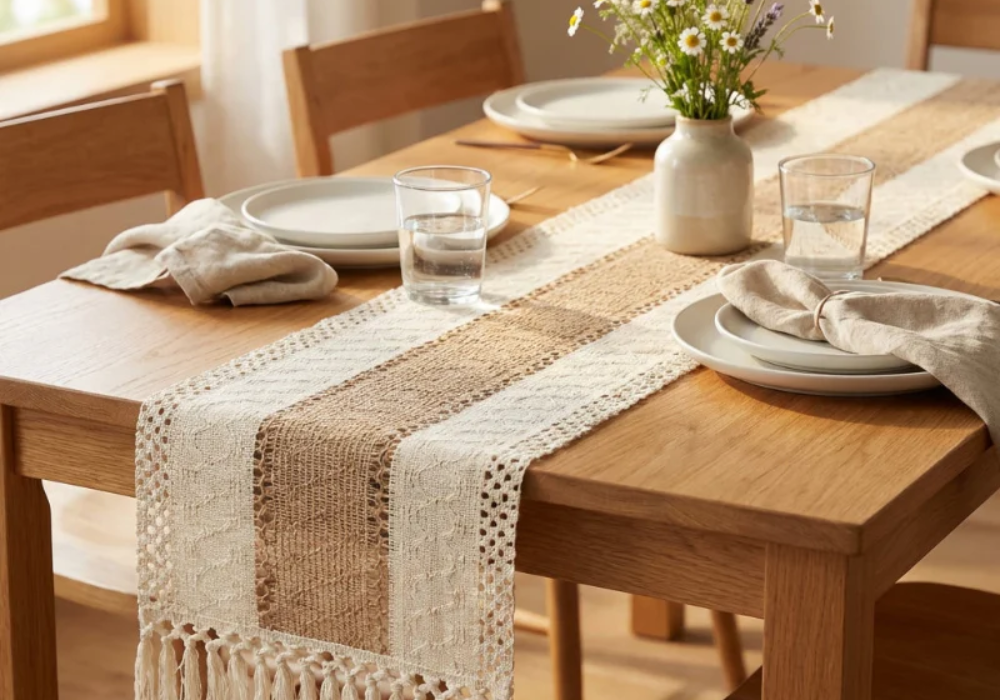
A linen table runner adds soft texture to a Japandi dining table. Neutral shades such as beige, sand, or light gray work best.
I often use linen runners because they soften the look of wooden tables. The texture makes the dining table feel welcoming and relaxed.
Keep the runner simple without patterns. The goal is to highlight the natural wood rather than compete with it.
5. Light Oak Japandi Dining Table Design
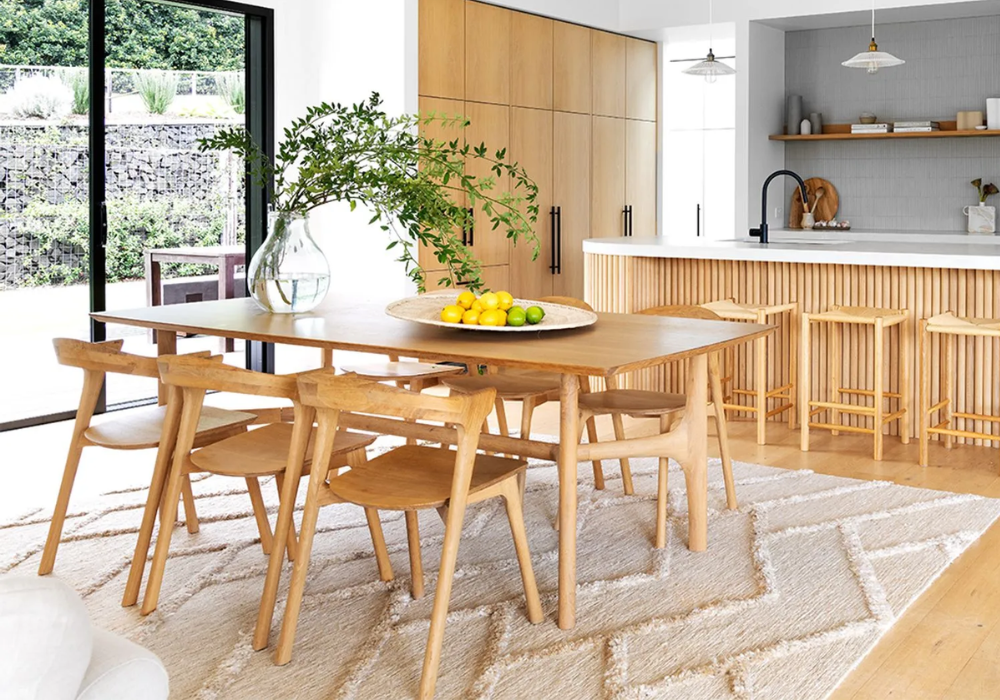
Light oak tables are common in Japandi dining rooms. Their soft tone reflects Scandinavian design while maintaining natural warmth.
I personally prefer light oak tables in smaller dining spaces. They reflect light and help the room feel more open.
Combine the table with beige or cream dining chairs. This simple color palette keeps the space calm and balanced.
6. Japandi Dining Table with Ceramic Centerpiece
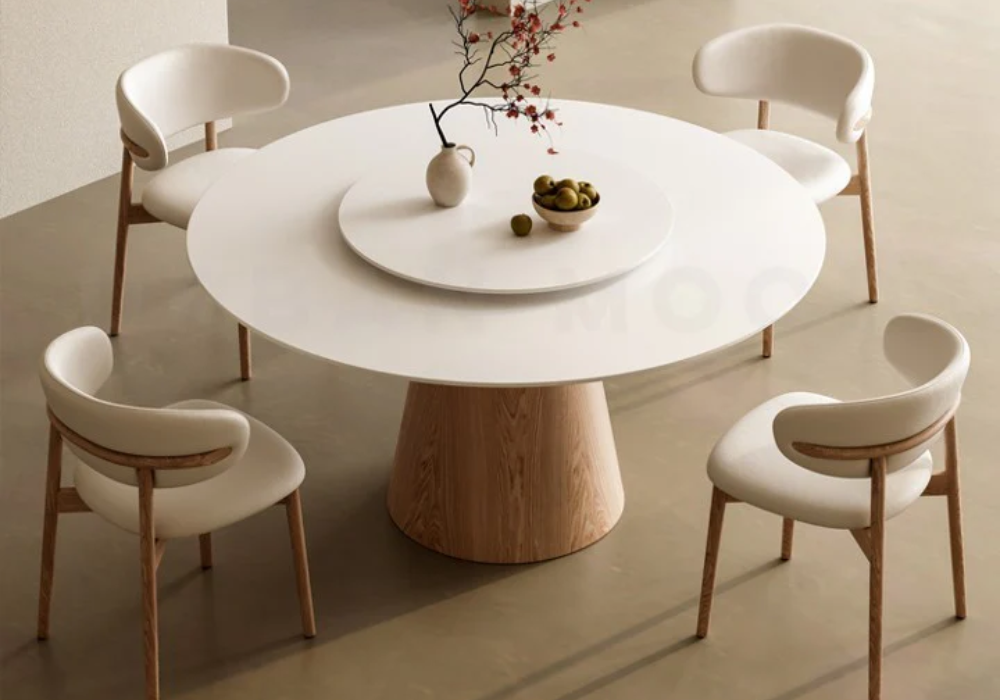
A ceramic centerpiece works well with Japandi decor because it highlights handmade textures. A single bowl or vase is usually enough.
I like using matte ceramic pieces because they match the natural materials in Japandi interiors. Their simple shapes keep the table elegant.
Place the centerpiece in the middle of the table with plenty of empty space around it. This approach maintains the minimalist aesthetic.
7. Rectangular Japandi Dining Table with Wooden Bench
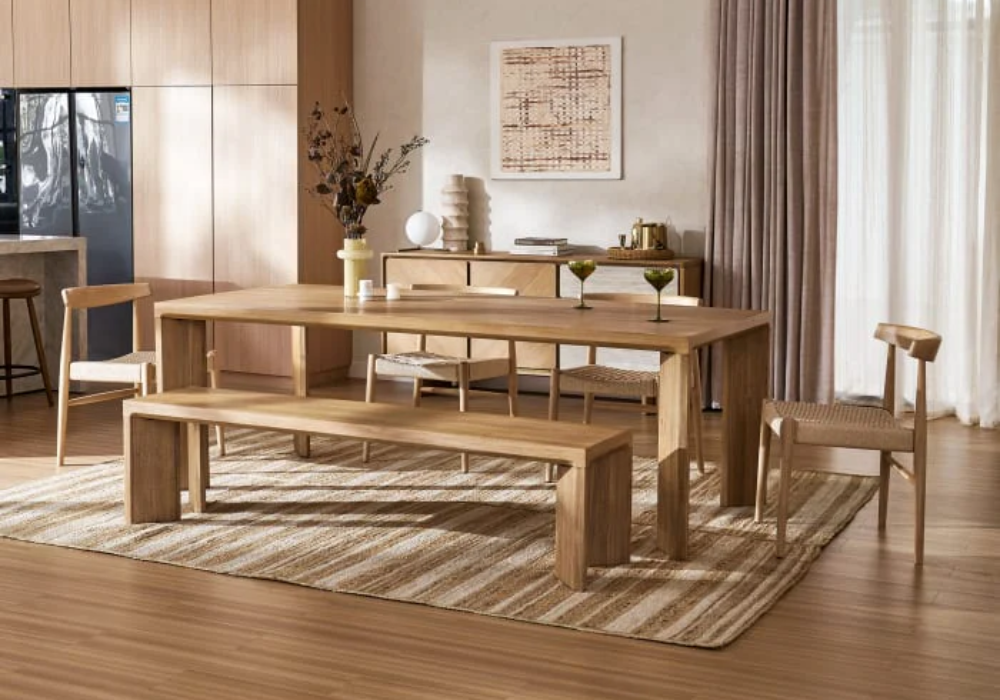
A rectangular wooden dining table with a bench creates a relaxed Japandi dining setup. The bench keeps the space casual and practical.
I often suggest benches for families because they allow flexible seating. They also keep the dining area visually lighter.
Use a natural wood bench that matches the table. This simple pairing keeps the design cohesive.
8. Japandi Dining Table with Paper Pendant Lighting
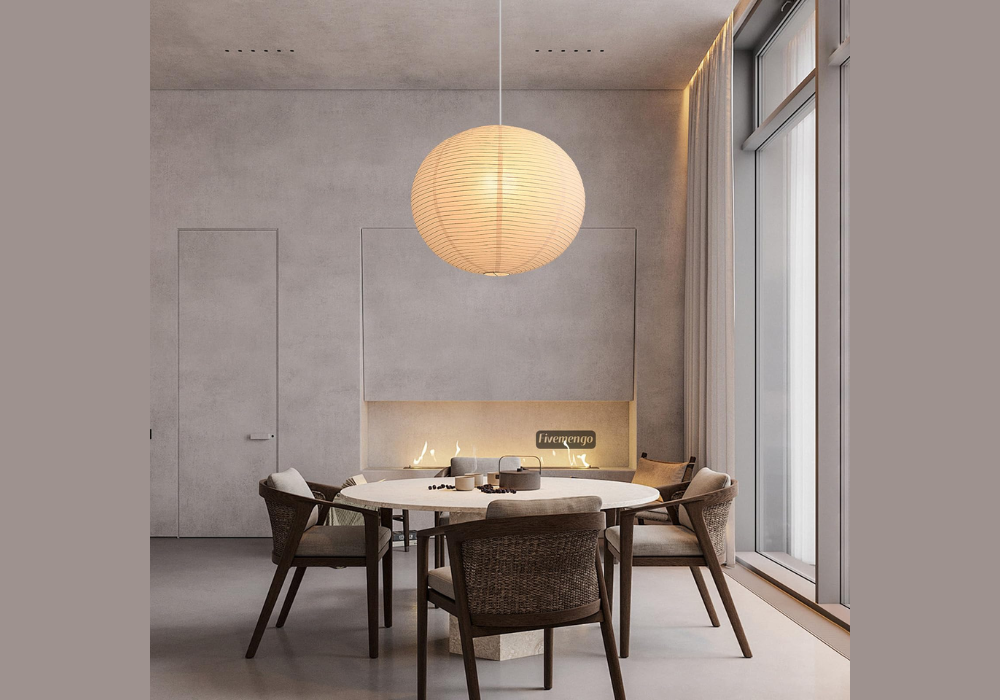
Lighting plays a big role in Japandi dining rooms. A paper pendant light above the dining table adds warmth and soft shadows.
I like paper lantern lights because they feel calm and natural. Their soft glow creates a relaxed dining atmosphere.
Hang the pendant directly above the center of the table. This placement keeps the dining area visually balanced.
9. Small Space Japandi Dining Table Layout
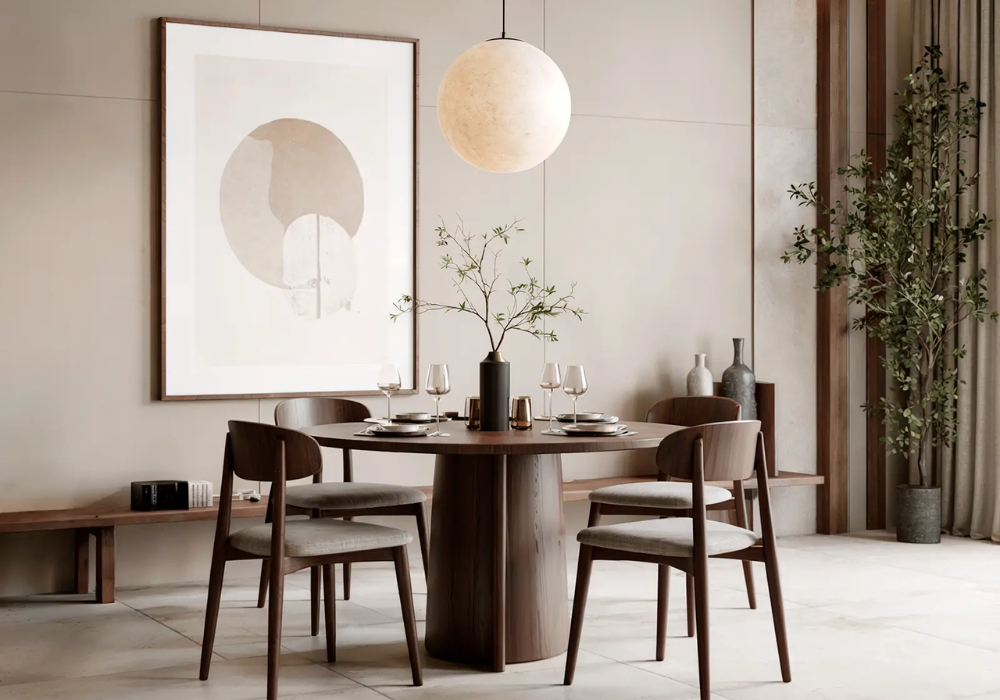
A small Japandi dining table works best when the design stays light and simple. Compact wooden tables with slim legs help the room feel open and balanced.
I usually recommend light wood tables for small dining rooms. They reflect natural light and prevent the space from feeling crowded.
Place only essential items on the table. A small vase or ceramic cup often provides enough decoration without clutter.
10. Japandi Dining Table with Wabi Sabi Centerpiece
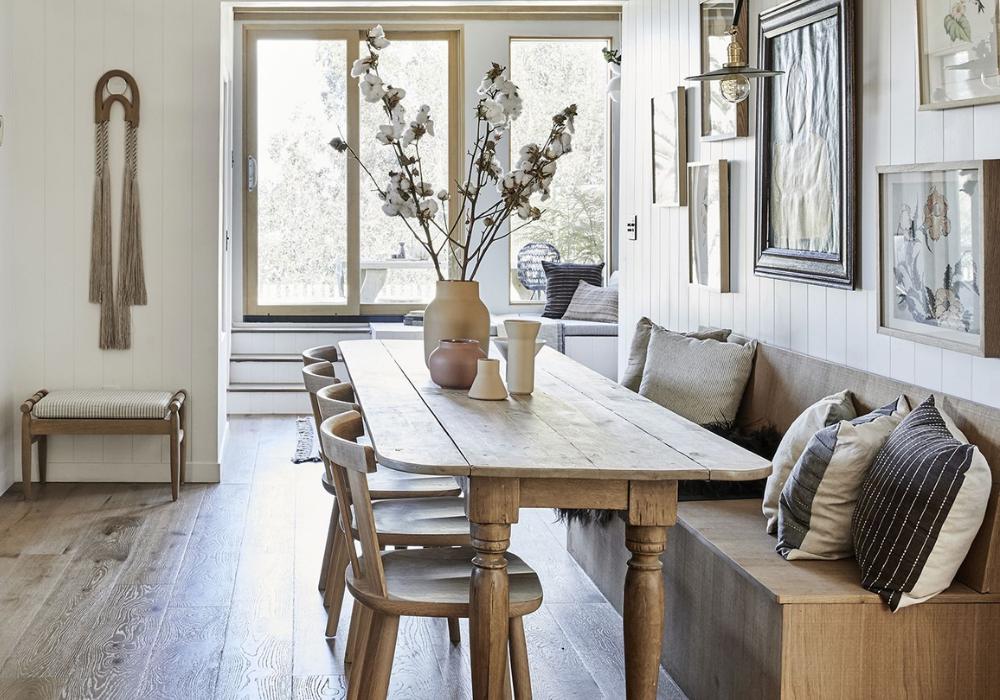
A Wabi Sabi centerpiece brings character to a Japandi dining table. Handmade pottery, rough ceramics, or imperfect bowls match the natural theme.
I often choose simple clay vases because they add texture without stealing attention from the table. Their organic shapes feel calm and authentic.
Place a small branch or dried grass inside the vase. This simple arrangement keeps the dining table balanced and natural.
11. Dark Wood Japandi Dining Table Contrast
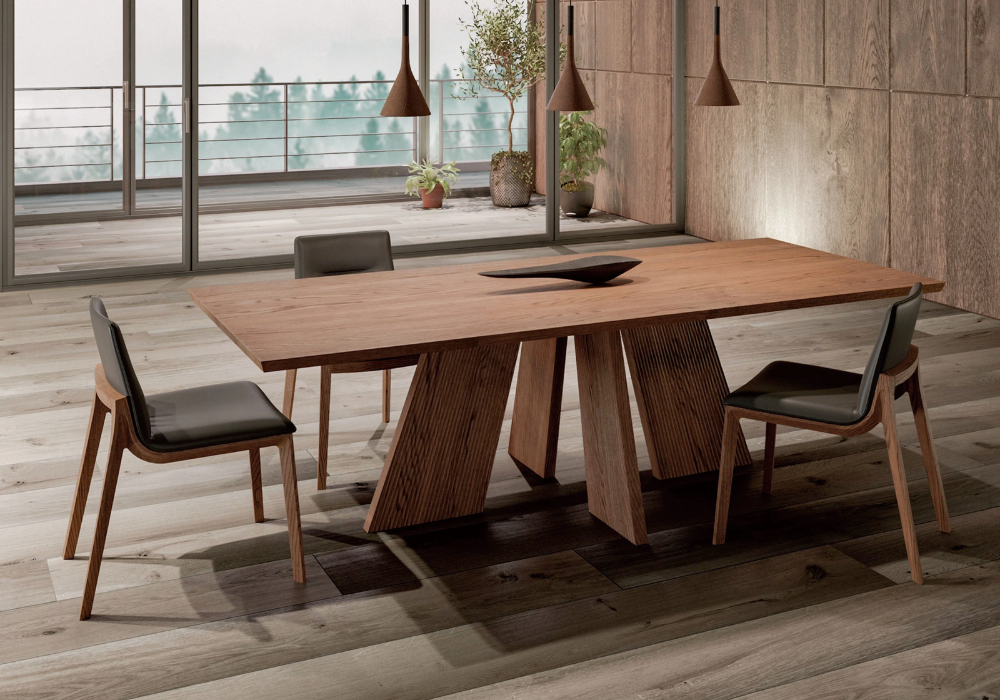
A dark wood dining table adds contrast in a Japandi dining room. Walnut or dark oak tables create depth while still maintaining a minimalist look.
I like pairing dark tables with light colored chairs. The contrast makes the dining area feel structured and visually balanced.
Keep decorations minimal so the wood texture remains the highlight of the dining table.
12. Japandi Dining Table with Scandinavian Chairs
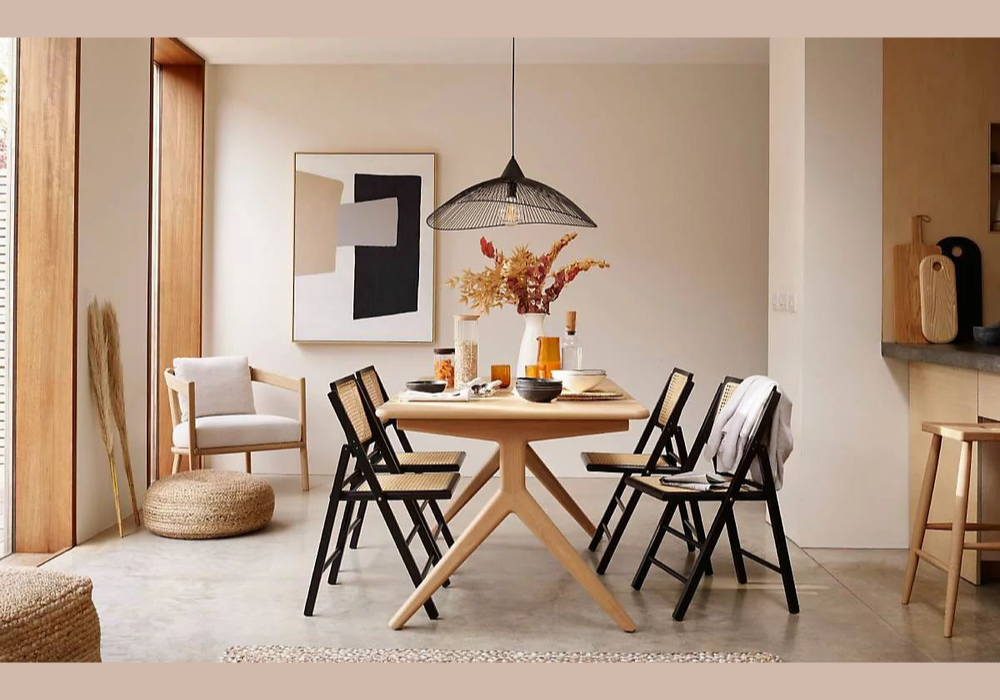
Mixing Scandinavian chairs with a Japandi dining table creates a comfortable dining space. Wooden chairs with curved backs work particularly well.
I prefer chairs with light upholstery because they soften the look of the table. Neutral fabrics keep the color palette calm.
Choose simple chair designs without heavy patterns. Clean shapes maintain the minimalist feel of Japandi interiors.
13. Japandi Dining Table with Natural Textured Decor
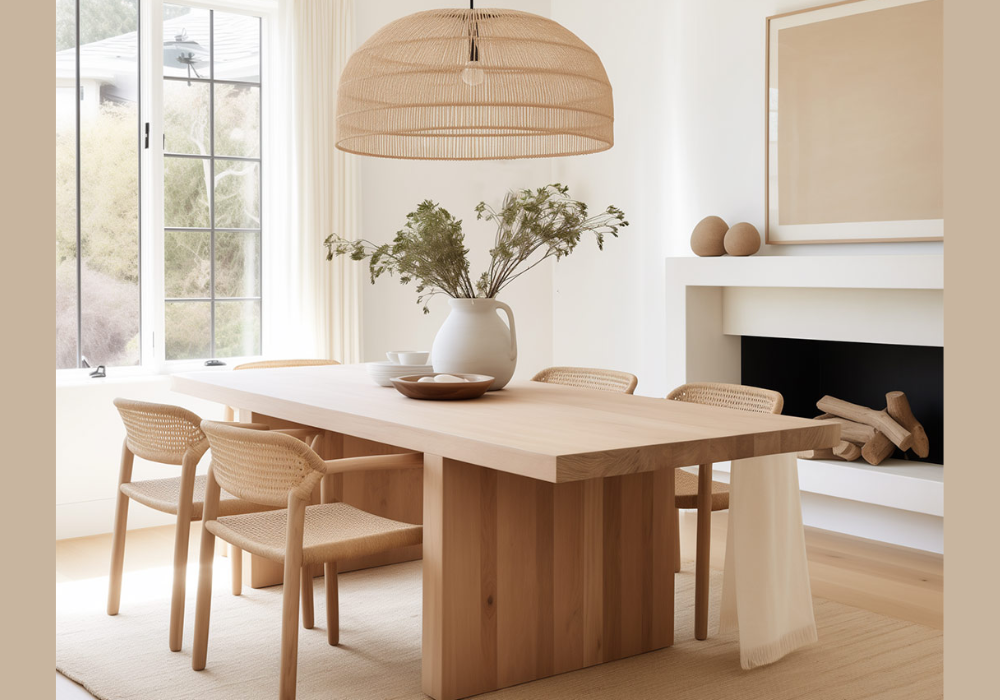
Natural textures help bring warmth to Japandi dining spaces. Materials such as linen, cotton, and clay work beautifully on dining tables.
I often add small textured pieces like woven placemats or ceramic bowls. These details keep the table visually interesting without overdecorating.
Limit the number of decorative items. Japandi design always favors quality over quantity.
14. Minimal Japandi Dining Table with Wooden Chairs
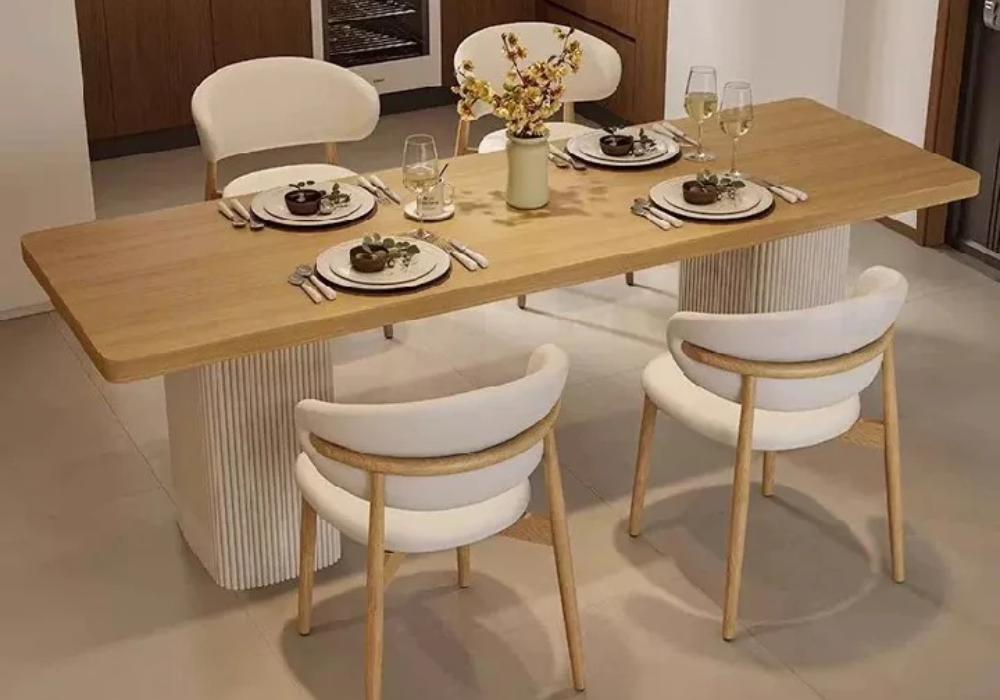
A minimal Japandi dining table setup focuses on simplicity. A wooden table with matching wooden chairs often creates the cleanest look.
I like using chairs that match the table color. This approach creates visual harmony and makes the dining space feel organized.
Avoid excessive decoration on the table. A simple bowl or small plant usually provides enough detail.
15. Japandi Dining Table with Neutral Color Palette
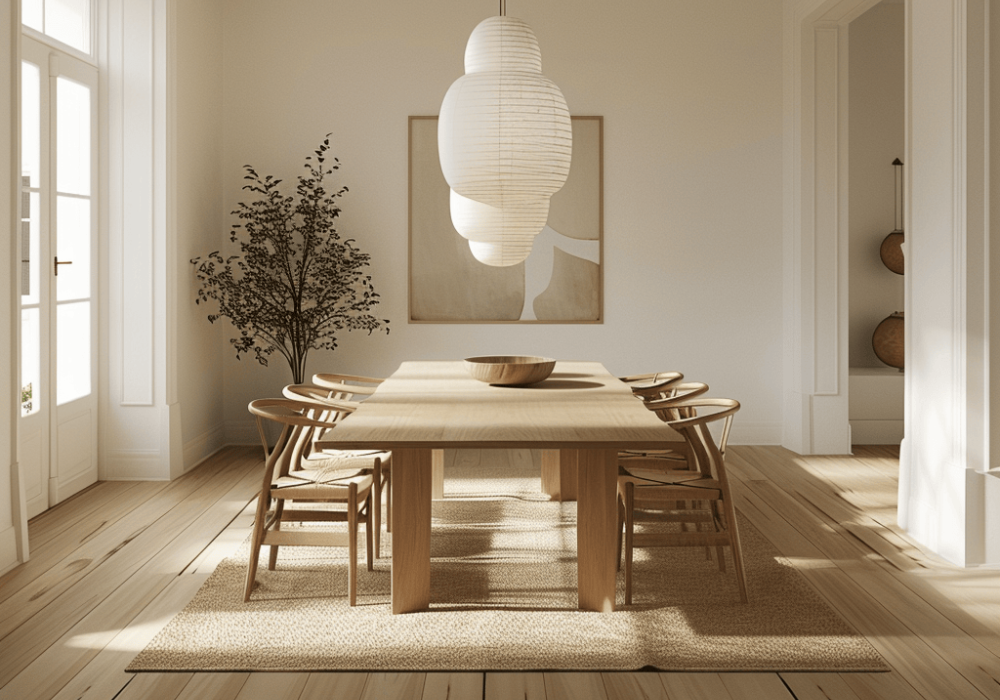
A neutral color palette is one of the strongest elements in Japandi interiors. Shades like beige, cream, light gray, and soft brown keep the dining space calm.
I usually decorate the dining table with neutral linen napkins or simple ceramic dishes. These colors blend naturally with wooden tables.
When the color palette stays soft and simple, the dining room feels more peaceful and balanced.
Common Materials Used in Japandi Dining Tables
| Material | Why It Works in Japandi Design |
|---|---|
| Oak Wood | Light tone and natural grain create warmth |
| Walnut Wood | Adds contrast and depth to the dining space |
| Linen Fabric | Soft texture that complements wooden tables |
| Ceramic | Handmade look fits Japandi aesthetics |
| Cotton | Neutral fabric that supports minimalist decor |
Conclusion
Japandi dining table ideas focus on simplicity, natural materials, and balanced decoration. Wooden tables, neutral colors, and minimal decor create a calm dining space that feels comfortable every day.
I like Japandi dining tables because they combine beauty with practicality. Simple furniture, soft lighting, and natural textures help the dining area stay clean, peaceful, and welcoming.
These ideas show that a dining space does not need heavy decoration to look attractive. A well chosen table, neutral styling, and thoughtful details often create the best Japandi dining room.
FAQs
A Japandi dining table style combines Japanese minimalism with Scandinavian simplicity. It focuses on natural wood, clean lines, and neutral colors.
Solid wood such as oak, walnut, or ash works best. These materials add warmth and match the natural theme of Japandi interiors.
Japandi dining rooms often use beige, cream, soft gray, and natural wood tones. These colors help the space feel calm and balanced.
Yes. Slim wooden tables with simple chairs work well in small dining rooms and keep the area open.
Simple ceramic vases, linen runners, and small natural branches work well with Japandi dining tables.
Round wooden tables fit Japandi design because they create a relaxed and balanced dining layout.