
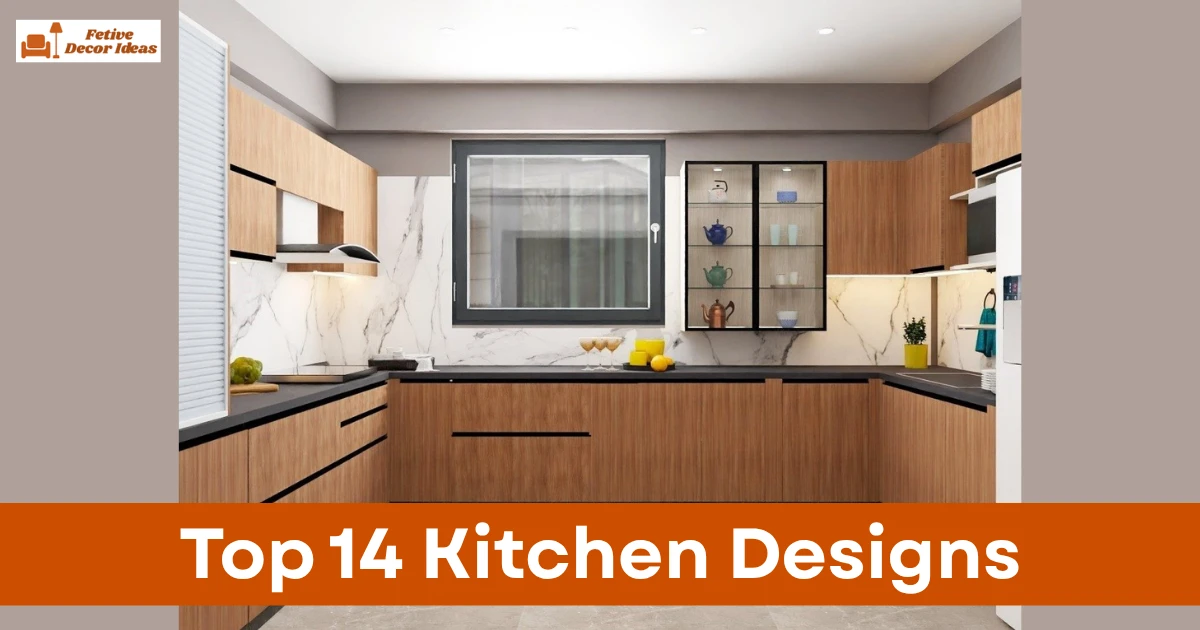
A good kitchen design helps me cook, clean, store, and move around without fighting the space every five minutes. This article focuses on practical kitchen designs that look beautiful, feel comfortable, and work in real homes, whether the kitchen is small, open, narrow, modern, or family-focused.
Why the Right Kitchen Design Matters in Real Life
The right kitchen design shapes how the whole room works every day. I always see that a smart layout saves time, reduces clutter, and makes even an ordinary kitchen feel more comfortable.
A well-planned kitchen design also improves storage, lighting, and movement. When the layout fits the space properly, cooking feels smoother, and the room looks more polished without trying too hard.
Good kitchen design is not only about cabinets and colors. It is about making the room easy to use, easy to maintain, and pleasant enough that you actually want to spend time there.
1. L-Shaped Kitchen Design for Flexible Everyday Use
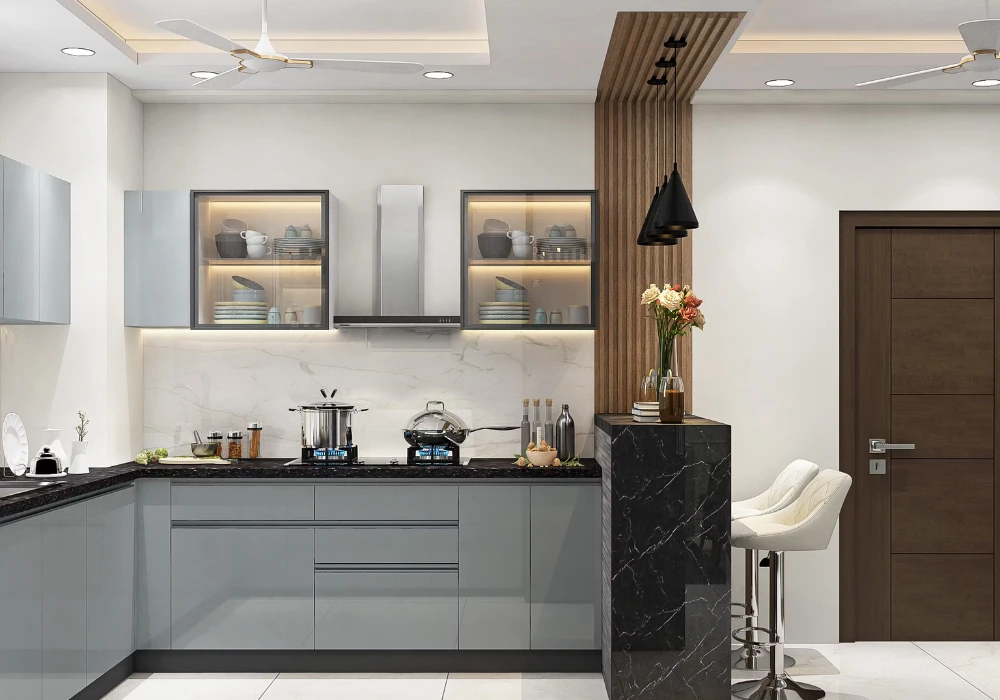
An L-shaped kitchen design works well because it uses two connected walls and leaves the rest of the room open. I like this layout when I want the kitchen to feel spacious without losing storage.
This design gives me enough room for prep, cooking, and cleaning without squeezing everything into one straight line. It also helps create a natural flow between work zones.
An L-shaped kitchen often works well in small and medium homes because it keeps corners useful. With the right cabinets, those corners can hold far more than people expect.
This kitchen design also pairs nicely with a dining space or small island if the room allows it. That makes it one of the easiest layouts to adapt to real family life.
2. U-Shaped Kitchen Design for Maximum Storage
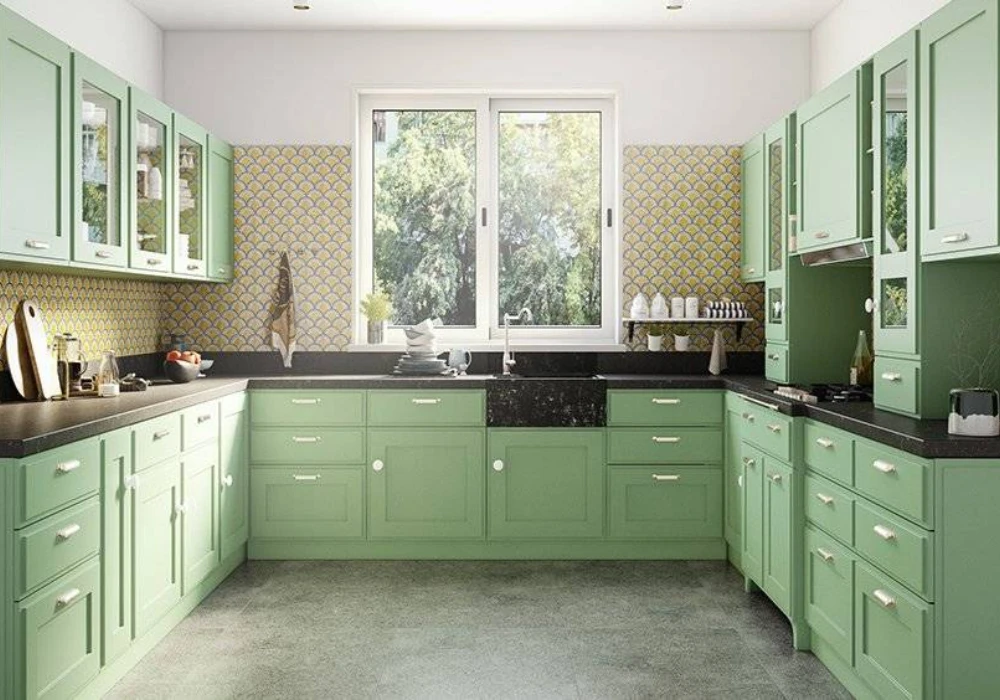
A U-shaped kitchen design gives strong storage and countertop coverage on three sides. I usually think of it as the layout for people who actually use their kitchen a lot, not just admire it.
This design keeps everything close, which makes prep work faster and easier. I can move from sink to stove to fridge without walking laps around the room.
A U-shaped kitchen also helps separate cooking space from nearby living areas. That matters when I want the kitchen to feel organized instead of visually spilling into everything else.
This layout works best when there is enough room to move comfortably in the middle. If the aisle stays open and balanced, the whole kitchen feels efficient instead of boxed in.
3. Galley Kitchen Design for Narrow Spaces
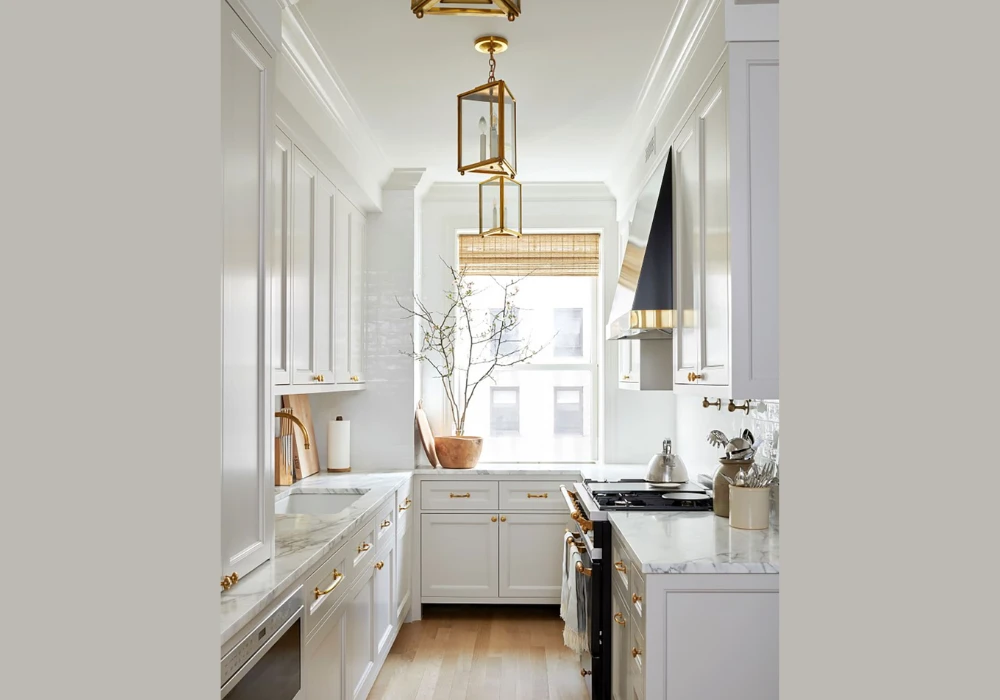
A galley kitchen design works especially well in narrow homes or apartments. I like it because it uses two parallel sides and turns limited space into a compact working zone.
This layout keeps everything within easy reach, which makes cooking faster. When storage is planned well, a galley kitchen can feel neat rather than tight.
Light colors and good lighting matter even more in this design. I always notice that bright finishes help the room feel less enclosed and more inviting.
A galley kitchen design also benefits from simple decor and clean counters. Too much visual clutter makes it feel smaller, and honestly, the room does not need that kind of drama.
4. One-Wall Kitchen Design for Open Living Areas
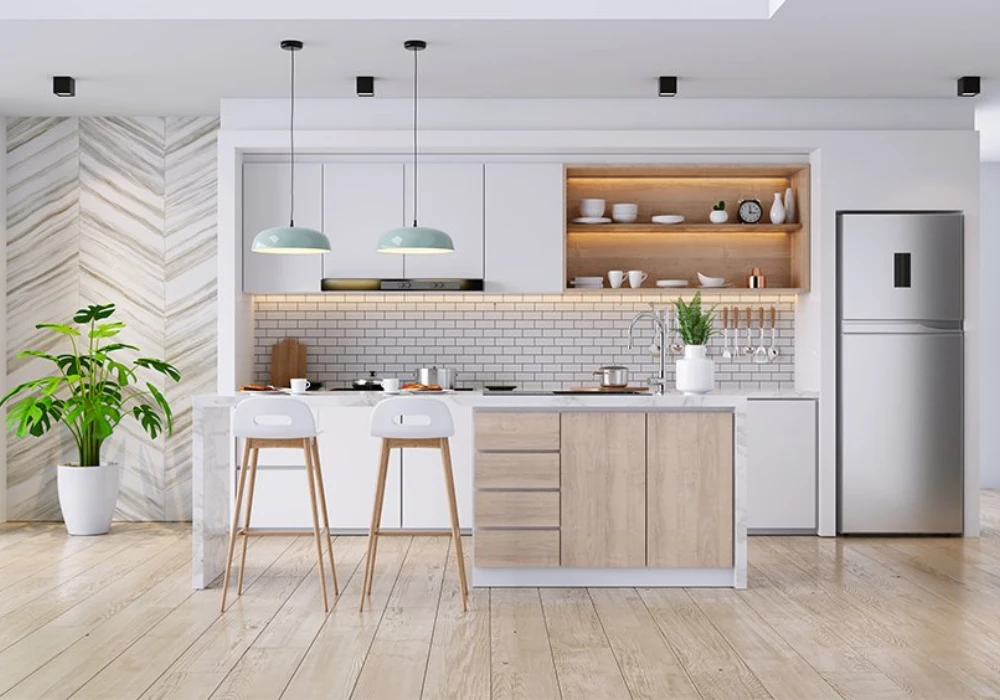
A one-wall kitchen design places cabinets, appliances, and counters along one side of the room. I find it useful in studio apartments, compact homes, or open-plan spaces.
This layout saves floor space and keeps the room looking clean. It works best when every cabinet and shelf has a clear purpose, because wasted space shows quickly here.
A one-wall kitchen often looks more modern because the lines stay simple. I like adding upper cabinets, floating shelves, or a tall pantry to make the design more complete.
This kitchen design needs careful planning so the cooking area stays practical. When the sink, stove, and fridge are arranged wisely, the space works much better than people expect.
5. Island Kitchen Design for Social Homes
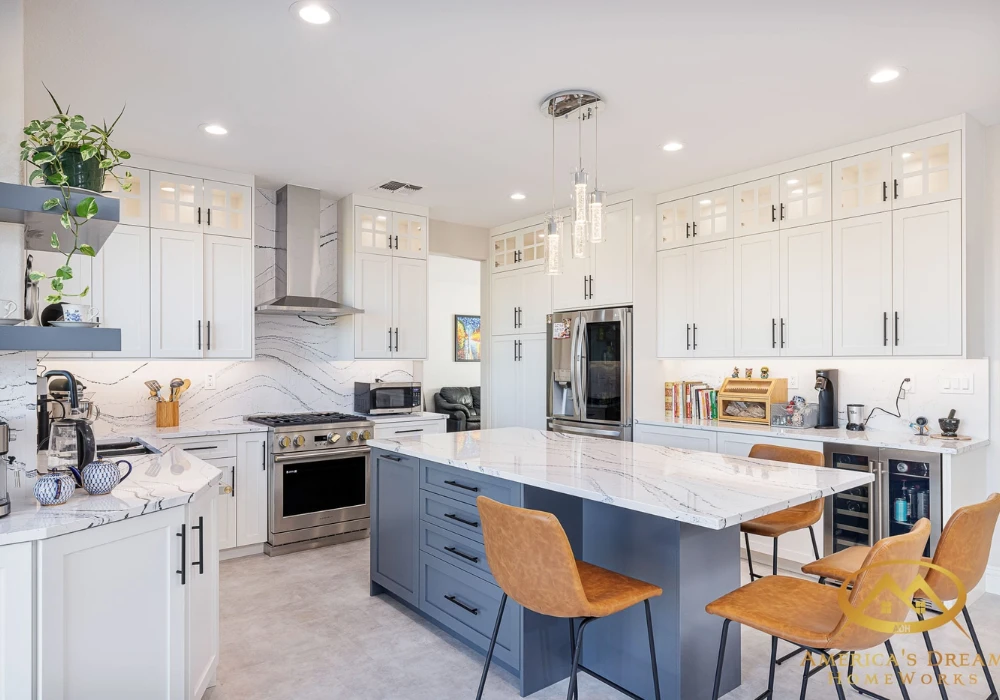
An island kitchen design adds a central work area that can serve many purposes. I like it when I want more prep space, casual seating, and a stronger visual center in the room.
The island can hold storage, a sink, or just open counter space, depending on the layout. That flexibility makes it useful in both modern and family-focused kitchens.
This design also works well for homes where people gather in the kitchen. It creates a more social setup, which is great until everyone suddenly wants to stand exactly where you are chopping onions.
An island kitchen needs enough walking space around all sides. When the room is wide enough, the design feels open, balanced, and easy to use.
6. Peninsula Kitchen Design for Added Function Without a Full Island
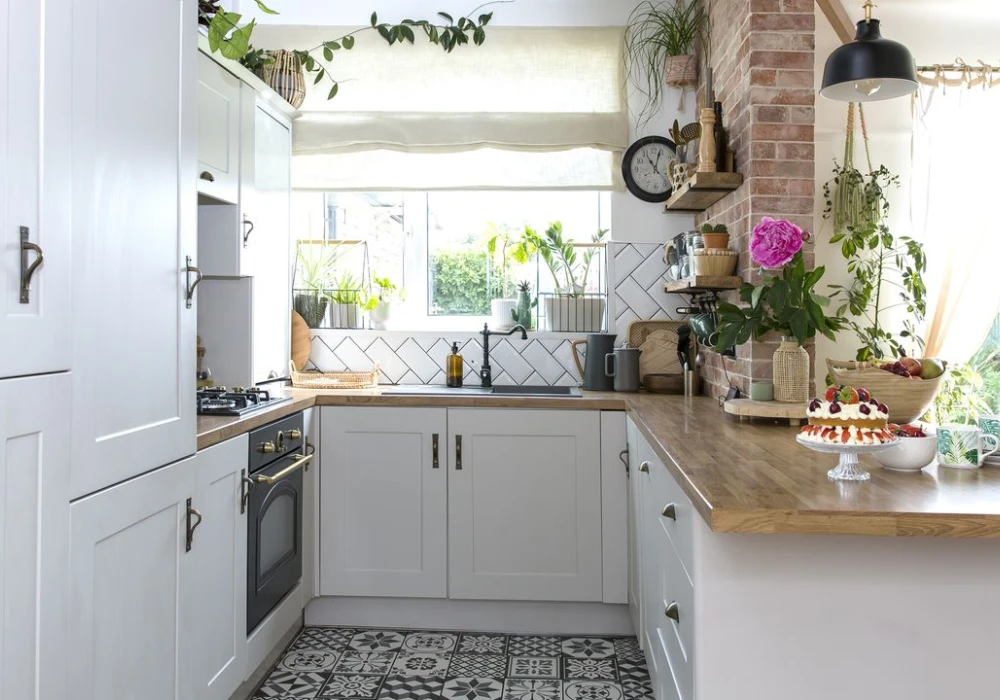
A peninsula kitchen design gives many of the benefits of an island while staying attached to the main counter. I often like this option in homes that need extra function but do not have enough room for a separate island.
This layout creates more prep space and can also define the kitchen area in open rooms. It gives the space structure without making it feel closed off.
A peninsula can also work as a breakfast bar or quick dining spot. That makes it useful in smaller homes where one feature needs to do more than one job.
This kitchen design helps improve flow while adding storage below. When done well, it feels practical and polished without taking over the whole room.
7. Open-Concept Kitchen Design for a Connected Feel
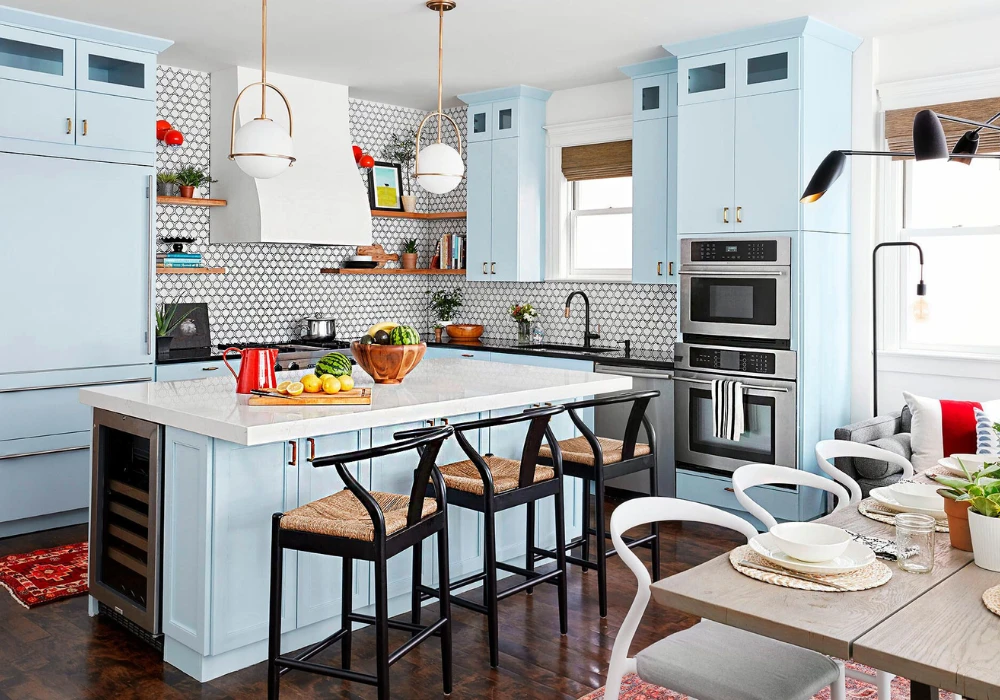
An open-concept kitchen design connects the kitchen to the living or dining area. I like this layout when I want the home to feel brighter, more social, and easier to move through.
This design allows natural light to travel farther across the space. It also helps the kitchen feel like part of the home instead of a separate little box.
Open kitchens need a cleaner visual style because they stay visible most of the time. I usually prefer coordinated finishes, tidy counters, and lighting that ties everything together.
This kitchen design works best when the layout still protects the work zone. Good planning keeps the room open while making sure the cooking area remains functional.
8. Modern Kitchen Design with Clean Lines
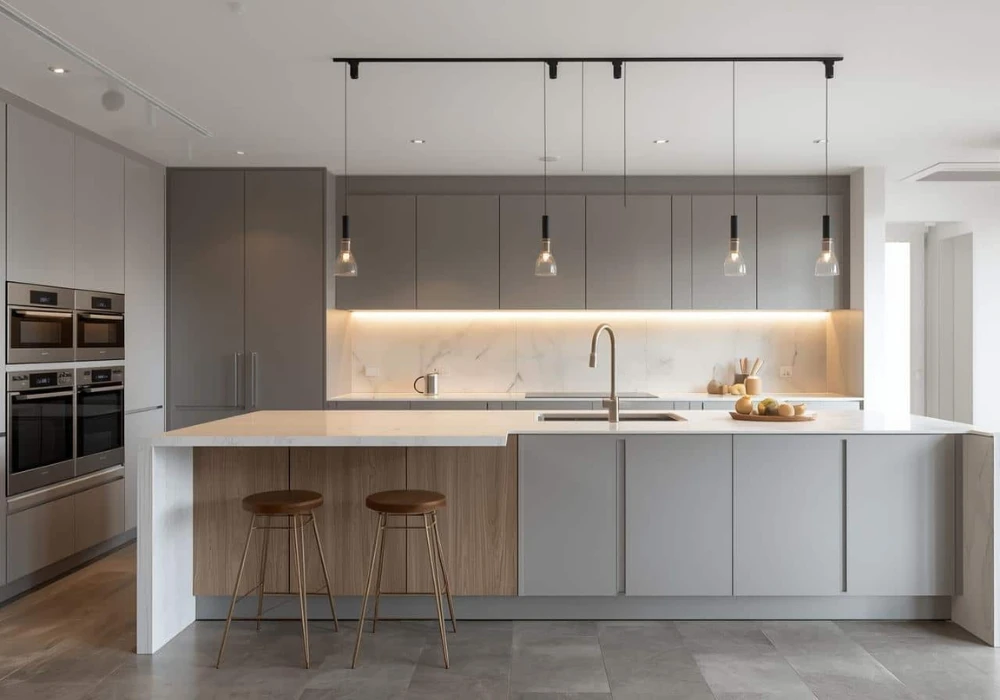
A modern kitchen design focuses on clean lines, flat surfaces, and simple finishes. I like this style because it looks neat, fresh, and easy to pair with many home interiors.
This design often uses handleless cabinets, smooth countertops, and built-in appliances. Those details help the room feel calm rather than crowded.
Modern kitchens usually work best when the color palette stays controlled. I prefer mixing white, gray, black, wood, or soft earthy tones to keep the space balanced.
This style also suits busy households because it reduces visual noise. When the surfaces stay clean and the layout stays practical, the room looks sharp without feeling cold.
9. Farmhouse Kitchen Design for Warmth and Character
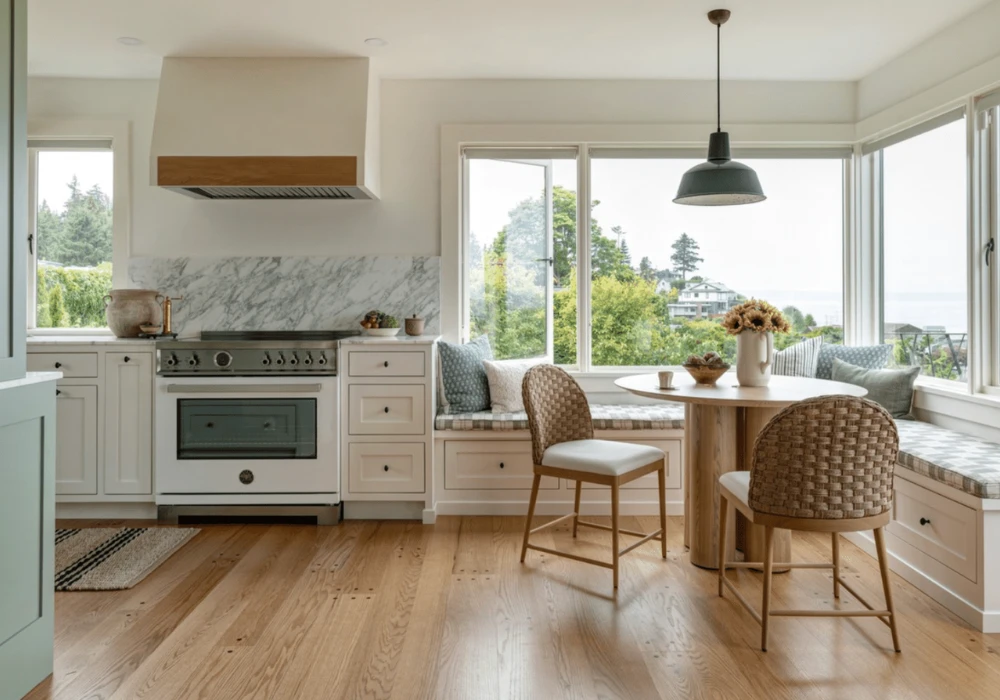
A farmhouse kitchen design brings a warmer and more welcoming feel to the home. I like it because it mixes comfort, charm, and practicality without trying too hard.
This style often includes shaker cabinets, wood accents, open shelving, and softer colors. Those details make the kitchen feel lived-in in a good way, not messy in a bad way.
A farmhouse kitchen also works well with large sinks, classic lighting, and natural textures. I find that these features add personality without making the design feel heavy.
This kitchen design suits people who want a cozy room that still functions well every day. It feels relaxed, useful, and easy to enjoy over time.
10. Minimal Kitchen Design for a Calm Look
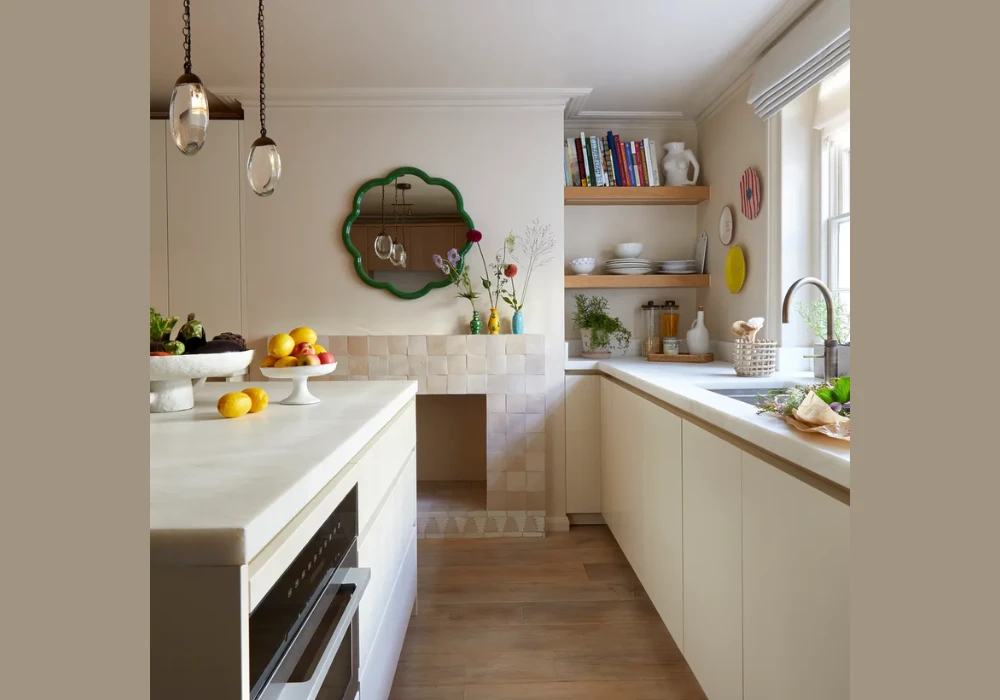
A minimal kitchen design removes extra visual noise and keeps the room simple. I like this approach when I want the kitchen to feel clean, open, and easier to maintain.
This design usually relies on flat-front cabinets, hidden storage, and a limited color palette. That simplicity helps the room look bigger and more organized.
Minimal kitchens still need warmth so they do not feel plain. I often add wood tones, soft lighting, or one textured surface to make the room feel more natural.
This kitchen design works best for people who prefer order and clarity. When every item has a place, the whole room feels lighter and easier to use.
11. Small Kitchen Design with Smart Storage
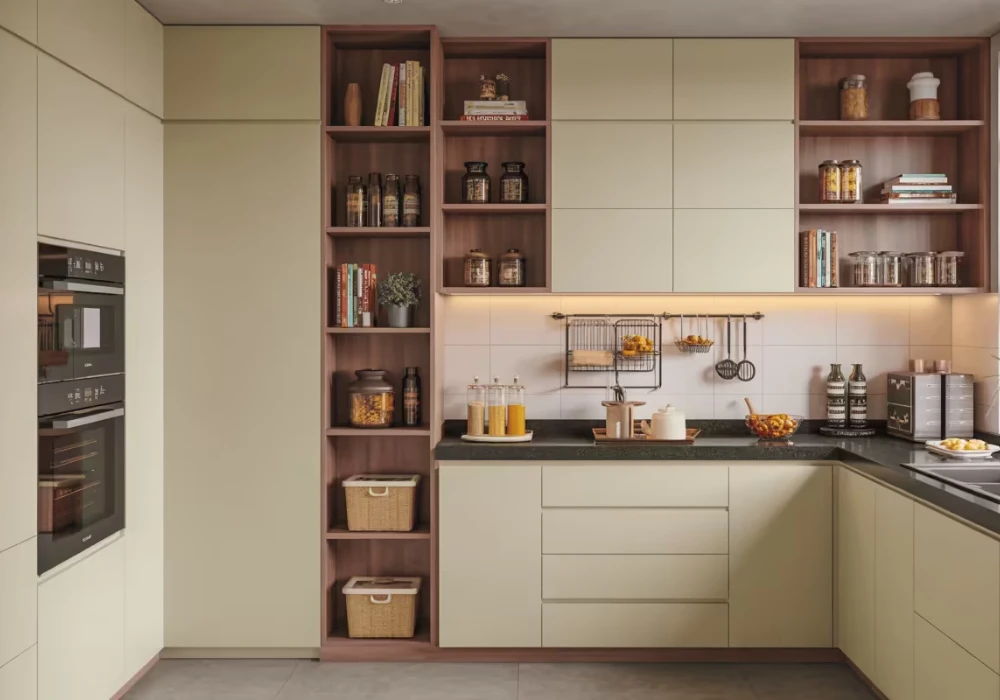
A small kitchen design needs every inch to work harder. I always focus first on vertical storage, corner use, slim cabinets, and layout choices that reduce wasted space.
This design benefits from bright colors, reflective surfaces, and compact appliances. Those choices help the kitchen feel more open even when the floor plan is limited.
Storage matters more than decoration in a small kitchen, but both can work together. I like using attractive containers, neat shelves, and simple hardware to keep the room useful and stylish.
A well-planned small kitchen design can feel surprisingly comfortable. When the layout stays efficient, the room stops feeling cramped and starts feeling clever.
12. Classic Kitchen Design That Stays Timeless
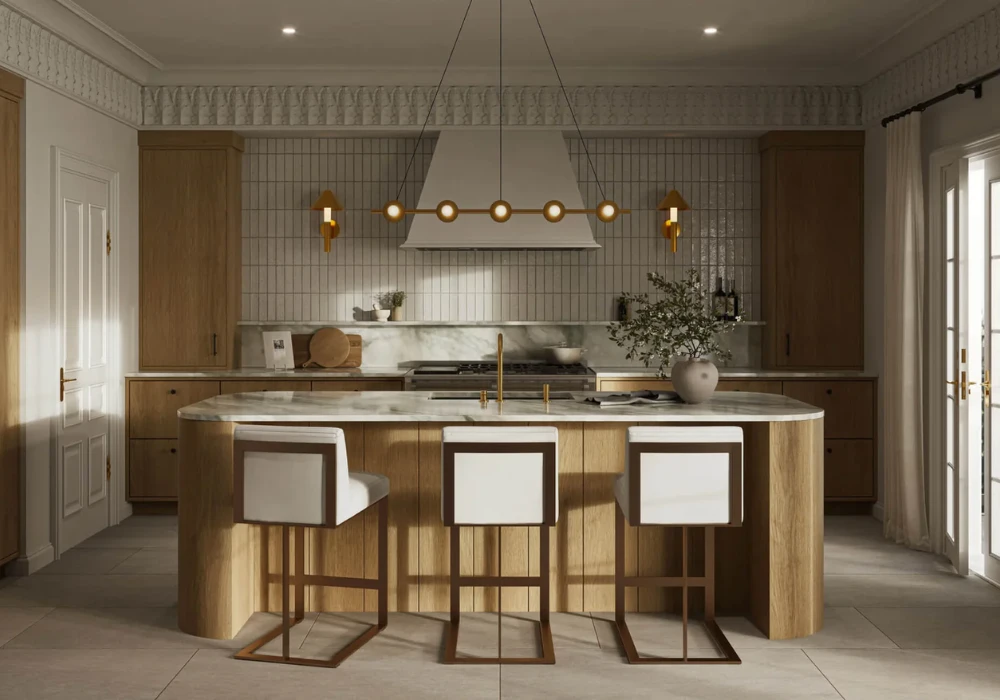
A classic kitchen design stays relevant because it avoids short-term trends. I like this style when I want the room to look polished now and still make sense years later.
This design often uses neutral cabinets, balanced symmetry, and familiar materials like stone, wood, and subway tile. Those choices create a dependable and refined look.
Classic kitchens also work well in different home styles because they feel adaptable. I can pair them with modern lighting or traditional hardware without making the room feel confused.
This kitchen design suits homeowners who want long-term value and steady style. It feels elegant, practical, and easier to update in small ways over time.
13. Luxury Kitchen Design with High-End Function
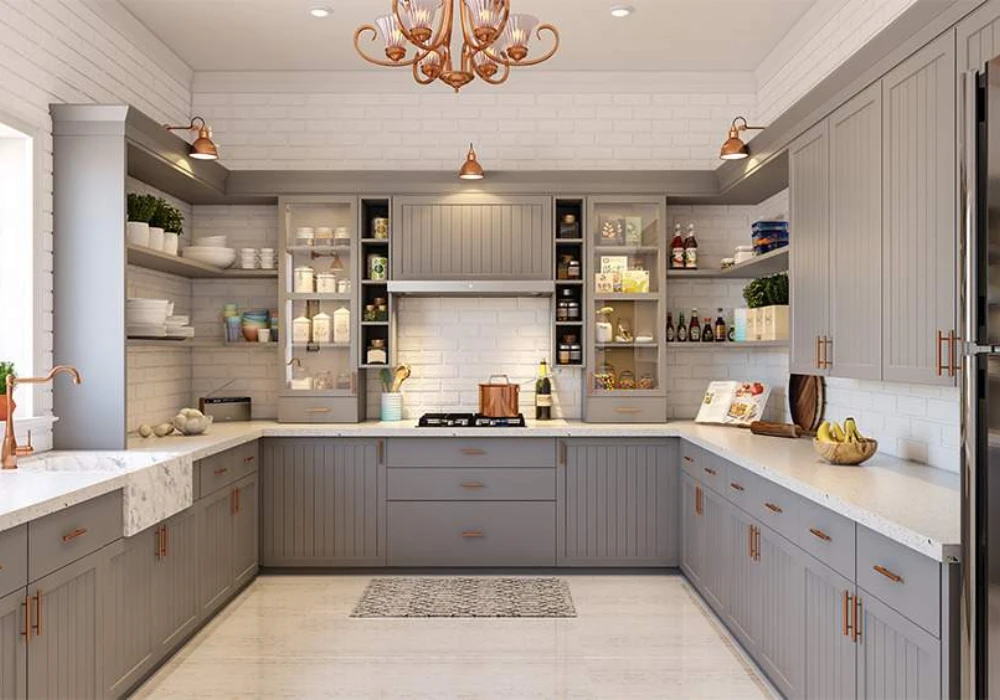
A luxury kitchen design focuses on comfort, quality materials, and better daily use. I do not think luxury means making the room flashy. I think it means the space feels smooth, durable, and thoughtfully built.
This design often includes large counters, layered lighting, custom cabinets, and premium surfaces. Those upgrades improve the experience of using the kitchen, not just the photos.
Luxury kitchens also tend to include better storage planning and stronger appliance integration. I notice that when everything has a proper place, the room feels calmer and more refined.
This kitchen design works best when beauty and function stay balanced. A fancy kitchen that is hard to use is just an expensive annoyance with glossy cabinets.
14. Family-Friendly Kitchen Design for Busy Homes
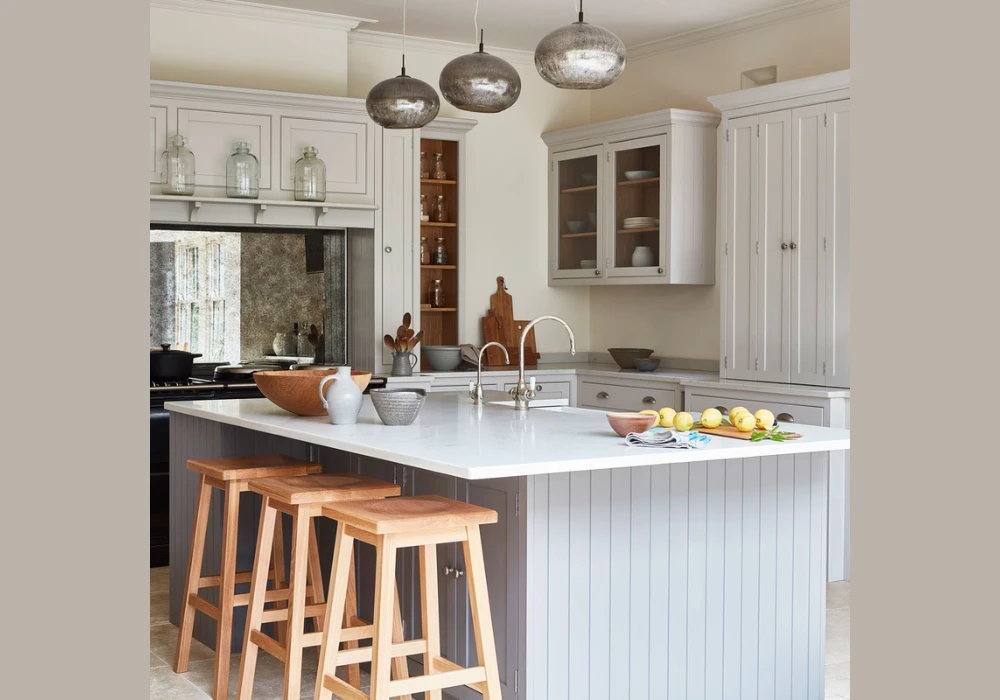
A family-friendly kitchen design supports cooking, eating, storage, and movement without constant chaos. I like this layout style because it respects real life, which usually includes snacks, mess, and someone asking where the plates are.
This design often includes durable finishes, wide walkways, and easy-to-reach storage. Those choices help the kitchen stay useful for adults and practical for children, too.
A family kitchen also benefits from seating, flexible counters, and simple cleaning materials. I prefer surfaces that handle everyday wear without turning every spill into a personal insult.
This kitchen design works best when comfort and function lead the plan. When the room supports daily routines well, the whole home feels more settled.
Smart Tips to Choose the Right Kitchen Design for Your Home
Choosing the right kitchen design becomes easier when I match the layout with the lifestyle first. I always think about how I cook, move, and store things before choosing any style.
A good kitchen design should balance space, storage, and comfort at the same time. When these three things align, the kitchen starts working naturally without constant adjustments.
Simple decisions like layout, lighting, and storage planning make a huge difference. I focus on practical choices because they improve daily use more than decorative upgrades.
Key Tips for Better Kitchen Design Decisions
- Choose a layout based on room size and shape
- Keep enough walking space between counters
- Use vertical storage to increase capacity
- Select materials that are easy to clean
- Add layered lighting for function and comfort
- Avoid overcrowding with too many elements
Kitchen Design Comparison Table
| Design Type | Best For | Main Benefit |
|---|---|---|
| L-Shaped | Medium spaces | Flexible and open feel |
| U-Shaped | Large kitchens | Maximum storage and efficiency |
| Galley | Narrow spaces | Compact and practical workflow |
| One-Wall | Small or open homes | Saves space and looks clean |
| Island | Open layouts | Adds workspace and social area |
| Peninsula | Medium spaces | Extra function without full island |
| Open Concept | Modern homes | Bright and connected layout |
Conclusion
A well-planned kitchen design makes everyday tasks easier and the space more enjoyable to use. I always believe that the best kitchen is not the most expensive one, but the one that fits your routine, space, and comfort.
\From layout choices like L-shaped or galley kitchens to style options like modern or farmhouse, every design works differently depending on your needs.
The key is to focus on function first and then build style around it. When storage, movement, and lighting are handled properly, the kitchen naturally starts to look better and feel more organized.
These ideas give you a strong starting point to create a kitchen that works well and looks right for your home.
FAQs
A galley or one-wall kitchen works best for small spaces. I prefer these layouts because they save space and keep everything within reach.
An L-shaped or U-shaped kitchen is very practical. These layouts provide good workflow and enough storage for regular cooking.
You should choose based on room size, shape, and how you use the kitchen. I always match layout with daily habits first.
Yes, open kitchen designs make the space feel larger and brighter. They also work well for social and family environments.
Modern and minimal kitchen designs are popular right now. I also see many people combining modern layouts with warm materials.
Yes, small changes like lighting, handles, and storage can improve the design. I often start with simple upgrades before major changes.