

Rustic dining room ideas focus on warmth, natural materials, and comfort, which makes them one of the easiest styles to live with long term.
I see many people try modern or luxury dining trends, then quietly return to rustic elements because they feel familiar and welcoming. A rustic dining room does not try to impress guests with shine or perfection. It creates a space where people sit longer, talk more, and enjoy meals without formality.
When I design or recommend rustic dining room setups, I always focus on balance. Too much raw wood can feel heavy. Too many vintage items can feel outdated. The best rustic dining rooms mix natural textures with simple layouts, practical furniture, and thoughtful lighting.
1. Solid Wood Dining Table as the Rustic Foundation
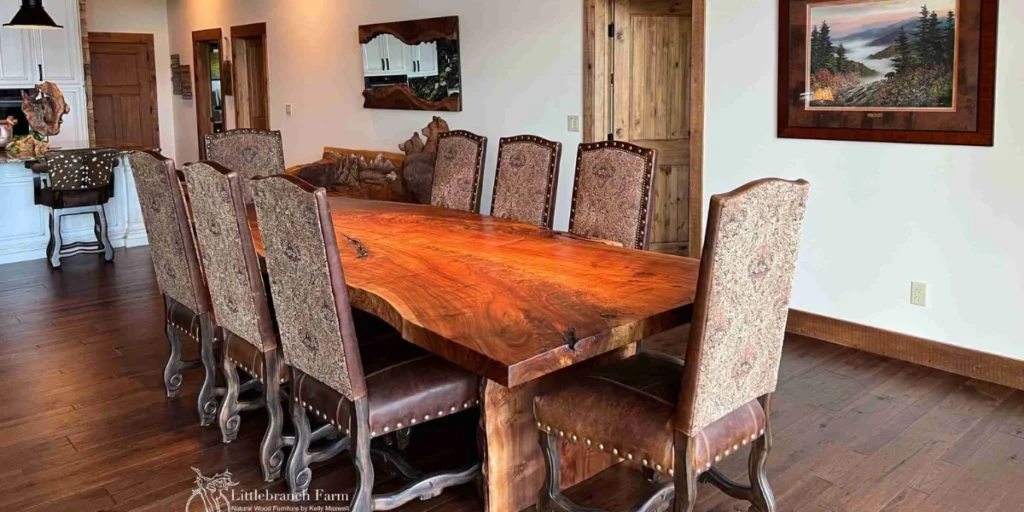
A solid wood dining table sets the tone for any rustic dining room and should always be the starting point. I always suggest choosing a table made from oak, pine, reclaimed wood, or mango wood because these materials age beautifully and hide daily wear well. A rustic table does not need a glossy finish. Slight imperfections, visible grain, and natural knots add character instead of flaws.
For everyday homes, rectangular tables work best because they fit most room layouts and seat more people comfortably. I personally prefer thick table legs and a slightly rough texture because they feel sturdy and grounded. Pairing the table with simple chairs keeps the space from looking too heavy. This table becomes the anchor of the dining room and supports all other rustic elements naturally.
2. Exposed Wooden Beams for a Classic Rustic Ceiling Look
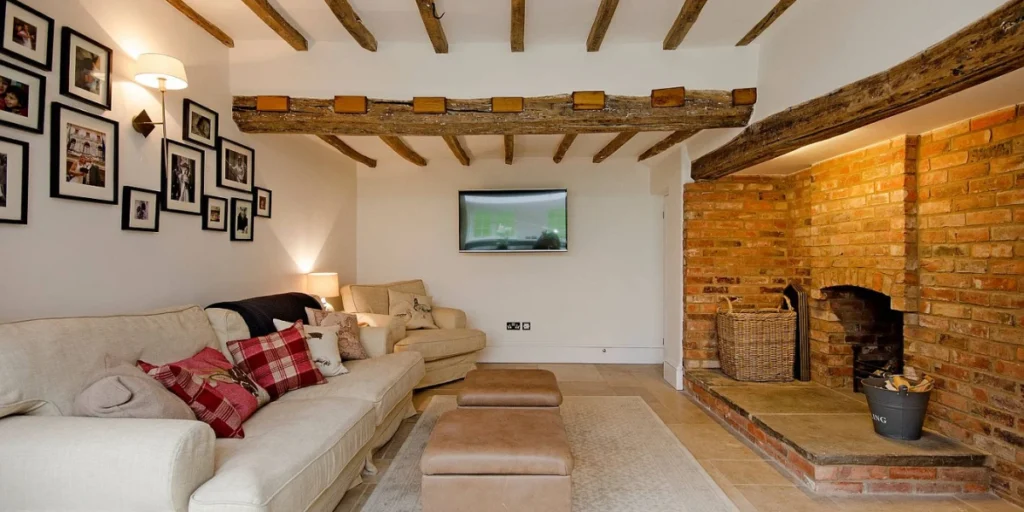
Exposed wooden beams instantly add rustic character and architectural interest to a dining room. If your home already has beams, highlighting them with a natural wood stain makes a big difference. If it does not, faux beams offer a practical alternative that still delivers the same visual warmth.
I have seen dining rooms completely change once ceiling beams were added, even when everything else stayed the same. Beams draw the eye upward and make the space feel grounded and cozy at the same time. Light wood beams suit small dining rooms, while darker beams work well in larger spaces with high ceilings. Keeping the ceiling simple allows the beams to stand out without overwhelming the room.
3. Rustic Dining Room Lighting with Iron or Wood Fixtures
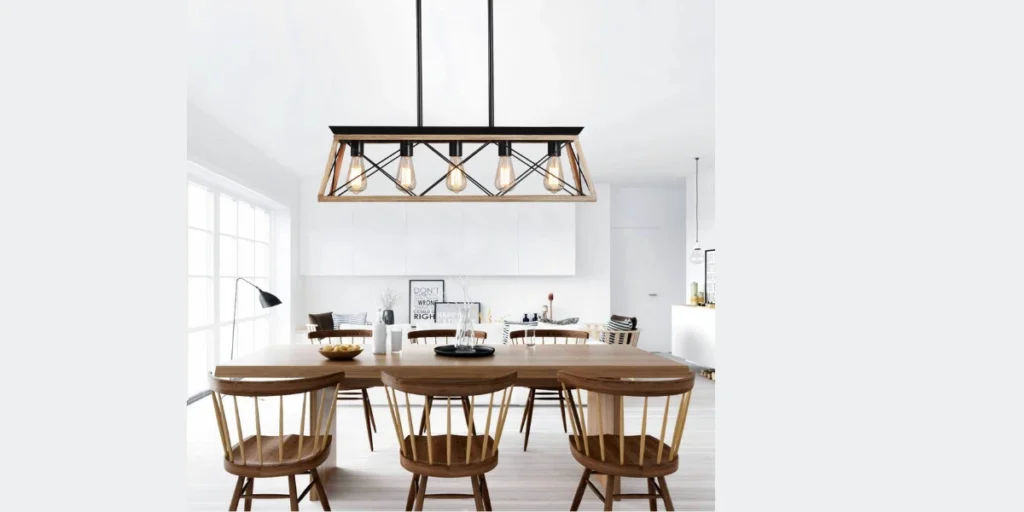
Lighting shapes the mood of a rustic dining room more than most people realize. Rustic lighting focuses on warmth, texture, and soft glow rather than brightness alone. I often recommend pendant lights made from iron, distressed metal, or wood because they feel honest and practical.
A single large pendant centered above the dining table works well for most spaces. For longer tables, two or three smaller pendants create balance. Warm white bulbs help maintain a relaxed atmosphere and prevent the space from feeling harsh. I always avoid overly decorative fixtures in rustic dining rooms because simple designs age better and match the rustic theme naturally.
4. Neutral and Earthy Color Palette for a Rustic Dining Room
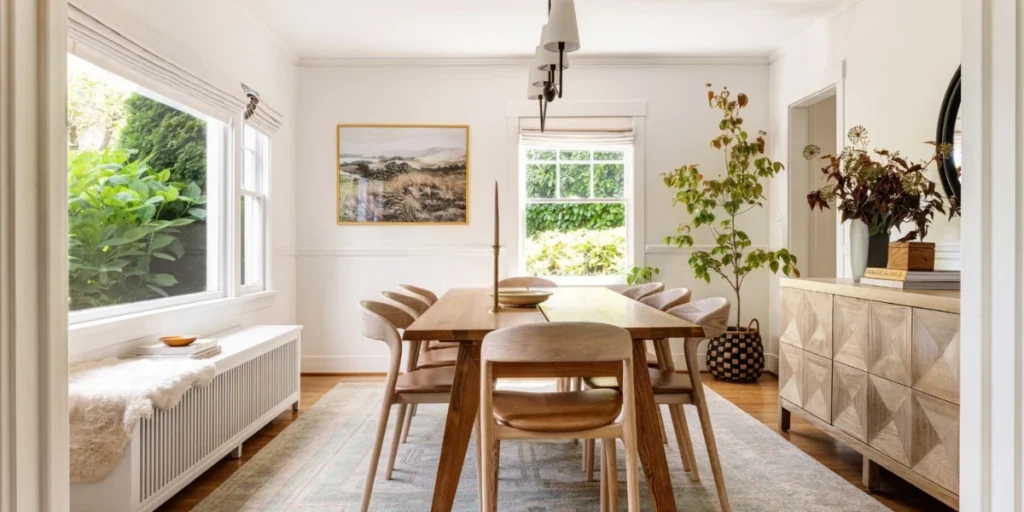
Rustic dining room ideas work best with neutral and earthy colors that support natural materials. Soft whites, beige, warm gray, muted green, and light brown create a calm base without stealing attention from wood textures. I usually suggest keeping walls light so the dining room feels open and welcoming.
Accent colors should come from nature. Think clay tones, olive green, soft charcoal, or warm tan. These shades pair beautifully with wood furniture and metal accents. I avoid bold or glossy colors in rustic dining rooms because they disrupt the relaxed feel. A balanced color palette allows furniture and decor to shine without visual clutter.
5. Rustic Dining Room Chairs That Focus on Comfort
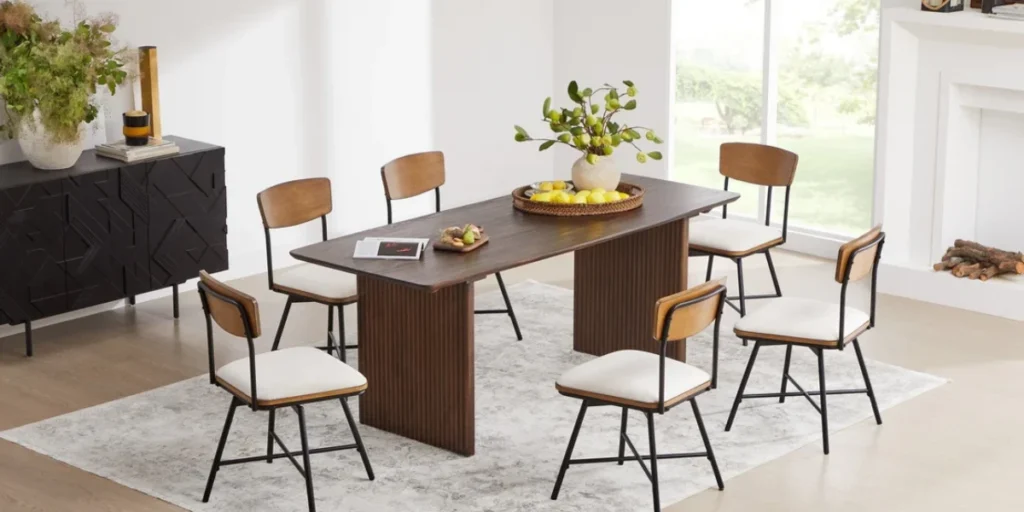
Rustic dining room chairs should feel comfortable enough for long meals and conversations. Wooden chairs with simple shapes, ladder backs, or cross backs fit perfectly in rustic spaces. I often suggest mixing chairs slightly instead of matching everything exactly. This adds personality without looking messy.
Upholstered seats in linen or cotton bring softness to the dining area and improve comfort. Neutral upholstery works best because it blends easily with wood tones. I personally like combining a bench on one side of the table with chairs on the other. Benches save space and feel relaxed, which suits rustic dining rooms very well.
6. Natural Textiles and Simple Table Decor
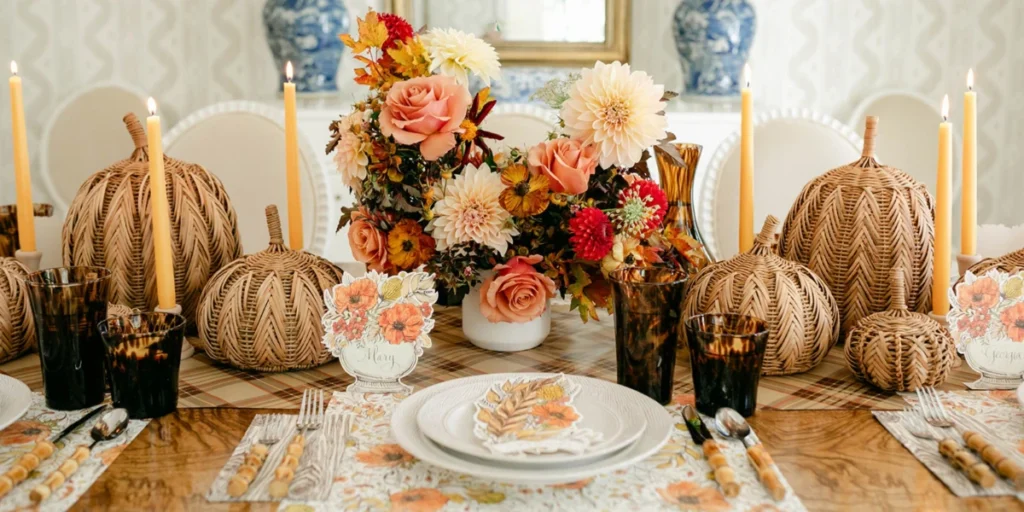
Natural textiles bring warmth and softness to rustic dining rooms without much effort. Table runners made from linen, cotton, or burlap instantly add texture and keep the table from looking bare. I often suggest avoiding heavy tablecloths because they hide the beauty of the wood table.
Simple decor works best for rustic tables. A wooden bowl, ceramic vase, or glass jar filled with seasonal branches feels intentional without trying too hard. I personally change table decor with seasons instead of overdecorating. Rustic dining rooms feel best when they look lived-in, not styled for photos.
7. Reclaimed Wood Wall Panels for a Rustic Dining Room Accent
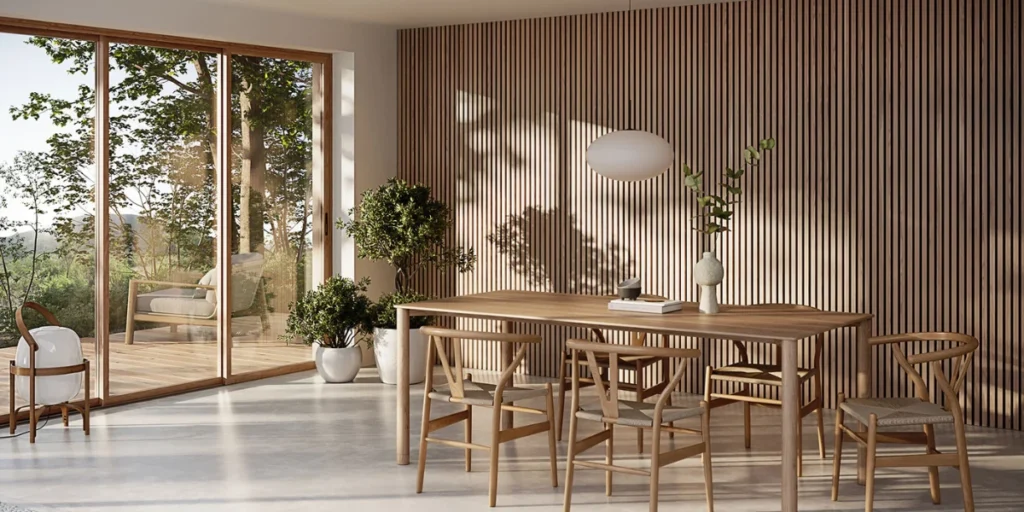
Reclaimed wood wall panels add instant rustic depth and make a dining room feel layered and personal. I like this idea because it uses real materials that already carry history, which fits the rustic style naturally. A single accent wall behind the dining table works best and prevents the space from feeling too dark or busy.
These panels pair well with neutral walls and simple furniture. I always suggest keeping the wood finish natural or lightly sealed so the texture stays visible. This approach works well in both large and small dining rooms because it adds interest without taking up floor space. It also creates a strong visual backdrop for family meals and gatherings.
8. Open Shelving with Rustic Decor and Everyday Items
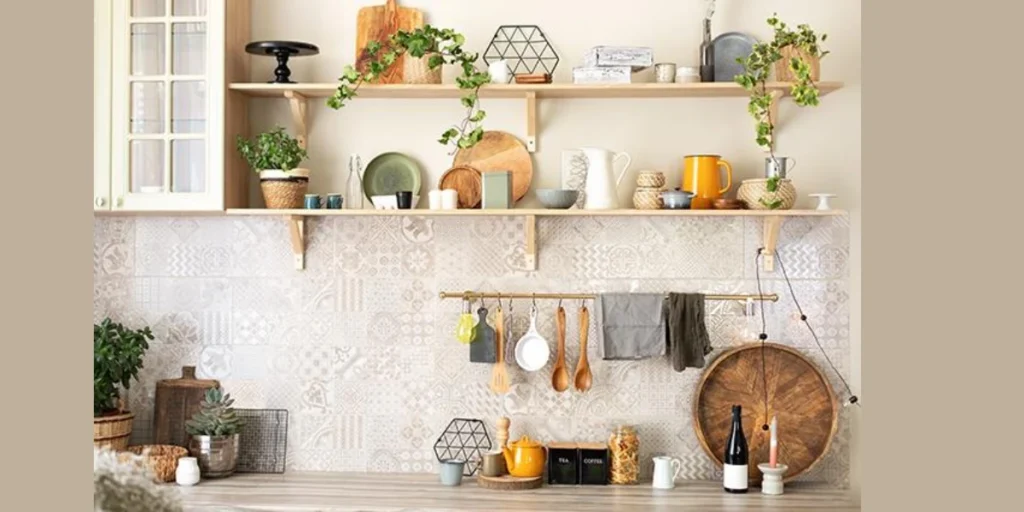
Open shelving fits rustic dining room ideas because it blends function with decoration. I often recommend wooden shelves supported by iron brackets because they feel sturdy and practical. These shelves give you space to display everyday items like plates, bowls, and glasses instead of hiding everything behind cabinet doors.
What I like most about open shelving is flexibility. You can change the look by rotating decor without replacing furniture. Ceramic dishes, woven baskets, glass jars, and small plants all work well here. The key is balance. I keep shelves organized and slightly spaced so they feel intentional, not cluttered.
9. Rustic Dining Room Flooring with Natural Texture
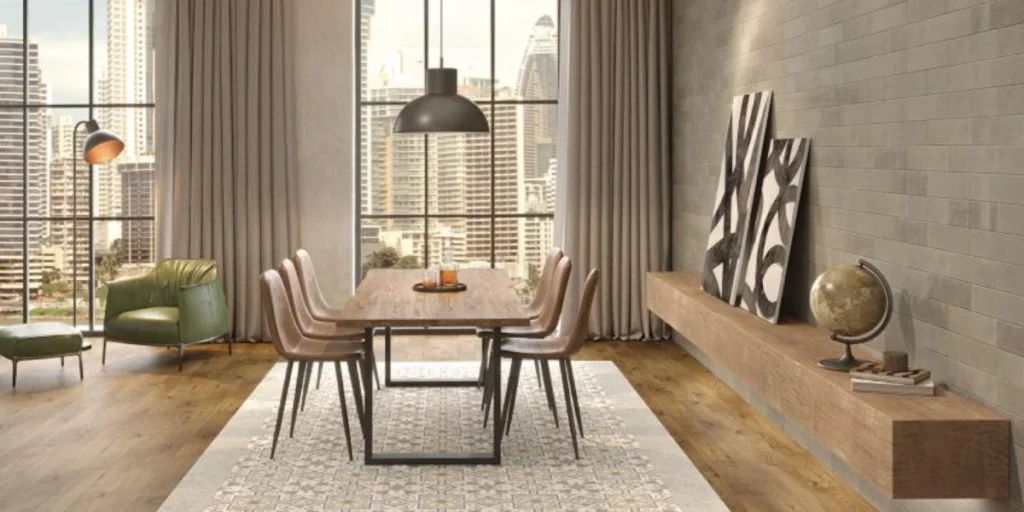
Flooring plays a quiet but powerful role in rustic dining rooms. Wood floors remain the top choice because they support the warm and natural theme. I usually recommend wide planks with a matte or lightly textured finish because they feel comfortable and hide wear better than glossy surfaces.
If wood floors are not an option, stone-look tiles or textured ceramic tiles work well too. Area rugs made from jute or wool add warmth under the dining table and soften the space visually. I always advise choosing rugs that handle spills easily because dining rooms should support real life, not stress.
10. Farmhouse-Style Storage for Rustic Dining Rooms
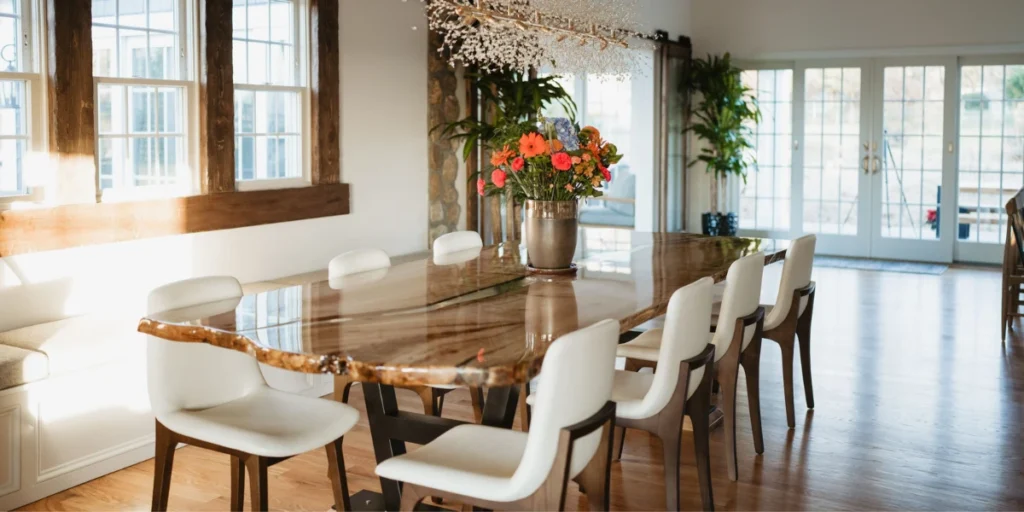
Rustic dining rooms benefit from storage that looks practical and honest. Sideboards, buffets, and hutches made from wood with simple hardware fit perfectly. I like pieces that show wood grain and have minimal detailing because they age better.
These storage pieces serve multiple purposes. They hold serving dishes, linens, and seasonal decor while adding visual weight to the room. I personally prefer slightly distressed finishes because they hide scratches and make the space feel relaxed. Storage furniture should feel useful first and decorative second.
11. Nature-Inspired Rustic Wall Decor
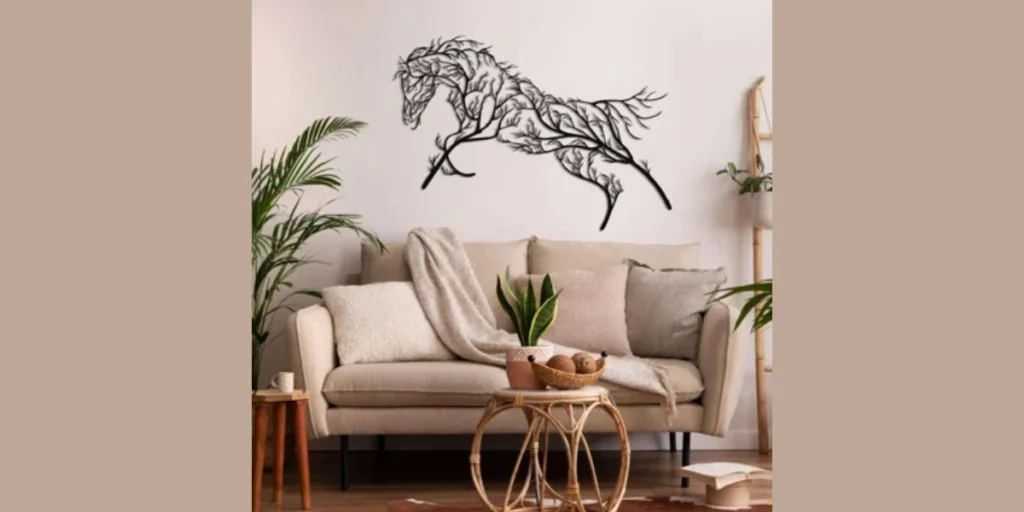
Rustic wall decor works best when it stays close to nature. I usually recommend simple framed prints, wooden signs, vintage mirrors, or botanical artwork. These elements support the rustic theme without overwhelming the dining room.
I avoid filling every wall because rustic spaces need breathing room. One or two well-placed pieces make more impact than a full gallery wall. When I decorate walls, I think about scale and placement. Art should complement the dining table and not compete with it.
12. Mixing Rustic Style with Modern Comfort
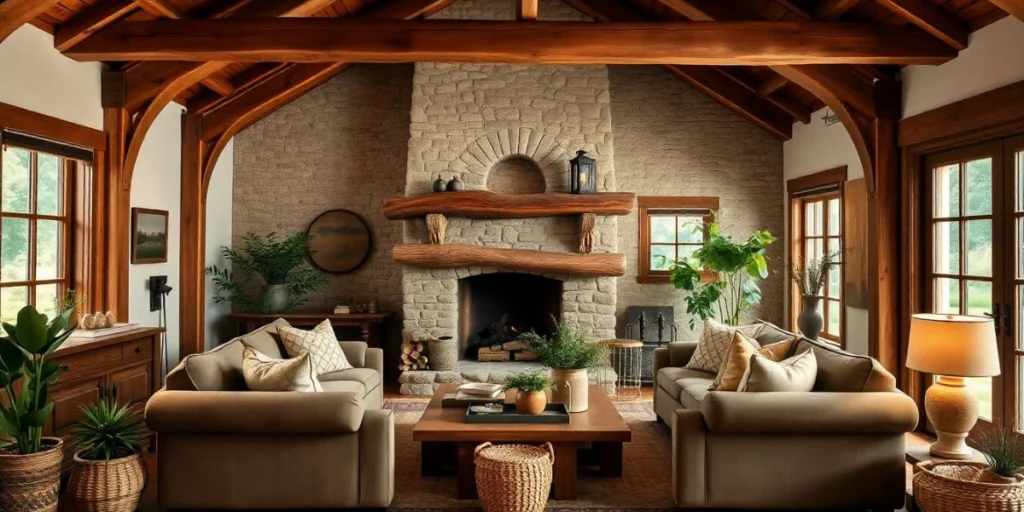
Mixing rustic elements with modern comfort creates dining rooms that feel current and livable. I often suggest pairing rustic wood tables with modern chairs or lighting. This balance keeps the room from looking dated while maintaining warmth.
I personally like clean-lined chairs with rustic tables because they make the space feel lighter. Simple modern lighting paired with wood textures works well too. This approach suits families who want rustic charm without committing to a fully traditional look. It proves that rustic dining room ideas can adapt to different lifestyles easily.
Conclusion
Rustic dining room ideas work because they focus on comfort, warmth, and materials that age well. I always encourage choosing pieces that support daily life instead of chasing trends. Solid wood furniture, warm lighting, natural colors, and simple decor create dining rooms that feel welcoming year after year.
From my experience, the best rustic dining rooms evolve slowly. You add items over time, adjust textures, and let the space reflect how you live. If you start with the right foundation and layer thoughtfully, your dining room will stay functional and inviting without constant updates.
FAQs
Neutral and earthy colors work best. I recommend soft whites, beige, warm gray, muted green, and brown tones because they support wood textures naturally.
Yes, rustic dining rooms work well in small spaces when you use lighter wood tones, simple furniture, and minimal decor. I suggest avoiding heavy finishes in compact rooms.
Mix rustic elements with modern furniture or lighting. Clean lines and simple designs help maintain a fresh look without losing warmth.
Reclaimed wood works well when properly sealed. I like it because it adds character and hides wear better than polished surfaces.