
Small bathroom ideas focus on smart layout, space-saving storage, and light colors that make the room feel larger than it actually is. I always tell people that even the tiniest bathroom can look stylish with the right choices.
Most homeowners struggle with storage, movement space, and poor lighting in small bathrooms. That is completely normal because limited square footage creates design challenges.
In this guide, I share realistic small bathroom ideas that work in apartments, compact homes, and guest bathrooms. Every suggestion focuses on real-life usability instead of unrealistic showroom designs. You will find solutions that improve space instantly.
What Makes a Small Bathroom Look Bigger and Better
A small bathroom looks bigger when you reduce visual clutter and use light-reflecting surfaces effectively. I usually recommend bright colors, mirrors, and minimal furniture because they create openness. Visual space matters more than actual size.
Storage planning also plays a major role in small bathroom design. Hidden storage keeps items organized and prevents countertops from looking messy. A clean environment automatically feels more spacious.
Lighting placement improves both functionality and perception of size. Proper lighting removes shadows and makes walls appear farther apart. Even small lighting upgrades can change the entire feel.
1. Floating Vanity for More Floor Space
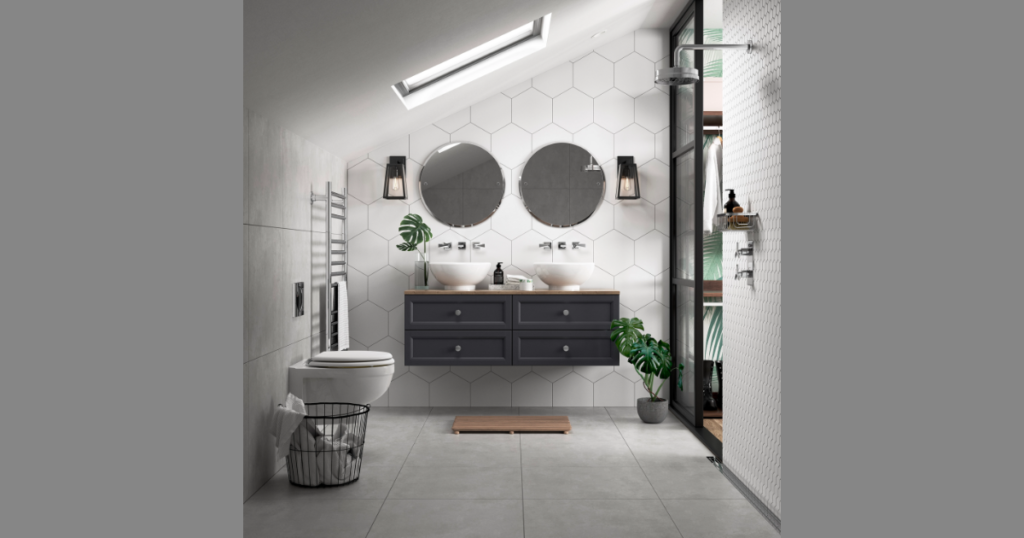
A floating vanity creates the illusion of more space because it exposes the floor underneath and reduces visual heaviness. I often suggest this option for compact bathrooms because it makes the room feel open instantly.
Wall-mounted vanities also provide flexible height placement depending on user comfort. This becomes helpful in family homes where different people use the same bathroom. Adjustable installation improves usability.
Storage drawers inside floating vanities keep essentials organized without cluttering the room. When items remain hidden, the space automatically feels cleaner and larger. That psychological effect makes a big difference.
2. Large Mirror to Reflect Light
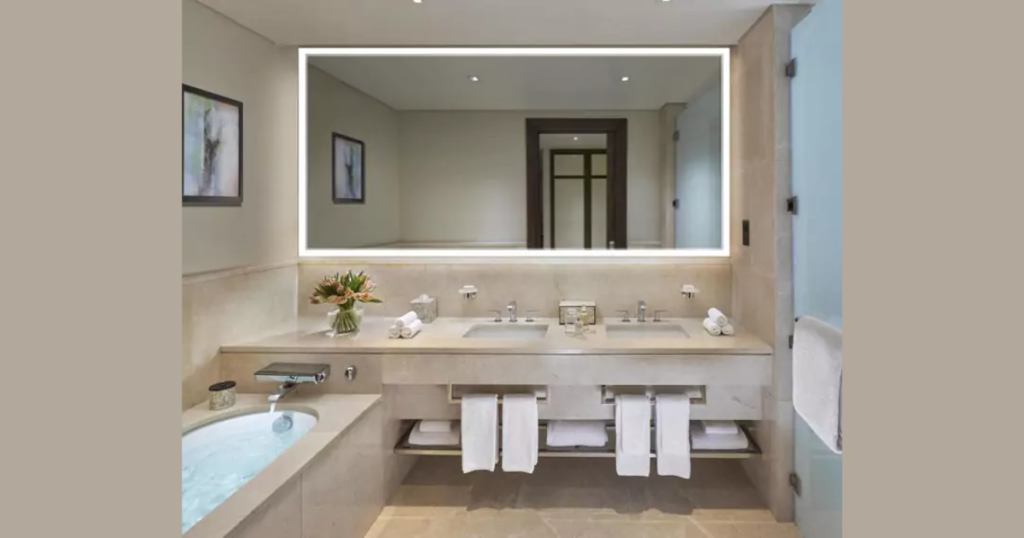
A large mirror makes a small bathroom appear bigger because it reflects both natural and artificial light across the room. I always recommend installing the largest mirror possible above the vanity. More reflection creates visual depth.
Mirrors also improve functionality for grooming tasks like shaving or makeup application. Better visibility reduces frustration during daily routines. Practical benefits combine with visual improvement.
Frameless mirrors work especially well because they reduce visual interruption on walls. The seamless appearance supports a spacious atmosphere. Even budget mirrors can create a strong impact.
3. Light Color Palette for Openness
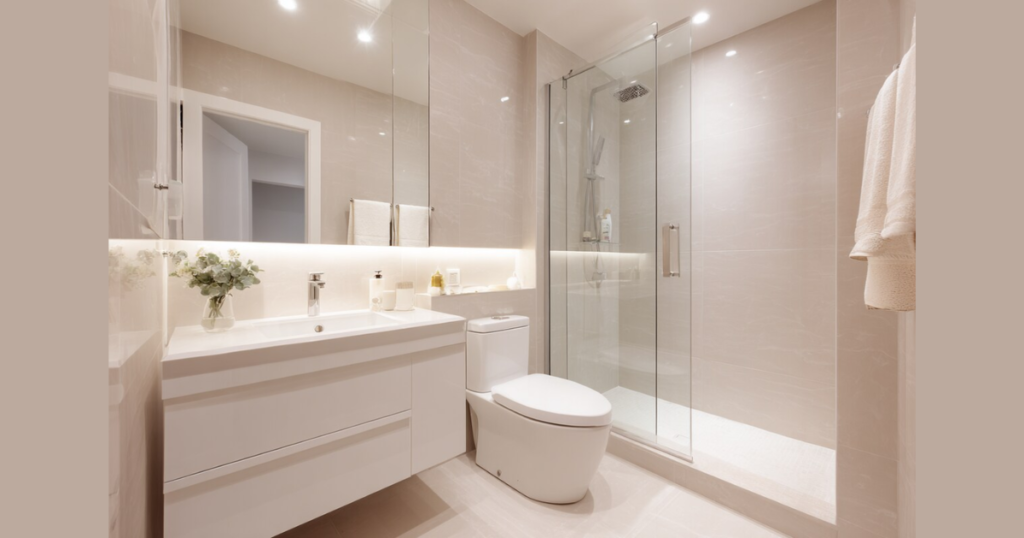
Light colors expand visual space because they reflect light instead of absorbing it. Shades like white, soft grey, beige, and pastel tones create a clean and airy environment. Dark colors often make small rooms feel cramped.
I prefer combining multiple light tones to avoid a flat appearance. For example, white walls with light wood cabinets create warmth and depth. Balanced colors improve comfort.
Neutral colors also allow flexibility for decor updates in the future. Homeowners can change accessories without repainting or remodeling. That flexibility saves money over time.
4. Corner Sink to Save Space
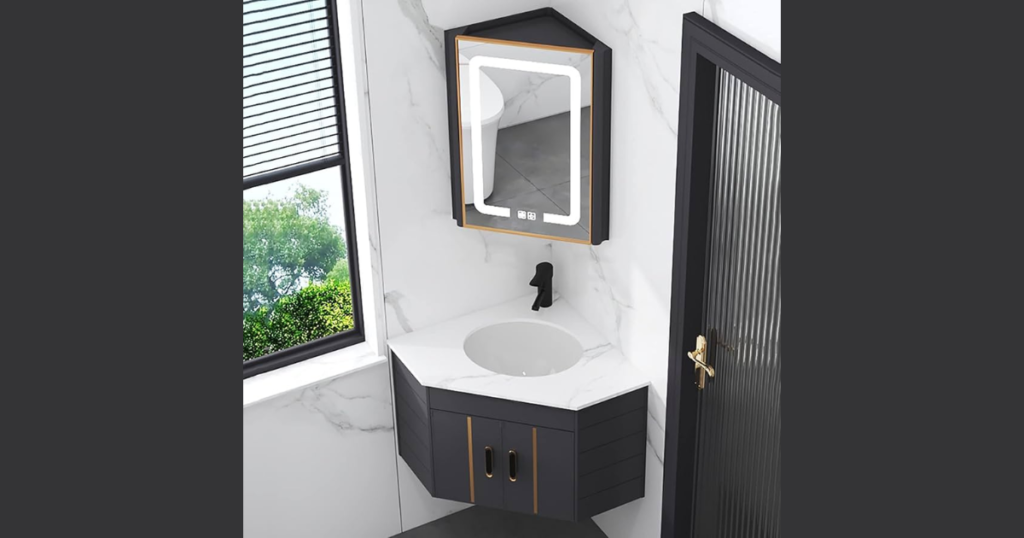
A corner sink uses unused areas efficiently and improves movement space in tight layouts. I recommend this solution when door clearance or narrow pathways create obstacles. Smart placement improves functionality.
Compact corner sinks also reduce visual crowding compared to large vanities. Minimal footprint allows better walking space around fixtures. This improves comfort during daily use.
Many modern corner sinks include small storage shelves underneath for essentials. That combination of storage and efficiency works well in tiny bathrooms. Practical design always wins.
5. Vertical Storage Shelves for Organization
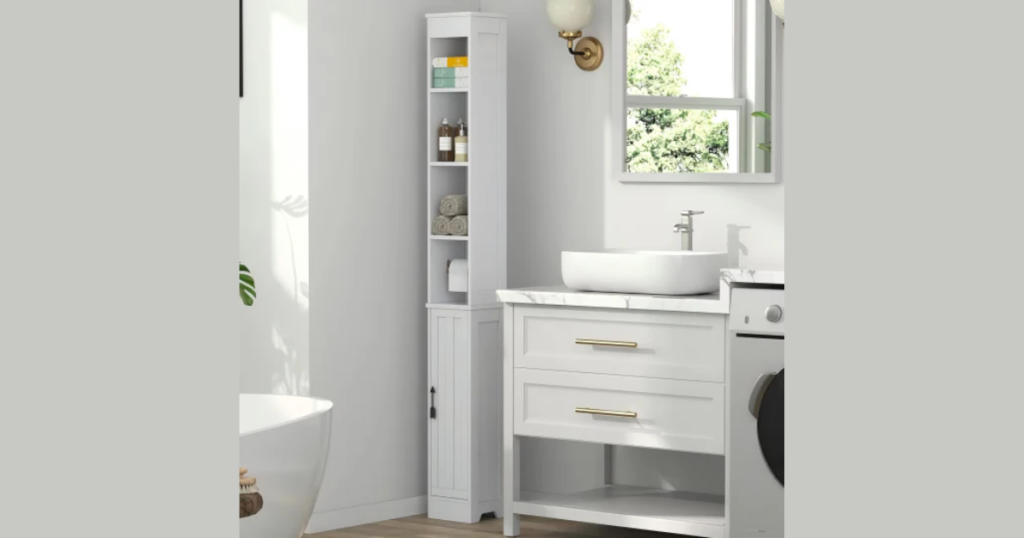
Vertical storage maximizes wall height instead of using valuable floor space. I often suggest tall shelves above toilets or beside vanities because they utilize unused areas. This approach increases storage without overcrowding.
Open shelving also keeps frequently used items easily accessible. Organized baskets or containers maintain neatness and prevent visual clutter. Structure improves appearance.
Wall-mounted storage reduces cleaning difficulty compared to floor cabinets. More visible floor space also makes the bathroom feel larger. Small changes create noticeable results.
6. Glass Shower Panels Instead of Curtains
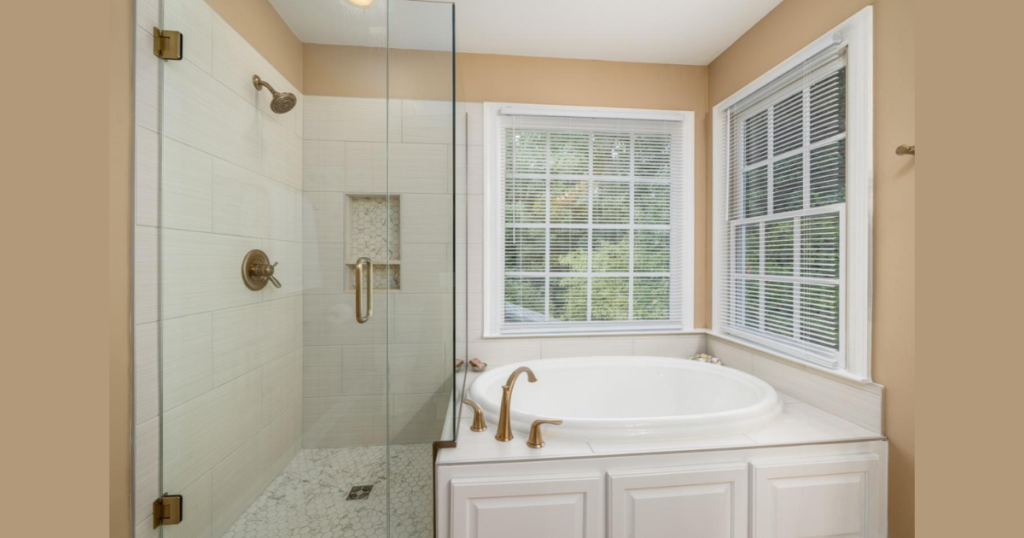
Glass shower panels make bathrooms feel larger because they remove visual barriers created by curtains. I usually recommend clear glass because it keeps sightlines open across the room. Openness improves perception of size.
Glass panels also allow decorative tiles to remain visible, adding depth and interest. Hidden shower areas often make rooms feel smaller. Transparency improves overall design flow.
Maintenance becomes easier with modern water-resistant coatings on glass panels. Cleaning requires less effort compared to fabric curtains. Practical benefits support long-term use.
7. Wall-Mounted Cabinets for Hidden Storage
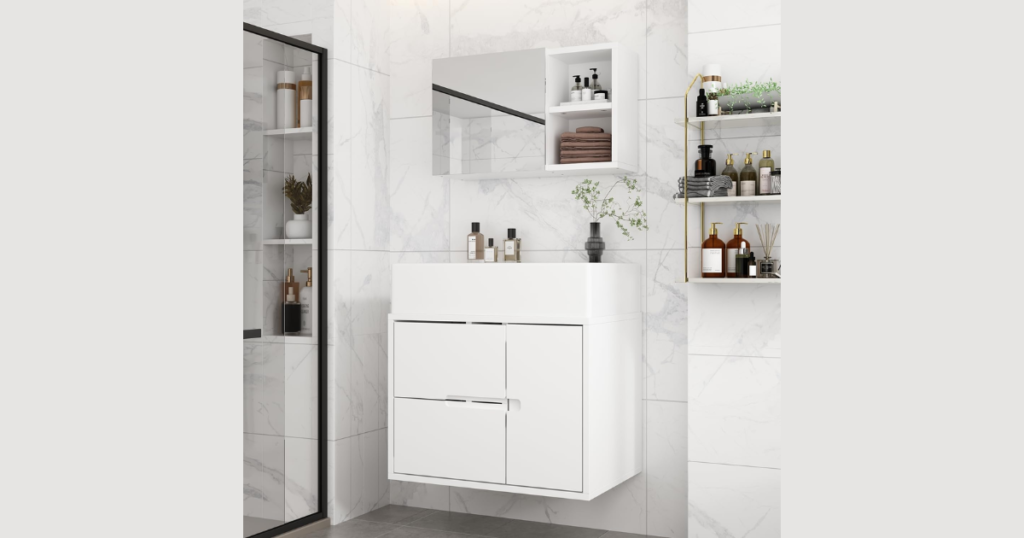
Wall-mounted cabinets provide storage without occupying floor space, which improves movement in small bathrooms. I often recommend placing cabinets above toilets or beside mirrors. Strategic placement increases functionality.
Closed cabinets hide clutter and maintain a clean appearance throughout the space. Visual simplicity makes the room feel larger and more organized. Hidden storage supports comfort.
Moisture-resistant materials ensure durability in humid environments. Quality cabinets last longer and reduce replacement costs. Investing once saves effort later.
8. Sliding Shower Doors for Space Efficiency
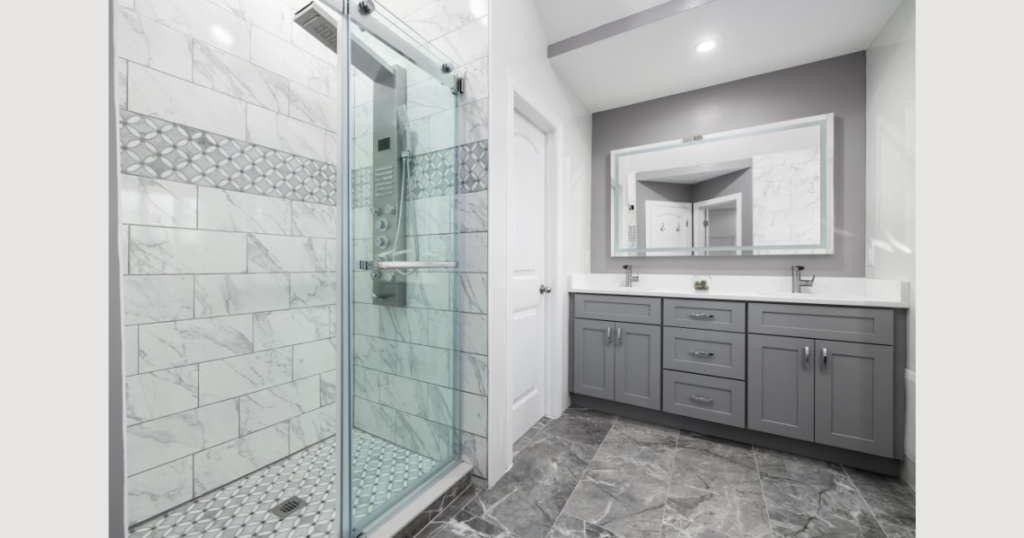
Sliding shower doors save space because they do not require outward clearance like traditional swing doors. I often recommend them for narrow bathrooms where movement space is limited. The smooth sliding mechanism improves convenience during daily use.
Glass sliding doors also maintain openness by allowing light to pass through the entire room. This prevents the bathroom from feeling divided into small sections. Visual continuity makes a noticeable difference.
Modern sliding systems operate quietly and require minimal maintenance when installed properly. Quality hardware prevents alignment issues over time. A reliable door system improves long-term satisfaction.
9. Recessed Wall Niches for Storage
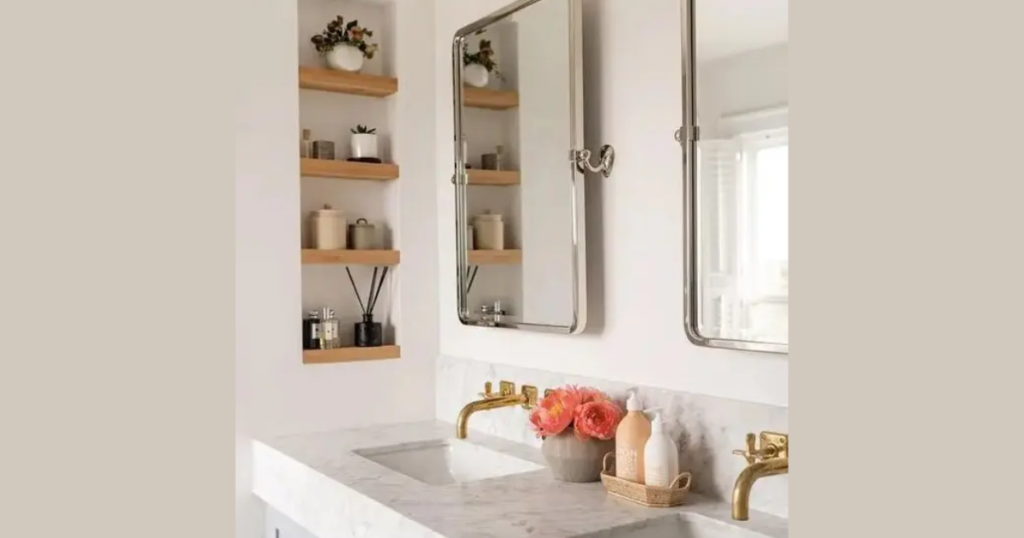
Recessed wall niches provide storage without occupying external space because they sit inside the wall structure. I recommend installing niches in shower areas or above sinks to hold essentials. This solution keeps items accessible without clutter.
Built-in niches also create a clean and custom appearance compared to hanging shelves. The seamless design improves aesthetics while maintaining practicality. Hidden depth increases functionality.
Waterproof finishing materials protect walls from moisture damage inside niches. Proper sealing ensures durability and prevents future repairs. Planning the installation correctly is important.
10. Compact Toilet Designs for Small Layouts
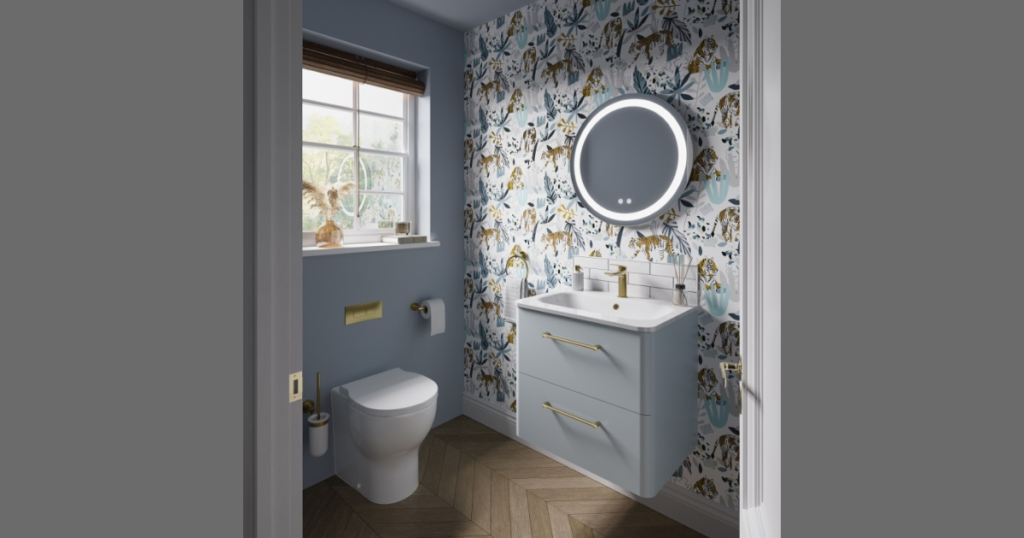
Compact toilets improve movement space because they extend less into the room compared to standard models. I often suggest short-projection or wall-mounted toilets for tight layouts. Smaller fixtures create better clearance.
Wall-mounted toilets also expose more floor area, which enhances visual openness. Cleaning becomes easier because there are fewer obstacles around the base. Practical benefits improve daily maintenance.
Modern compact toilets still provide strong flushing performance despite smaller dimensions. Technology improvements have eliminated many performance concerns. Efficiency does not require a large size.
11. Bright Lighting to Remove Shadows
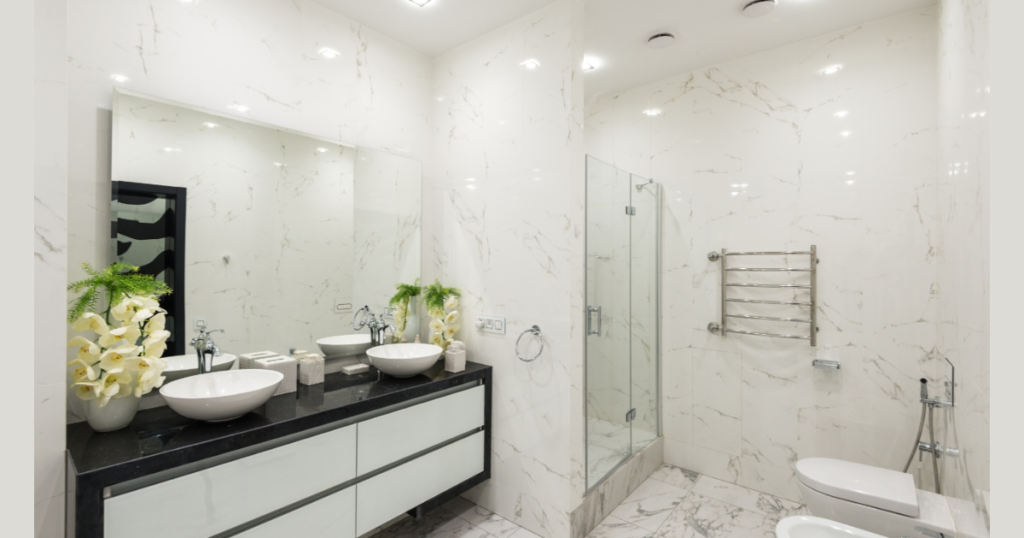
Bright lighting makes small bathrooms appear larger because it eliminates dark corners and shadows. I always recommend layered lighting with ceiling lights and mirror illumination. Multiple light sources improve visibility.
Warm white lighting creates a comfortable environment while maintaining brightness. Harsh lighting can feel uncomfortable during grooming routines. Balanced illumination supports usability.
Energy-efficient LED fixtures reduce electricity consumption while providing strong brightness. Long-lasting bulbs minimize replacement frequency. Efficient lighting saves money over time.
12. Minimal Decor to Reduce Clutter
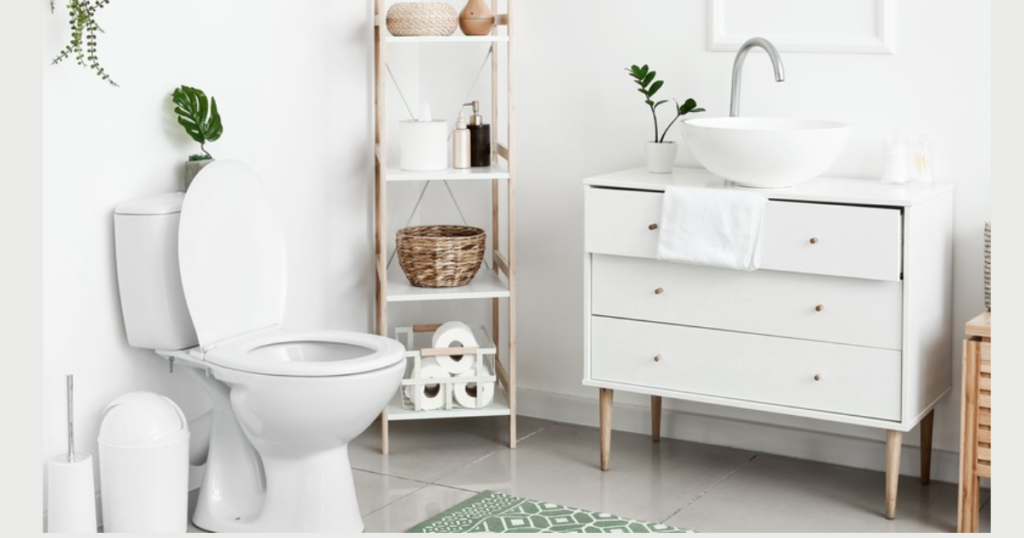
Minimal decor improves spaciousness because fewer objects reduce visual noise in small bathrooms. I usually recommend focusing on essential items instead of decorative excess. Simplicity creates calmness.
Choosing coordinated accessories like matching dispensers and towels improves organization. Consistency makes the space look intentional and tidy. Small details matter significantly.
Functional decor items such as mirrors or storage baskets provide both beauty and practicality. Every object should serve a purpose in compact spaces. Smart selection prevents overcrowding.
Budget Planning Guide for Small Bathroom Improvements
| Budget Level | Recommended Upgrades | Priority Focus |
|---|---|---|
| Low Budget | Paint, mirror, lighting | Visual improvement |
| Medium Budget | Vanity, storage shelves | Function balance |
| High Budget | Tiles, fixtures, glass shower | Full upgrade |
Conclusion
Small bathroom ideas focus on smart storage, compact fixtures, and light-reflecting design choices that improve both comfort and appearance. When you combine mirrors, lighting, and efficient layouts, even tiny spaces feel functional. Practical planning produces the best results.
I always believe that size does not limit style when you use the right design strategies. Simple upgrades like floating vanities, glass panels, and vertical storage create noticeable improvements. Thoughtful choices matter more than square footage.
If you want your bathroom to feel bigger without a major renovation, these ideas provide realistic solutions you can apply immediately. The goal is comfort, organization, and visual openness together. Anyone can achieve this with planning.
FAQs
Use light colors, large mirrors, and minimal clutter to create visual openness and brightness.
White, beige, soft grey, and pastel shades work best because they reflect light and expand perception.
Yes, floating vanities expose floor space and create a more open appearance.
Walk-in showers with glass panels or sliding doors save space and improve openness.
Use vertical shelves, wall cabinets, and recessed niches to maximize unused areas.
Yes, but only as accents because too much dark color can reduce visual space.