
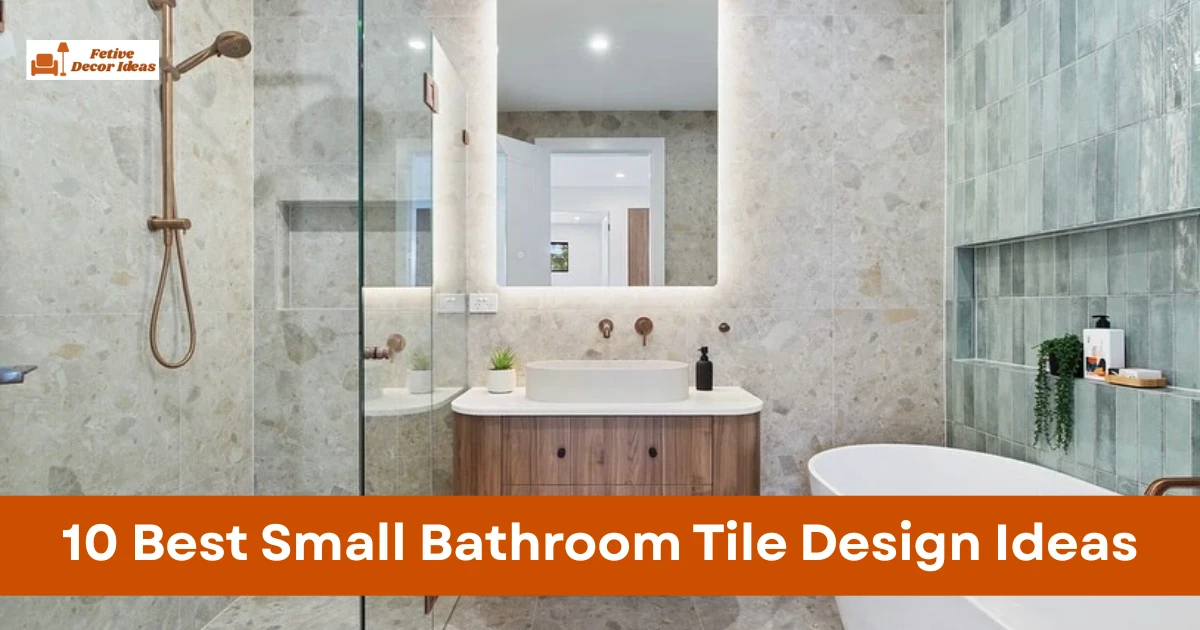
Small bathroom tile design ideas help create the illusion of space while improving style and function at the same time. The right tile layout can make even a compact bathroom feel open and comfortable.
I always notice that smart tile choices matter more in small bathrooms than in large ones. A few design adjustments can completely change how the room feels without expanding the area.
Why Tile Design Matters in Small Bathrooms
Tile design affects how spacious or cramped a bathroom appears visually. Color, size, and layout all influence perception of space.
I prefer simple tile designs in small bathrooms because cluttered patterns can make the room feel crowded. Clean layouts create a more relaxing environment.
When tiles reflect light and reduce visual breaks, the bathroom feels brighter and more open. Thoughtful planning improves comfort.
1. Light Colored Floor and Wall Tiles Together
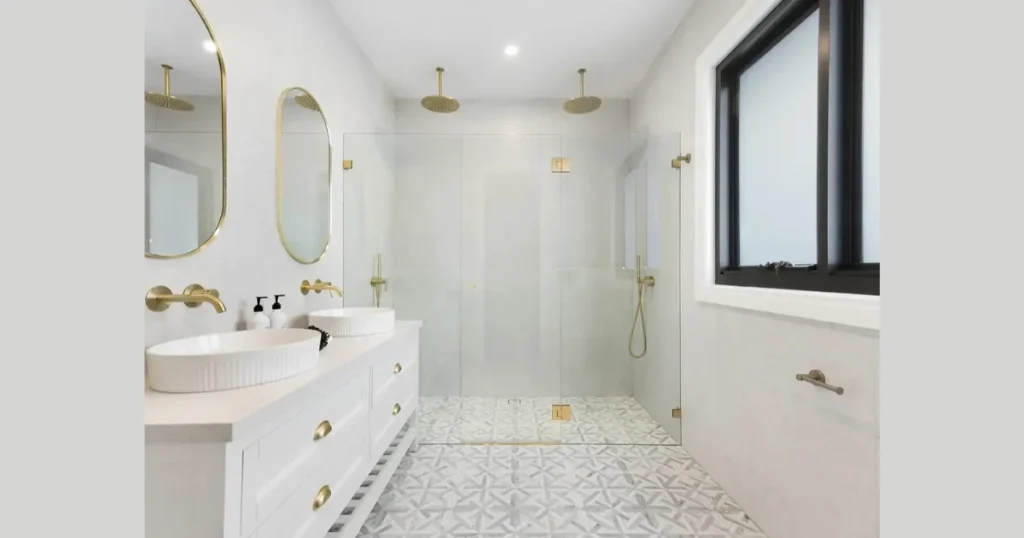
Using the same light colored tiles on both floors and walls creates continuity in small bathrooms. Continuous surfaces reduce visual interruptions.
I like soft shades like white or beige because they reflect light and brighten the space naturally. Matching tones improves openness visually.
This idea also simplifies design decisions. A unified color scheme makes the bathroom feel larger and calmer.
2. Vertical Stripe Tile Patterns
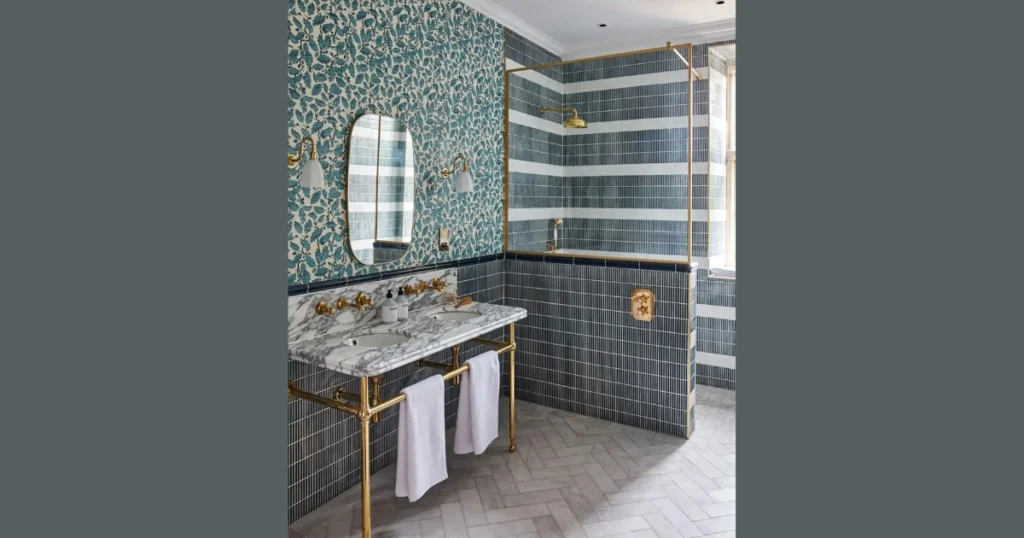
Vertical stripe tile patterns create the illusion of height in compact bathrooms. Lines draw the eye upward naturally.
I often recommend narrow vertical tiles in shower areas because they stretch the wall perception. The room feels taller instantly.
This approach works well for bathrooms with low ceilings. Directional patterns improve spatial perception effectively.
3. Reflective Tile Surfaces Near Lighting
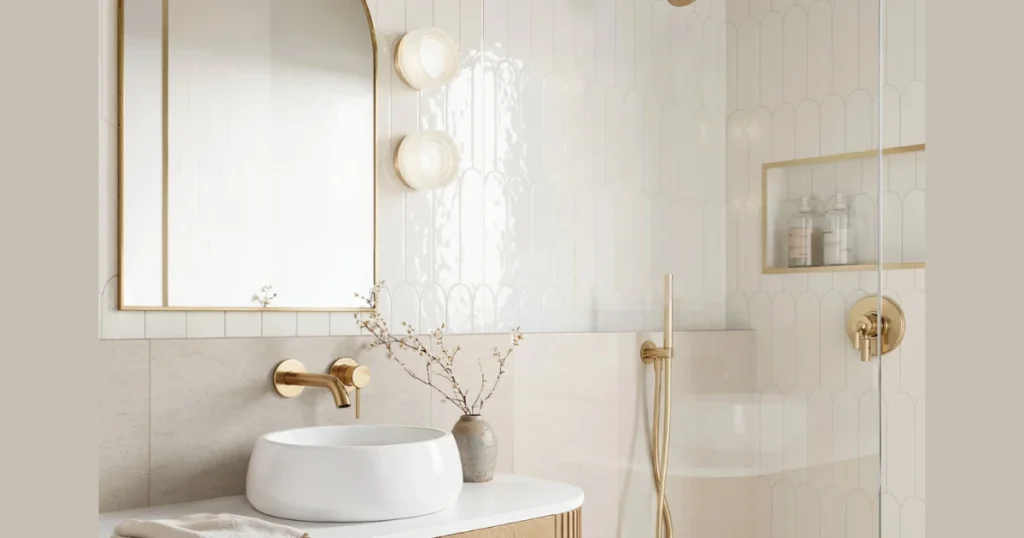
Reflective tiles placed near light sources improve brightness and openness. Light reflection enhances visual space perception.
I personally prefer glossy or polished finishes around the vanity because they amplify available light. The room feels more airy.
This idea works especially well in bathrooms with limited windows. Reflection increases illumination without extra fixtures.
4. Minimal Grout Line Tile Layout
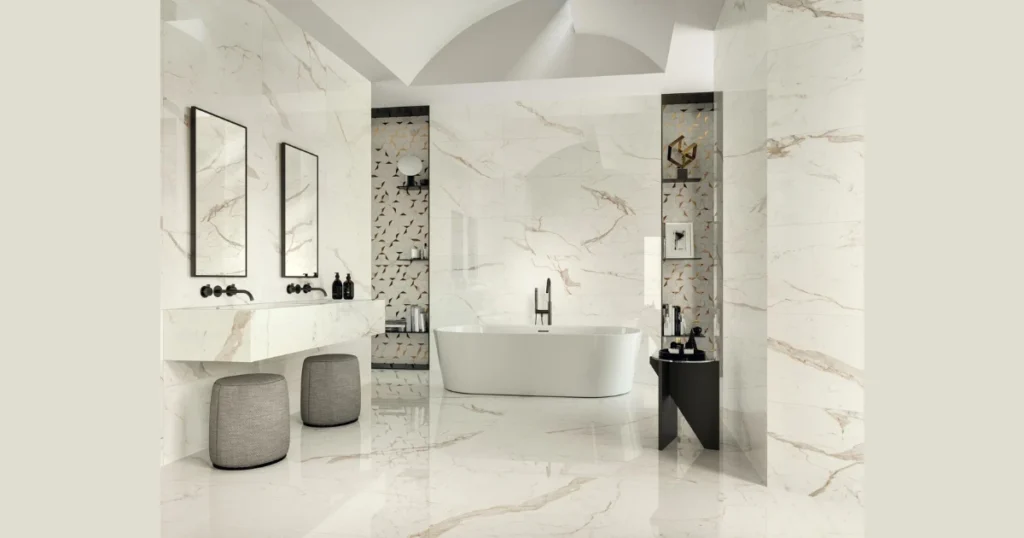
Tiles with minimal grout lines create smoother surfaces and reduce visual clutter. Fewer lines improve openness perception.
I often suggest large-format tiles because they decrease grout interruptions across walls and floors. Continuous surfaces look cleaner.
This approach also reduces maintenance effort. Less grout means easier cleaning over time.
5. Diagonal Wall Tile Placement
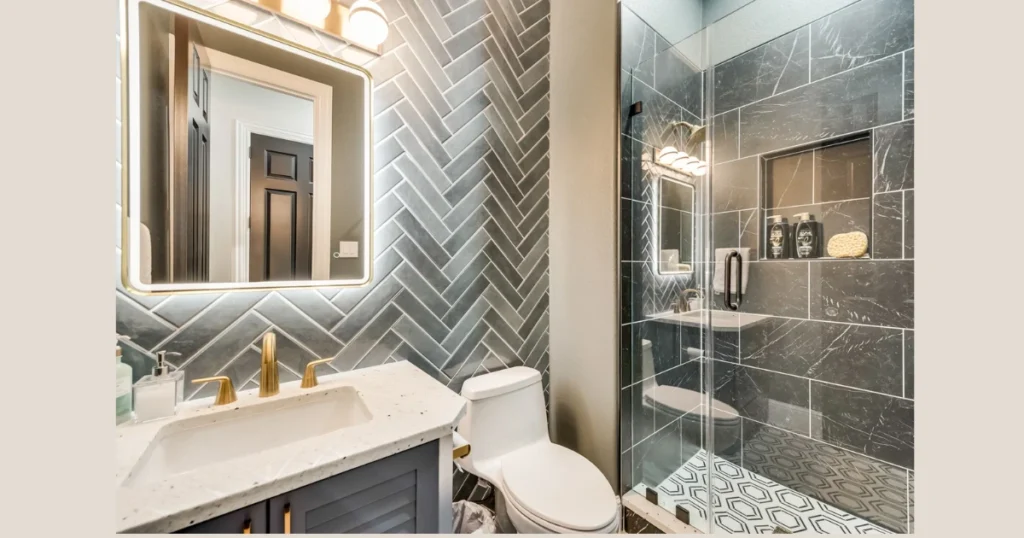
Diagonal tile placement on walls creates movement and distracts from room size limitations. Angled patterns shift visual focus.
I like this idea in shower areas because it adds interest without adding color complexity. Layout alone creates impact.
This technique works well in narrow bathrooms. Movement improves spatial perception naturally.
6. Half Height Tiles with Light Paint Above
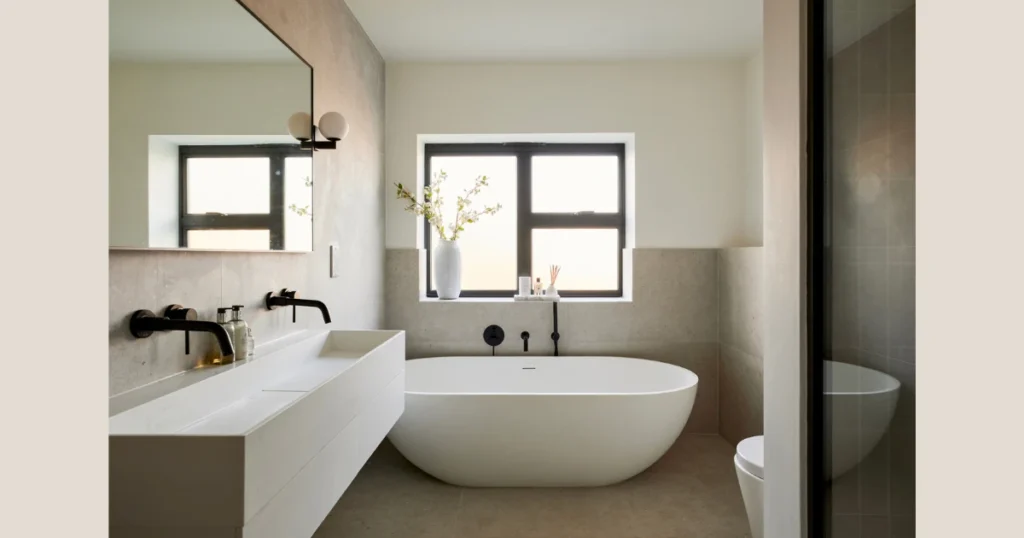
Half-height wall tiles with light paint above create openness while protecting wet areas. This combination balances function and design.
I prefer this approach in small bathrooms because full wall tiles may feel heavy visually. Painted sections add breathing space.
This design also allows easy color updates later. Flexibility improves long-term satisfaction.
7. Neutral Pattern Floor with Plain Walls
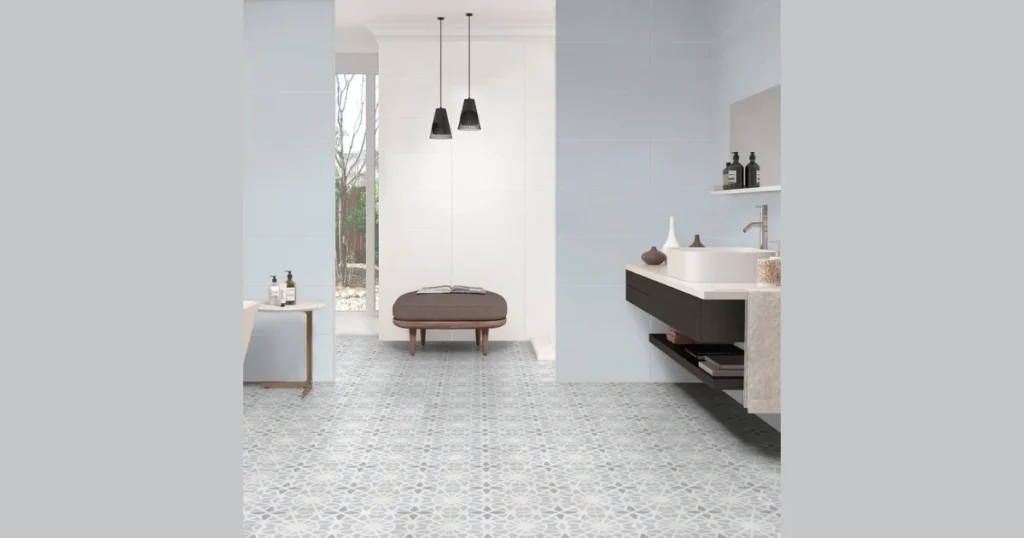
Using patterned floor tiles with simple walls creates a focal point without overwhelming the room. Balance remains important.
I like keeping walls plain when floors have patterns because it prevents visual clutter. Controlled contrast works best.
This idea works well in compact bathrooms where design needs focus. Balanced styling improves comfort.
8. Narrow Horizontal Wall Tiles
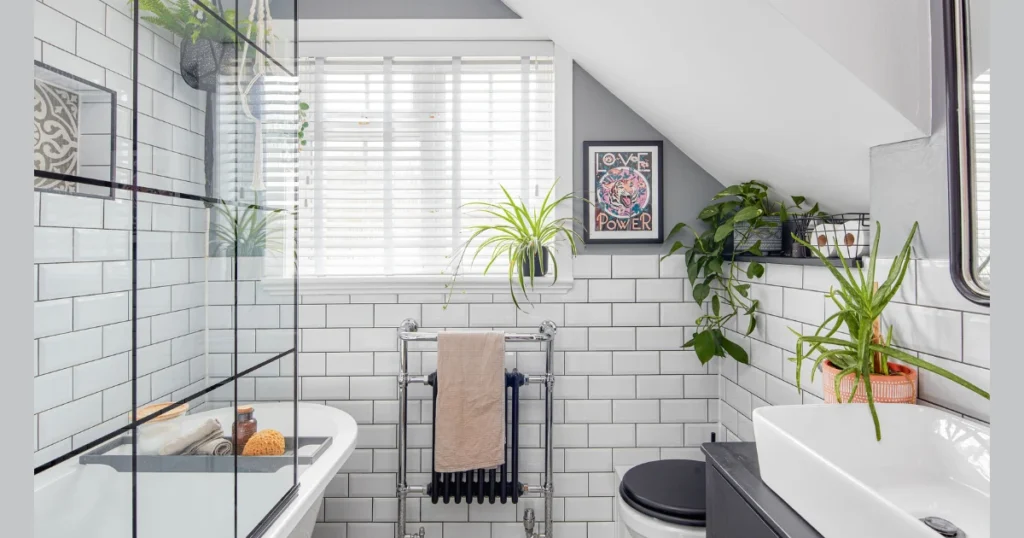
Narrow horizontal tiles make walls appear wider in small bathrooms. Direction influences perception strongly.
I often recommend this layout for narrow spaces because horizontal lines stretch visual width. The room feels less confined.
This technique works well behind vanities or along longer walls. Orientation changes perception effectively.
9. Soft Texture Tiles for Subtle Depth
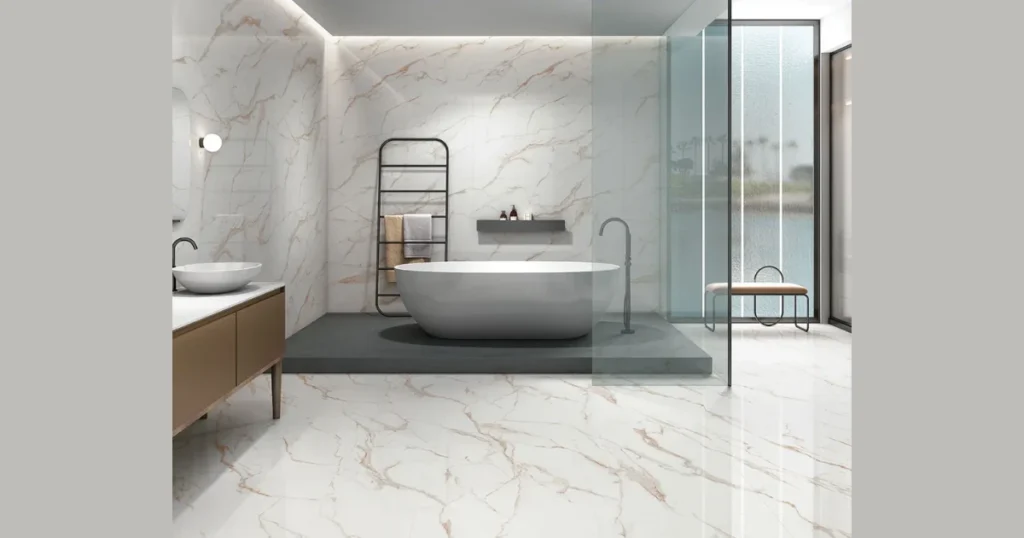
Soft-textured tiles add depth without heavy patterns in small bathrooms. Texture creates interest without crowding.
I personally like subtle textures because they catch light gently and improve visual layering. The effect remains calm.
This approach works well for feature walls or shower zones. Texture enhances design without complexity.
10. Continuous Shower to Wall Tile Design
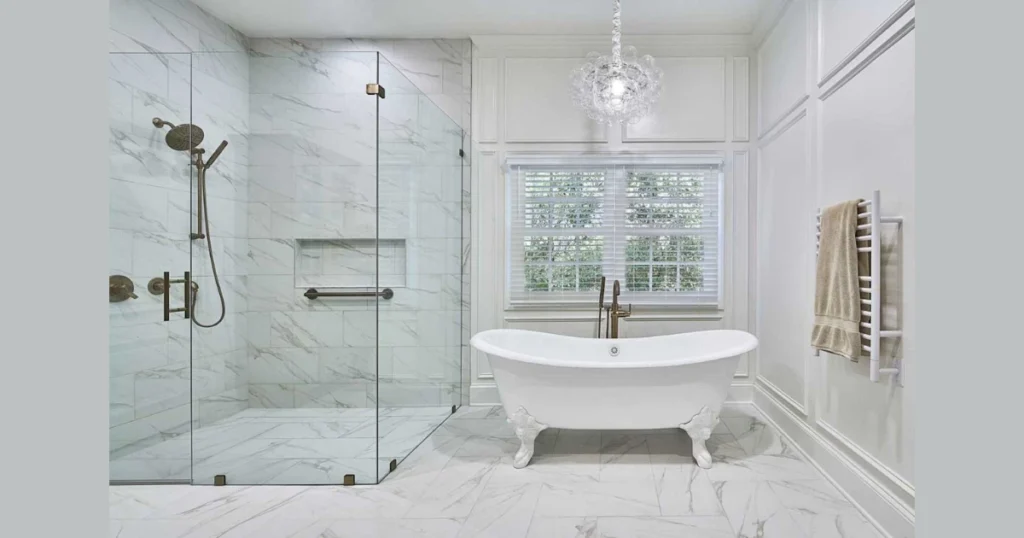
Using the same tiles from the shower area onto the surrounding walls creates a seamless flow. Continuity improves openness perception.
I often suggest this layout for small bathrooms because fewer transitions reduce visual breaks. The room feels larger instantly.
This idea also simplifies installation planning. Consistency creates a clean and modern look.
Common Small Bathroom Tile Mistakes to Avoid
Avoiding mistakes improves both design and usability in compact bathrooms. Small planning errors can make spaces feel crowded quickly.
- Using dark tiles everywhere
- Choosing very busy patterns
- Ignoring lighting placement
- Installing too many tile colors
- Using heavy textures on all surfaces
Conclusion
Small bathroom tile design ideas help create the illusion of space while improving style and durability. The right colors, layouts, and materials can completely change how a compact bathroom feels. Smart planning makes the biggest difference.
I believe the best tile designs combine brightness with simplicity because small bathrooms need openness. Practical choices reduce maintenance and improve comfort over time. Balanced design always works best.
If you apply these ideas and tips, your small bathroom can feel brighter, more spacious, and more comfortable. Even small tile changes can create noticeable improvement. Thoughtful decisions produce lasting results.
FAQs
Light colored and large-format tiles make a small bathroom look bigger because they reflect light and reduce grout lines.
Yes, large tiles reduce visual clutter and create smoother surfaces, which improves the perception of space.
They do not need to match exactly, but similar tones help create continuity and make the space feel larger.
Vertical, diagonal, or continuous layouts work best because they improve height and openness perception.
Yes, glossy tiles reflect light and brighten the space, making the bathroom appear larger.
Light neutral shades like white, beige, soft gray, or pastel tones work best for creating openness.