
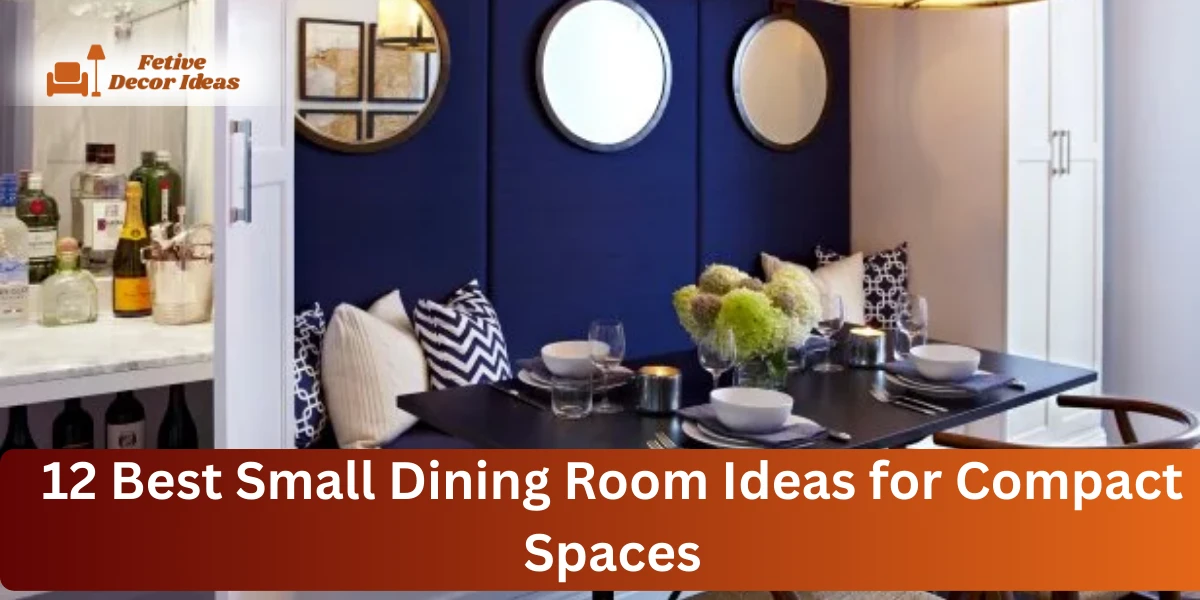
Small dining rooms can still look stylish, comfortable, and practical when the layout and furniture choices make sense. I have worked with compact dining spaces many times, and I know space limitations force smarter decisions.
In this guide, I focus on ideas that work in real homes, not showroom setups. Every idea here helps you save space while keeping the dining area welcoming and usable.
Why Smart Planning Matters for Small Dining Rooms
A small dining room needs intentional planning because every inch affects comfort and movement. I always tell people that furniture size, placement, and lighting matter more here than in large rooms. When the layout works, even a tiny dining area feels balanced and calm. Poor planning, on the other hand, makes the room feel crowded and frustrating.
Another reason planning matters is daily usability. A dining room is not just for special meals; it is where families eat, talk, and sometimes work. Small dining room ideas should support daily routines without constant furniture shifting. I focus on layouts that allow easy movement, proper seating, and visual openness.
Good planning also prevents costly mistakes. Buying oversized furniture often leads to regret later. When I plan a small dining room, I always measure first and visualize how chairs pull out and people move. These ideas follow that same practical mindset.
1. Round Dining Table for Better Flow
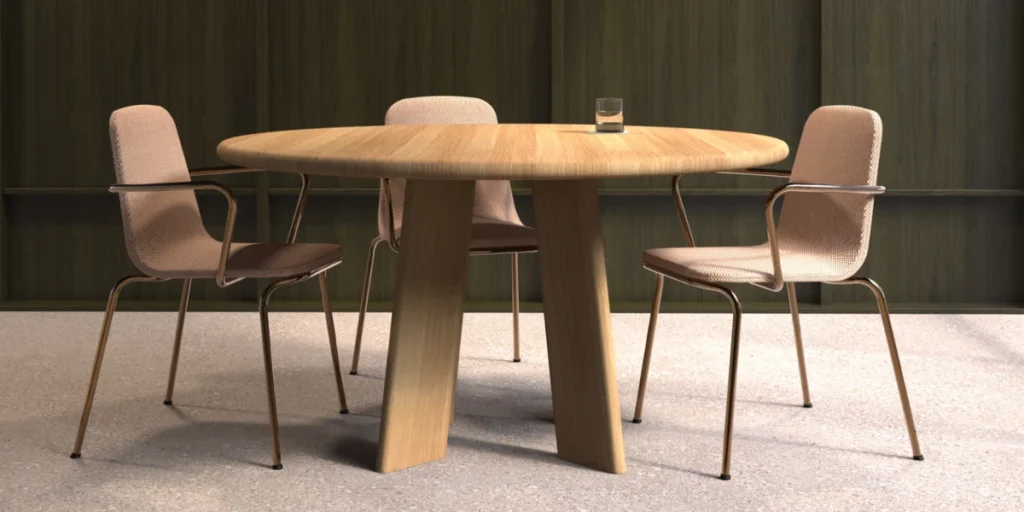
A round dining table works beautifully in a small dining room because it removes sharp corners that block movement. I have seen many compact spaces instantly feel larger after switching from a square table to a round one. The shape allows people to walk around easily without bumping into edges.
Another advantage is flexible seating. A round table lets you squeeze in an extra chair when needed, which helps during family gatherings. In small dining rooms, flexibility matters more than fixed seating plans. I often recommend pedestal-base round tables because they offer more legroom.
Visually, round tables soften the room. They balance straight walls and tight corners, creating a more relaxed look. When paired with light wood or glass finishes, the table keeps the space open and uncluttered, which is exactly what small dining rooms need.
2. Wall-Mounted Drop-Leaf Dining Table
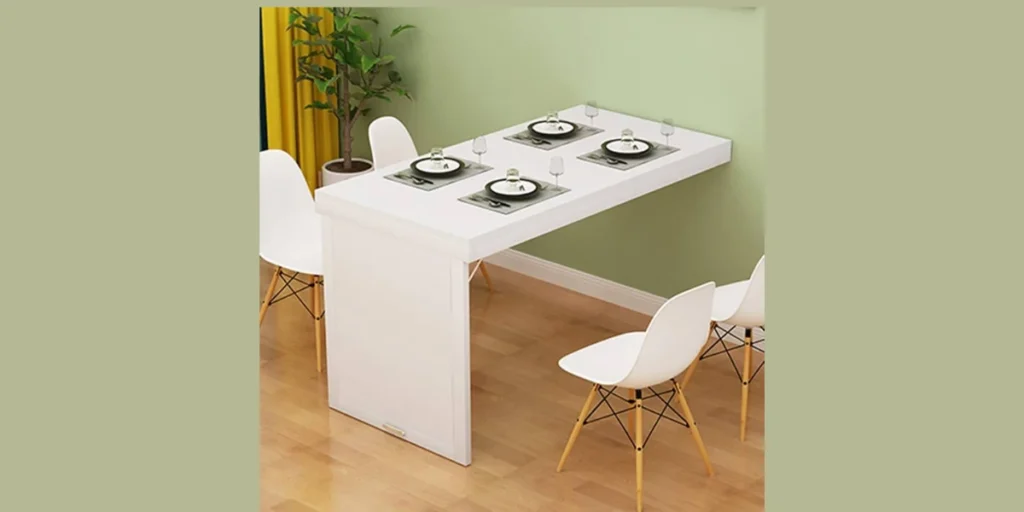
A wall-mounted drop-leaf table is one of the most practical small dining room ideas I have personally used. It stays folded when not in use, freeing up valuable floor space. When it is time to eat, you simply lift the leaves and create a functional dining surface.
This option works especially well in apartments or studio homes where dining areas share space with kitchens or living rooms. I like how these tables adapt to daily life rather than forcing a fixed setup. You control how much space the table occupies at any given time.
Drop-leaf tables also pair well with stackable or folding chairs. This combination keeps the dining area flexible and uncluttered. For small dining rooms, furniture that adjusts to your needs always wins.
3. Bench Seating Instead of Chairs
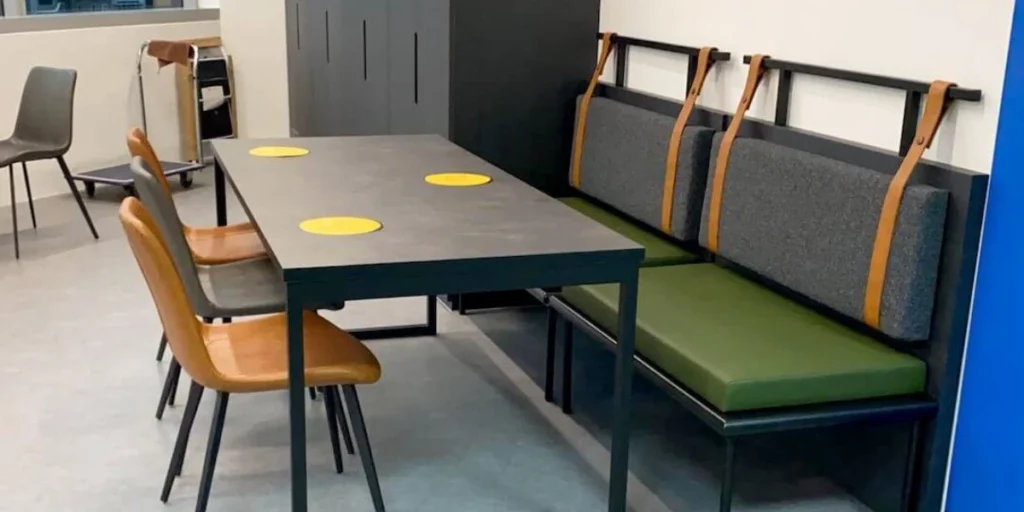
Bench seating is one of my favorite solutions for tight dining spaces because it saves space without sacrificing comfort. Benches slide fully under the table, unlike chairs that stick out and block walkways. This small change can make a noticeable difference.
Another benefit is seating efficiency. A bench can seat more people in less space, which works well for families. I have used benches with padded seats to keep them comfortable for longer meals. Storage benches add even more value by hiding table linens or extra dishes.
From a design perspective, benches create a clean and organized look. They reduce visual clutter and make the dining area feel intentional. In small dining rooms, simplicity often feels more spacious.
4. Glass or Transparent Dining Furniture
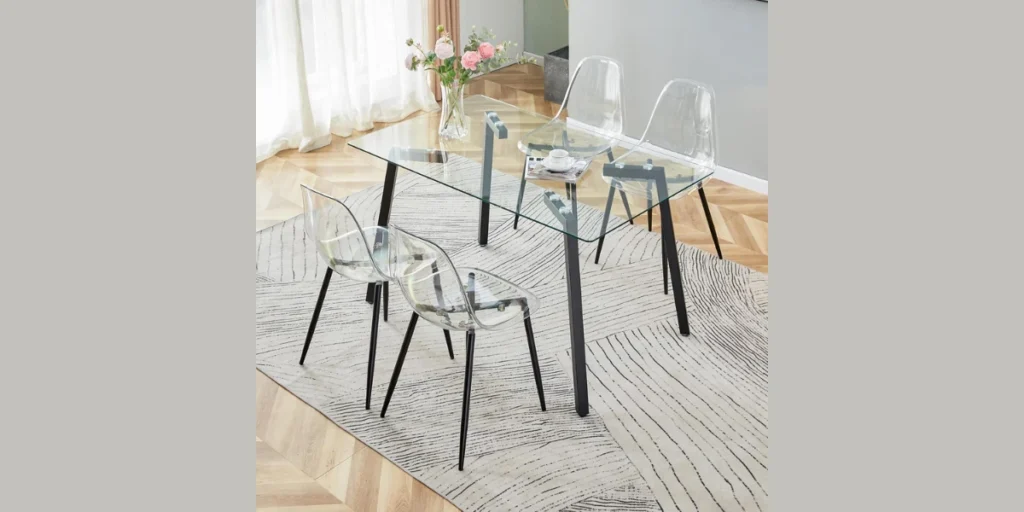
Glass dining tables and transparent chairs are excellent for small dining rooms because they reduce visual weight. I often suggest these pieces when clients want the room to feel open without removing furniture. The transparency allows light to pass through, making the space feel larger.
Glass tables also reflect light, which helps brighten darker rooms. In compact dining areas with limited windows, this effect becomes even more valuable. I recommend tempered glass for safety and durability, especially in homes with kids.
Pairing glass tables with minimal decor keeps the look clean. Too many accessories can clutter the space visually. When done right, transparent furniture gives small dining rooms a modern and airy feel that lasts.
5. Built-In Dining Nook for Maximum Space Use
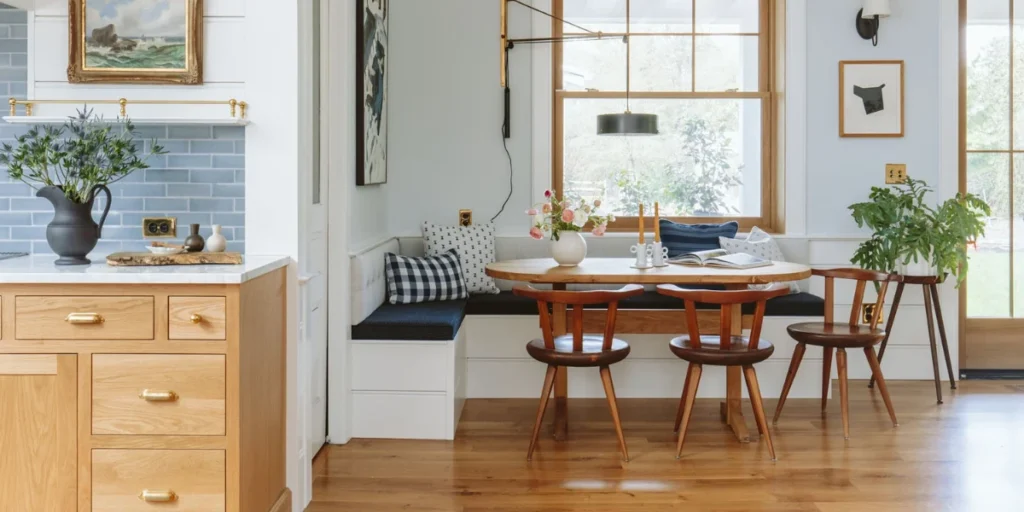
A built-in dining nook uses corners efficiently, which is ideal for small dining rooms. I have seen unused corners turn into cozy dining spots with custom or semi-custom seating. This setup eliminates the need for bulky chairs.
Built-in seating also allows storage underneath, which adds functionality. I always suggest using lift-up seats or drawers to store items you do not use daily. This keeps the dining area tidy and organized.
Dining nooks also feel inviting. They encourage longer meals and conversations while saving space. For small homes, this idea combines comfort and practicality in a smart way.
6. Light Color Palette to Open Up the Space
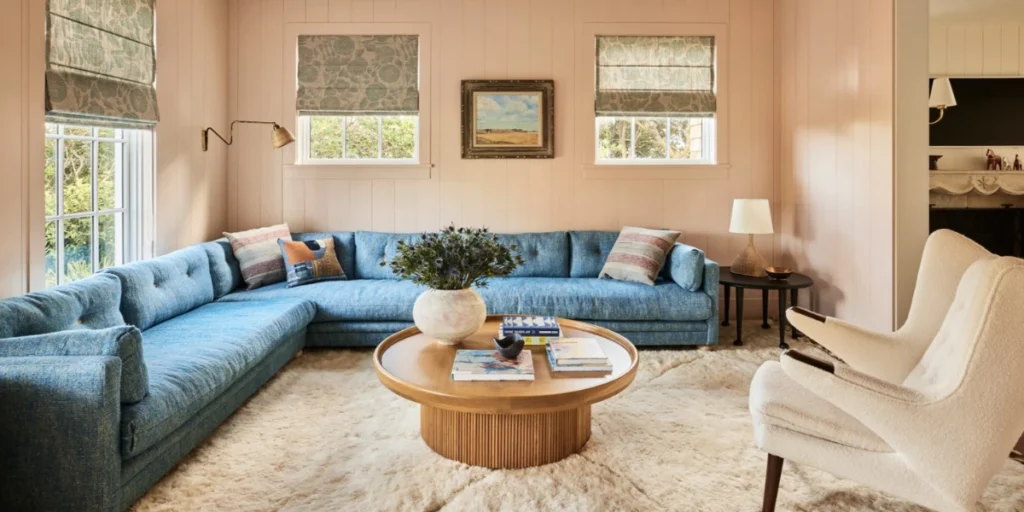
Light colors make a small dining room feel larger and more breathable. I personally prefer soft whites, warm beiges, and light grays for compact dining areas. These shades reflect light and reduce visual heaviness.
Using a consistent color palette also helps the room feel cohesive. I recommend keeping walls, furniture, and flooring within the same light range. This avoids visual breaks that shrink the space.
Accent colors should stay subtle. Small pops through tableware or artwork work better than bold walls. In small dining rooms, restraint creates balance and calm.
7. Vertical Storage to Free Up Floor Space
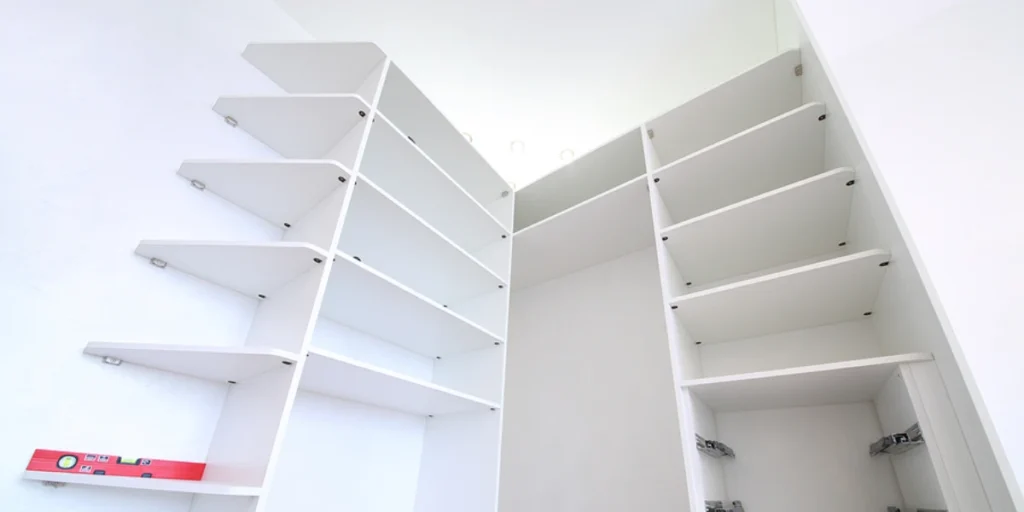
Vertical storage works perfectly in small dining rooms because it uses wall height instead of floor area. I always suggest looking up before adding more furniture. Wall-mounted shelves, slim cabinets, or floating units keep essentials close without crowding the room.
This approach helps organize tableware, glassware, and decor items neatly. When storage stays vertical, the dining area feels open and functional. I have noticed that rooms instantly feel larger when floors stay clear and uncluttered.
Vertical storage also adds character when styled carefully. A few neatly arranged dishes or minimal decor pieces can make the dining room feel personal. The key is balance. Too much on the walls can feel heavy, so I always keep it simple and intentional.
8. Compact Extendable Dining Table
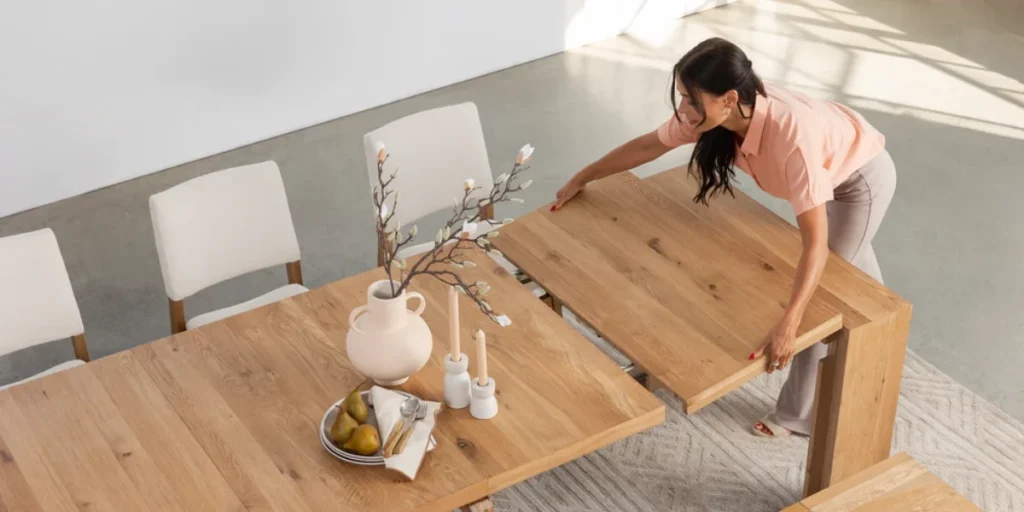
An extendable dining table offers flexibility that small dining rooms truly need. I like this option because it adapts to daily use and special occasions. When closed, it stays compact and easy to move around. When extended, it accommodates guests comfortably.
This type of table works well for people who entertain occasionally but live in small homes. I have used extendable tables in tight spaces without disrupting the room flow. The trick is choosing a slim design with a smooth extension mechanism.
Extendable tables also reduce the need for extra furniture. You avoid buying a large table that dominates the room. For small dining rooms, adaptability always makes the space more practical and enjoyable.
9. Mirror Placement to Create Visual Depth
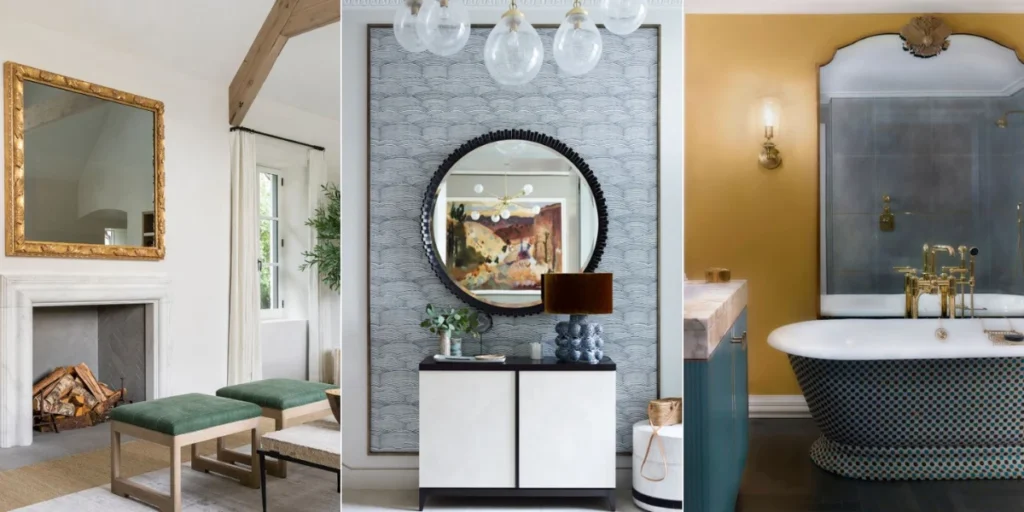
Mirrors are one of the simplest tools to enhance a small dining room. I often place a mirror on the wall opposite a window or light source. This reflects light and creates the illusion of depth.
In compact dining areas, mirrors help prevent a boxed-in feeling. They visually double the space without changing the layout. I recommend frameless or thin-frame mirrors to keep the look clean.
Mirrors also add style when chosen carefully. A simple rectangular mirror works best in most cases. In small dining rooms, mirrors offer both function and subtle elegance.
10. Minimal Decor for a Clean Look
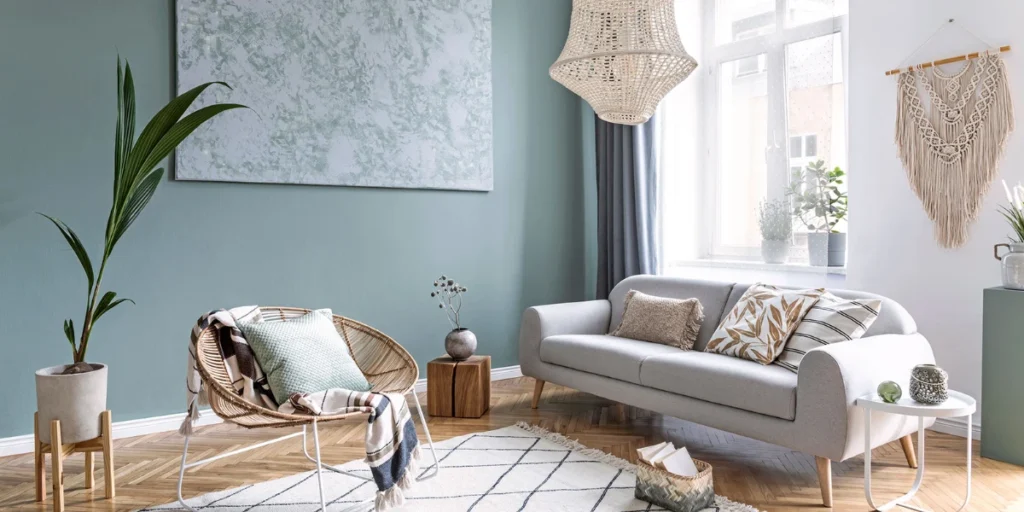
Minimal decor keeps small dining rooms calm and usable. I always advise removing unnecessary items that crowd surfaces. A clean table and open walls make the room feel larger instantly.
Choosing a few meaningful decor pieces works better than filling the space. A centerpiece, a small plant, or simple artwork adds personality without clutter. I personally prefer decor that serves a purpose or brings warmth.
Minimal decor also makes cleaning easier. In a small dining room, simplicity supports daily living. Less visual noise means more comfort and focus during meals.
11. Slim Lighting Fixtures for Better Proportion
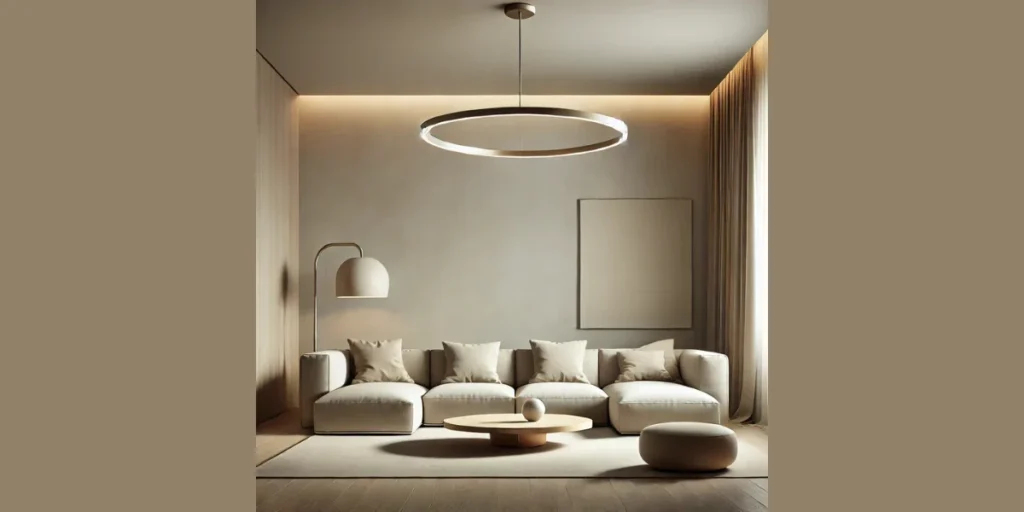
Lighting plays a huge role in small dining rooms, and slim fixtures work best here. I usually avoid bulky chandeliers that overwhelm the space. Instead, I choose pendant lights or flush mounts with clean lines.
Proper lighting helps define the dining area without taking up physical space. A well-placed light above the table creates focus and balance. I also recommend warm light tones for a welcoming feel.
Wall sconces can add extra lighting without crowding the ceiling. In small dining rooms, lighting should enhance function while staying visually light and proportional.
12. Multi-Functional Dining Furniture
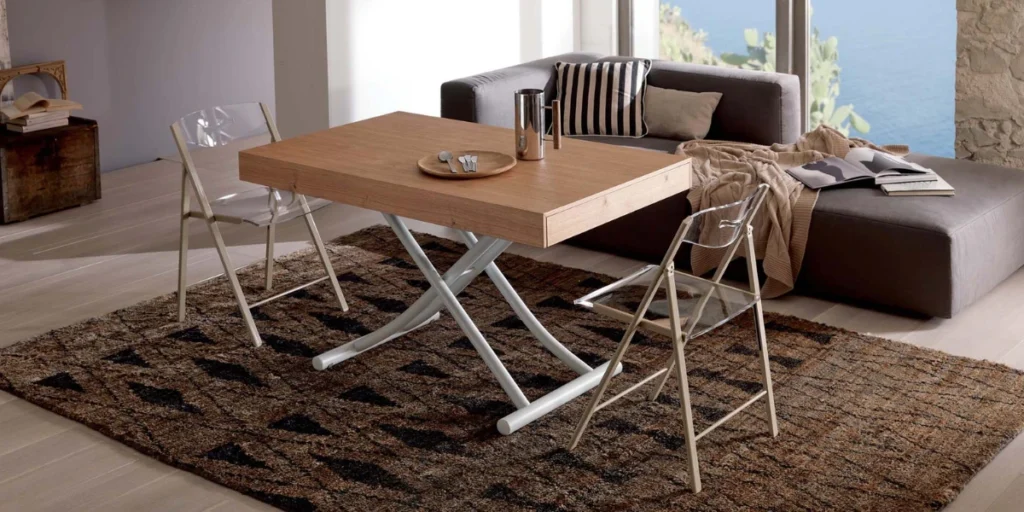
Multi-functional furniture supports small dining rooms better than single-purpose pieces. I often suggest tables with built-in storage or seating that doubles as benches. These designs reduce the need for extra items.
Furniture that serves more than one role helps keep the room organized. A sideboard that stores dishes and acts as a serving area works well in compact spaces. I have seen this approach simplify daily routines.
Multi-functional furniture also supports flexible living. Small dining rooms benefit from pieces that adapt easily. Practical design always wins in limited spaces.
Smart Tips for Small Dining Rooms
Planning a small dining room becomes easier when you focus on essentials. I always remind people that comfort and movement matter more than filling the space.
Conclusion
Small dining rooms work best when design choices stay intentional and practical. I believe thoughtful layouts, flexible furniture, and light finishes make a real difference in daily comfort. These ideas focus on solutions that fit real homes.
Every idea in this guide helps save space while keeping the dining area functional. When planning carefully, even a compact dining room feels welcoming and easy to use. Smart choices always matter more than size.
If you apply even a few of these ideas, your small dining room will feel more balanced and enjoyable. Comfort and usability should always guide design decisions.
FAQs
Round or extendable tables work best because they save space and improve movement.
Yes, vertical storage and built-in seating offer storage without crowding the room.
Yes, light shades reflect light and make compact spaces feel open.
Yes, padded benches offer comfort and save space when tucked under tables.
Most small dining rooms work best with two to four seats.
Tempered glass tables are durable and safe for daily use.