
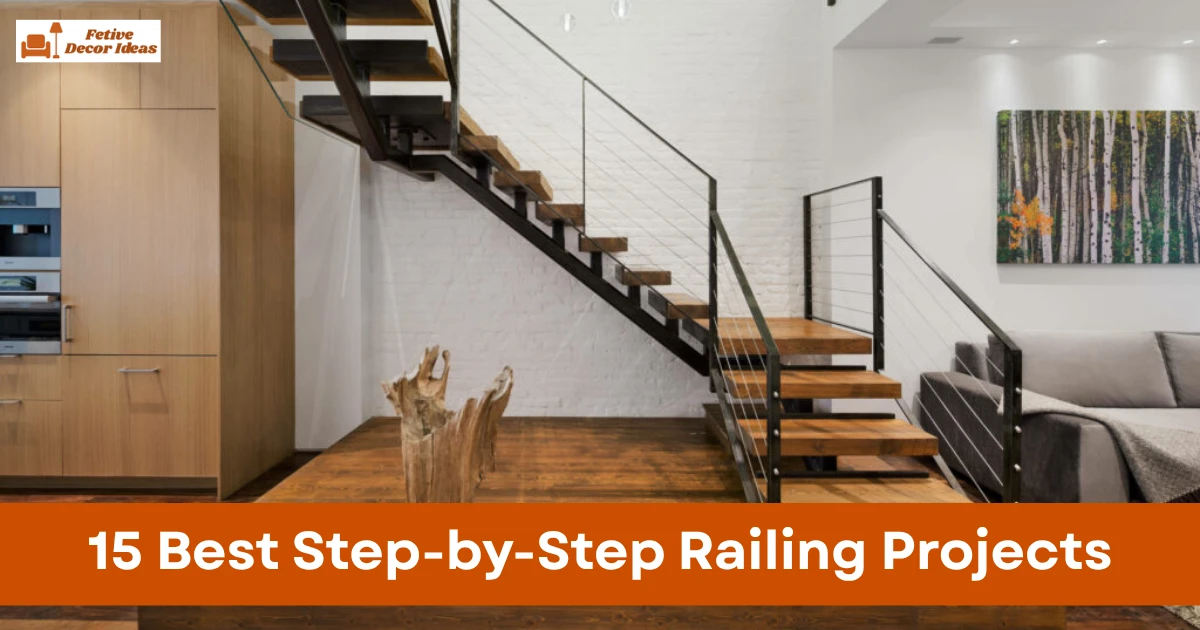
Building your own railing can be a rewarding and cost-effective way to enhance your outdoor or indoor space. Whether you’re working on a balcony, staircase, deck, or patio, a well-designed railing can completely transform your space. Plus, DIY railings can be cost-effective, giving you the freedom to get creative while saving money.
Why Step-by-Step Railing Projects Are Worth It
Building your own railing might sound like a big job at first, but honestly, it’s one of those DIY projects that actually pays off. You save money, control the design, and end up with something that feels truly yours.
What I’ve noticed is that most people struggle not because the work is hard, but because the steps aren’t clear. Once you break it down into simple stages, the whole process becomes much easier and even enjoyable.
Another big advantage is flexibility. You can choose materials, adjust sizes, and match the railing perfectly with your home style without depending on ready-made options.
I personally like step-by-step projects because they remove confusion. You just follow the process, and before you know it, your railing is done and looks professional.
1. Wooden Railing with Classic Spindles
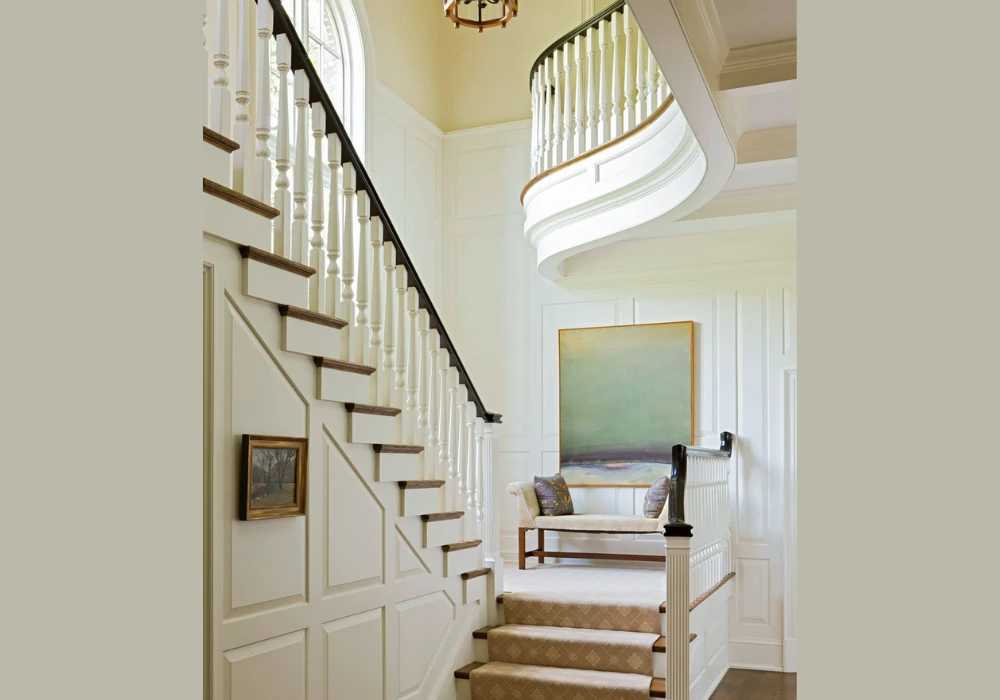
A wooden railing with classic spindles is a timeless option that adds a rustic, traditional charm to your space. This design works especially well for staircases and balconies in homes that embrace a classic or rustic aesthetic.
You can choose from a variety of wood types such as oak, cedar, or pine, depending on your budget and the desired finish. Sanding the wood helps remove rough spots, ensuring the railing is smooth and even.
Once your spindles are ready, secure them with wood screws or brackets. Make sure everything is evenly spaced for both safety and visual appeal. Finish the wood with paint or stain to enhance the natural grain and protect it from the elements.
I love wooden railings because they offer a natural, warm look that complements many home styles. It’s a great option if you’re looking for something customizable and durable for your DIY project.
2. Metal Railings for an Industrial Look
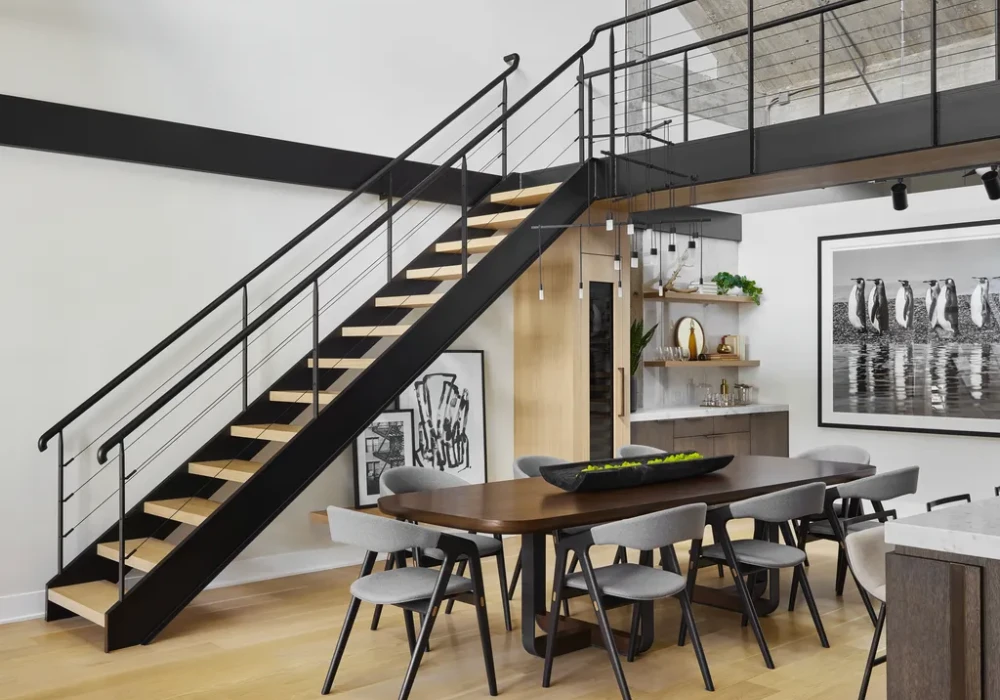
Metal railings are perfect for creating an industrial or modern look in your space. Whether you opt for wrought iron, steel, or aluminum, metal railings are incredibly durable and low-maintenance, making them ideal for both indoor and outdoor spaces.
Start by choosing the metal material you want to work with and measuring your space carefully. Install the metal posts securely, making sure they’re plumb and level. Metal railings can be cut to size and attached using heavy-duty screws or welding.
For an industrial aesthetic, leave the metal unpainted for a raw, edgy look, or paint it in a matte black or bold finish. These railings are perfect for contemporary homes, urban lofts, or modern patios.
I love metal railings because they offer an industrial charm with their clean lines and versatility. They’re also incredibly low-maintenance and built to last.
3. Glass Panel Railing for an Unobstructed View
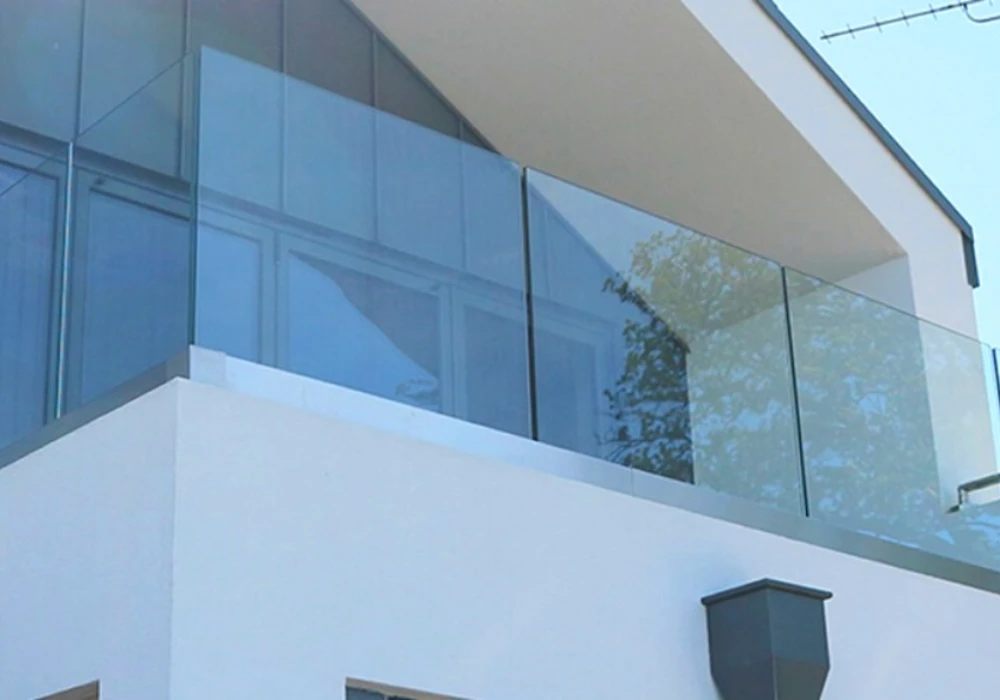
If you’re aiming for a modern, sleek look, glass railings are the way to go. Glass provides an unobstructed view, making it perfect for balconies, pool areas, or deck railings where you want to see the surroundings clearly.
To install a glass railing, you’ll need metal posts or wooden frames to secure the glass panels. Start by measuring and marking the spots for post placement, then carefully install the glass panels using brackets or gaskets to hold them in place securely.
Glass railings are perfect for high-rise homes or areas with great views. The transparent nature of the material makes it a top choice for those who want a clean, minimalist aesthetic without compromising on safety.
I love glass railings because they give an open, airy feel to the space while still providing safety and a contemporary design.
4. Rope and Wood Railings for a Coastal Boho Vibe
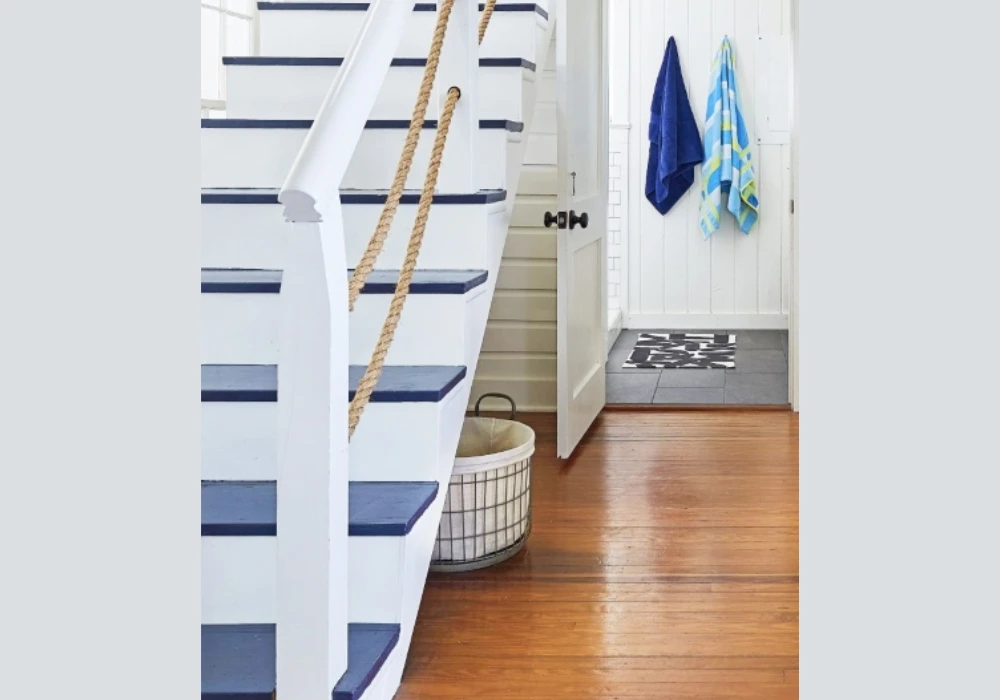
For a relaxed, beachy look, combine wood and rope to create a boho-inspired railing. This design works especially well in coastal homes, beach cottages, or outdoor garden patios, where you want to bring a bit of nature and a laid-back vibe into your space.
Start by securing wooden posts into the surface, then use thick marine rope to create the railing. The rope can be woven around the posts or tied in knots, depending on your desired design. This type of railing adds a natural, organic touch to your space.
You can make the rope tight for a more sleek look or looser for a more rustic, bohemian feel. Pair this with weathered wood to enhance the natural, earthy aesthetic of the boho style.
I love rope and wood railings because they add a charming, casual vibe that’s perfect for coastal or boho spaces. The combination of natural materials creates a welcoming and warm atmosphere.
5. Composite Railings for Low-Maintenance Durability
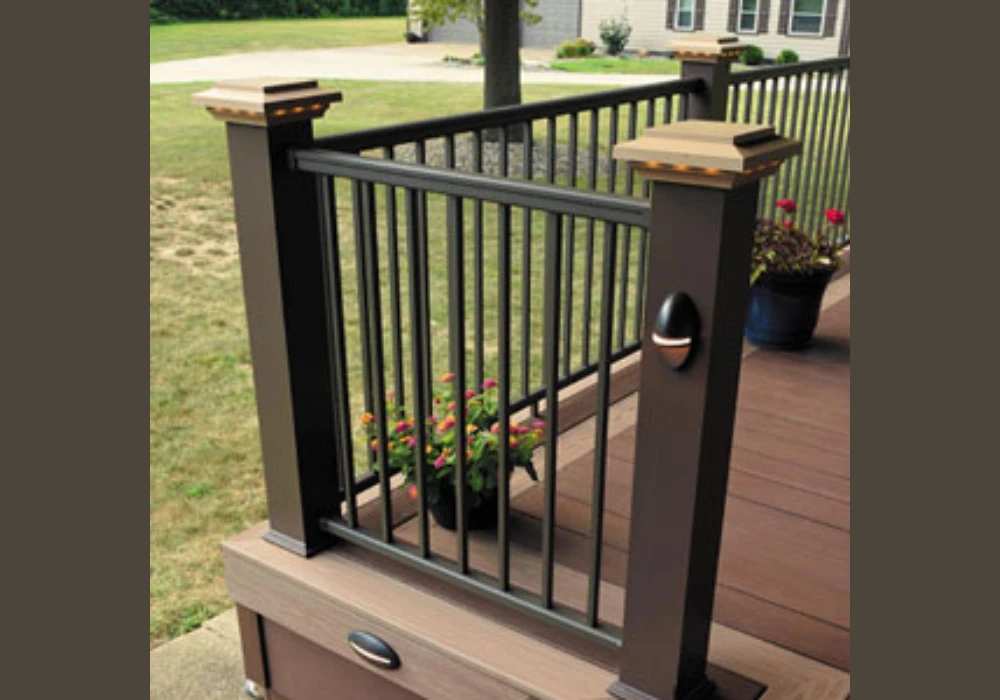
For a low-maintenance and durable railing option, composite materials are the way to go. Made from a blend of wood fibers and plastic, composite railings offer the look of wood but with greater weather resistance and durability.
This type of railing is ideal for outdoor spaces, such as decks or patios, where exposure to the elements could damage other materials. The composite materials are easy to clean and require little upkeep compared to wooden railings, which often need to be stained or resealed.
Start by securing composite posts into place, then add the rails. You can choose from a variety of finishes, including wood-like textures or solid color options to match your design. This is a great option for homeowners looking for a stylish yet low-maintenance solution.
I love composite railings because they combine the look of wood with the low-maintenance durability of plastic, offering a practical solution for busy homeowners.
6. Bamboo Railings for a Sustainable, Natural Look
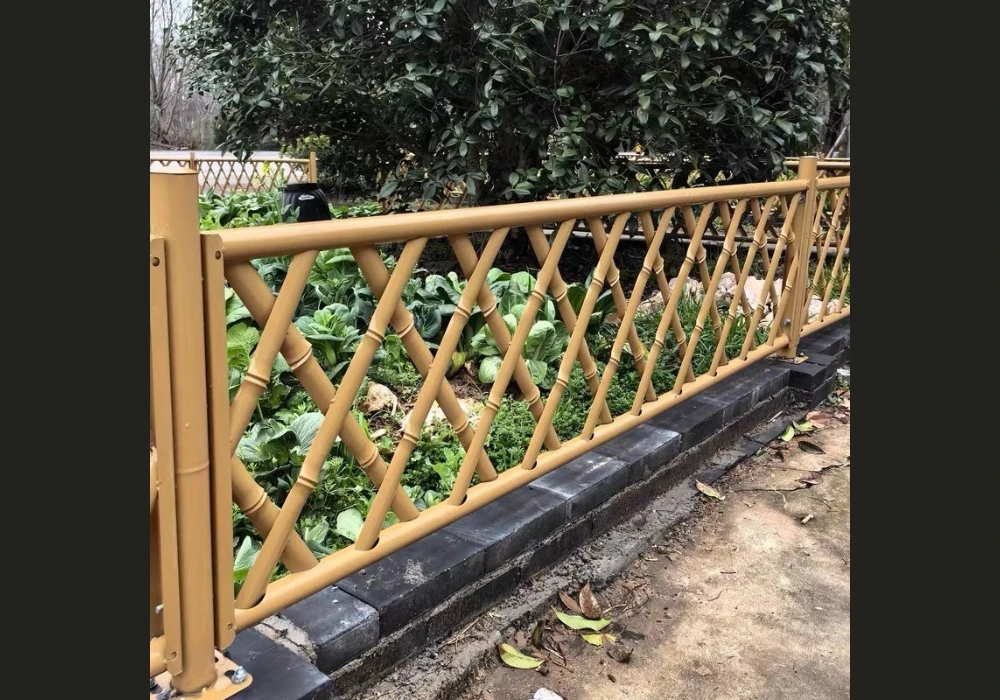
For an eco-friendly, sustainable railing, consider using bamboo. Bamboo is a renewable resource that brings a natural, earthy feel to any space, making it ideal for homes looking to incorporate more sustainable materials.
Start by securing bamboo poles between posts, and tie them with natural rope or wire to hold them in place. Bamboo works well for both indoor railings and outdoor spaces, providing a rustic, tropical look.
This type of railing works best in eco-conscious homes, tropical-inspired spaces, or beach houses. You can combine bamboo with wooden accents or metal posts for a unique, boho-inspired design.
I love bamboo railings because they’re sustainable, natural, and bring a tropical charm to the space, making them a great choice for environmentally conscious homeowners.
7. Wrought Iron Railings for a Classic, Elegant Touch
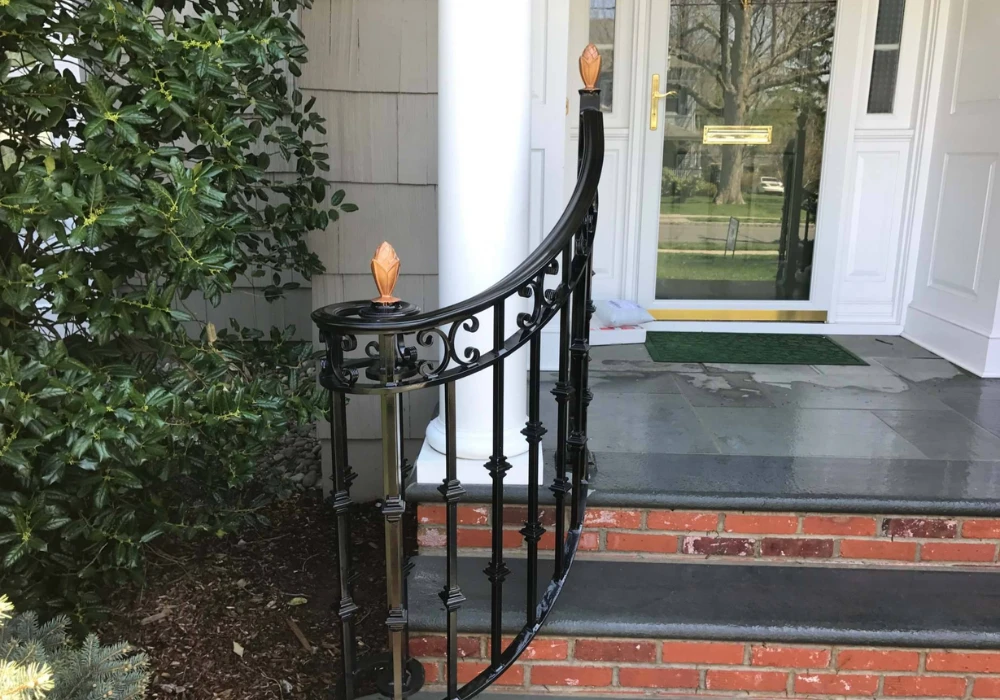
Wrought iron railings are a classic choice that brings a touch of elegance to your space. Known for their intricate designs, wrought iron can be customized with scrollwork, geometric patterns, or simple, clean lines, depending on the desired aesthetic.
This style works beautifully in traditional homes, vintage spaces, or luxury properties. The sturdy material is both durable and decorative, offering a timeless look for both indoor staircases and outdoor railings.
Start by securing the posts and rails, and use welding or bolts to attach them securely. Wrought iron railings require little maintenance, only occasional cleaning to keep them looking pristine.
I love wrought iron railings because they add sophistication and timeless beauty, making any staircase or balcony feel elegant and luxurious.
8. Cable Railings for a Modern, Sleek Design
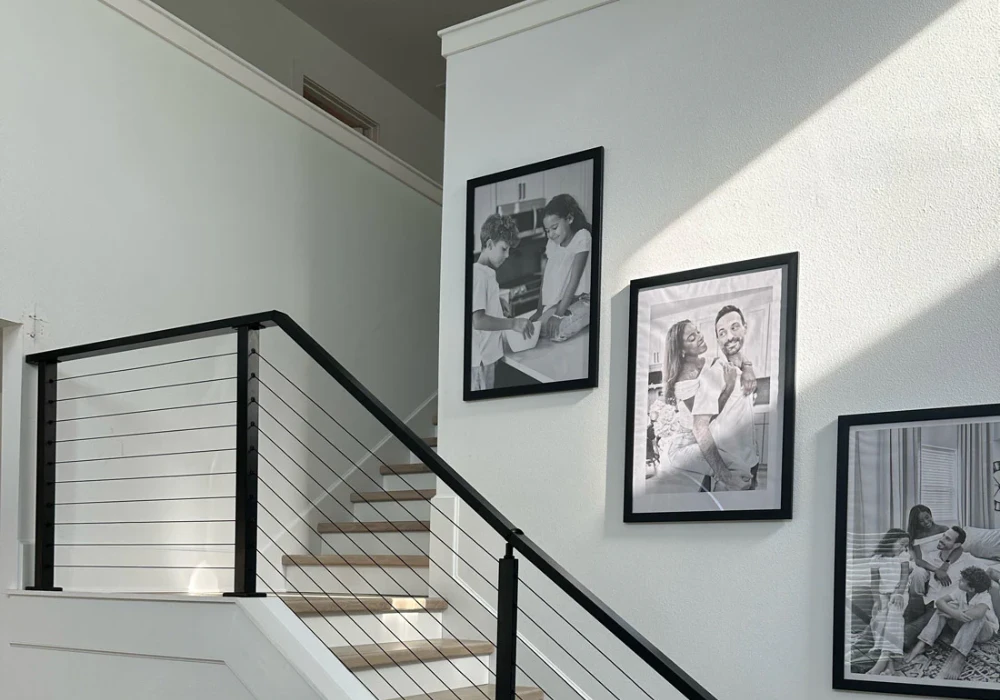
For a modern, sleek design, consider installing cable railings. This type of railing uses thin steel cables to provide an open, airy feel while maintaining safety. It’s ideal for areas where you want to maximize the view, such as balconies or patios.
To install cable railings, you’ll need metal posts that can support the cables. Secure the posts in place, then thread the steel cables through and tighten them. The cables can be spaced tightly for maximum security and privacy or left a bit looser for a more open feel.
Cable railings are incredibly durable and require minimal maintenance. This modern railing option works well for urban homes, coastal properties, and contemporary spaces.
I love cable railings because they offer a sleek, minimalist look that maximizes the view while still ensuring safety and stability.
9. Glass Railing for a Sleek, Unobstructed View
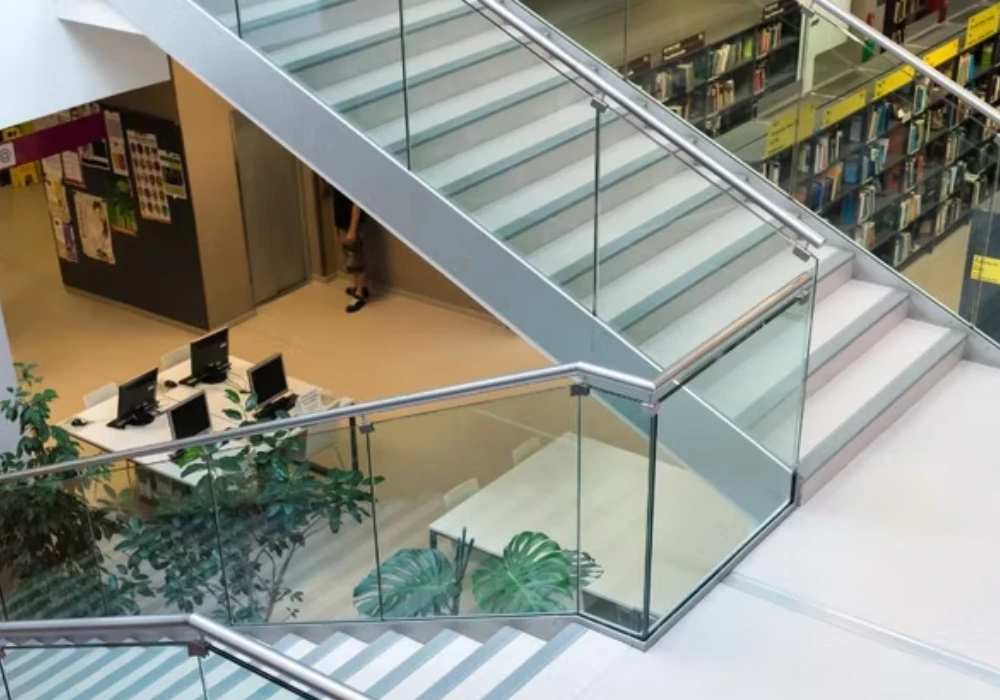
If you’re looking to enhance the view from your balcony or deck, consider installing glass railings. Glass railings provide an open, sleek design that lets you enjoy the surrounding landscape without obstructions.
Secure the glass panels in metal posts or wooden frames, and use rubber or metal brackets to hold the glass in place. Glass is a great option for areas where you want to retain a clean, modern look while still maintaining safety. You can use clear glass for an open feel or frosted glass for more privacy.
Glass railings work particularly well in modern homes or luxury properties with scenic views. They provide a contemporary, luxurious look while also keeping the space feeling open and airy.
I love glass railings because they provide an unobstructed view, making your space feel more open, elegant, and contemporary.
10. Decorative Finials for a Classic Touch
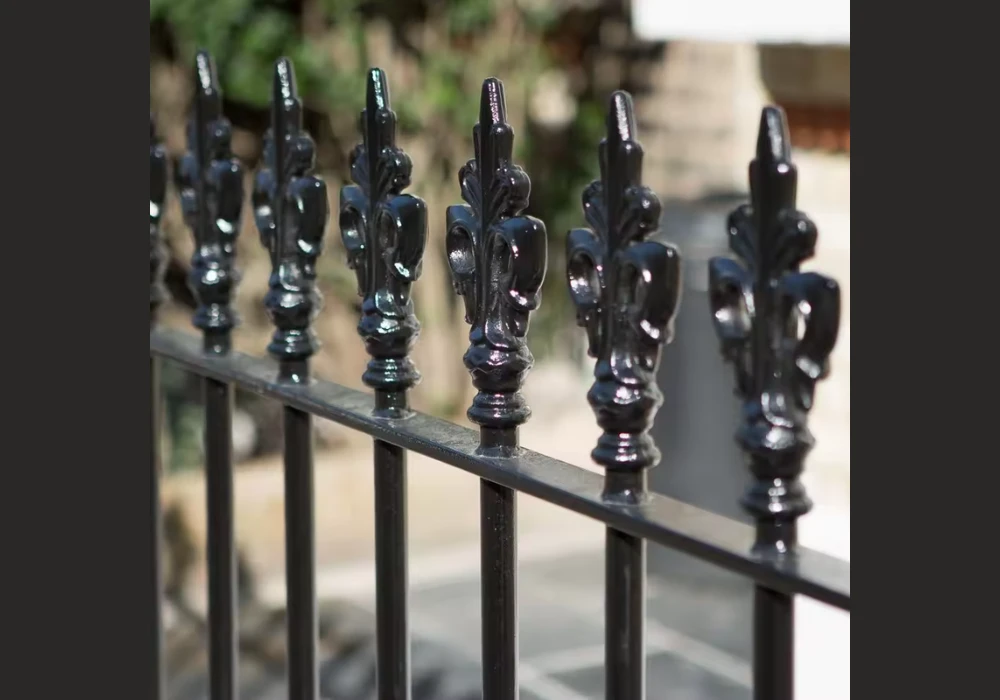
If you want to add a classic, vintage touch to your railing, consider adding decorative finials. Finials are the small, ornamental designs that sit at the top of the railing posts, creating an elegant finish to the overall look.
Finials come in various styles—traditional, ornate, or simpler geometric shapes. You can choose between bronze, copper, iron, or brass finishes to match your railing’s design. The finials add just the right amount of decorative flair without overwhelming the space.
This design works well in traditional homes or luxury spaces, where the emphasis is on detail and elegance. By adding these little details, you can elevate a standard railing into a statement piece.
I love decorative finials because they provide a timeless and elegant touch to your railing design, making it stand out while still remaining subtle.
11. Custom Carved Wooden Posts for a Personal Touch
If you’re looking for a personalized design, custom-carved wooden posts are an excellent option. Adding intricate carvings or unique details to your posts can transform a simple railing into an artistic, one-of-a-kind feature.
You can carve geometric patterns, floral designs, or even personal symbols that reflect your style or the theme of the room or outdoor space. Wood is versatile and can be paired with other materials like metal, glass, or stone for added contrast and interest.
This design works particularly well in rustic, farmhouse, or vintage-style homes where handcrafted elements are key. The custom carvings provide a level of craftsmanship that makes your railing truly unique.
I love carved wooden posts because they add character, creativity, and a personal touch to any railing, making it more than just a functional piece.
12. Bamboo Railings for a Sustainable, Eco-Friendly Look
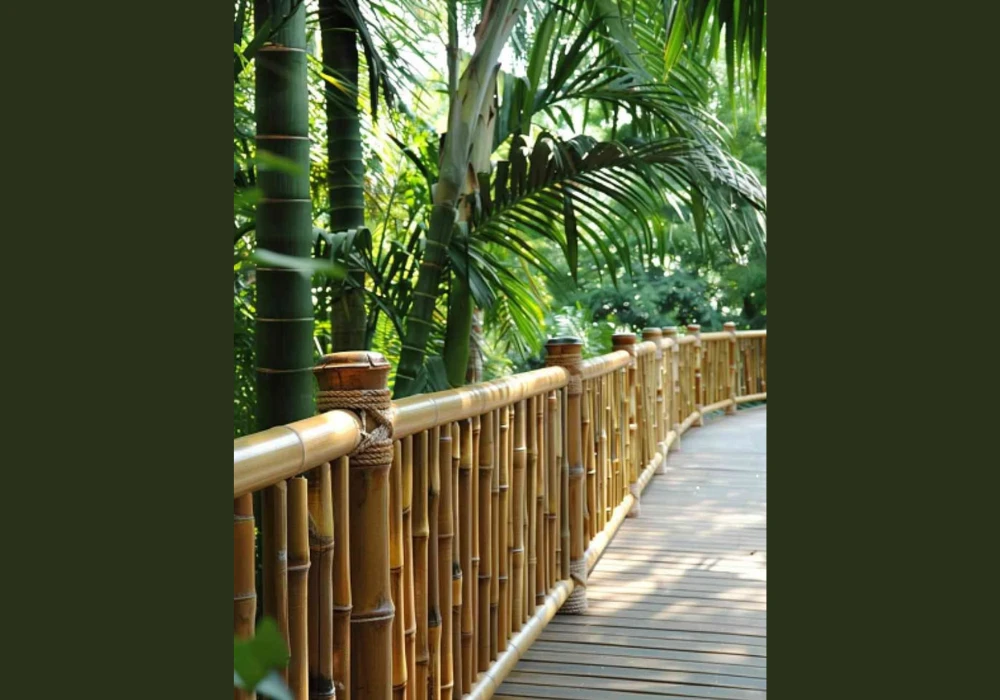
For an eco-friendly and sustainable railing, bamboo is a fantastic material choice. Bamboo is not only renewable but also offers a natural, rustic aesthetic that works beautifully in eco-conscious homes, beach houses, or garden spaces.
To install bamboo railings, use bamboo poles for the balusters, and secure them to wooden or metal posts. You can choose to keep the bamboo in its natural state for a more organic feel, or you can paint or stain it to match your existing décor.
Bamboo railings are perfect for those who want to incorporate more natural elements into their homes while also supporting sustainability. The material is highly durable and weather-resistant, making it a great choice for both indoor and outdoor use.
I love bamboo railings because they offer a natural, eco-friendly alternative that adds a calming and earthy feel to any space.
13. Cable Railings for a Sleek, Modern Look
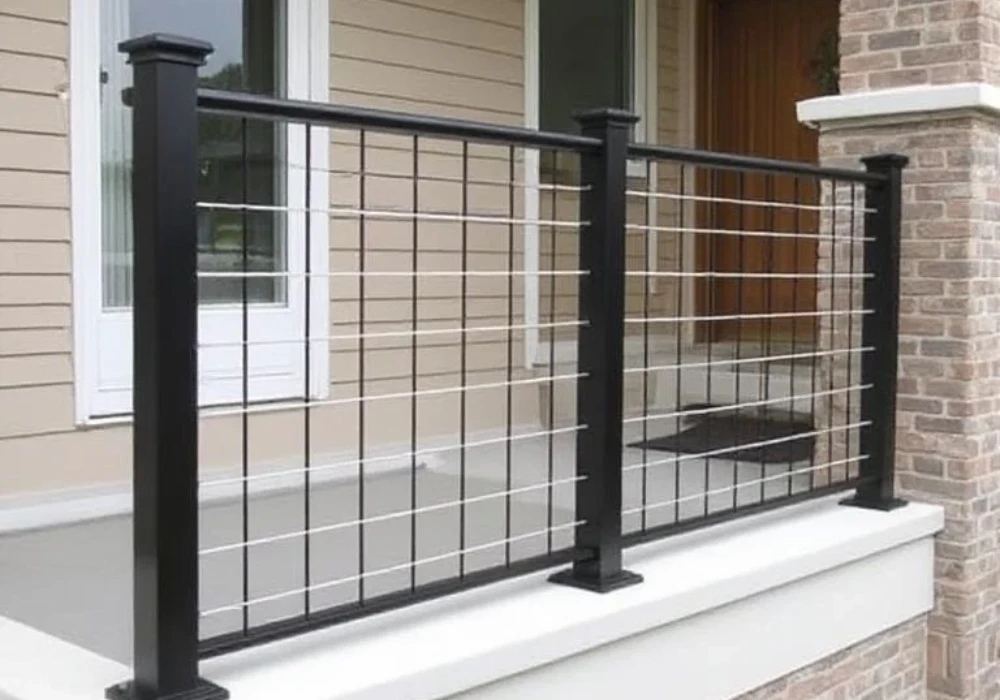
Cable railings are an excellent choice for creating a sleek, modern design with a focus on minimalism. The thin metal cables give the railing an open, airy feel while still providing the necessary safety and security.
To install, secure metal posts into the ground and thread the cables through the posts. The cables can be spaced as tightly or loosely as you prefer, depending on the level of privacy and openness you desire. This design works best for modern homes, urban spaces, or areas with great views.
Cable railings are especially great for outdoor spaces, like decks or balconies, where you want to preserve the scenic view without blocking it with bulky materials. It’s a low-maintenance, durable, and stylish option.
I love cable railings because they offer a minimalistic look that allows you to enjoy clear views while still providing a secure barrier.
14. Wrought Iron Railings for Timeless Elegance
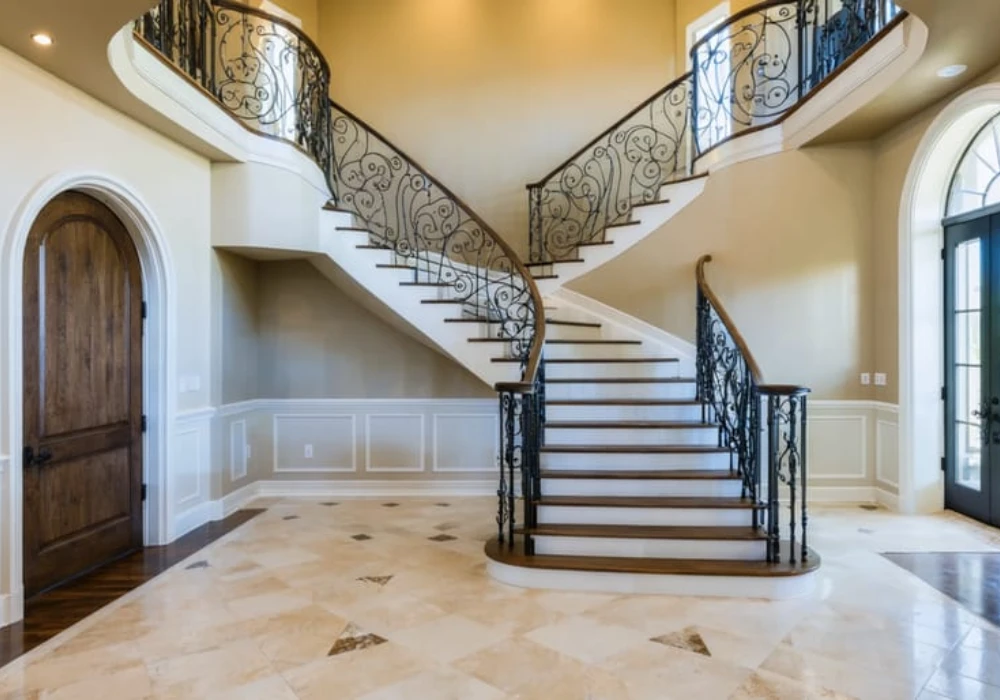
For a classic, elegant railing, wrought iron is an excellent option. This timeless material provides a rich, detailed look that works well in both indoor and outdoor settings. Wrought iron can be molded into intricate scrollwork or geometric patterns, giving your railing a sophisticated and luxurious feel.
Wrought iron railings are perfect for traditional homes, vintage-inspired designs, or even luxury outdoor spaces. While they do require occasional maintenance to prevent rust, they are incredibly durable and can withstand the elements over time.
Installing wrought iron railings involves welding the posts and balusters together, which may require some professional assistance if you’re not familiar with the process. Once installed, they provide a sturdy and ornate touch to any space.
I love wrought iron railings because they bring a timeless elegance to your home, offering both beauty and strength that lasts for generations.
15. Use Macramé for a Boho-Inspired Touch
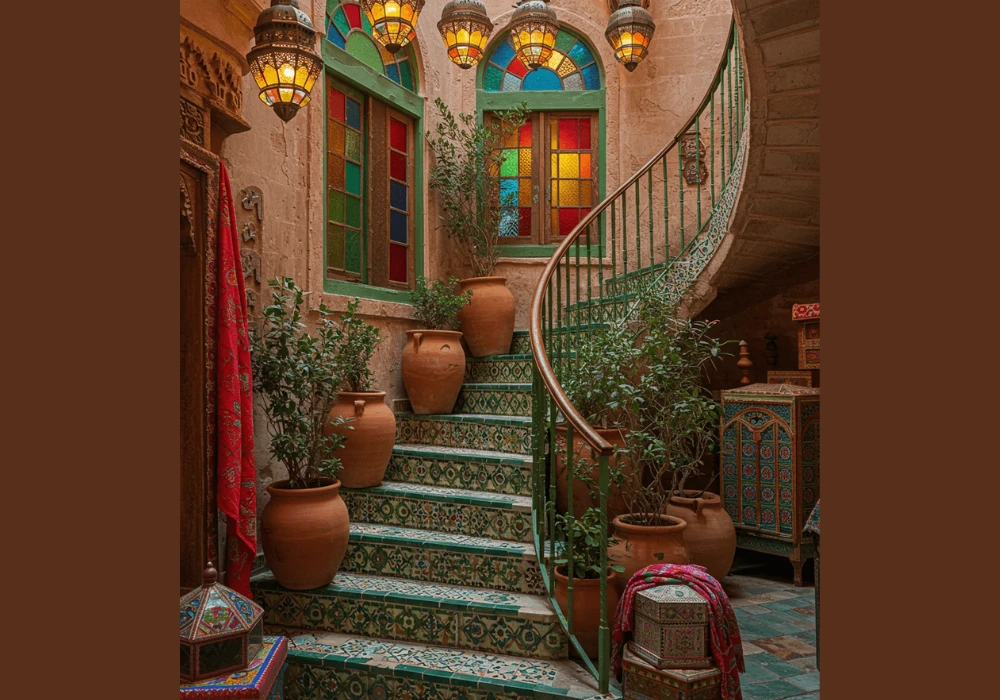
To add a unique boho flair to your railing, consider incorporating macramé. This handcrafted design element adds a beautiful textural touch and is perfect for creating a bohemian or rustic-style railing.
Macramé can be added as decorative accents between posts or woven directly into the design of the spindles. It works particularly well with wooden or metal posts, where the rope can add a relaxed, artistic element to the design.
This idea works great in outdoor spaces, balconies, or staircases where a boho vibe is desired. You can experiment with different knotting techniques, colors, and patterns to customize your railing according to your personal style.
I love macramé railings because they bring a bohemian, artistic touch to your space, making it feel more creative and personal.
Quick Comparison Table for Railing Design Ideas
| Railing Idea | Best For | Main Look | Difficulty | Maintenance |
|---|---|---|---|---|
| Wooden with spindles | Traditional homes | Classic, rustic | Medium | Medium |
| Metal railings | Modern, industrial homes | Sleek, sturdy | Medium | Low |
| Glass panel railings | Modern, luxury homes | Sleek, open feel | High | High |
| Rope and wood | Coastal, boho spaces | Relaxed, natural | Low | Low |
| Composite railings | Low-maintenance homes | Durable, clean finish | Low | Low |
| Wrought iron | Vintage, traditional homes | Ornate, vintage | Medium | Medium |
| Bamboo railings | Eco-friendly, tropical homes | Natural, rustic | Low | Low |
| Cable railings | Modern, open spaces | Minimalist, sleek | Medium | Low |
Conclusion
Building your own railing is not only a cost-effective DIY project, but it also allows you to personalize and enhance the overall aesthetic of your home.
Whether you choose wood, metal, glass, or bamboo, there are endless ways to design a railing that fits your style and needs.
Each of these 15 railing projects provides a unique approach to upgrading your space. From simple DIY projects to more complex designs.
You can transform your home with a custom railing that enhances both safety and beauty. Take your time, follow the steps, and enjoy the process!
FAQs
You’ll need measuring tools, screws, posts, rails, and fasteners. Depending on the material, you may also need specialized tools like a saw, drill, or welding equipment.
For a basic railing, expect it to take 1-2 days, while more complex designs (like glass panels or wrought iron) might take longer, especially if you’re a beginner.
Yes, many types of railings, especially wood and metal, are DIY-friendly. However, materials like glass or wrought iron may require professional assistance for precise installation.
Ensure the posts are anchored firmly, spindles are evenly spaced, and the handrail is at the appropriate height. Always follow building code standards to ensure the installation is safe.
It depends on your style and budget. Wood is affordable and versatile, while metal and glass provide a modern, durable look. Composite is low-maintenance and weather-resistant, ideal for outdoor use.
Wooden railings need regular staining or sealing to protect them from the elements. Clean them with a mild detergent and inspect them for damage periodically.