
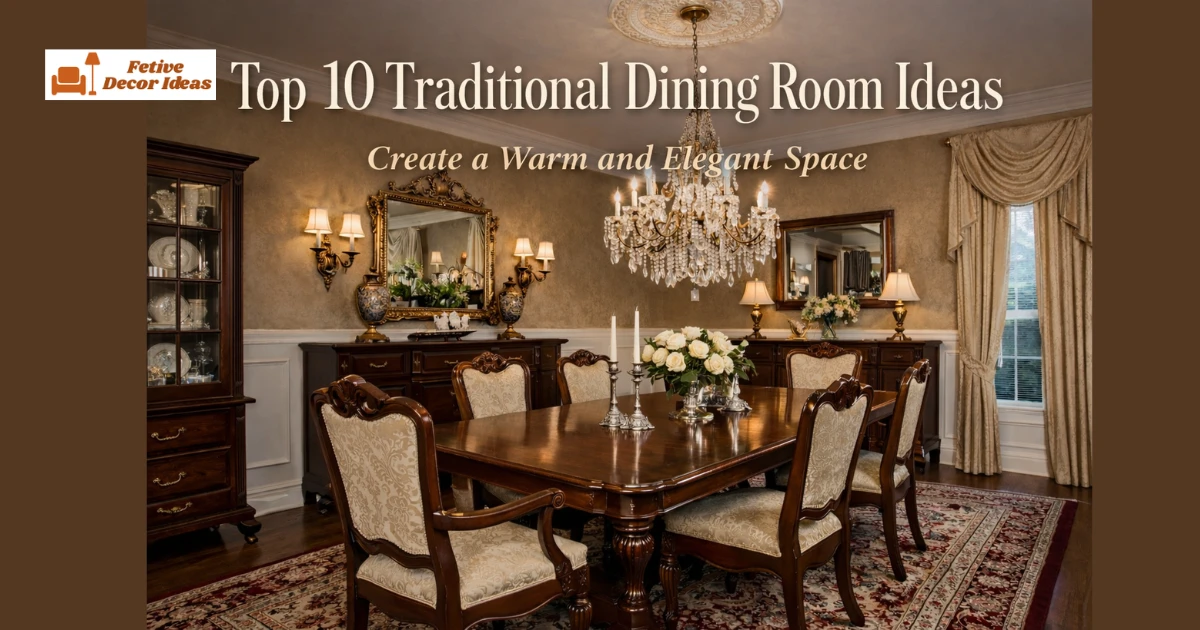
Traditional dining room ideas focus on classic furniture, rich wood tones, elegant lighting, and balanced layouts that never go out of style. When I design a traditional dining room, I prioritize warmth, symmetry, and comfort. This style feels formal yet welcoming, which makes it perfect for family dinners and festive gatherings.
Many homeowners search for traditional dining room decor because they want timeless beauty instead of short lived trends. I always suggest starting with solid wood furniture, layered lighting, and refined color palettes. These core elements shape the entire space and create a cohesive look.
In this guide, I will share the top 10 traditional dining room ideas that you can apply in real homes. I will also explain how to style each idea properly so your space looks balanced, elegant, and practical. Let’s begin with the foundation.
What Defines a Traditional Dining Room Design?
Traditional dining room design centers around symmetry, rich materials, and classic detailing. I usually look for crown molding, paneled walls, carved furniture legs, and soft neutral wall colors. These features instantly create a refined atmosphere.
Traditional dining room furniture often includes rectangular wooden tables, upholstered chairs, and sideboards. Dark wood finishes like mahogany, cherry, and walnut remain popular. However, lighter oak works well if you prefer a softer traditional look.
Lighting plays a strong role in traditional dining rooms. Chandeliers, wall sconces, and table lamps provide layered illumination. When I layer lighting correctly, the room feels warm rather than overly formal.
Top 10 Traditional Dining Room Ideas for a Timeless Interior
Now I will share the best traditional dining room ideas that work in real homes. Each idea includes design details and practical suggestions so you can apply them easily.
1. Solid Wood Dining Table as the Centerpiece
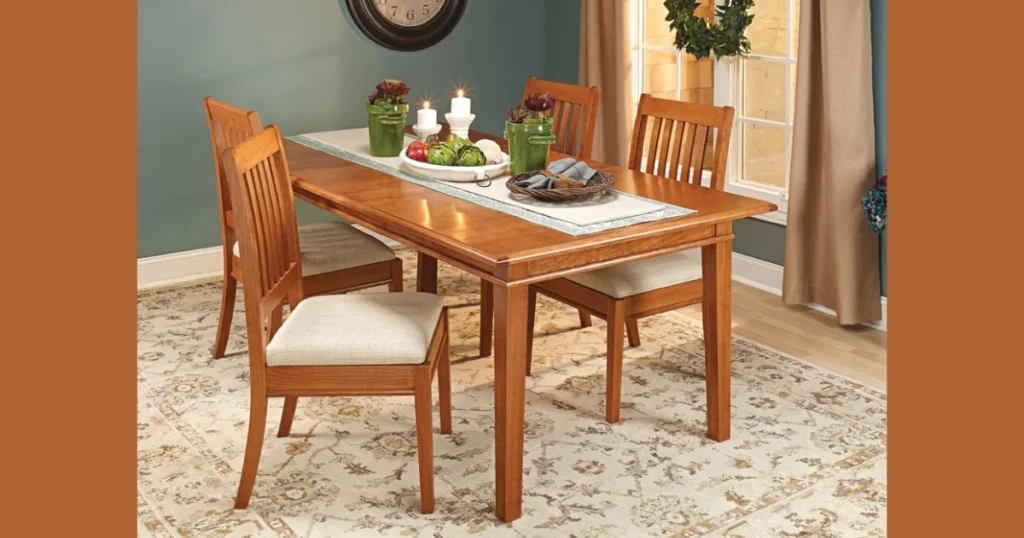
A solid wood dining table anchors every traditional dining room. I always treat the table as the heart of the space. Without a strong table, the room loses its identity.
Rectangular tables work best in formal traditional layouts. Dark finishes such as walnut or mahogany add depth and richness. If your room is smaller, a medium tone oak table keeps the space from feeling heavy.
I also recommend pairing the table with upholstered chairs that feature carved wooden legs. This combination softens the look while maintaining elegance. The result feels balanced and inviting.
2. Elegant Crystal Chandelier for Layered Lighting
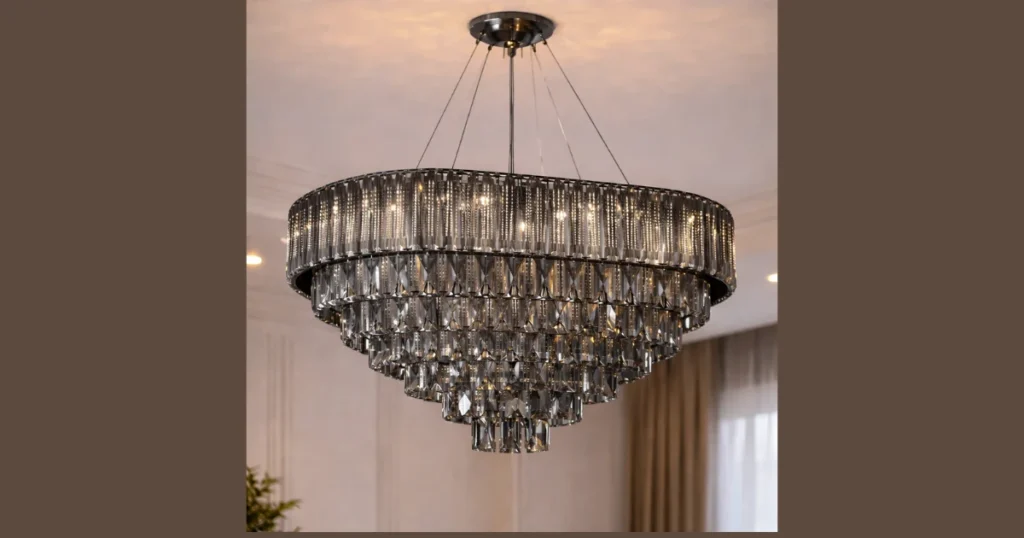
An elegant crystal chandelier instantly defines a traditional dining room. I usually center the chandelier directly above the dining table to create symmetry.
Crystal chandeliers reflect light beautifully and enhance the formal feel of the room. If you prefer a simpler option, a bronze or antique brass chandelier also works well.
The key is proportion. The chandelier should match the table size. When lighting feels balanced, the entire dining space looks polished and cohesive.
3. Classic Neutral Wall Colors for Warmth
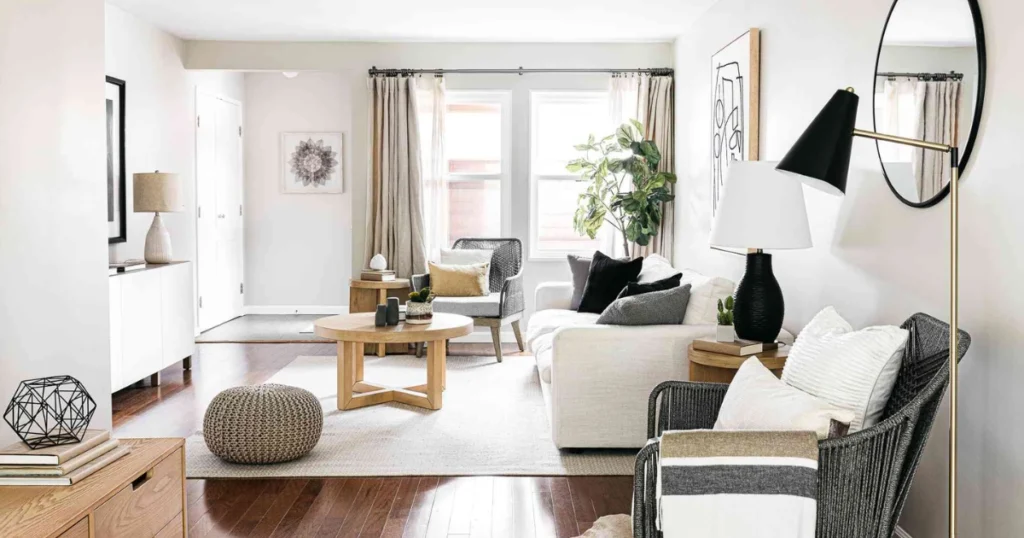
Neutral wall colors create a refined backdrop in traditional dining rooms. I often choose shades like beige, warm cream, taupe, or soft gray.
These colors allow wooden furniture and decorative details to stand out. Dark red or deep green accent walls can also work if used carefully. However, I avoid overly bright shades because they disrupt the traditional mood.
Paint finish matters too. A satin or eggshell finish reflects light softly and enhances elegance without looking glossy.
4. Traditional Wainscoting or Wall Paneling
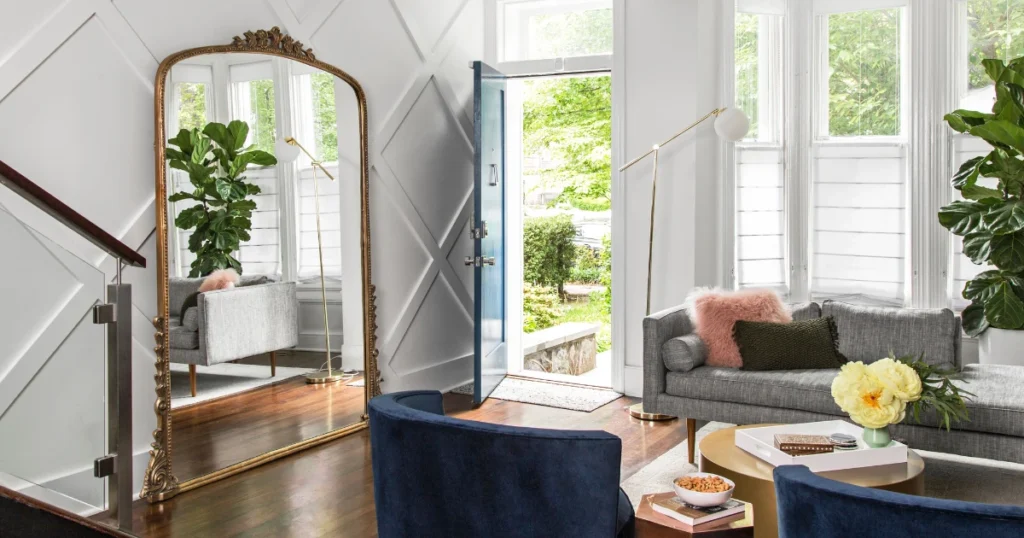
Wall paneling adds architectural detail to a traditional dining room. I find that wainscoting instantly elevates the space and makes it look more structured.
White or cream paneling paired with neutral walls creates contrast while keeping the room bright. In larger dining rooms, full height paneling adds depth and sophistication.
Paneling also protects walls from chair marks. So it is not just decorative. It adds practical value as well.
5. Upholstered Dining Chairs for Comfort and Style
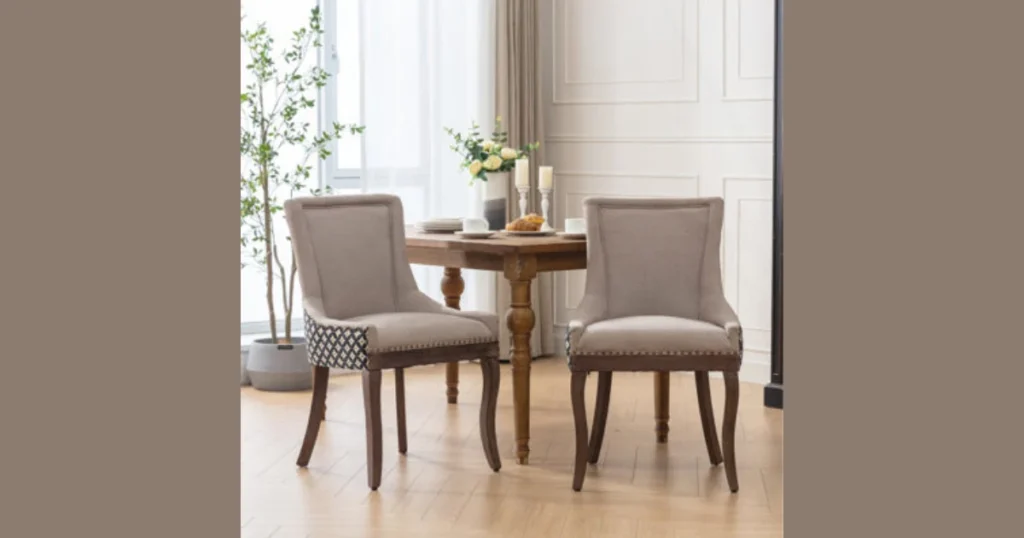
Upholstered dining chairs bring softness into a traditional dining space. I prefer chairs with high backs and subtle wood carvings.
Fabric choices matter. Neutral linen, textured cotton, or patterned damask work well in traditional interiors. Avoid shiny synthetic fabrics because they reduce authenticity.
Comfort is important. If guests sit for long dinners, padded seats and supportive backs make a big difference. Traditional style should feel welcoming, not rigid.
6. Traditional Sideboard or Buffet Cabinet for Storage and Display
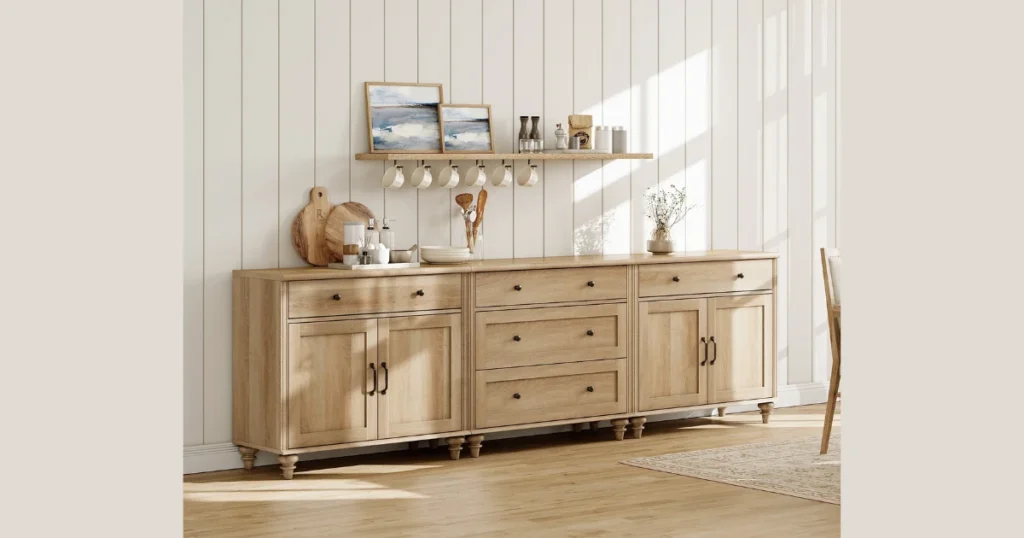
A traditional sideboard adds both storage and elegance to a dining room. I always recommend placing a wooden buffet cabinet along the longest wall. This keeps the layout balanced and practical.
Dark wood finishes like cherry or mahogany suit formal traditional dining rooms. Glass front cabinets allow you to display fine china, serving platters, or decorative bowls. Closed cabinets hide extra table linens and dinnerware.
A well styled sideboard enhances the overall look of the space. I usually place a large framed mirror or artwork above it. This creates height and strengthens symmetry.
7. Formal Area Rug to Define the Dining Space
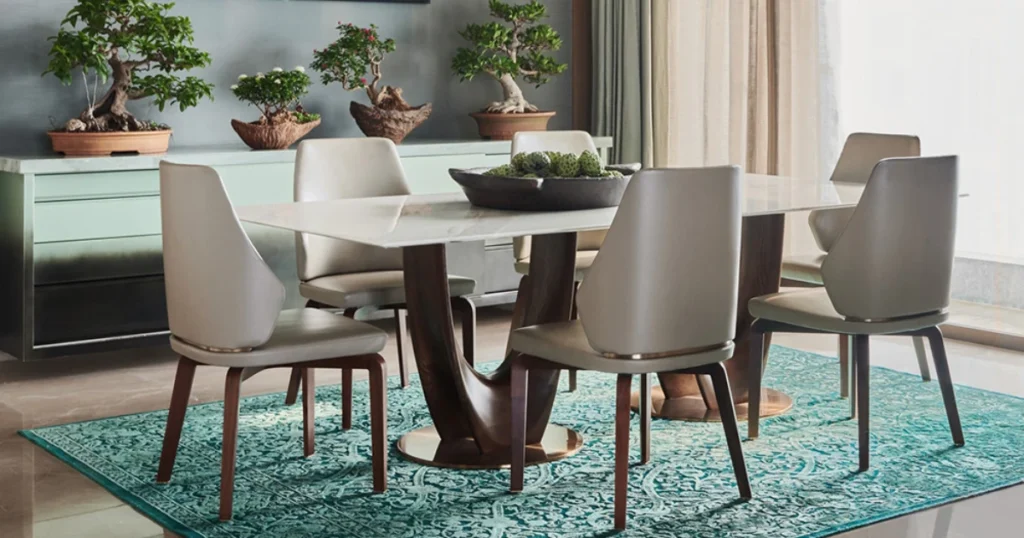
A formal area rug anchors the dining table and defines the room visually. I prefer large rugs that extend at least 24 inches beyond the table edges. This allows chairs to slide smoothly without catching the border.
Traditional dining room rugs often feature Persian or Oriental patterns. Deep red, navy, beige, or muted green tones complement wooden furniture beautifully.
Material selection matters. I suggest low pile rugs because they are easier to clean and maintain. A thick rug may look luxurious, but it can make chairs unstable.
8. Decorative Crown Molding and Ceiling Details
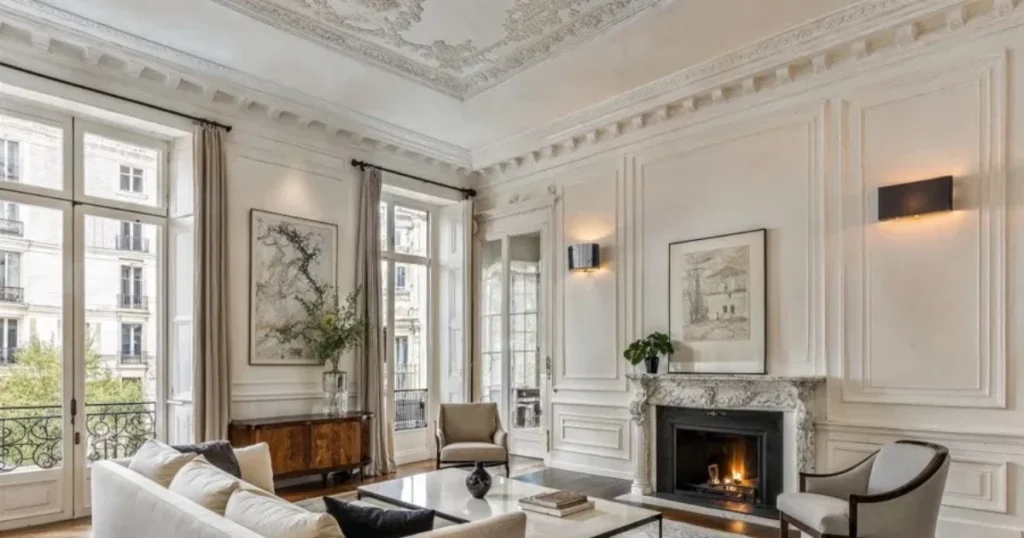
Crown molding adds architectural refinement to traditional dining rooms. I always view ceiling details as the finishing touch that completes the design.
White crown molding pairs well with neutral walls. In larger dining rooms, ceiling medallions around chandeliers enhance formality. These details frame lighting and draw attention upward.
Even simple trim can elevate a plain room. When walls, ceilings, and furniture feel connected, the space looks thoughtfully designed.
9. Traditional Dining Room Curtains for Softness
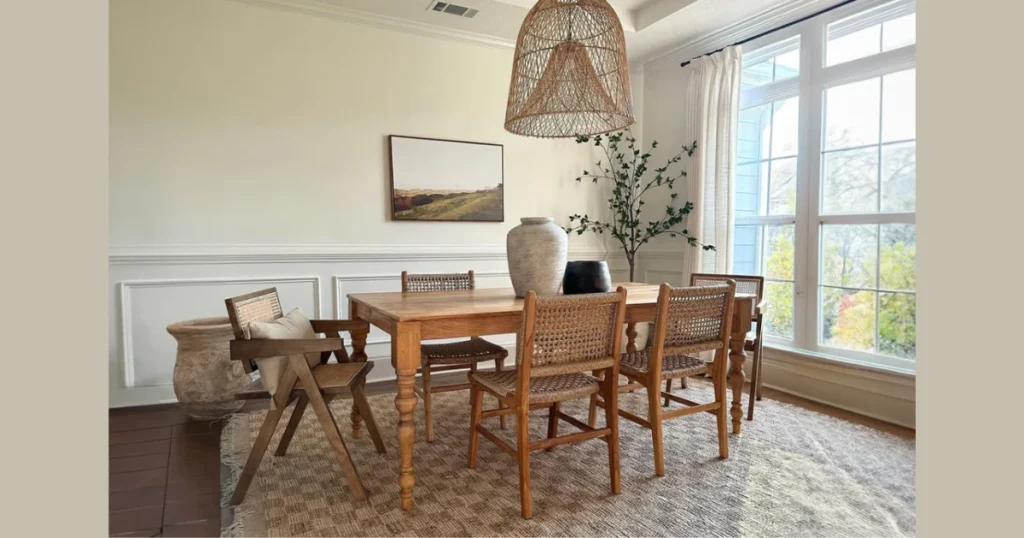
Traditional dining room curtains soften hard surfaces like wood and glass. I prefer long, floor length drapes in neutral or subtle patterned fabrics.
Heavy fabrics such as velvet or jacquard suit formal settings. Lighter linen blends work better in smaller spaces where you want brightness. Curtain rods in bronze or antique gold enhance the classic look.
Proper curtain length matters. Curtains should lightly touch the floor for a polished appearance. Short curtains often break the elegance.
10. Classic Centerpiece and Table Styling
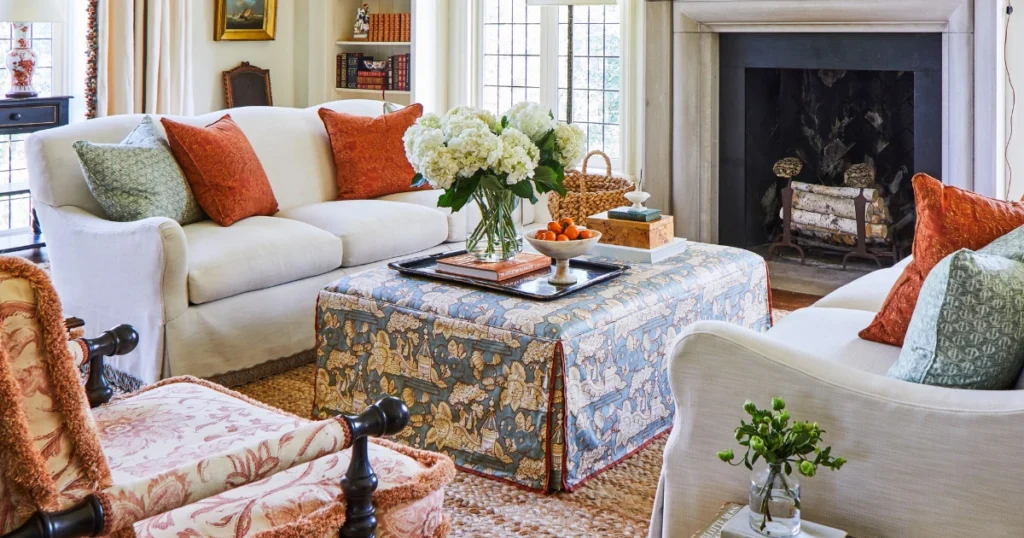
A classic centerpiece completes a traditional dining room table. I usually keep it simple but refined.
Fresh flowers in a crystal vase add charm and color. Candlesticks in brass or silver create a warm atmosphere during evening dinners. Avoid clutter because traditional style values balance.
Seasonal decor also works well. For festive occasions, I add greenery or subtle holiday accents without overwhelming the table.
Best Color Combinations for Traditional Dining Rooms
Traditional dining room color schemes focus on warmth and harmony. I always choose colors that complement wood tones rather than compete with them.
Here are some reliable combinations:
| Wall Color | Wood Finish | Accent Color | Overall Feel |
|---|---|---|---|
| Warm Beige | Dark Walnut | Deep Red | Formal and Cozy |
| Soft Cream | Cherry Wood | Gold | Elegant and Bright |
| Taupe | Mahogany | Navy Blue | Rich and Balanced |
| Light Gray | Medium Oak | Soft Green | Calm and Refined |
These combinations create visual consistency. When walls and furniture work together, the room feels cohesive.
Traditional Dining Room Layout Guide
Traditional dining room layouts emphasize symmetry and proportion. I usually follow these layout principles:
- Center the dining table under the chandelier.
- Keep equal spacing on both sides of the table.
- Place a sideboard opposite the main focal wall.
- Use matching chairs for uniformity.
- Maintain clear walking space around the table.
Symmetry makes traditional dining rooms feel orderly. When furniture placement looks balanced, the room feels complete.
Traditional Dining Room Styling Tips for a Professional Look
Traditional dining room styling works best when I focus on balance, proportion, and quality materials. I always remind myself that traditional style values harmony over excess. Every piece should feel intentional.
I pay close attention to scale when styling a dining space. Large tables require bold chandeliers and substantial chairs. Small rooms benefit from lighter finishes and slimmer furniture profiles.
Texture layering adds depth without clutter. I combine wood, fabric, glass, and metal carefully. When textures complement each other, the room feels rich but controlled.
Budget Friendly Traditional Dining Room Ideas
Traditional dining rooms do not require a large budget. I often suggest starting with one strong statement piece like a solid wood dining table.
Second hand wooden furniture can look stunning after refinishing. A fresh coat of paint on walls or updated curtains also refreshes the space without major expense.
Lighting upgrades offer high impact at moderate cost. Replacing a simple fixture with a classic chandelier instantly elevates the room.
Cost Breakdown Example
| Element | Budget Option | Higher Investment Option |
|---|---|---|
| Dining Table | Refinished solid wood table | Custom hardwood table |
| Lighting | Bronze chandelier | Crystal chandelier |
| Wall Treatment | Paint with molding trim | Full wall paneling installation |
| Chairs | Upholstered standard chairs | Custom carved dining chairs |
How to Make a Small Traditional Dining Room Feel Spacious
Small traditional dining rooms need careful planning. I focus on lighter wall colors to reflect more light.
Medium wood tones work better than very dark finishes in compact spaces. I also prefer glass cabinet doors because they reduce visual heaviness.
Mirrors help expand visual depth. Placing a large framed mirror above a sideboard creates openness while maintaining traditional charm.
Conclusion
Traditional dining room ideas create warmth, elegance, and long lasting value. When I design a traditional dining space, I focus on solid wood furniture, layered lighting, architectural details, and balanced layouts.
The top 10 traditional dining room ideas shared in this guide give you practical direction. From classic dining tables and crystal chandeliers to wainscoting and formal rugs, each element builds a refined interior.
If you want a dining room that feels welcoming yet polished, traditional design remains a reliable choice. Start with strong fundamentals, maintain symmetry, and avoid over decoration. When done right, the space feels timeless and comfortable.
FAQs
Traditional dining rooms feature solid wood furniture, neutral wall colors, classic lighting fixtures, and symmetrical layouts. Architectural details like crown molding also define the style.
Traditional dining rooms are not outdated when styled properly. Balanced colors and updated fabrics keep the space fresh and elegant.
Warm neutrals like beige, cream, taupe, and soft gray work well. Deep red, navy, or green accents also complement wood furniture.
Yes, you can blend traditional furniture with simple modern accents. Keep the core pieces traditional to maintain the overall look.
Crystal chandeliers, bronze fixtures, and wall sconces suit traditional interiors. Layered lighting creates warmth.
Use simple centerpieces like flowers or candlesticks. Avoid clutter and maintain symmetry for a polished appearance.