
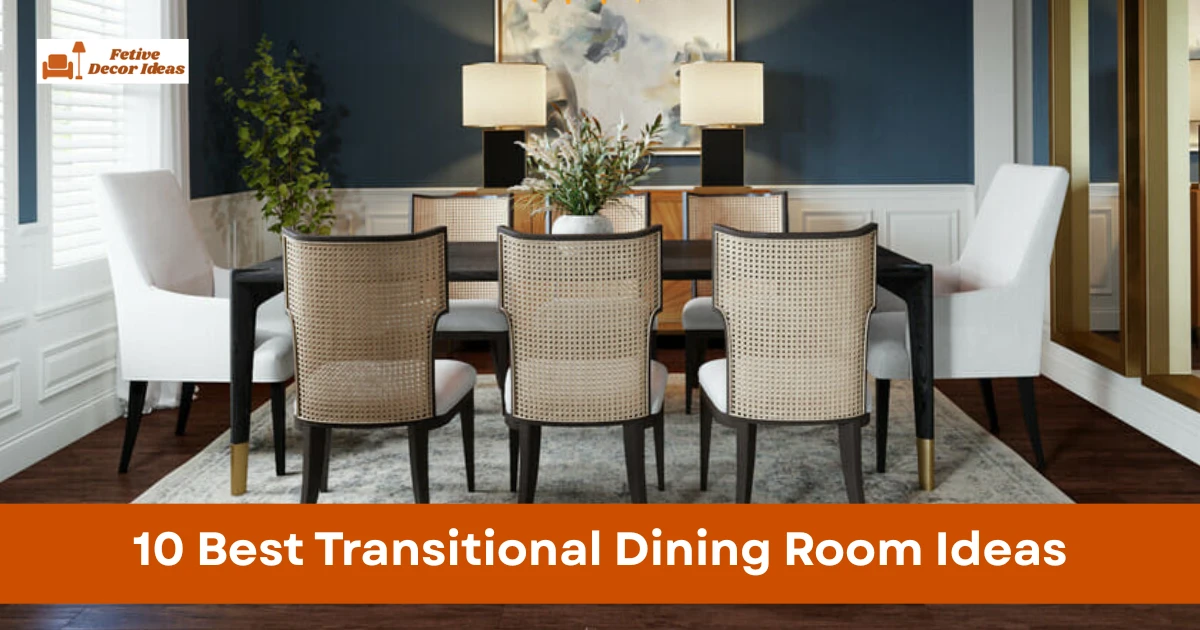
Transitional dining room ideas combine modern simplicity with traditional warmth to create a balanced and comfortable space. I always find this style perfect for people who want elegance without the heaviness of fully traditional decor.
This design approach focuses on clean lines, neutral colors, and timeless furniture that does not feel outdated. The goal is to create a room that looks polished yet relaxed enough for everyday use.
In this guide, I share practical transitional dining room ideas that work in real homes. These ideas help you mix styles confidently while keeping the space cohesive and inviting.
What Defines a Transitional Dining Room Style
A transitional dining room feels balanced because it blends classic shapes with modern finishes. I usually start with simple furniture silhouettes and then layer textures and lighting to add warmth.
Neutral color palettes play a major role in creating harmony within this style. Shades like beige, gray, cream, and soft brown help connect modern and traditional elements.
Decor choices remain minimal but intentional to avoid visual clutter. The room should feel calm and welcoming rather than overly decorated or too plain.
1. Neutral Dining Table with Modern Lines
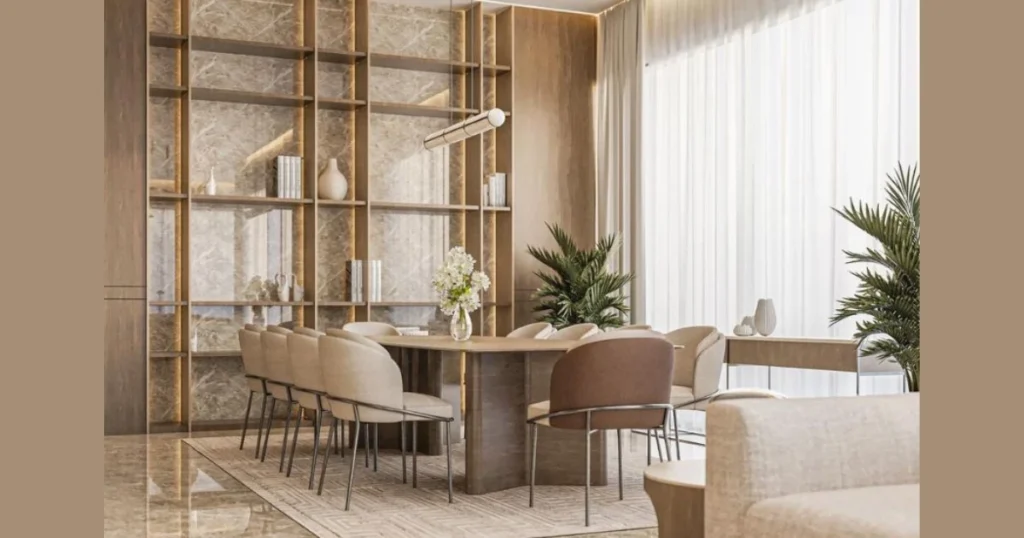
A dining table with clean lines creates the foundation of a transitional dining room because simplicity supports versatility. I often recommend wood or mixed material tables that combine classic tones with modern shapes.
Straight legs or subtle curves help maintain a timeless appearance without looking heavy. This balance allows the table to work with both traditional chairs and contemporary decor.
This approach works well for homeowners who want flexibility over time. I personally prefer neutral tables because they adapt easily when decor styles change.
2. Upholstered Chairs with Contemporary Shapes
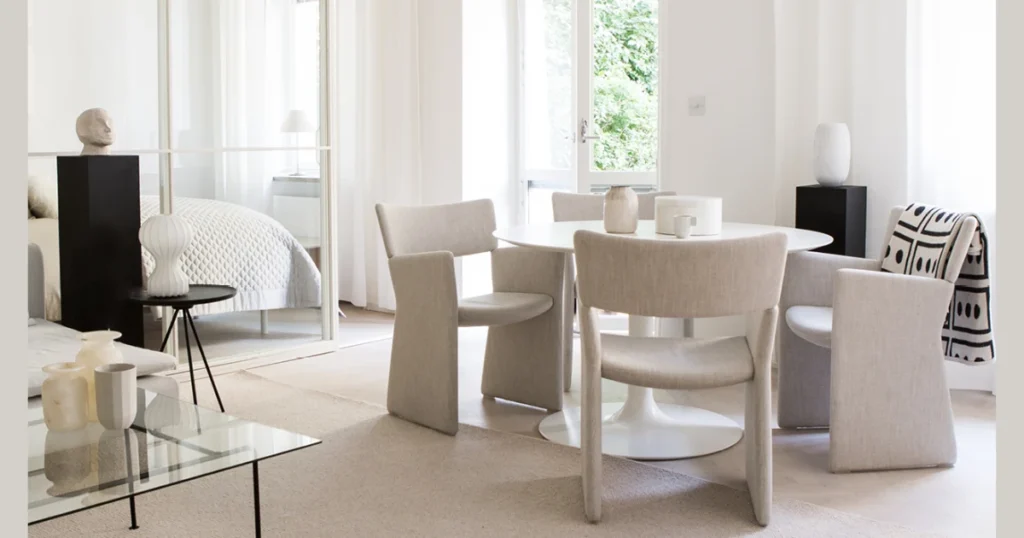
Upholstered chairs add comfort because soft seating makes the dining experience more inviting. I usually suggest chairs with simple silhouettes rather than heavy traditional carvings.
Neutral fabrics such as linen, textured cotton, or leather blends often complement transitional interiors beautifully. These materials add warmth without making the room feel overly formal.
Comfortable seating also encourages longer conversations during meals. I believe chairs play a major role in creating a welcoming dining atmosphere.
3. Mixed Materials for Visual Balance
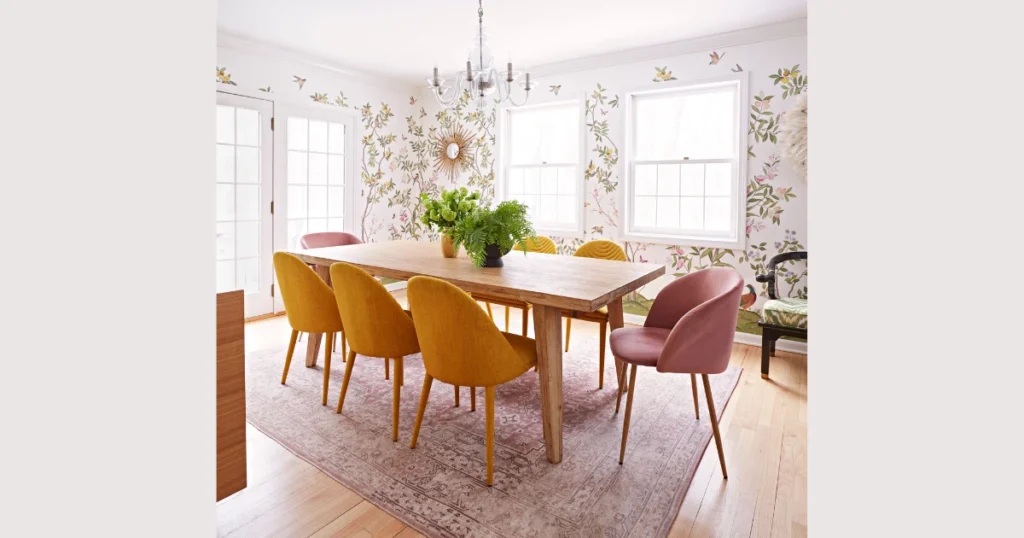
Mixed materials create interest because combining textures prevents the room from feeling flat. I like pairing wood with metal, glass, or fabric to achieve a balanced transitional look.
For example, a wooden table with metal light fixtures or fabric chairs introduces contrast naturally. This layering helps connect traditional warmth with modern simplicity.
This design technique works well without requiring expensive purchases. I have noticed that material contrast often creates more impact than adding extra decor items.
4. Statement Lighting with Simple Design
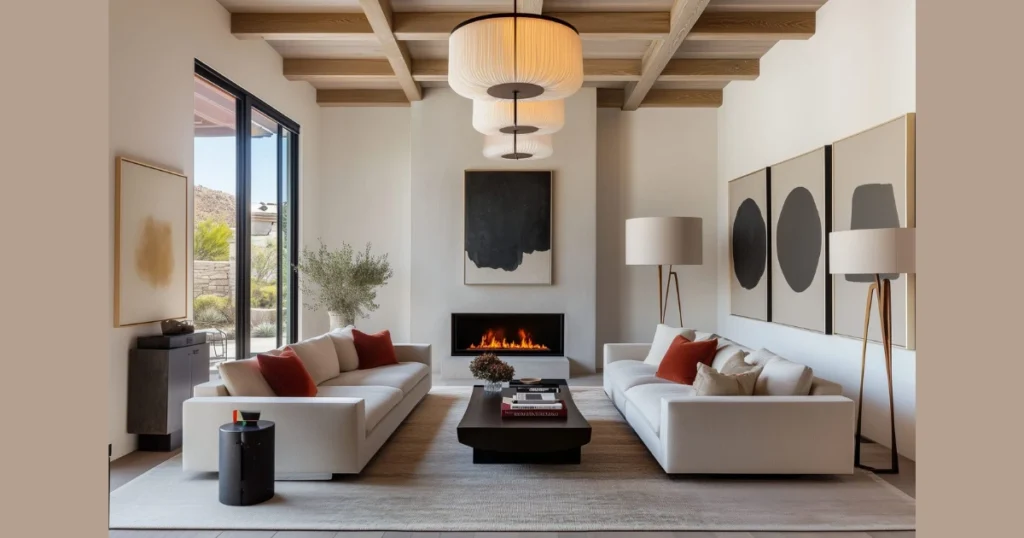
A modern chandelier creates focus because lighting naturally draws attention to the dining area. I often recommend fixtures with clean shapes rather than ornate traditional designs.
Metal finishes such as brushed gold, black, or chrome often suit transitional spaces well. These finishes feel current while still maintaining elegance.
Proper lighting placement also improves the room’s balance visually. I personally believe lighting is one of the easiest ways to establish a transitional style quickly.
5. Soft Neutral Color Palette with Contrast
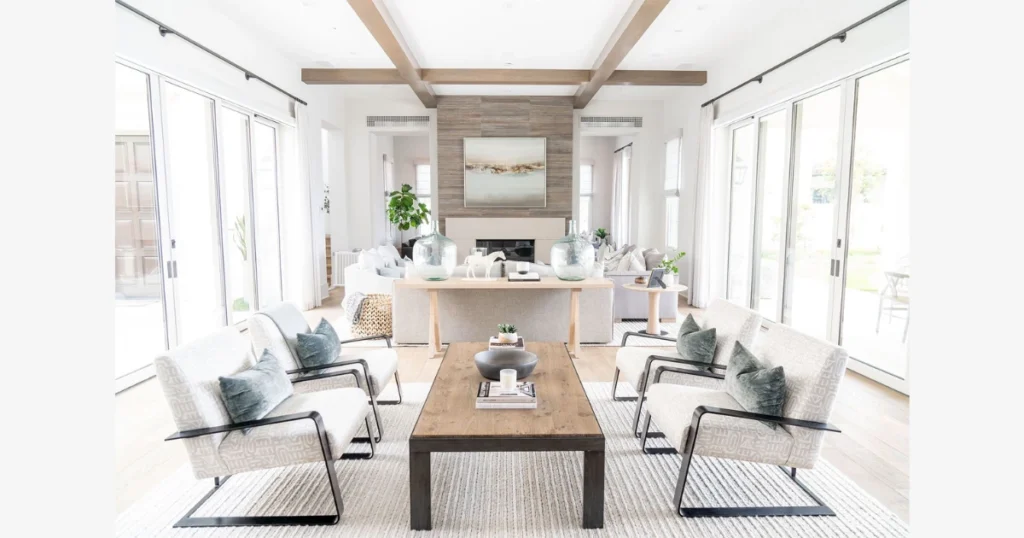
Neutral colors create harmony because they allow different styles to blend naturally. I usually suggest combining warm neutrals with subtle contrast, such as darker furniture or accent decor.
Soft gray walls with wooden furniture often produce a comfortable transitional atmosphere. Light colors also help reflect natural light and make the space feel open.
This palette remains timeless and easy to update over time. I personally prefer neutral backgrounds because they never feel overwhelming.
6. Minimal Decor with Thoughtful Placement
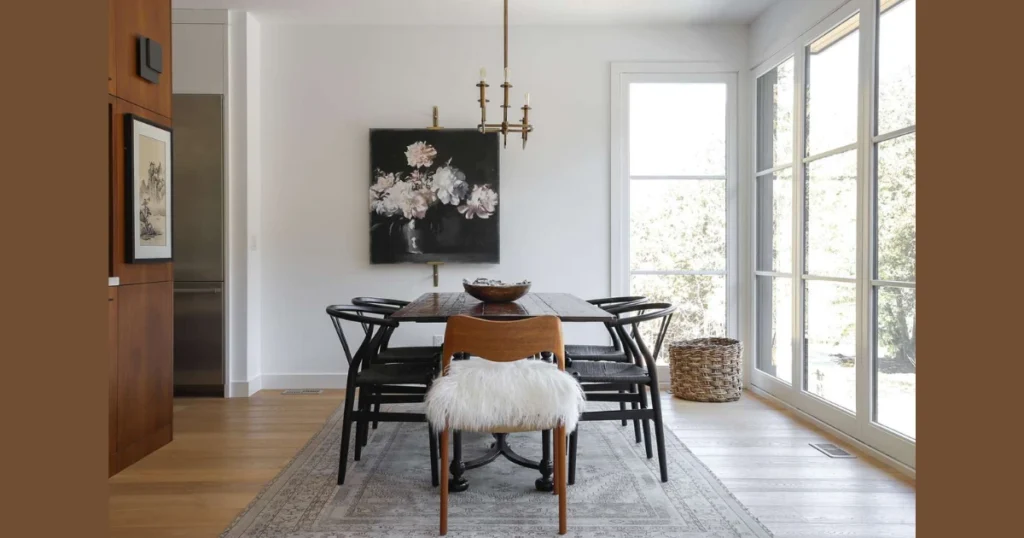
Minimal decor creates calm because fewer items reduce visual clutter. I often recommend focusing on a few statement pieces rather than filling every surface.
Decor items like a centerpiece, artwork, or a decorative bowl can provide personality without overwhelming the room. Placement matters more than quantity in transitional design.
This approach also makes maintenance easier for homeowners. I find that a clean and organized space always feels more welcoming.
7. Transitional Dining Room with Wood and Metal Combination
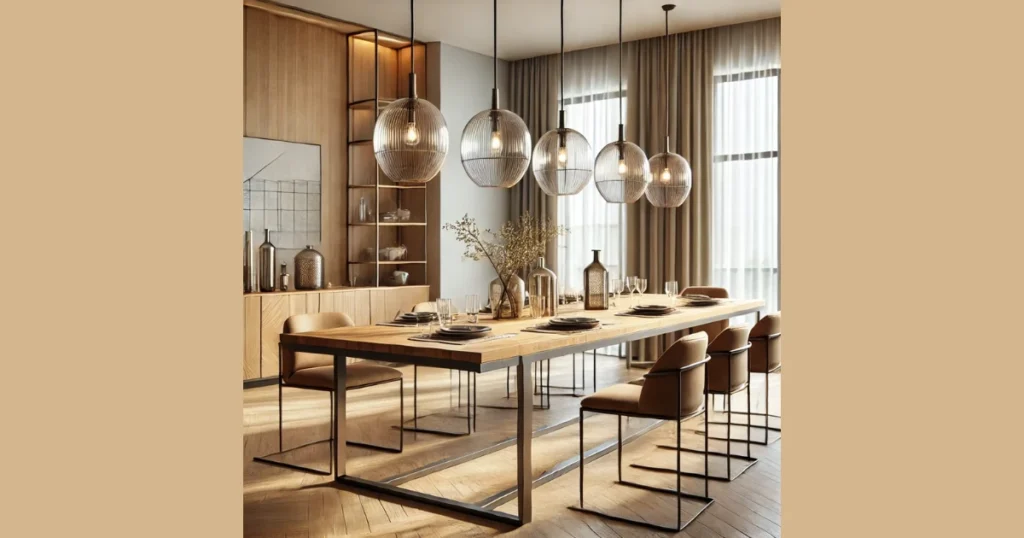
Wood and metal combinations create balance because they connect traditional warmth with modern finishes naturally. I often recommend a wooden dining table paired with metal lighting or chair legs to achieve this style easily.
Metal accents such as brushed gold or matte black introduce a contemporary touch without overpowering the room. This contrast keeps the space visually interesting while still feeling cohesive.
This idea works well for homeowners who want a subtle style upgrade without replacing everything. I personally find material mixing to be one of the easiest ways to achieve transitional design.
8. Simple Area Rug with Subtle Pattern
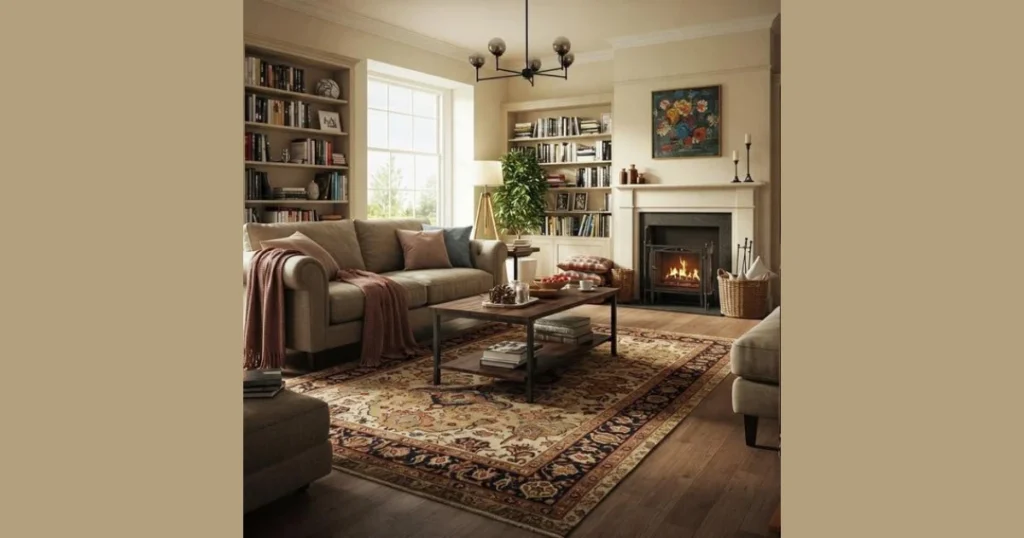
A patterned rug adds depth because it anchors the dining space visually while introducing texture. I usually suggest neutral rugs with soft geometric or faded traditional patterns for transitional interiors.
Proper rug size ensures chairs remain on the rug when pulled out, which improves both comfort and design balance. This detail often makes the room look more complete.
A rug also adds warmth and sound absorption in dining spaces. I have noticed that dining rooms instantly feel more finished after placing the right rug underneath the table.
9. Classic Sideboard with Modern Hardware
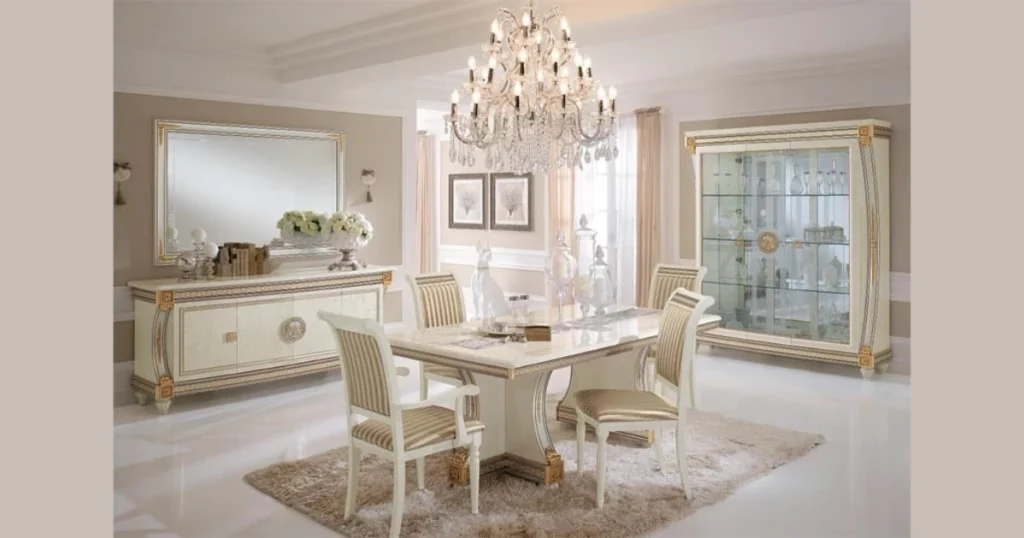
A sideboard provides function because it offers storage and serving space while contributing to decor. I often recommend classic cabinet shapes with updated hardware, such as sleek handles or metal accents.
This combination blends traditional furniture with modern details, which defines the transitional style perfectly. Matching finishes with lighting or decor creates visual harmony across the room.
Storage furniture also keeps clutter under control. I personally appreciate how a sideboard improves both organization and aesthetics simultaneously.
10. Neutral Curtains with Clean Lines
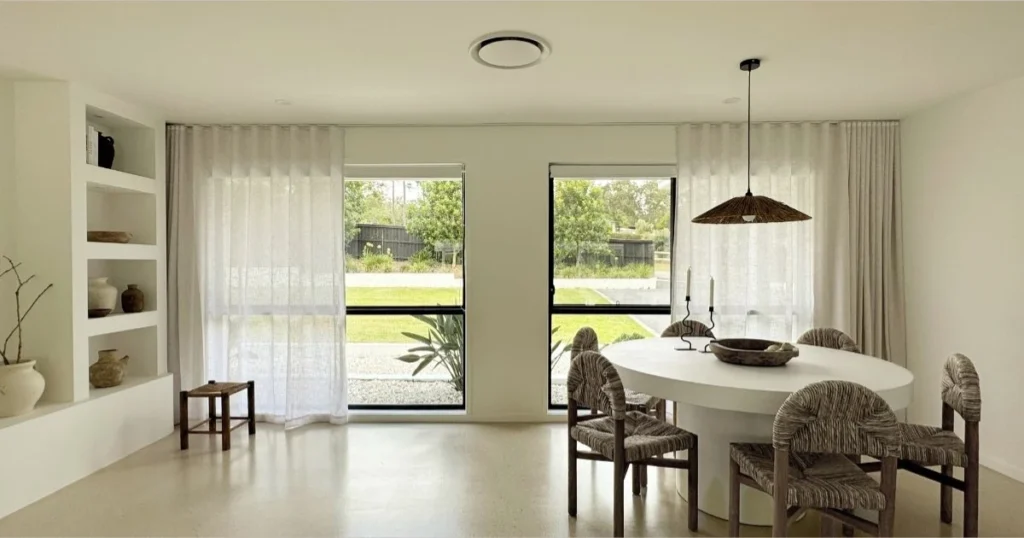
Neutral curtains create softness because fabric introduces warmth without overwhelming the design. I usually recommend floor-length curtains with minimal patterns to maintain a balanced look.
Simple curtain rods with metallic finishes often complement transitional interiors nicely. Coordinating curtain colors with walls or upholstery helps create cohesion throughout the space.
Proper curtain placement can also make ceilings appear taller. I often hang curtains slightly above window frames for a more polished appearance.
Tips to Create a Transitional Dining Room Easily
A transitional dining room becomes successful when modern and traditional elements remain balanced rather than competing. I always recommend starting with neutral furniture and then layering textures gradually.
Here is a simple planning guide:
| Element | Traditional Feature | Modern Feature | Transitional Result |
|---|---|---|---|
| Dining Table | Wood tone | Clean shape | Balanced foundation |
| Lighting | Warm glow | Metal finish | Elegant contrast |
| Chairs | Upholstery | Simple silhouette | Comfortable style |
| Decor | Classic pieces | Minimal quantity | Calm appearance |
| Colors | Warm neutrals | Soft contrast | Harmonious space |
Focus on harmony instead of perfection when designing this style. Small adjustments often create noticeable improvement without major investment.
Conclusion
Transitional dining room ideas create a comfortable and stylish space by blending modern simplicity with traditional warmth. The goal is to achieve balance so the room feels inviting without appearing outdated or overly modern.
Simple upgrades like neutral colors, mixed materials, and thoughtful lighting can transform a dining area significantly. Consistency across furniture, decor, and textures often matters more than expensive purchases.
If you focus on comfort, proportion, and harmony, your dining room will naturally feel refined and welcoming. Transitional design remains popular because it adapts easily to changing trends over time.
FAQs
A transitional dining room combines traditional furniture elements with modern finishes and simple decor to create a balanced look.
Neutral tones such as beige, gray, cream, and soft brown usually work best for this style.
Yes, mixing styles is the main concept of transitional design as long as colors and materials remain coordinated.
Modern chandeliers with simple shapes and warm lighting often work well.
Yes, neutral colors and minimal decor help small spaces feel open and balanced.
Use neutral furniture, mixed materials, simple lighting, and minimal decor with warm accents.
Related Posts
- Top 12 Classic Dining Room Ideas
- 12 Best Dining Room Ceiling Ideas
- Top 15 Dining Room Table Ideas
- 12 Best Formal Dining Room Ideas
- 12 Best Minimalist Dining Room Ideas