
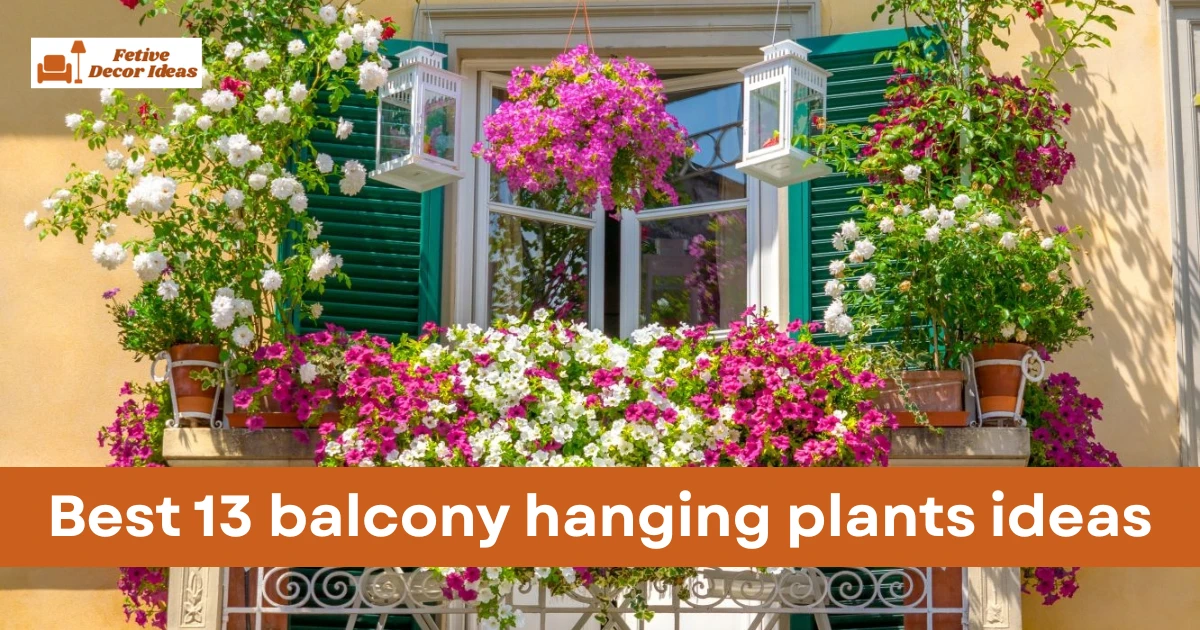

Hanging plants solve the common problem of limited floor space on small balconies while adding vertical beauty.
I found that choosing the right species creates a private green oasis that feels much larger than it actually is.
You can easily refresh your outdoor area by selecting plants that thrive in containers suspended from railings or ceilings.
These 13 top choices focus on durability, visual appeal, and ease of care for any urban gardener.
Trailing Petunias for Bright Balconies
Petunias are the champions of the summer balcony because they produce a massive amount of colorful flowers. I noticed they spill over the edges of hanging pots perfectly, creating a solid wall of bright petals.
These plants need plenty of sunlight to keep their blooms looking fresh and vibrant throughout the season. You should aim for at least six hours of direct sun to prevent the stems from becoming leggy.

Watering is a daily task for petunias in hanging baskets since the wind dries them out very quickly. I recommend checking the soil moisture every morning to ensure the roots stay hydrated during hot July afternoons.
Regular feeding with a liquid fertilizer helps these heavy feeders maintain their impressive display of trumpet shaped flowers. Removing spent blooms also encourages the plant to put its energy into creating new buds for you.
1. Low Maintenance Spider Plants for Shade
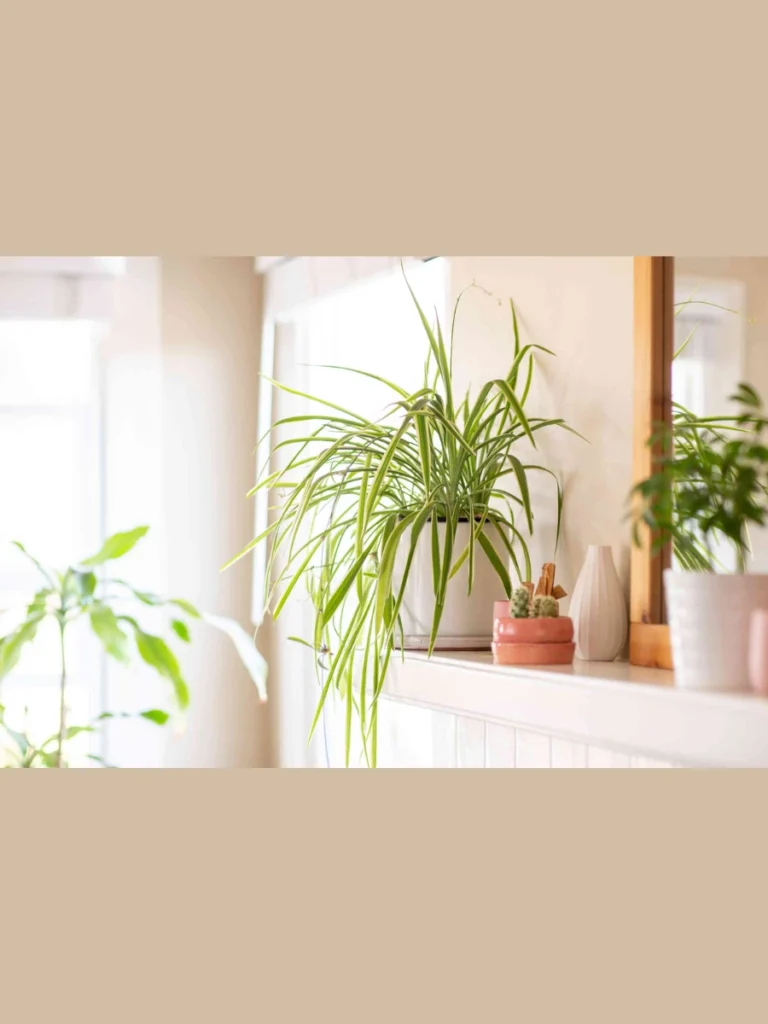
Spider plants are incredibly hardy and look fantastic when their small plantlets dangle down like tiny green stars. They are the perfect choice if your balcony sits in a spot that stays mostly in the shade.
I appreciate how well they tolerate a bit of neglect, making them ideal for busy people who forget to water. Their thick roots store moisture, which gives you a safety net if the weather gets unexpectedly hot.
You will see the best growth when you use a well draining potting mix that prevents water from sitting. These plants prefer to dry out slightly between watering sessions to keep their striped leaves looking crisp and healthy.
These are also great for narrow spaces because they grow in a neat clump before sending out their long runners. I find that moving them indoors during the winter is a simple way to keep them alive for years.

2. Golden Pothos for Lush Greenery
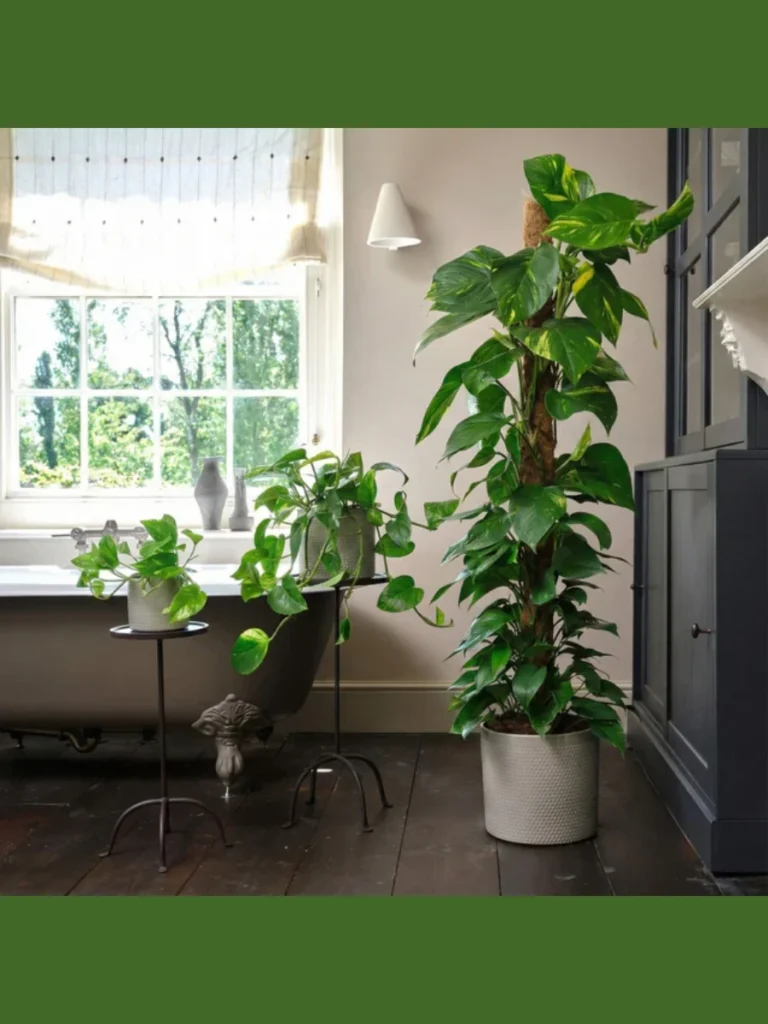
Pothos is often labeled an indoor plant, but it thrives on a sheltered balcony with bright indirect light. The heart shaped leaves create a dense curtain of green that provides excellent privacy from your neighbors.
I love using pothos because the vines grow remarkably fast, often reaching several feet in a single growing season. You can easily trim the ends to keep the plant at your preferred length for your space.
This plant is very communicative and will start to wilt slightly when it is thirsty, telling you exactly when to water. Once you give it a good soak, the leaves perk back up within just a few short hours.
Avoid placing your pothos in direct afternoon sun as the leaves can scorch and turn a dull yellow color. A spot under a balcony roof or behind a taller plant provides the perfect amount of dappled shade.
3. English Ivy for Traditional Style
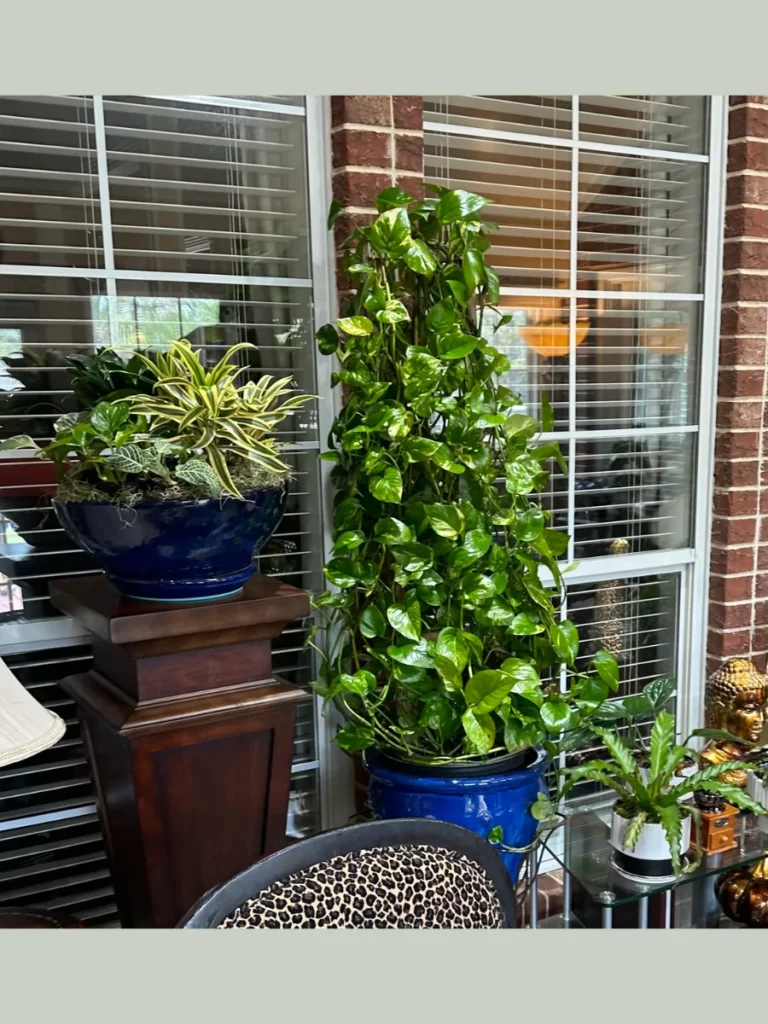
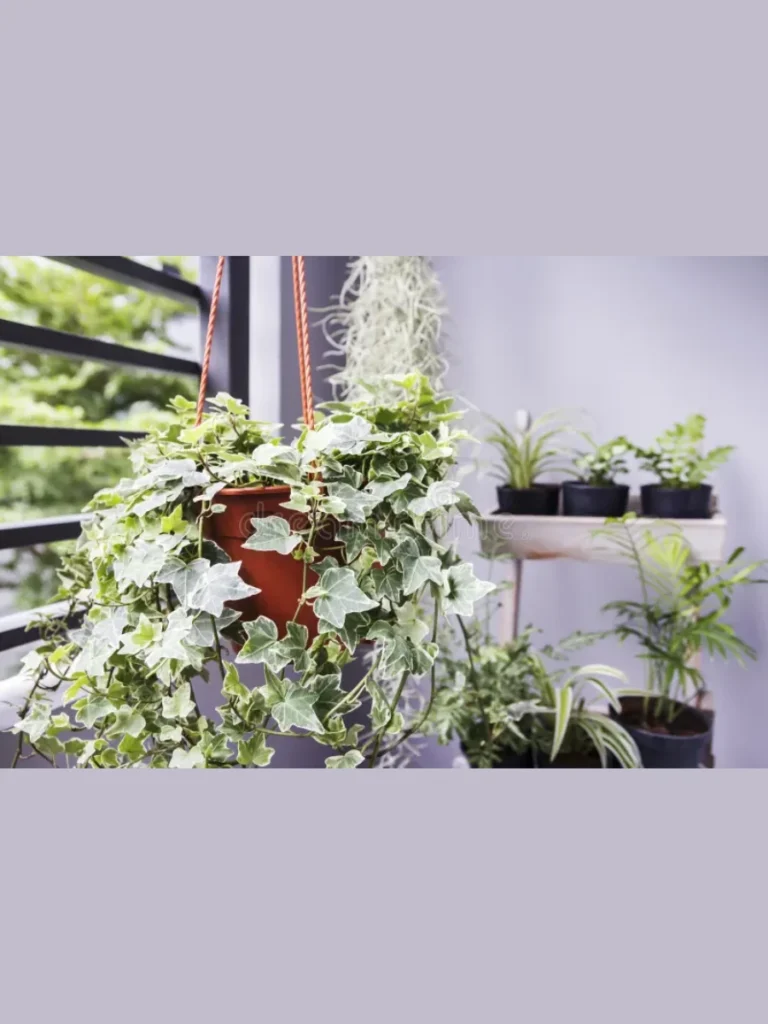
English ivy offers a classic look that brings a sense of timeless elegance to any brick or wood balcony. The dark green foliage stays consistent all year, providing structure even when other flowering plants have finished their season.
I find that ivy is excellent for covering unsightly railings or walls because the vines naturally cling to surfaces. You can guide the growth to create a living screen that blocks out the wind and noise.
This plant prefers cooler temperatures and consistent moisture, so it does best on North or East facing balconies. High heat can lead to spider mites, so I suggest misting the leaves occasionally to keep them clean.
Pruning is necessary to keep the ivy from taking over other pots or creeping into your building’s structural gaps. A quick snip once a month is usually enough to maintain a tidy and professional appearance for your garden.
4.Trailing Lobelia for Deep Blue Color
Lobelia provides a rare shade of intense blue that is hard to find in many other easy to grow plants. I think it looks stunning when paired with white or silver foliage plants in a mixed hanging basket.

The tiny flowers cover the entire plant, making it look like a floating cloud of color from a distance. It performs best during the cooler parts of spring and early summer before the extreme heat arrives.
You need to keep the soil consistently moist because lobelia does not handle drought well at all. If the plant dries out completely, it may stop flowering, so mulch the top of the pot to hold moisture.
I suggest cutting the plant back halfway mid season if the blooming starts to slow down significantly. This trim stimulates a second flush of flowers that will carry your balcony beauty through the autumn months.
5. Fuchsia Varieties for Elegant Shade
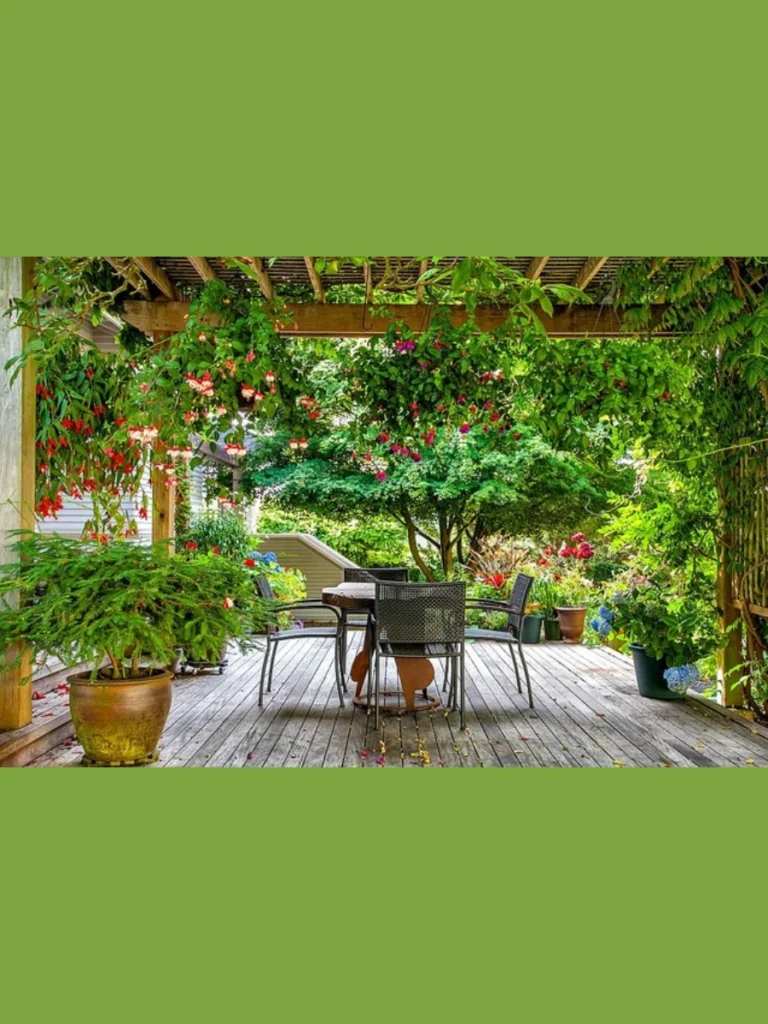
Fuchsia plants are famous for their exotic, teardrop shaped flowers that look like tiny dancing ballerinas. I find that they are the absolute best choice for balconies that do not get much direct sunlight during the day.
These plants thrive in cool, moist environments and prefer being tucked away from harsh, drying winds. You should hang them in a spot where they can enjoy the morning light but stay protected from the scorching afternoon heat.
I recommend using a heavy ceramic pot for fuchsias because they tend to be top-heavy when in full bloom. The extra weight helps keep the basket stable when those beautiful pendulous flowers start to multiply and weigh down the branches.

Keeping the soil damp is the secret to a happy fuchsia, as they will drop their buds if they get too dry. I make it a habit to mist the foliage during heatwaves to provide the extra humidity they crave.
6. String of Pearls for Modern Aesthetics
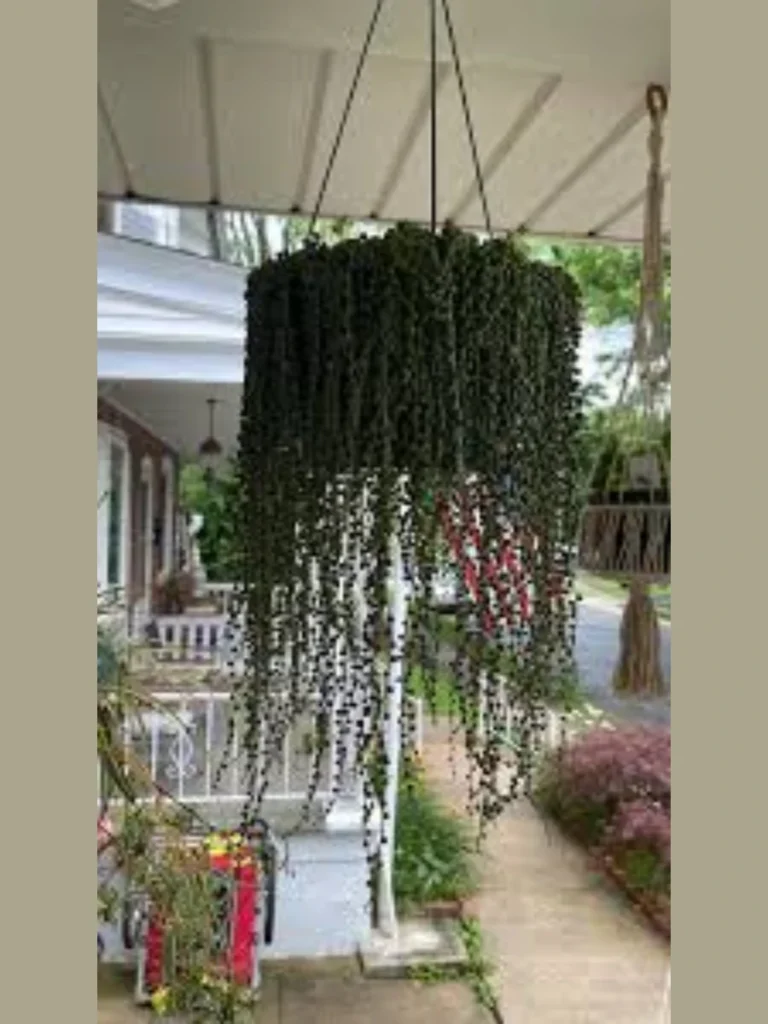
String of Pearls is a unique succulent that looks exactly like a spilling green necklace draped over a pot. I think it adds a sophisticated, minimalist touch to any modern balcony or small outdoor seating area.
This plant is incredibly drought tolerant, which is perfect if you tend to be a bit forgetful with the watering can. It stores water in its pea like leaves, allowing it to survive long periods of dry weather without any trouble.
You need to ensure your hanging pot has excellent drainage to prevent the delicate roots from rotting in standing water. I suggest using a gritty cactus mix and a pot with a large hole at the bottom for the best results.
While they love bright light, direct midday sun can actually shrivel the “pearls” and turn them a brownish color. A bright spot with filtered light will keep the vines growing long and the green color looking vibrant and healthy.
7. Begonias for Low Light Color
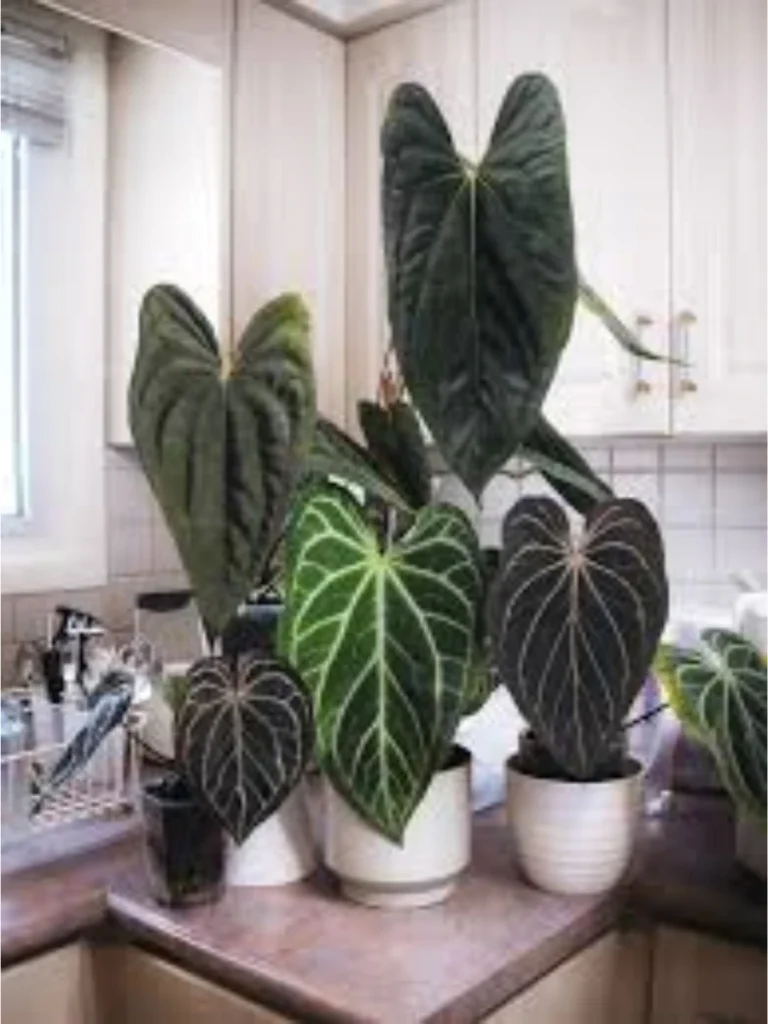
Begonias are a fantastic way to add pops of bright orange, pink, or yellow to the darker corners of your balcony. I love the wax like texture of their leaves, which helps them hold onto moisture much better than other flowers.

These plants are very sturdy and don’t require much fussing over once you find the right spot for them. They handle humidity well, making them a great companion for urban dwellers in damp or coastal climates.
I suggest avoiding overhead watering because getting the leaves wet can sometimes lead to mildew issues in stagnant air. Instead, aim your watering can directly at the soil to keep the root system hydrated and the foliage dry.
You will find that they bloom continuously from early summer right up until the first frost of the winter season. They are truly the “workhorses” of the shade garden, providing reliable color with very little effort on your part.
8. Trailing Verbena for Heat Resistance
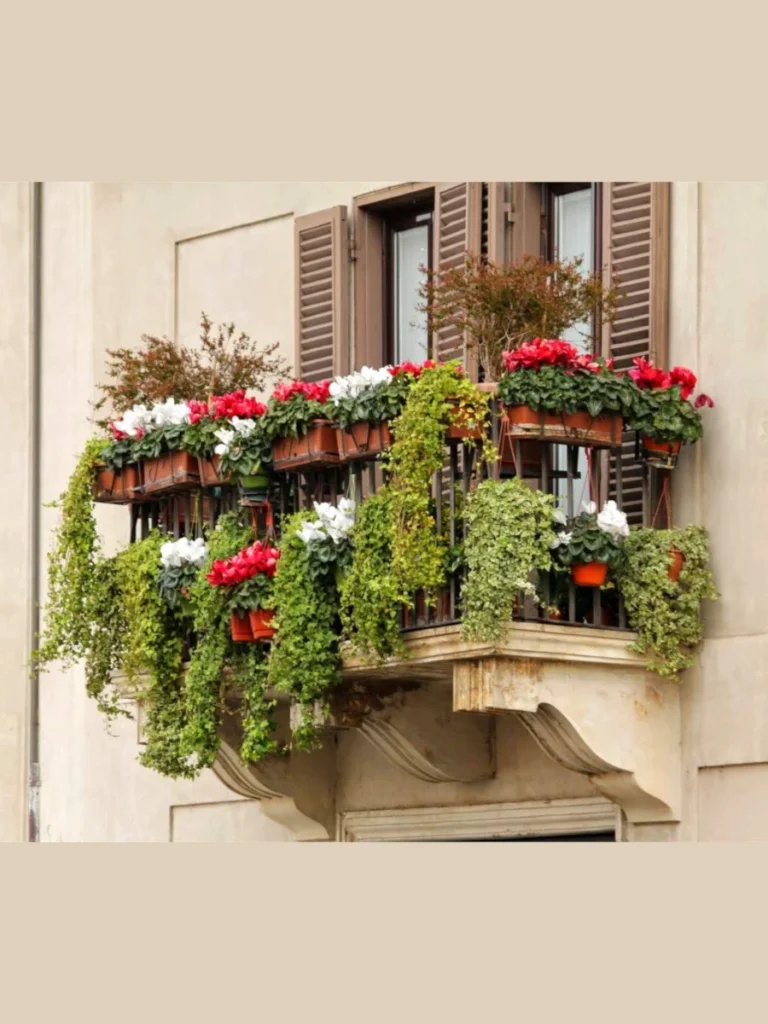
Verbena is my go to recommendation for balconies that sit in the direct path of the sun all day long. These plants are tough as nails and can handle the intense heat that radiates off of apartment brickwork.
They produce clusters of small flowers that come in almost every color of the rainbow, from deep purple to bright red. I find that they attract butterflies and bees, bringing a little bit of nature right to your doorstep.
While they are heat tolerant, they do appreciate a good soak once the top inch of soil feels dry to the touch. You should avoid letting them sit in bone-dry soil for too long, or the flower production might start to slow down.
I usually give my verbena a light trim in mid August to keep the plant from looking too thin or scraggly. This quick haircut encourages a fresh wave of growth and flowers that will last well into the autumn months.

9. Sweet Alyssum for Natural Fragrance
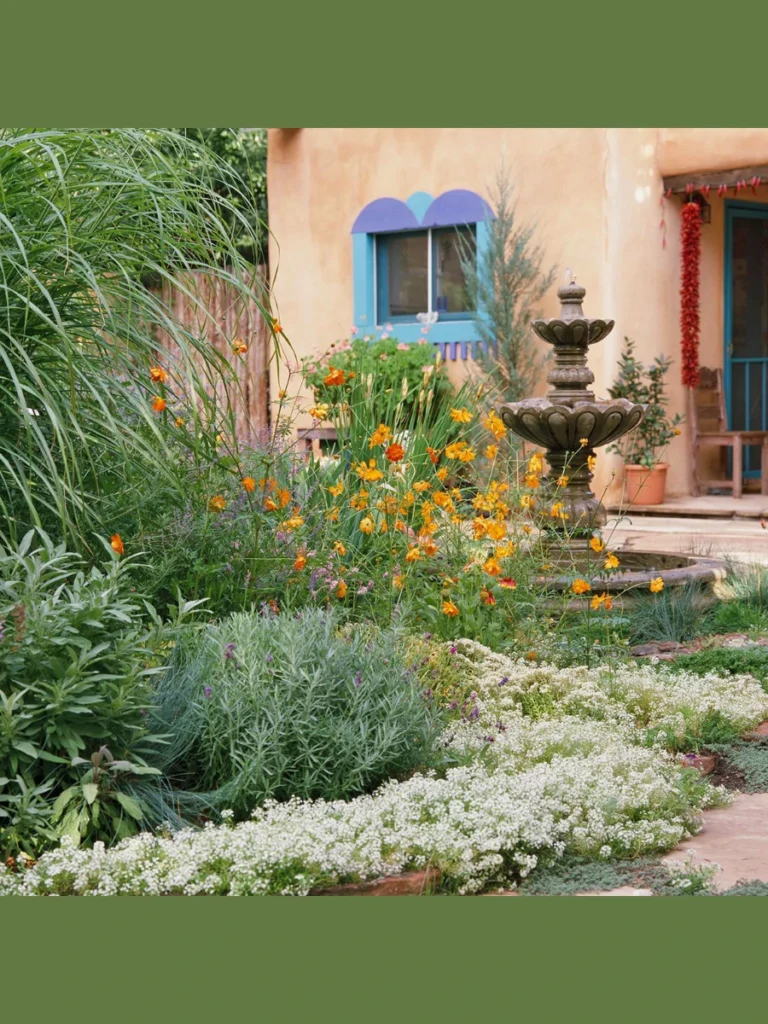
Sweet Alyssum is a wonderful choice if you want your balcony to smell like a field of fresh honey. These tiny white flowers create a thick carpet of blooms that spills over the edges of your hanging baskets.
I like to hang these near the balcony door so the sweet scent wafts into the house whenever the breeze blows. They are very easy to grow from seed, which makes them a very affordable option for budget-conscious gardeners.
These plants prefer cooler weather and might take a short break from blooming during the peak of a hot summer. Don’t worry, because they will bounce right back and start flowering again as soon as the temperature drops slightly.
You should keep the soil moist but not soggy, as their fine root systems don’t like to sit in muddy water. I find that they pair beautifully with taller plants, acting as a living mulch that keeps the soil cool.
10. Burro’s Tail for Textured Beauty
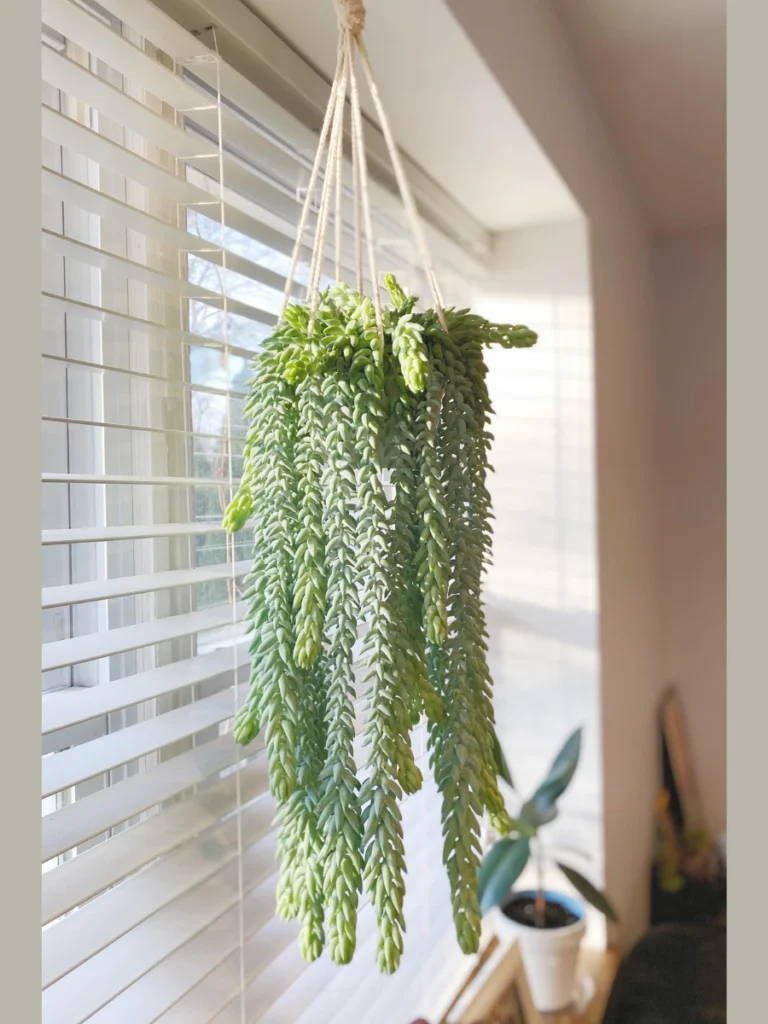
Burro’s Tail is a striking succulent that features thick, braided stems that hang down like heavy green ropes. I find that the blue green color of the leaves provides a perfect contrast against darker balcony walls.
This plant is excellent for sunny balconies because it naturally thrives in dry conditions with plenty of bright light. You only need to water it once every few weeks, making it the perfect choice for a low-maintenance lifestyle.

I suggest placing the pot in a spot where it won’t be bumped, as the fleshy leaves can drop off quite easily. If a leaf does fall off, you can simply tuck it back into the soil to grow a brand new plant.
The weight of a mature Burro’s Tail can be surprising, so ensure your ceiling hook is screwed into a solid beam. I use a sturdy macrame hanger to give the long, trailing stems the support they need to grow several feet long.
11. Black Eyed Susan Vine for Vertical Drama
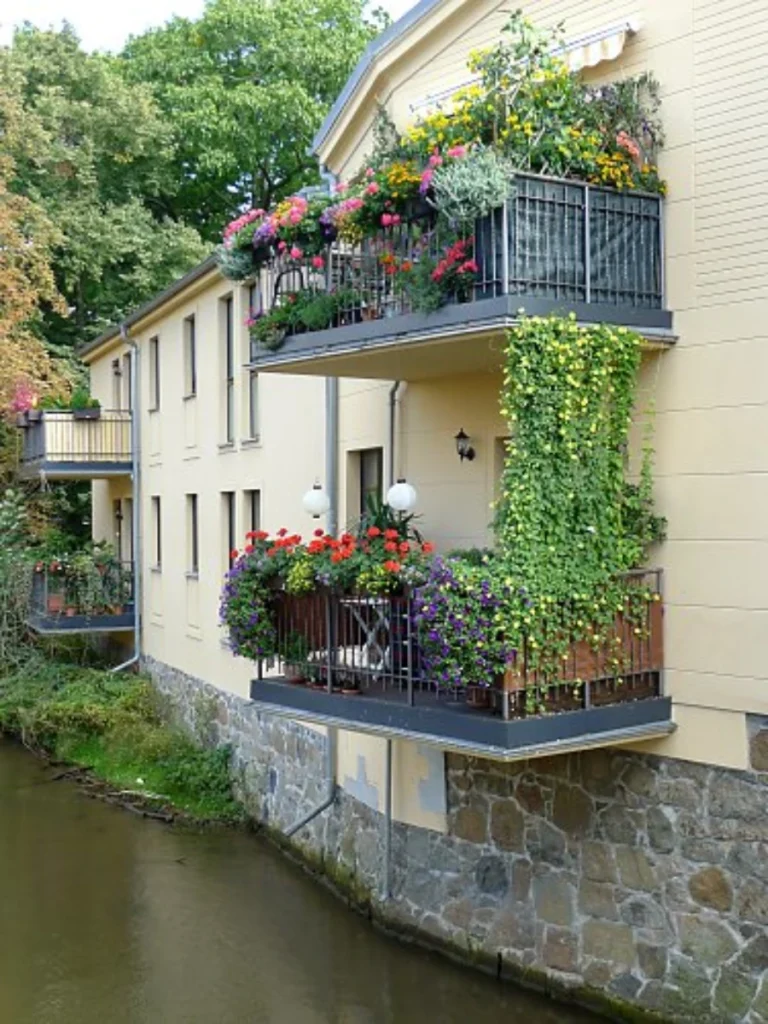
The Black-Eyed Susan vine is a fast growing climber that looks just as beautiful when allowed to trail from a high basket. I love the cheerful orange flowers with their distinct dark centers that pop against the lush green foliage.
You will see the most flowers if you hang this plant in a spot that receives at least six hours of full sun. It grows incredibly fast during the summer, so it is great for creating a quick temporary privacy screen.
I recommend keeping the soil consistently moist but never waterlogged to keep the vine from wilting in the afternoon. Since it grows so quickly, it appreciates a balanced liquid fertilizer every two weeks to fuel its rapid expansion.
You can easily train the vines to wrap around your balcony railings or let them cascade down toward the floor. I find that a little bit of guidance early in the season helps create a much fuller and more organized look.
12. Trailing Geraniums for Mediterranean Vibes
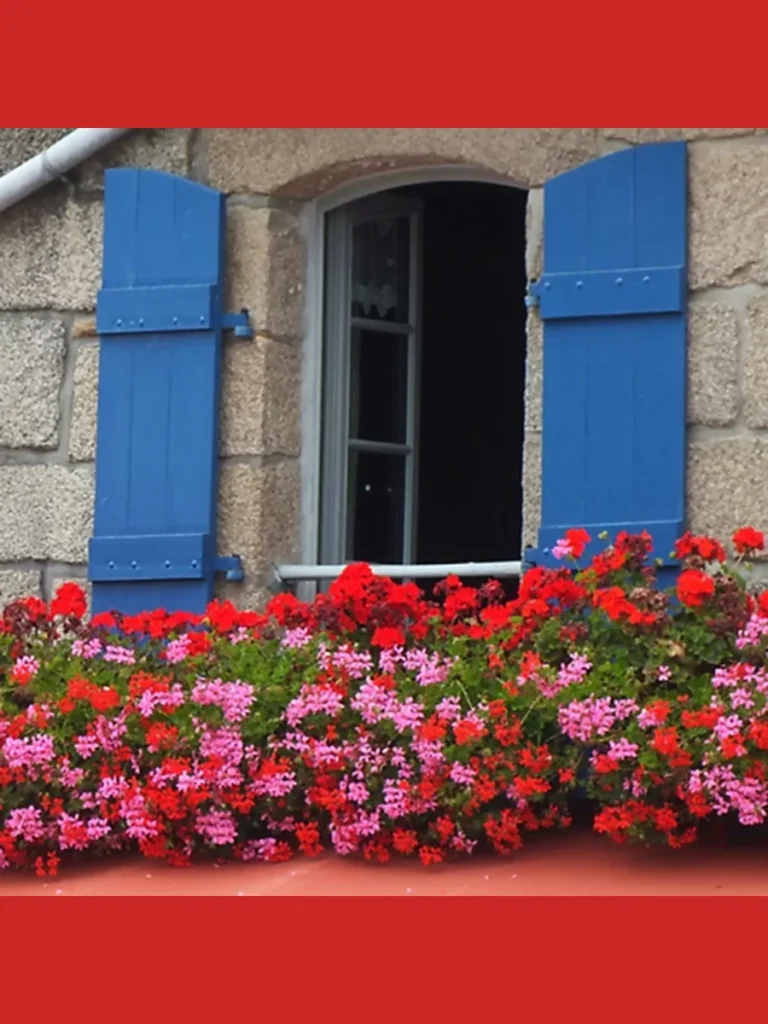
Trailing geraniums, also known as ivy geraniums, are a staple for anyone wanting to recreate a European balcony look. I think their thick, glossy leaves and bright clusters of flowers bring a wonderful sense of warmth to the space.

These plants are very hardy and can withstand the occasional dry spell without losing their beautiful floral display. They prefer a sunny location but will appreciate a little bit of light shade during the hottest part of the day.
I suggest using a potting mix specifically designed for containers to ensure the roots have enough air and drainage. Regularly removing dead flowers will keep the plant looking tidy and encourage new blooms to appear all summer long.
You should check for pests like aphids occasionally, though these plants are generally very resistant to most common garden problems. A quick spray with a garden hose is usually enough to keep the foliage clean and healthy for the season.
13. Essential Guide to Selecting the Right Hanging Planters
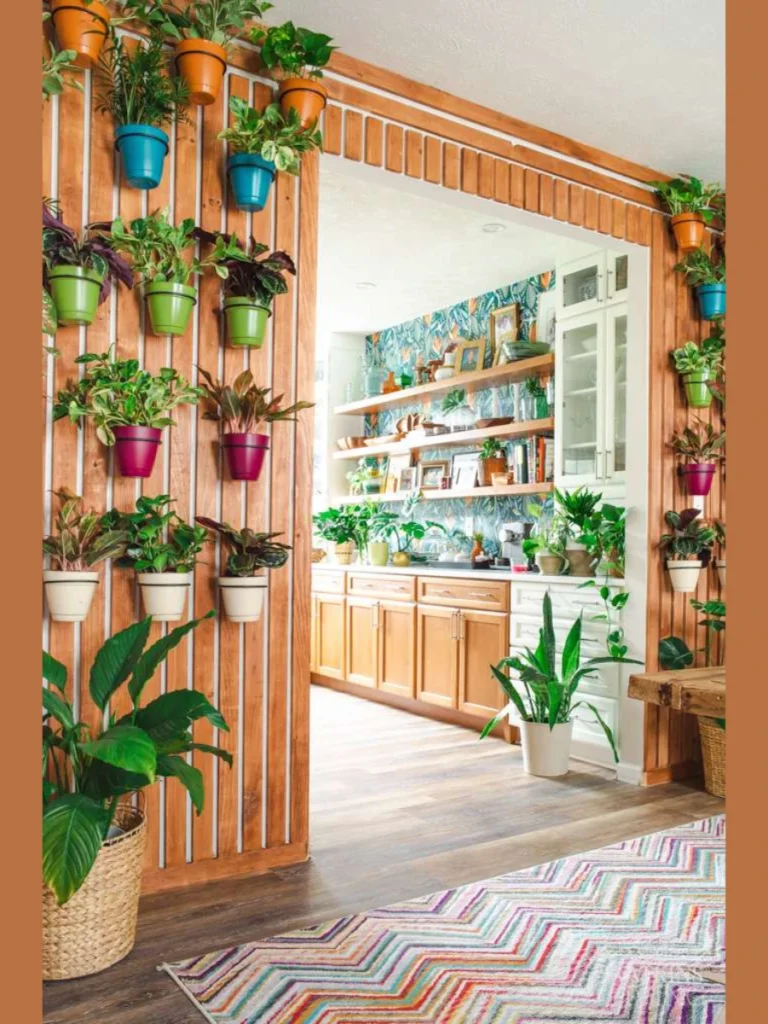
Choosing the perfect container is just as important as picking the plant itself for a successful balcony garden. I have found that the material of your pot directly affects how often you will need to grab your watering can.

Plastic and resin planters are my top choice for balconies because they are incredibly lightweight and hold moisture for a long time. They won’t put unnecessary stress on your railings, and they come in styles that mimic expensive ceramic or stone.
If you prefer a more natural look, coco coir liners in wire baskets offer excellent air circulation for plant roots. You should be aware that these dry out very fast, so they are best suited for moisture-loving plants in shaded areas.
I always look for pots with deep water reservoirs at the bottom to give me a little extra time between watering sessions. This simple feature can be a lifesaver during a heatwave when the drying winds are at their most intense.
Pro Tips for Balcony Hanging Garden Success
Managing a hanging garden on a balcony requires a few specific tricks to ensure your plants don’t just survive but actually thrive. I have learned through experience that the height and exposure of a balcony create a unique microclimate.
- Weight Management: Always use lightweight potting soil and plastic or resin pots to reduce the strain on your balcony structure.
- Watering Routine: Hanging baskets dry out faster than floor pots; I recommend watering early in the morning to prevent evaporation.
- Safety First: Use heavy-duty S-hooks and check them once a month to ensure they haven’t loosened due to wind or vibration.
- Wind Protection: If you live on a high floor, choose plants with flexible stems like Pothos or Ivy that won’t snap in a breeze.
Necessary Tools for Your Hanging Garden
| Tool Name | Purpose | Why I Recommend It |
| Long Neck Watering Can | Reaching high pots | Prevents spills and reaches the soil directly |
| Swivel Hooks | Rotating plants | Ensures all sides of the plant get equal sunlight |
| Self Watering Inserts | Moisture control | Keeps soil damp during long, hot summer weekends |
| Slow Release Fertilizer | Consistent feeding | Provides steady nutrients without constant effort |
Conclusion
Creating a lush hanging garden is one of the most rewarding ways to make your balcony feel like a true extension of your home. I have found that even a few well placed baskets can completely change the atmosphere of a small outdoor area.

Choosing a mix of flowering perennials and easy care greenery ensures that your space looks vibrant regardless of the season. I hope these 13 ideas help you pick the perfect companions for your morning coffee or evening relaxation.
Start with one or two of your favorite plants and see how they adapt to your specific balcony light and wind conditions. You will be surprised at how quickly a little bit of green can turn a plain space into a beautiful sanctuary.
FAQs
Most hanging plants need water daily during the summer because the wind and height dry out the soil very quickly.
Yes, you can, but you should choose plants with flexible, trailing stems like English Ivy or Pothos that won’t break easily.
Most hanging plants need water daily during the summer because the wind and height dry out the soil very quickly.
Yes, because the limited soil in a hanging pot runs out of nutrients quickly as you water it frequently throughout the season
The best way to prevent dripping is to use pots with built-in saucers or “cache” pots that catch excess water.
