
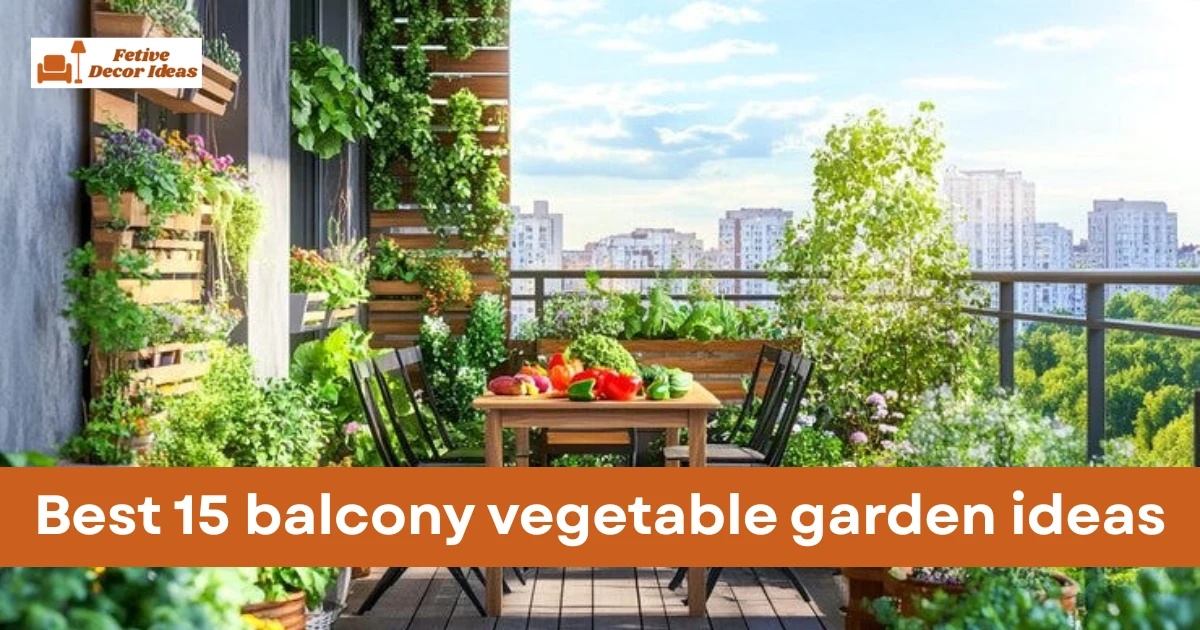

I know what you are thinking because I have been there too. You stare at that small concrete slab outside your door and wonder if a single tomato can actually survive out there.
Growing food in the city feels like a tiny act of rebellion against grocery store prices. Most people think they need a massive backyard, but I found out that a few pots and some dirt change everything.
I have found that most people treat their balcony like a storage unit for old bikes, but I see it as a grocery store with a better view.
The real secret to a high yield urban garden in 2026 is choosing “climate smart” varieties that do not mind a bit of wind or heat.
Vital Factors for Your Balcony Garden Success
I always suggest starting small so you do not get overwhelmed by twenty thirsty plants on your first week. It is better to have one thriving tomato plant than a dozen dried-up vines that you forgot to water.
Check your lease or building rules to make sure you are allowed to hang things over the railing safely. I found out the hard way that some managers are very picky about how many pots you can have.
Every balcony has its own little climate that changes throughout the day as the sun moves across the sky.
You will quickly learn which corners are the hottest and which spots stay cool enough for your delicate lettuce.
1. Vertical Wooden Pallet Planters
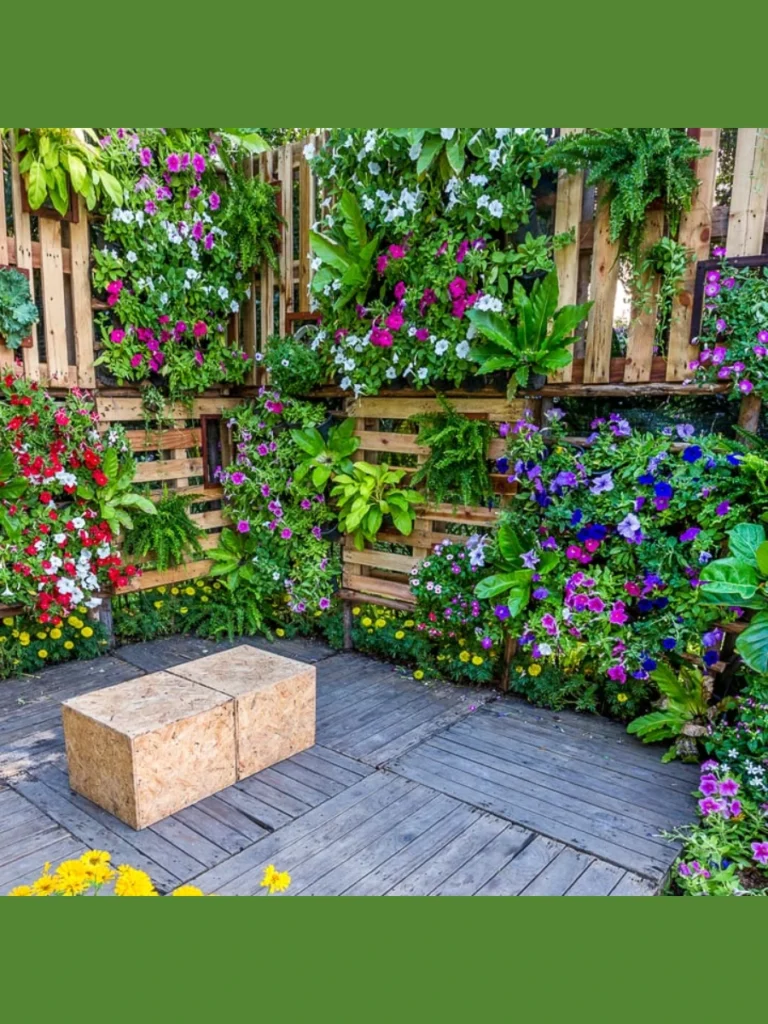
I tried leaning an old pallet against my wall last summer and it worked better than my actual furniture. It saves so much floor space that I could still fit my chair out there without tripping over a zucchini.
You just need to staple some landscape fabric to the back to hold the soil in place. This setup is perfect for leafy greens like spinach or herbs that do not need deep roots to thrive.
The wood naturally stays cool which helps keep your plant roots from cooking during those hot July afternoons. It looks pretty rustic and gives your balcony a cool garden vibe without costing a fortune at the store.
Just make sure the pallet is heat treated rather than chemically treated so your food stays safe. I learned that the hard way after reading a boring label, but now my lettuce grows like crazy in those slats.
2. Hanging Gutter Gardens
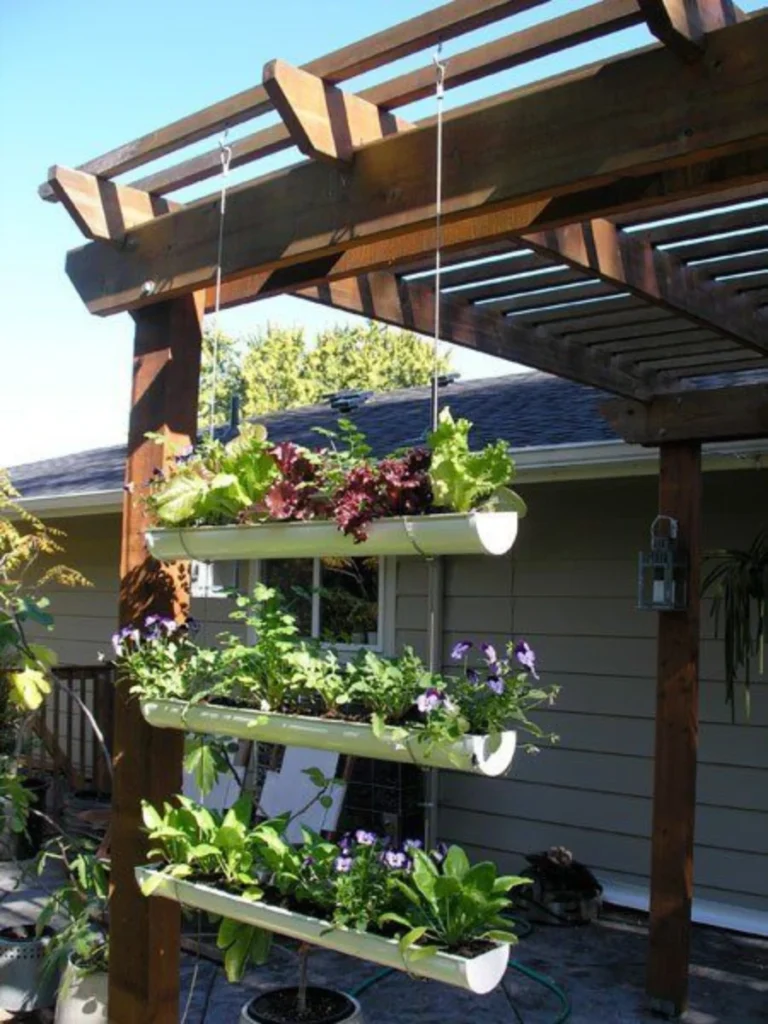
If you think gutters are only for rain, you are missing out on the best strawberry hack ever. I bolted a few rows of white vinyl gutters to my railing and created a floating berry farm.

These are incredibly lightweight which is great if you worry about the weight limit of your balcony. They drain quickly and keep your berries off the ground so they stay clean and rot-free for your morning cereal.
I suggest planting herbs like cilantro or parsley in these because they love the shallow soil. Since they sit up high, I do not even have to bend over to harvest my dinner ingredients anymore.
You can paint them to match your building or leave them white for a clean and modern look. It is a simple project that makes use of air space that usually goes to waste in small apartments.
3. Tiered Step Ladder Shelving
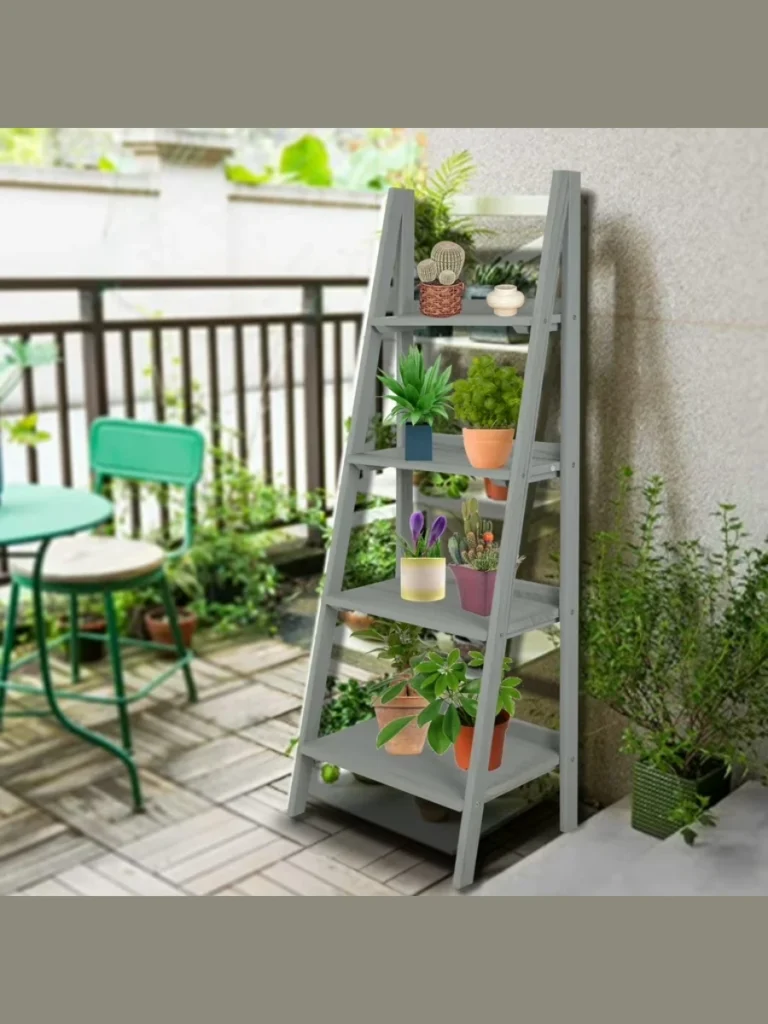
I snagged an old wooden ladder from a garage sale and turned it into a high rise for my peppers. Using different levels lets every plant get its fair share of sunlight without shading out the smaller pots.
This setup is the best way to organize your garden if you have a very narrow balcony space. I put the sun hungry peppers at the top and the shade-loving kale on the bottom steps where it stays cooler.
It creates a lush wall of green that actually provides a bit of privacy from the neighbors next door. You can move the pots around whenever you want which makes cleaning the balcony floor a much easier task.
The vertical height makes your balcony feel bigger than it actually is by drawing the eye upward. I personally love how it looks when the vines start trailing down the sides of the ladder steps.
4. Railing Planter Boxes
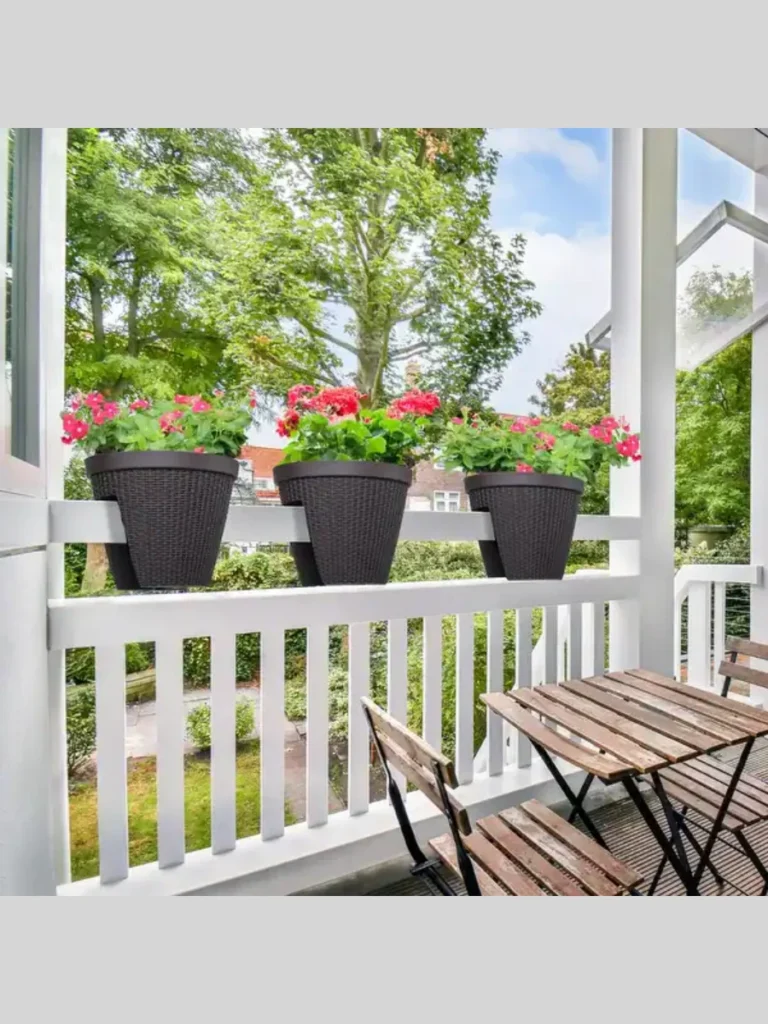
Living in a high rise means the railing is your most valuable piece of real estate for growing food. I use sturdy over the rail boxes to grow my favorite bush beans and dwarf peas right where the sun hits best.
These boxes take up zero floor space which is a win for anyone with a tiny outdoor area. You just have to make sure they are secured tightly so they do not take a dive during a windstorm.
I prefer the self-watering versions because the wind tends to dry out balcony plants faster than you might expect. They come in tons of colors that can really brighten up a boring metal or concrete railing.

Peppers and radishes do surprisingly well in these long containers because they enjoy the consistent sun exposure. It feels pretty great to reach over your balcony rail and grab a snack while you drink your coffee.
5. Fabric Grow Bag Stations
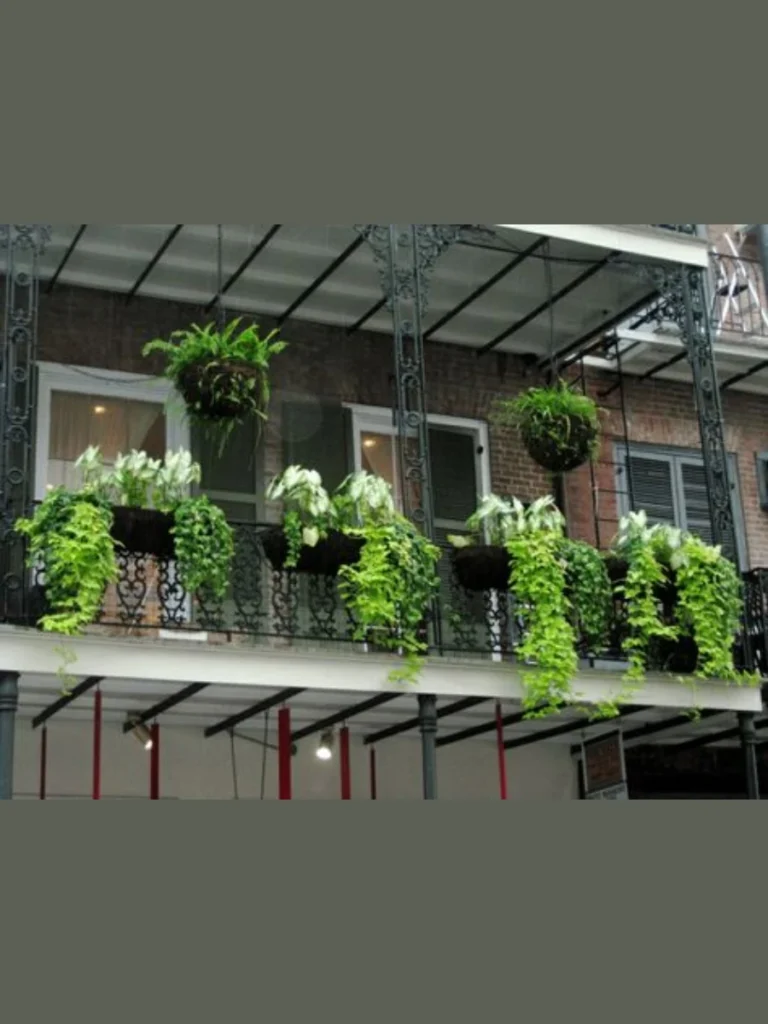
I used to hate heavy ceramic pots until I discovered that fabric bags are way lighter and better for plants. These bags let the roots breathe and prevent them from spinning around in circles like they do in plastic.
You can fold them up and put them in a drawer during the winter when your garden is dormant. I grow my biggest potatoes in these bags because they are so easy to dump out when it is harvest time.
The handles make it simple to move your garden around if the sun patterns change throughout the day. I have a row of black fabric bags that look surprisingly neat and professional along my balcony edge.
They are very affordable compared to fancy pots and they last for years if you treat them right. My tomato plants always seem twice as happy in fabric because the soil stays much more oxygenated.
6. Stackable Vertical Planter Towers
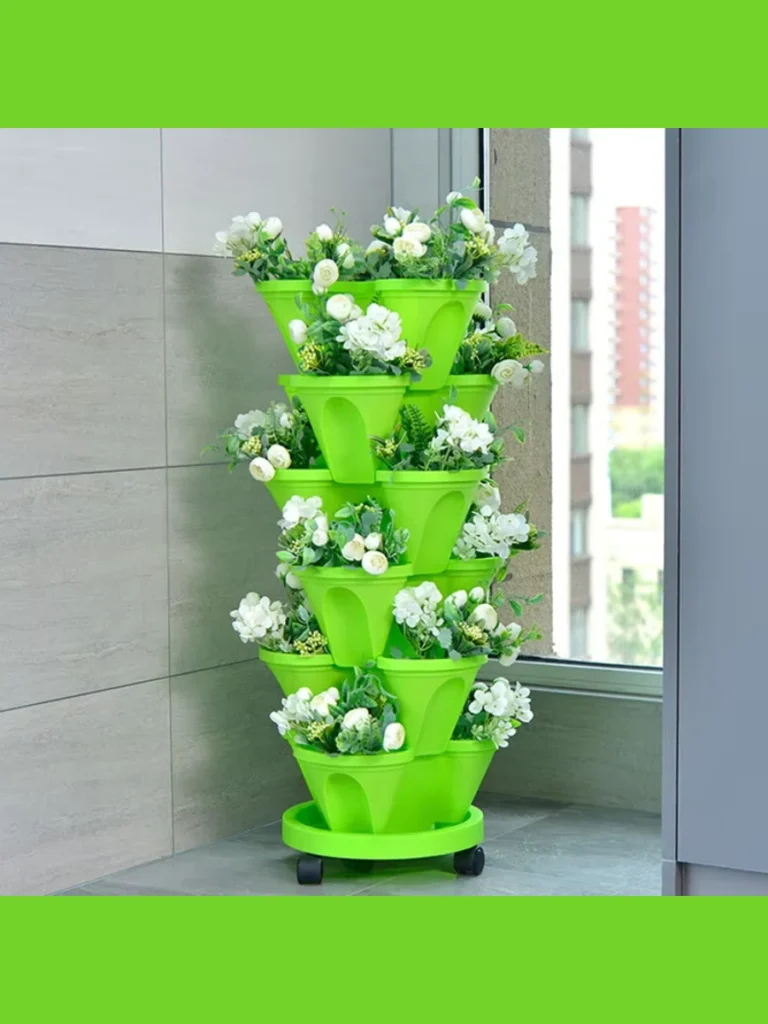
I bought one of those plastic tower sets that looks like a giant green clover from the top. It allows me to grow twenty different plants in the space usually reserved for a single large pot.
These towers are fantastic for a massive herb collection or a mountain of different lettuce varieties. You water the very top tier and the moisture slowly trickles down to feed every plant below it.
I found that adding a swivel base to the bottom makes it easy to rotate the whole garden. This ensures that the plants on the backside get enough light even if your balcony faces one direction.
The height adds a nice focal point to your outdoor space and makes harvesting a breeze. I usually put my hardiest herbs like rosemary at the bottom to provide a sturdy base for the tower.
7. Trellis Supported Climbing Systems
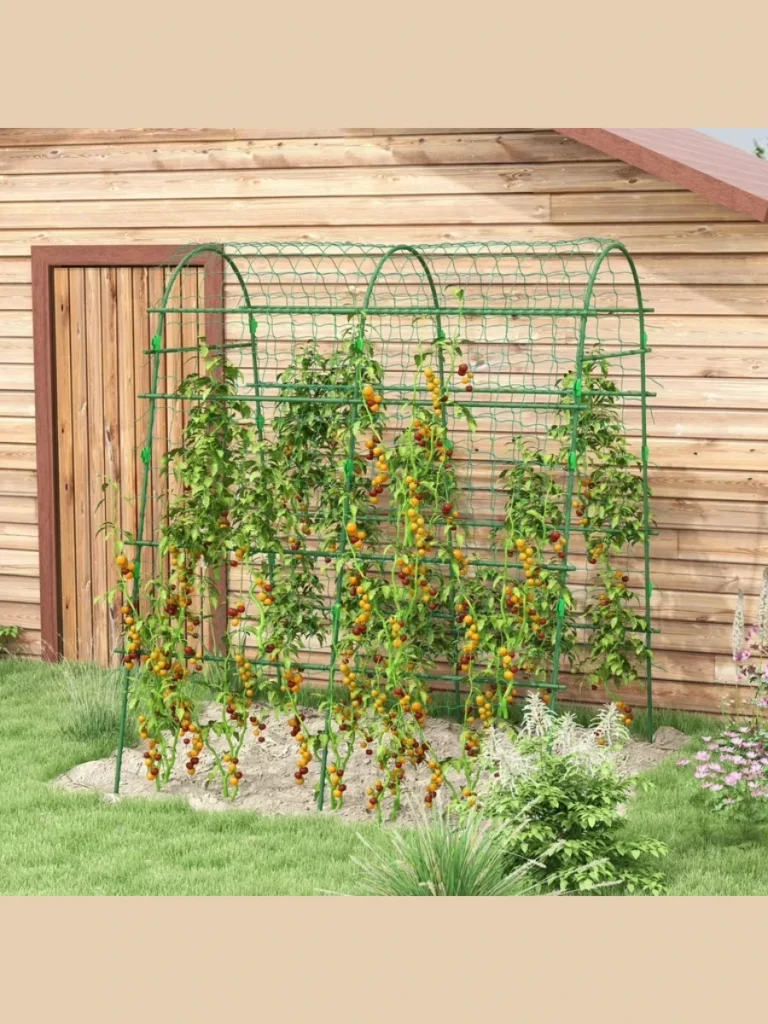
I realized that some vegetables are basically natural mountain climbers that just need a little bit of help. Attaching a simple wire trellis to my balcony wall allowed my cucumbers to grow toward the ceiling.

This method keeps your vegetables off the damp soil which prevents rot and keeps the bugs away. My balcony looks like a tropical jungle when the vine leaves fill in the gaps on the metal grid.
You can use a wooden lattice or even just some sturdy string to guide the plants upward. I love watching the little tendrils wrap around the wire as the plants race toward the afternoon sun.
Sugar snap peas and pole beans are perfect for this because they naturally want to reach for the sky. It creates a living screen that blocks out the noise from the busy street below my apartment.
8. Self Watering Sub Irrigated Planters
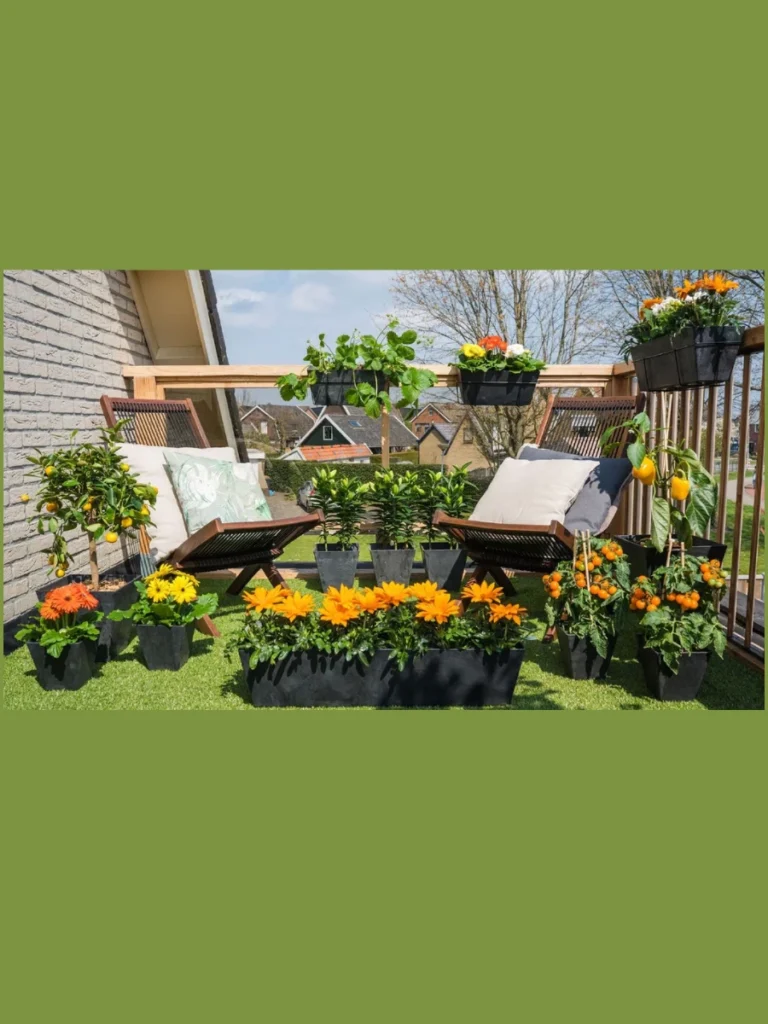
I am sometimes forgetful with a watering can, so these reservoir pots have saved my gardening life. They have a hidden water tank at the bottom that keeps the soil perfectly moist for days.
This is the best solution for thirsty crops like eggplant or large heirloom tomato plants. You just fill the pipe until the indicator shows it is full and then walk away for the weekend.
The roots grow deep to reach the water which makes the plants much stronger and more resilient. I noticed my plants stopped wilting during heatwaves once I switched to this consistent moisture system.
They are a bit heavier than standard pots, so I keep them closer to the structural walls. It takes the guesswork out of gardening and prevents that annoying cycle of overwatering and drying out.
9. Hanging Basket Veggie Globes
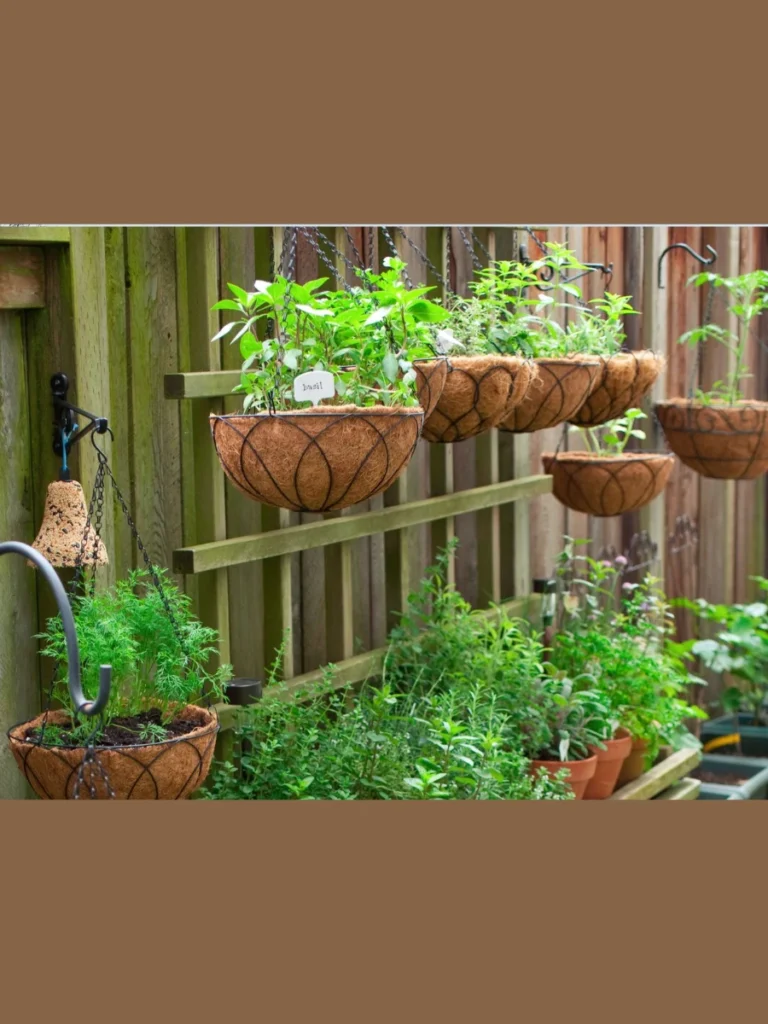
I used to think hanging baskets were only for colorful flowers until I tried growing cherry tomatoes. Suspending your food from the ceiling hooks leaves your entire balcony floor open for a table and chairs.
Small fruiting plants like strawberries or “tumbling” tomatoes look beautiful as they spill over the edges. I make sure to use high quality potting mix so the baskets stay light enough for the ceiling hooks.

The air circulation up high is excellent which helps prevent many common leaf diseases and fungus. I just have to remember that hanging pots dry out faster because they are exposed to wind on all sides.
It adds a layer of depth to your garden by utilizing the space above your head. I love the feeling of walking out my door and being surrounded by food growing at eye level.
10. Recycled Tin Can Herb Wall
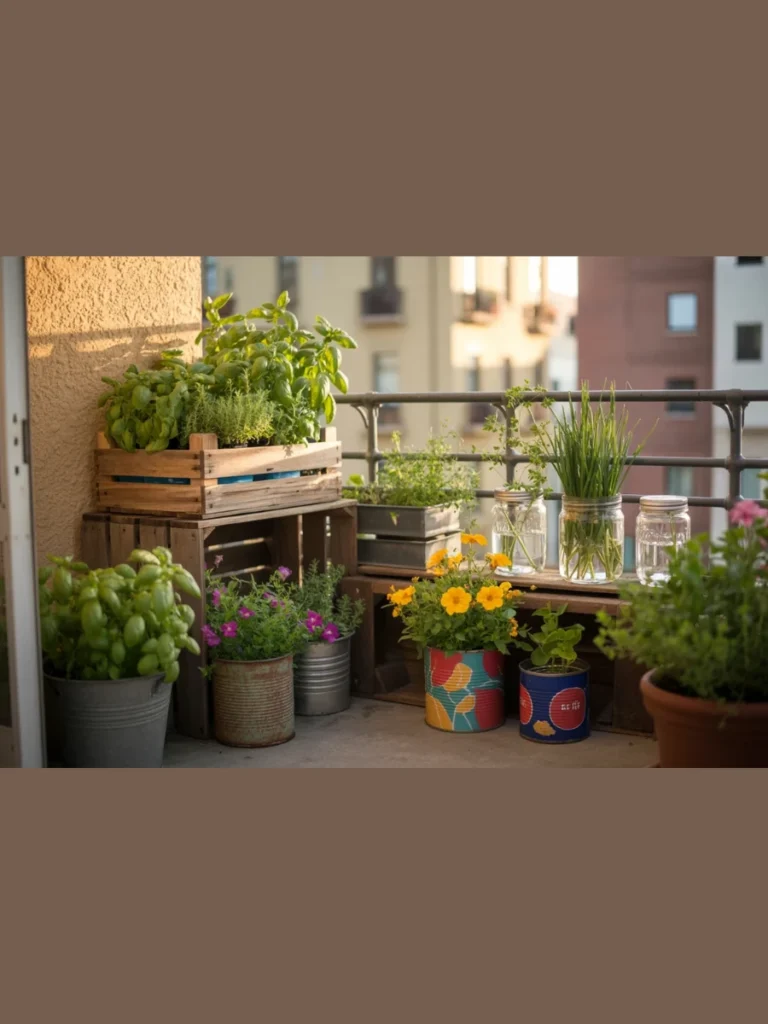
I started saving my large soup cans and realized they make the most affordable starter pots ever. After drilling a few holes in the bottom, I painted them and wired them to my balcony railing.
This is a great way to grow a “pizza garden” with basil, oregano, and thyme right outside your kitchen. It costs almost nothing to set up and looks like a clever art installation once the herbs fill out.
I suggest using a bit of gravel at the bottom of each can to help with drainage and airflow. The metal heats up quickly in the sun which herbs like rosemary and sage absolutely love during the spring.
You can easily swap out the cans if a plant dies or if you want to try something new. It is a fun project that keeps trash out of the landfill while providing fresh flavors for your dinner.
11. Window Box Salad Bars
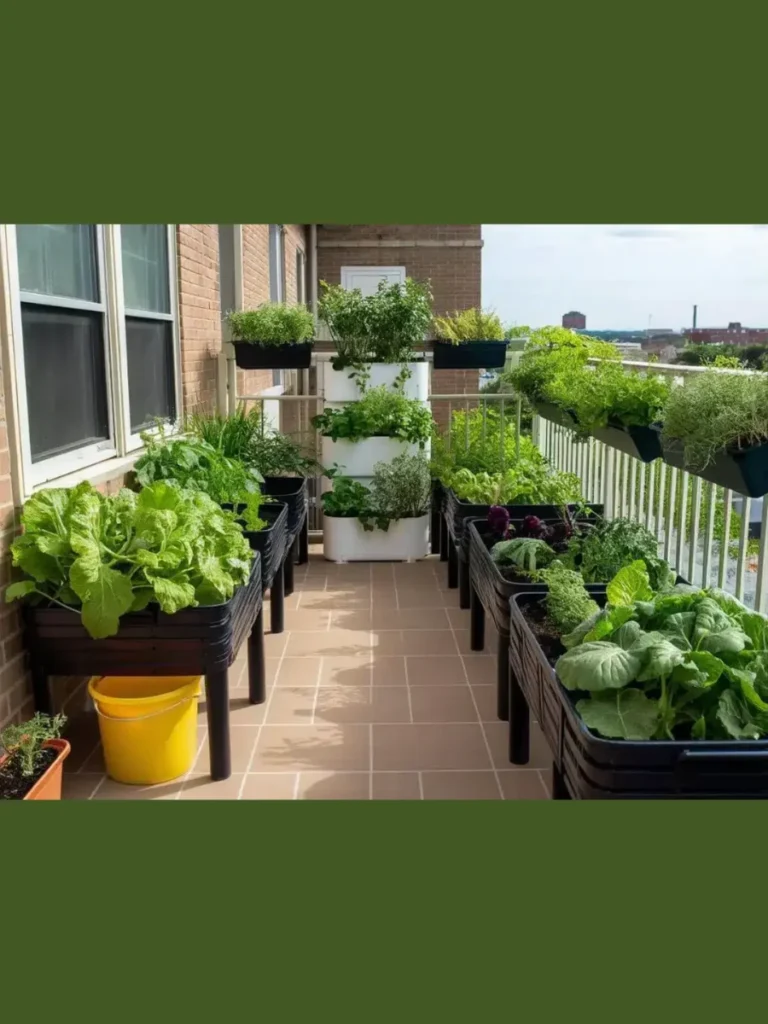
I mounted a few extra long window boxes directly onto my balcony ledge to create a dedicated salad station. This setup keeps your loose-leaf lettuce and arugula at the perfect height for a quick harvest.
You can sow seeds every two weeks to ensure you have a constant supply of greens all summer. I love how the different shades of purple and green lettuce look when they are packed tightly together.
These shallow boxes are incredibly lightweight and fit on almost any ledge or narrow railing system. I find that they stay cooler than large pots which keeps my spinach from bolting too early in the heat.
It is much cheaper to grow your own salad than buying those plastic tubs at the grocery store. I just snip what I need for my sandwich and the plants grow back in just a few days.
12. Repurposed Hanging Shoe Organizers
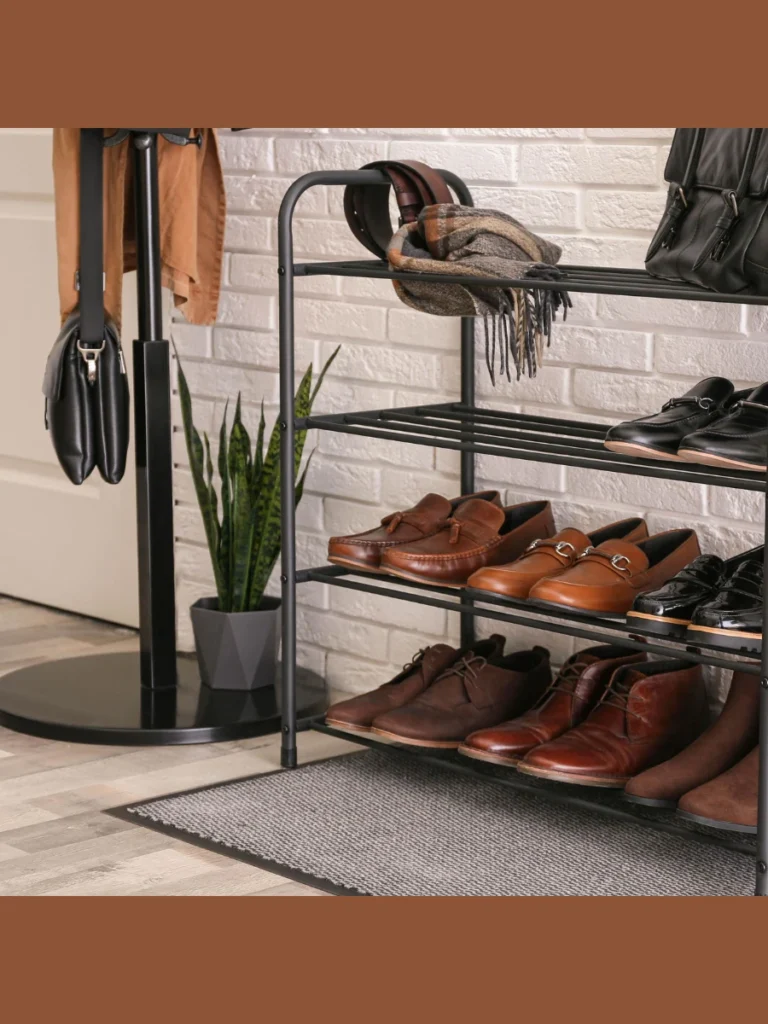
I took a clear plastic shoe organizer and turned it into a vertical herb farm that covers my entire wall. Each pocket holds a single plant which makes it very easy to organize your different mint and basil types.
The pockets drain naturally through the fabric or small holes you can poke in the bottom of the plastic. I hung mine on the back of the balcony door to save every inch of usable floor space.

This is the most affordable way to grow twenty different things without buying twenty separate expensive pots. It creates a green curtain effect that looks much better than a boring white or brown apartment wall.
I suggest using the top pockets for plants that like to dry out and the bottom for moisture lovers. It is a quirky conversation starter that proves you can garden anywhere if you get a bit creative.
13. Galvanized Metal Stock Tanks
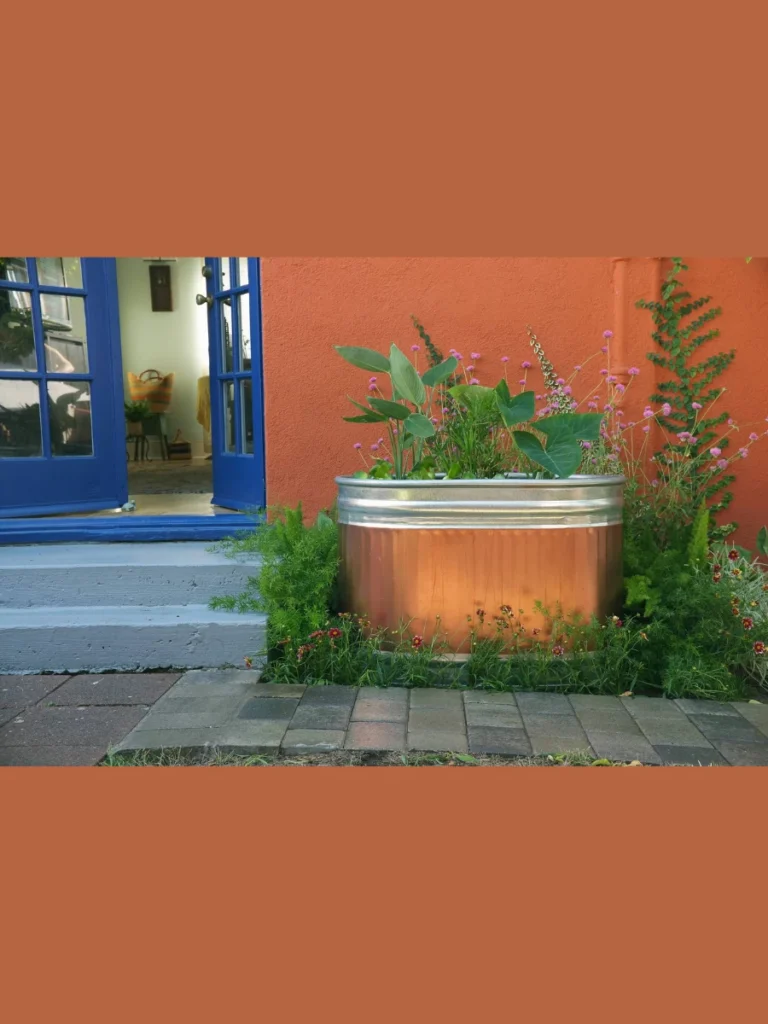
I brought in a small metal stock tank to act as a raised bed for my larger root vegetables. It provides a deep soil area that allows carrots and parsnips to grow straight and long without hitting the bottom.
The industrial look adds a modern touch to the balcony and the metal is virtually indestructible over time. I put mine on heavy duty casters so I can roll it around to find the best sun throughout the day.
You do need to drill plenty of drainage holes in the bottom to prevent your soil from becoming a swamp. It holds a lot of thermal mass which helps keep the soil temperature steady during chilly spring nights.
I usually plant a mix of marigolds and carrots in mine to keep the bugs away naturally. It feels like having a real backyard garden bed even though I am several stories above the ground.
14. Rolling Multi Tier Utility Carts
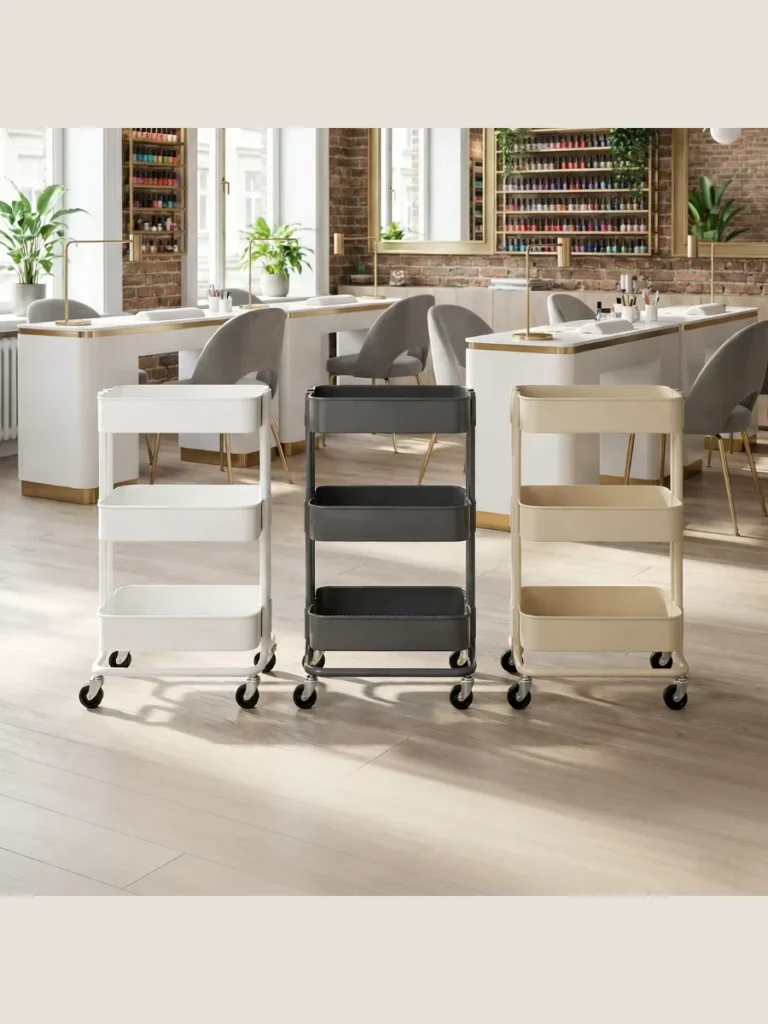
I found a metal utility cart with three shelves and it has become the command center of my balcony garden. The wheels are a total life saver when I need to move my plants inside during a surprise frost.
You can keep your heavy pots on the bottom and your delicate seedlings on the top shelf for better light. I use the middle shelf for my watering can and hand tools so everything stays organized and neat.
The mesh bottom of the shelves provides built-in drainage so water does not pool around your plant roots. It is the perfect solution for people who like to rearrange their outdoor space every other week.
I grew a surprisingly large crop of radishes and scallions using just the top two shelves last year. It looks very organized and keeps your garden from looking like a messy pile of random mismatched pots.
15. Corner Tiered Plant Stands
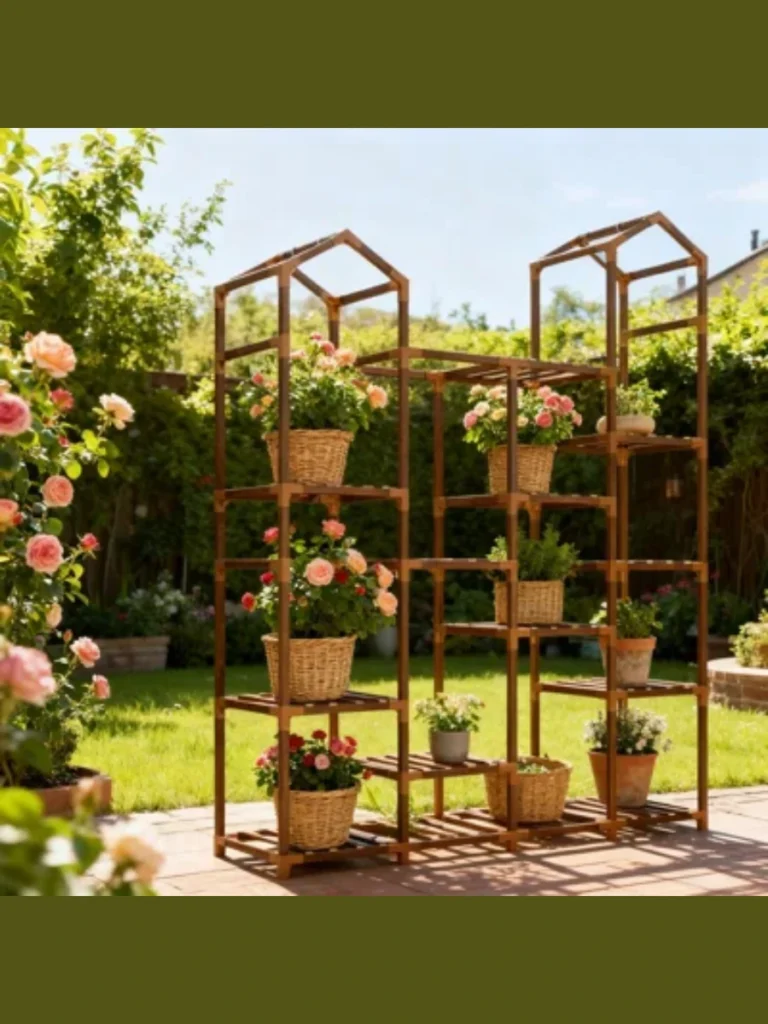
I noticed that the corners of my balcony were just collecting dust so I tucked in a tiered corner stand. It turned a useless dead zone into a lush tower of bell peppers and ornamental chili plants.

The triangular shape fits perfectly against the building and does not block the walking path at all. I put my heaviest pots on the bottom tier to make sure the stand stays stable during high winds.
It allows you to display your plants like a collection of art while providing different light levels for each. I personally like using terracotta pots on these stands because the classic orange looks great against green leaves.
This is a great way to maximize space if you have a very small square or rectangular balcony. It makes the space feel finished and intentional rather than just a place to store your old bike.
Quick Comparison of Space Saving Layouts
| Garden Style | Best Feature | Portability | Best For |
|---|---|---|---|
| Window Boxes | Ledge Utility | High | Salad Greens |
| Shoe Organizer | Vertical Wall | High | Mixed Herbs |
| Stock Tanks | Soil Depth | Low | Root Veggies |
| Utility Carts | Mobility | Maximum | Seedlings |
| Corner Stands | Corner Focus | Medium | Chili Peppers |
Balcony Gardening Success Tips
Growing food in the city is a lot of fun but it does come with a few unique challenges. I always check my balcony weight limits before I start dragging in heavy bags of soil and metal tanks.
Watering is your most important chore because the wind up high dries out small pots faster than a backyard garden. I try to water in the early morning so my plants are hydrated before the midday sun hits.
I always use high-quality potting mix instead of garden soil because it is lighter and drains much better in containers. It makes a huge difference in how fast your vegetables grow and how healthy they stay all season.
Conclusion
I hope these ideas help you see that your balcony has way more potential than just a place to dry your clothes. You do not need a lot of money or a green thumb to start picking your own dinner.
Start with one or two ideas that fit your space and see how much you enjoy the process of growing. It is incredibly satisfying to eat a tomato that you grew yourself while watching the city lights come on.
I have seen people turn the smallest balconies into literal jungles of food with just a bit of effort. Pick your favorite setup from this list and get your hands dirty this weekend for a better home life.
FAQs
I always recommend starting with lettuce, radishes, and herbs because they grow quickly and do not need deep soil.
I use deep saucers under all my pots and self watering containers that have built in reservoirs to catch any excess
You definitely want to use a light potting mix specifically made for containers rather than heavy dirt from the ground.
Most vegetables like tomatoes and peppers need at least six hours of direct light to produce a good crop
I usually grow hardy greens like kale or Swiss chard in the colder months if the temperature does not drop too low.
.