
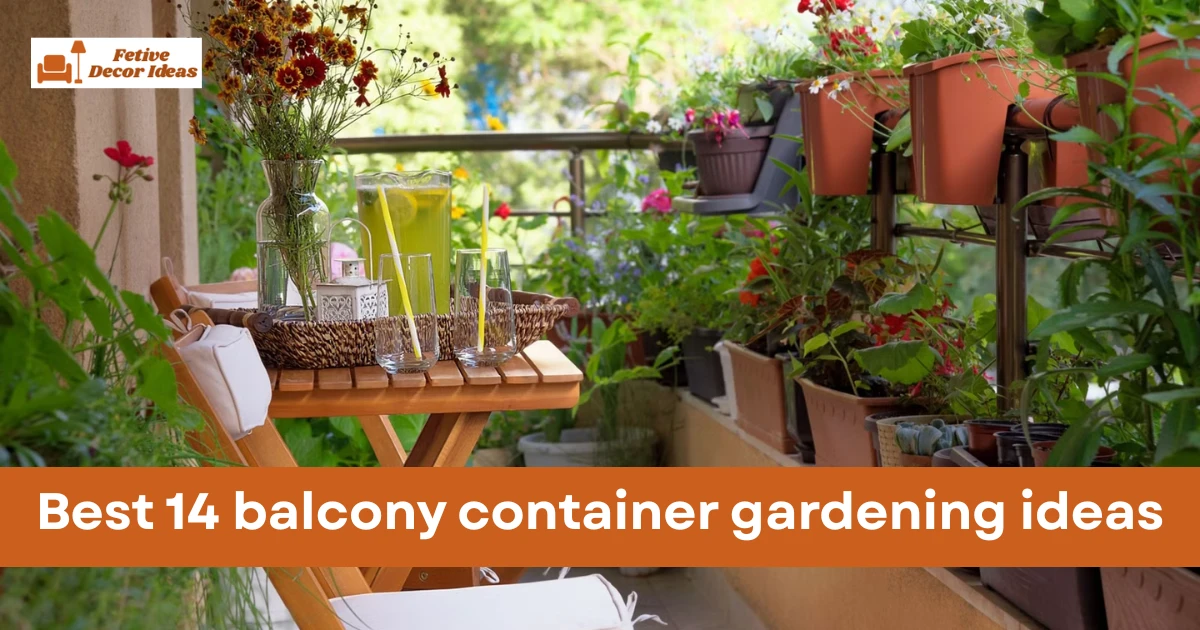

I have been gardening on my small balcony for years and found that a few smart choices make a huge difference. You can turn any gray concrete slab into a vibrant sanctuary by selecting the right containers and plants.
Most people assume they lack the space for a real garden, but that is simply not true at all. I started with just two pots and quickly realized how much life a small area could actually hold.
Choosing lightweight materials is the best way to ensure your balcony remains safe and structurally sound over time. I prefer using resin or fabric pots because they are easy to move and do not crack.
Sunlight will dictate exactly what you can grow, so I always suggest tracking the sun for a full day. You must know where the shadows fall before you spend money on expensive seeds or young plants.
Professional Balcony Garden Planning for Small Spaces
I spent years staring at a concrete slab before realizing my balcony could actually produce food and flowers. You really only need a few smart containers and a decent watering can to get started today.
Many people think you need a massive backyard to enjoy nature, but that is simply not true at all. My own small space became a lush retreat once I figured out which pots actually work.

Most beginners fail because they buy heavy ceramic pots that their balcony floor cannot safely support for long. I prefer lightweight resin or fabric bags because they allow roots to breathe without adding unnecessary weight.
Sunlight is your most important resource when you are deciding where to place your new garden containers. You must track the sun for a full day to see which corners stay in the shade.
1. Vertical Herb Racks for Fresh Flavors
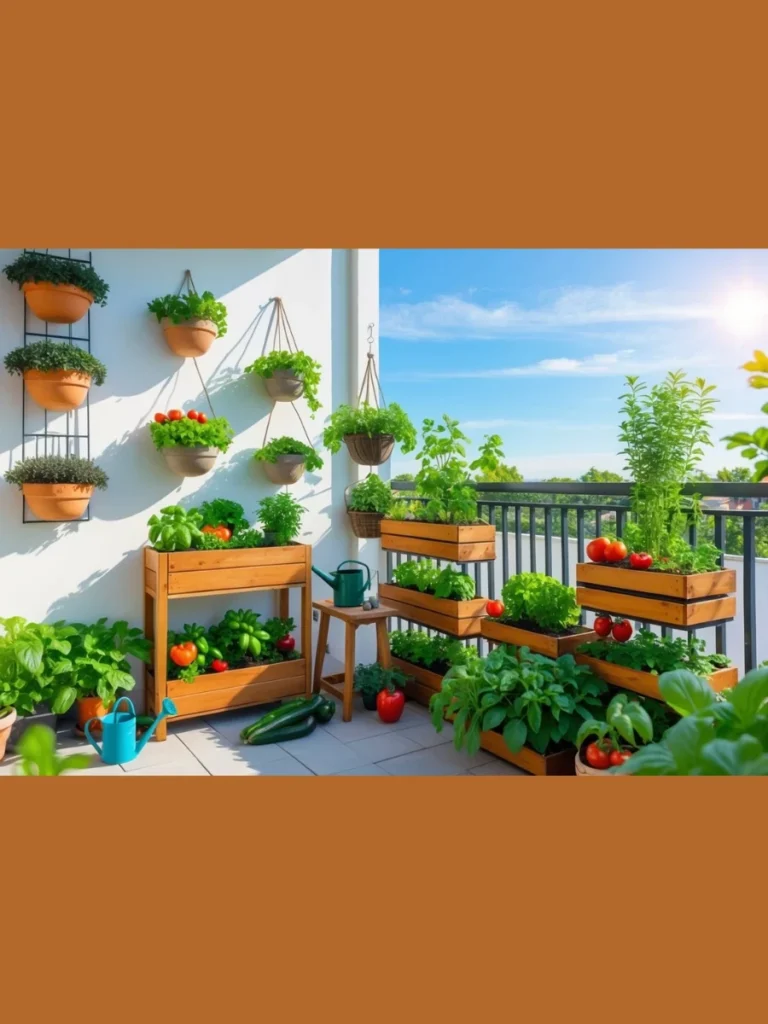
Vertical racks allow you to grow dozens of different herbs without taking up any of your walking space. I find that stacking mint, basil, and parsley vertically keeps them away from any crawling pests.
You should place your thirstiest herbs at the bottom of the rack so they catch any extra water. This drainage system saves you time and ensures that no water goes to waste on your floor.
Wooden pallets or specialized metal tiers work best for creating a sturdy and reliable vertical herb display. I use cedar wood because it resists rot and smells amazing when the sun hits your balcony.
Fresh herbs are expensive at the store, so growing them yourself pays for the equipment in months. My morning tea tastes much better with a sprig of mint pulled straight from the railing.
2. Tiered Strawberry Towers for Sweet Harvests
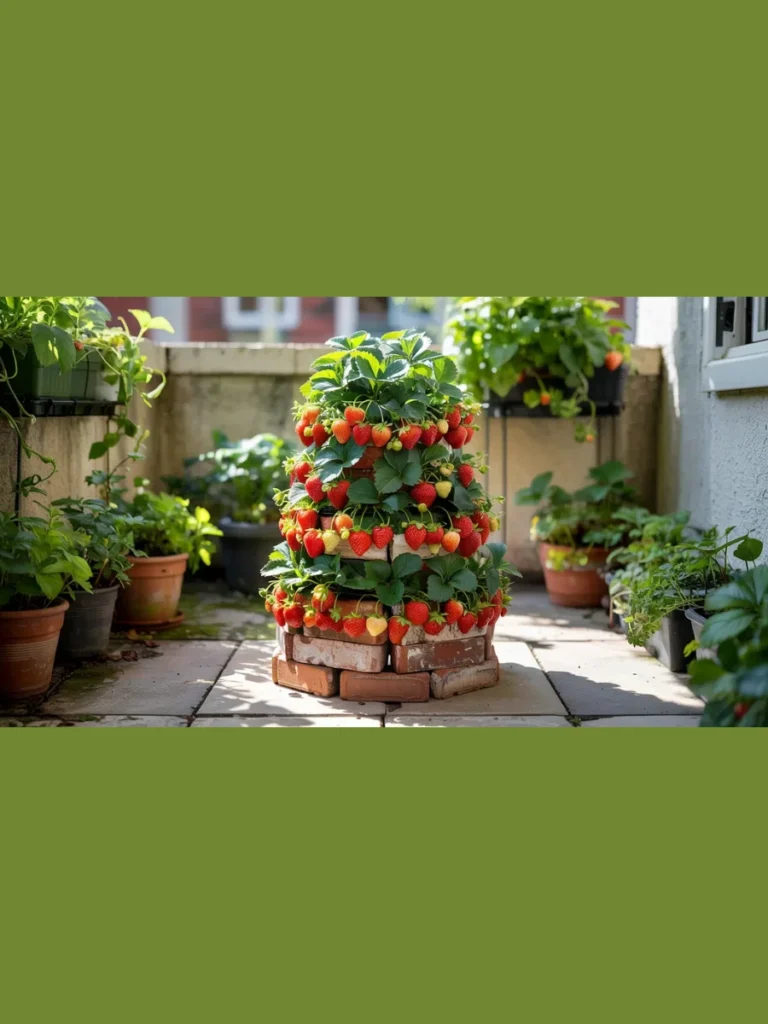
Strawberry towers are perfect for balconies because these plants love to hang down as they grow their fruit. I noticed that keeping berries off the soil prevents them from rotting before I can eat them.

You can use a dedicated stackable planter to maximize your berry production in a very small footprint. This setup ensures every single plant gets enough sunlight to ripen those sweet red berries properly.
Birds might try to steal your harvest, so I usually tuck a small net over my tower. It looks a bit like a tiny tent, but it saves my snacks from the local wildlife.
The best part about strawberries is that they return every year if you protect the roots during winter. I simply wrap my tower in burlap to keep the plants cozy until the spring warmth arrives.
3. Railing Planters for Colorful Flower Displays
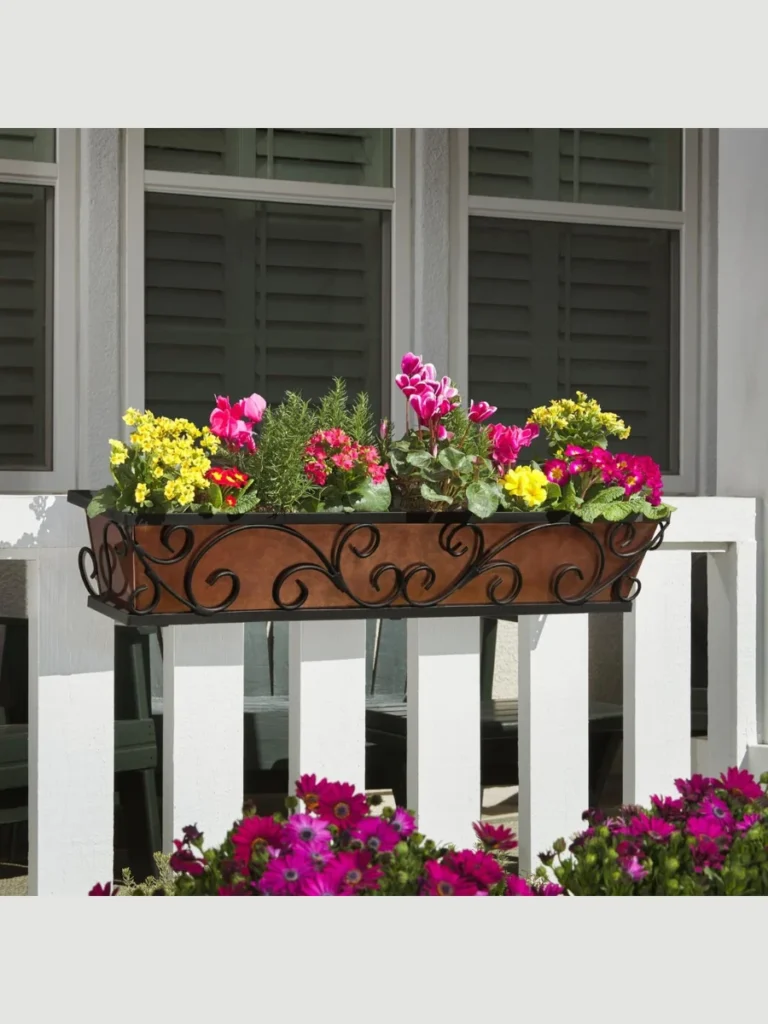
Railing planters are the best way to add instant curb appeal to your apartment without losing floor area. I love seeing bright petunias hanging over the edge every time I walk up to my building.
You must ensure your railing brackets are tight and secure to prevent any accidents during high wind events. I always use safety ties as an extra precaution because a falling pot is no joke.
Self-watering railing pots are a total lifesaver if you have a busy schedule or forgetful mind. They keep the soil moist for days, which is vital when the summer heat starts to peak.

Mixing trailing vines with upright flowers creates a professional look that will make your neighbors very jealous. I usually go for sweet potato vine paired with some bright orange marigolds for contrast.
4. Dwarf Citrus Trees in Large Resin Pots
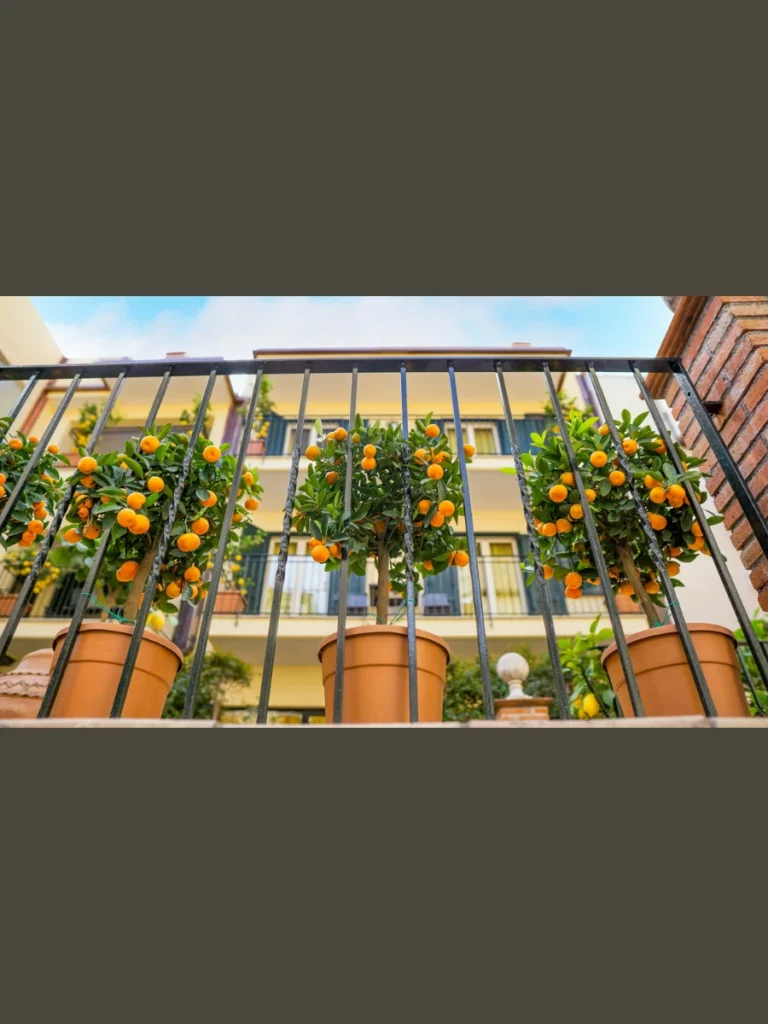
Dwarf citrus trees bring a Mediterranean feel to your outdoor space while providing real lemons or limes. I keep mine in a lightweight resin pot so I can move it easily when seasons change.
These trees need at least six hours of direct sun to produce any fruit for your kitchen. I place mine in the brightest corner and give it a specialized citrus fertilizer once a month.
The scent of citrus blossoms is much better than any expensive candle you can buy at the store. It fills my entire living room with a fresh aroma whenever I leave the balcony door open.
You have to bring these trees indoors if the temperature drops below freezing in your local area. I keep mine near a sunny window during the winter so it stays healthy until spring.
5. Salad Green Trays for Fast Results
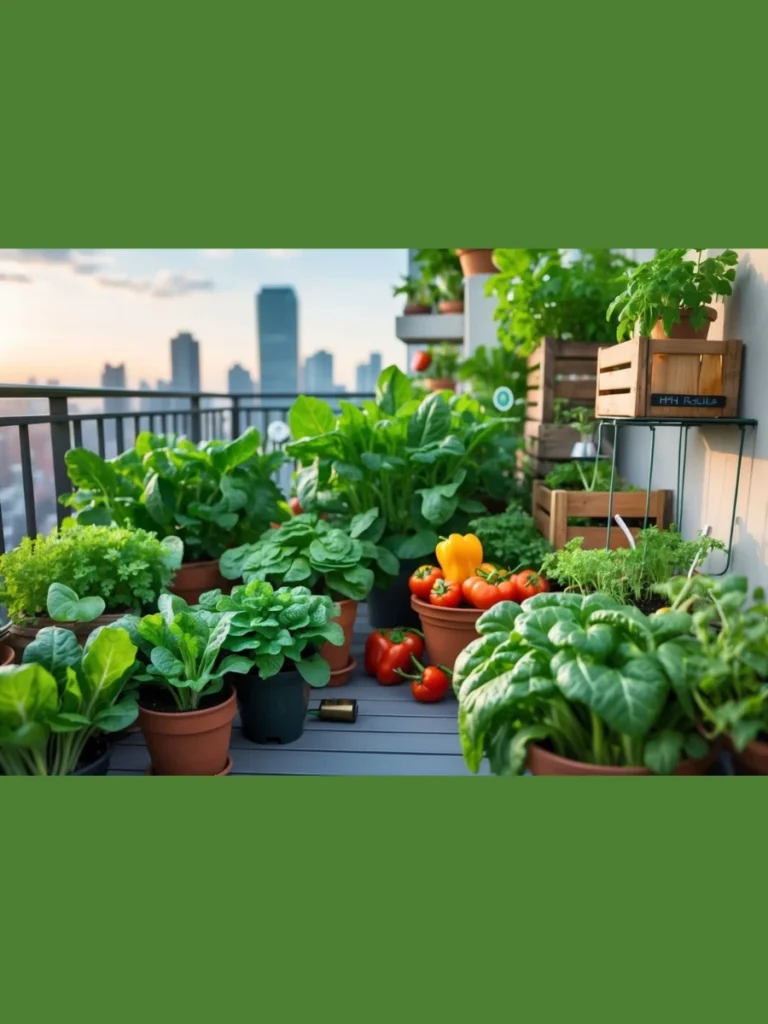
Salad trays are the easiest way to start gardening if you are worried about your green thumb. I can harvest fresh lettuce just three weeks after scattering a few seeds in a shallow container.

You do not need a deep pot for greens because their roots stay very close to the surface. I use recycled plastic bins with holes drilled in the bottom for a cheap and effective setup.
Harvesting only the outer leaves allows the plant to keep growing more food for your next meal. This “cut and come again” method provides me with salad for the entire summer season.
Greens prefer the cooler parts of your balcony, so keep them away from the hottest afternoon sun. I tuck mine behind taller plants to give them a bit of natural afternoon shade.
6. Climbing Tomato Vines in Deep Five Gallon Buckets
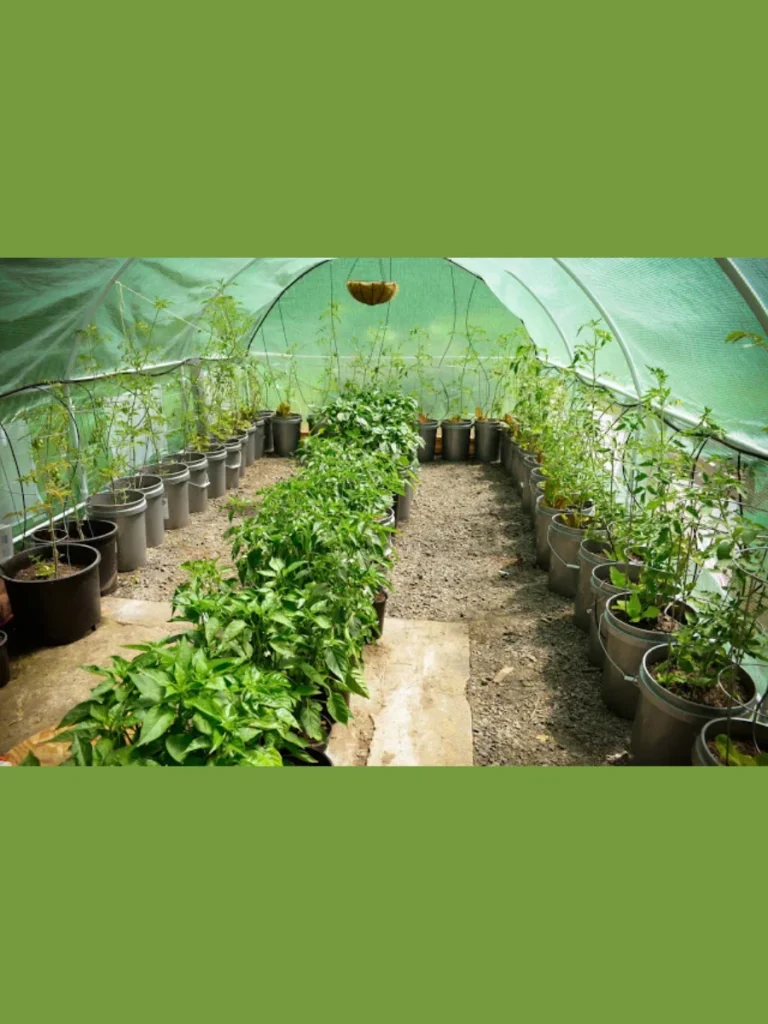
Indeterminate tomato varieties will grow quite tall and provide fruit until the first frost hits your area. I use deep buckets because tomatoes need a lot of room for their massive root systems to expand.
You must provide a sturdy trellis or a tall cage to support the weight of the ripening fruit. My vines usually reach the ceiling by August, so I keep them tied tightly to a wooden support.
Adding a layer of mulch to the top of your bucket helps keep the moisture in the soil. I find that consistent watering prevents the tomatoes from cracking and keeps the flavor very sweet and intense.
Tomatoes are heavy feeders that require a lot of nutrients to produce a successful harvest for you. I mix organic compost into the soil at the start of the season to ensure healthy growth.
7. Bamboo Privacy Screens in Long Rectangular Troughs
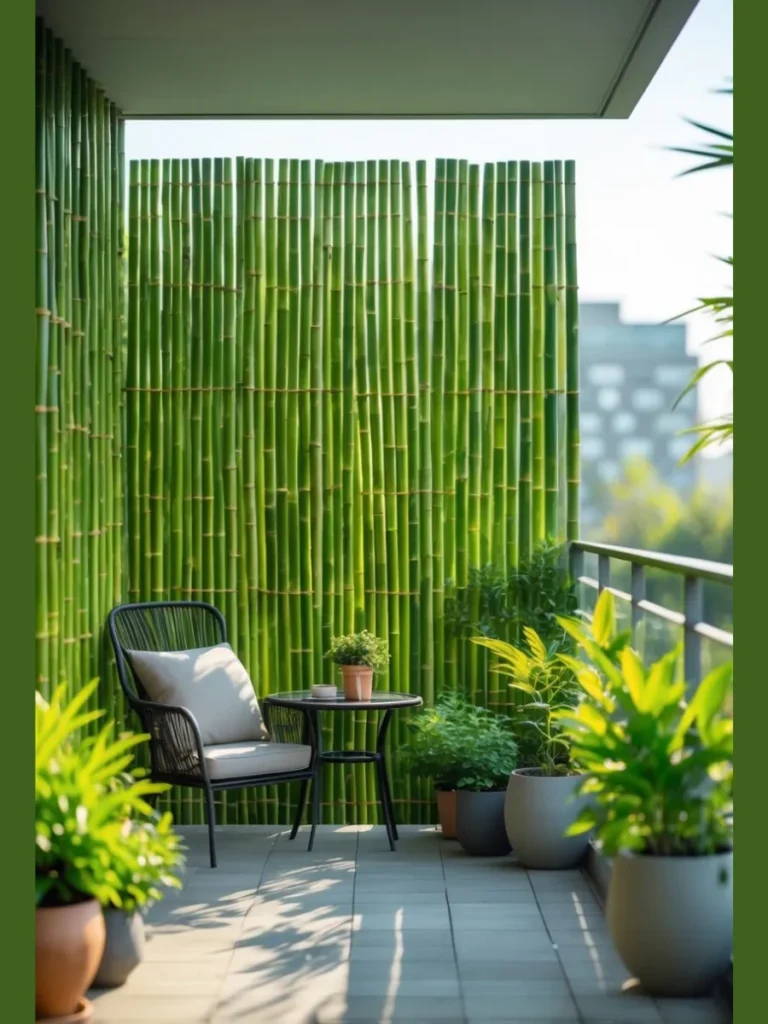
Tall bamboo is a fantastic way to block the view of your neighbors while adding a tropical feel. I plant mine in long troughs to create a living wall that moves beautifully in the wind.

You should choose clumping bamboo varieties instead of running types to keep the roots under control. I prefer this method because it prevents the plants from becoming too crowded in a small container.
Bamboo requires plenty of water during the hot summer months to keep the leaves looking green and lush. I check the soil daily and use a large watering can to keep the roots soaked and happy.
The sound of rustling bamboo leaves is incredibly relaxing after a long day of working at my desk. It creates a private sanctuary where I can drink my coffee without feeling like I am on display.
8. Succulent Rock Gardens in Shallow Stone Bowls
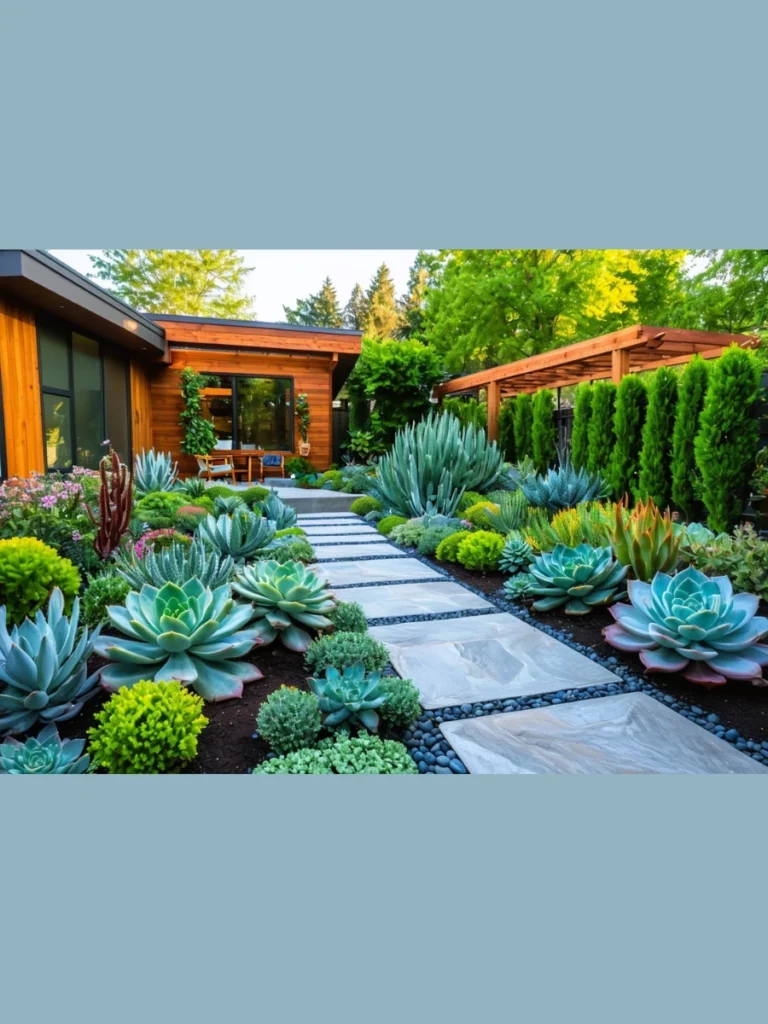
Succulents are the best choice for people who travel often or occasionally forget to water their plants. I arranged several varieties of Echeveria in a stone bowl for a very modern and clean look.
These plants store water in their thick leaves, which allows them to survive in harsh and sunny conditions. I use a sandy soil mix to ensure the water drains away from the roots very quickly.
You can find succulents in almost every color of the rainbow to match your specific balcony decor. I enjoy mixing purple and blue tones with bright green sedum to create a desert landscape.

Succulents are very easy to propagate if you want to grow your collection without spending more money. I simply snap off a leaf and let it grow new roots on top of some dry soil.
9. Bell Pepper Pots for Bright Kitchen Ingredients
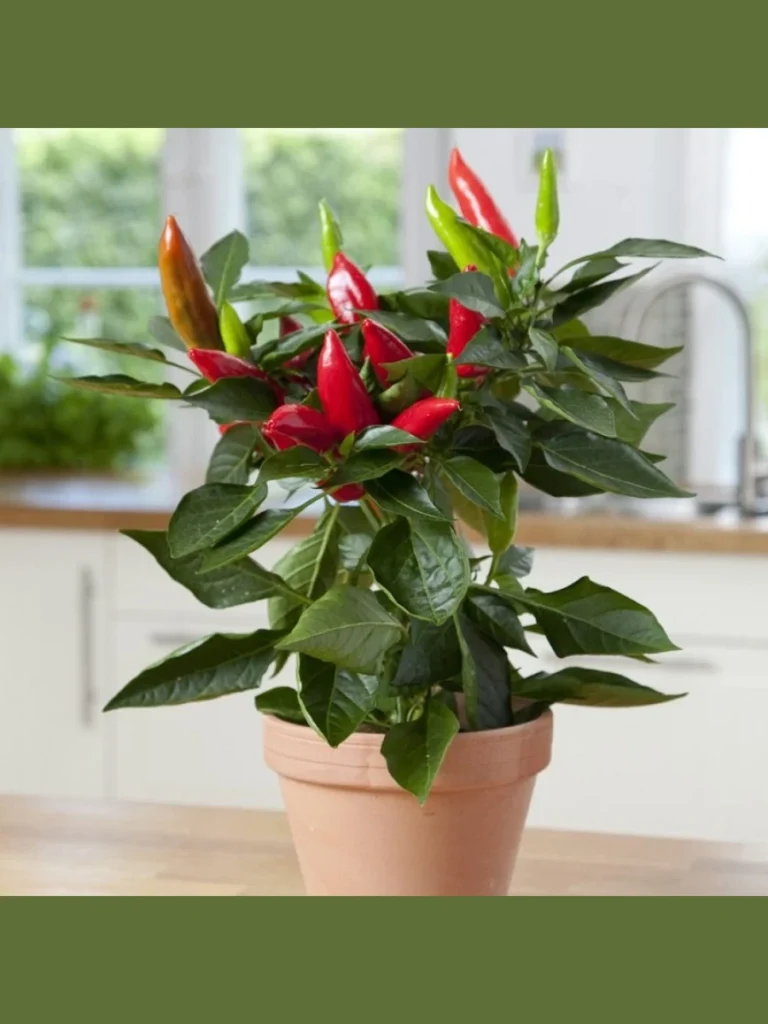
Peppers grow perfectly in medium sized pots and look like little colorful ornaments as they ripen in the sun. I love picking a fresh red pepper for my dinner while standing right outside my kitchen.
You should place your pepper pots in the sunniest spot on your balcony for at least eight hours. My plants produce much more fruit when they stay warm and get plenty of direct afternoon light.
Staking your pepper plants is a smart move to prevent the stems from snapping under the heavy weight. I use small bamboo sticks and garden twine to keep the main branches upright and very stable.
Peppers come in many heat levels, so you can grow exactly what you like to eat every day. I grow mild bell peppers and a few spicy jalapeños to keep my cooking options interesting and fresh.
10. Trailing Sweet Potato Vines for Lush Ground Cover
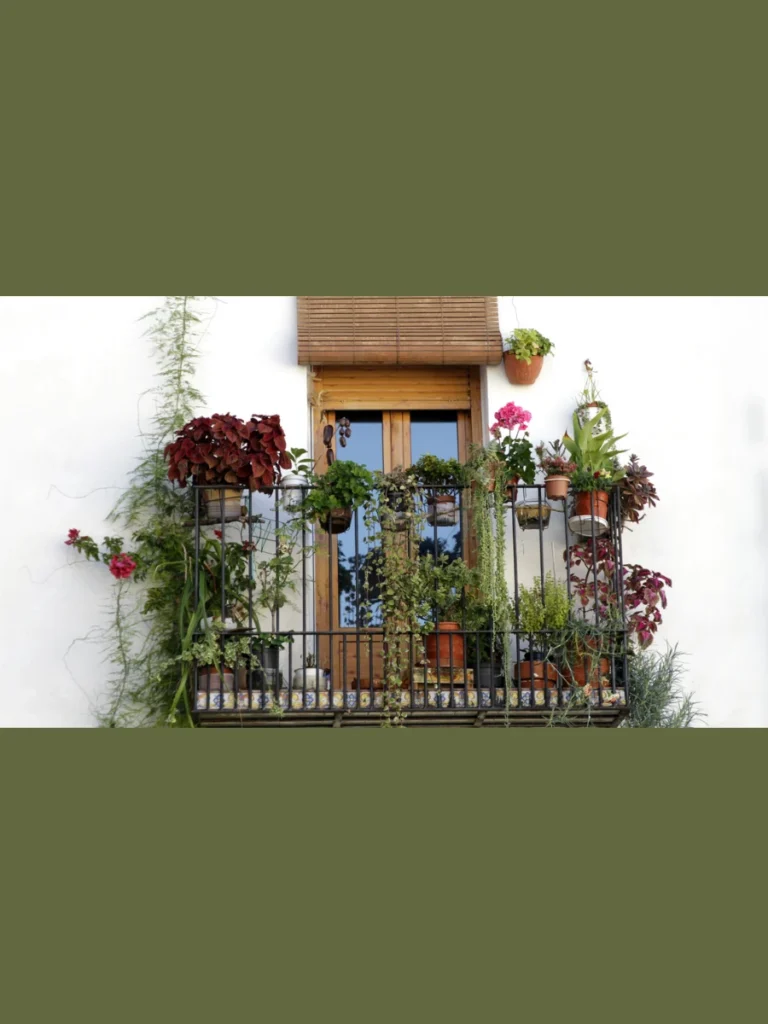
Sweet potato vines grow incredibly fast and will quickly cover the floor or sides of your containers. I use the lime green variety to add a pop of bright color against my dark balcony flooring.

These vines are very tough and can handle the intense heat that radiates off of apartment walls. I find that they fill in the gaps between my taller plants to create a full look.
You can let them spill over the edges of your pots to create a beautiful waterfall effect for visitors. I trim mine back once a month to keep the growth from taking over the entire walking area.
The tubers are actually edible, but most people grow the ornamental versions for their stunning heart-shaped leaves. My balcony looks much more professional once these vines start to trail down toward the street below.
11. Fragrant Jasmine Trellis for Evening Relaxation
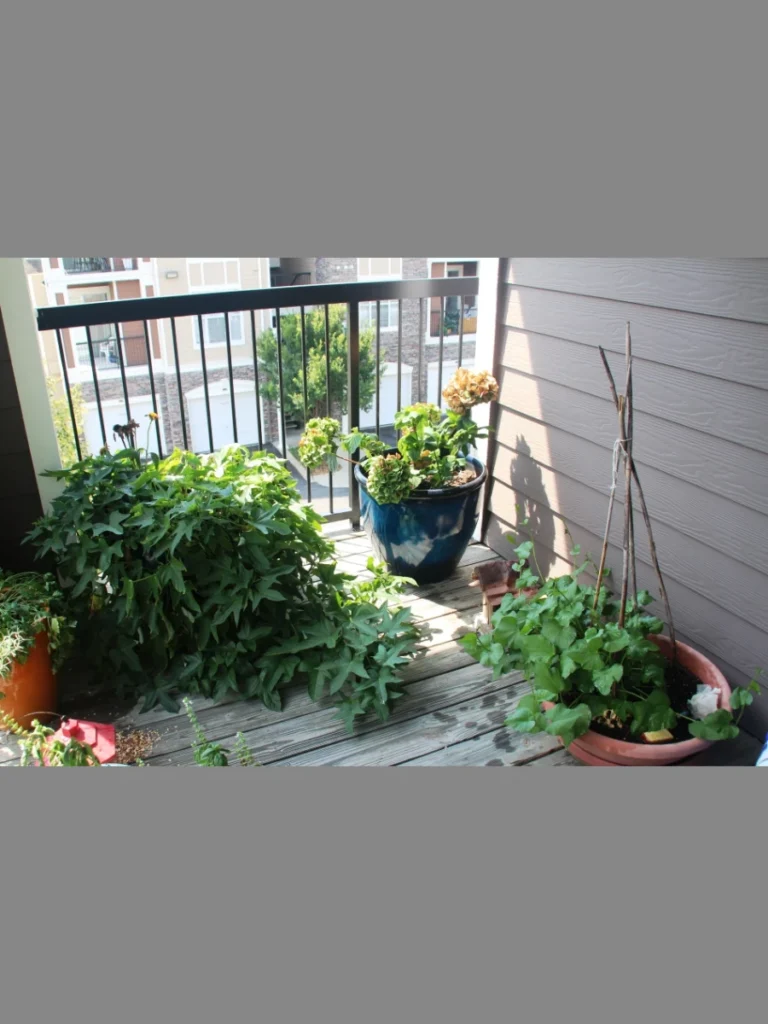
Jasmine is my favorite plant for creating a relaxing atmosphere during those late-night balcony sessions. I grow mine on a simple wire trellis to encourage the vines to climb toward the ceiling.
The white flowers release a heavy and sweet scent as soon as the sun starts to go down. I find that sitting near the blooms helps me unwind after a particularly stressful day at the office.
You need to prune the vine occasionally to keep it from tangling into your neighbor’s outdoor space. I usually do a quick trim in the early spring to promote new growth and more flowers.
Jasmine loves a spot that gets plenty of morning sun but stays shielded from the harsh afternoon heat. I keep mine tucked into a corner where the light is bright but the temperature stays mild.
12. Dwarf Sunflowers for a Bright Summer Vibe
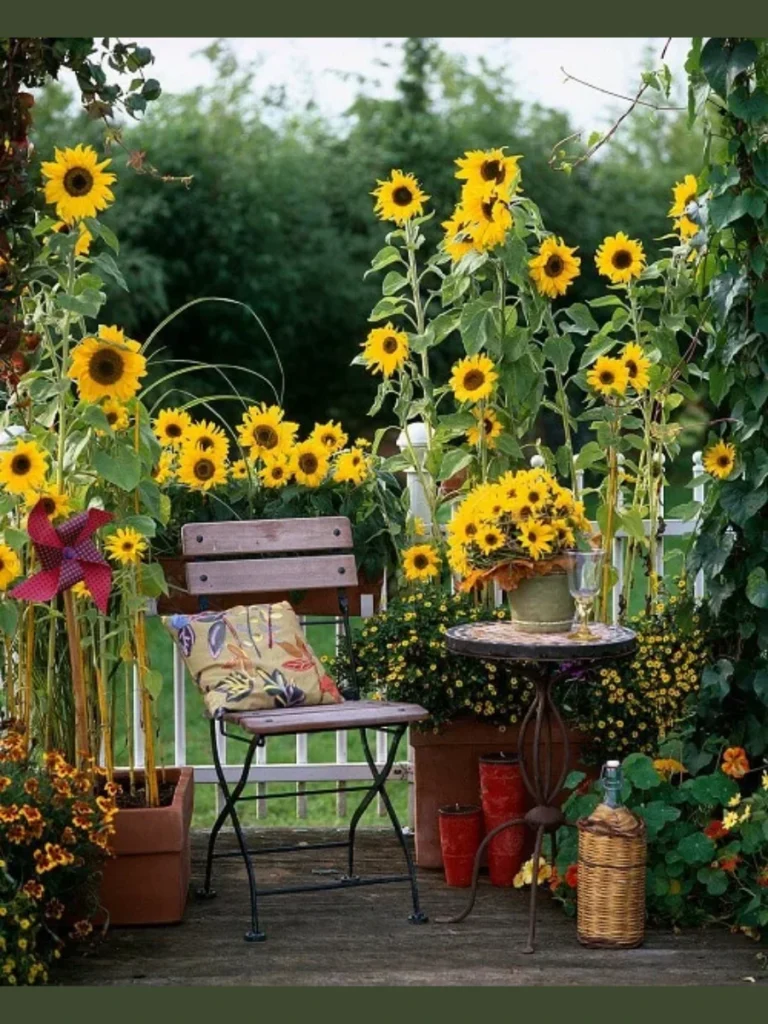
Traditional sunflowers are far too big for a balcony, but dwarf varieties stay under two feet tall. I plant three or four seeds in a wide pot to create a miniature field of gold.
These flowers always turn their heads to follow the sun as it moves across your balcony throughout the day. I find it fascinating to watch them adjust their position while I eat my lunch outside.
Sunflowers have very deep roots, so make sure your container is at least ten inches deep for stability. I use a heavy potting mix to prevent the top heavy flowers from tipping over in the wind.

Once the petals fall off, you can leave the heads for local birds to enjoy a healthy snack. I love watching the tiny finches visit my balcony to grab a few seeds during the autumn months.
13. Potato Grow Bags for Hidden Treasures
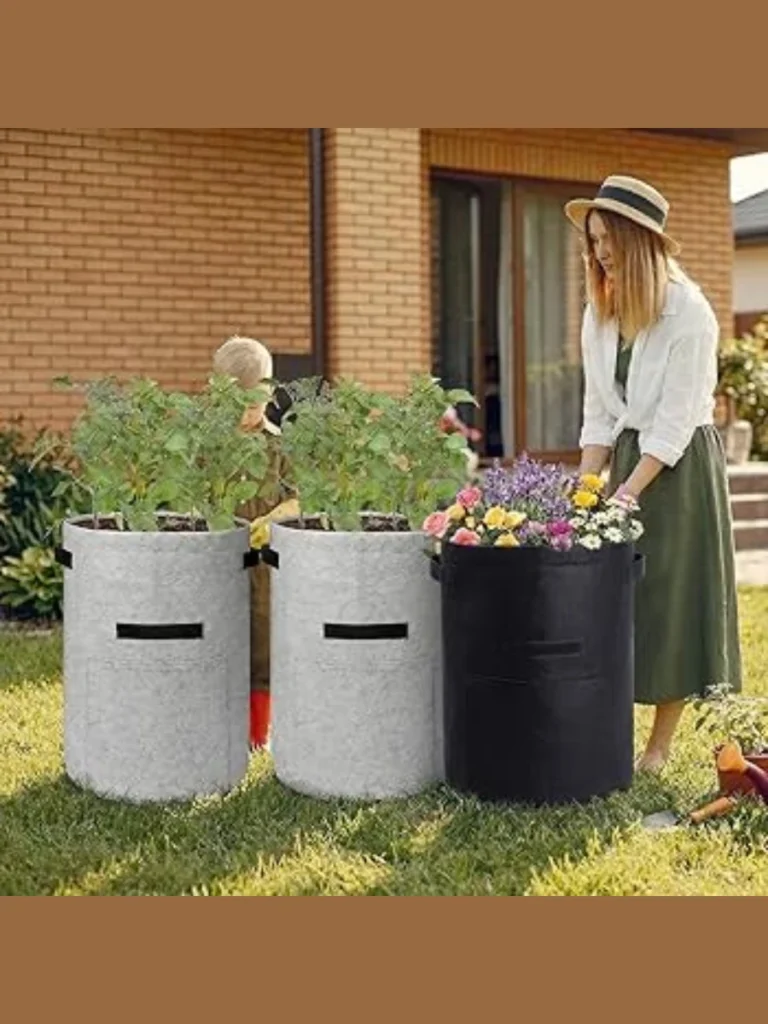
Growing potatoes in fabric bags is a brilliant way to produce a large harvest without needing a garden bed. I love the “treasure hunt” feeling of dumping out the bag at the end of the season.
You start with just a few inches of soil and add more as the green leafy stems grow taller. This method forces the plant to grow more potatoes along the buried stem for a much bigger yield.
Fabric bags are better than plastic because they allow air to reach the roots and prevent waterlogging issues. I noticed my potatoes stay much healthier and avoid rot when the soil can breathe properly.
Fingerling potatoes are my top choice because they cook quickly and have a wonderful buttery flavor and texture. I usually get enough from two bags to last my kitchen for several weeks of gourmet meals.
14. Lavender Pots for a Calming Purple Border
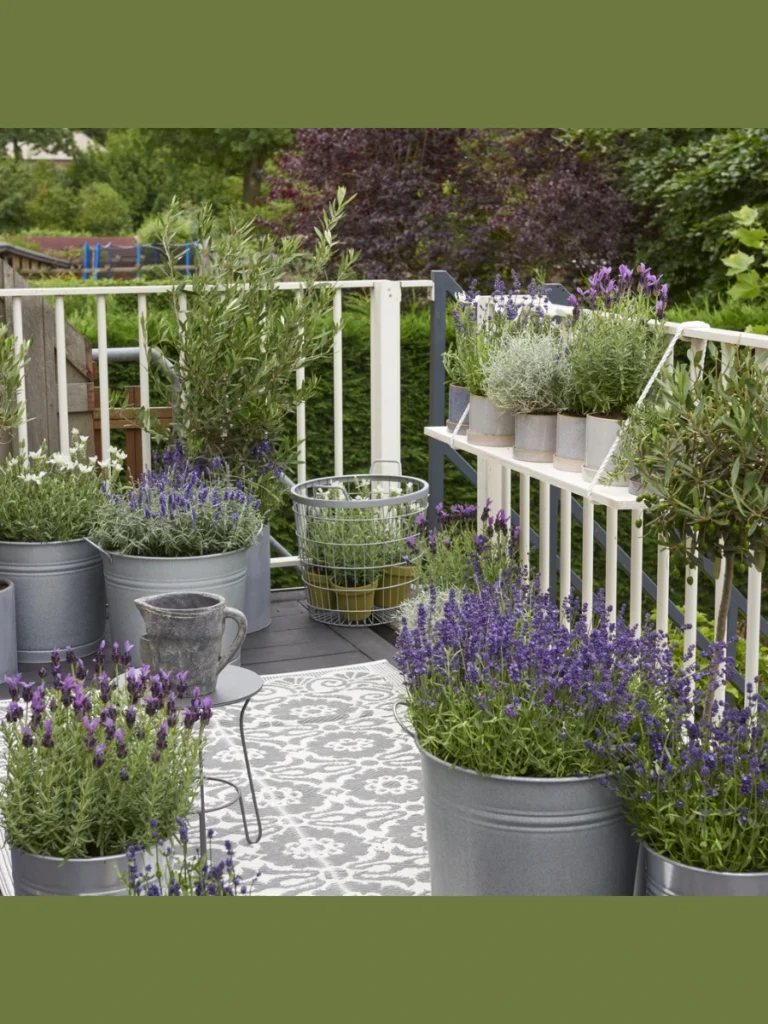
Lavender is a hardy perennial that brings a touch of the French countryside to any small urban space. I keep several pots near my seating area to enjoy the scent whenever a light breeze blows.

These plants absolutely hate having “wet feet,” so I add a bit of gravel to the bottom of my pots. I only water them when the soil feels completely dry to the touch to keep the roots healthy.
The purple spikes attract bees and butterflies, which makes your balcony feel like a living and breathing ecosystem. I enjoy the hum of nature while I read my book in the sun on a Sunday afternoon.
You can dry the flowers to make small sachets for your dresser drawers or to use in your baking. I often snip a few stems to keep in a vase on my nightstand for a better night’s sleep.
Maintenance Schedule for Balcony Containers
| Task | Frequency | Why It Matters |
| Soil Moisture Check | Daily | Small pots dry out very fast in the wind. |
| Liquid Fertilizing | Every 2 Weeks | Containers lose nutrients quickly with frequent watering. |
| Deadheading Flowers | Weekly | Removing old blooms encourages the plant to grow more. |
| Pest Inspection | Weekly | Catching bugs early prevents a total garden disaster. |
Helpful Tips for Successful Balcony Gardening
I always suggest starting with just three or five pots so you do not feel overwhelmed by the chores. It is much better to have a few thriving plants than a dozen half-dead ones that make you sad.
You must remember that wind is often a bigger enemy than the sun when you live on a high floor. I use heavy stones at the bottom of my lighter pots to keep them from sliding around.
Group your plants together to create a small microclimate that helps hold humidity in the air for them. I find that my ferns and tropicals stay much greener when they are huddled close to each other.

Conclusion
I truly believe that anyone can create a beautiful outdoor retreat regardless of how much space they have. My balcony went from a storage area to my favorite room in the house with just a little effort.
We covered everything from vertical herb racks to privacy bamboo and even delicious homegrown potatoes in fabric bags. These fourteen ideas are designed to be practical, affordable, and very easy for any beginner to start.
I hope you feel inspired to grab a few pots and some soil to begin your own gardening journey today. Your future self will definitely thank you when you are sipping tea surrounded by your own lush greenery.
FAQs
You can definitely grow leafy greens like spinach and kale because they handle lower light levels very well.
I always use deep saucers under every single pot to catch the excess water before it spills over the edge
You should check your lease or ask your building manager about the weight capacity of your specific balcony floor
It depends on your local climate and whether your plants are hardy enough to survive a hard freeze outside.
I recommend replacing about a third of the soil with fresh compost at the start of every new growing season.