

When someone searches for the best dining room painting ideas, they want practical inspiration that helps them update their space without feeling overwhelmed.
I always feel that the dining room becomes more inviting the moment its walls get the right color, and most people have the same thought when they start looking for painting ideas. This guide focuses on real solutions that work in everyday homes instead of design concepts that only look good in magazines.
I’ve put together ideas that I’ve personally seen transform dining rooms, especially those that needed a quick lift without complicated renovations.
These ideas focus on color impact, mood, lighting, and how well the room blends with the rest of your home. Every section explains what the idea is, why it works, and who should consider it, so the entire article stays focused on user intent.
How the Right Paint Changes Your Dining Room
The right paint color sets the tone for how the room feels and how people interact in it. A balanced color can make a simple dining space feel warmer and more welcoming, while poorly chosen colors often make the room feel dull or disconnected.
I learned long ago that people want ideas that match their home size, furniture, and lighting, so each idea below works for different room layouts.
Paint also affects how the dining table, chairs, lights, and décor look. A color that seems safe on a tiny sample often behaves differently once it covers the entire wall, so choosing the right painting idea matters. These ideas serve both small and large dining rooms, giving you options based on mood and style.
1. Warm Neutral Walls for a Cozy Dining Experience
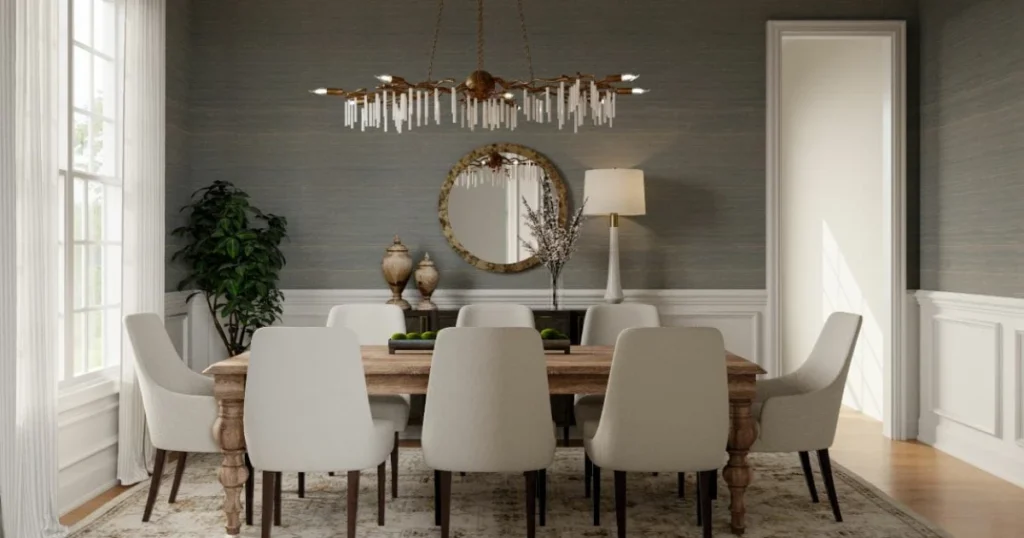
Warm neutrals make a dining room feel comfortable, and they work for almost any interior style. I often recommend shades like soft beige, latte, light mocha, or creamy almond because they create a calm environment without looking dull. These colors also help reflect natural light in a gentle way, which gives the room a soft glow during the day.
This idea works especially well if your dining room opens to your living room. Warm neutral walls help both spaces blend naturally, which makes your home feel more cohesive. I’ve seen small dining rooms feel bigger simply because the walls had a warm but light tone. It also makes wooden furniture look richer and more polished.
If you’re someone who likes to change décor often, neutral walls give you the freedom to swap art, centerpieces, or curtains without worrying about color clashes. This flexibility is one of the biggest advantages of going with a warm neutral palette.
2. Bold Accent Wall to Add a Focal Point
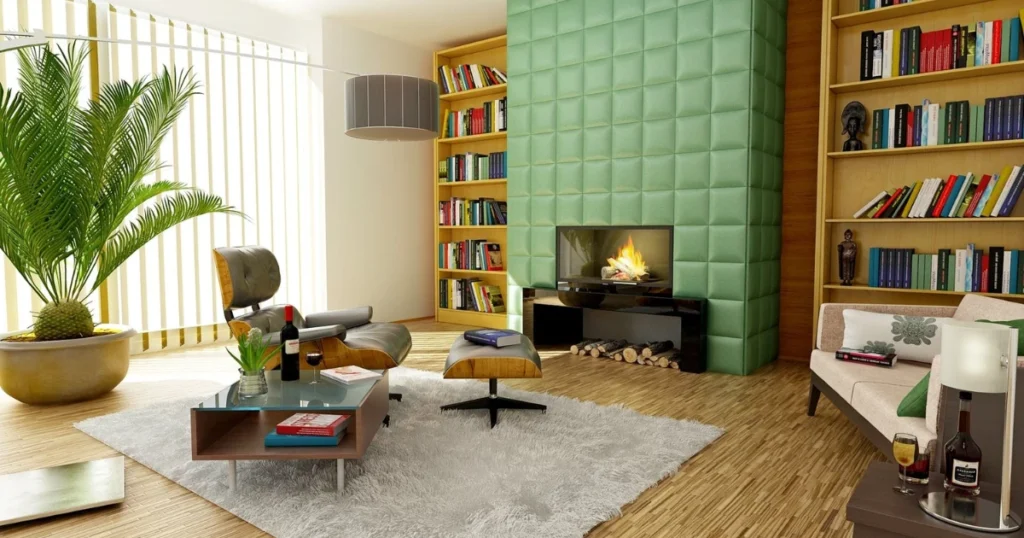
A bold accent wall adds character, and I use this idea often when the dining room feels plain. The beauty of this approach is that you don’t need to repaint the whole room. You pick one wall, usually the one behind the dining table, and give it a strong color that instantly draws attention.
Colors like deep blue, forest green, charcoal, or rich burgundy create a sense of depth. These shades work well when paired with lighter walls on the other sides.
I’ve seen many small dining rooms benefit from accent walls because they create visual interest without making the room look cramped. If you choose the right shade, the wall becomes a natural backdrop for your dining table.
This idea also helps highlight artwork, mirrors, or shelving. When you place décor on an accent wall, it pops naturally. It’s a great choice for people who want a stylish dining space without investing much money or effort.
3. Soft Pastel Shades for a Light and Airy Feel
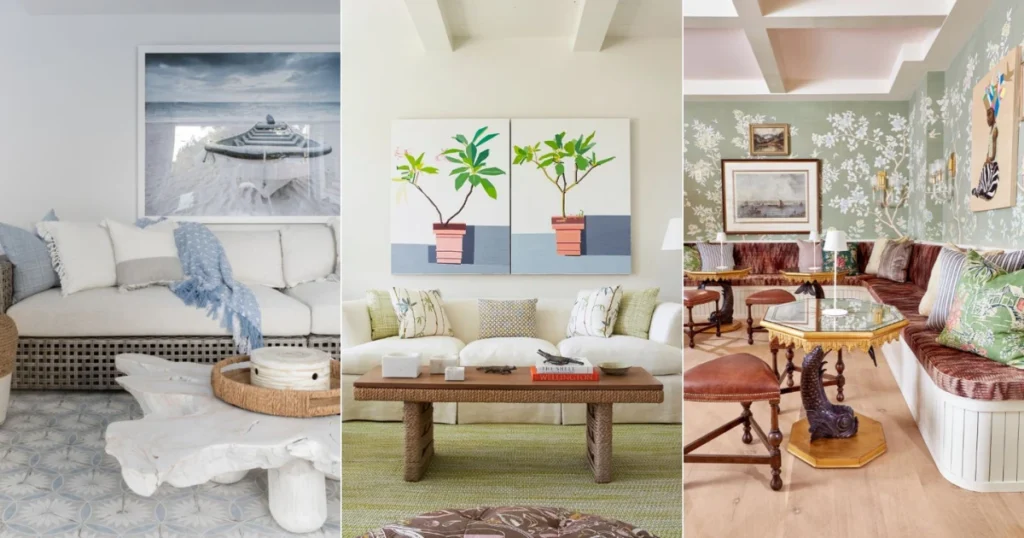
Soft pastel shades make the dining room feel fresh, especially if you want a light and cheerful environment. Colors like pastel mint, powder blue, blush pink, or pale lavender can brighten the room without overpowering it. I find these shades helpful when the dining room lacks natural sunlight, because they make the space feel more open.
Pastels work well with modern, Scandinavian, farmhouse, or minimalist themes. The softness of these colors creates a relaxing mood, which is perfect if you enjoy slow, comfortable meals with family and friends. These shades also pair well with white furniture or natural wood tones, giving the room a balanced look.
If your dining room is small, pastels make the walls recede visually, which gives you a feeling of extra space. This makes them ideal for apartments or homes where the dining area is connected to the kitchen. The overall effect is airy and pleasant, without feeling too bright or too cold.
4. Earthy Tones for a Natural Dining Atmosphere
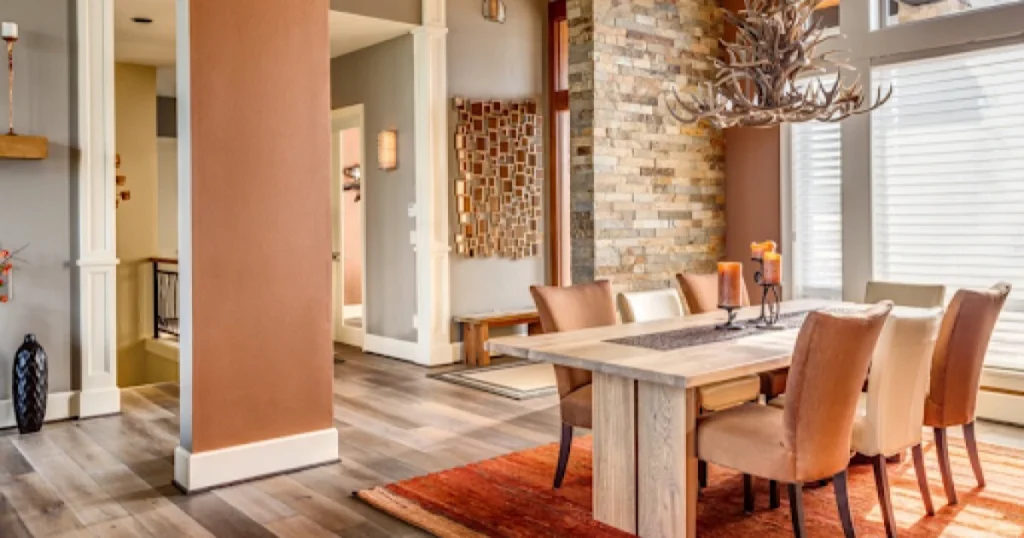
Earthy tones always make a dining room feel grounded, and I often lean toward them when someone wants a calm, nature-inspired space. Shades like clay, terracotta, olive, and walnut brown create an inviting mood without feeling heavy. These colors add warmth, especially when you have wooden furniture or woven décor.
I like earthy tones because they bring a sense of comfort during family meals. Guests feel relaxed when the room has a natural vibe, and earthy shades often work well with everyday furniture. You don’t need designer pieces for this idea to shine. Even simple dining sets look more polished against an earthy background.
This approach also helps if you enjoy adding indoor plants or décor with natural textures. Earthy wall colors make those elements stand out naturally. The overall result is a dining room that feels real, calm, and connected to the outdoors.
5. Two Tone Walls for a Balanced Dining Room Look
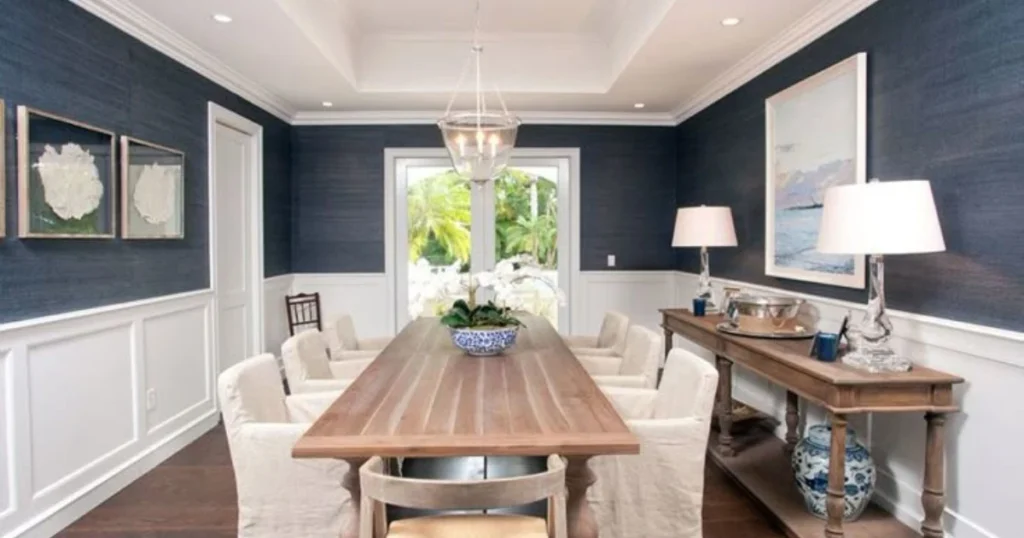
Two tone walls offer balance and style, especially if you want something modern but not too bold. I like using a lighter shade on the upper half and a darker shade on the bottom, because it creates a structured look without overwhelming the eye. This style works incredibly well in dining rooms with simple furniture.
One thing I like about two tone walls is the control you get over the room’s height and width. A darker lower section makes the dining area feel grounded, while the lighter section on top keeps things bright. This combination helps small rooms feel open while still creating visual interest.
This idea also pairs well with chair rails or molding. Even if your dining room has none of these features, you can still achieve the look with tape and careful measuring. It is affordable and effective, which is always a win for anyone redecorating on a budget.
6. Textured Paint for a Stylish Wall Finish
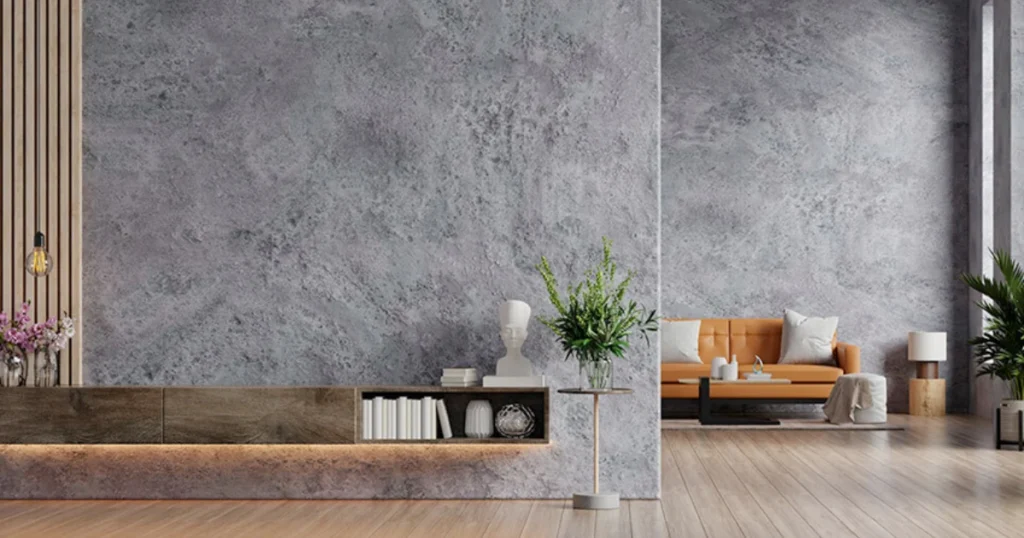
Textured paint adds depth, and it can elevate a simple dining room to a much richer look. I suggest this idea when someone wants something unique but not too dramatic. Subtle textures like sand finish, limewash, or soft stucco create a refined appearance without looking busy.
Textured walls catch light differently, which makes the space feel more dynamic throughout the day. This works well if your dining room gets good natural light, because the changing shadows create a soft movement on the walls. It gives the room a warm and luxurious feel without needing heavy décor.
If you prefer a simple layout, textured paint does most of the visual work for you. You can keep the furniture minimal and still end up with a stylish dining room that feels curated. The best part is that textured walls age well, and you don’t have to worry much about fingerprints or small marks.
7. Soft White Walls for a Clean and Modern Look
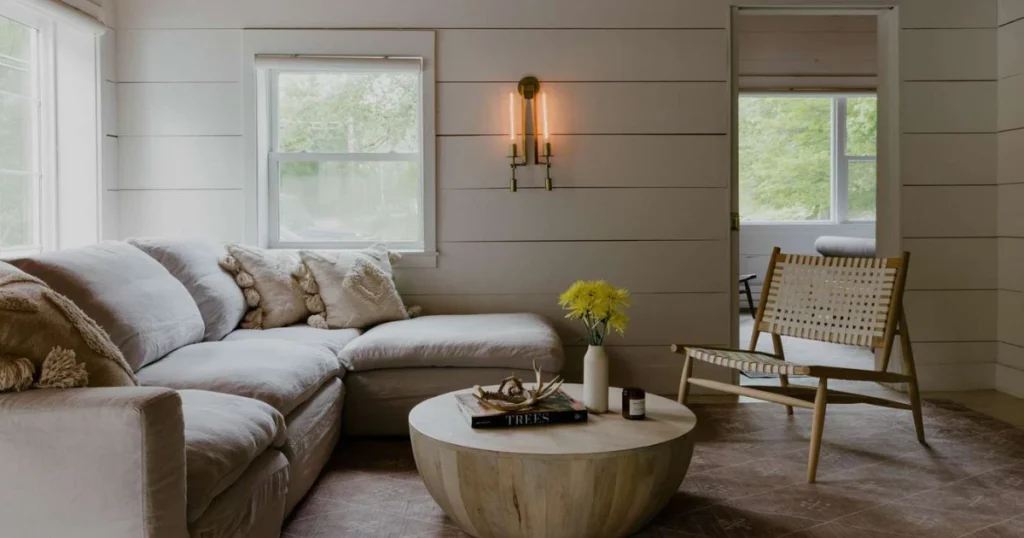
Soft white walls always make a dining room look fresh, and I turn to them when someone wants a clean and modern style. Shades like ivory, cloud white, or warm snow offer brightness without feeling harsh. These tones create a calm backdrop that makes the dining table the center of attention.

White walls are often associated with simplicity, but the right shade brings warmth and character. I prefer soft whites because pure white sometimes feels cold, especially in rooms that lack sunlight. When you choose the right white, the room feels airy and inviting instead of empty.
This idea works perfectly with almost any furniture style. Whether you have dark wood, metal, or upholstered chairs, white walls support everything. You get a fresh canvas that you can update anytime with new wall art, lighting, or table décor.
How to Choose the Best Dining Room Paint Based on Your Space
Choosing the right paint depends on the size of your dining room, the amount of natural light, and the style of your furniture. I always start by looking at how the room feels during the day, because lighting changes how colors look. A shade that appears warm under sunlight may look dull at night, so testing swatches in both lighting conditions helps.
Your dining furniture also plays a big role in the final look. Dark wood pairs well with soft neutrals, pastels, and whites, while modern metal or glass tables match better with bold accent walls or textured finishes. The goal is to create balance so no element overpowers the others.
If your dining room is part of an open layout, coordinating wall colors with the living room helps maintain flow. Using related shades or complementary tones keeps the home visually connected. This approach ensures your dining room feels intentional instead of random.
8. Moody Dark Shades for a Dramatic Dining Room
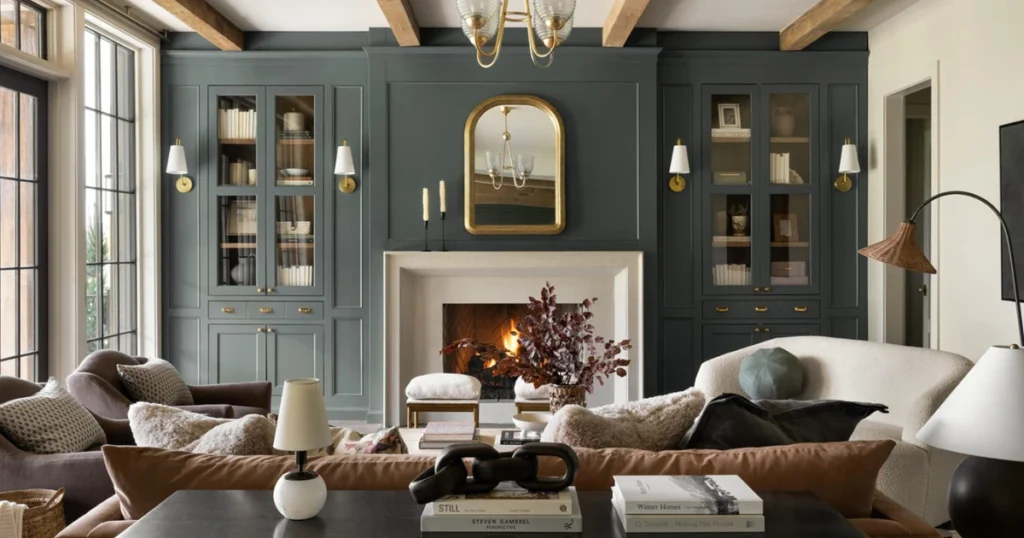
Moody dark shades work best when you want a dining room that feels bold and sophisticated. I like colors such as navy, charcoal, deep olive, and espresso because they create an intimate atmosphere that feels perfect for evening meals. These shades add depth and give the room a luxurious tone without needing expensive décor.
Dark colors often scare people, but they look incredible when paired with warm lighting. A simple pendant light or a set of wall sconces can highlight the richness of darker walls. The room ends up feeling cozy instead of gloomy, which is often the goal when you entertain guests.
If your dining furniture includes metal accents or darker wood finishes, moody shades enhance them naturally. I find this approach useful when someone wants a dramatic change without making structural edits. A single coat of dark paint can easily shift the entire personality of the room.
9. Soft Grey Walls for a Modern and Versatile Dining Space
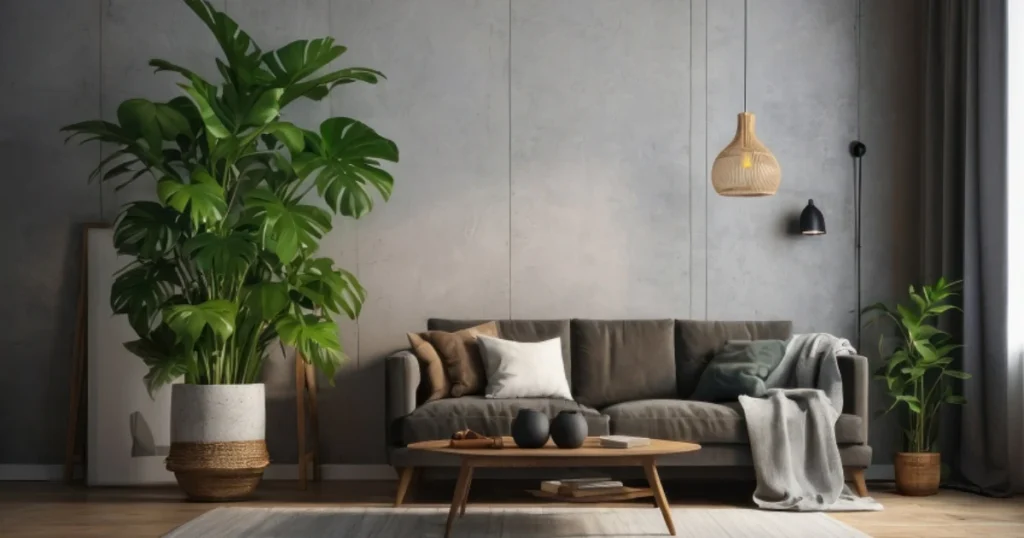
Soft grey walls offer a clean and modern look, and they adapt well to different interior styles. I usually recommend light greys with warm undertones because they avoid the cold feeling that some greys create. These tones work particularly well in dining rooms where you want clarity without harsh brightness.
Grey walls blend with neutral furniture, metallic fixtures, and natural elements. The color acts as a bridge between different décor pieces, which helps the room feel balanced and intentional. This makes it easier to update your dining room later without worrying about clashing colors.
One thing I appreciate about soft grey walls is how forgiving they are. The shade hides minor imperfections on the wall and maintains a polished look even in high-use areas. It is a reliable solution for anyone seeking a timeless dining room style.
10. Color Blocking for a Trendy and Artistic Dining Room
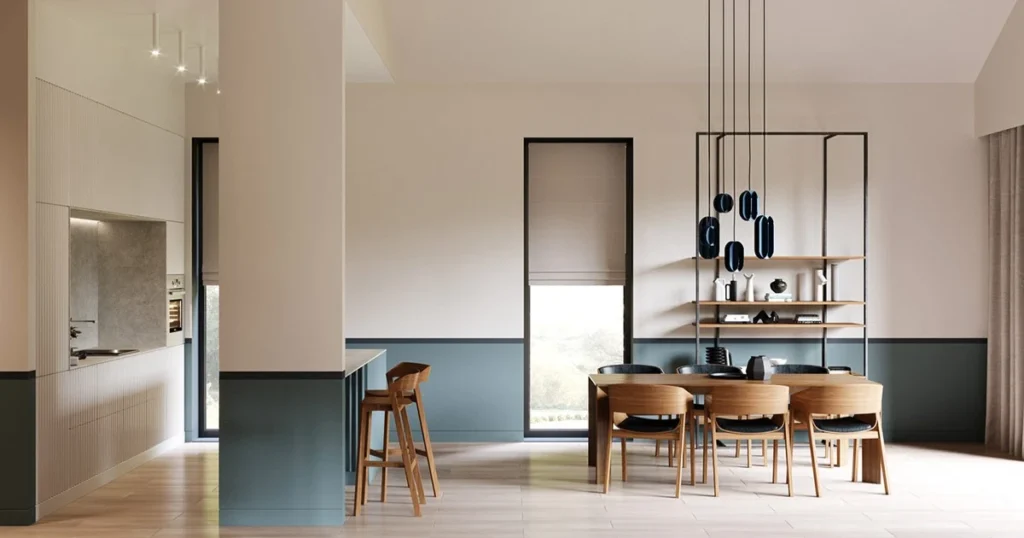
Color blocking adds personality, and it is perfect for anyone who enjoys experimenting with patterns and shades. This idea uses two or more colors in defined sections to create a stylish and creative look. I often suggest this to people who want something playful but still neat.
The best part about color blocking is the freedom to choose combinations that fit your home. You can pair warm and cool tones, or use similar shades for a subtle effect. With clean lines and thoughtful placement, color blocking transforms plain walls into modern décor elements.
This style shines in dining rooms that need a standout feature without overwhelming the furniture. It gives your walls artistic character and turns the room into a conversation starter during gatherings.
Practical Guide | Tips to Pick the Right Dining Room Paint
Choosing paint involves more than picking a shade you like on a sample card. I always start by looking at natural and artificial light in the room. A color that looks warm in the morning may appear different in the evening, so checking shades throughout the day helps.
Another thing I consider is furniture color. Dark wood looks balanced against lighter shades, while light furniture looks great with richer tones. Matching paint with décor ensures the room feels consistent and well planned. The goal is to support the furniture instead of competing with it.
You can also test samples directly on your wall. A small painted patch tells you more than any brochure. This simple step helps avoid repainting an entire wall because the color didn’t turn out as expected.
Conclusion
Dining rooms become more inviting when the walls support the style, mood, and daily routine of your home. I put together these painting ideas based on practical results, so you can create a welcoming space without complicated design rules. Every idea listed here works in real homes and offers flexibility for future décor changes.
The right paint gives your dining room personality and comfort. Whether you prefer soft neutrals, rich tones, textured walls, or modern two tone styles, each option helps shape a room where meals feel warm and memorable. If you test a few shades before committing, you will end up with a color that truly fits your space.
These ideas aim to guide you in building a dining room that feels both stylish and comfortable. With the right paint choice, your dining space becomes a place where people enjoy their meals and conversations last a little longer.
FAQs
Light shades such as soft white, pastel tones, and warm neutrals help small dining rooms feel larger and brighter. These colors open up the space without overpowering it.
Satin works well because it is easy to clean and has a subtle sheen. Matte looks elegant but may show marks more quickly, so it depends on how much activity the room sees.
Dark colors work beautifully when paired with warm lighting. They create a cozy, dramatic atmosphere and make the space feel intimate.
Most dining rooms look best with one accent wall, usually the wall behind the table. This keeps the room balanced while highlighting the main seating area.
Yes, subtle textures like limewash or soft stucco blend well with modern styles. They add depth without creating a busy look.
Warm neutrals, earthy tones, soft greys, and off whites blend well with wooden furniture. They highlight the natural grain and warmth of the wood.
Apply small patches of the color directly on the wall and observe them throughout the day. This gives you the most accurate view of how the shade behaves in your dining room.